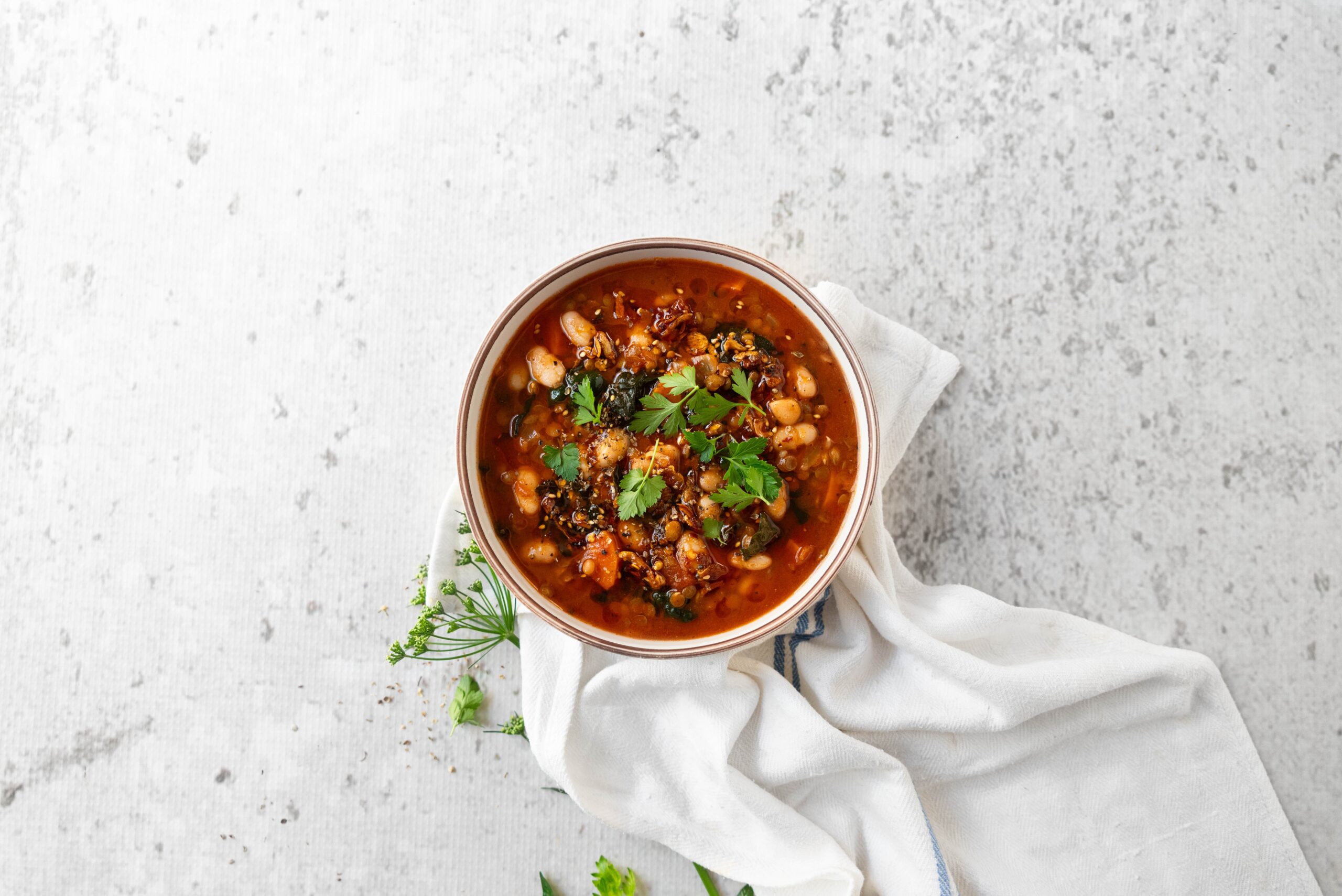
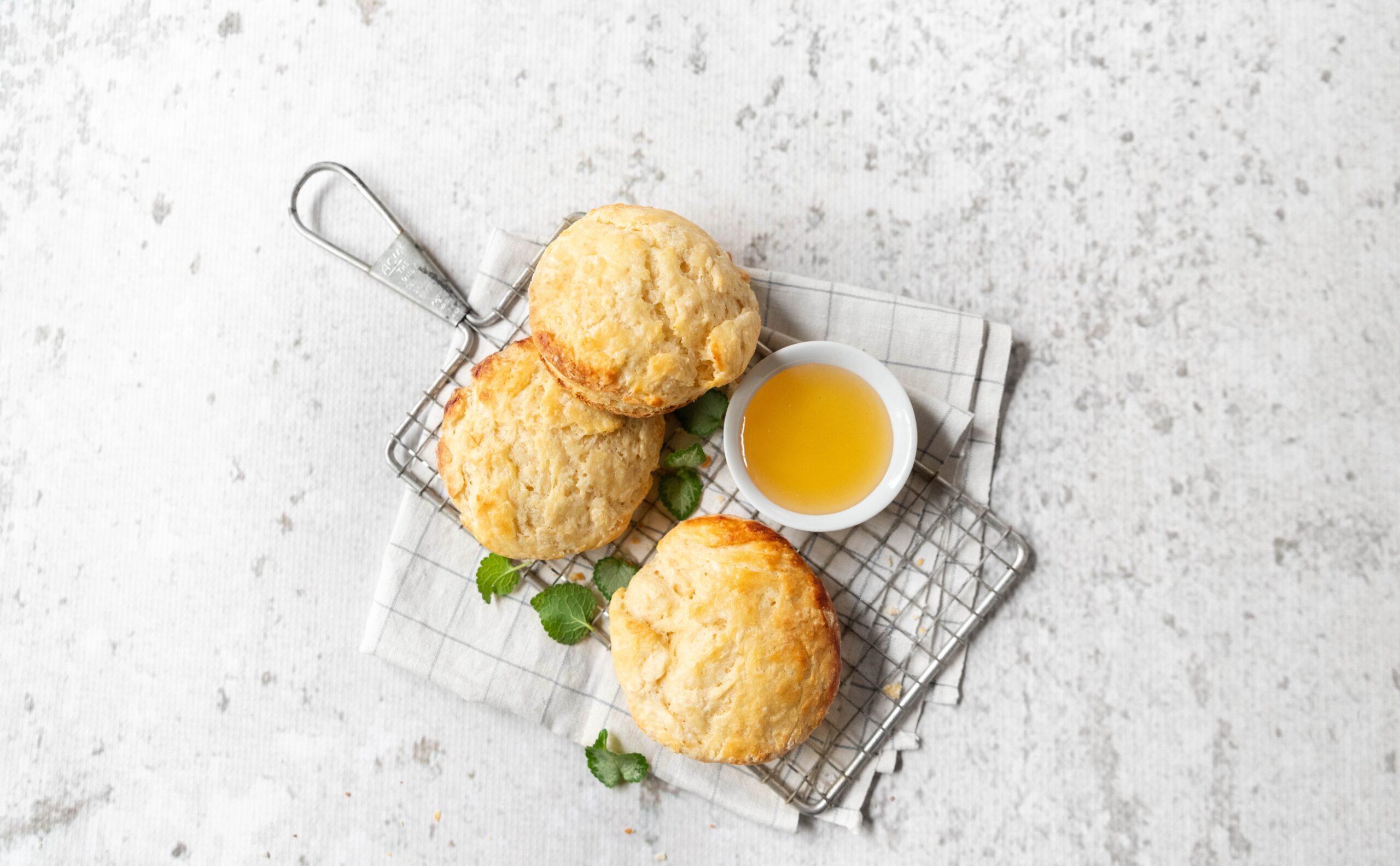
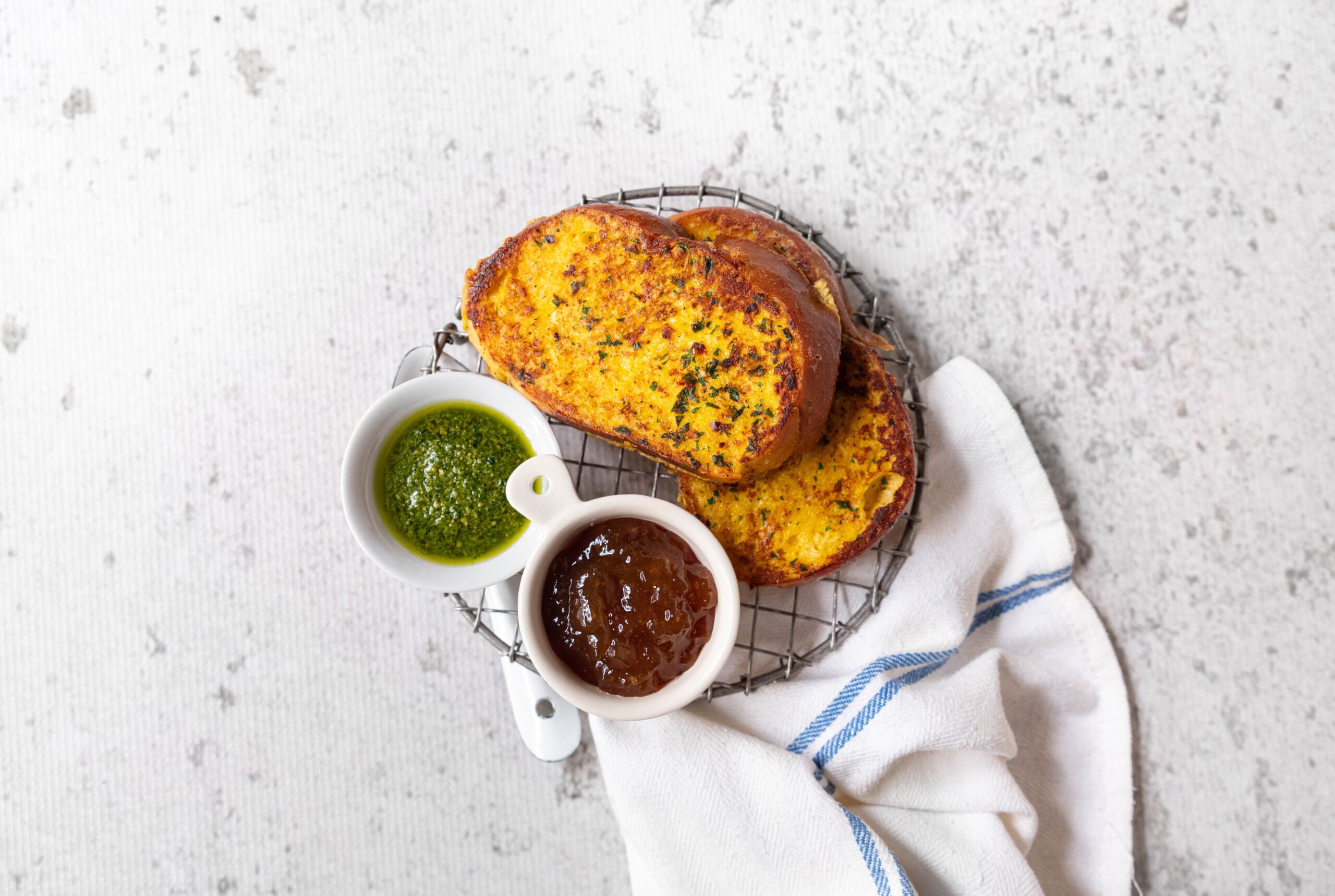
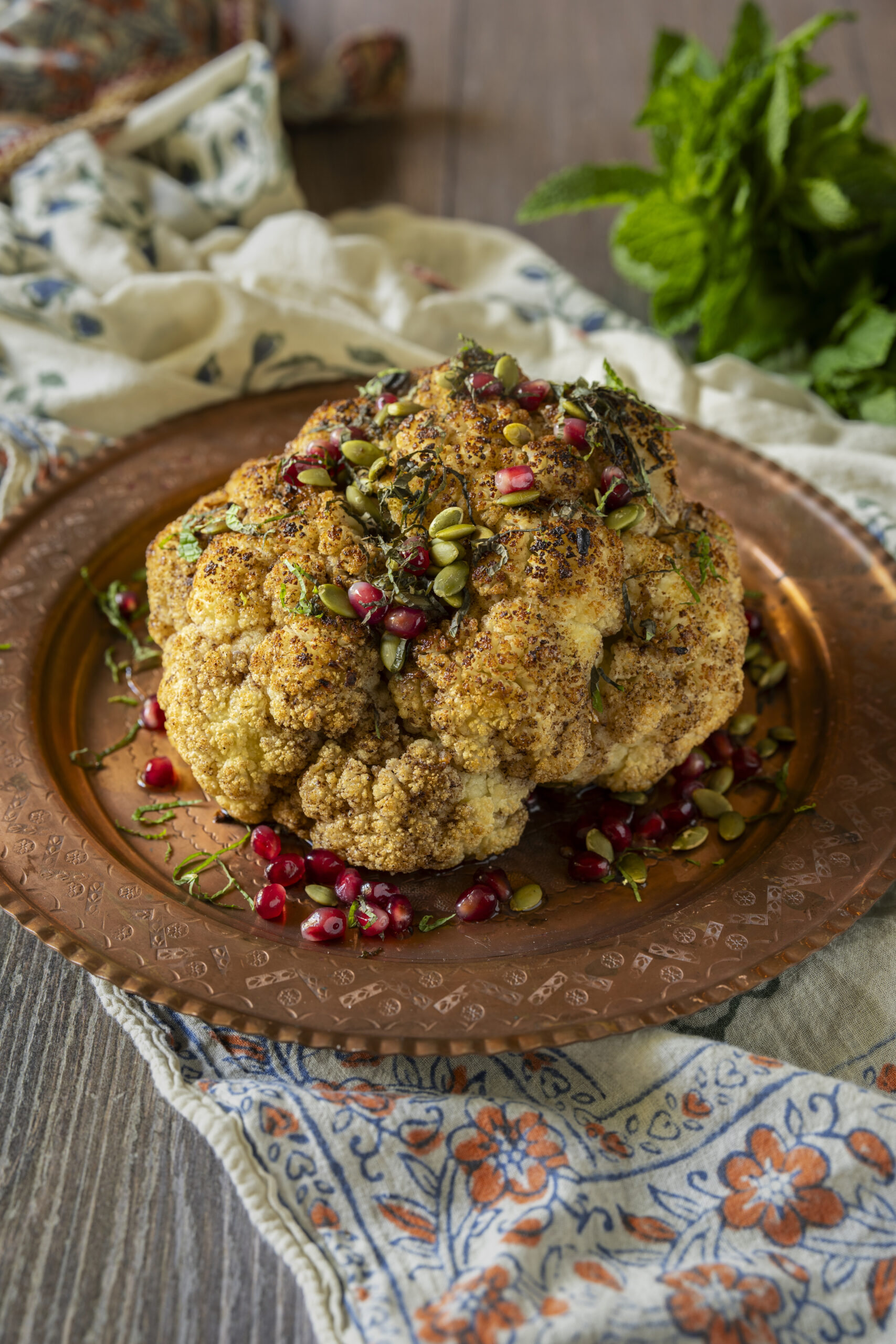
Preheat the oven to 375°F. Toss the sweet potatoes with 2 tablespoons of olive oil and sea salt. Spread them in a single layer on a baking sheet and roast for 35 minutes, or until tender and lightly browned.
While the sweet potatoes are roasting, heat the remaining 1 tablespoon of olive oil in a large skillet over medium heat. Add the ground beef and cook, breaking it up with a spoon, until no longer pink. Stir in the garlic powder, paprika, salt, and black pepper, and cook for 2-3 minutes more. Drain any excess fat if needed.
Divide the shredded romaine between bowls.Top with the seasoned beef, roasted sweet potatoes, cheddar cheese, tomatoes, avocado, pickles, and onion.
Drizzle each salad with a ¼ cup of the sauce, serving any extra on the side.
½cupcoconut granolaor your preferred granola of any flavor
16raspberry yogurt-covered pretzels
⅓cupdried banana chips
⅓cupflaked coconut
⅓cupchocolate chips
Method
Preheat the oven to 200°F.Line a 9 x 11-inch baking sheet with parchment paper. Arrange the chocolate bars in a single layer so they fit snugly together.
Bake for 6-10 minutes, or until the chocolate is just melted but not runny.
Remove the pan from the oven and immediately sprinkle the granola, banana chips, and flaked coconut over the melted chocolate. Arrange the yogurt-covered pretzels on top, then gently tap the pan a few times to help the toppings settle into the chocolate.
Melt the chocolate chips in a double boiler over medium-low heat, stirring until smooth. Drizzle the melted chocolate over the bark.
Refrigerate until completely firm, then break into pieces and store in an airtight container in the refrigerator.
In a small bowl, whisk together the olive oil, apple cider vinegar, maple syrup, Dijon mustard, salt, and pepper until well combined.Set aside.
Remove the stems from the kale and tear the leaves into bite-sized pieces. Place the kale in a large bowl and toss with half of the dressing. Massage the kale with your hands for about 1 minute or until it becomes tender.
Fold in the arugula and spinach blend.
Divide the greens among serving plates or bowls. Top with sliced apple, candied pecans, and cheddar cheese crisps.
Serve immediately with the remaining dressing on the side.
This refreshing noodle salad fit for a sultry summer night may become your new favourite way to luxuriate in watermelon. The flavourful sweet-sour watermelon sauce is the perfect foil for the slippery noodles and crunchy vegetables. Alternate cooking methods include oven roasting or pan frying. If you want to fire up the flavour a bit, add more chili sauce.
1tablespoongrated or finely chopped fresh gingerroot
1teaspoonsesame oil
8ounceswide Thai rice noodles
1 ½cupsjulienned carrots
1cupthinly sliced radish
¾cupchopped cilantro
⅓cupsliced mint
2green onions
⅓cuppeanutshalved
Lime wedges
Method
Build medium-hot fire in charcoal grill, or heat gas grill to medium. Place chicken on greased grill grate and cook for 7 minutes per side, or until thickest part of the meat reaches internal temperature of 165°F. Let chicken rest for 10 minutes; slice into 1 inch pieces.
In blender container, place 3 cups watermelon and blend until smooth. Press through fine-mesh strainer into bowl; discard pulp. Pour 1 1/2 cups watermelon juice into small saucepan. Add shallots, chili sauce, soy sauce, fish sauce, lime juice, and gingerroot to saucepan. Bring to a boil; reduce heat to medium and cook, uncovered, until liquid is reduced by about one half, 20 to 25 minutes. Stir in sesame oil. Remove from heat and let cool.
Meanwhile, prepare noodles according to package directions; rinse with cold water and drain well.
In large bowl, place noodles. Add cooked chicken pieces, carrots, radish, cilantro, mint, and remaining watermelon. Drizzle with watermelon sauce; toss to coat.
Divide among serving plates and top with green onions and peanuts. Serve with lime wedges.
This simple, yet delicious, recipe is perfect for making ahead for a tasty picnic in the sun. Breaking up a whole frittata into individual parts slashes cooking time and allows the egg cakes to be easily packed up for a summer picnic. The arugula pesto adds fresh flavour, with chunks of salmon adding substance to the individual frittatas. They can also be served warm or at room temperature.
In food processor, pulse together arugula, basil, hemp hearts, garlic, lemon zest, and lemon juice until well combined and everything is pulverized. Add Parmesan and then, with machine running, drizzle oil through top feed tube. If needed, stop food processor to scrape down sides of bowl.
In large bowl, whisk together eggs and sour cream. Stir in 1/4 cup pesto, roasted red pepper, and black olives, if using.
Divide egg mixture among 12 standard-sized silicon or greased metal muffin cups and bake until eggs are set, about 22 minutes. Let cool for 5 minutes before unmoulding.
This lightly sweet cornbread is less crumbly than traditional versions, which makes it easier to slice. The jammy tomato sauce as accompaniment is fit for the season. A wonderful side dish to serve alongside grilled meat or summer salad.
1tablespoonextra-virgin olive oil or grapeseed oil
1cupchopped onions
2garlic clovespeeled and finely chopped
4cupscherry tomatoeshalved
½teaspoonsalt
½teaspoondried red pepper flakes
1cupbasilsliced
2tablespoonsbalsamic vinegar
Method
Preheat oven to 350°F. Grease a 5 x 9 inch loaf pan. Line bottom of pan with parchment paper. Place pan on baking sheet.
In large mixing bowl, whisk cornmeal, flour, sugar, baking powder, baking soda, and salt. In another bowl, whisk together eggs, olive oil, and thyme, then slowly whisk in buttermilk until combined. Add wet to dry ingredients and mix until just combined. Gently fold in corn. Transfer batter to prepared pan and level out top with spatula or wooden spoon.
Bake in preheated oven until wooden skewer or toothpick inserted in centre comes out nearly clean, about 45 to 50 minutes. Transfer to wire cooling rack. Cool 15 minutes. If necessary, loosen sides with butter knife, then carefully turn out loaf.
To prepare tomatoes, in large skillet heat oil over medium. Add onion and heat until softened, about 5 minutes. Stir in garlic and heat 1 minute. Add tomatoes, salt, and red pepper flakes to skillet; heat until tomatoes are very soft and starting to break down. Stir in basil and heat 1 minute. Stir in balsamic vinegar.
Strategies to help children get the sleep they need
Good sleep and happy moods
School is out and so are bedtime routines. Some kids can handle disrupted sleep schedules better than others can. Longer stretches of daylight and sweltering heat that carries into the night can impact children’s ability to fall asleep.
Also, despite the appeal of “relaxed” bedtimes, kids who don’t sleep well become more sensory-sensitive, and some children really struggle with the lack of routine, which is reason enough to stick to the usual.
Consistency pays off
Our kids relish the magic of summer as much as we did once, so it matters that we mix summer fun with bedtime routines that maintain optimal sleep times. Parents can promote a healthy secretion of melatonin (the sleep hormone) by helping kids have a regular bedtime and waking time, and by exposing them to morning daylight.
If sleep times get out of whack, adjust summer sleep schedules gradually. It takes approximately two weeks to get back on track, depending on the age of the child. Go for increments of 10 to 15 minutes daily and make sure to adjust not only bedtime but also wake time and mealtimes, which are key to maintaining the circadian rhythm.
Summer sleep basics
Dark, cool bedrooms are best for sleep. Use blackout curtains if summer’s later sunsets interfere with sleep and, if needed, an unobtrusive nightlight.
Cool can be more difficult as summer heat sets in. Hot nights can increase the risk of fatigue and poor sleep quality, and they make it difficult for children to settle as body temperature needs to stay cool to enable sleep.
If air conditioning is not an option, there are alternatives. Keep the bedroom dark during the day and keep the hot air out as much as you can. Running a fan with a bucket of ice in front of it or hanging damp bedsheets over an open window can also work.
Create sleepiness
Getting kids outside to play can help to build tiredness. A cool bath or shower, putting away screens (at least one hour before bedtime), dimming lights, and reading together can all help to prepare for sleep. Cooling body temperatures approaching bedtime coincides with an increase in melatonin, which also helps with falling asleep.
Balancing summer magic and good sleep routines may not always be easy, but it’s a part of what memories are made of … drifting off to sleep (eventually) knowing that summer doesn’t last forever–and you made the best of it!
Sleep matters
Children between five and 13 years old need 9 to 11 hours of uninterrupted sleep per night, while those between 14 and 17 years need between 8 and 10 hours.
Melatonin levels peak in early childhood and decrease as children transition into puberty and adolescence.
We need to help kids of all ages mitigate their anxiety about medical appointments to invest in their long-term health. By helping our kids feel informed, confident, and in control of their healthcare, parents and providers set them up for a lifetime of better health outcomes.
Symptoms of anxiety in children
Worry and fear are common among young children. In fact, it is developmentally appropriate for older infants to be wary of strangers as they learn to differentiate between their familiar caregivers and other adults they meet.
Kids often use behaviour, rather than words, to communicate the emotions they feel. When your child feels afraid, helpless, or anxious, they may demonstrate aggression, withdrawal, lack of cooperation, and regression, such as bedwetting and thumb-sucking. Anxiety may also manifest in physical symptoms, like fatigue, headache, or stomachache.
Take these signs of anxiety as a cue to have an open conversation about your child’s feelings before going to the doctor.
Prepare at home
Manage your child’s expectations about how the visit will go.
Using age-appropriate language, explain what will happen at the doctor’s office. For older children, specify whether the visit will include physical exams, blood work, or vaccinations to alleviate fear of the unknown.
Role-play with toy medical equipment so your young child becomes familiar with the appearance and function of a stethoscope, for instance.
Watch kid-friendly videos about different types of doctor visits, for example, family doctor, dentist, and eye doctor.
Have your child choose which activity they’d like to bring into the waiting room, and a comfort item they’d like with them during the visit.
Encourage your child to think about what they’d like to learn about their body and what questions they’d like to ask their doctor.
Tell your teen that you can step out of the room if they’d like to speak with their doctor privately.
Your child’s healthcare team
Having a caring, understanding practitioner who is confident working with children can make your child’s medical experience a positive one. Look for a clinic with friendly front-end staff and an inviting physical environment, both of which can help your child feel at ease.
You may also consider filling the gaps in your child’s healthcare by seeking the services of allied health professionals, such as a naturopathic doctor, chiropractor, or osteopath. Having a discovery session with a provider before diving into an initial appointment is a nice way to ‘catch a vibe’ and see if you would be comfortable working together.
Sure, effective herbs can be bought at the store, but sensory learning really begins when kids grow or gather the plants themselves. In the yard or a window box, culinary herbs, like oregano and peppermint, give off tell-tale aromas when rubbed between their little thumbs and fingers.
Children will be proud to create the garden markers or snip the right species for tea or a savoury dish. Reinforce this hands-on experience with sensory descriptors like “spicy” or “aromatic” that suit the herbs and hint at their therapeutic properties.
Wild foraging is another way to collect medicinal plant material but must be restricted to species we can identify with absolute certainty. If you know your yarrow, its magic ability to stop the bleeding on a youngster’s scraped knee would make quite an impression. Still, we have to remember that many herbs considered beneficial for adults aren’t recommended for children―another reason to stick to the gentle effectiveness of kitchen herbs.
Tea time
With herbs on hand, how do we turn them into medicine that kids will actually consume? The potency of a tincture isn’t likely to win over young taste buds, but teas and honeys might.
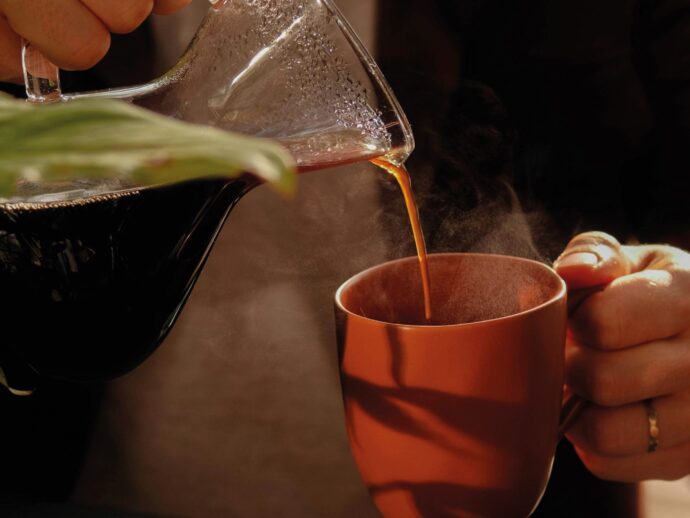
Children can crush, tear, or chop the plant material, committing the look, feel, and smell to memory. Try turning tea-making into a visual delight by using a glass pot through which they can watch the herbs release their essence and flavour.
Chamomile is a favourite, both for its relaxing qualities and because it pairs well with milk or cream, creating a bloom of white when added to the transparent vessel.
So sweet
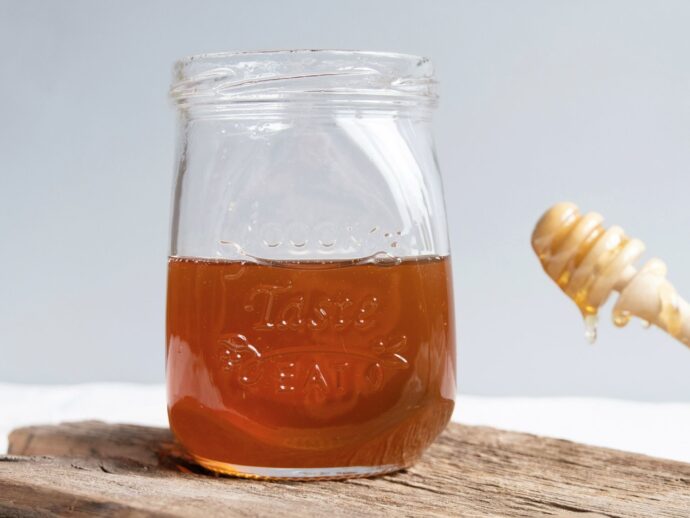
Honey also makes an excellent vehicle for medicine. Kids can help fill a jar with antimicrobial and immune-boosting garlic cloves, then cover them with honey and wait for the whole thing to transform into a medicinal syrup with “candied” cloves. Similarly, they can infuse honey with fennel and thyme to have on hand as a cough remedy. (A note here that honey is not recommended for children younger than one year.)
Four seasons
Your little ones can access dried or otherwise preserved summer herbs year-round, or they can stretch the season by having an indoor windowsill garden. Plus, many plants can still be identified in their dormant state or by their dead stalks over the winter.
Just see what your herbal explorations naturally uncover!
Kid-friendly medicinal herbs
These familiar culinary herbs can double as safe and gentle kids’ medicine:
Herb
Potential benefits
Suggested use
lavender
calming, antimicrobial
essential oil in a diffuser, part of a tea blend
peppermint
aids with digestion, nausea, and congestion
tea, essential oil in a diffuser (not for kids under 30 months)
Wild Raspberry and Chamomile Enchanted Forest Pancakes
Soft, golden pancakes infused with calming chamomile and dotted with tart wild raspberries—nature’s own anti-inflammatory superfruit—create a breakfast that soothes the body and delights the senses.
½teaspoonground chamomileor steeped chamomile tea, cooled, in place of some liquid
1large organic egg
¾cuporganic whole milkor any milk of choice
2tablespoonscoconut sugar
2tablespoonbuttermelted
1tablespoonvanilla extract
½cupfresh wild raspberries
1tablespoonbutter or coconut oil for cooking
Extra raspberries for topping
Pure maple syrup for topping
Method
In bowl, whisk together flour, protein powder, baking powder, salt, and chamomile.
In another bowl, whisk egg, milk, coconut sugar, melted butter, and vanilla.
Gradually combine wet and dry ingredients, stirring until just combined. Do not overmix! Lumps are fine. Gently fold in wild raspberries.
Heat pan over medium heat, greased with butter or coconut oil. Pour batter to form pancakes and cook for 1 to 3 minutes per side, until golden. Do not overcook!
Serve warm with extra wild raspberries, a coin of butter, and a drizzle of pure maple syrup.