Category: Health

  • Through the fog

    Through the fog

    Hope and healing beyond conventional chronic pain methods

    The ebb and flow of chronic pain is tough to navigate. A complex and deeply personal experience, it comes crashing in waves on some days and feels like treading water on others.

    The complexities of pain

    Fibromyalgia, arthritis, herniated discs—the list of chronic conditions is varied and long. Without effective treatment, the pain associated with these conditions can affect many aspects of life, including work, social functions, and family life.

    The complex nature of chronic pain often demands a multifaceted approach to treatment. By exploring and combining alternative treatments with traditional ones, we can create a personalized path toward greater comfort, balance, and overall wellness.

    The need for a new approach

    While conventional medicine provides essential tools—medications, surgical interventions, counselling—they often aren’t enough to fully address the root cause of pain.

    Alternative therapies can offer ways to manage symptoms and restore a sense of control over your body―to complement conventional methods, rather than replacing them.

    Alternative pain relief options

    Integrating alternative approaches into a broader pain management strategy may also empower one to actively participate in the healing journey.

    TENS

    Transcutaneous electrical nerve stimulation (TENS) provides a mild electrical current to the nerves. It’s thought that this offers pain relief by blocking or altering the perception of pain and raising the body’s endorphin level.

    Sound therapy

    Used to influence a person’s physiological and psychological states, sound therapy is thought to help recalibrate the brain’s perception of pain and discomfort and promote relaxation.

    Examples of sound therapy can include the following:

    • chimes
    • singing bowls
    • chanting
    • drumming
    • music

    Other excellent modalities

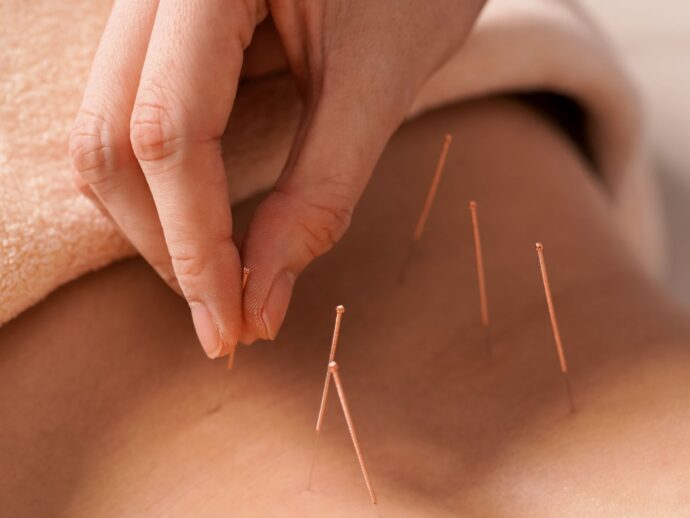
    Other complementary alternative therapies include acupuncture, massage therapy, and meditation.

    Although it may be an ongoing challenge, with a holistic approach that embraces both modern medicine and alternative healing, we can shift focus from pain to self-care and from limitation to possibility.

    Catch some zzzs

    Even short bouts of sleep can often feel elusive when dealing with chronic pain.

    Some simple tips can help alleviate or improve your health outcomes; after all, <some> relief is better than no relief:

    • Try relaxing distraction: Look into guided meditation or rhythmic breathing to alter your focus.
    • Take pain medications right before bed: Help your body relax and feel more comfortable when trying to wind down.
    • Stay consistent: Aim to fall asleep and wake up at the same time every day to create a routine.

    Eating for chronic pain

    Anti-inflammatory foods, such as the following, can help manage symptoms and improve pain outcomes:

    • fatty fish (salmon, sardines)
    • leafy greens (kale, spinach)
    • fruits (berries, grapes)
    • nuts (almonds and walnuts)
    • seeds (chia, hemp)
    • extra-virgin olive oil
    • tomatoes
    • citrus fruits (grapefruit, oranges)
    • whole grains (wheat, brown rice)

    By Melissa Curman

    Article Courtesy of Alive Magazine

  • Healthy hydration for your next vacation

    Healthy hydration for your next vacation

    Sip your way to a better summer holiday

    While you may be focused on bookmarking favourite sightseeing spots in your travel guide and packing essentials like sunscreen, don’t forget an oft-overlooked essential of healthy travel: a healthy hydration plan.

    Hydration―an essential part of a great vacation

    Many people often get sick after a vacation. This may be due to an array of factors, all of which hydration can play a part in ameliorating.

    Weakened immune system

    That enclosed airplane cabin is notoriously germ-ridden. Staying hydrated improves your immune system strength. For example, mucous membranes in your sinuses stay moist with proper hydration, thus aiding them in their role as natural defenders against viruses. Drinking water also flushes out toxins that build up on your trip, whether it’s bacteria or too many greasy poolside burgers.

    Travel fatigue and time zone changes

    Don’t let those red-eye flights leave you too tired to enjoy your destination. Lack of quality sleep weakens your immune system. Staying hydrated can help improve sleep and helps you overcome jet lag.

    “Fasten seat belt” sign = dehydration

    Dehydration during travel is a common issue. This is especially true if you’re flying. Airplanes have a much lower percentage of moisture in the air, because airplanes pull air from outside to pressurize the cabins; and being at a high altitude makes the air naturally dry. Airplane cabins are also dehumidified. These two factors create an environment that has about 5 to 20 percent humidity, whereas the average home has about 40 to 60 percent.

    The result? Faster water loss simply by being on an airplane.

    What to pack to stay hydrated

    Pre-flight checklist

    Don’t wait until you’re thirsty; start hydrating at least four hours before you hit the road. Try to up my water and eat foods with a high water content: things like cucumbers and oranges.

    Reusable water bottle

    Bring a refillable water bottle and fill it after going through security. Having a refillable bottle is also really handy during your trip.

    Electrolytes and supplements

    Replacing your sodium, potassium, and magnesium is especially helpful after flights. Try coconut water, hyaluronic acid supplements, and B vitamins to help with energy and cellular hydration.

    Safe water FAQs

    Is the drinking water at my destination safe?

    Choose bottled water if you have any doubts about water safety. In some countries, it may be a good idea to skip ice in your drinks and use bottled water to brush your teeth.

    When should I see a doctor?

    If you discover the water you’ve consumed is contaminated water, consult a doctor if you’ve been sick for longer than two days, have severe pains, notice blood after going to the bathroom, or have a fever above 39 C (102 F).

    By Joshua Duvauchelle

    Article Courtesy of Alive Magazine
  • Greenifying the concrete jungle

    Greenifying the concrete jungle

    How urban green spaces combat environmental challenges

    As our cities grow, the importance of green spaces becomes increasingly evident. While skyscrapers and bustling streets are iconic of urban environments, access to natural landscapes and parks is invaluable.

    The impact of green spaces on urban environments

    Green spaces can act as natural air filters, absorbing pollutants and releasing oxygen. Therefore, the more green spaces in a community, the better the air quality.

    In addition, urban dwellers with access to more green areas experience fewer instances of mental distress and are less likely to suffer from anxiety, depression, and other diseases.

    Urban Heat Island effect

    The urban heat island (UHI) effect is a phenomenon creating waves for city dwellers in multiple areas. Big cities where natural vegetation has been replaced with dense concentrations of buildings and large amounts of materials such as asphalt, concrete, and pavement result in higher temperatures than surrounding rural areas due to surfaces absorbing and retaining heat from the sun. Nature’s natural cooling systems, such as trees and vegetation, are no longer available to mitigate the heat.

    UHIs can lead to heat-related illnesses, higher energy consumption, and increased air pollution (from air conditioning units, for example). Green spaces help to combat this issue by providing shade, evaporative cooling, and natural ventilation.

    Start a community garden

    Interested in growing a garden, but don’t have a big enough space? Here are some tips on how start your own community garden:

    1. Gather interested community members and form a garden committee to plan and organize.
    2. Find a suitable location, such as a vacant lot or a space within a park.
    3. Seek out grants and funding opportunities to help with the costs of materials and tools.
    4. Consider partnering with local organizations and businesses for support.

    With determination and collaboration, a community garden can be a thriving green space for all to enjoy and reflect the uniqueness of your community.

    By Adam Meyer

    Article Courtesy of Alive Magazine
  • Tech neck

    Tech neck

    How screen time is straining your body

    Tech neck: how screen time is straining your body

    From laptops to smartphones, screens have become a constant companion in modern life. But the hours we spend hunched over our devices are contributing to a common complaint known as tech neck.”

    Characterized by neck stiffness, headaches, and shoulder pain, the condition is largely the result of prolonged forward head posture while looking down at screens.

    When the head tilts forward, the strain on the neck increases dramatically. Research suggests that even a modest downward tilt can place several times the normal load on the cervical spine. Over time, this posture can irritate muscles, compress joints, and lead to chronic tension in the neck, shoulders, and upper back. Many people also experience tension headaches or eye strain, especially after long stretches of computer work.

    Fortunately, a few small changes can make a big difference.

    Adjust your screen position Ideally, the top of your computer screen should be at or slightly below eye level so you’re looking straight ahead rather than downward. If you work on a laptop, consider using a stand or stack of books to raise the screen and pair it with an external keyboard.

    Check your posture: Sit with your shoulders relaxed and your ears aligned over your shoulders—not drifting forward. Your feet should rest flat on the floor, with knees roughly level with your hips.

    Use ergonomic micro-adjustments Instead of staying frozen in one position, shift your posture frequently. Adjust your chair angle, change the angle of your screen, or sit slightly farther back for a few minutes. These small movements help prevent muscle fatigue and reduce tension buildup.

    Protect your eyes Eye strain can contribute to neck tension because people tend to lean forward when they struggle to see clearly. Follow the “20-20-20 rule”: every 20 minutes, look at something about 20 feet away for at least 20 seconds to relax the eye muscles.

    Stretch it out Simple stretches throughout the day can help counteract screen-time strain.

    • Chin tuck: Sit tall and gently draw your chin straight back, as if making a double chin. Hold for five seconds and repeat five times to strengthen deep neck muscles.
    • Shoulder rolls: Lift your shoulders toward your ears, then roll them back and down. Repeat 10 times to release upper-back tension.
    • Neck side stretch: Tilt your left ear toward your left shoulder until you feel a gentle stretch along the opposite side of your neck. Hold for 15 seconds and repeat on the other side.

    By Carimé Lane

    Article Courtesy of Alive Magazine

  • Lead an anti-inflammatory lifestyle

    Lead an anti-inflammatory lifestyle

    A few lifestyle changes can make all the difference

    Inflammation is a process of immune activation the body takes to defend against infection, toxins, or tissue injury, with the purpose of healing the body’s tissues. Our immune cells “turn on” inflammation in response to perceived threats by secreting an array of chemical mediators called cytokines, which can be measured in the blood, such as interleukin 6 (IL-6) and C-reactive protein (CRP).

    When prolonged, however, chronic low-grade inflammation becomes the common underlying pathway of a myriad diseases. These include skin conditions, arthritis, heart disease, cancer, and even depression. Most commonly, the factors contributing to chronic inflammation involve diet, the gut microbiome, toxic chemical exposures, bodyweight, and chronic stress.

    Eat a healthy diet

    The standard Western diet is characterized by consumption of processed and ultra-processed foods. The chronic, low-grade inflammation caused by such metabolic excess has been called “meta-inflammation” and has been linked to the development of heart disease and cancer.

    Diets such as the Mediterranean diet, characterized by high consumption of vegetables, fruits, whole grains, legumes, and fish are associated with lower inflammatory cytokines in the blood compared to high-caloric intake and consumption of sweets, refined cereals, processed meats, snacks, and sugary drinks.4 Ultra-processed foods may also contain harmful chemicals, such as bisphenol or phthalates, which have been associated with higher levels of IL-6 and CRP.

    Engage in regular exercise

    Fat tissue secretes inflammatory cytokines, and exercise can suppress this activity. Exercise actually causes muscle to release -inflammatory cytokines.

    The Canadian 24-Hour Movement Guidelines recommend performing a variety of types and intensities of physical activity:
    • moderate to vigorous aerobic physical activities for at least 150 minutes per week
    • muscle strengthening activities using major muscle groups at least twice a week
    • several hours of light physical activities, including standing

    Stepwise strategy to reduce inflammation

    StrategyHow-to
    reduce sugar intakehalve the sugar in your tea or coffee; better yet, don’t use sugar at all!
    improve sleepgo to bed one hour earlier
    break up your stressengage in prayer, meditation, or spiritual reading 10 to 20 minutes a day
    forgivenessexpress forgiveness toward those who’ve offended you (“I forgive her”) so you can let go of those grievances
    sense of purposebook time to spend doing something <fun> with your kids or spouse, or a hobby on your own
    exercisewalk laps around the arena or field instead of sitting while at your kids’ sports practices
    increase antioxidantsensure half your plate contains vegetables and fruits (rich in phytonutrients); consume antioxidant-rich teas like green tea, dandelion, and nettle
    improve microbiomeintroduce fermented foods like kombucha tea or unpasteurized sauerkraut

    By Heidi Fritz

    Article Courtesy of Alive Magazine
  • Exercise and mental health

    Exercise and mental health

    Marrying your movement to your mood

    Life does get in the way

    Exercise and poor mental health are at war with each other: exercise can be an effective treatment for a condition that, by its very nature, dampens your will to move.

    Most exercise programs don’t consider psychological hurdles. Motivation is the nucleus of self-improvement. It is the ocean between should and can. Mass market programs are made to be sold; asking “Is this even possible for you?” is a poor retail tactic.

    The most important point when motivation is at play is just emphasizing that any exercise is better than none.

    A systematic review and meta-analysis of 15 prospective studies of nearly 200,000 people noticed “significant mental health benefits from being physically active, even at levels below the public health recommendations.”

    Quality, not quantity. Never mind 150 minutes—let’s start with five.

    There’s such a thing as too much

    In fact, too much physical activity too quickly can manifest as a form of self-harm, masking important emotions.

    Listen to your body

    A structured exercise program can be a catalyst. However, trusting yourself and being in touch with your emotions is paramount. Whatever gets you out the door: do you like to walk, play tennis, hike?

    Antidepressants have the common side effect of weight gain, which can lead to body dysmorphia. While both sexes can feel pressure to conform to a societal norm, men suffer differently.

    Some men are trying to achieve an unrealistic goal, which leaves them in a state of dissatisfaction. While chasing it, they’re still doing things that seem outwardly healthy, like going to the gym. They’re eating food in what seems to be a healthy manner, but perhaps that has led them to use performance-enhancing drugs. It circles back to just being someone who is trying to deal with those demons themselves and not seeking support.

    It’s a beautiful thing to move in your body, be in your body, and just listen.

    Sources of hydration for exercise

    watercarbonated water is just as effective
    sports drinksmake your own by adding 1/2 tsp (2 mL) of salt per litre of water, along with some sweetener or fruit.
    coconut watercontains high levels of potassium
    chocolate milkcontains the necessary fat and protein
    green teaimproves the function of the body during exercise

    How to get started

    • Start simple.

    • Do what you enjoy.

    • Set reasonable goals.

    • Try not to think of exercise as a chore.

    • Plan for, and accept, setbacks.

    Article Courtesy of Alive Magazine
  • Meditation, mindfulness, and mental health

    Meditation, mindfulness, and mental health

    Combatting the loneliness epidemic

    What if you could be even 1 or 2 percent happier?

    Meditation, even for a few minutes at a time, can be hugely beneficial.

    You are not alone in being lonely

    The extent of mental illness has disproportionately increased post-COVID. The pandemic forced people who were already experiencing stress into isolation, and loneliness is a breeding ground for anxiety.

    Loneliness has become the biggest epidemic that the world is facing. We spend more time on the internet scouring the news, which is negative. It makes us feel even more lonely because we fear that nobody cares for us—which is unfounded— and that loneliness just pervades.

    Mindfulness, one type of meditation, can be an elixir. It’s interesting to understand why it is necessary and why it works.

    Pay attention to what you pay attention to

    The brain wants to put as much as possible into the unconscious, which helps you to get through life quickly. But that knowledge base is marked by emotions.

    This accumulation of unacknowledged emotions can be manifested as forms of stress. This is where mindfulness can be helpful as a method of recognizing and slowing that process.

    Mindfulness is the deliberate, intentional focus in a nonjudgmental way. By being aware of how crucial your attention is, you can understand that <where> you put your attention has an impact on who you are and—more importantly—who you’re going to be.

    This is the first step toward a meditation practice. Without self-awareness you’re a cork in the ocean. By paying attention deliberately, and being aware of more positive things, you’re creating a future for yourself that’s going to be more positive, and one you’re more connected with.

    Breathe through it

    calm and control your breathing is a powerful tool. We can use the breath to control our anxiety and our mood.

    Try the pranayama breathing technique or joining a yoga practice at a local community centre—readily available and inexpensive—since this also combats loneliness.

    The admonishments to “keep in shape” and “stay healthy” are associated almost solely with our bodies from the neck down. But the benefits of being mindful, and learning to calm and relax our thoughts, are incontrovertible.

    Therapists use the “thought train” analogy: you are a passenger on a train; the passing landscape represents your thoughts. Allowing the thoughts to simply pass by, without judgment, is the essence of mindfulness, and the seed of meditation.

    What self-care really means

    Research has consistently shown that mindfulness improves brain volume, increases the grey matter, lessens the chances of dementia, and reduces depressive symptoms and anxiety. There are cardiovascular benefits: reducing chances of stroke and heart attacks, and immune function increases.

    By Kenny Bodanis

    Article Courtesy of Alive Magazine
  • Rest up

    Rest up

    It’s Rest and nonrest

    According to research, the state of rest doesn’t occur from the activity itself, but rather from when there is harmony between our feelings, motivations, and actions. This harmony cultivates calm, confidence, and belonging. By contrast, the state of nonrest is defined by <dis>harmony of our feelings, motivations, and actions, which leads to tension and energy depletion.

    We are continuously moving between rest and nonrest. When we feel tense and fatigued, we should take it as a cue to restore harmony.

    Keys to foster rest

    We can cultivate harmony between our feelings, motivations, and actions by embracing the following concepts.

    Natural rhythms

    Align with the natural rhythms of the day, month, and season. For example, take a rest as you transition from one task to another in the day and honour how you feel in the winter versus the summer.

    Letting go

    You don’t have to do everything yourself. Trust and have confidence in others, allowing them to help you.

    Safe relationships

    Being accepted without judgment and not having to behave in a certain way is conducive to rest. Invest your time and effort into beneficial relationships and walk away from toxic ones.

    Pleasure and creativity

    Appreciate the beauty in nature, music, and art. Take the time to not only to take in and enjoy the beauty, but to also answer the call to create what you’re compelled to create.

    Feeling rested

    Mental-emotional health

    We feel mental fatigue after prolonged periods of cognitive activity. Mental fatigue is a psychobiological state involving cognitive decline, reduced accuracy, and slower reaction time. Symptoms may include temperamental depression, moodiness, and changeability, which may create relationship difficulties and challenges at work; it can sometimes lead to substance abuse.

    Rest Rx: Research shows that listening to music and binaural beats helps ease mental fatigue. Having a regular meditation practice may also reduce the negative effects of mental fatigue.

    Physical health

    When we’re physically fatigued, we can experience symptoms ranging from insomnia, chronic pain, digestive issues, heart conditions, and gynecological problems. While there isn’t a biological explanation for every physical symptom of fatigue, researchers have developed an umbrella term for exhaustion-related symptoms, called persistent physical symptoms (PPS).

    Rest Rx: Research shows that nonsleep deep rest (NSDR) improves physical readiness, exercise recovery, tension, emotional balance, negative affect, and overall stress. In this study, the NSDR was elicited by lying down on a mat in a dark, quiet room and doing 10 minutes of guided meditation exercises.

    By Cassie Irwin, ND

    Article Courtesy of Alive Magazine
  • Better for one, better for all

    Better for one, better for all

    Reusable cups that help curb the spread of microplastics

    The problem with plastic

    Microplastics have also been found in soil ecosystems, potentially compromising crop health. Because microplastics can release harmful pollutants, we are seeing worldwide effects of the damage they can do to our oceans, lands, and air—and the materials we consume from those sources.

    The human cost

    As devastating as microplastics are for Mother Earth, they also pose a significant threat to human health. These particles find their way into our bodies through various channels, including food like seafood and honey, bottled water, and even the air we breathe. Microplastics have been found in human blood, breast milk, livers, and kidneys.

    While we are still learning about the effects of microplastics on human health, the initial research has been alarming. A 2023 study found that microplastics “can interfere with important biological processes in the human body and can cause disruption of the endocrine, immune system; can have a negative impact on mobility, reproduction and development; and can cause carcinogenesis.”

    A 2025 report from the University of New Mexico Health Sciences found that microplastics in human brains have increased 50 percent over the past 8 years, and dementia patients had 10 times as many microplastics present as the general population.

    Better for one, better for all

    One company that is stepping up to tackle the plastics problem is Better for All. Better for All has developed a reusable and biodegradable cup that is designed to replace single-use plastic cups.

    Their solution to the problem of single-use plastics lies in PHA (polyhydroxyalkanoate), a material that is reusable and non-toxic, can sustain heat up to 212 F, and is at-home compostable. This unique material is known as a biopolymer, which is a biomaterial made by living fermentation microorganisms.

    The main stage

    According to one watchdog publication, an average stadium uses 800,000 plastic cups for a year’s worth of concerts, and 571,659 cups throughout an NFL season. The Oak View Group, which founded a sustainability network that includes sites like the Prudential Center, Dodger Stadium, Fenway Park, Wrigley Field, and Citi Field, says that their members “currently divert an average of 32 percent of their waste through reusing, recycling, and composting.”

    With the addition of Better for All’s compostable cups, venues can see a major change in their microplastics contribution, without asking attendees to alter their behavior (or their favorite gametime beverage). The next time you see your favorite artist play a concert, or root for your home team at a game, you may be able to cheers to something pretty impressive—sustainability.

    By Laura Bolt

    Article Courtesy of Alive Magazine
  • Invasion of the body snatchers

    Invasion of the body snatchers

    Invasion of the body snatchers

    Autoimmune diseases are on the rise (and what you can do about it)

    The rates of the most common autoimmune diseases, including type 1 diabetes, rheumatoid arthritis, lupus, and multiple sclerosis, are on the rise―but there is hope for prevention and management.

    What’s in the name: defining autoimmune diseases

    Autoimmune diseases happen when your immune system, which is supposed to protect your body from harmful invaders like viruses and bacteria, mistakenly attacks healthy cells.  This results in chronic inflammation and damage to various tissues and organs in your body, which can trigger an array of health concerns, like arthritis.

    Unlike other diseases caused by external factors, this immune malfunction makes autoimmune diseases harder to diagnose, as symptoms can overlap with many other conditions and vary widely from person to person.

    The causes of autoimmune disease

    Researchers continue to debate various questions about the underlying causes of autoimmune diseases like lupus and multiple sclerosis.

    Most theories boil down to two key factors: your genetics and your environment. Genetic triggers cannot be altered, but degenerative factors like exposure to toxic elements, infections, or chronic stress can be avoided with lifestyle changes.

    Optimize your diet

    Being overweight or obese raises your risks, so eating a healthy diet is foundational. Exactly what you eat is key, too. There’s a correlation between inflammation and both the development and the symptoms of autoimmune diseases.

    Concentrate on anti-inflammatory foods, including leafy greens, fatty fish, nuts, and seeds. That’s the focus of diets like the autoimmune protocol (AIP) diet, which has been shown to help with inflammation-linked health concerns. Reduce the intake of processed foods, refined sugar, and trans fats. Prioritize foods rich in probiotics such as yogurt and fermented vegetables, as well as prebiotic fibres, which help maintain the gut―an important factor in immune function.

    Sweat it out

    Research suggests that regular physical activity can help to both prevent and manage the inflammation and common symptoms, such as chronic fatigue, of autoimmune diseases.

    You don’t need to be a gym rat to reap the benefits. If you’re struggling with pain, mobility, or fatigue, gentle forms of exercise like yoga and tai chi can do the trick.

    When to talk to a doctor

    There are some situations where factors are simply out of your hands. But you’re still empowered to take control of your health. Regular monitoring can catch early signs if you’re at higher risk due to family history. Blood tests and symptom tracking can make a big difference.

    If you notice persistent symptoms or have a family history of autoimmune conditions, consult a healthcare provider. Early detection and management are crucial to improving your quality of life.

    by Joshua Duvauchelle

    Article Courtesy of Alive Magazine