Tag: Alive

  • Cook with Chili

    Cook with Chili

    Cook with Chili

    Kick your meals up a notch

    You don’t have to be a heat freak to enjoy eating chili peppers since their “spice” levels vary greatly—enough to suit all tastes. It’s time to bring the heat into the kitchen—start with these recipes!

    Alive Magazine

    Grilled Chili Tofu Steaks with Quinoa

    Treat yourself to a steak dinner, using tofu instead of meat. The tangy chili-spiked marinade does double-duty as a finishing sauce and transforms otherwise bland tofu into an exciting dish.
    Servings: 4
    Course: dinner, entree, Lunch

    Ingredients
      

    • 2 12oz packages extra-firm tofu
    • 1 shallot chopped
    • 2 large garlic cloves minced
    • ¼ cup minced fresh ginger root
    • 1 habanero chili minced
    • 1 tablespoon fresh thyme
    • ½ teaspoon salt
    • ½ teaspoon ground allspice
    • ¼ teaspoon pepper
    • 2 tablespoons olive oil
    • 1 tablespoon maple syrup
    • Zest of 1 lemon
    • 1 cup orange juice
    • 1 cup quinoa

    Method
     

    1. Line cutting board with a couple sheets of paper towel. Top with tofu and a couple more sheets of paper towel. Place another cutting board or other flat object on top and press gently to extract excess liquid from tofu. Turn tofu blocks on their sides and slice in half lengthwise.
    2. In large shallow container, whisk together shallot, garlic, ginger root, habanero, thyme, salt, allspice, pepper, olive oil, maple syrup, lemon zest, and orange juice. Add tofu, and chill for at least 2 hours, or up to overnight, flipping once.
    3. Into medium saucepan, place quinoa, a couple pinches of salt, and 1 3/4 cups water. Bring to a boil, reduce heat to maintain a light simmer, and cook, covered, until quinoa is tender and water has absorbed, about 12 minutes. Remove from heat and let pot sit, covered, for 5 minutes. Fluff quinoa with fork.
    4. In charcoal grill, build a medium-hot fire, or heat gas grill to medium-high and grease grill grates. Remove tofu from marinade and reserve marinade. Grill tofu slabs until golden and grill marks appear, about 4 minutes per side. Giving tofu a 90-degree turn halfway through cooking each side will produce a nice cross-hatch pattern. Slice each grilled tofu piece into 2 triangles. Alternatively, in large skillet over medium-high, heat 1 Tbsp oil. Add tofu to pan and sear until golden and crispy, about 3 minutes. Flip and heat until golden and crispy on other side.
    5. Into small saucepan, place marinade and bring to a gentle simmer and heat for 2 minutes.
    6. Divide quinoa among serving plates and top with tofu pieces. Drizzle on habanero sauce.
    7. Enjoy!
    Alive Magazine

    Minty Chili Pea Soup

    This brightly colored soup for chili lovers is the perfect way to welcome back warmer weather. Looking for a little less heat? Substitute serrano pepper with jalapeño.
    Servings: 4
    Course: dinner, entree, Lunch

    Ingredients
      

    • 1 tablespoon grapeseed oil or sunflower oil
    • 1 leek, white or light green part thinly sliced
    • ½ teaspoon salt
    • ½ pound new potatoes quartered
    • 2 garlic cloves chopped
    • 2 serrano chili peppers seeded and chopped
    • ¾ teaspoon ground coriander
    • ½ teaspoon pepper
    • 4 cups low-sodium vegetable broth
    • 3 cups fresh shelled or frozen peas
    • 1 cup fresh mint
    • Juice of ½ lemon

    Method
     

    1. In large saucepan, heat oil over medium heat. Add leek and salt; cook until softened, about 5 minutes, stirring regularly. Add potatoes and garlic; heat for 3 minutes. Add serrano pepper, coriander, and pepper; heat for 1 minute.
    2. Add broth to pan. Bring to a boil and simmer over medium-low, covered, until potato is tender, about 15 minutes. Add peas and continue heating until they are tender, about 5 minutes. Stir in mint and lemon juice. Using blender or food processor, puree soup in batches if necessary. Thin with additional broth or water, if needed. Ladle into each of 4 bowls.
    3. Enjoy!
    Alive Magazine

    Salmon Burgers with Mango-Thai Salsa

    These Asian-inspired salmon burgers won’t leave you missing the beef or the bun. Keep this fruity and fiery salsa in mind the next time you want to jazz up grilled chicken or taco night.
    Servings: 4
    Course: dinner, entree, Lunch

    Ingredients
      

    • 1 pound skinless salmon
    • 1 large egg
    • ½ cup panko bread crumbs
    • 2 garlic cloves minced
    • 1 tablespoon low-sodium soy sauce or tamari
    • ⅓ cup basil
    • Zest of 1 lime
    • Juice of ½ lime
    • 2 teaspoons fish sauce
    • 1 teaspoon sesame oil
    • 1 teaspoon coconut sugar (or regular sugar)
    • 1½ cups halved cherry tomatoes
    • 1 cup cubed mango
    • 2 green onions sliced
    • 1 bird's eye chili pepper minced
    • ⅓ cup chopped cilantro
    • 1 tablespoon peanut oil or grapeseed oil

    Method
     

    1. In food processor container, place salmon, egg, bread crumbs, garlic, soy sauce, basil, and lime zest, and pulse several times until you have a chunky mixture. Form into 4 patties.
    2. In large bowl, whisk together lime juice, fish sauce, sesame oil, and sugar. Stir in tomatoes, mango, green onions, chili pepper, and cilantro.
    3. In large skillet over medium-high, heat oil. Place salmon burgers in skillet and cook for 3 minutes on each side, or until crispy on the outside but just barely cooked through in middle, to an internal temperature of 145 F (63 C). Alternatively, you can prepare the burgers on an outdoor grill over medium heat, making sure grill grates are well greased.
    4. Serve salmon burgers topped with salsa.
    5. Enjoy!

    Recipes Provided by Alive Magazine

  • How to Protect Your Prostate

    How to Protect Your Prostate

    How to Protect Your Prostate

    Time to talk about a below-the-belt issue

    Given a choice in a cheeky men’s health survey recently, 72 percent of men said they’d rather clean the toilet than go to the doctor. Most cited embarrassment or discomfort as reasons—especially when it came to “below-the-belt” issues.

    So … let’s talk—about something you can’t see—and likely don’t even think about, unless, of course, it’s acting up. We’re talking prostate.

    What is it?

    Your prostate is a gland, roughly the shape and size of a walnut that is part of the male reproductive system. It’s located between the bladder and urethra and in front of the rectum. Your prostate’s main function is to make fluid, containing various enzymes, zinc, and citric acid, that makes up one third of semen.

    Benign prostatic hyperplasia (BPH)

    With age, testosterone levels decrease, stimulating prostate growth. By age 40, the prostate gland begins to enlarge as benign tissue cells multiply, which may lead to a narrowing of the urethra and subsequent bladder problems, one of the chief symptoms of BPH. These symptoms can include waking often to urinate, an unusual smell or color to the urine, or pain while urinating.

    BPH is not linked to, and doesn’t increase risk of getting, prostate cancer—but BPH symptoms can be similar to those of prostate cancer, so don’t ignore them.

    Prostatitis

    Most often affecting younger men, prostatitis is an inflammation, or swelling, of the prostate that may be caused by bacteria. Prostatitis may cause symptoms involving urinating and bladder control—going to the bathroom frequently or trouble urinating. Having prostatitis doesn’t increase your risk of developing prostate cancer.

    Prostate cancer

    Prostate cancer usually grows slowly and can often be completely removed or managed successfully when diagnosed. It is detected by digital rectal examination (DRE) or prostate-specific antigen (PSA) testing.

    How to prevent it

    Unlike genetics, we may be able to control some of the environmental causes of prostate cancer.

    • quit smoking; it may play a role in aggressive types of prostate cancer
    • adopt a plant-based diet; vegan diets may reduce prostate cancer risks and increase your odds of surviving it
    • limit alcohol consumption
    • limit saturated fat, red meat, and dairy if you have other risk factors
    • embrace soy (tofu, tempeh, etc.) and cooked (also canned) tomatoes to reduce risk
    • get walking—outdoors!
    • be mindful and take up meditation
    • get enough quality sleep

    Prostate protective supplements

    Studies have shown that these supplements may benefit prostate health or symptoms of prostate problems.

    • green tea catechins (EGCG)
    • lycopene
    • pomegranate
    • pygeum
    • resveratrol
    • saw palmetto
    • selenium
    • turmeric
    • vitamin D
    • vitamin E

    Don’t procrastinate, men! If you suspect you may have a problem “below the belt,” take charge of your health and visit your health care practitioner.

    Article Provided by Alive Magazine

  • Repair and Recover

    Repair and Recover

    Repair and Recover

    Post-exercise nutrition tips

    You drank your pre-workout shake. You stayed hydrated as you sweated it out. But have you given any thought to what you’ll eat and drink when you’ve wiped that sweat off your brow? Your post-workout nutrition is just as important for your athletic performance.

    Why your post-workout meal matters

    When you exercise, your body undergoes a lot of wear and tear and your muscles burn up their stored glycogen. And it’s during the recovery process, not during your actual workout, that you get stronger and start to see the benefits of your exercise routine. That’s why properly fueling your recovery process is important for every athlete.

    Post-workout nutrition perks

    With the right approach, your post-workout meal will boost your muscle strength and size, soothe muscle soreness and pain, and speed up your recovery so you can hit the gym again sooner.

    It’s all about ratios and timing

    You need the right combination of carbs to replenish your muscles’ glycogen, and protein for muscle repair.

    “An endurance athlete should aim for a 4:1 carbs-to-protein ratio in their post-workout meal,” recommends sports nutritionist Melissa Boufounos. “And a strength and power athlete, or someone looking to lose weight, may drop to a 3:1 ratio.”

    In other words, your post-workout shake or meal should offer up approximately 30 grams of protein, plus 90 to 120 grams of carbs (depending on your athletic goals). Ideally, eat within 60 minutes of working out—that’s when your body needs that food the most.

    Don’t forget hydration

    Getting hydrated quickly will magnify your recovery and performance. Drink 1 L (32 oz) of fluids for every kilogram of body weight you lost via sweating.

    The best post-workout foods and supplements

    • Simple carbohydrates
    • Coenzyme Q10
    • Easily digestible protein
    • Branched-chain amino acids (BCAAs)

    Laid up with an injury? Nutrition still matters!

    Taking an extended break from the gym often leads to a loss in mobility and muscle strength. Maintaining your healthy nutrition habits helps prevent this. Keep your protein intake up. In fact, increasing your protein intake to 2 to 2.5 grams of protein per kilogram of body weight per day may support a faster recovery and curtail muscle loss.

    The best foods and supplements for injured athletes

    • Whole plant foods
    • Creatine
    • Omega-3s
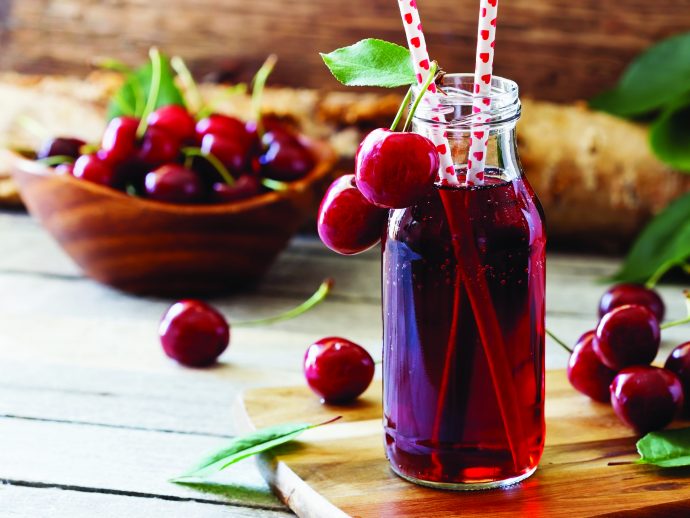
    • Tart cherry juice
    • Curcumin

    Healthy eating for rest day (and every day)

    Take a recovery day every three to five days, or whenever you’re feeling very sore.

    On days when you’re not engaging in strenuous exercise, you don’t need to emphasize high-energy, high-glycemic foods (e.g., very high-carb meals, sugar-rich sports drinks, etc.) like you normally would on workout days.

    However, most athletes—with the exception of those trying to lose weight—benefit from consuming roughly the same total number of calories that they’d eat on an active day.

    Use rest days to eat and supplement with the goal of protecting yourself from illness, wear and tear on your joints, and more. Think of it as nutritional insurance.

    Article Provided by Alive Magazine