Tag: children

  • Children’s herbal head-start

    Children’s herbal head-start

    Introducing kids to the healing power of plants

    Start at the source

    Sure, effective herbs can be bought at the store, but sensory learning really begins when kids grow or gather the plants themselves. In the yard or a window box, culinary herbs, like oregano and peppermint, give off tell-tale aromas when rubbed between their little thumbs and fingers.

    Children will be proud to create the garden markers or snip the right species for tea or a savoury dish. Reinforce this hands-on experience with sensory descriptors like “spicy” or “aromatic” that suit the herbs and hint at their therapeutic properties.

    Wild foraging is another way to collect medicinal plant material but must be restricted to species we can identify with absolute certainty. If you know your yarrow, its magic ability to stop the bleeding on a youngster’s scraped knee would make quite an impression. Still, we have to remember that many herbs considered beneficial for adults aren’t recommended for children―another reason to stick to the gentle effectiveness of kitchen herbs.

    Tea time

    With herbs on hand, how do we turn them into medicine that kids will actually consume? The potency of a tincture isn’t likely to win over young taste buds, but teas and honeys might.

    Children can crush, tear, or chop the plant material, committing the look, feel, and smell to memory. Try turning tea-making into a visual delight by using a glass pot through which they can watch the herbs release their essence and flavour.

    Chamomile is a favourite, both for its relaxing qualities and because it pairs well with milk or cream, creating a bloom of white when added to the transparent vessel.

    So sweet

    Honey also makes an excellent vehicle for medicine. Kids can help fill a jar with antimicrobial and immune-boosting garlic cloves, then cover them with honey and wait for the whole thing to transform into a medicinal syrup with “candied” cloves. Similarly, they can infuse honey with fennel and thyme to have on hand as a cough remedy. (A note here that honey is not recommended for children younger than one year.)

    Four seasons

    Your little ones can access dried or otherwise preserved summer herbs year-round, or they can stretch the season by having an indoor windowsill garden. Plus, many plants can still be identified in their dormant state or by their dead stalks over the winter.

    Just see what your herbal explorations naturally uncover!

    Kid-friendly medicinal herbs

    These familiar culinary herbs can double as safe and gentle kids’ medicine:

    HerbPotential benefitsSuggested use
    lavendercalming, antimicrobialessential oil in a diffuser, part of a tea blend
    peppermintaids with digestion, nausea, and congestiontea, essential oil in a diffuser (not for kids under 30 months)
    fennelmay help soothe gastrointestinal upset and coughtea―seeds or leaves (use caution in infants)
    thymecough suppressiontea, honey, or prepared cough remedy
    chamomilecalming, aids sleeptea, diluted essential oil (topical)
    rosemarymay enhance working memory (schoolwork, etc.)essential oil in a diffuser

    By Jackie Skrypnek

    Article Courtesy of Alive Magazine

  • Calming children’s anxiety around healthcare settings

    Calming children’s anxiety around healthcare settings

    A guide for parents and providers

    We need to help kids of all ages mitigate their anxiety about medical appointments to invest in their long-term health. By helping our kids feel informed, confident, and in control of their healthcare, parents and providers set them up for a lifetime of better health outcomes.

    Symptoms of anxiety in children

    Worry and fear are common among young children. In fact, it is developmentally appropriate for older infants to be wary of strangers as they learn to differentiate between their familiar caregivers and other adults they meet.

    Kids often use behaviour, rather than words, to communicate the emotions they feel. When your child feels afraid, helpless, or anxious, they may demonstrate aggression, withdrawal, lack of cooperation, and regression, such as bedwetting and thumb-sucking. Anxiety may also manifest in physical symptoms, like fatigue, headache, or stomachache.

    Take these signs of anxiety as a cue to have an open conversation about your child’s feelings before going to the doctor.

    Prepare at home

    Manage your child’s expectations about how the visit will go.

    • Using age-appropriate language, explain what will happen at the doctor’s office. For older children, specify whether the visit will include physical exams, blood work, or vaccinations to alleviate fear of the unknown.
    • Role-play with toy medical equipment so your young child becomes familiar with the appearance and function of a stethoscope, for instance.
    • Watch kid-friendly videos about different types of doctor visits, for example, family doctor, dentist, and eye doctor.
    • Have your child choose which activity they’d like to bring into the waiting room, and a comfort item they’d like with them during the visit.
    • Encourage your child to think about what they’d like to learn about their body and what questions they’d like to ask their doctor.
    • Tell your teen that you can step out of the room if they’d like to speak with their doctor privately.

    Your child’s healthcare team

    Having a caring, understanding practitioner who is confident working with children can make your child’s medical experience a positive one. Look for a clinic with friendly front-end staff and an inviting physical environment, both of which can help your child feel at ease.

    You may also consider filling the gaps in your child’s healthcare by seeking the services of allied health professionals, such as a naturopathic doctor, chiropractor, or osteopath. Having a discovery session with a provider before diving into an initial appointment is a nice way to ‘catch a vibe’ and see if you would be comfortable working together.

    By Cassie Irwin, ND

    Article Courtesy of Alive Magazine

  • Put summertime sleep problems to bed

    Put summertime sleep problems to bed

    Strategies to help children get the sleep they need

    Good sleep and happy moods

    School is out and so are bedtime routines. Some kids can handle disrupted sleep schedules better than others can. Longer stretches of daylight and sweltering heat that carries into the night can impact children’s ability to fall asleep.

    Also, despite the appeal of “relaxed” bedtimes, kids who don’t sleep well become more sensory-sensitive, and some children really struggle with the lack of routine, which is reason enough to stick to the usual.

    Consistency pays off

    Our kids relish the magic of summer as much as we did once, so it matters that we mix summer fun with bedtime routines that maintain optimal sleep times. Parents can promote a healthy secretion of melatonin (the sleep hormone) by helping kids have a regular bedtime and waking time, and by exposing them to morning daylight.

    If sleep times get out of whack, adjust summer sleep schedules gradually. It takes approximately two weeks to get back on track, depending on the age of the child. Go for increments of 10 to 15 minutes daily and make sure to adjust not only bedtime but also wake time and mealtimes, which are key to maintaining the circadian rhythm.

    Summer sleep basics

    Dark, cool bedrooms are best for sleep. Use blackout curtains if summer’s later sunsets interfere with sleep and, if needed, an unobtrusive nightlight.

    Cool can be more difficult as summer heat sets in. Hot nights can increase the risk of fatigue and poor sleep quality, and they make it difficult for children to settle as body temperature needs to stay cool to enable sleep.

    If air conditioning is not an option, there are alternatives. Keep the bedroom dark during the day and keep the hot air out as much as you can. Running a fan with a bucket of ice in front of it or hanging damp bedsheets over an open window can also work.

    Create sleepiness

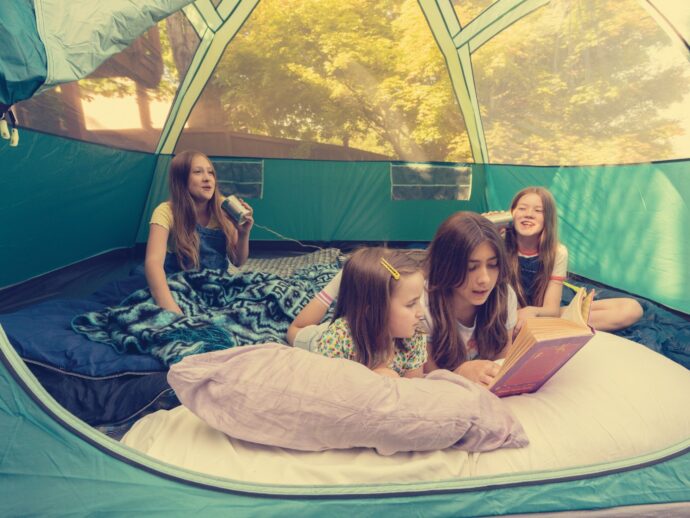
    Getting kids outside to play can help to build tiredness. A cool bath or shower, putting away screens (at least one hour before bedtime), dimming lights, and reading together can all help to prepare for sleep. Cooling body temperatures approaching bedtime coincides with an increase in melatonin, which also helps with falling asleep.

    Balancing summer magic and good sleep routines may not always be easy, but it’s a part of what memories are made of … drifting off to sleep (eventually) knowing that summer doesn’t last forever–and you made the best of it!

    Sleep matters

    • Children between five and 13 years old need 9 to 11 hours of uninterrupted sleep per night, while those between 14 and 17 years need between 8 and 10 hours.
    • Melatonin levels peak in early childhood and decrease as children transition into puberty and adolescence.

    By Daniela Ginta, MSc

    Article Courtesy of Alive Magazine

  • Let’s play!

    Let’s play!

    Let’s play!

    It’s essential for children’s growth and development

    Play matters, and here’s why

    Children learn about the world through play. Unstructured play is essential for developing imagination and creativity. Boredom also plays a role, as struggling with boredom can spark creativity.

    Unstructured play helps children develop communication, life skills, emotional self-regulation, and emotional well-being. Playing with sensory materials and engaging in physical activities foster fine motor skills, hand-eye coordination, and self-confidence.

    Toys―catalysts to creativity

    Walking through a thrift store or toy store reveals many options, from simple to elaborate. All toys have a role in development, but balance and moderation are key. Toys act as catalysts for creativity and imagination rather than the cause of it.

    Is less more?

    Having fewer toys can prevent feelings of being overwhelmed and encourage creativity. Versatile, age-fluid toys are a good choice, as they can be used in complex games at older ages. When celebrating birthdays, consider non-toy gifts like activities or experiences, or pooling contributions to buy meaningful toys or books.

    Learning to let go

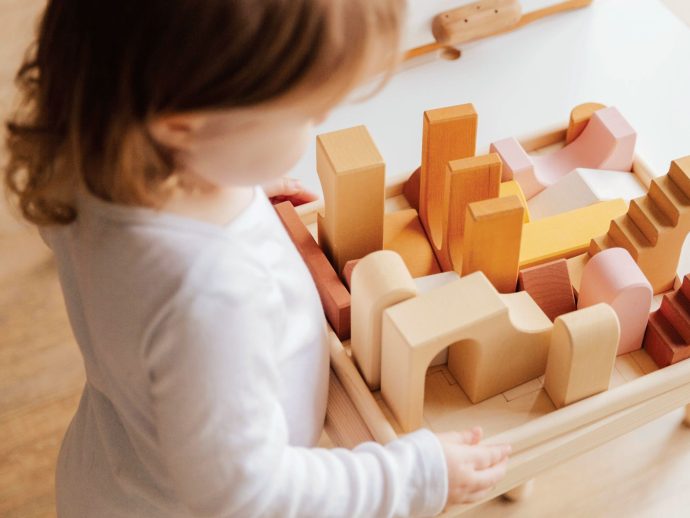
    Toddlers enjoy basic puzzles and building blocks, but older children may prefer more complex toys. Passing on no-longer-used toys teaches kindness and charity.

    Play together in their world and yours

    Spending even 10-15 minutes playing with children fosters closeness and creativity. Incorporate play into daily routines like cooking or chores by giving children small tools and tasks. It promotes skill development and shared bonding.

    Where do screens come in?

    There’s hardly a parent out there who hasn’t, at one time or another, relied on screens to help occupy their children. Screens can provide a break for overwhelmed parents; however, balance is essential.

    Balance matters

    Limited, quality screen time can support learning, imagination, and language skills. Excessive use can hinder communication, social, emotional, and physical development.

    Boundaries where they matter

    Set screen time limits with timers and plan engaging activities afterward, like a snack, book, or outdoor play. Choosing physical activities over screens encourages bonding and healthier habits.

    Ultimately, play helps children grow in complex ways and allows them to see the world through an enchanted lens—a beautiful thing to witness.

    By Daniela Ginta, MSc

    Article Courtesy of Alive Magazine