Tag: garden

  • Greenifying the concrete jungle

    Greenifying the concrete jungle

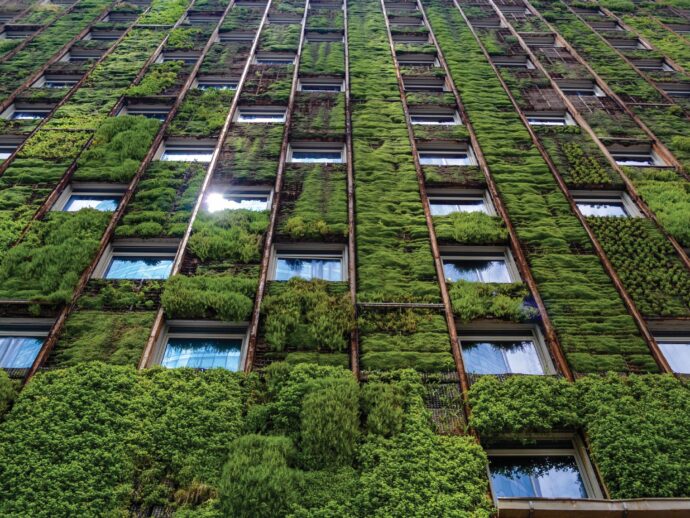
    How urban green spaces combat environmental challenges

    As our cities grow, the importance of green spaces becomes increasingly evident. While skyscrapers and bustling streets are iconic of urban environments, access to natural landscapes and parks is invaluable.

    The impact of green spaces on urban environments

    Green spaces can act as natural air filters, absorbing pollutants and releasing oxygen. Therefore, the more green spaces in a community, the better the air quality.

    In addition, urban dwellers with access to more green areas experience fewer instances of mental distress and are less likely to suffer from anxiety, depression, and other diseases.

    Urban Heat Island effect

    The urban heat island (UHI) effect is a phenomenon creating waves for city dwellers in multiple areas. Big cities where natural vegetation has been replaced with dense concentrations of buildings and large amounts of materials such as asphalt, concrete, and pavement result in higher temperatures than surrounding rural areas due to surfaces absorbing and retaining heat from the sun. Nature’s natural cooling systems, such as trees and vegetation, are no longer available to mitigate the heat.

    UHIs can lead to heat-related illnesses, higher energy consumption, and increased air pollution (from air conditioning units, for example). Green spaces help to combat this issue by providing shade, evaporative cooling, and natural ventilation.

    Start a community garden

    Interested in growing a garden, but don’t have a big enough space? Here are some tips on how start your own community garden:

    1. Gather interested community members and form a garden committee to plan and organize.
    2. Find a suitable location, such as a vacant lot or a space within a park.
    3. Seek out grants and funding opportunities to help with the costs of materials and tools.
    4. Consider partnering with local organizations and businesses for support.

    With determination and collaboration, a community garden can be a thriving green space for all to enjoy and reflect the uniqueness of your community.

    By Adam Meyer
    Article Courtesy of Alive Magazine
  • Bring the outdoors in!

    Bring the outdoors in!

    Bring the outdoors in!

    How introducing indoor plants can awaken your senses

    As summer fades into cooler temperatures and shorter days, many people spend more time indoors. But you don’t have to lose your connection to nature. Bringing houseplants into your home can help you preserve a bit of summer and boost your well-being.

    The power of plants in person

    Plants can help improve your mood during seasonal transitions. Exposure to greenery, even indoors, has been shown to reduce blood pressure, heart rate, and stress hormones. Several studies confirm that having houseplants can elevate happiness and reduce symptoms of depression, especially during periods of limited outdoor activity.

    Simply grouping a few plants with a nearby reading nook can create a cozy, nurturing environment. Plants provide a sense of being embraced by nature, fostering comfort and happiness inside the home.

    Caring for plants and yourself

    Taking care of houseplants offers mental health benefits like increased life satisfaction and cognitive clarity. Nurturing plants requires responsibility—watering, feeding, and tending to them. Watching plants grow, produce buds, or sprout new leaves can bring feelings of achievement and joy.

    Research shows that repotting and caring for plants can reduce stress and lower blood pressure, providing physical health benefits alongside mental well-being.

    Ready to create your indoor garden?

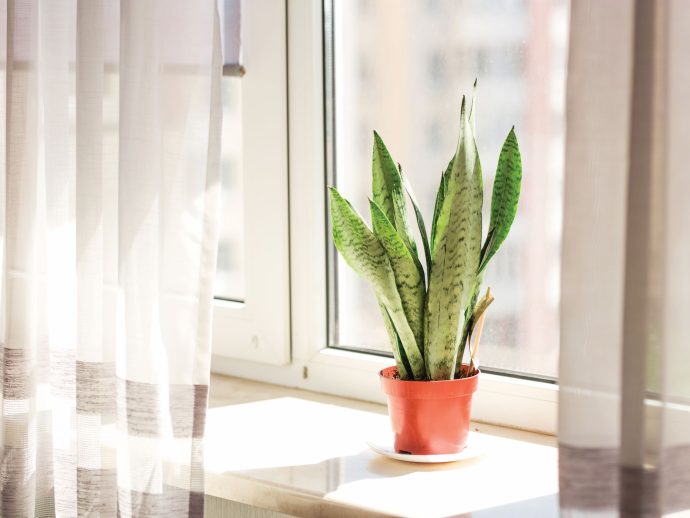
    Start with easy, low-maintenance plants and expand your collection as you become more comfortable. Choose placement based on space and light: vines can hang from shelves, plants can cluster in sunny windows, and orchids thrive on bright kitchen windowsills.

    Select containers that match your interior style. Modern homes may benefit from sleek pots with clean lines, while varied levels of plant stands or podiums can add visual interest and depth to your indoor garden.

    Indoor plants serve as a reminder that spring and summer will return. The best plants are often the ones that excite you most—bringing a bit of nature’s beauty and health benefits into your everyday life.

    By Rebecca Heaton

    Article Courtesy of Alive Magazine