
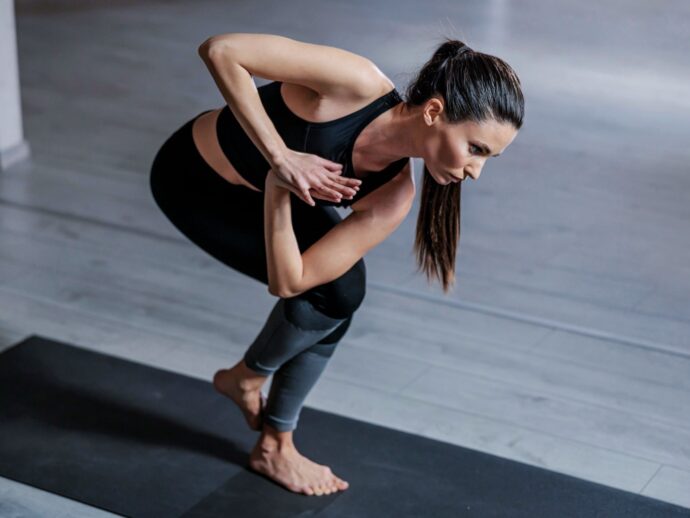
How gentle movement boosts gut health
Instead of popping an antacid the next time you feel bloated, gassy, or uncomfortable after a meal, research suggests a healthier, more holistic approach: movement and breath for long-term gut health.
The gut-body connection: why movement and breath matter
Breathing influences digestion and gut health, too. For instance, stress puts your body into fight-or-flight mode and can slow or even stop the digestion process. Intentional breathwork helps balance your mood and reduce stress, and improves digestion, whether stressed or not.
Combined, gentle movement keeps things moving (pun intended) and goes hand in hand with breathing for a healthier, happier gut. Patients who practised breath-coordinated movement showed improved digestion, significant reductions in symptoms, and a drop in inflammatory markers.
Daily rituals: gentle consistency over intensity
We’re not talking about the Ironman or an intense weightlifting session in the gym. In fact, very strenuous exercise can have a temporarily negative effect on your digestion.
Timing matters: When to move for better digestion
Rise and shine? More like rise and move.
After each meal, do some light aerobics, such as a 10 to 15 minute walk around the block. Finally, take time to reset your nervous system at the end of the day.
Noting wide-ranging research showing yoga’s relationship to your gut-brain axis and yoga’s ability to address gastrointestinal issues, like inflammatory bowel disease and chronic pancreatitis.
Supporting your digestion doesn’t require drastic change, just small, intentional movements that you can start trying today. Your gut will thank you tomorrow.
Everybody poops: What yours says about your body
Don’t be nervous. Let’s take a quick peek at bowel balance.
Check your frequency
Some people poop three times a day. Some just three times a week (anything less than that is medically defined as constipation). What’s more important is consistency: sudden changes in frequency or timing may mean your gut needs a little love.
Look at its colour and shape
Typically, a healthy bowel movement should be brown (although your diet can influence this), easy to pass, and cylindrical and firm. Loose stools or very hard stools may mean you need more fibre in your diet.
Benefits beyond digestion
Exercise has been shown to help with a range of gut concerns, such as irritable bowel syndrome and even colorectal cancer. It even influences your gut bacteria and your gut permeability (otherwise known as leaky gut).
By Joshua Duvauchelle