Tag: health benefits

  • Worth the buzz

    Worth the buzz

    Swarming with benefits, honey is one of nature’s best immune supporters

    Types of honey

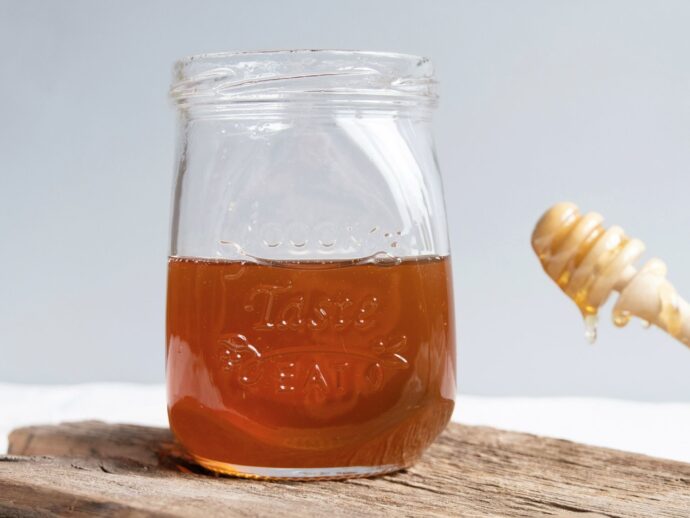
    More than 300 types of honey exist worldwide, each one boasting a unique flavour profile (determined by the type of nectar the bees harvest) together with a myriad of health benefits.

    Manuka

    Manuka is widely considered the gold standard of healthy honeys. It’s one of few varieties classified as medical grade, thanks to its high levels of methylglyoxal (MGO)―a natural antibacterial compound that helps fight infection and minimize inflammation to boost overall immunity.

    Sourced from a flowering shrub native to New Zealand, manuka honey tastes earthy and medicinal. There’s even a grading system noted on each bottle for measuring its potency. The higher the number, the more powerful the antibacterial properties (and the larger the price tag).

    Buckwheat

    If manuka is the gold standard, consider buckwheat honey its Canadian counterpart that’s just as rich in flavour and nutrients. The dark-hued honey is produced in Ontario, Quebec, Manitoba, and Saskatchewan. It’s also a rarer variety: since the buckwheat flower is so tiny, it means bees must feast on more flowers to collect enough nectar for production. The toffee-like sweetener is packed with antioxidants, with studies claiming it contains even higher levels than that of manuka.

    Clover

    Clover honey, derived from various species of the clover flower, is the type most commonly lining grocery store shelves. It has a light amber hue and smooth, syrup-like sweetness. Clover honey (especially the raw variety) is also effective at protecting the immune system by warding off harmful bacteria to help fight infection.

    Wildflower

    Wildflower honey is produced when honeybees pollinate many flower varieties (compared to just one type). It also contains plenty of antioxidants, such as flavonoids and phenolic acids, which help lower oxidative stress and support immune function. A study testing 57 types of blossom honey found that wildflower honeys showcased the strongest antibacterial activity.

    Propolis

    Propolis (also known as “bee glue”) is technically not honey, but it’s such a nutritional powerhouse that it, too, deserves the spotlight. Crafted from tree sap, beeswax, and other plant-derived compounds, bees use the sticky substance to seal gaps in their hive and ward off intruders. (You’ll often spot it on shelves in tincture, spray, capsule, or even lozenge form).

    Propolis contains similar health benefits to honey, but even stronger antimicrobial activity to fight infections like stubborn colds and sore throats. Unlike honey, propolis is naturally low in sugar.

    By Brittany Devenyi

    Article Courtesy of Alive Magazine
  • 5 health benefits of nostalgia

    5 health benefits of nostalgia

    5 health benefits of nostalgia

    Good for your mental health and emotional health

    A blast from the past could be a blast for your physical and psychological wellbeing. Nostalgia—reveling in the past and reminiscing about the good ol’ days—is about more than just daydreaming. Researchers say it’s also the foundation for your health and happiness.

    Cue sourdough bread-making during the pandemic, or digging into classic comfort food when you’ve had a rough workweek. The solace these things provide isn’t just your imagination. Psychologists and researchers have found that thinking fondly of the past, and embracing nostalgia, can bring these powerful health benefits to your life.

    1. Reduced stress and anxiety

    Studies analyzed nostalgic people who regularly think about positive past experiences, such as cheerful childhood memories. They found that nostalgia helps us to better cope with stressful situations.

    And it’s not just about using memories as a way to lighten life’s current burdens. Researchers also found that nostalgic individuals are more likely to take positive action during times of stress.

    2. Protection against loneliness

    Health researchers warn that loneliness is a health epidemic. A lack of healthy social connection is linked with numerous health problems, like increased heart disease and stroke risk.

    Several studies have found that nostalgic memories help combat the effects of loneliness. When you reminisce about times you’ve been with a friend or family member and felt their love and acceptance, it can make you feel more loved and socially connected in the present.

    3. Greater sense of life meaning and purpose

    A series of studies asked participants to think about their past goals and positive experiences, and reminisce about their old dreams for their future.

    Those who were most nostalgic had a greater sense of their life purpose and were better able to find meaning in their life’s circumstances.

    4. Improved self-confidence

    When life gets challenging, it’s easy to get stuck in cognitive distortions or mindset traps, like assuming the worst possible outcome will happen. These mindsets are a form of mental self-sabotage that stand in the way of you and your happiness.

    Nostalgia helps. People who reflect on times they’ve overcome a challenge, used a skill, proved themselves wrong, or done the impossible are better equipped to break through these negative mindset ruts.

    5. Healthier, happier aging

    Graduating from high school. Getting your first job. Falling in love and having children. Retiring. Much of your life’s journey is fragmented into these short chapters. And progressing through these chapters of change can be stressful, especially as you get older.

    Nostalgia helps you connect the dots, experience the fullness of your experiences, and move through life with improved psychological well-being and less stress. It’s also been shown to improve your idea of self-continuity—maintaining a sense of self as your world changes—and helping you to get comfortable with your own mortality.

    Article Provided by Alive Magazine