Tag: health

  • Meditation, mindfulness, and mental health

    Meditation, mindfulness, and mental health

    Combatting the loneliness epidemic

    What if you could be even 1 or 2 percent happier?

    Meditation, even for a few minutes at a time, can be hugely beneficial.

    You are not alone in being lonely

    The extent of mental illness has disproportionately increased post-COVID. The pandemic forced people who were already experiencing stress into isolation, and loneliness is a breeding ground for anxiety.

    Loneliness has become the biggest epidemic that the world is facing. We spend more time on the internet scouring the news, which is negative. It makes us feel even more lonely because we fear that nobody cares for us—which is unfounded— and that loneliness just pervades.

    Mindfulness, one type of meditation, can be an elixir. It’s interesting to understand why it is necessary and why it works.

    Pay attention to what you pay attention to

    The brain wants to put as much as possible into the unconscious, which helps you to get through life quickly. But that knowledge base is marked by emotions.

    This accumulation of unacknowledged emotions can be manifested as forms of stress. This is where mindfulness can be helpful as a method of recognizing and slowing that process.

    Mindfulness is the deliberate, intentional focus in a nonjudgmental way. By being aware of how crucial your attention is, you can understand that <where> you put your attention has an impact on who you are and—more importantly—who you’re going to be.

    This is the first step toward a meditation practice. Without self-awareness you’re a cork in the ocean. By paying attention deliberately, and being aware of more positive things, you’re creating a future for yourself that’s going to be more positive, and one you’re more connected with.

    Breathe through it

    calm and control your breathing is a powerful tool. We can use the breath to control our anxiety and our mood.

    Try the pranayama breathing technique or joining a yoga practice at a local community centre—readily available and inexpensive—since this also combats loneliness.

    The admonishments to “keep in shape” and “stay healthy” are associated almost solely with our bodies from the neck down. But the benefits of being mindful, and learning to calm and relax our thoughts, are incontrovertible.

    Therapists use the “thought train” analogy: you are a passenger on a train; the passing landscape represents your thoughts. Allowing the thoughts to simply pass by, without judgment, is the essence of mindfulness, and the seed of meditation.

    What self-care really means

    Research has consistently shown that mindfulness improves brain volume, increases the grey matter, lessens the chances of dementia, and reduces depressive symptoms and anxiety. There are cardiovascular benefits: reducing chances of stroke and heart attacks, and immune function increases.

    By Kenny Bodanis

    Article Courtesy of Alive Magazine
  • Rest up

    Rest up

    It’s Rest and nonrest

    According to research, the state of rest doesn’t occur from the activity itself, but rather from when there is harmony between our feelings, motivations, and actions. This harmony cultivates calm, confidence, and belonging. By contrast, the state of nonrest is defined by <dis>harmony of our feelings, motivations, and actions, which leads to tension and energy depletion.

    We are continuously moving between rest and nonrest. When we feel tense and fatigued, we should take it as a cue to restore harmony.

    Keys to foster rest

    We can cultivate harmony between our feelings, motivations, and actions by embracing the following concepts.

    Natural rhythms

    Align with the natural rhythms of the day, month, and season. For example, take a rest as you transition from one task to another in the day and honour how you feel in the winter versus the summer.

    Letting go

    You don’t have to do everything yourself. Trust and have confidence in others, allowing them to help you.

    Safe relationships

    Being accepted without judgment and not having to behave in a certain way is conducive to rest. Invest your time and effort into beneficial relationships and walk away from toxic ones.

    Pleasure and creativity

    Appreciate the beauty in nature, music, and art. Take the time to not only to take in and enjoy the beauty, but to also answer the call to create what you’re compelled to create.

    Feeling rested

    Mental-emotional health

    We feel mental fatigue after prolonged periods of cognitive activity. Mental fatigue is a psychobiological state involving cognitive decline, reduced accuracy, and slower reaction time. Symptoms may include temperamental depression, moodiness, and changeability, which may create relationship difficulties and challenges at work; it can sometimes lead to substance abuse.

    Rest Rx: Research shows that listening to music and binaural beats helps ease mental fatigue. Having a regular meditation practice may also reduce the negative effects of mental fatigue.

    Physical health

    When we’re physically fatigued, we can experience symptoms ranging from insomnia, chronic pain, digestive issues, heart conditions, and gynecological problems. While there isn’t a biological explanation for every physical symptom of fatigue, researchers have developed an umbrella term for exhaustion-related symptoms, called persistent physical symptoms (PPS).

    Rest Rx: Research shows that nonsleep deep rest (NSDR) improves physical readiness, exercise recovery, tension, emotional balance, negative affect, and overall stress. In this study, the NSDR was elicited by lying down on a mat in a dark, quiet room and doing 10 minutes of guided meditation exercises.

    By Cassie Irwin, ND

    Article Courtesy of Alive Magazine
  • Invasion of the body snatchers

    Invasion of the body snatchers

    Invasion of the body snatchers

    Autoimmune diseases are on the rise (and what you can do about it)

    The rates of the most common autoimmune diseases, including type 1 diabetes, rheumatoid arthritis, lupus, and multiple sclerosis, are on the rise―but there is hope for prevention and management.

    What’s in the name: defining autoimmune diseases

    Autoimmune diseases happen when your immune system, which is supposed to protect your body from harmful invaders like viruses and bacteria, mistakenly attacks healthy cells.  This results in chronic inflammation and damage to various tissues and organs in your body, which can trigger an array of health concerns, like arthritis.

    Unlike other diseases caused by external factors, this immune malfunction makes autoimmune diseases harder to diagnose, as symptoms can overlap with many other conditions and vary widely from person to person.

    The causes of autoimmune disease

    Researchers continue to debate various questions about the underlying causes of autoimmune diseases like lupus and multiple sclerosis.

    Most theories boil down to two key factors: your genetics and your environment. Genetic triggers cannot be altered, but degenerative factors like exposure to toxic elements, infections, or chronic stress can be avoided with lifestyle changes.

    Optimize your diet

    Being overweight or obese raises your risks, so eating a healthy diet is foundational. Exactly what you eat is key, too. There’s a correlation between inflammation and both the development and the symptoms of autoimmune diseases.

    Concentrate on anti-inflammatory foods, including leafy greens, fatty fish, nuts, and seeds. That’s the focus of diets like the autoimmune protocol (AIP) diet, which has been shown to help with inflammation-linked health concerns. Reduce the intake of processed foods, refined sugar, and trans fats. Prioritize foods rich in probiotics such as yogurt and fermented vegetables, as well as prebiotic fibres, which help maintain the gut―an important factor in immune function.

    Sweat it out

    Research suggests that regular physical activity can help to both prevent and manage the inflammation and common symptoms, such as chronic fatigue, of autoimmune diseases.

    You don’t need to be a gym rat to reap the benefits. If you’re struggling with pain, mobility, or fatigue, gentle forms of exercise like yoga and tai chi can do the trick.

    When to talk to a doctor

    There are some situations where factors are simply out of your hands. But you’re still empowered to take control of your health. Regular monitoring can catch early signs if you’re at higher risk due to family history. Blood tests and symptom tracking can make a big difference.

    If you notice persistent symptoms or have a family history of autoimmune conditions, consult a healthcare provider. Early detection and management are crucial to improving your quality of life.

    by Joshua Duvauchelle

    Article Courtesy of Alive Magazine

  • The brain’s role in immune health and allergies

    The brain’s role in immune health and allergies

    The brain’s role in immune health and allergies

    The two systems are in constant communication

    The immune system

    Made up of structural barriers, organs, white blood cells, proteins, and chemicals, the immune system protects us from foreign antigens and helps our bodies heal from infections and injuries. To do this, the immune system and the nervous system maintain extensive and elaborate communication.

    This system has two pathways, a gas pedal (flight or fight pathway) and a brake (rest and digest pathway).

    We know that the brain influences the process of inflammation as part of the immune system’s fight against injury or infection. Too much inflammation can lead to problems, like chronic pain or diseases. The brain can help keep this in check, but, if it’s overwhelmed by too much stress or illness, inflammation can cause harm.

    What does the brain have to do with allergies?

    The allergic response

    In some cases, the immune system reacts by making antibodies to attack allergens that aren’t otherwise harmful. When someone with an allergy is exposed to the allergen, the immune system’s antibodies release histamine into the bloodstream that can cause symptoms, including inflamed skin, sinuses, airways, or digestive systems.

    Allergy symptoms can occur for the first time at any age, and can be affected by hormones, stress, smoke, medications, perfume, or environmental irritants. Some allergies can be outgrown, such as children’s allergies to certain foods. Airborne allergens can strike seasonally, during pollination, or year-round in the case of dust mites and animal dander.

    The brain’s role

    The brain plays a key role in the allergic response by directing the immune system how to respond. During times of stress, illness, or other factors, such as hormonal changes, our immune systems may be weakened, causing allergic reactions to be more severe.

    The brain’s inflammatory response to allergens becomes chronic with repeated exposures to the allergen, which creates long-term effects on the affected areas of the body, such as airways, eyes, and skin.

    Brain health ties to allergies

    Poor lifestyle habits—like lack of sleep, improper diet, chronic stress, and sedentary lifestyle—can lead to poor brain health, which, in turn, can result in higher sensitivity to allergens and more allergic reactions.

    Other strategies for maintaining the health of our brains and, thus, our immune systems include:

    • Engaging in regular exercise and physical activity
    • Avoiding excess alcohol, smoking, and other chemical exposures
    • Continuing to challenge our brains as we age by learning new things, staying socially engaged, and promoting new neural connections
    • Staying aware of the impacts that common diseases like high blood pressure, diabetes, and inflammation can have on brain health
    • Ensuring a well-balanced diet that avoids excess neurostimulants, like caffeine, and chemicals, and focuses on antioxidant-rich vegetables, healthy omega oils, and optimal hydration

    by Joanne Peters

    Article Courtesy of Alive Magazine

  • Maintaining the brain as we age

    Maintaining the brain as we age

    Maintaining the brain as we age

    How to leverage nutrition and lifestyle science to slow brain aging

    A 2024 brain-imaging study in older adults compared intake measures of key nutrients with signs of brain health, identifying the foods and nutrients most strongly associated with slower brain aging.

    Omega-3 fatty acids

    Individuals who demonstrated signs of delayed brain aging tended to have higher bodily concentrations of the anti-inflammatory omega-3 fatty acids Inflammation is considered a hallmark of brain aging as it disrupts the blood-brain barrier, making the brain more susceptible to structural damage over time.

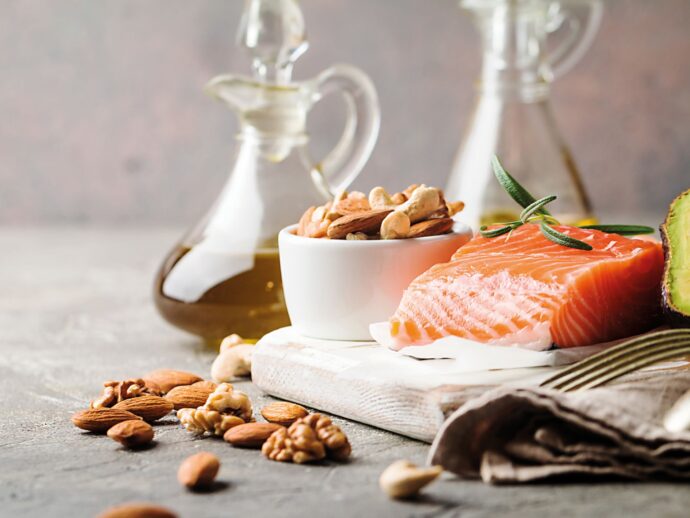
    EPA and DHA are found in fatty fish like salmon, sardines, and trout, while ALA is found in flaxseed, hempseed, chia seed, soy-based foods, and walnuts.

    Carotenoids

    Oxidative stress, which carotenoids help to combat, is considered another hallmark of brain aging. It’s unsurprising that a high carotenoid intake was associated with better brain health.

    Carotenoid sources include spinach, kale, bell peppers, tomato, watermelon, broccoli, carrots, grapefruit, and cantaloupe.

    Vitamin E and choline

    Having higher bodily levels of vitamin E is associated with better cognitive health. Vitamin E is found primarily in nuts, seeds, leafy greens, and fish.

    Choline is a precursor to creating a compound known as phosphatidylcholine, which populates brain cell membranes and regulates the release of various neurotransmitters required for optimal brain function. Choline is found in foods including eggs, edamame, cauliflower, beef, chicken, peas, pork, broccoli, and milk.

    The gut-brain connection

    Older adults with cognitive issues are much more likely to have a gut microbiome characterized by imbalances in good and bad bacteria, with an overrepresentation of pro-inflammatory species.

    A healthy gut microbiome produces beneficial compounds known as short-chain fatty acids (SCFAs), which have an anti-inflammatory influence and facilitate healthy gut-brain communication via multiple pathways.

    These influences include enhanced nutrient absorption and keeping the intestinal lining strong, thus preventing toxins from entering the blood stream and crossing the blood-brain barrier via the gastrointestinal tract. This is where polyphenols come in.

    Polyphenols―the gut-brain connectors

    Polyphenols are a family of plant-based compounds known to encourage gut bacteria to produce beneficial SCFAs.

    In 2018, Neurology published a study—involving 1,329 older adults followed over 12 years—that found those in the highest consumption category of polyphenols had a 50 percent lower risk of dementia than those in the lowest consumption category.

    Easy ways to boost your dietary exposure to polyphenols include cocoa powder, ground flaxseed, artichoke, blueberries, and more frequent use of culinary herbs/spices.

    by Andy De Santis, RD, MPH

    Article Courtesy of Alive Magazine

  • Staying young with friends

    Staying young with friends

    Staying young with friends

    How social relationships can lead to better health outcomes

    An abundance of research indicates that the quality of our social relationships can play a critical role in our well-being as we age. The strength of our social ties may even have effects on our physical health, contributing to how well we age.

    Importance of meaningful relationships

    In an analysis of data from a longitudinal study, my colleagues and I found that individuals with greater social support and community cohesion experienced better mental health later in life, particularly amongst those who had had challenging childhoods.

    Among the resources examined, the quality, rather than the quantity, of these relationships was found to offset some of the negative experiences that participants had had in early life, leading to greater resilience and better mental health as they grew older.

    Functions of friendship

    A systematic review of adult friendship and well-being speaks to several important functions of close adult friendships, including three forms of social support:

    • Emotional support: friends offer acceptance, sympathy, love, and encouragement—a critical buffer against life’s stressors.
    • Instrumental support: friends may also provide practical help, such as financial assistance or help with daily tasks.
    • Informational support: friends share advice or guidance as a key function of friendship.

    And the six functional components that generally determine the quality of the relationship include the following:

    • Help, which includes the three aforementioned forms of social support.
    • Stimulating companionship, which involves participating in activities with another person.
    • Emotional security, in which close friends provide a sense of safety during new or challenging situations, thus reducing stress.
    • Reliable alliance, where trust and loyalty form the foundation of any deep friendship, making sure someone will always have your back.
    • Self-validation, where friends provide the reassurance and encouragement needed to maintain a positive self-image.
    • Intimacy, where the willingness to share personal thoughts and feelings builds a unique bond that is essential for emotional well-being.

    Health benefits of strong social relationships

    A recent study found that social isolation reduced physical activity levels in older adults, leading to diminished cognitive performance. This was especially evident in individuals over 65, with effects on memory and executive function. This research emphasizes that staying socially connected, either through direct interaction or through group activities, can significantly affect the physical and mental aspects of aging.

    Conversely, loneliness and social isolation have been linked to a higher risk of developing health issues such as cardiovascular disease, cognitive decline, and even premature mortality. Social isolation can reduce motivation for physical activity, and loneliness can increase stress levels, contributing to a range of health problems.

    Embrace and cultivate rich relationships

    Take this time to reflect on the people in your life. Which relationships bring you joy and fulfillment? Who can you reach out to today to make a positive connection? Whether it’s a close friend or a family member, deepening your social ties may bring health and happiness into your life.

    Healthy aging is more than a matter of diet and exercise—it’s also about keeping those rich relationships that help us bloom, even as we grow older.

    by Theodore D. Cosco, PhD (Cantab), CPsychol

    Article Courtesy of Alive Magazine

  • Extend your biological clock

    Extend your biological clock

    Extend your biological clock

    Time keeps moving forward, and while we can’t turn back the clock, maybe we can “slow it down” a bit. Biological age assesses the vitality of your cells, offering insights beyond the measured years on a calendar. This differs from our chronological age, which is simply the number of years we’ve lived. Biological age consistently outshines chronological age in predicting health; a younger biological age often means better health and reduced age-related disease risk. You can help nudge your body’s internal timekeeper to adopt a more relaxed pace, ensuring your cells and tissues remain as lively as your spirit.

    Foods that fuel longevity

    Nutrition is crucial for preserving youth. A diet rich in antioxidants, healthy fats, and nutrients can noticeably decelerate aging. Foods like berries, nuts, leafy greens, and fish support skin and body wellness.

    Move it or lose it

    Exercise is not just about staying fit—it’s also about keeping your spirit young. Regular physical activity boosts endorphins and enhances mood, while also preserving muscle and bone strength. Whether you dance, practise yoga, or make time for a brisk walk, daily movement wakes up your body and keeps you feeling young.

    Sleep―your secret weapon

    Quality sleep is essential for cellular repair and rejuvenation, aiding muscle recovery, memory consolidation, and hormone regulation. While sleeping, your brain clears out toxins that accumulate during the day, boosting mental clarity and cognitive function. Restful sleep does wonders for your long-term health. And, it’s nature’s simplest (and cheapest) beauty secret.

    Social relationships help us live longer

    Human connection acts as a powerful ingredient for a longer, happier life. Chatting with friends, sharing a laugh, or just knowing someone’s got your back can help slow down your biological clock. Join a book club, volunteer at your local library, take that Italian cooking class you’ve always dreamed about, or invite your neighbour to go for a walk.

    Maintain your zen (and your youth)

    Chronic stress accelerates aging by raising cortisol levels, leading to inflammation and skin issues. Practices like yoga, meditation, and deep breathing can effectively manage stress. Stress significantly impacts skin health, making relaxation a vital antiaging strategy.

    Lifelong learning―stay curious

    A curious mind is a youthful mind. Embracing new challenges isn’t just soul enriching—it can add years to your life. Curiosity and a love of learning keep the brain agile, so engage in interesting hobbies, pick up that book you keep meaning to read, or learn a new skill. Be a student for life.

    The power of positivity―laugh your way to a longer life

    Positivity enhances mental and physical health, boosting immunity, reducing stress, and extending lifespan. Cultivate optimism through affirmations, social connections, self-care, and humour. Laughter, a natural stress reliever, lightens life’s burdens

    by Nancy Hillis

    Article Courtesy of Alive Magazine

  • Break free from conventions with traditional medicine

    Break free from conventions with traditional medicine

    Break free from conventions with traditional medicine

    Bridge the gap between conventional and traditional medicine to enhance health

    Traditional Chinese medicine

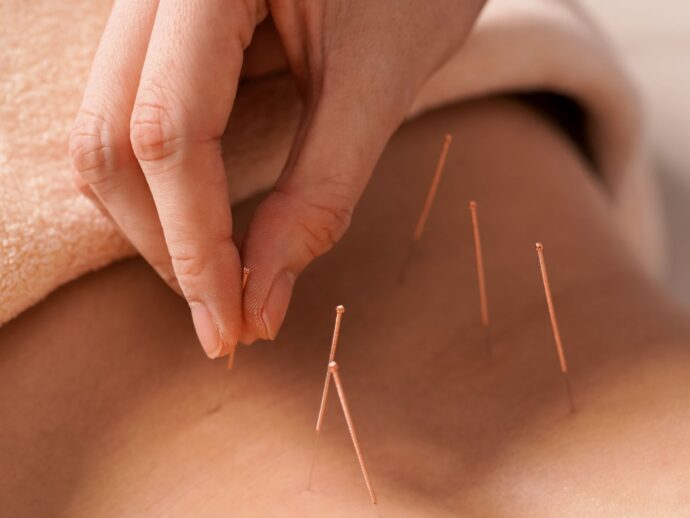
    Traditional Chinese medicine (TCM) revolves around qi, a concept in Chinese culture describing the energy that flows through everything. An imbalance of qi can cause disease. The ancient Chinese believed that good health comes down to achieving an equilibrium between your internal organs and natural surroundings. Acupuncture, tai chi, and cupping therapy are all TCM modalities.

    Traditional Indian medicine

    In India, traditional medicine is divided into three categories: Ayurveda, Siddha, and Unani. Ayurveda, the most used, is a holistic, personalized system aimed at promoting longevity. As in TCM, Indian medicine is centred on balancing bodily organs and external elements.

    Traditional Indigenous medicine

    For centuries, Indigenous populations in North America have practised their own traditional forms of wellness through ceremonies; plant, animal, or mineral-based medicines; energetic therapies; and physical or hands-on techniques, all of which rely upon an emphasis on Mother Earth.

    Traditional African medicine

    Traditional African medicine is deeply rooted in the spiritual, with many practitioners using divination to connect with the gods and ancestral spirits for diagnosis before treatment with herbal medicines.

    How is traditional medicine different?

    Traditional medicine is often treated as pre-scientific, but a lot of conventional medicines come from plants. For example, aspirin was derived from the bark of a willow tree and morphine is extracted from the opium poppy, while vincristine—long-used in chemotherapy treatments—was isolated in 1961 from a Madagascar periwinkle flower.

    Benefits of traditional medicine

    One of the key benefits of traditional and alternative medicine is its holistic approach to health. Alternative medicine practitioners often spend over an hour with a patient each session, addressing a myriad of different concerns.

    Complementary and alternative medicines

    HerbUses
    garlicmay help reduce inflammation, cholesterol, blood pressure, and blood sugar levels and to help support immunity
    gingermay help treat nausea, heartburn, and bloating; may help reduce inflammation
    elderfloweris used to help treat colds, flu, and constipation; may help lower blood pressure
    ginsengmay boost energy and sex drive
    shea butteris anti-inflammatory; protects skin cells; is used to treat skin and eczema
    ashwagandhamay reduce inflammation, pain, and anxiety
    cuminmay help reduce cholesterol; may help maintain healthy blood sugar levels
    turmericmay help treat arthritis pain, anxiety, and inflammation
    cardamommay help treat nausea; may help to reduce blood pressure, blood sugar, inflammation
    echinaceamay help treat colds, flus, infections, and wounds

    Article Courtesy of Alive Magazine

  • Taking metabolic health to heart

    Taking metabolic health to heart

    Taking metabolic health to heart

    Understanding and improving your metabolism

    Can you be gifted an efficient one at birth? Or be cursed with a slow metabolism that, like a rusty engine block, churns out more smoke than speed? Or can you craft one to your liking with proper fuel and maintenance?

    The answer is as complex as the metabolism itself.

    Born this way

    Your metabolism is basically what’s keeping you alive. It’s breaking down food; it’s giving you energy; it’s keeping all of your systems running. Your cells are then using that as fuel and pumping out energy that your body uses. So, it’s all of the systems working together to allow you to live. The source of fuel is vital, but not everyone is born with access to the same class of vessel.

    People are born with certain genetics that determine their basal metabolic rate, but there are other factors like disorders of the thyroid gland that affect individual metabolisms.

    If your thyroid gland makes more hormones, your heart rate will speed up and your metabolism speeds up. Hypothyroidism is an autoimmune disease, but this time the antibodies actually destroy the thyroid gland, and you get the opposite: you get weight gain, you feel sluggish, and the metabolism is slow.

    Fuel to burn long and strong

    Maintaining a healthy gut begins with reaching for healthy food source. Try a daily diet of whole foods like the Mediterranean diet and DASH (dietary approaches to stop hypertension), which recommend lean meats; poultry and fish; and proper amounts of fruits, vegetables, and sources of healthy oils and plant proteins.

    Exercise (but have fun doing it!)

    Using your energy through exercise is vital to keeping your metabolism in good working order. People who exercise raise their metabolic rate, so if you keep in shape, your basal metabolic rate will be higher.

    What is most important about exercise is wanting to exercise. A recent study reported in Frontiers in Psychology drew a direct link between how much people enjoyed their exercise and how likely they were to continue exercising. So choose something you enjoy—be it walking, playing tennis, or weight lifting—and be consistent.

    Just breathe—and sleep

    Finally, proper rest is absolutely vital. Our bodies do important work overnight so that we wake up the next morning ready to go again. Good sleep benefits weight management. But if you’re stressed, this can make it harder to sleep well, which in turn can make it harder to lose weight; stress elevates cortisol levels that can lead to weight gain, thus impacting our metabolic and cardiovascular health.

    For people who may have trouble gearing down after their day—for instance those of us who may have a hollow leg but a hassled brain—try meditation, even if it’s just three minutes per day.

    by Kenny Bodanis

    Article Courtesy of Alive Magazine

  • Climb beyond your limits

    Climb beyond your limits

    Climb beyond your limits

    How to adopt healthy habits, one step at a time

    Habit stacking for health and fitness

    Habit stacking is the process of slowly pairing an established habit with a new one to create transformation over time. For example, if you’re already going for daily walks, why not try adding a five minute guided mediation while doing so?
    A big part of what habit stacking refers to is having discipline. That can manifest in a lot of ways, but whatever a person is doing, having discipline is what ensures it gets done.

    The power of a focused mindset

    Habit stacking requires a lot of work to build, hone, and adhere to routines, but it’s important to recognize that we’re also human. There are days we don’t feel like doing it. In these times, try slogans that motivate you. If you’re looking for an excuse to skip the gym, you might use, “I’m a person who goes to the gym when I don’t feel like going to the gym.” But it’s also important to listen to your body’s needs.
    For anyone who wants to make changes this year but feels overwhelmed or fears failing, try embracing the process. Transforming your life in 2026, whether that means adopting a plant-based diet to improve your heart health or focusing your workouts on improving your metabolic fitness, happens one step at a time.

    Habit stacking for all levels

    Ready to get stacking? Whether you’re a newbie or a habit-changing pro, this guide will help you make positive changes more easily.

    LevelFormulaExample
     beginnerAfter/before [current habit], I will [new habit].After I make tea in the morning, I will journal for 5 minutes.
     intermediateAfter/before [current habit], I will [new habit 1]. After [new habit 1], I will [new habit 2].Before I close my laptop for lunch, I will spend five minutes listening to a guided meditation. After I finish my lunch, I will take a 15-minute walk before I return to work.
     advancedAfter/before [current habit], I will [new habit 1]. After [new habit 1], I will [new habit 2]. After [new habit 2], I will [new habit 3].Repeat another chain of habits in a different part of the day.After I take my vitamins in the morning, I will put on my workout clothes. After I get dressed, I’ll go for a 20-minute run. After my run, I’ll drink a glass of water.After I eat dinner, I will wash my dirty dishes. After the dishes are clean, I will wipe down the kitchen. After the kitchen is clean, I will do 15 minutes of yin yoga.

    by Karli Petrovic

    Article Courtesy of Alive Magazine