Tag: women

  • Let’s demystify menopause and perimenopause

    Let’s demystify menopause and perimenopause

    Let’s demystify menopause and perimenopause

    A natural and poignant time

    Menopause is so seldom talked about openly. Aside from some of the most common discomforts, menopause is often shrouded in mystery, and perimenopause even more so. Let’s shine a light on both.

    The meaning of menopause

    Dr. Caroline Meyer, naturopathic doctor and energy healer, tells us that, in its most technical sense, menopause is the time in a woman’s life following the absence of a menstrual cycle for a minimum of 12 months.

    Dr. Jeanne Paul, ND, the first First Nations person to graduate in this profession in Canada, shares this definition with her patients: “[You] are entering the age of becoming a Wise Woman, an Elder-in-training.”

    From a medical perspective, says Paul, menopause is when all mature eggs, which have been decreasing since birth, have been used up. At that point, “she will now cease her monthly moons due to decreases in female hormones.”

    The “symptoms” of menopause

    “Many women experience no negative symptoms with this natural change in life,” assures Meyer. Other women, however, experience such symptoms as insomnia, anxiety, memory loss, depression, weight gain, irritability, fatigue, and, of course, those hot flashes.

    Symptoms can, in turn, range in discomfort level from annoying to outright debilitating. Additional common symptoms of menopause include night sweats, a decrease in sexual drive due to vaginal dryness, uncontrolled mood changes, sleep pattern disturbances, bladder infections, and forgetfulness.

    The precursor—perimenopause

    The time leading up to menopause, perimenopause, is a phase of transition when mature eggs are diminishing and ovulation and menses become irregular. During this time, there is a drop in estrogen levels, and women begin to experience some symptoms resembling menopause. Declining fertility, period irregularity, urinary urgency, memory problems, sleep disruptions, and mood shifts are common.

    The transition toolbox

    Menopause is not a disease or ailment, but rather a natural, poignant time of life for every woman. Paul says, “Most cultures view menopause as a natural life process, a sociocultural event, and a positive part of a woman’s life.”

    Partner support

    Supportive partners and family members can have a major impact on a woman’s menopausal experience. Meyer suggests offering “patience and kindness to the women in their lives who are undergoing perimenopause or menopause.”

    A time to turn inward

    Positively managing stress is essential during the peri/menopausal years. Meyer recommends meditation, regular exercise, prioritizing rest and sleep, doing activities that bring joy, and moderating alcohol. And, she emphasizes that moving into menopause is a time for women to finally focus on themselves.

    Natural remedies for menopause

    Dr. Caroline Meyer’s suggestions for peri/menopausal symptom relief; however, she urges professional guidance.

    Natural remedySymptom relief for
    ashwagandhastress relief; immune support
    ashwagandha/macalow libido
    maca/chasteberry/evening primrosebalancing estrogen and progesterone levels
    flaxseedregulating estrogen levels
    cinnamonglucose control and circulatory stimulation

    Article courtesy of Alive Magazine

  • 9 important supplements for women over 40

    9 important supplements for women over 40

    9 important supplements for women over 40

    There’s more than just calcium

    As we age, our bodies can’t absorb some nutrients from food as well as they did years ago. Supplements can be beneficial. That’s why we’ve compiled a list of the nine best supplements for women over 40! Remember to consult your health care practitioner before starting any new vitamin regimen.

    1. Vitamin B12

    Vitamin B12 builds red blood cells and assists in brain function and development. Without it, you may experience low energy levels, memory loss, and nerve damage. It’s estimated that 30 to 50 percent of adults over 50 are B12 deficient.

    2. Omega-3s fatty acids

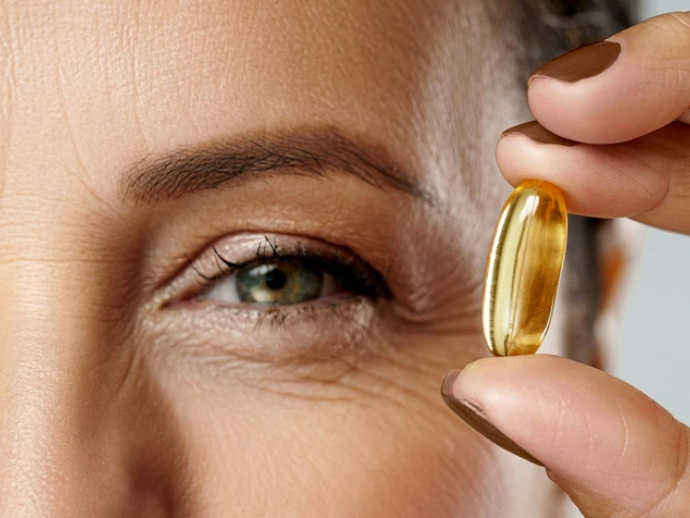
    Omega-3 fatty acids support your heart, eyesight, and cognitive function. Studies also suggest they may play a role in preventing cancer. Since omega-3s may protect against age-related conditions, like heart disease and macular degeneration, experts recommend higher intakes of omega-3s for older adults.

    3. Calcium

    Nearly all the calcium in your body is stored in your bones. When you don’t eat enough of it, your body taps that bone reservoir to fulfill its physiological needs. This could weaken your bones and lead to osteoporosis. In women, estrogen helps the body absorb calcium. However, as you approach menopause, your estrogen levels dip, which results in poor absorption.

    4. Vitamin B6

    Vitamin B6 supports the body’s nervous and immune system. A deficiency may lead to depression, weakened immunity, and certain skin conditions. As you grow older, your body needs more B6. High levels of B6 have been linked to better memory in aging populations.

    5. Potassium

    Potassium keeps your bones strong and may reduce the risk of stroke and high blood pressure. It also supports your kidneys, muscles, nerves, and heart. Unfortunately, certain medications and health conditions block the absorption of potassium. If you’re over 40 years old, ask your health care practitioner if you’re getting enough of it.

    6. Vitamin D

    Vitamin D reduces inflammation, helps the body absorb calcium, and supports the immune system. When women turn 40 and creep closer to menopause, a lack of vitamin D may result in weakened bones and osteoporosis. Because it isn’t found in many foods, and most people aren’t absorbing enough of it from the sun, vitamin D supplements can be beneficial.

    7. Probiotics

    Good bacteria in your gut keep your immune system in check and aid digestion. If you’re stressed, took a round of antibiotics, or have certain medical conditions, your good gut bacteria could get wiped out. Probiotics help to maintain balance, and as you age, you’ll want to pay close attention to the different strains and their benefits.

    8. Zinc

    Zinc supports your immune system and metabolism. There’s also evidence that it shortens colds, slows the progression of macular degeneration, and reduces diarrhea. Since zinc is known to support the body in many important ways, it’s an important nutrient to focus on as you age.

    9. Magnesium

    Magnesium regulates nerve function and helps keep your blood sugar balanced. As you age, a mild magnesium deficit could result in sleep and cognitive disorders. Maintaining normal magnesium levels through the years may help stave off age-related chronic conditions, like heart disease and diabetes.

    Article courtesy of Alive Magazine

  • Ladies, it’s time for some toilet talk

    Ladies, it’s time for some toilet talk

    Ladies, it’s time for some toilet talk

    How hormones and stress affect our digestion

    While women generally have an easier time talking about our health than do our male counterparts, one area in which we lag behind is being open about our digestive issues. Many women have chronic digestive issues that come with us to work and impair productivity, while reducing overall quality of life at home. Feeling stigmatization about digestive issues is associated with decreased access to medical care and greater psychological distress.

    Digestive disease in women

    Common signs and symptoms of digestive dysfunction include:

    • nausea
    • vomiting
    • trouble swallowing
    • heartburn
    • acid reflux
    • burping
    • bloating
    • abdominal pain
    • gas
    • constipation
    • diarrhea

    Women are less likely than men to develop gastrointestinal reflux disease (GERD), peptic ulcers, colitis, and gastric cancer. Research shows that estrogen may have a protective role in the development of these particular conditions.

    Women, though, draw the short straw with a higher prevalence of irritable bowel syndrome (IBS), celiac disease, and colon cancer than men. Women with IBS tend to experience more abdominal bloating, nausea, constipation, depression, and anxiety than do men with IBS. But some evidence suggests that IBS pain may improve after menopause.

    Your digestion on hormones

    Since there are receptors for estrogen and progesterone in the gastrointestinal tract, these reproductive hormones have a bearing on digestion.

    • For premenopausal women, the follicular phase of the menstrual cycle begins with the first day of menstrual flow and ends with ovulation. This phase is marked by high levels of estrogen. Research suggests that motility of the gastrointestinal organs is decreased among women during this time, which could contribute to constipation.
    • The luteal phase of the menstrual cycle begins with ovulation and ends with the onset of menstrual flow. In this phase, estrogen and progesterone levels are low. It’s common to experience loose stools during this phase.
    • During menstruation, diarrhea is the most commonly reported digestive symptom.
    • Pregnancy is supported by high progesterone, which tends to slow down gastrointestinal motility. This may contribute to pregnancy-related constipation, reflux, and biliary dysfunction.

    Food: Friend or foe?

    For most people, fiber-rich foods (oats, asparagus, legumes), and probiotic-rich foods (sauerkraut, kimchi, plain yogurt) are helpful for a happy tummy. But these very foods can sometimes aggravate digestive distress, and this is when it can be helpful to consider small intestinal bacterial overgrowth (SIBO), FODMAP intolerance (FODMAPs are specific carbohydrate molecules in some foods), and food sensitivities as underlying contributors to your symptoms.

    Along with your health care practitioner, develop a diet plan that works for you. Supplements may also help, which should be taken with supervision. Examples that may help digestion include:

    • probiotics
    • fiber
    • psyllium
    • turmeric
    • peppermint
    • garlic
    • ginger
    • L-glutamine
    • licorice root

    Article courtesy of Alive Magazine

  • RECAP: New Product Thursday 2/13/2020

    RECAP: New Product Thursday 2/13/2020

    Check out our NEW products this week!

    Manitoba Harvest Hemp Yeah Hemp Milks: Unsweetened Original, Original, & Unsweetened Vanilla
    Justin’s: Peanut Butter Cups with Crispy Quinoa
    Kastania: Organic Extra Virgin Olive Oil
    Little Secrets Cookie Bars: Dark Chocolate with Salted Caramel
    PlantFusion: Elite Activated Peptide Protein & Inspire for Women (both come in vanilla and chocolate)
    Rishi: Chaga Chai Concentrate
    Basil Bandwagon Natural Market: Collagen Peptides in larger size!
    Desert Essence Probiotic Hand Sanitizer: Tea Tree Oil with Lemongrass, Tea Tree Oil with Lavender, & Tea Tree Oil
    The Hemp Division Drinks: Recover, Siesta, & Calm
    Silk: Dairy Free Heavy Whipping Cream