Category: Guest Post

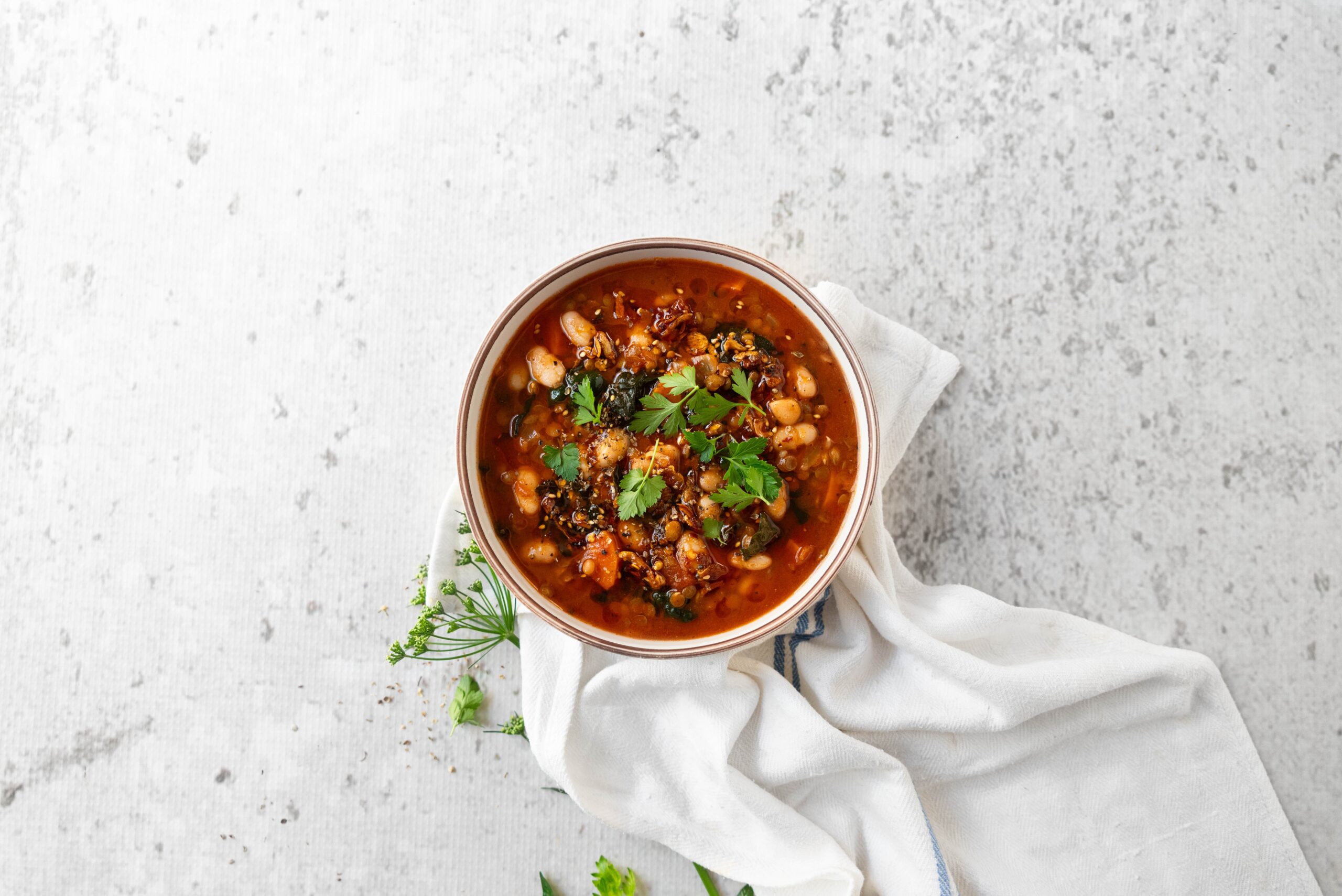
  • Chili Crisp Lentil Soup

    Chili Crisp Lentil Soup

    Chili Crisp Lentil Soup

    Total Time 40 minutes
    Servings: 6

    Ingredients
      

    • 3 tablespoons olive oil
    • 1 small yellow onion diced
    • 1 medium carrot peeled and chopped
    • 1 15-ounce can crushed tomatoes
    • 6-8 cups vegetable broth
    • ½ cups French lentils rinsed
    • 2 teaspoons smoked paprika
    • 2 teaspoons cumin
    • 1 sprig fresh rosemary
    • 1 teaspoon garlic powder
    • 1 teaspoon black pepper
    • Salt to taste
    • ½ bunch dinosaur kale stems removed and chopped into 1-inch pieces
    • 1 15-ounce can cannellini beans drained and rinsed
    • 1-2 teaspoons lemon juice from ½ lemon
    • ¼ cup chili crisp for drizzling

    Method
     

    1. Heat the olive oil in a large pot over medium-low heat. Add the onion and cook until translucent, about 5–7 minutes.
    2. Add the carrot, crushed tomatoes, vegetable broth, lentils, smoked paprika, cumin, rosemary, garlic powder, black pepper, and a generous pinch of salt. Stir to combine.
    3. Bring the soup to a gentle simmer. Cover with the lid slightly ajar and cook for 20–25 minutes, stirring occasionally, until the lentils are just about tender.
    4. Stir in the chopped kale and continue cooking until it is wilted and tender, about 3–5 minutes.
    5. Stir in the beans and cook for another 2–3 minutes, just until warmed through.
    6. Remove the rosemary sprig. Stir in the lemon juice and taste for seasoning, adding more salt, pepper, or lemon juice as desired.
    7. Ladle the soup into bowls and drizzle with chili crisp to taste. Serve hot and enjoy!

    Recipe Courtesy of INFRA

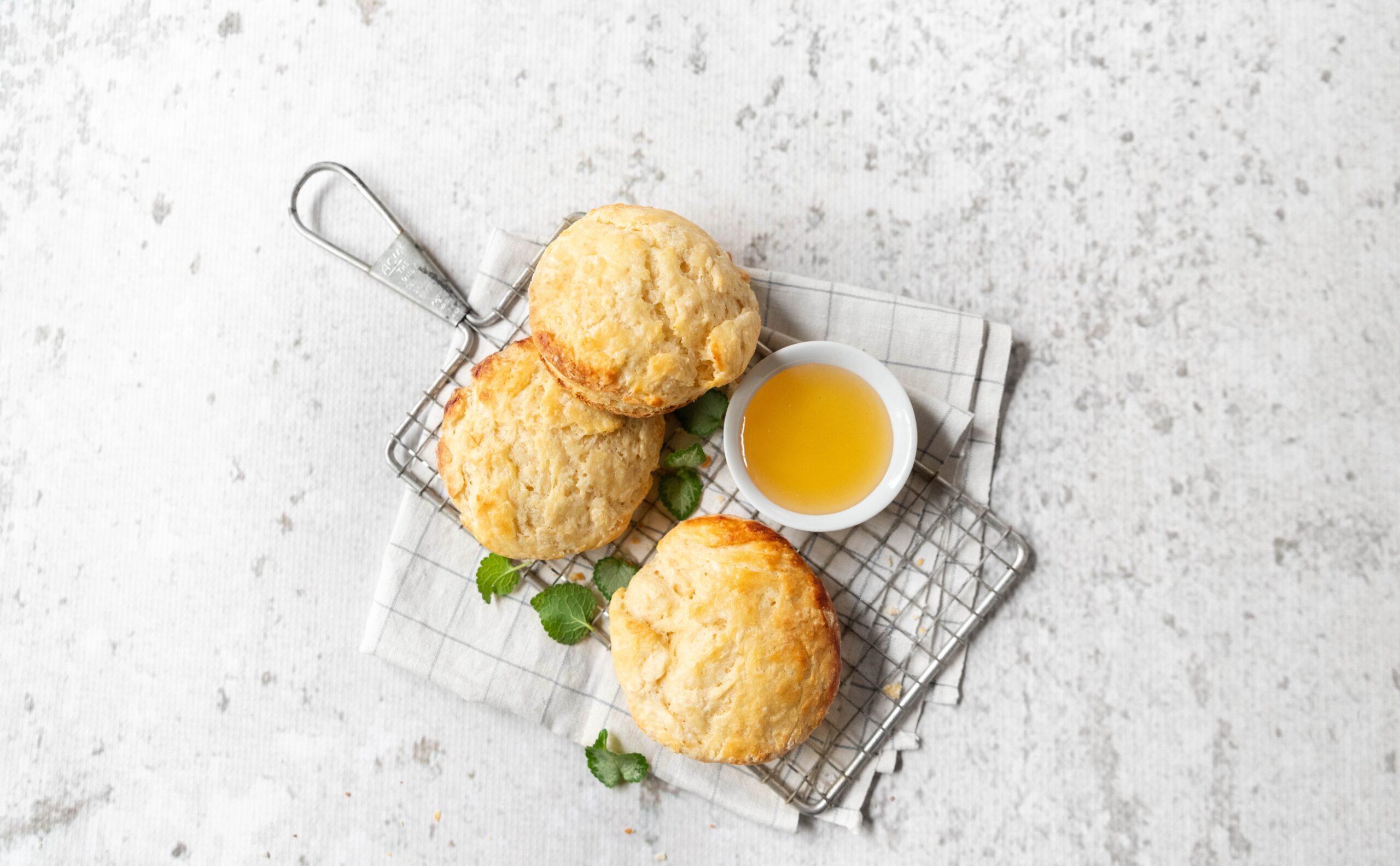
  • Buttermilk Biscuits

    Buttermilk Biscuits

    Buttermilk Biscuits

    Total Time 35 minutes
    Servings: 9 biscuits

    Ingredients
      

    • 3 cups all-purpose flour
    • ¼ cup cane sugar
    • 4 teaspoons baking powder
    • 1 teaspoon sea salt
    • ½ teaspoon cream of tartar
    • 1 cup + 2 tablespoons buttermilk plus more for brushing
    • 1 large egg
    • 1 stick (½ cup) unsalted butter cold

    Method
     

    1. Preheat oven to 450° F. In a large bowl, combine the flour, cane sugar, baking powder, sea salt, and cream of tartar. 
    2. In a separate bowl, whisk together the buttermilk and egg.
    3. Cut the cold butter into the flour mixture until the butter pieces are roughly pea sized.
    4. Pour the buttermilk mixture into the flour mixture. Gently mix until a shaggy dough just forms. Do not overmix.
    5. Turn the dough out onto a lightly floured surface. Gently knead and shape it into a rectangle approximately 1 inch thick.
    6. Cut the dough into 9 square or round biscuits, rerolling the dough as needed. Place them on the prepared baking sheet.
    7. Brush the tops with additional buttermilk.
    8. Bake for 16-18 minutes, until the tops are golden brown.

    Recipe Courtesy of INFRA

  • Savory French Toast

    Savory French Toast

    Savory French Toast

    Total Time 30 minutes
    Servings: 8 slices

    Ingredients
      

    • 4 large eggs
    • ½ cup whole milk
    • 1 ½ tablespoons minced onion
    • ½ teaspoon sea salt
    • ¼ teaspoon ground cumin
    • ¼ teaspoon chili powder
    • ¼ teaspoon crushed red pepper flakes
    • ¼ teaspoon turmeric
    • 1 tablespoon minced cilantro or parsley
    • 8 slices challah bread cut ½-inch thick
    • Butter for cooking and serving

    Method
     

    1. In a bowl, whisk together the eggs, milk, onion, salt, cumin, chili powder, red pepper flakes, turmeric, and cilantro or parsley until well mixed.
    2. Pour the egg mixture into a wide, shallow container. Place the challah slices in the mixture, turning to coat both sides and allowing the bread to absorb the mixture fully.
    3. Heat a large skillet over medium-low heat and add about 1 tablespoon of butter to the skillet. Allow butter to melt. 
    4. Place soaked bread slices in the skillet, leaving enough room between slices to flip. You will need to cook the French toast in batches. Cook over medium-low heat for 2–3 minutes per side, adding additional butter as needed, until golden brown and cooked through. Repeat with remaining slices.
    5. Serve warm with butter. Serve with cilantro chutney or mango chutney for an additional savory twist.

    Recipe Courtesy of INFRA

  • 3 Recipes

    3 Recipes

    Combine autumn spices and slow cooking techniques for a Thanksgiving meal to be grateful for

    Butternut Squash, Pear, and Walnut Crostini with Blue Cheese Whipped Ricotta

    It’s the season of all things pumpkin spice, and the delicious, warm flavours we love at this time of year have inspired this dish. We’re giving butternut squash and pears a gentle roast in a cloak of cinnamon and nutmeg and laying them on toasted crostini with a whipped blue cheese ricotta. It’s the perfect savoury bite to kick off a Thanksgiving meal.
    Servings: 4

    Ingredients
      

    Whipped blue cheese ricotta
    • 1 ½ ounces mild blue cheese such as a Danish Blue
    • ½ cup ricotta
    • 1 teaspoon extra-virgin olive oil
    • Black pepper to taste
    Squash mixture
    • 3 cups finely diced butternut squash
    • ½ teaspoon ground cinnamon
    • ¼ teaspoon ground nutmeg
    • ¼ teaspoon hot smoked paprika
    • ¼ teaspoon salt
    • 1 tablespoon extra-virgin olive oil
    • 1 ½ cups finely diced pears
    • ½ cup walnuts chopped in pea-sized pieces
    Crostini
    • 1 baguette sliced on the bias
    • 2 teaspoons extra-virgin olive oil divided
    • 1 tablespoon chopped fresh thyme leaves to garnish
    • 1 teaspoon honey to garnish

    Method
     

    1. For whipped blue cheese ricotta, combine all ingredients in food processor. Process for approximately 60 seconds, until light and airy. Remove to airtight container, cover, and refrigerate.
    2. Place baking sheet in oven and preheat to 400°F.
    3. For squash mixture, in large bowl, toss butternut squash with cinnamon, nutmeg, paprika, salt, and olive oil. Arrange on preheated baking sheet in even layer. Roast for 10 minutes.
    4. Meanwhile, add pears to same bowl and toss to coat with remaining oil and seasonings. After 10 minutes, add pears to baking sheet and roast for an additional 10 minutes, stirring well to combine. Lastly, add walnuts and roast for a further 2 to 3 minutes, stirring occasionally to prevent burning. Remove from oven and keep warm.
    5. For crostini, arrange baguette slices on second baking tray and drizzle or brush with 1 teaspoon olive oil. Turn slices over and drizzle or brush with remaining 1 teaspoon oil. Bake for 10 minutes, until golden brown, flipping halfway through.
    6. Spread whipped blue cheese ricotta mixture on each toasted baguette slice and top with squash mixture. Repeat with remaining baguette slices. Garnish with thyme leaves, drizzle with honey, and enjoy.

    Braised Chicken and Rice with Cardamom, Cranberry, and Orange

    Servings: 6

    Ingredients
      

    • 6 chicken thighs bone in, skin removed
    • 1 teaspoon ground cardamom
    • 1 teaspoon black pepper
    • ½ teaspoon salt
    • 1 tablespoon extra-virgin olive oil
    • 1 garlic clove finely chopped
    • 1 cup thinly sliced shallots
    • 4 cardamom pods cracked
    • 2 cinnamon sticks
    • 1 cup basmati rice washed
    • 1 ½ cups thinly sliced carrot rounds
    • ¼ cup cranberries chopped
    • ½ cup white wine optional
    • 1 ½ cups low-sodium chicken broth
    • ¼ cup chopped fresh cilantro
    • 1 orange zested, then cut in half

    Method
     

    1. Pat chicken dry and season with cardamom, freshly ground black pepper, and salt. Let stand at room temperature for approximately 30 minutes.
    2. Heat skillet over medium-high and add olive oil. Place chicken bone side up and sear for approximately 3 to 4 minutes. Repeat on other side. Remove to plate and set aside.
    3. Lower heat to medium and add garlic, shallots, cardamom pods, and cinnamon sticks. Cook for approximately 2 minutes, stirring frequently. Add rice, carrots, and cranberries and stir to combine. Add wine, if using, followed by broth. Stir gently to combine, then spread rice in even layer. Arrange chicken bone-side down over rice. Cover and simmer over medium-low for 20 to 25 minutes, removing lid during last 5 minutes of cooking.
    4. Remove from heat. Cover and let rest for 5 minutes. Sprinkle with cilantro and orange zest. Squeeze orange juice over top. Serve from skillet.

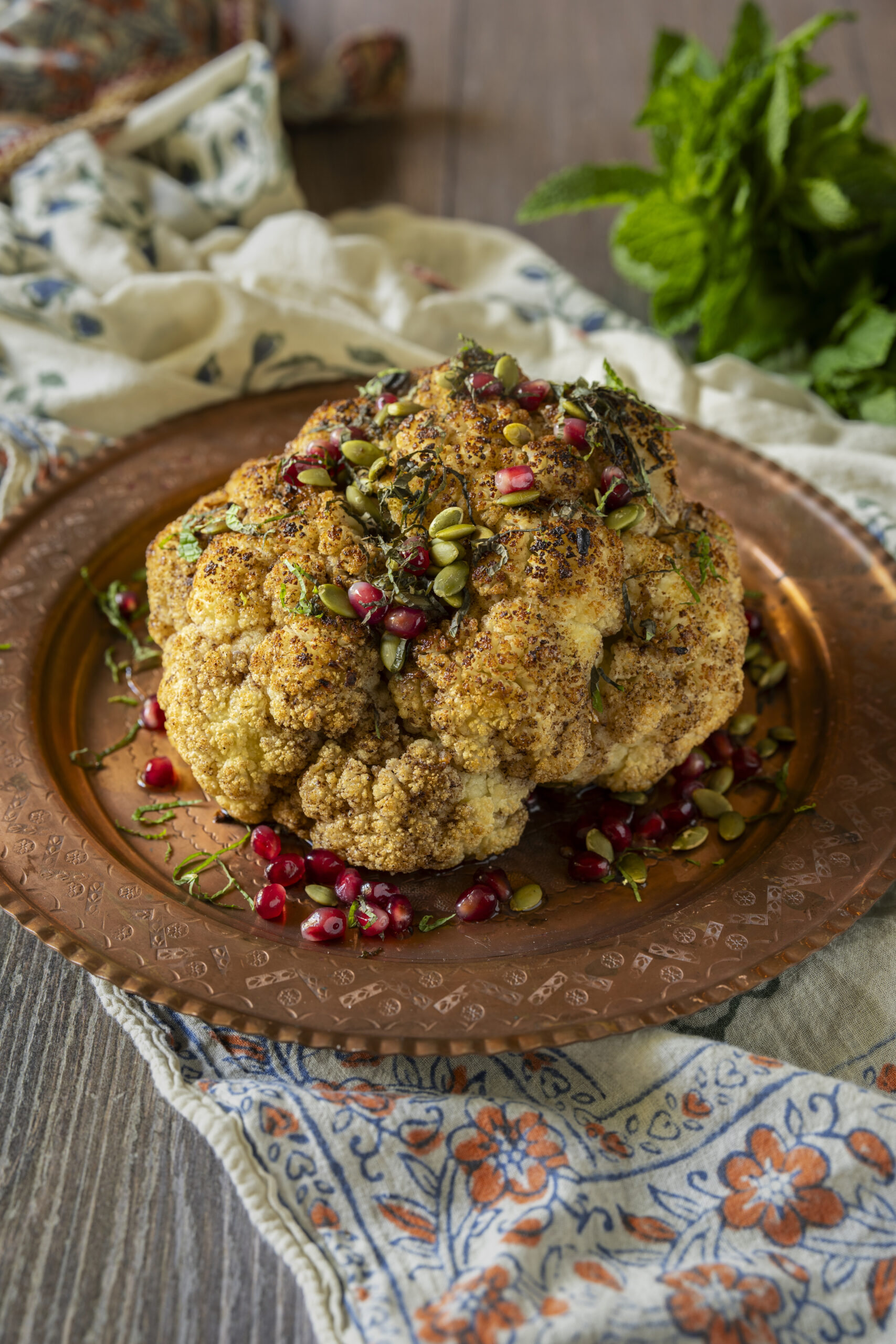
    Whole Roasted Cauliflower with Autumn Spices, Pepitas, and Pomegranate

    Servings: 6

    Ingredients
      

    • 3 tablespoons extra-virgin olive oil
    • 1 garlic clove minced
    • 1 teaspoon ground cinnamon
    • ¼ teaspoon ground cardamom
    • ¼ teaspoon ground cloves
    • ¼ teaspoon ground nutmeg
    • ⅛ teaspoon ground cumin
    • ½ teaspoon salt
    • 1 whole cauliflower leaves removed
    • ¼ cup pepitas
    • ¼ cup pomegranate arils
    • ¼ cup chopped fresh mint
    • 2 teaspoons honey to garnish (optional)

    Method
     

    1. Preheat oven to 375°F.
    2. In small bowl, combine olive oil, garlic, cinnamon, cardamom, cloves, nutmeg, cumin, and salt.
    3. Slice cauliflower stalk across the bottom so it sits flat. Starting on underside, brush spice mixture over cauliflower, getting it into recesses of the vegetable. Flip over and brush top side, until cauliflower is completely covered with spices.
    4. Place cauliflower flat into a Dutch oven and bake in preheated oven for 30 minutes with lid on. Remove lid and roast uncovered for a further 45 minutes, until a knife easily pierces cauliflower.
    5. Remove from oven, move to serving plate, and sprinkle with pepitas, pomegranate, and mint. Finally, drizzle with honey, if using.

    By Helena McMurdo

    RECIPES Courtesy of Alive Magazine

  • Underappreciated habits for a healthy brain

    Underappreciated habits for a healthy brain

    It’s more in your power than you think

    Have you come across any deep-seated beliefs about brain health? How about: “Dementia runs in my family; there’s little I can do about it.” Or “Diet and lifestyle can’t do much past a certain age; damage has already been done.” Let’s take a closer look at these ideas.

    Your brain wants you to sleep better

    Good-quality sleep may help reduce your risk of developing dementia, while poor sleep can reduce stress tolerance and may increase risk of depression.

    Regular bedtime and wake-up times and a screen-free bedroom can help improve sleep quality. Skip the night cap, since alcoholic beverages can affect the brain in two ways―they can fragment sleep, potentially impacting brain health, and they can also cause brain shrinkage over time, even with low to moderate consumption.

    Oral health is brain health

    Our oral microbiota affects brain health and cardiovascular health,  while tooth decay and tooth loss are associated with higher the risk of dementia. Diet also influences oral bacteria.

    A Mediterranean-like eating pattern, rich in whole foods and low in ultra-processed foods, promotes a healthier oral microbiota. Moreover, 10-year adherence to the MIND (Mediterranean-DASH intervention for neurodegenerative delay diet), no matter the age, was associated with a 25 percent lower risk of developing Alzheimer’s disease.

    Can you hear me now?

    Age-related hearing loss can increase the risk of cognitive impairment, cognitive decline, and dementia. Limit exposure to loud noise and wearing protective gear whenever you can (concerts included!).

    The connection between heart and brain

    Cardiovascular health is essential for brain health, though that connection is often forgotten. Research points to an association between high blood pressure in midlife and a higher risk of cognitive decline and dementia. Managing high blood pressure with a whole foods diet and regular exercise also benefit the brain. These lifestyle changes can improve cardiovascular function and lower the risk of heart and brain disease over time.

    Brain-bolstering foods

    A daily handful of blueberries can help improve memory, reduce the risk of cognitive decline, and lower systolic blood pressure.

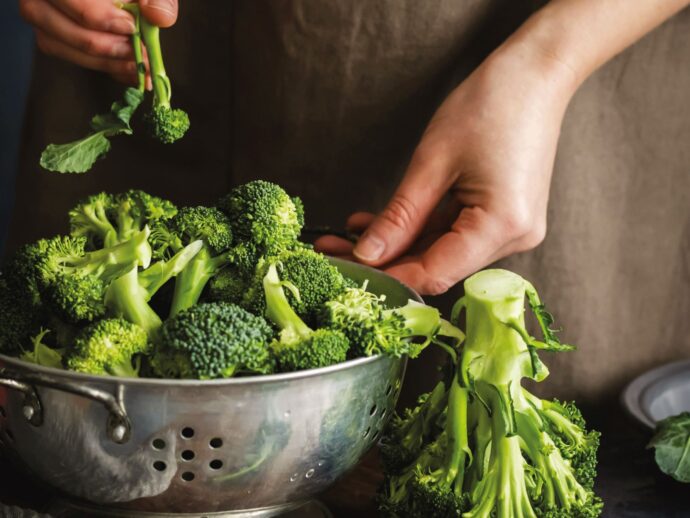
    A daily serving of dark leafy greens can help slow down age-related cognitive decline. As for the magical “fruit” (yes, beans), regular consumption is also associated with a lower risk of cognitive decline.

    The advice is simple: opt for a plant-centred diet (it doesn’t need to be exclusive) that’s rich in polyphenols, protein, and healthy fats—derived from various sources, including veggies, fruit, coffee, tea, legumes, whole grains, and nuts and seeds—to help reduce the risk of cognitive decline and neurodegenerative disease.

    By Daniela Ginta

    Article Courtesy of Alive Magazine
  • Routines for resilience

    Routines for resilience

    Creating healthy habits to help us thrive

    In today’s fast-paced world, routines can anchor us to peace and calm—helping us to manage cognitive load, imbue everyday activities with meaning, and live more harmoniously with the Earth.

    What’s in a routine?

    Chances are, you repeat many habits every day without thinking: going to bed after the sun sets, taking a shower in the morning, and packing yourself a lunch for work. These are known as “primary routines,” or routines around sleep, diet, and hygiene that are essential to human functioning.

    Secondary routines, such as leisure, socializing, exercise, work, and studying, help to support our mental health and give meaning to our daily lives. Regular repetition of a routine can help develop it into a habit—an action to which you’re so accustomed that it becomes almost involuntary.

    What can routine do for you?

    Routines sometimes get a bad rap in cultural discourse, particularly as we age. We’re told that we shouldn’t allow ourselves to get stuck in a “rut”; however, most people find that some degree of structure in their lives allows them to flourish.

    Routines help people reduce anxiety by being able to predict what their days and weeks will look like. In turn, reducing anxiety over our life’s structure can help free up access to our prefrontal cortex, the part of our brain that allows us to think logically.

    Feel the rhythm, your way

    Routines can support you emotionally, physically, and mentally. Simple swaps, like walking to work when it’s nice out instead of driving, can help you get your steps in and may reduce symptoms of depression and anxiety.

    Morning routines, such as having a cold shower, drinking a glass of water upon waking, and getting some sunlight, can boost energy levels and improve overall health. Integrating routines into your workday, such as stretching every hour or having a cup of herbal tea after lunch, can help you to improve emotional regulation and find meaning in your day. Studies also show that regular self-care routines may even improve health outcomes for older adults suffering from chronic illness.

    Sync with nature

    Building routines also offers a way to connect more deeply with nature, which is associated with positive mental health benefits. Learn about Indigenous perspectives on seasonality, which call for us to connect with the landscapes around us; eat local, seasonal foods; and embrace the changing of the seasons.

    Try intentionally structuring your day around the movement of the sun: waking to catch its first morning rays, using its high-noon position as a cue to do some midday movement, and limiting access to screens once it has dipped below the horizon.

    Give yourself grace

    Remember to respect your body’s biological boundaries. If you’re naturally a night owl, implementing an early-morning routine may not last long. Aim for a routine that, above all, feels sustainable. Finally, don’t be afraid to shake things up if you feel a routine is no longer serving you.

    By Isabela Bonnevera

    Article Courtesy of Alive Magazine
  • Clear the air

    Clear the air

    Your indoor wellness toolkit for autumn

    With days getting shorter and kids back to school, autumn sees us spending more time inside. While we tend to focus on cold and flu prevention from cramped quarters during the fall, we don’t give enough attention to the quality of <indoor> air and its correlation with our health.

    Threat No. 1: Mould

    Found in: water-damaged walls, HVAC systems, basements, and poorly cleaned humidifiers.

    Impact on immunity: Mould disrupts immune function by dysregulating T and B immune cell activity, increasing baseline inflammation without infection, and breaking down immune tolerance.

    Mould exposure also disrupts barrier functions in places like the respiratory and digestive tracts, resulting in an inappropriate immune response.

    Health consequences: Indoor mould exposure and dampness are associated with an increased risk of developing asthma in young children, and increased asthma morbidity in adults already suffering from the condition. Exposure is associated with rhinitis, sinusitis, and irritable bowel disease.

    Mould exposure is also associated with the development and exacerbation of allergic and nonallergic chronic inflammatory diseases and autoimmune disorders.

    Remedy:

    • Keep indoor humidity between 35 and 50 percent, measured by hygrometer.
    • Use a dehumidifier in damp areas (basements, bathrooms).
    • Clean humidifiers daily/weekly and avoid them unless truly needed.
    • Address even minor leaks immediately—behind walls, under sinks, and around windows.
    • Consider professional inspection and testing.

    Threat No. 2:Nitrogen dioxide (NO2) and particulate matter (PM2.5)

    Found in: gas stoves, fireplaces, heaters, cooking oils, candles, and dust.

    Impact on immunity: Gas stoves release nitrogen dioxide (NO2) and fine particulate matter (PM2.5), which damage mucosal immunity, impair natural killer cell activity, increase airway permeability, and raise inflammatory cytokines (IL-6 and TNF-α).

    Health consequences: Inhaling particulate matter affects lung function and oxygen saturation, and is associated with an aggravation of symptoms of chronic obstructive pulmonary disease and childhood asthma.

    Remedy:

    • Always use an exhaust fan or open a window when cooking with gas.
    • Swap to electric or induction if renovating.
    • Minimize burning candles, incense, and indoor wood-burning stoves.
    • Use a HEPA- and activated-carbon air purifier near the kitchen or common areas.
    • Vacuum regularly with a HEPA-filtered vacuum.

    Threat No. 3: PFAS: Forever chemicals

    Found in: nonstick cookware, stain-resistant textiles, food packaging, cosmetics, and waterproof gear.

    Impact on immunity: These persistent chemicals accumulate in the body and suppress antibody production, interfere with vaccine response, and increase systemic inflammation.

    Health consequences: PFAS may affect the nervous system; alter the functioning of the liver, kidney, and thyroid; impact bodyweight and metabolism; and affect reproductive function.

    Remedy:

    • Replace nonstick pans with stainless steel, ceramic, or cast iron.
    • Say no to stain-resistant fabrics (like Scotchgard-treated couches and carpets).
    • Avoid fast-food packaging and microwave popcorn.
    • Use a reverse osmosis or activated carbon water filter certified to remove PFAS.

    By Cassie Irwin, ND

    Article Courtesy of Alive Magazine
  • The benefits of blue spaces

    The benefits of blue spaces

    How interactions with water can positively impact your mind and body

    The thrumming of Tianne Allan’s usual migraine dissipates once she submerges her body into Vancouver’s English Bay. Judging by her relaxed demeanour, you’d never guess the water’s temperature is in the single digits. As her chest rises for a deep inhale, her eyes wander from Stanley Park’s treeline to the scattering of glass towers in the city centre. It’s this 10-minute cold plunge that sets the tone for her next 24 hours.

    “It brings everything into focus, because the cold is so bracing,” Allan says. “The open sky, glorious mountains, movement of the ocean―there’s a beautiful clarity and calm that comes with being part of that.”

    Nature immersion has long been found to promote psychological restoration and reduce stress. But most of these findings stem from research on green spaces. This raises the question: how do blue spaces―settings dominated by water―affect our mind and body?

    The mental benefits

    When Jody Radtke, MA, LPC, RCC, listens to a client unpack their week during psychotherapy, she isn’t staring back at them from an office chair. For the last two decades, the ecotherapist has been conducting her sessions in the open air in Squamish, BC. Helping her clients deepen their relationship with nature is Radtke’s way of illuminating their path to healing.

    “The natural world is my co-therapist,” Radtke says. “Different ways of connecting with the natural world offer us different ways of accessing ourselves.”

    Radtke recounts how the sounds of water lapping against rocks during a recent session helped regulate her client’s nervous system.

    “When we’re walking by a river or paddleboarding in the ocean, almost everyone feels that calming depth, that sense of connectivity,” she explains. “Sitting down by a river can remind us that things change, that we can let go, we can allow, and we can flow. The metaphor of these spaces is so rich and meaningful.”

    Radtke’s insight into the effects of nature on patient well-being isn’t just subjective; it’s rooted in a growing body of research. An analysis of 50 studies on the effects of blue spaces found that time spent near water enhances mental restoration, leading to lower stress, anxiety, and depressive symptoms.

    The benefits of exposure to blue space aren’t just felt in the mind.

    The physical benefits

    Cold therapy bolsters metabolism and immunity, reduces muscle-tissue inflammation, and strengthens the cardiovascular system. But immersion isn’t a prerequisite to reaping water’s therapeutic rewards.

    In environments where water collides, like waterfalls or shorelines, molecules called negative air ions (NAI) are generated. While evidence surrounding the effects of NAIs is limited and mixed, a narrative review of 187 studies found that exposure to NAIs may positively change how the body processes amino acids, which can reduce inflammation, increase antioxidant activity, and boost cellular energy production.

    When it comes to cold plunges, Allan acknowledges that there’s a cost to reaping water’s rewards. But she says it’s one worth paying.

    “It’s never easy to do,” she says. “It’s only when you experience the exhilaration and everything that comes with it―that clarity, that being part of the ocean, the mountains, the sky―that you go, ‘I’m going to do it; it’s worth it.’”

    By Alexa Everett

    Article Courtesy of Alive Magazine
  • Worth the buzz

    Worth the buzz

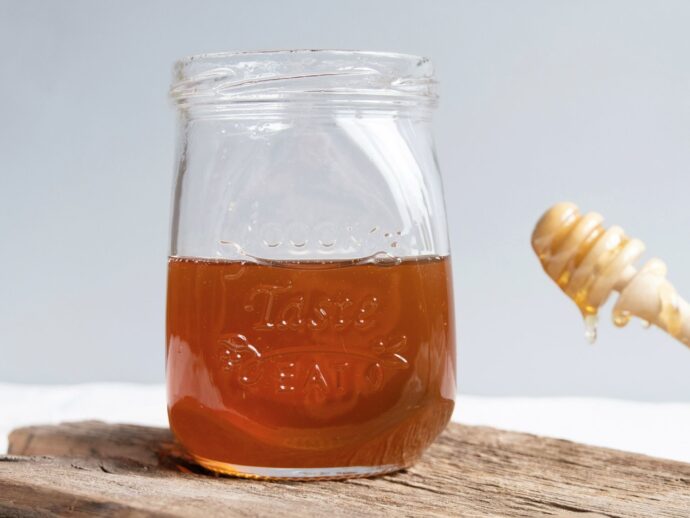
    Swarming with benefits, honey is one of nature’s best immune supporters

    Types of honey

    More than 300 types of honey exist worldwide, each one boasting a unique flavour profile (determined by the type of nectar the bees harvest) together with a myriad of health benefits.

    Manuka

    Manuka is widely considered the gold standard of healthy honeys. It’s one of few varieties classified as medical grade, thanks to its high levels of methylglyoxal (MGO)―a natural antibacterial compound that helps fight infection and minimize inflammation to boost overall immunity.

    Sourced from a flowering shrub native to New Zealand, manuka honey tastes earthy and medicinal. There’s even a grading system noted on each bottle for measuring its potency. The higher the number, the more powerful the antibacterial properties (and the larger the price tag).

    Buckwheat

    If manuka is the gold standard, consider buckwheat honey its Canadian counterpart that’s just as rich in flavour and nutrients. The dark-hued honey is produced in Ontario, Quebec, Manitoba, and Saskatchewan. It’s also a rarer variety: since the buckwheat flower is so tiny, it means bees must feast on more flowers to collect enough nectar for production. The toffee-like sweetener is packed with antioxidants, with studies claiming it contains even higher levels than that of manuka.

    Clover

    Clover honey, derived from various species of the clover flower, is the type most commonly lining grocery store shelves. It has a light amber hue and smooth, syrup-like sweetness. Clover honey (especially the raw variety) is also effective at protecting the immune system by warding off harmful bacteria to help fight infection.

    Wildflower

    Wildflower honey is produced when honeybees pollinate many flower varieties (compared to just one type). It also contains plenty of antioxidants, such as flavonoids and phenolic acids, which help lower oxidative stress and support immune function. A study testing 57 types of blossom honey found that wildflower honeys showcased the strongest antibacterial activity.

    Propolis

    Propolis (also known as “bee glue”) is technically not honey, but it’s such a nutritional powerhouse that it, too, deserves the spotlight. Crafted from tree sap, beeswax, and other plant-derived compounds, bees use the sticky substance to seal gaps in their hive and ward off intruders. (You’ll often spot it on shelves in tincture, spray, capsule, or even lozenge form).

    Propolis contains similar health benefits to honey, but even stronger antimicrobial activity to fight infections like stubborn colds and sore throats. Unlike honey, propolis is naturally low in sugar.

    By Brittany Devenyi

    Article Courtesy of Alive Magazine
  • Cozy fitness

    Cozy fitness

    How to stay active, energized, and healthy this fall

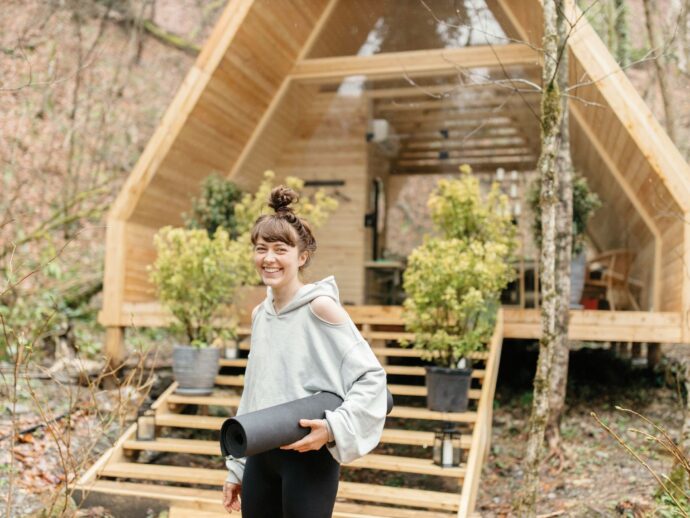
    When the air turns crisp and the sun sets before dinner, finding motivation for boot camps at dawn or punishing cardio can be difficult. Enter cozy fitness—a gentler, more intuitive way to exercise that works with the season, not against it. Think flexible, feel-good movement that boosts energy, lifts your mood, and supports your immune system.

    Move with the seasons

    Fall weather can be unpredictable, so your fitness routine should be flexible.

    Have an alternative indoor plan

    Having backup plans for any workouts that you might do outdoors or that require travel is important during the fall and winter; you never know what the weather will do. If you plan on running outdoors but it’s rainy or windy, it’s a good idea to have a replacement form of exercise you can do indoors so you don’t miss out on exercise.

    Grab the morning

    However, you should still try to get outdoors during the transition to darker and colder weather, especially in the morning. Getting morning sunlight can help with regulating your sleep, moods, and energy levels. Just a simple morning walk, or even some stretches on your deck in the light, is a great way to take advantage of this.

    Find your motivation

    Outdoor activities, such as trail running, forest hikes, and foraging walks, can get you moving in the fresh air while keeping your immune system strong. Add in the natural beauty of fall leaves and earthy scents, and you have a recipe for motivation. Tracking your steps or using a fitness watch can also help you stay aware of how much you’re moving, especially when you’re inside more often.

    Choose cozy, feel-good workouts

    Cozy fitness is all about low-impact movement that supports your mental and physical health:

    • yoga
    • Pilates
    • resistance bands
    • light free-weight training

    Try making your movement enjoyable by adding a little ambiance; some people like to turn the lights low and light a candle to make their environment even cozier.

    Include some cardio

    Engaging in cardiovascular exercise, especially brisk walking or light aerobic movement are key to increasing circulation and bringing more blood to the brain.

    Remember strength training

    A walking pad at home or a quick bodyweight routine can be just as effective as an intense gym session, especially when performed consistently. Consider strength training at least twice per week, even if you just perform some challenging bodyweight movements.

    Support your mood through movement

    Fall and winter bring not only more darkness but also more cases of seasonal affective disorder (SAD), a type of depression that occurs with the onset of shorter days. Fortunately, exercise can help, especially if you engage in an activity you enjoy doing.

    By Adam Meyer

    Article Courtesy of Alive Magazine