Category: Summer Camp

  • Going Camping? Grab These Necessities!

    Going Camping? Grab These Necessities!

    Tomorrow (8/3/19) is National Campfire Day! To celebrate all things camping- we’ve decided to share some of our favorites when we’re living outdooooorsssss- *cue singing voice.*

    S’mores!

    Have you ever tried a coffee s’more!? Next time you’re sitting by the campfire, switch out your milk chocolate for some espresso chocolate from Endangered Species or a little cafe mocha hemp chocolate from Rise Relief! Trust us, you’ll thank us later.


    Bug & Sun

    Make sure you’re covered! During the day, use All Good’s Sunscreen Spray to protect you from the sun’s rays. At night, keep away the ticks and mosquitos with Nantucket Spider’s deet-free repellents!


    Be Sustainable Everywhere

    Keep your campsites clean by using drink containers from HydroFlask and stainless steel cutlery from Conscious Cutlery!

    Less Waste = Happy Earth


    No matter which product you use while you’re camping, let us know! Leave us a note, email us, or tell us in person! #basilbandwagoncares

  • Summer Camp Week 10: 4 Things You Need to Do to Eat Well On A Budget

    Summer Camp Week 10: 4 Things You Need to Do to Eat Well On A Budget

    The 4 Things You Need to Do to Eat Well On A Budget

    By Jenna Kohler, Certified Health Coach & Basil Bandwagon Team Member

    So, you want to eat “healthy”, but “healthy” food costs too much…

    You had good intentions to stock your refrigerator with delicious, organic, local fruits and veggies, but instead ended up with a cabinet full of peanut butter, jelly, and boxed macaroni and cheese…

    Or, you did go out and fill up your shopping cart with lots of great healthy food, but you spent your whole paycheck…

    Sound familiar? We get it. And we’re here to help. We know how hard it can be to find the time and resources to make healthy living possible. Because – let’s face it – no one can afford to get sick and everyone has the right to feel good in their own skin.

    So far this summer, we’ve: improved our gut health, protected our skin, relieved stress naturally, healed insect bites, improved our fitness, learned about quality supplements, upgraded our “good fat” intake, redefined our use of food as medicine, and boosted our immunity. But Summer Camp wouldn’t be complete if we didn’t cover one of the most important exercises of all: learning to tone your budget!

    So, take it from us – follow these four simple tips to balance a healthy body and a healthy wallet:

    PLAN AHEAD:

    Make routine trips to your grocery store – with a list in hand. If time is limited, spread your trips farther apart with quick stops for just perishables scattered in between. Create a reusable list based on a core set of staple items for your household, according to your dietary needs and preferences. Assess what you have in stock before finalizing your list and heading to the store – re-buying items you already have in stock could result in food spoilage, which is an unnecessary cost to bear.

    If you can, spend some time researching sales at your store before your routine trips. When you know ahead of time about good deals, you can make quicker, more informed choices.

    Finally, be sure to account for food prep/cook time in your schedule. Buying a bunch of bulk raw ingredients for a great price is awesome, but not if they’re going to spoil sitting at home unprepared while you venture out to grab take-out in a hurry!

    PREPARE YOUR OWN FOOD MORE OFTEN:

    While eating out might be convenient, it certainly isn’t the best choice for your wallet. So, be conscious about how often you do go out to eat. Consider putting a limit on the amount you spend in a given month, or the number of times you eat out in a week. When you do go out, make smart choices. Often you can find great quick-service local eateries offering quality, local food without large price tags. (Like our Farm to Market Café!)

    Preparing your own food can offer enormous cost savings. Common misconception is that it’s a time-consuming process. The truth is, yes – it can be. But, it doesn’t have to be. Pick two days a week to cook and prepare meals and snacks. An hour or two of your time on a Sunday and Wednesday, for instance, can save you hours more throughout the week by repeating the same process.

    reusable, waterbottle

    BYOW: Invest in a fun, QUALITY water bottle like our Hydroflask products. These bottles come in fun colors and keep your drink at the perfect temperature so you can stay refreshed all day long. Bring the bottle with you every time you leave the house. When you get thirsty, not only will it keep you hydrated, but it’ll save you from reaching for a $1 for the vending machine.

    SHOP SMART:

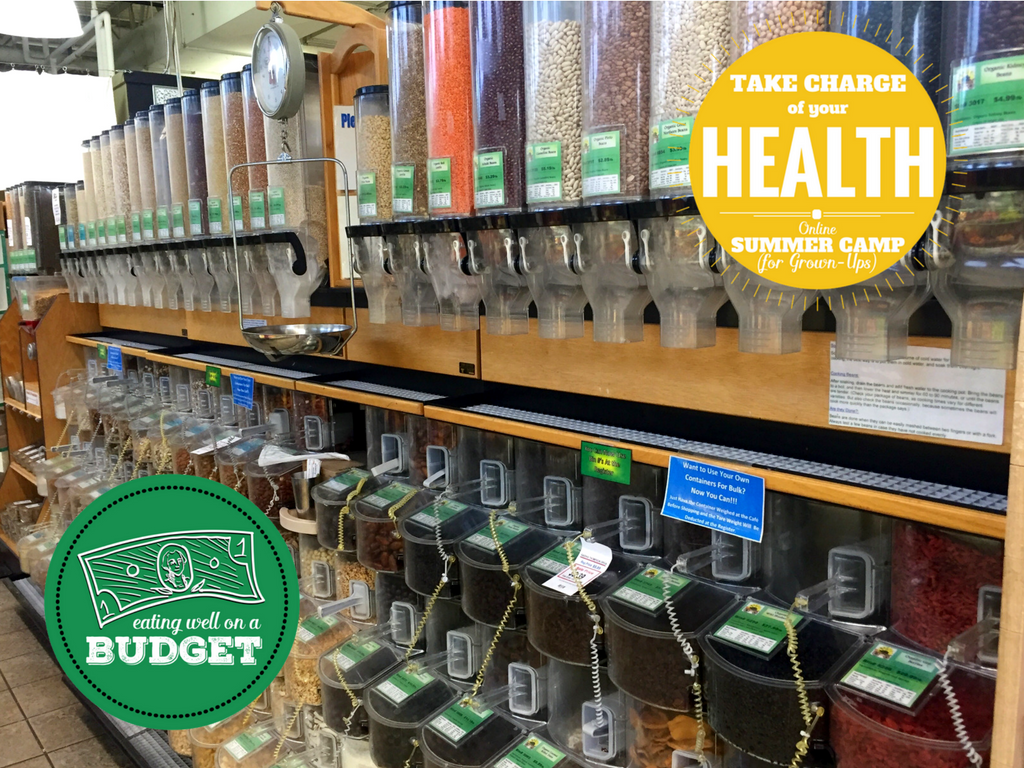
    Buying foods in bulk can be a great place to start. Nuts, seeds, grains, dried fruit, baking ingredients, nut butters, spices, herbs, coffee beans and teas are all offered in bulk. Bulk foods – or “scoop your own” foods – can be offered at lower prices because they do not use expensive packaging and branding. They are a great way to shop for a variety of reasons:

    1. If you have a recipe that calls for a small amount of cinnamon, bulk is a great solution – because you can purchase only what you need.spices, organic, bulk
    2. If you have a large family that goes through many peanut butter sandwiches weekly, bulk is a great solution.bulk, budget, organic
    3. If you have food allergies and like to make your own trail mix with raw ingredients of certain proportions, bulk is a great solution.

    Bring your own shopping bags! Basil Bandwagon refunds customers 10 cents for each bag used during a purchase. Do the math – if your family of four uses 10 bags each week, that’s a $1 savings/week, which equates to over $50/year. FREE MONEY, folks! Need we say more?reuse, plastic

    Subscribe to our Basil Bandwagon email list here! We frequently email awesome coupons. Also, look for sales in store and online. You can find our sales flyer at the entrance of our stores as well as on our website.

    plant fusion

    If you know you will use it, opting for the larger choice of the same product is almost always more economical.  And as a bonus, if there is a product you use frequently or in large quantities, let us know you’d like to special order a case, and you’ll receive 10% off!

    PREVENT SPOILAGE:

    Air-tight glass containers and jars can help preserve your food purchases at home. For produce items, consider purchasing specialized produce bags to store fruits and veggies in within your refrigerator. They are specially designed to extend the life of your fresh produce so that it doesn’t spoil before you get to it.

    Lastly, if you are a frequent traveler or infrequently home, opt for frozen fruits and vegetables rather than fresh. They are a better investment for you and will remain available for preparing any time!

    For more money-saving tips and tricks, come visit our stores to speak with one of our friendly team members. 

  • Summer Camp Week 9: Boost Your Immunity!

    Summer Camp Week 9: Boost Your Immunity!

    This week at Summer Camp, we have an exciting guest post from one of our favorite local Chiropractors, Dr. Michele Gardner! Check out what Dr. Gardner has to share about optimizing immune health below.

    Summer is almost over which means school will be starting soon! There’s a funny thing that happens when children get together in large groups and have the added social stress of starting a new year. It seems to do with both stress-coping strategies and gut health. We now understand that stress affects our nervous system, which in turn alters immune function- especially when it is chronic. (Segerstrom, 2004) We also Dr. Gardner Quoteknow that a large percentage of our immune function resides in our gut. (Vighi, 2008) Each family essentially has its own ecosystem that gets challenged when encountering another that our immune system is unfamiliar with. (University of Utah, 2014) Fortunately, there are daily choices you can make to support general immune health, actions you can take for prevention during exposure to an illness or during a high stress time-period, and treatments you can use to ease your symptoms and possibly shorten their duration.

    For starters, I have never seen more stressed-out kids than those in school today. The level of academic and social demand placed on our children requires we teach them stress-coping strategies. Do you know what works for your child and your family? As parents, the pressure is just as great- in different ways. And if you’re a “big kid” – this applies to you too.

    Here’s my list of Top 10 Daily Choices to Support General Immune Health:


    1. Get adjusted by your family chiropractor. Adjustments not only boost immune function for hours afterward (Brennan, 1991), they increase relaxation and digestive health through the nervous system! (Yates, 1988) (Takeda)
    2. Consume high-quality, nutrient-dense food for a healthy gut. We have many knowledgeable people here in Flemington who can help you learn to make the best choices for you and your family. Just ask! We’ll help you get started by finding the right person for you. It can be simple too – no need to get overwhelmed. It can be all about adding in good stuff that crowds out what you don’t want. And, it can taste great so you don’t have to feel deprived. If you regularly eat at Basil Bandwagon’s Farm to Market Café, then you know I’m right!
    3. Find appropriate exercise. Did you know exercise immunology is a thing? Regular moderate exercise is shown to decrease risk of illness while over-training can have the opposite effect. (Gleeson, 2007)
    4. Get quality rest. Our bodies restore and regenerate while we sleep. The amount of sleep we require changes with age too. For most adults, seven to eight hours will suffice; teens and infants require more like ten to twelve! (Olson, 2015)
    5. Take quality, whole-foods supplements including vitamins and trace minerals tailored to your needs. Whether you need to establish/restore your gut health or counter the depleting effects of stress, supplementation can be instrumental in your health. The key is to first find out what your specific needs are, and that can often begin with bloods tests. There are certain supplements that are safe to use even if you don’t have a deficiency (essentially you’ll just eliminate the excess). But, there are others you want to take ONLY if you are deficient – especially fat-soluble vitamins (that means they get stored in your body). (Medicine Net, 1999) There are medical doctors with post-doctorate training in Functional Medicine or Integrative Medicine who have a more comprehensive understanding and testing capabilities. Again, we have many here in our community and neighboring counties.
    6. Learn to reduce stress. We’ve already established that our community has a high level of stress, and chronic stress affects our immune function. Help yourself and your family by cultivating stress-coping strategies. We aren’t going to eliminate the stress in our lives so we’d better adapt! And, for the love of Pete, don’t add this to your already overloaded to-do list and become the health “Nazi” in your family! These are strategies that develop over time, organically, and from self-love! Surround yourself with practitioners from traditions that make sense to you, who can guide you along this journey. Ask and we’ll help you find your:
      • Family Chiropractor
      • Community Acupuncturist
      • Aromatherapist
      • Massage Therapist
      • Yoga Instructor
      • Family Gestalt Therapist
      • Tai Chi or Qigong Instructor
      • Ayurvedic Practitioner
      • Minister
      • Energy Medicine Practitioner
      • Herbalist
      • Homeopath
      • Personal Trainer
      • Meditation Guru
      • Art Therapist
      • Hypnotherapist


    7. Make sure the humidity in your home stays close to 50%. In cold air our mucous membranes (lining of your respiratory tract) get dried out, which can lower our body’s defense to illness. Their job is to trap those pesky bacteria or viruses we don’t want so we can sneeze or cough them out. (Mercola, 2014)
    8. Play outdoors. Good ol’sunshine and fresh air! If you’ve had a recent physical, then your medical doctor has probably checked your vitamin D level. Direct sun exposure for 15 minutes without sunblock is still the best way to allow your body to absorb vitamin D. (Vitamin D Council)
    9. Hydrate on a cellular level. Those are fancy words for drinking water. Not just any old water, though. pH balance and mineral balance have an effect on cell uptake of water and hydration appears to be linked with immune function that starts in our saliva. (Adams) If you’ve got good well water- fantastic! If not, research options for quality filtration and consider electrolyte supplementation when appropriate. I like to avoid bottled water when possible, but there are bottled waters that provide trace minerals and a healthy pH.
    10. Laugh! Why does Snoop Dogg use an umbrella? For Drizzle! But, seriously, laughter is the best medicine. Laughter will reduce the stress response in your body, boost your immune system, relieve pain, and improve your mood. (Mayo Clinic, 2016) I hear we have some new comedy acts coming up here in Flemington…


    What actions can you take for prevention during exposure to an illness or during a time-period of high stress?


    Take all the above and add a few immune boosting tweaks:


          • Ask your family chiropractor if it is appropriate to increase your care during this time. If you’ve been under a Wellness Care Plan it might be time to return to a Condition Based or Corrective Care schedule. If you haven’t been under care, now is as good a time as any to start.
          • Vitamin C, Zinc (supplements/throat sprays/lozenges), Monolaurin (an anti-viral supplement from coconut), and Olive Leaf Extract are among the supplements I’ll use. There are many, many more: Echinacea, goldenseal, elderberry, and so on. The best people to ask are the staff at Basil Bandwagon!
          • Hydrogen peroxide rinse for your ears; especially if you notice your ears are itchy.
          • Keep your sinuses hydrated with a natural saline spray.
          • Focus on Gut health! Certain foods will suppress digestive health while others will support it: Check out this article. (Palevsky, 2006)
          • Essential Oils – almost all are anti-viral and anti-bacterial. Ask me for resources to practitioners who can teach you all about their many benefits. You can even diffuse them in your home or work place. (Pattnaik, 1996)
          • Rest! Remember you are a human Being, Not a human Doing.


    Last but not least, what to do to reduce your symptoms and shorten their duration:


      • Safely increase your supplements at the onset of your symptoms.
      • Ask for herbal remedies and treatments from your community acupuncturist, herbalist, ayurvedic practitioner, or naturopath.
      • Utilize homeopathy – while available at Basil Bandwagon, working with a practitioner to prescribe a remedy specific to you can be more potent than using blends or trying to guess yourself.
      • Rest!!!  Really!!!  Stay Home!!! Not only will you help yourself recover quicker, you’ll be taking care of your community by not sharing whatever it is with everyone else.

    There you have it, my friends! With a clear nervous system, quality nutrition, rest, recreation, exercise and hydration, you can achieve greater heights in your health. If you do start expressing symptoms, support your body to do what it knows how to do via your immune system and you’ll be well in no time. Snuggle on the couch and watch your favorite comedy shows while someone pampers you. And, if you don’t have someone to pamper you, call me – I’ll grab a healthy soup from Basil Bandwagon and bring you a care package fit for an Olympic Champion!

    chiropractor, flemington, flemington nj, hunterdon county


    Dr. Michele Gardner is a Holistic Chiropractor whose focus is on wellness and preventative care for families and individuals facing physical, mental and emotional issues.  She specializes in prenatal care and pediatrics.  Her passion is to educate and inspire everyone to achieve the best possible health without drugs or surgery.  Gardner Family Chiropractic is located in the Old Egg Auction complex at 84 Park Avenue, Suite G105 in Flemington,www.drmichelegardner.com, 908-782-7470, gfctasks@gmail.com.


    References:

    Adams, W. e. (n.d.). Immune Function: Basic Considerations of Exercise and Hydration. Retrieved August 15, 2016, from Korey Stringer Institute: University of Connecticut: http://ksi.uconn.edu/wp-content/uploads/sites/1222/2015/04/Immune-Function-and-Hydration.pdf

    Brennan, e. a. (1991). Enhanced phagocytic cell respiratory bursts induced by spinal manipulation: Potential Role of Substance P. Journal of Manipulative & Physiological Therapeutics , 399-400.

    Gleeson, M. (2007). Immune function in sport and exercise. Journal of Applied Physiology , 693-699.

    Mayo Clinic. (2016, April 21). Healthy Lifestyle: Stress Management. Retrieved August 15, 2016, from Mayo Clinic: http://www.mayoclinic.org/healthy-lifestyle/stress-management/in-depth/stress-relief/art-20044456?pg=1

    Medicine Net. (1999, October 14). water soluble vitamins vs fat soluble vitamins article. Retrieved August 14, 2016, from Medicine Net: http://www.medicinenet.com/script/main/art.asp?articlekey=10736

    Mercola. (2014, January 13). Effects of Low Humidity on Health. Retrieved August 15, 2016, from Mercola.com: http://articles.mercola.com/sites/articles/archive/2014/01/13/low-humidity-health-effects.aspx

    Olson, E. (2015, June 9). Expert Answers on Insomnia. Retrieved August 14, 2016, from Mayo Clinic: http://www.mayoclinic.org/diseases-conditions/insomnia/expert-answers/lack-of-sleep/faq-20057757

    Palevsky, L. (2006, December 1). A Holistic Perspective on the Digestive System of Infants and Children. Retrieved August 15, 2016, from ICPA: http://icpa4kids.org/Wellness-Articles/a-holistic-perspective-on-the-digestive-system-of-infants-and-children.html

    Pattnaik, S. e. (1996). Antibacterial and antifungal activity of ten essential oils in vitro. Microbios , 237-46.

    Segerstrom, S. C. (2004). Psychological Stress and the Human Immune System: A Meta-Analytic Study of 30 Years of Inquiry. Psychological Bulletin , abstract conclusion.

    Takeda, Y. e. Long Term Remission and Alleviation of Symptoms in Allergy and Crohn’s Disease Patients Following Spinal Adjustment for Reduction of Vertebral Subluxations. Journal of Vertebral Subluxation Research , 4 (4), 1.

    University of Utah. (2014, August 15). Your Changing Microbiome. Retrieved August 14, 2016, from Learn.Genetics. Genetic Science Learning Center.: http://learn.genetics.utah.edu/content/microbiome/changing/

    Vighi, G. e. (2008). Allergy and the gastrointestinal system. Clinical and Experimental Immunology , abstract.

    Vitamin D Council. (n.d.). How do I get the vitamin D my body needs? Retrieved August 15, 2016, from Vitamin D Council: http://www.vitamindcouncil.org/about-vitamin-d/how-do-i-get-the-vitamin-d-my-body-needs/

    Yates, e. a. (1988). Effects of chiropractic treatment on blood pressure and anxiety: a randomized, controlled trial. Journal of Manipulative & Physiological Therapeutics , 484-488.

  • Summer Camp Week 8: Food As Medicine

    Summer Camp Week 8: Food As Medicine

    Hippocrates wasn’t kidding when he said, “Let food be thy

    medicine and medicine be thy food.” The man knew what

    hedefinition of disease was talking about way back in (about) 475 BC – back when

    it was necessary for physicians (or healers) to know about

    nature. Ask a physician practicing traditional western

    medicine today about what you can eat to help

    diverticulitis, arthritis or a simple sinus infection, and you

    might be met with a confused face. Medical doctors in our

    western culture typically practice medicine by prescribing

    pharmaceutical drugs and addressing symptoms of disease.

    But what if we could replace disease with ease? Better yet, what if healthcare was all about maintaining

    ease instead of addressing symptoms of disease?

    Another smart man that we’re all familiar with – Mr. Thomas Edison – once said, “The doctor of the

    future will give no medicine, but will interest her or his patients in the care of the human

    frame, in a proper diet, and in the cause and prevention of disease.”

    With an ongoing discussion of preventive health amongst our community these days, more of us are

    now interested in what we can eat and how we can live to prevent disease.

    If you’re among the bunch that wishes to choose ease as a way of life, here’s an overview you may find

    to be a useful guide for living:

    Food for Thought

    Your body is an amazing machine of interconnected mechanisms that work together to generate

    a living, breathing, you. And though each function of your body is quite dependent on the functions of

    other parts of your body, there are specific foods that help support specific areas of your anatomy.

    (CLICK CHART FOR PDF VERSION)

    fam chart Bringing a regular supply of these foods into your diet can help support healthy function of all your body’s systems and mechanisms. Using these foods in times of disorder and disease can also prove to be supportive to your health.

    References

    www.clevelandclinic.com – Cleveland Clinic

    https://www.niddk.nih.gov/health-information/digestive-diseases – National Institute of Diabetes and Digestive and Kidney Disorders

    https://medlineplus.gov/throatdisorders.html – US National Library of Medicine

  • Summer Camp Week 7: Slim Down with Good Fats

    Summer Camp Week 7: Slim Down with Good Fats

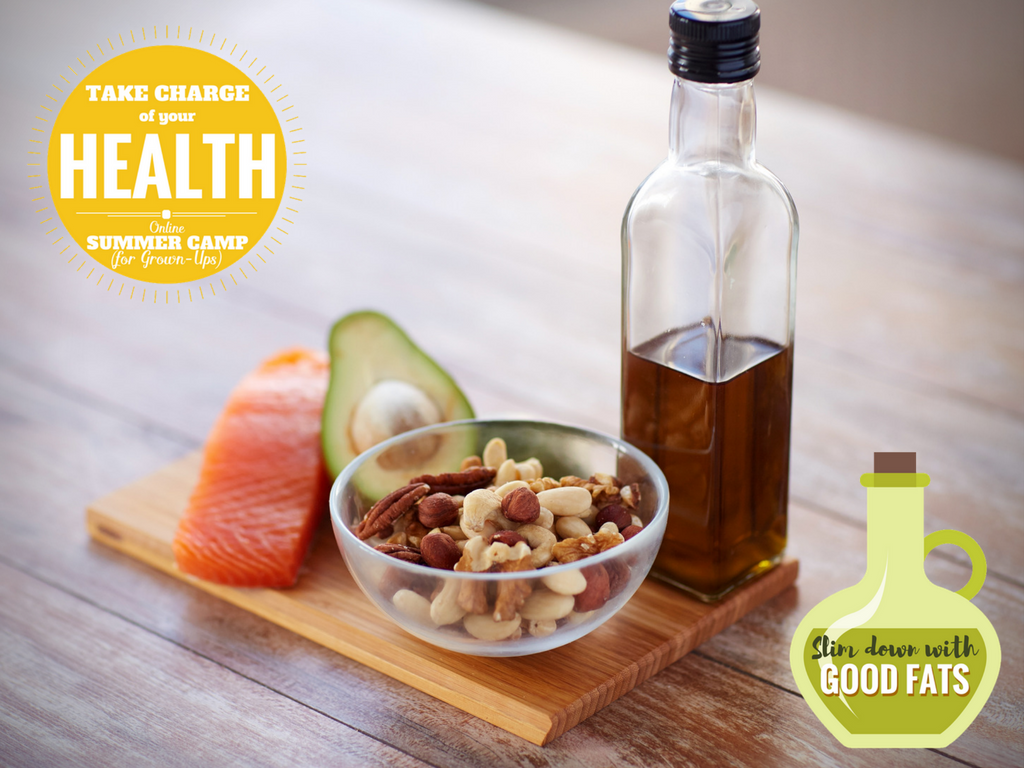
    In the past, nutritional information has told us that consuming fat in our food was bad and would surely lead to weight gain.  Newer nutritional research has proven that theory to be oh-so-incorrect.  In fact, you need fat to stay healthy in so many ways. The key is to be selective with the sources of fat you are consuming and to consume them in proper amounts.

    Let’s take a look at what fat does for our bodies first before we delve into what kinds of foods are good choices for healthy fat.

    Fat helps burn fat.

    Our bodies need carbs, protein and fat to produce energy. One gram of fat provides more than twice the energy than protein or carbs produce. In order to regulate metabolism, fat is required.

    Fat makes you feel full. 

    Fat takes a long time to digest, so it sits in our digestive systems for a while and keeps you from feeling hungry for a longer period of time. 

    Fat helps make you happy.

    Omega 3 fatty acids have been shown to boost serotonin levels in the brain, which are responsible for your feelings of happiness and wellbeing.

    Fat helps build muscle.

    Fat is absolutely essential for normal growth and development.  And, the more energy (produced in part by fat) we have to work out, the better we are able to burn and tone!

    Fat makes absorption of some key nutrients possible.

    Vitamins A, D, E, K – among other critical nutrients – cannot be absorbed without the consumption of fat.  Deficiencies of these vitamins can cause brittle bones, muscle pain, fatigue, and more. 

    Generally speaking, current research tells us that monounsaturated and polyunsaturated fats are “good fats”, linked with a reduced risk of heart disease and healthy cholesterol levels.  Conversely, saturated fat (which we are suggested to use sparingly) and trans fat (which we are suggested to avoid entirely) are “bad fats”, linked with an increased risk of heart disease and heightened cholesterol levels.

    “Better for You” Fat Food Choices

    Sticking to this suggestion isn’t always easy – but that’s where supplements can help us. To ensure we get an adequate supply of “better for you” fat each day, there are a variety of liquid and pill supplements available to support us.

    Click here to check out an overview of Omega Oil supplements and come and visit one of our friendly team members at Basil Bandwagon to learn more about what supplement might be right for your health needs!

    References

    Livestrong Foundation: http://www.livestrong.com/article/557726-eat-fat-to-burn-fat/

    Academy of Nutrition & Dietetics: http://www.eatright.org/resource/health/weight-loss/tips-for-weight-loss/want-to-get-lean-eat-fat

    TIME Magazine: http://time.com/4411754/fat-mediterranean-diet/?utm_campaign=sniply&utm_medium=sniply&utm_source=sniply

    Harvard Health Publication: http://www.health.harvard.edu/staying-healthy/the-truth-about-fats-bad-and-good

    American Heart Association: http://www.heart.org/HEARTORG/HealthyLiving/HealthyEating/Nutrition/FATS-The-Good-the-Bad-and-the-Ugly-Infographic_UCM_468968_SubHomePage.jsp

    Cleveland Clinic: https://health.clevelandclinic.org/2014/10/heart-healthy-cooking-oils-101/

  • Summer Camp Week 6: Smarten Up About Supplements

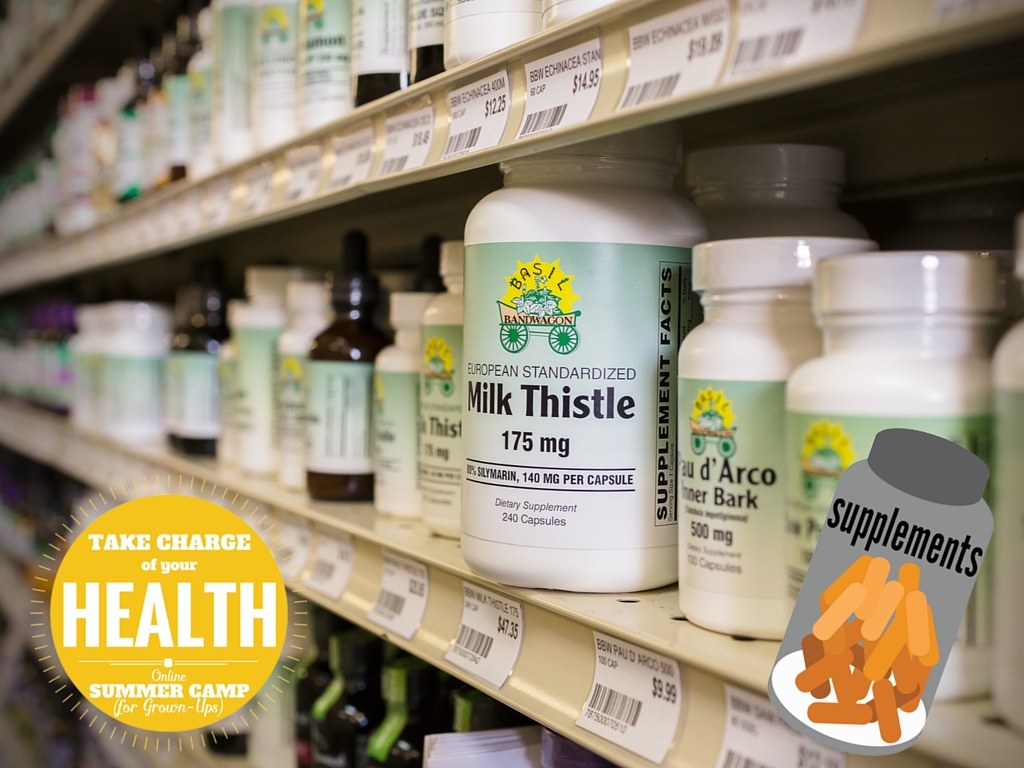
    Summer Camp Week 6: Smarten Up About Supplements

    Supplements have gotten some bad press in recent years’ news. Major retailers have been accused of

    selling “fraudulent” and “potentially dangerous” herbal supplements. Other supplement makers aren’t

    transparent about their sourcing and production practices. So how do you know what’s beneficial,

    what’s a waste of money, and what may be harmful?


    The U.S. Dietary Supplement Health and Education Act (DSHEA) is a good place to start with this

    explanation. DSHEA mandates that manufacturers and distributors of supplements and dietary

    ingredients are prohibited from marketing products that are adulterated or misbranded and must

    protect the public against any unsafe product. Among several other regulatory clauses, before

    marketing any new dietary ingredient, a manufacturer must supply the FDA with adequate information

    to provide “reasonable assurance that the ingredient does not present a significant or unreasonable risk

    of illness or injury.”

    With this Act, we are given an initial layer of protection as consumers. But, to ensure we are getting the

    highest quality, safest, most effective products for our bodies, it’s very important to take your

    investigation a few steps further.


    What to Look for in a Supplement


    When researching or purchasing supplements, there are a few things you’ll want to look for regarding

    the manufacturer. Sometimes these can be found on product labeling, other times you’ll want to refer

    to the company’s website for more detailed information.


    Quality Assurance:


    A company that does not disclose quality assurance practices is likely not a great choice in

    supplements. For instance, when you eat food at a restaurant, you expect it to be made with

    care and safety in mind, just as you expect it to contain quality ingredients that are nutritive

    (and delicious!) to consume. It is important that you expect the same with your supplements. If

    you choose to eat organic, you may also want your herbs to be grown organically.


    What to Look for:


    Companies that take pride in their sourcing and farming practices most often

    disclose this information to help inform consumers of their quality practices.

    Gaia Herbs is a superb herbal supplement company with a long-standing reputation of utmost

    quality. Headquartered in rural North Carolina, Gaia has implemented an herb traceability

    program. Upon purchasing a Gaia product, you will notice a “Meet Your Herbs” code printed on

    packaging. The code can be typed into a handy web-based tool which enables you to view the

    source of each herb through a virtual tour of their farmland. Super cool! Check out the tool

    here.

    Operational Transparency:


    Supplement companies with poor transparency standards reveal little information – if any at all

    – about ingredient sourcing, production methods, packaging details, and shipping logistics.


    What to Look for:


    As a customer, you want (and have the right) to know about where

    ingredients in your supplements come from, how they are made into their current form, what

    type of packaging is used to contain them, and under what conditions they are shipped (i.e.

    temperature). A good supplement company is transparent about their ingredient sourcing,

    production methods, packaging, as well as shipping logistics.

    Mega Food is a fantastic supplement company that has adopted utmost transparency to

    customers. Headquartered in New Hampshire, Mega Food not only discloses what small, family-

    owned farms they source product from, but their website includes live video footage of their

    production facility in action. Talk about being transparent! Check them out here.

    Descriptive Labeling: 


    Sparse labeling without detailed information is a sure sign of lack of credibility.

    The more information that is provided, the more you are able to determine if the product is exactly what

    you are looking for.


    What to Look for:


    What’s on the label should be in the bottle. In other words, as a customer,

    you should be aware of ALL details related to the product formulation. Active as well as non-

    active ingredients should be listed to help inform you about your choices.

    Oregon’s Wild Harvest is a wonderful herbal supplement company that champions these

    practices to create customer-friendly products. Headquartered in Oregon, Oregon’s Wild

    Harvest labels are comprehensive, clear, descriptive and informative. A company you can trust!

    Check out their quality standards in labeling here.


    Claims: 


    Marketing claims on packaging are often a bad sign. For example, products with labels that say

    “Lowers Blood Pressure” or “Lose 10 lbs. Fast!” are not abiding by DSHEA law and are likely to

    be unsafe or ineffective.


    What to Look for:


    Look for products without lofty claims, or with supportive statements like:

    “supports healthy blood pressure” or “supports a positive mood”. These companies are

    practicing appropriate labeling and marketing tactics and helping you make informed choices on

    your selections.

    Nordic Naturals is a supplement company specializing in Omega 3 oils. Headquartered in

    California, the company’s motto speaks to its commitment to quality: “Committed to Delivering

    the World’s Safest, Most Effective Omega Oils™”. Nordic Naturals has surpassed International

    Pharmaceutical Standards, has earned award-winning product purity levels, and guarantees

    exceptional freshness. This is especially important in fish oil supplements, where rancidity of fish

    can play a role in product experience (fish burps are not pleasant and purity can prevent them!).

    Check out Nordic Natural’s commitment to quality here.


    References


    http://www.fda.gov/Food/ResourcesForYou/Consumers/ucm109760.htm – US Food & Drug Administration

    http://www.crnusa.org/index.html – Council for Responsible Nutrition

    http://well.blogs.nytimes.com/2015/02/03/new-york- attorney-general- targets-supplements- at-major- retailers/?_r=0 – NY

    http://www.naturopathic.org/content.asp?contentid=35 – The American Association of Naturopathic Physicians

    https://www.weilvitaminadvisor.com/why_take_supplements – Dr. Weil, “Why Take Supplements?”

    https://www.nowfoods.com/now/nowledge/how-read- supplement-labels – Now Foods “How to Read Supplement Labels”

    https://www.weilvitaminadvisor.com/medications_that_deplete_nutrients – Dr. Weil “Replenish the Nutrients that Medications Deplete”

  • Summer Camp Week 5: Local Experts Weigh In

    Summer Camp Week 5: Local Experts Weigh In

    In the spirit of continuing our fitness discussion this week at Basil Bandwagon’s Summer Camp,

    we’ve compiled a list of the most popular fitness questions you’ve been just sweating to learn

    about. And then we asked some local experts. Here’s what they said:


    I’m trying to eat more plant-based. What sources of plant-based protein do you recommend?


    “There’s a common misconception that you can’t get enough or the right types of protein from

    plant based sources, but this is entirely not true.  Eating a wide variety of whole foods can

    generally cover all of your protein needs, but examples of high protein plant based foods

    include quinoa, brown rice, and other whole grains, nut and/or nut butters such as almond or

    peanut, and other sources can be added to smoothies or salads such as spirulina, hemp seeds,

    flax seed, and chia seed.  Of course there are always beans (legumes) and bean based products

    such as lentils, black beans, and soy beans.  Finally, soy products such as tempe and tofu can

    also be used in place of meat in many recipes, however the least processing possible is

    generally a good thing.”


    – Nick Pfaff, CPT, CES of Pro-Activity, a human achievement company based in Lebanon,

    NJ, focused on providing clients with coaching on performance goals


    I want to stay hydrated, but I get bored of plain water. What else can you recommend?


    “Nothing is better than water at adequately hydrating your body. If you’re getting bored with

    just water you can try putting sliced citrus or other fruit into the water for flavoring.

    Another option is freshly squeezed fruit juice such as you would make in a juicer- not the

    store-bought type. Fruit smoothies are another great option as is coconut water. Decaffeinated

    unsweetened iced tea also provides some taste to a water-based drink. Keep in mind that eating

    foods that are highly water-based such as soups, fruits and veggies can also help with

    hydration.”


    – Doug Sellmann, MEd, MSS, NASM, NSCA of The Chatham Club, a fitness training

    establishment with a rich history of athletic excellence based in Chatham, NJ


    I get muscle cramps and they hurt! How can I prevent them?


    “In order to keep muscle cramps away, you’ll want to make sure you are staying hydrated. You

    should also always warm up your muscles before a workout with some dynamic (active)

    stretching and follow each workout with static stretching, which involves holding a stretch for

    about 30 seconds. A healthy balanced diet with plenty of vitamins, potassium, and magnesium

    will also help prevent muscle cramps.”


    – Bethann Hyndshaw, CPT, HLC, CSN, MTC & Devon Harp, CPT of Inspiring Bodies, a

    leading personal training company in Pittstown, NJ, dedicated to providing one-on- one

    fitness and lifestyle coaching to all clients


    I want to work out but I can’t find the time – where can I start?


    “This is perhaps the most common reason given when we ask people if they are getting enough

    ‘MOVE’ in their life. The bad news is, we are all strapped for time and it is a very real barrier.

    The good news is even a very, very short duration, when given in the right dosage can produce

    strong gains. Recent studies have shown benefits in as little as 1 minute when appropriate and

    applied correctly. In children, within minutes positive physiological responses begin including

    improved immune response. So truly since just about any amount of exercise can be beneficial,

    all or none thinking is not applicable.  We recommend starting by building consistency first,

    even if only minutes and expanding from there.  Another great way to start exercising is to

    attach it to another habit you already have well established.  If for example you do something

    everyday at a specific time – try to fit exercise in before or after that event so you can build

    on a habit or routine already in place.”


    – Nick Pfaff, CPT, CES of Pro-Activity, a human achievement company based in Lebanon,

    NJ, focused on providing clients with coaching on performance goals


    What should I eat before/after my run?


    “There are many options for both pre and post exercise meals. Before activity (ideally 1-2 hours

    prior) you should eat something that is more ‘good’ carbohydrate-based with some fats and

    proteins to sustain your energy. Examples might be whole wheat bread with peanut butter and

    banana or Greek yogurt with trail mix. It is also important to hydrate prior to exercise. After

    activity (ideally within :30-:45) it’s important to begin refueling and hydrating your body. Similar

    nutrients as the pre-exercise meal are present but the proportions change slightly. This meal

    should focus more on protein and carbs with some fats. Examples might be grilled chicken and

    vegetables with brown rice, a veggie omelet with a side of mixed berries or a fruit smoothie

    with protein powder.”
    – Doug Sellmann, MEd, MSS, NASM, NSCA of The Chatham Club, a fitness training

    establishment with a rich history of athletic excellence based in Chatham, NJ

    How many days a week should I exercise?


    “If you’re new to exercising, I would start at 2-3 times a week with light to moderate intensity.

    If you’re an intermediate to advanced exerciser, then I would workout 4-6 days a week with

    active rest days in between. Active rest can involve stretching, light daily activity, and foam

    rolling.”


    – Bethann Hyndshaw, CPT, HLC, CSN, MTC & Devon Harp, CPT of Inspiring Bodies, a

    leading personal training company in Pittstown, NJ, dedicated to providing one-on- one

    fitness and lifestyle coaching to all clients.


    Do I need to use protein powder?


    “No, but sometimes in the essence of time and ease, protein supplementation can insure you

    are getting an adequate amount for proper muscle recovery.  There appears to be no “special”

    formula as most marketers of such products would have you believe as long as you are getting

    in a combination of carbs and protein after a bout of exercise.  Once again, whole foods will do

    just fine.”


    – Nick Pfaff, CPT, CES of Pro-Activity, a human achievement company based in Lebanon,

    NJ, focused on providing clients with coaching on performance goals


    What are your top 3 recommendations for getting “beach body”-ready in two weeks or under?!


    “It is not recommended that anyone try to significantly alter their body weight or physique in a

    short period of time such as two weeks. A safe amount of weight loss is typically 1-2 pounds per

    week. It may be slightly higher for those who are starting at a higher weight. This type of weight

    loss should be achieved through proper diet modification and participation in an effective

    exercise program. Crash diets, weight loss supplements and high-intensity exercise routines can

    cause many negative results. They may result in a significant initial loss in weight but over time

    they can make the user ill, possibly injure and sometimes even cause weight gain. There

    is no easy way to lose weight other than through diet and exercise. The best bet is to be active

    all year-round and eat properly as often as possible. This way your body weight and fitness level

    will always be at or near where you would like it to be and there will be no need to crash diet.”


    – Doug Sellmann, MEd, MSS, NASM, NSCA of The Chatham Club, a fitness training

    establishment with a rich history of athletic excellence based in Chatham, NJ

    My doctor recommended 30 minutes of exercise 3x/week, but I don’t belong to a gym – what can I do on my own that I’ll be able to keep up with regularly?


    “No gym, no problem! Walking is one of the best exercises to prevent disease and get you on a

    fast track to good health. Workouts can also be done at home by either buying workout dvds,

    weights, or an outfit you can dance in! You can bring a friend with you to take a local fitness

    class or hire a personal trainer to help you build a workout program. You never know what you

    may find fun to help you stick to a great workout routine each week!”


    – Bethann Hyndshaw, CPT, HLC, CSN, MTC & Devon Harp, CPT of Inspiring Bodies, a

    leading personal training company in Pittstown, NJ, dedicated to providing one-on- one

    fitness and lifestyle coaching to all clients


    How can I encourage my kids to become more active?


    “Do it with them!  Kids don’t often listen with their ears – they listen with their eyes.  If they see

    an active lifestyle is a part of their parent’s lives, they will be more likely to embrace it

    themselves.  Joining teams and other groups that will combine exercise with fun, and utilizing

    the power of social connections can have a huge impact here and encourage kids to stick with it

    long term.”


    – Nick Pfaff, CPT, CES of Pro-Activity, a human achievement company based in Lebanon,

    NJ, focused on providing clients with coaching on performance goals


    Good carbs and bad carbs – how can I tell the difference?


    “Good carbs” are generally categorized as ‘complex’ and are the preferred type as they

    contain more fiber and less sugars. Examples of good carbs are green vegetables, fruits

    (berries), whole grains, sweet potatoes and brown rice. “Bad carbs” are categorized as simple

    and should be consumed in minimal amounts. Examples are soda, candy, artificial syrups, white

    bread, white rice and white pasta.”


    – Doug Sellmann, MEd, MSS, NASM, NSCA of The Chatham Club, a fitness training

    establishment with a rich history of athletic excellence based in Chatham, NJ


    How much protein should I be getting in my diet?


    “This question depends on the individual. Daily protein intake is lifestyle and goal dependent. A

    newcomer to exercise just starting to add and protein to their diet will need less protein than a

    bodybuilder or professional athlete. Everyone should try to at least get some protein in with

    every meal to ensure a well-rounded diet.”


    – Bethann Hyndshaw, CPT, HLC, CSN, MTC & Devon Harp, CPT of Inspiring Bodies, a

    leading personal training company in Pittstown, NJ, dedicated to providing one-on- one

    fitness and lifestyle coaching to all clients.


    I hate running! What are my alternative for cardio exercise?


    “The best kind of exercise is the exercise you’ll actually DO….CONSISTENTLY…over a LONG

    PERIOD OF TIME.  Find something you enjoy, that gets your heart rate up for around 45 minutes

    continuously. Dancing, Rowing, Biking, Elliptical, are all good options and that’s not an

    exhaustive list.  But don’t give up on running just yet – the more you do it, the easier it gets as

    your body adapts, and the more you’ll enjoy it!”


    – Nick Pfaff, CPT, CES of Pro-Activity, a human achievement company based in Lebanon,

    NJ, focused on providing clients with coaching on performance goals


    Information on this web site is provided for informational purposes only and is not intended as a substitute for the advice provided by your physician or other healthcare professional or any information contained on or in any product label or packaging. Do not use the information on this web site for diagnosing or treating a health problem or disease.


  • Summer Camp Week 5: Rev Up Your Fitness With Small Wins

    Summer Camp Week 5: Rev Up Your Fitness With Small Wins

    Fitness means different things to different people. 

    If you’re an athlete, perhaps fitness evokes feelings of motivation and is about pushing yourself to reach an improved marathon time, lift an extra 20 lbs. in weights, or score those extra goals for your team’s win.

    If you’re seeking extensive weight loss, perhaps fitness comes with feelings of overwhelm – getting yourself to the gym, excessive sweating, or stiff and uncomfortable movements.

    If you’re in life’s later years, fitness may seem like something long gone, unattainable, out of reach.

    If you’re a child, fitness might make you think of riding your cool new bike, something you prefer NOT to do over playing video games, or something you only do in gym class at school.

    But at Basil Bandwagon Summer Camp this year, fitness is about the same thing for everyone: creating and celebrating small wins to help us achieve and maintain better health and quality of life.

    The fitness plan that’s right for you is the one where you’re improving YOUR health, YOUR wellbeing, YOUR mind, and YOUR self-esteem – not what your neighbor, son, coworker, mother, teammate, or classmate is doing. And taking time to recognize your own personal achievements is an important part of the process of achieving optimal health and respecting your effort and hard work!

    Small Wins in Cardiovascular Activity

    Think about what your current level of cardiovascular activity is (any exercise that raises your heart rate). Now think about turning the dial up one notch above this level. Just one notch.

    Some examples…

    You currently live a sedentary life and work a desk job. Turn it up one notch, and now you spend 10 minutes of your 30-minute lunch break five days a week taking a walk outside.

    You currently go to the gym three days a week for a 45-minute spin class. Turn it up a notch, and now you’ve dusted off your road bike at home to practice another 20 minutes of cycling each weekend.

    Tidy Up the Diet in Small Ways


    You tend to enjoy three cups of coffee each day. Tidy it up in a small way by replacing the last cup with a glass of lemon water or herbal tea.

    Friday night is always pizza night in your household. Tidy it up in a small way by making your own pie, full of less cheese and lots of veggies; or replace two of your 3 standard slices with a big garden salad or grilled veggies.

    Move a Bit More


    You like to find the closest parking spot when you go grocery shopping. Move a bit more by finding the furthest parking spot!

    Your evening routine involves an hour of television with a snack on the couch. Move a bit more by trading the couch and popcorn for some yoga and stretching on the floor – you don’t even have to give up the television!

    Try Something New


    Exercise has always consisted of karate, jogging and weight lifting. Try something new by attending your friend’s weekly yoga class.

    A knee injury has kept you from exercising for over a year, even though your doctor has given you clearance to get moving. Try something new by signing up for the water aerobics class you’ve been considering for the past several years.

    * * *fitness, protein, omege 3, oats, banana, workout, hydrate

    Every week, take note of what you did to turn up your activity, tidy up your diet, move a bit more, and try something new. Be proud of your accomplishments. If you’re participating in this activity with others, tell them you’re proud of them as well – the positive remarks are incredibly motivating and will keep you on your way to outstanding health.

    And, remember… at Basil Bandwagon, we carry a wealth of supplements, foods, beverages and body care products to support you in your fitness activities: protein powders, hydration supplements, natural deodorants, pre-workout formulas, omega-3 liquid/softgels, and tons of protein bars. Feel free to ask one of our friendly team members for support in choosing products that are right for you!

    Information on this web site is provided for informational purposes only and is not intended as a substitute for the advice provided by your physician or other healthcare professional or any information contained on or in any product label or packaging. Do not use the information on this web site for diagnosing or treating a health problem or disease.

  • Summer Camp Week 4: Bites and Rashes

    Summer Camp Week 4: Bites and Rashes

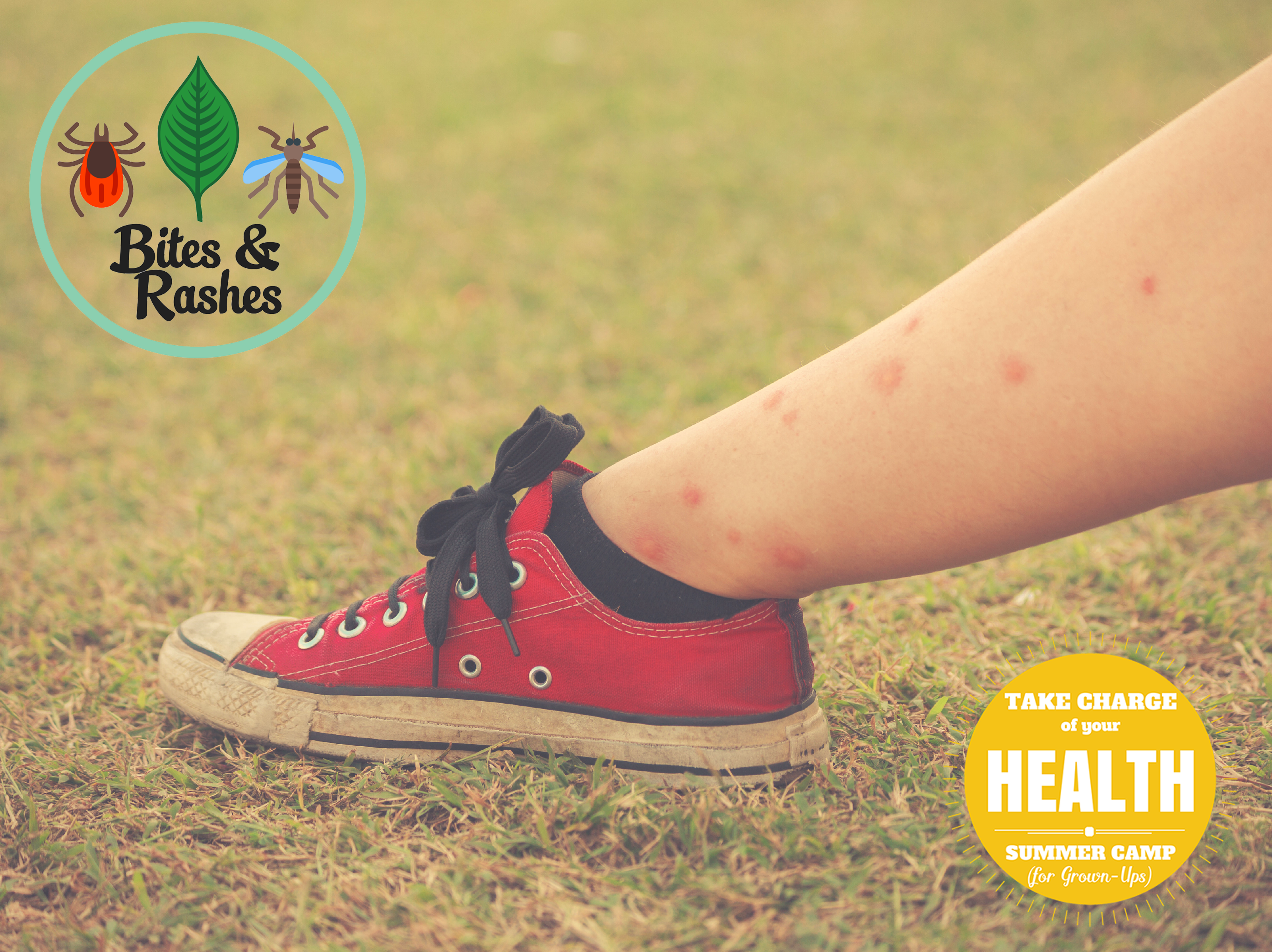
    A true summer camp would not be complete without some chatter about those flying pesky creatures that sting and bite. Bugs are a welcomed part of our ecosystem, but we like them better when they keep a fair distance from our bodies.
    Bites, stings and poison ivy rashes can be both painful and irritating. Fortunately, there’s a lot you can do to prevent and treat these nasty nuisances naturally that are more problematic during summer months.

    Prevention

    Most traditional bug deterrent products use N, N-Diethyl-m-toluamide, or “DEET” as an active ingredient. Unfortunately, DEET is also an eye irritant and an allergen to sensitive skin. It has been linked to possible neurological problems in humans and toxic effects on birds and aquatic life, according to the National Institutes of Health.
    At Basil Bandwagon, we carry many essential oil-based bug sprays that are equally as effective in deterring bugs, without any of these potentially dangerous side effects. And if you’re feeling particularly creative, you can even make your own using essential oils from the assortment we sell. Geranium, cedarwood, citronella and peppermint are just a few options that are both effective and pleasant to the nose!
    Come visit us to speak to one of our team members about the bug sprays we carry or how to make your own!

    Click here to watch a DIY video tutorial by natural blogger, Honeysuckle.

    Treatment

    You may not know that your pantry likely has some solutions to soothe your irritated skin. In addition, there are many simple, cost-effective items to add to your first aid kit for times of need. Here’s a list of our top 10 favorite natural treatments to soothe bug bites, bee stings and rashes: (click to download PDF)

    Top 10 Bite and Rash Remedies

    If your aren’t signed up for our Online Summer Camp, you are missing out on extras that go along with these weekly posts! Sign up here.

  • Summer Camp Week 2: Stand Up to Summer Sun

    Summer Camp Week 2: Stand Up to Summer Sun

    Today, June 20, marks the first official day of summer, but the sun and heat have already graced us with their presence here in New Jersey.  With the temperature turned up and the Earth tilted closer to the sun, we are more susceptible to dehydration and sun damage.  Given this, it’s important to recognize your risk and how you can protect yourself and your health. So… let’s talk summer sun wellness!

    Understanding UV Radiation

    To understand the potential damaging effects sun exposure can have on our bodies, we must first understand the science behind it.

    What is UV radiation? Part of the electromagnetic (light) spectrum emitted from the sun

    If UV radiation is “light”, then why can’t I see it? The wavelengths are actually shorter than visible light, making it invisible to our eyes

    What are the types of UV radiation? UVA (longest), UVB, and UVC (shortest – mostly absorbed by our ozone layer, without actually reaching the Earth)

    How does UV radiation cause damage? Excessive exposure alters our bodies’ lipids, proteins and cellular DNA, producing unhealthy genetic mutations. UVA & UVB radiations can generate reactive chemical species called “free radicals” in our bodies’ cells.

    What damage can UV radiation cause? Skin cancers (i.e. basal cell carcinoma, squamous cell carcinoma, melanoma), eye damage (including cataracts), premature skin aging, immune system suppression

    Doesn’t my body have any natural protection to sun? In short – yes, it does. Melanin – a dark brown pigment in our hair, skin and eyes – is what gives our skin its tone/color.  Some people have more melanin, some have less – the darker the skin, the more melanin. Our bodies produce this to help protect deeper layers of our skin from sun damage, but don’t make us immune to damage.

    Understanding Sun Protection

    Seek Out Shade Spending time outside is great, but taking refuge in the shade can be your first line of defense. 

    Choose the Right Clothing Lightweight fabrics and pieces that cover more of your skin are a good idea when your body is going to be exposed to the sun for a long period of time. Baseball caps and floppy hats are not only fashionable, but functional for protecting your scalp and face.

    Wear Sunglasses Again, not only fashionable, but critical for protecting one of your most valuable assets – your eyeballs! Polycarbonate lenses offer full UVA/UVB protection. Check the label that comes with your glasses to be sure you’re getting proper protection. If not, some optometrists offer UV coat application services.

    Check the UV Index Refer to your favorite weather channel or website to check your local daily UV index. While a low index doesn’t mean you shouldn’t take measures to protect yourself, a high index might help you choose when to take extra caution and when to limit exposure.

    Apply CLEAN Sunscreen How do I know what’s a clean product from what’s a potentially-harmful product? Here is a short list of general rules to follow, per the Environmental Working Group, which claims that nearly 75% of sunscreen products on the market are inferior or are made with worrisome ingredients:

    1. Mineral sunscreens containing titanium dioxide or zinc oxide offer stable protection and usually don’t contain harmful additives.
    2. Higher SPF numbers aren’t always better. In 2011, the FDA determined products claiming SPFs higher than 50 were “inherently misleading” – perhaps no more effective than those up to SPF 50.
    3. Look for “broad spectrum support”, which covers both UVB (which is the primary culprit for sunburn) and UVA rays.
    4. Spray sunscreens can be convenient for application; however, you should be careful not to inhale any of the product and also to hold it close enough to the skin to insure thickness of application.
    5. Avoid an additive called retinyl palmitate, a form of Vitamin A that testing has linked to tumors and lesions of the skin.
    6. Avoid an additive called oxybenzone, which has been found to be a hormone disruptor and common allergen. 

    All this said, there is little evidence to suggest sunscreen alone reduces cancer risk, particularly for melanoma, the deadliest type of which has tripled its rate among Americans over the past 30 years. So, be sure not to use this as your only method of protection.

    Summer Skin & Body Care

    products 1

    At Basil Bandwagon, we carry a wide array of sunscreens rated highly by the Environmental Working Group. Find them in our body care section and ask one of our friendly, knowledgeable team members for support in choosing a product that’s best for you. Sprays work great for your scalp, sticks offer superior protection for your face and traditional lotion is great for full-body coverage.

    Even with sunscreen protection, the heat and rays can take a lot of moisture out of our skin. It is critical to replenish this to help your skin stay young-looking and healthy! A few of our favorite products that help do this exceptionally well:

    • CocoKind’s Rosewater Facial Toner: Spray your face after exercising, sun exposure, before bed, upon rising – basically whenever you want! Several of our team members carry a bottle in their purse! The antioxidants from the roses used to make the water provide great anti-aging support. Smells gorgeous and is very refreshing!
    • Episilk’s Hyalauronic Acid Serum:  Hyaluronic acid is a fluid component of our connective tissue, synovial fluid and humors of the eye. In serum form, it penetrates deep into the dermis, boosting the elasticity and hydration of the skin, locking in moisture. A great way to replenish what you’ve lost from sun and heat!
    • John Master’s Vitamin C Serum: This product contains extracts of sea algae and rosebuds to provide intense moisture and antioxidants to help fight procollagen production. Superoxide dismutase and acerola help fight the aging effects caused by UV rays. Use between cleansing and moisturizing your face at bedtime!
    • ICU Eyewear: We carry a fashionable line of eyewear for men, women, and children, including reader sunglasses. We love ICU because they are a carbon neutral company AND they use recycled, renewable and recyclable content!


    Summer Sun Nutrition

    pro 2

    Per the US National Institutes of Health, “A balance between free radicals and antioxidants is necessary for proper physiological function. If free radicals overwhelm the body’s ability to regulate them, a condition known as oxidative stress ensues.”

    The good news? “Antioxidants can assist in coping with this oxidative stress.”

    Where can you get antioxidants? Well…

    • Eat berries! Fresh, organic are best, but frozen are great too!
    • Stay hydrated! Drink lots of water. If you like it, coconut water and maple water are full of natural electrolytes, helping to keep you hydrated. Natural electrolyte powders available at Basil Bandwagon are also a great replacement for highly or artificially-sugarized sports drinks, which also contain synthetic food dyes. Another good rule of thumb is to limit caffeinated beverages and alcohol when spending time in the heat and sun, as they make it harder for your body to maintain proper hydration. 
    • Consider a Vitamin C supplement with bioflavonoids, which come mainly from citrus fruits and black currants. The antioxidants provided in these supplements can be powerful additions to your supplement regimen in summertime, even though they are most often associated with Winter cold season. 
    • Consider an Astaxanthin supplement, which comes from microalgae, yeast, salmon, trout, krill and some crustaceans.  Astaxanthin is 6,000 times more antioxidant-potent than many Vitamin Cs.
    • Consider a Spirulina supplement, which is a versatile algae superfood – available in powder form – that can be added to many sweet and savory dishes and snacks for easy consumption. Like Astaxanthin, it is a very powerful source of antioxidants (as well as Vitamin B12, Vitamin K1/K2, Iron and Manganese).


    References


    www.ncbi.nlm/nih/gov – The National Center for Biotechnology Information

    www.aad.org – American Academy of Dermatology

    www.skincancer.org – The Skin Cancer Foundation

    http://www.hhs.gov/ – US Department of Health and Human Services

    http://www.who.int/en/ – World Health Organization

    https://www.nih.gov/ – US National Institutes of Health

    http://www.ewg.org/ – Environmental Working Group

    http://www.nutrex-hawaii.com/ – Nutrex Hawaii