Tag: Alive

  • Exercise is critical to maintain your brain

    Exercise is critical to maintain your brain

    Exercise is critical to maintain your brain

    Vitality happens where sweat meets synapse

    Lost in the grunts, groans, reps, and sets, we might overlook and undervalue the remarkable impact exercise has on our most vital organ, the brain. Before we get to the sweat, let’s ground ourselves in science.

    Recent studies reveal a strong link between regular exercise and improved brain health. As little as 2.5 hours of physical activity weekly can enhance memory, cognitive efficiency, and problem-solving skills, while also slowing age-related decline and disorders.

    Let’s get moody … or not

    Exercise also influences mood regulation, acting as a powerful stress reliever. It promotes the secretion of endorphins, hormones, and neurotransmitters that elevate mood and boost brain function. These effects can begin after just one workout, rewiring neural pathways over time.

    Your brain on proteins

    The food we eat also impacts cognitive health. A 2022 Harvard study of over 77,000 people over 20 years found that replacing animal proteins with plant proteins reduced dementia risk by up to 26 percent. Incorporating a scoop of plant-based protein daily can be a simple step toward better brain health.

    Your brain on proteins

    The food we eat also impacts cognitive health. A 2022 Harvard study of over 77,000 people over 20 years found that replacing animal proteins with plant proteins reduced dementia risk by up to 26 percent. Incorporating a scoop of plant-based protein daily can be a simple step toward better brain health.

    Rewiring your circuits

    Neuroplasticity, the brain’s ability to create new pathways, is key to learning new skills and adapting. Cardiovascular exercise triggers biochemical changes, increasing growth factors that promote neuroplasticity and angiogenesis, or new blood vessel formation. This process helps improve brain function and resilience.

    Brain-boosting workout

    Try three rounds (or four if you’re feeling squirrely) of this cardiovascular, circuit-rewiring circuit to boost your brain and brawn.

    The World’s Greatest Stretch

    3 sets of 8 repetitions per side

    • Step into a lunge, placing your right hand inside your right foot.
    • Rotate your torso, reaching your left arm up, opening your chest.
    • Return to start and repeat on the other side.

    Walkout Push-Up

    3 sets of 10 repetitions

    • Bend at the waist, place hands on the ground, walk into a plank.
    • Perform a push-up, then walk hands back to standing.

    Wall-Sit Wall Angels

    3 sets of 12 repetitions

    • Lean against a wall in a squat position.
    • Extend your arms out to the sides at shoulder height, bend your elbows at 90 degrees, and press the backs of your hands against the wall.
    • Keeping your back and arms in contact with the wall, slowly slide your arms up overhead.
    • Continue to slide your arms upward as far as you can comfortably go without arching your back or allowing your arms to lift off the wall.
    • Hold the top position for a moment, then slowly lower your arms back down to the starting position.

    Land Swimmers

    3 sets of 30-second intervals

    • Lie face down, lift chest and legs slightly off the ground, keeping your neck in a neutral position.
    • Raise opposite arm and leg, hold, then switch sides in a controlled fluttering motion.

    Where to begin?

    If structured workouts aren’t your thing, incorporate activity naturally: park farther away, take the stairs, garden, cook, or do housework. The key is consistent movement, and the most beneficial exercise is one you will stick with, gradually increasing intensity while exercising safely. Moving more not only benefits your body but also keeps your brain sharp and resilient.

    By Brendan Rolfe, BA, DipA

    Article Courtesy of Alive Magazine

  • Fortify your immune system naturally

    Fortify your immune system naturally

    Fortify your immune system naturally

    Simple strategies to fortify your defense system and thrive this cold and flu season

    When fall arrives, the air becomes brisk and fills with the familiar scent of pencils, signaling a new school year. But along with that, harmful germs are also present, ready to strike. Luckily, there are simple ways to support immunity and stay strong against viruses.

    Illnesses to beware of this fall and winter

    Common illnesses include RSV, which causes cold-like symptoms; the flu, with a stuffy nose, sore throat, cough, body aches, and fever; the common cold, with similar symptoms minus aches and fever; and COVID-19, which can cause flu-like symptoms and, in severe cases, shortness of breath.

    Who’s most vulnerable?

    Children, due to their underdeveloped immune systems, are highly susceptible. Vulnerable groups also include those over 65, pregnant women, smokers, and people with chronic illnesses or weakened immune systems.

    What to eat for immune health

    Since the immune system and gut health are linked, focus on gut-supporting foods. Nutrient-dense macronutrients—carbohydrates, proteins, and healthy fats—are essential. Avoid simple carbs, sugars, and processed foods, which can cause blood sugar spikes and stress responses.

    Antioxidants

    Eat a variety of brightly colored fruits and vegetables high in antioxidants—such as berries, leafy greens, carrots, and squash—that offer anti-inflammatory and anti-aging benefits, and help prevent chronic diseases.

    Healthy fats

    Include healthy fats like extra-virgin olive oil, coconut oil, avocado, and nuts to combat inflammation and support cellular health.

    Fermented foods

    Foods with live bacteria—like kefir, sauerkraut, kimchi, and yogurt—provide probiotics that support gut health and the immune system.

    Herbal teas and soups

    Herbal teas, soups, and bone broth are nourishing and soothing. Add garlic and warming spices like ginger, cinnamon, and turmeric for their antioxidant and antimicrobial properties.

    Supplements for immune support

    While nutrients from food are ideal, supplements can help fill gaps. They are a convenient way to ensure adequate intake of immune-boosting compounds.

    Echinacea

    Echinacea has antiviral, anti-inflammatory, and antioxidant properties that may help reduce the risk of illness and ease symptoms.

    N-acetylcysteine (NAC)

    Found in onions and garlic, NAC converts in the body to cysteine, supporting glutathione production. It can thin mucus, reduce inflammation, and support immune function.

    Get active to activate immunity

    Exercise increases circulation of immune cells, helping detect and respond to illnesses earlier. It also flushes bacteria from the lungs and airways, with additional benefits like reduced stress and improved overall health.

    Prioritize sleep

    Sleeping less than seven hours increases cold risk. During sleep, the body builds defenses; without enough rest, it lacks antibodies to fight infections. Establishing a bedtime routine, avoiding screens, and limiting caffeine can improve sleep quality.

    De-stress

    Stress weakens white blood cells, making us more vulnerable to infection. Simple practices like yoga or relaxing teas can support mental and physical health.

    By Emilie Richardson-Dupuis

    Article Courtesy of Alive Magazine

  • Bring the outdoors in!

    Bring the outdoors in!

    Bring the outdoors in!

    How introducing indoor plants can awaken your senses

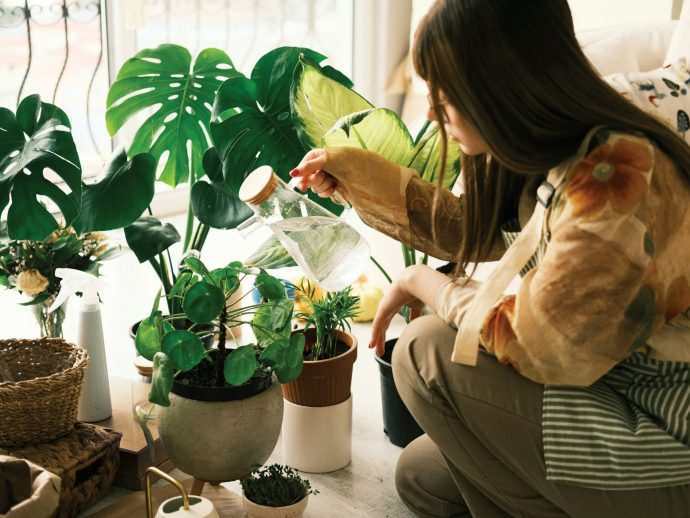
    As summer fades into cooler temperatures and shorter days, many people spend more time indoors. But you don’t have to lose your connection to nature. Bringing houseplants into your home can help you preserve a bit of summer and boost your well-being.

    The power of plants in person

    Plants can help improve your mood during seasonal transitions. Exposure to greenery, even indoors, has been shown to reduce blood pressure, heart rate, and stress hormones. Several studies confirm that having houseplants can elevate happiness and reduce symptoms of depression, especially during periods of limited outdoor activity.

    Simply grouping a few plants with a nearby reading nook can create a cozy, nurturing environment. Plants provide a sense of being embraced by nature, fostering comfort and happiness inside the home.

    Caring for plants and yourself

    Taking care of houseplants offers mental health benefits like increased life satisfaction and cognitive clarity. Nurturing plants requires responsibility—watering, feeding, and tending to them. Watching plants grow, produce buds, or sprout new leaves can bring feelings of achievement and joy.

    Research shows that repotting and caring for plants can reduce stress and lower blood pressure, providing physical health benefits alongside mental well-being.

    Ready to create your indoor garden?

    Start with easy, low-maintenance plants and expand your collection as you become more comfortable. Choose placement based on space and light: vines can hang from shelves, plants can cluster in sunny windows, and orchids thrive on bright kitchen windowsills.

    Select containers that match your interior style. Modern homes may benefit from sleek pots with clean lines, while varied levels of plant stands or podiums can add visual interest and depth to your indoor garden.

    Indoor plants serve as a reminder that spring and summer will return. The best plants are often the ones that excite you most—bringing a bit of nature’s beauty and health benefits into your everyday life.

    By Rebecca Heaton

    Article Courtesy of Alive Magazine

  • Finding balance at the autumnal equinox

    Finding balance at the autumnal equinox

    Finding balance at the autumnal equinox

    A time to get grounded and prepare for the colder, darker season ahead

    September 22 marks the autumnal equinox and the start of fall. It is one of two times a year when daylight and night are equal. In nature, plants and animals use this time to balance and store energy for the longer nights and colder weather ahead. Trees, for example, shed their leaves and focus on their roots—something we can emulate. It’s a good time to slow down, look inward, and let go of what no longer serves us.

    Start with the harvest

    During fall, it’s beneficial to focus on seasonal foods that support health and energy. Root vegetables and orange squashes are especially important, providing grounding and warming qualities for the body. These foods are rich in antioxidants like beta carotene and vitamin A, essential for healthy skin, bones, and organs. Traditional autumnal foods such as cranberries, salmon, and wild game also support immune health with their mineral and protein content.

    Support your immune system

    Supporting the immune system during fall is crucial to prevent seasonal colds and flu. Nutrients like beta carotene, vitamins C and D, zinc, probiotics, and protein are vital. Maintaining gut health is especially important, as the digestive tract is a key part of immune defense. Probiotics can help keep gut flora balanced, strengthening the body’s ability to fend off illness.

    The season of sleep

    Autumn’s cooler temperatures and shorter days can improve sleep quality, which benefits overall health, mood, and immunity. Less daylight leads to increased melatonin production, the hormone responsible for regulating sleep cycles. Tart cherries are a natural source of melatonin, and early research suggests that drinking tart cherry juice may promote better, longer sleep. Additionally, it’s ideal to have three hours between eating and sleeping to optimize both sleep and metabolic health.

    Self-care tips for autumnal mental health

    This season also offers an opportunity to nurture mental health. Engaging in simple self-care practices—such as reading, taking baths, or walking in nature—can help ground and center you. Autumn’s energy encourages grounding, centering, and nurturing oneself, which can be especially helpful during this reflective time of year.

    By: Stephanie MacDonald

    Article Courtesy of Alive Magazine

  • The skinny on sore throats

    The skinny on sore throats

    The skinny on sore throats

    Ways to soothe and prevent

    How to manage a sore throat

    Gargling with salt water hourly at the first sign may help reduce pain and inflammation. Stay home if sick, avoid irritants, and use a cool mist vaporizer if dry air worsens symptoms. Keep hydrated and rest. Warm drinks like tea with honey can soothe the throat.

    Viral or bacterial?

    Most sore throats—about 90 percent—are caused by viruses. Viral infections often accompany symptoms like runny nose and cough, while bacterial infections tend to be more painful and may cause fever and swollen lymph nodes. Bacterial infections, such as strep throat, require a swab and possibly antibiotics. It’s important to see a doctor for an accurate diagnosis, as antibiotics only work against bacterial infections and do not treat viruses.

    Using antibiotics unnecessarily can pose health risks. They can cause side effects like rash, nausea, diarrhea, and yeast infections, and more serious issues include <Clostridioides diffcile> infection (also known as C. diffcile or C. diff), which causes diarrhea that can lead to severe colon damage. Overuse or misuse of antibiotics also contributes to antibiotic resistance, a growing global health concern. Bacteria that become resistant no longer respond to these drugs, making infections harder to treat. The World Health Organization reports that antimicrobial resistance was responsible for over 1.27 million deaths worldwide in 2019.

    Most sore throats will resolve on their own with home care. Seek medical attention if symptoms are severe, last more than two days, or if you notice white or red patches on your tonsils, a high fever, swollen lymph nodes, or a rash.

    Prevention tips

    Supporting a healthy immune system through a diet rich in whole foods, regular exercise, and adequate sleep can help prevent sore throats. Good hygiene practices, especially frequent handwashing, are essential to avoid catching or spreading infections.

    By Joanne Peters

    Article Courtesy of Alive Magazine

  • Oat and Flax Crackers with Avocado Ranch Dip

    Oat and Flax Crackers with Avocado Ranch Dip

    Oat and Flax Crackers with Avocado Ranch Dip

    Servings: 16

    Ingredients
      

    • 3 tablespoons ground flaxseed
    • 13 tablespoons warm water divided
    • 1 cup finely ground oat flour
    • 1 cup quick-cooking oats
    • 2 tablespoons flaxseeds
    • 6 tablespoons nutritional yeast divided
    • 3 tablespoons melted coconut oil
    • 1 19 oz. can chickpeas drained and rinsed
    • 1 large ripe avocado peeled and seeded
    • ¼ cup apple cider vinegar
    • 1 tablespoon extra-virgin olive oil
    • 1 tablespoon onion powder
    • 1 teaspoon garlic powder
    • 3 tablespoons finely chopped fresh dill or 1 tablespoon dried dill

    Method
     

    1. Preheat oven to 325°F.
    2. In small bowl, whisk together ground flaxseed and 9 tablespoons water. Set aside for 5 minutes to allow flax mixture to thicken.
    3. Meanwhile, in medium bowl, whisk together oat flour, oats, flaxseeds, and 3 tablespoons nutritional yeast. Make a well in centre of dry ingredients and add coconut oil and reserved flax mixture. Stir together with a fork until a dough forms.
    4. Place large piece of parchment paper on clean work surface. Place dough in centre of parchment and gently press into a rectangle shape. Cover dough with another piece of parchment paper and roll, still covered, into a 12 x 10 inch rectangle. Remove top piece of parchment, trim as necessary, and cut dough into 1 inch squares. Using a spatula, transfer squares to parchment-lined baking tray, leaving a little room between each one. Reroll any trimmed pieces of dough and cut into more crackers.
    5. Bake crackers until golden brown and crisp, about 40 minutes. Transfer crackers to wire rack; cool to room temperature. Crackers may be stored in an airtight container at room temperature for up to 1 week.
    6. For avocado ranch dip: to food processor or blender, add chickpeas, avocado flesh, apple cider vinegar, olive oil, onion powder, garlic powder, dill, remaining 1/4 cup water, and 3 tablespoons nutritional yeast. Blend until smooth and creamy. Dip may be refrigerated in an airtight container for up to 1 week.
    7. Serve oat and flax crackers alongside avocado ranch dip and enjoy!

    By Lawren Moneta

    Article Courtesy of Alive Magazine

  • Banana Chocolate Zucchini Bread

    Banana Chocolate Zucchini Bread

    Banana Chocolate Zucchini Bread

    Servings: 12

    Ingredients
      

    • 1 cup buckwheat flour
    • ¼ cup hemp hearts
    • 3 tablespoons raw cacao powder
    • ½ teaspoon baking soda
    • ½ teaspoon fine sea salt
    • 1 teaspoon ground cinnamon
    • 1 small zucchini coarsely grated
    • 2 large, over-ripe bananas well mashed
    • 2 tablespoons maple syrup
    • 2 tablespoons coconut oil melted and cooled slightly
    • 1 teaspoon vanilla extract
    • 2 large organic eggs

    Method
     

    1. Preheat oven to 350°F. Line a 4 x 8 inch loaf pan with parchment paper and set aside.
    2. In large bowl, whisk together flour, hemp hearts, cacao powder, baking soda, salt, and cinnamon until well combined.
    3. Squeeze out any excess water from grated zucchini before adding to a medium bowl along with mashed banana, maple syrup, coconut oil, vanilla, and eggs. Whisk together until well combined.
    4. Add wet ingredients to dry ingredients and, with a rubber spatula, fold together until just combined. Pour batter into prepared loaf tin and bake in preheated oven until a wooden skewer inserted in centre of loaf comes out clean, about 45 to 60 minutes. Let loaf cool in pan on a wire rack until room temperature. Slice and enjoy.
    5. Banana Chocolate Zucchini Bread may be made up to 4 days ahead and refrigerated in an airtight container. Enjoy!

    By Lawren Moneta

    Article Courtesy of Alive Magazine

  • Squash and Lentil Rolls

    Squash and Lentil Rolls

    Squash and Lentil Rolls

    Servings: 15

    Ingredients
      

    • 1 tablespoon grapeseed oil or coconut oil plus extra for brushing phyllo
    • 1 yellow onion finely chopped
    • 1 pound skin-removed and chopped squash pieces such as kabocha or butternut
    • 1 cup no-salt-added vegetable stock
    • 1 19 oz. can brown lentils drained and rinsed
    • 2 tablespoons tomato paste
    • 2 tablespoons reduced-sodium soy sauce
    • 1 tablespoon dried Italian herb blend
    • 2 tablespoons ground flax
    • ½ cup quick-cooking oats
    • 12 sheets phyllo pastry

    Method
     

    1. Preheat oven to 400°F.
    2. In medium saucepan, heat oil over medium heat. Add onion and cook, stirring often, until softened and translucent, about 5 minutes. Add squash and vegetable stock. Bring mixture to a simmer; cover and let cook until squash is easily pierced with a fork, about 8 to 10 minutes. With fork or potato masher, mash squash into a chunky paste. Stir in lentils, tomato paste, soy sauce, herbs, ground flax, and oats. Cook, stirring often, until mixture is well combined, warmed through, and thickened, about 4 minutes. Remove from heat.
    3. Place one sheet of phyllo dough with long side facing you on a work surface. Cover remaining phyllo with a very lightly dampened kitchen towel to keep it from drying out. Lightly brush with oil and top with another piece of phyllo. Repeat twice more, resulting in a stack of four phyllo sheets. Place one third of squash and lentil mixture (about 1 1/2 cups) along bottom of phyllo edge in a thin line, spreading it out evenly end to end. Roll up from bottom to completely enclose filling. Place on parchment-lined baking tray and repeat with remaining phyllo and filling. With serrated knife, cut each log into 10 pieces. Bruch each piece with some more oil before transferring baking tray to preheated oven. Bake until phyllo is golden brown and crisp, about 25 to 30 minutes. Enjoy!

    By Lawren Moneta

    Article Courtesy of Alive Magazine

  • Children and the flu

    Children and the flu

    Children and the flu

    Arm yourself and your kids for flu season

    The coming fall season brings back-to-school time as well as back-to-cold-and-flu time for many families. What better time to arm ourselves with the information we need to keep our kids—and ourselves—safe against the viral onslaught.

    What is the flu?

    Caused by influenza viruses A, B, or C, the flu is a respiratory infection lasting about a week to 10 days. Seasonal outbreaks involving influenza A or B occur between November and April. While it can be severe in a small percentage of children under five, only about 1 percent require hospitalization.

    How is the flu different from a cold?

    The flu has a rapid onset of more severe symptoms compared to a cold. Flu symptoms include headache, chills, cough, fever, loss of appetite, muscle aches, and tiredness, sometimes with nausea, vomiting, and diarrhea. Fever lasts 3-4 days, with illness resolving in 7-10 days, and can be infectious for up to a week.

    A cold typically involves a runny nose, watery eyes, and sore throat, with milder symptoms developing gradually.

    How can influenza be prevented?

    Influenza spreads through droplets in the air and via contact with contaminated surfaces like toys or doorknobs. Since the virus can survive up to 48 hours on surfaces, frequent handwashing is essential. Other strategies include staying home when sick, teaching children to cover coughs and sneezes, and disinfecting surfaces.

    Can natural health products help in prevention?

    Natural health products can support immunity and reduce complications from secondary infections.

    • Probiotics have been shown to reduce respiratory infections, including the flu, by strengthening immune response.
    • Echinacea may stimulate immune activity and has been linked to fewer respiratory infections and flu cases when used preventively.
    • Vitamin D deficiency is associated with increased risk of respiratory infections; supplementation may help prevent influenza, especially in deficient children.
    • Medicinal mushrooms like turkey tail, shiitake, reishi, and chaga contain compounds that modulate the immune system and have shown antiviral activity in vitro.

    How do you treat the flu?

    Mild flu symptoms in children are best managed with supportive care: hydration, light clothing, and a comfortable environment. Tepid baths and cool-mist humidifiers can help reduce discomfort. Honey lozenges (for children over 3) and saltwater gargles can soothe symptoms.

    Over-the-counter cold medicines are not recommended for children under 6 without a doctor’s approval. Aspirin should never be given due to Reye syndrome risk.

    Treating with natural health products

    To reduce symptoms and disease duration, consider echinacea, elderberry, or vitamin D, tailored to your child’s age.

    • Elderberry has antiviral and anti-inflammatory effects and has been associated with reduced upper respiratory symptoms.
    • Echinacea at the start of symptoms may shorten illness duration and promote viral clearance.

    A naturopathic doctor can develop a customized protocol for your child at the first signs of cold or flu.

    By Heidi Fritz, MA, ND

    Article Courtesy of Alive Magazine

  • Your back-to-school guide

    Your back-to-school guide

    Your back-to-school guide

    10 tips for a smooth seasonal transition

    Although we’re enjoying summer, September is just around the corner with its stricter bedtimes, busy mornings, and lunch-packing routines. To help ease this transition, here are some mindful, enjoyable, and sustainable tips for the new school year.

    Familiarize yourself with your school

    Visit the school multiple times during summer to make it familiar and fun. Play on the playground, walk the route you’ll take daily, and teach safety boundaries. Attending orientation sessions is also helpful.

    Set up your home

    Designate specific areas for school gear like backpacks and lunchboxes. Creating a dedicated homework space with supplies but minimal distractions can support older students.

    Practice for independence

    Practice handling lunch items, such as lunchboxes and water bottles, using timers to simulate school lunchtime. Also, work on dressing skills, like putting on coats and using the bathroom independently, to build confidence.

    Help with worries

    Validate children’s anxieties rather than dismissing them. Common concerns include missing home or worries about friendships. Acknowledging emotions teaches children how to express their feelings and feel supported.

    Create a routine

    Establish a consistent morning routine. Prepare outfits, pack bags, and make lunches the night before. Practice the routine with children beforehand to reduce stress on the first day.

    Be strategic

    Avoid overbuying by reviewing what you already have. Have children try on clothes and assess needed supplies early. Shopping from what’s already available teaches resourcefulness and saves money.

    Choose secondhand first

    Opt for secondhand stores for supplies, clothes, and gear. Resale apps and online groups are also good options. Involving children in shopping helps them feel invested and prepares them emotionally for school.

    Get a good night’s sleep

    Establish a fixed bedtime routine weeks before school starts. Ensure children get the recommended hours of sleep for their age. Bedtime can also be a calming family time, like reading or meditation.

    Embrace downtime

    Children need time to relax after school. A snack and quiet activity help transition from school to home. Overscheduling extracurriculars can be overwhelming, so find a balance that suits your family.

    Give your kids grace

    Transitions are tough—kids face new teachers, classmates, and environments each year. After a busy day, children may have strong emotions or meltdowns at home. Recognize that behaviour is communication, and be gentle. Transitions are challenging, and patience is key.

    By Leah Payne

    Article Courtesy of Alive Magazine