Tag: allergies

  • The brain’s role in immune health and allergies

    The brain’s role in immune health and allergies

    The brain’s role in immune health and allergies

    The two systems are in constant communication

    The immune system

    Made up of structural barriers, organs, white blood cells, proteins, and chemicals, the immune system protects us from foreign antigens and helps our bodies heal from infections and injuries. To do this, the immune system and the nervous system maintain extensive and elaborate communication.

    This system has two pathways, a gas pedal (flight or fight pathway) and a brake (rest and digest pathway).

    We know that the brain influences the process of inflammation as part of the immune system’s fight against injury or infection. Too much inflammation can lead to problems, like chronic pain or diseases. The brain can help keep this in check, but, if it’s overwhelmed by too much stress or illness, inflammation can cause harm.

    What does the brain have to do with allergies?

    The allergic response

    In some cases, the immune system reacts by making antibodies to attack allergens that aren’t otherwise harmful. When someone with an allergy is exposed to the allergen, the immune system’s antibodies release histamine into the bloodstream that can cause symptoms, including inflamed skin, sinuses, airways, or digestive systems.

    Allergy symptoms can occur for the first time at any age, and can be affected by hormones, stress, smoke, medications, perfume, or environmental irritants. Some allergies can be outgrown, such as children’s allergies to certain foods. Airborne allergens can strike seasonally, during pollination, or year-round in the case of dust mites and animal dander.

    The brain’s role

    The brain plays a key role in the allergic response by directing the immune system how to respond. During times of stress, illness, or other factors, such as hormonal changes, our immune systems may be weakened, causing allergic reactions to be more severe.

    The brain’s inflammatory response to allergens becomes chronic with repeated exposures to the allergen, which creates long-term effects on the affected areas of the body, such as airways, eyes, and skin.

    Brain health ties to allergies

    Poor lifestyle habits—like lack of sleep, improper diet, chronic stress, and sedentary lifestyle—can lead to poor brain health, which, in turn, can result in higher sensitivity to allergens and more allergic reactions.

    Other strategies for maintaining the health of our brains and, thus, our immune systems include:

    • Engaging in regular exercise and physical activity
    • Avoiding excess alcohol, smoking, and other chemical exposures
    • Continuing to challenge our brains as we age by learning new things, staying socially engaged, and promoting new neural connections
    • Staying aware of the impacts that common diseases like high blood pressure, diabetes, and inflammation can have on brain health
    • Ensuring a well-balanced diet that avoids excess neurostimulants, like caffeine, and chemicals, and focuses on antioxidant-rich vegetables, healthy omega oils, and optimal hydration

    by Joanne Peters

    Article Courtesy of Alive Magazine

  • Kick seasonal allergies to the curb

    Kick seasonal allergies to the curb

    Kick seasonal allergies to the curb

    Magnifying the immune response

    Seasonal allergies plague sufferers with aggravating symptoms, which can reduce productivity, incur expenses, and have a negative impact on health-related quality of life. Having seasonal allergies also increases the risk of developing related conditions, such as asthma, chronic sinusitis, and nasal polyps. Those with seasonal allergies may wonder, why me?

    Staying immune

    The immune system is overworked and underpaid. It’s constantly responsible for scanning the body for precancerous cells, sensing and fighting infection, and regulating inflammation. The immune system must also maintain tolerance to the body’s own cells and tissues, as well as to antigens from food and the environment.

    Immune tolerance is the prevention of an immune response against a certain antigen. This is important for maintaining overall balance in the body and preventing autoimmune and allergic reactions. But when it comes to seasonal allergies, tolerance to a normally harmless environmental antigen, such as grass or birch pollen, is lost.

    What’s in a name?

    Also known as hay fever, allergic rhinitis symptoms include nasal congestion, runny nose, frequent sneezing, and itchy nose and eyes. Allergic rhinitis may result from both seasonal and perennial allergies.

    Seasonal allergens are airborne particles from the environment that, in those who are hypersensitive, trigger allergic rhinitis upon inhalation. Symptoms wax and wane with the season. Common seasonal allergens include pollen from grass, trees (including birch), ragweed, and mold.

    Perennial allergens are unrelated to the season and may cause allergic rhinitis in hypersensitive individuals all year long. Common perennial allergen sources include pet dander, house dust mites, and cockroaches.

    Treatment options

    If over-the-counter allergy medications just aren’t cutting it, consider asking for help. Allergists may offer skin prick testing and other forms of assessment. Treatment may include an intranasal, oral, or ocular antihistamine or corticosteroid, or a combination of both.

    Allergen immunotherapy (“allergy shots”) may be indicated for patients with persistent symptoms. This involves administering a small amount of allergen into the skin or under the tongue to stimulate an allergic response, with the goal of building tolerance over time.

    Acupuncturists and naturopaths can also provide individualized treatments for seasonal allergy sufferers.

    Lifestyle strategies

    • Wear a hat, glasses, and nasal filters when outdoors.
    • Shower upon return from work or a walk.
    • Irrigate nasal passageways via neti pot with distilled water and salt.
    • Keep windows closed.
    • Wash curtains, carpets, and bedding regularly.
    • Mop floors regularly.
    • Use HEPA air filters.
    • Eradicate mold.

    Supplements for seasonal allergies

    The following supplements may reduce symptom severity:

    • quercetin
    • green tea
    • propolis
    • bee pollen
    • probiotics
    • vitamin c

    Remember, always check with your health care practitioner before taking a new supplement.

    By Dr. Cassie Irwin, ND

    Article Courtesy of Alive Magazine

  • 8 amazing health benefits of mushrooms

    8 amazing health benefits of mushrooms

    8 amazing health benefits of mushrooms

    A delicious food that is functional too

    Whether added to a salad, soup, or stir-fry, or taken in supplement form, there are a myriad of ways to add mushrooms to your diet—and why not? In addition to mushrooms’ delicious taste, their polyphenol, polysaccharide (a specialized type of carbohydrate), vitamin, and mineral contents can provide you with a bounty of health benefits.

    1. Boost immune system

    Research has shown that mushrooms help to stimulate the activity of microphages—white blood cells within the immune system—to help fight off foreign bodies more effectively. At the same time, anti-inflammatory effects of mushrooms can work to enhance the immune system’s overall efficiency.

    2. Fight inflammation

    Rich in antioxidants, mushrooms offer significant anti-inflammatory effects. Research indicates that eating mushrooms regularly can help reduce inflammation associated with the development of chronic diseases, such as cardiovascular disease, cancer, Alzheimer’s disease, diabetes, and arthritis.

    3. Offer anti-cancer properties

    Polysaccharides, contained in mushrooms, have been found to induce apoptosis—cancer cell death. Further, anti-inflammatory effects of mushrooms can help reduce chronic inflammation that can lead to the development of cancer.

    4. May help fight diabetes

    Mushrooms have been found to help lower blood sugar levels. Their bioactive metabolites, such as their polysaccharides and proteins, have been found to work as successful anti-hyperglycemic agents in diabetes treatment studies. Still, more research is needed to discern how mushrooms may be effectively used in the fight against diabetes.

    5. Support gut health

    Mushrooms can help support your gut health in two ways. First, they provide your body with prebiotics—nutrients that act as food for the beneficial bacteria in your gut. Second, mushrooms, such as cremini mushrooms, provide your system with helpful bacteria that can help populate your gut to improve your digestion and immune responses.

    6. Offer antifungal and antibacterial effects

    Mushrooms possess both antibacterial and antifungal compounds that help them survive, making them a natural source of antibiotics and antifungals that can be utilized by humans. Some mushrooms have been found to offer compounds with considerable activity against bacteria such as E. coliStaphylococcus aureus, and Bacillus subtilis.

    7. Protect the liver

    Some mushroom extracts have been found to provide liver-protecting properties. Study findings suggest that eating mushrooms on a regular basis can alleviate non-alcoholic fatty liver disease (NAFLD). These findings are believed to be linked to the anti-inflammatory and antioxidant properties of mushrooms.

    8. Reduce allergies

    While mushrooms have been found to stimulate the immune system in certain circumstances, they have also been found to help suppress immune response in other instances—making them potentially beneficial in the battle against allergies. Beta-glucans, which are contained in mushrooms, have been found to help reduce the severity of symptoms in those with ragweed allergies by 52 percent when taken as a supplement.

    Article courtesy of Alive Magazine

  • Zach and Zoe Sweet Bee Farm

    Zach and Zoe Sweet Bee Farm


    The smell of simmering beeswax wafted through the door as Summer, Kam, Zach and Zoe welcomed us to their home last week. As we walked through their home and met the whole family, it became apparent that bees are more than a passion for this family, they are a lifestyle.

    Zach and Zoe Sweet Bee Farm, located in Hunterdon County, NJ, is a family-owned business that specializes in honey production and superfood blending. The family first started keeping bees to produce raw honey for their own use.

    When the family began their honey production, they quickly realized how passionate they were about the bees. They also realized how much honey they were able to produce. With a surplus on-hand, they decided to sell some. That is when Summer’s passion for wellness kicked in. Her love for Matcha, led to her first blend.

    In fact, we loved it so much that we featured it in our Matcha Honey Smoothie a few months back.

    While honey itself is gorgeous and tasty, they realized that they could combine it with other superfoods to further enhance the nutritional effects. That move was the spark that started their brand.

    Today, there is a whole family of tasty and nutritious offerings from Zach and Zoe Sweet Bee Farm, including: Ginger, Beet Root, Lavender, Rice Protein and Vanilla, and more. With their passion for honey bees and wellness, there are sure to be many more offering from Zach and Zoe Sweet Bee Farm.

    If you haven’t had a chance to try them yet, stop by either of our locations and pick up a bottle…maybe two. 

    We are featuring their Lavender Honey in our September Smoothie, the Fruit Moon Smoothie! Try it while its available!

  • Building Your Natural Medicine Cabinet

    Building Your Natural Medicine Cabinet

    natural remedies, supplements

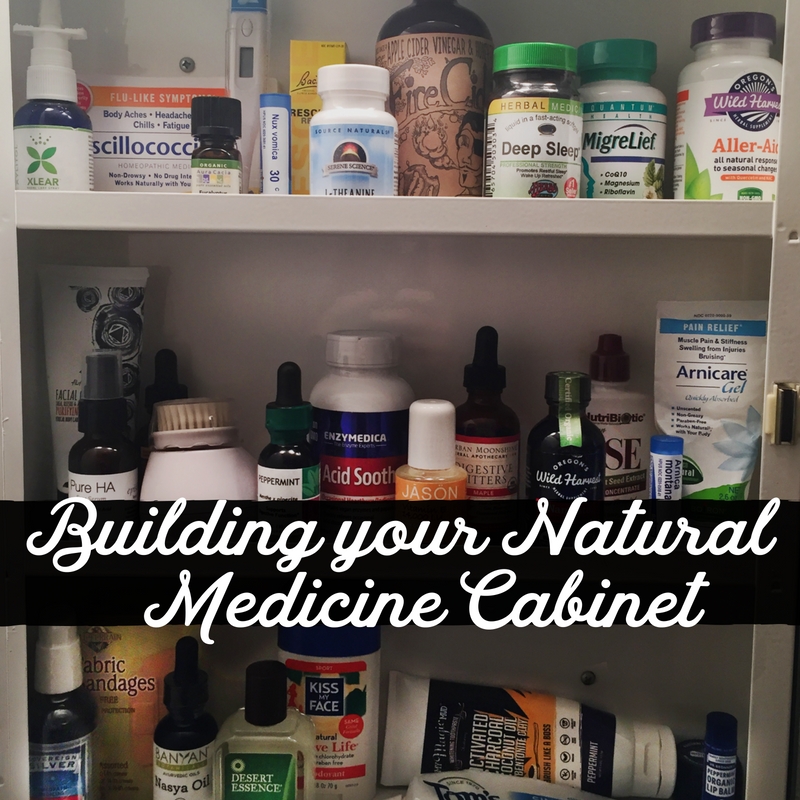
    When was the last time you cleaned out your medicine cabinet? If you’re like many others, you may have a few bottles of expired product, unused product, or product you’re not sure how you acquired.  You may not have benefitted from using some of it and some over-the-counter pharmaceutical products may have even generated some unwanted side effects for you.  What a waste of money! (And space!)

    If this sounds familiar, you’re probably interested in seeking alternative natural solutions to managing your health.  We think that’s smart! Save your health AND money… and read on to save your time making selections. We’ve got our top picks for building a fully-stocked natural medicine cabinet with a good solution to nearly all of your wellness needs. Read on…

    Starting with our top shelf, left to right:

     1. XLear:

    If you’re prone to sinus problems or allergies, you need this product; this gentle nasal spray contains xylitol – a sugar alcohol that sends bacteria to the grave

     2. Boiron Oscillococcinum: 

    Always keep a pack handy for when flu-like symptoms hit; this homeopathic remedy is best used at the onset of symptoms and can help you get back to feeling yourself again simply by working with your body’s own natural defense systems to spur needed action

     3. Aura Cacia Organic Eucalyptus Oil:

    So many uses for this aromatherapeutic gem; add a few drops to a humidifier in cold months, or to a facial steam bath to help relieve nasal congestion discomfort

     4. Boiron Nux Vomica:

    When nausea strikes, Nux Vomica is to the rescue; this homeopathic remedy is popular for relieving discomfort from hangovers and more and is easily taken by dropping a few tiny pellets under the tongue to dissolve

     5. Rescue Remedy:

    Available in spray, pastille, gelcap or liquid form, this flower essence remedy is used for addressing mild anxiety, nervousness and tension

     6. Fire Cider:

    Put some pep in your step or boost your immunity with this food-based tonic filled with anti-inflammatory, cold-busting nutrients; one shot and you’ll feel all the goodness this tonic has to offer

     7. Deep Sleep:

    A favorite of those who have trouble sleeping, this formula contains an array of herbs known to help promote restful sleep without groggy, cranky side effects that no one wants to deal with

     8. MigreLief:

    Antioxidants, minerals and vitamins combine forces to help relief symptoms associated with painful migraine headaches without any caffeine or stimulants

     9. Aller-Aid:

    A beautiful blend of herbs and powerful antioxidants that helps address symptoms that so many with allergies suffer with needlessly

     10. Herbalist & Alchemist Peppermint Tincture:

    Peppermint is an herb that has been used for thousands of years to help calm an upset stomach; simply drop this liquid into water, tea, or a comforting beverage

     11. Enzymedica Acid Soothe:

    This formula uses powerful digestive enzymes to break down foods that may cause acid reflux symptoms in sensitive individuals; this product addresses the root cause of the discomfort

     12. Jason Vitamin E:

    Known for its skin healing properties, liquid vitamin E is a great solution for addressing scarring and other troublesome skin issues

     13. Urban Moonshine’s Digestive Bitters:

    This liquid promotes your body’s own production of salivary amylase, which helps break down certain types of food you consume, potentially helping relieve symptoms like gas, bloating and mild digestive discomfort

     14. Oregon’s Wild Harvest Namaste:

    An organic blend of adaptogenic herbs, this liquid tincture is a great solution to help your body best cope with the stressful demands of everyday life

     15. Grapefruit Seed Extract:

    Address fungal issues with power; this liquid can be ingested, applied topically, or even used as a laundry additive or food-grade cleanser

     16. Arnica Montana:

    Used to help relieve discomfort associated with bruising, muscle soreness and inflammation, this homeopathic remedy is often prescribed after falls, injuries or surgery

     17. Arnica Gel:

    A topical version of this homeopathic remedy that is often used on bruises and areas of swelling

     18. Sovereign Silver First Aid Gel:

    Complete with colloidal silver, this topical solution suggests usage on skin requiring protection from bad bacteria

     19. Banyan Nasaya Oil:

    Dry nasal passages or bloody noses? This oil is intended to be swabbed on the inner tissues of the nasal passageway to provide needed moisture

     20. Tea Tree Oil:

    This essential oil has too many benefits to list! No cabinet is complete without it!


    At Basil Bandwagon, we have a variety of facial, dental, and skin care products free of the chemicals and preservatives you want to avoid. Don’t forget to make these a part of your natural medicine cabinet, since your skin absorbs what you put on it!

    Not pictured, but another great addition to your medicine cabinet is activated charcoal. A well-known antidote for food poisoning, this supplement is also used for whitening teeth (when added to toothpaste) or as a natural detoxifier.

    As with any substance, you should always check with a doctor or medical professional before use, especially in an emergency or life-threatening situation or if you have any underlying health problems.

    Love this post? Click HERE for a printable shopping list of these items!

  • Natural Allergy Remedies

    Natural Allergy Remedies

    Spring is here. Birds are singing, flowers are blooming … and your allergies are driving you nuts. Instead of running to a pharmacy for the usual batch of OTC meds, give these natural products a try:

    Sinus Breakup, Basil Bandwagon Natural MarketSinus Break-Up

    This fast-acting liquid compound quickly opens the sinus for easier breathing. It promotes healthy sinus and respiratory systems.

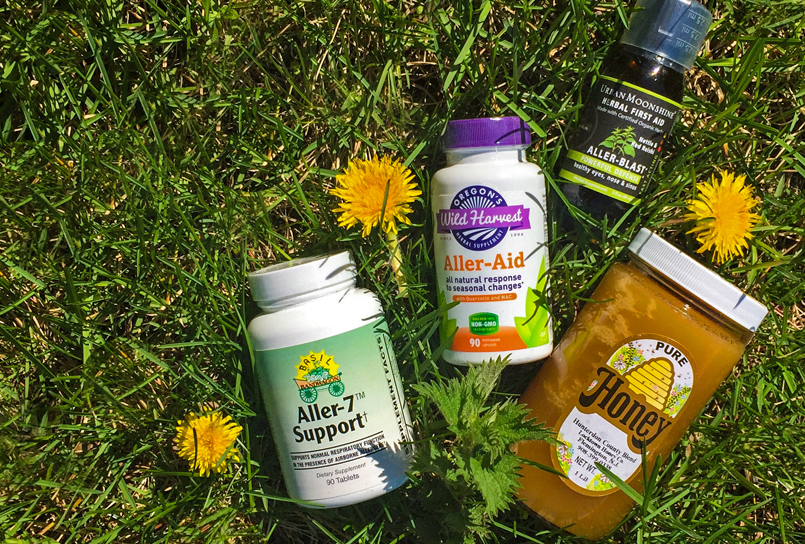
    Aller-7

    Aller-7 is a proprietary blend of seven herbal extracts clinically proven to promote immune health. Combined with a proper diet, Aller-7 promotes respiratory health and normal breathing seasonally and all year long without side effects.

    Aller-7 promotes clear airway passages and normal breathing; stabilizes mast cells, which promote respiratory health; and is a powerful antioxidant protection.

    Aller-Aid, Basil BandwagonOregon’s Wild Harvest Aller-Aid

    Very popular with the Basil staff, this compound contains Quercetin and Freeze-Dried Nettle to support your body’s normal histamine-producing response. N-acety cysteine packs an additional punch by brealing down mucous and increasing antioxidant activity.

    Urban Moonshine Aller-Blast

    Urban Moonshine’s Aller-Blast is made with fresh stinging nettle. The formula is unique because it contains the immune-modulating power of reishi mushroom and the tonic action of bitter artichoke. Also included are elder flower and red clover – traditionally used to support a healthy respiratory tract, eyes, nose, and sinus – for a fast acting formula. It can also be taken daily long term.

    Local Honey, honeycomb, Basil Bandwagon Natural MarketLocktown Honey Company Local Honey

    Completely locally sourced, this honey is produced by Hunterdon County resident Glen Brewer. It’s unheated and minimally filtered so it retains the maximum amount of beneficial enzymes and bee pollen.

    Many people swear by honey’s ability to lessen symptoms of seasonal allergies. As honey has anti-inflammatory effects and is known to soothe coughs, it may not seem like much of a stretch; but honey’s efficacy for treating allergy hasn’t been proven in clinical studies.

    That said, some experts say that honey can contain traces of flower pollen, and exposure to small amounts of allergens works as good treatment to combat reactions. Whether it can be proven by science or not is one thing; at worst, honey makes for a delicious placebo . (And don’t knock the healing power of placebos!)

    Honey has an unusual chemical composition, one which makes it keep indefinitely without spoiling, as is seen whenever ancient pots of honey, still perfectly preserved, are found during excavations of early Egyptian tombs. It is uniquely low in moisture and extremely acidic, making it a forbidding environment for bacteria and microorganisms. On top of that, bees add an enzyme, glucose oxidase, that creates hydrogen peroxide as a byproduct. According to the National Institutes of Health, honey is hygroscopic, antibacterial, anti-inflammatory, and has remarkable debriding action. Who knew?

    With this bonanza of properties, honey has been used for millennia as a medical remedy. As Smithsonian.com reports, the earliest recoded use of honey as a curative comes from Sumerian clay tablets, which convey that honey was used in 30 percent of prescriptions at the time. The ancient Egyptians used honey regularly to treat skin and eye problems, as did the Greeks, Romans, and a number of other cultures.