Tag: balance

  • Finding balance at the autumnal equinox

    Finding balance at the autumnal equinox

    Finding balance at the autumnal equinox

    A time to get grounded and prepare for the colder, darker season ahead

    September 22 marks the autumnal equinox and the start of fall. It is one of two times a year when daylight and night are equal. In nature, plants and animals use this time to balance and store energy for the longer nights and colder weather ahead. Trees, for example, shed their leaves and focus on their roots—something we can emulate. It’s a good time to slow down, look inward, and let go of what no longer serves us.

    Start with the harvest

    During fall, it’s beneficial to focus on seasonal foods that support health and energy. Root vegetables and orange squashes are especially important, providing grounding and warming qualities for the body. These foods are rich in antioxidants like beta carotene and vitamin A, essential for healthy skin, bones, and organs. Traditional autumnal foods such as cranberries, salmon, and wild game also support immune health with their mineral and protein content.

    Support your immune system

    Supporting the immune system during fall is crucial to prevent seasonal colds and flu. Nutrients like beta carotene, vitamins C and D, zinc, probiotics, and protein are vital. Maintaining gut health is especially important, as the digestive tract is a key part of immune defense. Probiotics can help keep gut flora balanced, strengthening the body’s ability to fend off illness.

    The season of sleep

    Autumn’s cooler temperatures and shorter days can improve sleep quality, which benefits overall health, mood, and immunity. Less daylight leads to increased melatonin production, the hormone responsible for regulating sleep cycles. Tart cherries are a natural source of melatonin, and early research suggests that drinking tart cherry juice may promote better, longer sleep. Additionally, it’s ideal to have three hours between eating and sleeping to optimize both sleep and metabolic health.

    Self-care tips for autumnal mental health

    This season also offers an opportunity to nurture mental health. Engaging in simple self-care practices—such as reading, taking baths, or walking in nature—can help ground and center you. Autumn’s energy encourages grounding, centering, and nurturing oneself, which can be especially helpful during this reflective time of year.

    By: Stephanie MacDonald

    Article Courtesy of Alive Magazine
  • The benefits of daily movement

    The benefits of daily movement

    The benefits of daily movement

    Here’s the inspiration you need

    As children, we crave movement, but our grown-up selves often choose to forgo exercise. We’re stressed and tired, and exercise adds to that. Or does it? While a physical stress inducer, exercise helps our ability to deal with stress in general and makes us healthier too.

    What else can exercise accomplish? Here are some of the benefits to help motivate you to get moving!

    Brain health

    Regular exercise, because it delivers more oxygen to our brain, helps improve brain health, delay brain aging, and reduce the risk of neurodegenerative diseases such as dementia and Parkinson’s.

    Weight management

    While diet helps address weight issues, exercise helps with weight management and also reduces the risk of developing metabolic syndrome, insulin resistance and type 2 diabetes, cancer, and cardiovascular disease.

    Sleep and sex

    We sleep better with exercise, have a better sex life, and improve self-esteem, too.

    Stress relief

    As for exercise being stressful … It does increase cortisol levels, but unlike psychological stress, exercise-induced cortisol is soon inactivated, a desirable outcome that makes our bodies more resilient to stress.

    Balance

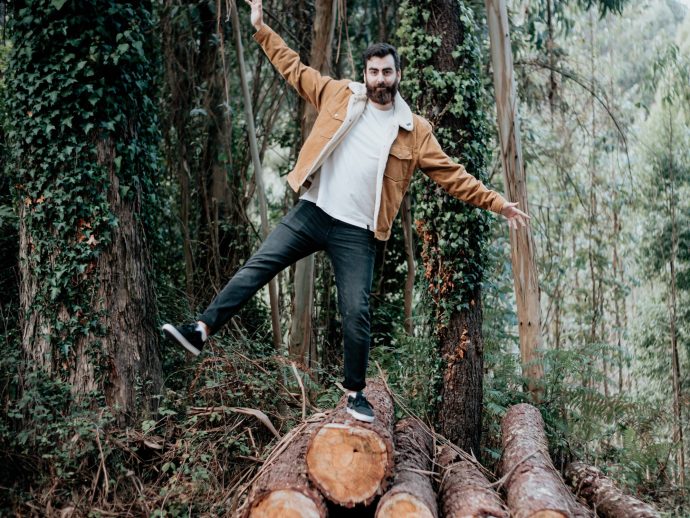
    As we age, certain exercises, such as standing on one leg, can help increase stability, which is essential for reducing the risk of falls and injury.

    Glucose management

    Active muscles are a great “sink” for glucose, helping the body’s response to the post-meal sugar influx. In the long run, daily exercise (ideally aerobic and resistance) can improve insulin sensitivity and reduce the risk of developing type 2 diabetes and metabolic syndrome.

    Healthy microbiome

    Our gut bugs also benefit from exercise. Active people tend to have more beneficial bacteria, some of which produce butyrate, a short-chain fatty acid with anti-inflammatory and gut lining repair properties, while others contribute to improved metabolic health. Regular exercise has positive impacts on dysbiosis as well as symptoms of irritable bowel syndrome.

    Mood manager

    Speaking of desirable highs, did you know that serotonin levels, known as “the happiness molecule,” increase when we exercise? Among others, this helps us manage emotions better (translation: step away from a conflict and go for a walk; you’ll find better words upon returning).

    Cardiovascular helper

    Nitric oxide, which also increases with exercise, can have an analgesic effect and helps improve cardiovascular health by reducing blood pressure, often a consequence of acute and chronic stress. Exercise can help the body develop a robust response to stress, dial down the risk of depression, and lower inflammation levels and oxidative stress in the brain.

    Counter cancer

    Higher levels of aerobic exercise can reduce the risk of breast, colon, bladder, endometrial, and digestive tract cancers, and picking up some weights may also work in our favor by slashing the risk of kidney and bladder cancer while also impacting total cancer mortality.

    By Daniela Ginta

    Article Courtesy of Alive Magazine

  • The Joy of Sleep: LifeSeasons helps you get the rest you need!

    The Joy of Sleep: LifeSeasons helps you get the rest you need!

    National Sleep Awareness Week (March 12-18, 2023) highlights commitment to the vital refreshment of a good night’s sleep. Our bodies accomplish a great deal during sleep: bone, muscle, and tissue are repaired; our immune system is strengthened; memories are stored. Our systems slow down overnight, resetting energy levels for a fresh start.

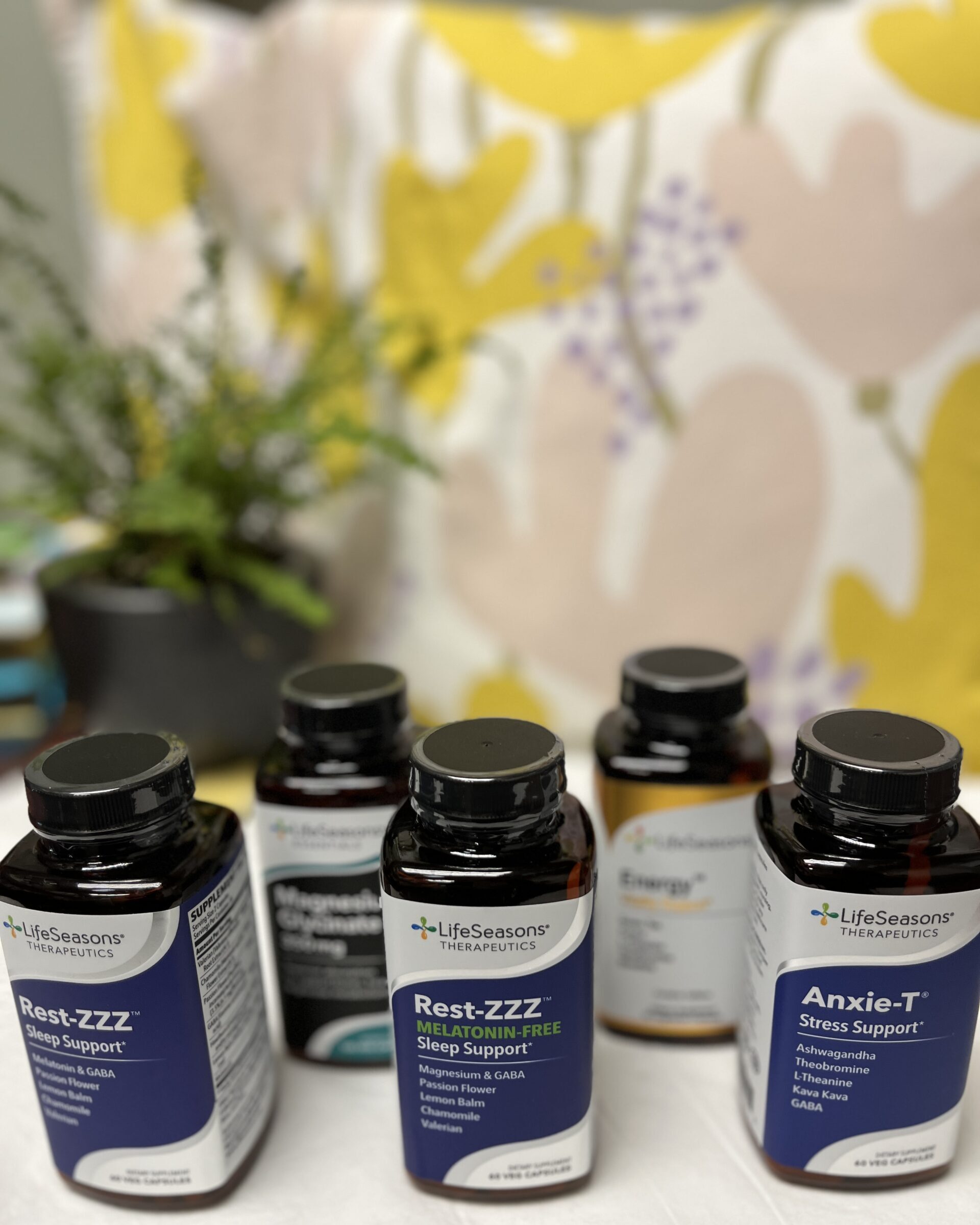
    LifeSeasons offers a studied, full-body range of care, including support for stress, mind, and mood, all conducive to a productive night’s sleep. They also offer supplements that enhance the natural relaxation that leads to restful sleep.

    All LifeSeasons supplements are 25% OFF through March!

    Rest-ZZZ Sleep Support

    Encourage a healthy, restorative night’s rest with some soothing habits: a cool, darkened room, a warm bath, and a break from your screens. Rest-ZZZ can help by calming your nervous system, promoting your natural sleep cycle, and easing muscle tension, restlessness, and nerve-related sleeplessness.

    Rest-ZZZ Melatonin-Free

    Prefer to skip the melatonin? Rest-ZZZ Melatonin-FREE offers sleep support for those unable to tolerate melatonin. Ease yourself into a restful night’s sleep without feeling groggy or “hung over” the next morning.

    Anxie-T

    Stress challenges all our systems and can certainly interfere with the ability to fall asleep. Anxie-T nurtures a relaxed and calm mind by supporting the body’s natural abililty to respond to stress. This is a great way to start your self care stress relief.

    Magnesium Glycinate

    A better you starts with a better mood — create a routine to prioritize staying cool, calm, and collected. Both you and your sleep will benefit! Magnesium Glycinate aids mood and sleep support, while promoting bone and heart health, and helping to maintain normal blood sugar levels.

    Energy

    We all have those days when it’s just hard to get started. LifeSeasons’ Energy helps overcome tiredness and fatigue with a gentle boost to energy and mood. Natural ingredients such as green tea and cacao supply support for circulation and focus without unwanted jitters.

    Resources:

    https://lifeseasons.com/blog/sleep-stages/

    https://lifeseasons.com/product/rest-zzz/

    https://lifeseasons.com/product/rest-zzz-melatonin-free/

    https://lifeseasons.com/product/anxie-t/

    https://lifeseasons.com/product/magnesium-glycinate/

    https://lifeseasons.com/product/energy-natural-caffeine-supplement/

    https://www.instagram.com/lifeseasons/

  • Find fitness joy

    Find fitness joy

    Find fitness joy

    You don’t need to choose function over fun

    By round of applause, who’s excited about their daily (or intended daily) workout? Crickets? But do you get excited about beach volleyball, pickleball, dancing, hiking …? Hobbies can be fun and physical!

    Fitness-life balance

    The buzzwords in today’s workplace include “work-life balance.” The phrase refers to the need for workers to have enough personal time outside of work so they are effective, engaged, and motivated workers while at work.

    The same balance is necessary for your workouts to be effective, when considering fitness and your life. In fact, the stakes are perhaps higher when it comes to your workout and fitness choices, because unfocused and disinterested workouts can result in injury.

    Find strength in sport and health in hobby

    It’s a commonly asked question: “What is the best exercise to keep you heathy?”

    Well, what do you think the answer is? CrossFit? Barre class? Yoga? High-intensity interval training? Low-impact steady-state training? The real answer is simple: the best exercise to keep you healthy is the exercise that you’ll actually do!

    There is a well-established and commonly understood connection between exercise and positive mental health. Less studied and understood is the significant positive correlation between positive mental health and exercise adherence. But, sure enough, it works both ways!

    This means that just as some people can spiral downward into negative mental and physical health, they can also lift themselves upward toward positive mental and physical health! The key is to find an activity that you enjoy doing and that still gives you bang for your buck.

    Healthiest hobbies

    Here’s a taste of some fun activities, caloric expenditure, and physical benefits (which, as we know, also carry mental health benefits).

    Gardening

    Gripping, bending, walking, lifting, stretching: gardening has it all, not to mention the mental benefits of taking care of plants, the mental exercise of planning over space and time, vitamin D, and fresh air. And you can burn a similar number of calories as you would at a fitness facility—“… there is a gym outside many a window,” as Sir Richard Thompson, past president of the Royal College of Physicians in London, UK, once said.

    Golf

    Depending on your sex, whether you walk or ride a golf cart, and how many holes you play (not to mention how many balls you have to go looking for), you can burn between 531 and 2,467 calories, on average, per 18 holes. Include hand-eye coordination, core strengthening, and “one-with-nature” benefits, and you’ve got one heck of a healthy hobby!

    Pickleball

    The average 65-year-old burns about 350 calories per 60-minute doubles match. Not only that, but cardiovascular conditioning, flexibility, and hand-eye coordination are all challenged in this most enjoyable tennis adaptation.