Tag: brain

  • The brain’s role in immune health and allergies

    The brain’s role in immune health and allergies

    The brain’s role in immune health and allergies

    The two systems are in constant communication

    The immune system

    Made up of structural barriers, organs, white blood cells, proteins, and chemicals, the immune system protects us from foreign antigens and helps our bodies heal from infections and injuries. To do this, the immune system and the nervous system maintain extensive and elaborate communication.

    This system has two pathways, a gas pedal (flight or fight pathway) and a brake (rest and digest pathway).

    We know that the brain influences the process of inflammation as part of the immune system’s fight against injury or infection. Too much inflammation can lead to problems, like chronic pain or diseases. The brain can help keep this in check, but, if it’s overwhelmed by too much stress or illness, inflammation can cause harm.

    What does the brain have to do with allergies?

    The allergic response

    In some cases, the immune system reacts by making antibodies to attack allergens that aren’t otherwise harmful. When someone with an allergy is exposed to the allergen, the immune system’s antibodies release histamine into the bloodstream that can cause symptoms, including inflamed skin, sinuses, airways, or digestive systems.

    Allergy symptoms can occur for the first time at any age, and can be affected by hormones, stress, smoke, medications, perfume, or environmental irritants. Some allergies can be outgrown, such as children’s allergies to certain foods. Airborne allergens can strike seasonally, during pollination, or year-round in the case of dust mites and animal dander.

    The brain’s role

    The brain plays a key role in the allergic response by directing the immune system how to respond. During times of stress, illness, or other factors, such as hormonal changes, our immune systems may be weakened, causing allergic reactions to be more severe.

    The brain’s inflammatory response to allergens becomes chronic with repeated exposures to the allergen, which creates long-term effects on the affected areas of the body, such as airways, eyes, and skin.

    Brain health ties to allergies

    Poor lifestyle habits—like lack of sleep, improper diet, chronic stress, and sedentary lifestyle—can lead to poor brain health, which, in turn, can result in higher sensitivity to allergens and more allergic reactions.

    Other strategies for maintaining the health of our brains and, thus, our immune systems include:

    • Engaging in regular exercise and physical activity
    • Avoiding excess alcohol, smoking, and other chemical exposures
    • Continuing to challenge our brains as we age by learning new things, staying socially engaged, and promoting new neural connections
    • Staying aware of the impacts that common diseases like high blood pressure, diabetes, and inflammation can have on brain health
    • Ensuring a well-balanced diet that avoids excess neurostimulants, like caffeine, and chemicals, and focuses on antioxidant-rich vegetables, healthy omega oils, and optimal hydration

    by Joanne Peters

    Article Courtesy of Alive Magazine
  • Maintaining the brain as we age

    Maintaining the brain as we age

    Maintaining the brain as we age

    How to leverage nutrition and lifestyle science to slow brain aging

    A 2024 brain-imaging study in older adults compared intake measures of key nutrients with signs of brain health, identifying the foods and nutrients most strongly associated with slower brain aging.

    Omega-3 fatty acids

    Individuals who demonstrated signs of delayed brain aging tended to have higher bodily concentrations of the anti-inflammatory omega-3 fatty acids Inflammation is considered a hallmark of brain aging as it disrupts the blood-brain barrier, making the brain more susceptible to structural damage over time.

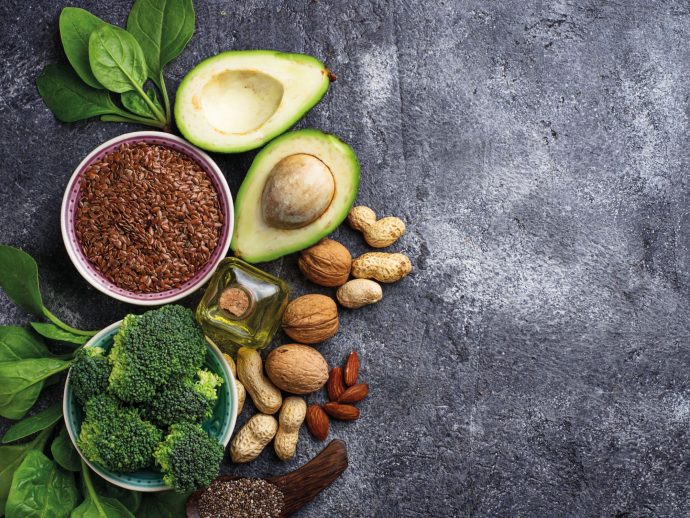
    EPA and DHA are found in fatty fish like salmon, sardines, and trout, while ALA is found in flaxseed, hempseed, chia seed, soy-based foods, and walnuts.

    Carotenoids

    Oxidative stress, which carotenoids help to combat, is considered another hallmark of brain aging. It’s unsurprising that a high carotenoid intake was associated with better brain health.

    Carotenoid sources include spinach, kale, bell peppers, tomato, watermelon, broccoli, carrots, grapefruit, and cantaloupe.

    Vitamin E and choline

    Having higher bodily levels of vitamin E is associated with better cognitive health. Vitamin E is found primarily in nuts, seeds, leafy greens, and fish.

    Choline is a precursor to creating a compound known as phosphatidylcholine, which populates brain cell membranes and regulates the release of various neurotransmitters required for optimal brain function. Choline is found in foods including eggs, edamame, cauliflower, beef, chicken, peas, pork, broccoli, and milk.

    The gut-brain connection

    Older adults with cognitive issues are much more likely to have a gut microbiome characterized by imbalances in good and bad bacteria, with an overrepresentation of pro-inflammatory species.

    A healthy gut microbiome produces beneficial compounds known as short-chain fatty acids (SCFAs), which have an anti-inflammatory influence and facilitate healthy gut-brain communication via multiple pathways.

    These influences include enhanced nutrient absorption and keeping the intestinal lining strong, thus preventing toxins from entering the blood stream and crossing the blood-brain barrier via the gastrointestinal tract. This is where polyphenols come in.

    Polyphenols―the gut-brain connectors

    Polyphenols are a family of plant-based compounds known to encourage gut bacteria to produce beneficial SCFAs.

    In 2018, Neurology published a study—involving 1,329 older adults followed over 12 years—that found those in the highest consumption category of polyphenols had a 50 percent lower risk of dementia than those in the lowest consumption category.

    Easy ways to boost your dietary exposure to polyphenols include cocoa powder, ground flaxseed, artichoke, blueberries, and more frequent use of culinary herbs/spices.

    by Andy De Santis, RD, MPH

    Article Courtesy of Alive Magazine

  • RECAP: New Product Thursday 3/12/2020

    RECAP: New Product Thursday 3/12/2020

    Check out our NEW products this week!

    Ancient Nutrition: Multi Collagen Protein Single Serve Packets, Multi Collagen Capsules, SBO Probiotics (Ultimate & Gut Restore)
    Bjorn Qorn: Spicy
    Bucklebury: Silver Solution & Soothing Silver Lozenges
    The Coconut Cult Ice Cream: Top Secret Vanilla Recipe & Great Balls of Gluten-Free Cookie Dough
    Desert Essence: Activated Charcoal Toothpaste
    Natural Factors: Phosphatidylserine
    Roots: Oil-Free Kalamata Olive Hummus
    Spinster Sisters Co.: Body Butter (Oatmeal Milk & Honey, Lemongrass Sage, and Lavender), Shampoo Bar (Coconut Lime & Rosemary Mint), and Conditioner Bar (Coconut Lime & Rosemary Mint)
    Trace Minerals: Magnesium Gummies, Magnesium Effervescent Tablets, Pure Magnesium Flakes, Magnesium Chewables, & Magnesium Lotion