A few lifestyle changes can make all the difference
Inflammation is a process of immune activation the body takes to defend against infection, toxins, or tissue injury, with the purpose of healing the body’s tissues. Our immune cells “turn on” inflammation in response to perceived threats by secreting an array of chemical mediators called cytokines, which can be measured in the blood, such as interleukin 6 (IL-6) and C-reactive protein (CRP).
When prolonged, however, chronic low-grade inflammation becomes the common underlying pathway of a myriad diseases. These include skin conditions, arthritis, heart disease, cancer, and even depression. Most commonly, the factors contributing to chronic inflammation involve diet, the gut microbiome, toxic chemical exposures, bodyweight, and chronic stress.
Eat a healthy diet
The standard Western diet is characterized by consumption of processed and ultra-processed foods. The chronic, low-grade inflammation caused by such metabolic excess has been called “meta-inflammation” and has been linked to the development of heart disease and cancer.
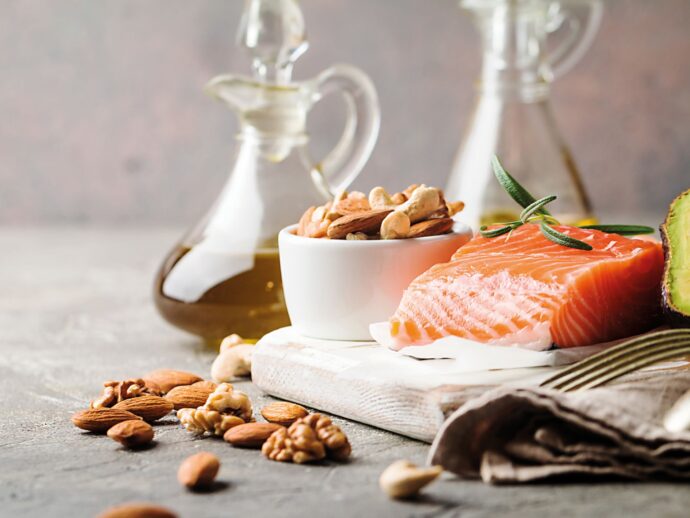
Diets such as the Mediterranean diet, characterized by high consumption of vegetables, fruits, whole grains, legumes, and fish are associated with lower inflammatory cytokines in the blood compared to high-caloric intake and consumption of sweets, refined cereals, processed meats, snacks, and sugary drinks.4 Ultra-processed foods may also contain harmful chemicals, such as bisphenol or phthalates, which have been associated with higher levels of IL-6 and CRP.
Engage in regular exercise
Fat tissue secretes inflammatory cytokines, and exercise can suppress this activity. Exercise actually causes muscle to release -inflammatory cytokines.
The Canadian 24-Hour Movement Guidelines recommend performing a variety of types and intensities of physical activity: • moderate to vigorous aerobic physical activities for at least 150 minutes per week • muscle strengthening activities using major muscle groups at least twice a week • several hours of light physical activities, including standing
Stepwise strategy to reduce inflammation
Strategy
How-to
reduce sugar intake
halve the sugar in your tea or coffee; better yet, don’t use sugar at all!
improve sleep
go to bed one hour earlier
break up your stress
engage in prayer, meditation, or spiritual reading 10 to 20 minutes a day
forgiveness
express forgiveness toward those who’ve offended you (“I forgive her”) so you can let go of those grievances
sense of purpose
book time to spend doing something <fun> with your kids or spouse, or a hobby on your own
exercise
walk laps around the arena or field instead of sitting while at your kids’ sports practices
increase antioxidants
ensure half your plate contains vegetables and fruits (rich in phytonutrients); consume antioxidant-rich teas like green tea, dandelion, and nettle
improve microbiome
introduce fermented foods like kombucha tea or unpasteurized sauerkraut
Autoimmune diseases are on the rise (and what you can do about it)
The rates of the most common autoimmune diseases, including type 1 diabetes, rheumatoid arthritis, lupus, and multiple sclerosis, are on the rise―but there is hope for prevention and management.
What’s in the name: defining autoimmune diseases
Autoimmune diseases happen when your immune system, which is supposed to protect your body from harmful invaders like viruses and bacteria, mistakenly attacks healthy cells. This results in chronic inflammation and damage to various tissues and organs in your body, which can trigger an array of health concerns, like arthritis.
Unlike other diseases caused by external factors, this immune malfunction makes autoimmune diseases harder to diagnose, as symptoms can overlap with many other conditions and vary widely from person to person.
The causes of autoimmune disease
Researchers continue to debate various questions about the underlying causes of autoimmune diseases like lupus and multiple sclerosis.
Most theories boil down to two key factors: your genetics and your environment. Genetic triggers cannot be altered, but degenerative factors like exposure to toxic elements, infections, or chronic stress can be avoided with lifestyle changes.
Optimize your diet
Being overweight or obese raises your risks, so eating a healthy diet is foundational. Exactly what you eat is key, too. There’s a correlation between inflammation and both the development and the symptoms of autoimmune diseases.
Concentrate on anti-inflammatory foods, including leafy greens, fatty fish, nuts, and seeds. That’s the focus of diets like the autoimmune protocol (AIP) diet, which has been shown to help with inflammation-linked health concerns. Reduce the intake of processed foods, refined sugar, and trans fats. Prioritize foods rich in probiotics such as yogurt and fermented vegetables, as well as prebiotic fibres, which help maintain the gut―an important factor in immune function.
Sweat it out
Research suggests that regular physical activity can help to both prevent and manage the inflammation and common symptoms, such as chronic fatigue, of autoimmune diseases.
You don’t need to be a gym rat to reap the benefits. If you’re struggling with pain, mobility, or fatigue, gentle forms of exercise like yoga and tai chi can do the trick.
When to talk to a doctor
There are some situations where factors are simply out of your hands. But you’re still empowered to take control of your health. Regular monitoring can catch early signs if you’re at higher risk due to family history. Blood tests and symptom tracking can make a big difference.
If you notice persistent symptoms or have a family history of autoimmune conditions, consult a healthcare provider. Early detection and management are crucial to improving your quality of life.
Made up of structural barriers, organs, white blood cells, proteins, and chemicals, the immune system protects us from foreign antigens and helps our bodies heal from infections and injuries. To do this, the immune system and the nervous system maintain extensive and elaborate communication.
This system has two pathways, a gas pedal (flight or fight pathway) and a brake (rest and digest pathway).
We know that the brain influences the process of inflammation as part of the immune system’s fight against injury or infection. Too much inflammation can lead to problems, like chronic pain or diseases. The brain can help keep this in check, but, if it’s overwhelmed by too much stress or illness, inflammation can cause harm.
What does the brain have to do with allergies?
The allergic response
In some cases, the immune system reacts by making antibodies to attack allergens that aren’t otherwise harmful. When someone with an allergy is exposed to the allergen, the immune system’s antibodies release histamine into the bloodstream that can cause symptoms, including inflamed skin, sinuses, airways, or digestive systems.
Allergy symptoms can occur for the first time at any age, and can be affected by hormones, stress, smoke, medications, perfume, or environmental irritants. Some allergies can be outgrown, such as children’s allergies to certain foods. Airborne allergens can strike seasonally, during pollination, or year-round in the case of dust mites and animal dander.
The brain’s role
The brain plays a key role in the allergic response by directing the immune system how to respond. During times of stress, illness, or other factors, such as hormonal changes, our immune systems may be weakened, causing allergic reactions to be more severe.
The brain’s inflammatory response to allergens becomes chronic with repeated exposures to the allergen, which creates long-term effects on the affected areas of the body, such as airways, eyes, and skin.
Brain health ties to allergies
Poor lifestyle habits—like lack of sleep, improper diet, chronic stress, and sedentary lifestyle—can lead to poor brain health, which, in turn, can result in higher sensitivity to allergens and more allergic reactions.
Other strategies for maintaining the health of our brains and, thus, our immune systems include:
Engaging in regular exercise and physical activity
Avoiding excess alcohol, smoking, and other chemical exposures
Continuing to challenge our brains as we age by learning new things, staying socially engaged, and promoting new neural connections
Staying aware of the impacts that common diseases like high blood pressure, diabetes, and inflammation can have on brain health
Ensuring a well-balanced diet that avoids excess neurostimulants, like caffeine, and chemicals, and focuses on antioxidant-rich vegetables, healthy omega oils, and optimal hydration
Activate your best assets against autoimmune flares
An autoimmune disorder (AD) occurs when your body’s defense system can’t differentiate between its own cells and external, threatening cells that results in an attack on your own healthy cells. Some of the more common ADs that you may have heard of include rheumatoid arthritis; psoriasis; lupus; thyroid diseases, such as Graves’ and Hashimoto’s; and type 1 diabetes.
It’s also worth noting that an AD is a highly biased jerk: it discriminates against women to the tune of about 80 percent of all diagnosed cases. Where it gets serious, and painful, is when the individual with AD experiences flares.
Flares: these aren’t your momma’s dancin’ pants
Autoimmune flares are like mini storms in your body, and depending on the type of AD that you have, those flares can attack different organs.
What causes these flares?
For some people, consuming alcohol; processed/fried foods; foods with lots of sugar; and high-fat foods, like cheese and some dairy, may be dietary triggers, and they certainly exacerbate the symptoms of flares.
With time, most individuals managing an AD usually come to an understanding of what triggers a flare in their body. But if someone is undiagnosed, it could really be anything:
viral infections like influenza and HPV
fungal infections like Candidiasis
processed meats, refined sugars, dairy products, or gluten for those with celiac disease
environmental factors, like air pollutants, cleaning products, or makeup
psychological or physical stress
Flare management through exercise
In those with an AD, studies show that regular exercise can help improve mobility, reduce pain, and even offer a much-needed energy boost. It also helps regulate immune function, which means fewer and less intense flares.
Holistic approach to flare management
If autoimmune management was as simple as exercising, there would be no need for specialists, but like anything in life, the best approach is the one that considers the important factors: diet, stress, and sleep.
Diet―let’s talk superfoods!
When it comes to ADs, what you eat can either fan the flames or cool them down. Luckily, there are some pretty tasty ways to help keep inflammation in check:
omega-3s
found in fish oil; may help heart health and reduce inflammation.
curcumin
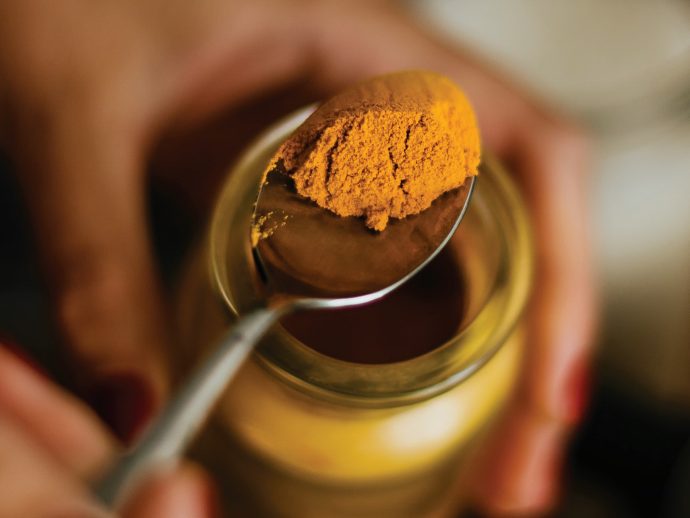
found in turmeric; is known to fight inflammation
garlic
has immune-supportive effects
ginseng
may help reduce stress and give energy levels a nudge
ginger
is anti-inflammatory for digestion
pineapple
helps relieve some inflammation symptoms
Stress―the silent assassin
Stress is one of the biggest AD flare triggers. Try some mindfulness techniques like meditation or deep breathing exercises. Yoga or tai chi can be a great way to combine stress reduction with gentle movement.
Sleep―an underrated ally
The important role of sleep as an autoimmune regulator cannot be overstated. As best as you can, develop a sleep routine that includes creating a calming environment in your bedroom and limiting late-night doomscrolling.
Understanding the vital role macros and micros play in our everyday lives
Fat, protein, and carbs—the big three macronutrients have all had their turn being vilified throughout diet culture (from problematic phrases such as “all fats are unhealthy” and “watch your carbs” to misguided rhetoric about protein being the only way to build muscle). Yet this powerful triad of nutrients, in tandem with essential vitamins and minerals, is what our body relies on to thrive.
The ABCs of macros and micros
So, what exactly are these all-important nutrients?
Macros
In simple terms, macronutrients refer to the nutrients our body relies on for energy, which we require in large amounts (hence the term macro) to make up our total caloric intake. The big three macros: protein, carbohydrates, and fat.
Micros
On the other hand, micronutrients are the nutrients our body requires in trace amounts. These come in the form of vitamins and minerals. And while they don’t affect our diet from a caloric standpoint, they’re still essential for our health and well-being—from B-complex vitamins’ role in energy production and digestion to iron’s impact on cognitive function and immune support.
The big three players
While protein, carbohydrates, and fat are widely known nutrients, there’s plenty of mixed messaging around them, such as the “correct” daily protein requirement and the “healthiest” form of carbs. Here, we dig into the fundamentals of each and explain why it’s the balance of all three macros that deserves our true attention.
Protein
This powerhouse nutrient is something of a workhorse. Made up of amino acids (the “building blocks” of protein), it helps build and repair our muscles, bones, skin, and other tissues. It also plays a role in hormone and enzyme production.
Fat
Despite a once-shaky reputation, fat (especially the heart-healthy unsaturated variety) is integral to a healthy, balanced diet. One of its main superpowers: helping the body absorb fat-soluble vitamins A, D, E, and K. Fat also protects our organs, aids in cell growth, promotes better cognitive function, and provides us with sustained energy.
Carbohydrates
Carbs are broken down into simple sugars (called monosaccharides) that enter the bloodstream and are used by all cells in the body for energy. When we’re consuming carbs in their whole food form (think fruits, vegetables, whole grains, and legumes), they also provide us with fibre and prebiotics, which are necessary for efficient digestion.
A well-rounded diet
While no nutrient alone holds the key to overall well-being, the secret is to consume a balance of macros and micros in their minimally processed form.
Ultimately, our diets should be filled with foods that bring us joy—whether it’s a veggie-packed stir-fry or our favourite homemade dessert. That, as it turns out, is the closest thing to a winning recipe.
Daily living exposes us and our environment to an increasing number of foreign chemicals and byproducts, often called xenobiotics. But our body is equipped with a complex system of detoxification processes that work to expel these foreign substances. Supporting this amazing system is key to good health.
What are xenobiotics?
The term xenobiotics includes a number of substances that are foreign to animal biological systems, such as drugs and pollutants.
Many xenobiotics have been linked to negative health effects, including hormone-disrupting effects (xenoestrogens), neurological and immunological effects (heavy metals), and carcinogenic effects (alcohol, tobacco, nitrates, pesticides, and heterocyclic aromatic amines from charred food).
Detoxification phases
In addition to reducing potential exposures, detoxification involves enhancing the safe elimination of these products through the body’s internal systems of biotransformation. The detoxification pathway is divided into two main steps, phase I detoxification and phase II detoxification.
Factors influencing detox
When our detox and biotransformation processes don’t function optimally, it may be due to genetic factors, environmental overload, and/or nutrient deficiencies.
A healthy diet, of course, influences beneficial effects on our body’s detoxification functions. A whole foods diet that includes a rich variety of fruits and vegetables, whole grains, and healthy proteins contains many phytonutrients and amino acids that enhance phase II enzyme activity. Research continues to uncover the complexities of specific food-derived components to the complex processes of biotransformation.
Detox programs
Fad detox programs beyond count have been popularized over the years. Unfortunately, many of these are unlikely to achieve long-term benefits. Given the pervasive ongoing nature of xenobiotic exposure in our world, a more consistent, comprehensive, and sustainable approach to detoxification is best.
There’s a long tradition of spring cleanses or fasting periods in many cultures. This speaks to the wisdom of enforcing periods of time dedicated to cleaning up one’s diet and lifestyle. Additionally, it may be necessary at times to adopt ongoing changes to sustain long-term health improvement, particularly when it comes to nutritional strategies.
According to Dr. Philip Rouchotas, ND, in general, components of a successful detox program should include the following elements.
Clean diet
Eliminate highly processed foods, sugars, alcohol, and excess caffeine; emphasize green vegetables and sufficient water intake. Check for food intolerances.
Regular bowel function
Diet and supplements such as probiotics, bitter herbs, or magnesium can help with this.
Exercise
Regular physical activity promotes mobilization of stored toxins from fat and the lymphatic system (a circulatory system made up of lymph vessels that includes the tonsils, spleen, lymph nodes, and lymph vessels).
Natural detox support
Always check with your primary care practitioner before trying a new supplement. Some commonly utilized natural health products include:
Acid reflux is a sign that the digestive system is not operating smoothly. Instead of gastric contents passing from the stomach into the small intestine as they should, food and stomach acid can regurgitate, or reflux, into the esophagus.
Symptoms of acid reflux
Acid reflux commonly causes burning in the chest, which we colloquially call heartburn. But reflux can also present as chest pain, food regurgitation, bitter taste, chronic cough, asthma, throat clearing, hoarseness, globus sensation, belching, and trouble swallowing. But other health conditions may mimic reflux symptoms, so it’s a good idea to inform your physician of your symptoms so that you receive an accurate diagnosis and treatment.
If you experience reflux regularly, it might be classified as gastroesophageal reflux disease (GERD).
Long-term effects of reflux
Whereas occasional reflux may resolve on its own without lasting effects, GERD negatively impacts quality of life, requires treatment, and is associated with increased risks of other health concerns. Those with GERD have an increased risk of painful conditions that can lead to permanent damage to the esophagus, as well as an increased risk of esophageal cancer.
GERD usually responds well to treatment with proton pump inhibitors (PPIs), which reduce stomach acidity. However, long-term PPI use is associated with an increased risk of bone fracture, renal disease, pneumonia, and nutrient deficiency.
Causes of reflux
The food we eat and how we eat it play a role in reflux. Irregular mealtimes, large portion sizes, and eating before bed are associated with GERD symptoms. Acidic foods like tomato, orange, grapefruit; coffee and tea, foods that are spicy, fatty, or fried; carbonated beverages, and chocolate can trigger GERD.
Lifestyle patterns also impact reflux. Tobacco smoking is a contributing factor in GERD. Smoking also reduces the production of saliva, which helps protect the esophageal mucous membrane from acid. Alcohol consumption can trigger reflux episodes and aggravate acid-related esophageal injury.
Other lifestyle factors that contribute to GERD include obesity, vigorous exercise, exercise right after a meal, or lack of regular exercise.
Diet and lifestyle
The positive thing about the correlation between reflux, diet, and lifestyle is that we have the power to do something about it! Making diet and lifestyle changes now can help manage reflux in the long-term.
Embrace regular mealtimes and be mindful that you don’t make a habit of overeating. Minimizing acidic, spicy, and fried foods in the diet can also reduce reflux episodes.
Schedule moderate-intensity exercise a good distance away from mealtimes and bedtime. For sleep, lie on your left side and raise the head of the bed to reduce nighttime reflux.
Supplements
Always ask your health care practitioner before trying a new supplement.
Probiotics may improve heartburn and reflux in GERD.
Turmeric may be helpful in reducing mucosal damage from reflux.
A blend of apple cider vinegar, licorice, calcium carbonate, and papain, taken as a chewing gum, may improve symptoms of heartburn and acid reflux.
UPDATE 5/5/2020: Here is the latest important information:
Due to supply issues, we are limiting certain items as follows (we are unavailable to special order these items as well):
LIMIT 2 PER CUSTOMER:
Yeast
LIMIT 4 PER CUSTOMER:
Eggs
UPDATE 4/30/2020: Here is the latest important information:
Due to high demand with curbside orders, our phone extensions have changed! Please listen to our NEW phone menu as they have changed for ALL stores.
UPDATE 4/17/2020: Here is the latest important information:
Due to supply issues, we are limiting certain items as follows (we are also unavailable to special order these items as well):
LIMIT 1 PER CUSTOMER:
Hand sanitizers and related products (glycerine, tea tree oil, etc.)
All immune-related and anti-viral supplements
Whole chickens
LIMIT 2 PER CUSTOMER:
All household cleaning products, toilet paper, etc.
Protein staples, and beef products
Chicken, eggs, milk
Yeast
LIMIT 4 PER CUSTOMER:
Cascade toilet paper
UPDATE 4/15/2020: Here is the latest important information:
In order to shop inside all of our stores, state mandated masks must be worn inside.
The coffee/tea stations and nut butter machines are no longer self-service. To use these areas, please ask an associate for help.
Want to change up your routine at home, check out our blog, social media accounts and our Pinterest page for fun ideas! There is something new everyday! Make sure you check out Women’s Voice magazine & the Non-GMO Project’s streaming of the award-winning documentary film Modified, available for FREE until April 22nd! For more information, check out our social media pages (Facebook and Instagram).
UPDATE 4/11/2020: Here is the latest important information:
Please wear a mask if you leave your house. All of our team members are wearing masks and we are encouraging all customers to wear masks when they shop inside with us.
All stores will be closed tomorrow for Easter and we will reopen on Monday.
Our Curbside Pick-Up program will be unavailable from 6pm tonight until Monday morning. If you have a Curbside order in process or ready for pick-up, you must come get it before 8pm on Saturday as we will be CLOSED on Sunday for Easter and you will have to wait to pick-up on Monday. However, all stores will remain open until 8pm tonight if you need to grab a couple of last minute groceries for tomorrow!
Regarding our Curbside Pick-Up program, orders may take more than 24 hours to fulfill. Please check your email for receipt of order and kindly DO NOT place a repeat order to insure we got your first one- it confuses the system too much. Thanks for your patience.
UPDATE 4/9/2020: Here is the latest important information:
Please be patient with us! In order to practice proper social distancing, we are limiting the number of customers in the store at a given time.
Curbside orders may take extra time to be fulfilled – we thank you for your patience and cooperation. Our stores are still open for walk-in business but please practice proper social distancing.
UPDATE 4/7/2020: Here is the latest important information:
Effective today, 4/7/2020, our cafe hours have changed! Cafes will be open from 9am-4pm everyday. If you would like to place an order, you can place the order inside, call or order online through www.shopbasil.com.
Please be aware of certain policies for our Curbside Pick-Up program:
We will process orders as quickly as possible, but please understand that it might take us several hours (or longer) before your order is ready for pick up.
Depending on volume, some orders may not be available for collection until the following day.
Orders placed after 6pm will ONLY be available for collection the following day.
Orders are available for pickup from 9am-7pm daily.
All orders are final. We currently do not have the ability to revise the order after it is submitted.
UPDATE 3/31/2020: Here is the latest important information:
Need a quick and easy dinner for two? We now offer F2M Dinner for 2 for only $19.99! To see what’s on the menu, please call the stores directly:
Flemington: 908-788-5737
Clinton: 908-735-3822
Lambertville: 609-460-4500
UPDATE 3/23/2020: Here is the latest important information:
Regarding our Curbside Pick-Up program, your tips are applied to our round-up program as generous gift to our local organizations. Each of our stores are “rounding-up” at the registers for different local groups (as follows):
Flemington = The Flemington Food Pantry
Clinton = The Open Cupboard Food Pantry
Lambertville = Fisherman’s Mark
Our cafés are still open! To order from the café, you can come in, call ahead, or order online by visiting www.shopbasil.com!
We are asking all customers to follow these guidelines in order to help our staff and community stay as healthy as possible:
Practice social distancing (6 feet) at all times (and when possible)
Shop quickly
Please limit shopping to one family member when possible
Due to supply issues, we are limiting certain items as follows (we are also unavailable to special order these items as well):
LIMIT 1 PER CUSTOMER:
Hand sanitizers and related products (glycerine, tea tree oil, etc.)
All immune-related and anti-viral supplements
Whole chickens
LIMIT 2 PER CUSTOMER:
All household cleaning products, toilet paper, etc.
Protein staples, and beef products
Chicken, eggs, milk
LIMIT 4 PER CUSTOMER:
Cascade toilet paper
We’re working on our checkout terminals so that physical touching of pinpads are limited. What do we mean by this? When paying with a card (debit or credit), all cards are to run as credit. This means that for debit transactions, customers must press ENTER when prompted for a pin (but DO NOT enter your pin).
Until further notice, CASH BACK IS SUSPENDED.
UPDATE 3/20/2020: Here is the latest important information:
Starting Saturday 3/21/2020, the first hour (8am-9am) of all stores will be open solely to seniors (62+), pregnant mothers and immunocompromised individuals. If you do not fit under any of these, please wait to shop until after 9am!
In an effort to protect our most vulnerable Community Members, we are now offering curbside pick-up. Please call us directly at the following numbers to place a phone order:
Flemington: 908-788-5737
Clinton: 908-735-3822
Lambertville: 609-460-4500
Unfortunately, we do not have our catalogue online currently available. However, you can place a cafe order for pick-up at shopbasil.com. We are working on getting the rest of our catalogue online.
Our curbside pick-up is a work in progress and we greatly appreciate your support and patience with us as we work through the “kinks” of this program! We are trying to process orders within a timely manner.
We are not selling self-serve kombucha until further notice.
We are also “rounding up” at the registers for local food pantries in the area. The following stores that we are “rounding up” are for the following food pantries:
Flemington = Flemington Food Pantry
Clinton = Open Cupboard Food Pantry
Lambertville = Fisherman’s Mark
UPDATE3/19/2020: In support of a healthy community, we are updating some store policies:
Please be expedient with your purchases and exit the building. While you are shopping in the building, we appreciate the practice of social distancing (maintaining a distance of about 6 feet from others) when possible.
To limit the time it takes to wait for your cafe orders, you can place your order, pay for it, and select a pick-up time online! To do so, please visit www.shopbasil.com. Please make sure that you select the correct store before ordering!
If you’re feeling “under the weather,” please be mindful of others and stay home.
We have temporarily suspended our refund and return policies. To ensure the health and safety of our employees and customers, ALL sales are final.
In order to reduce the spread of germs, we are asking that all customers and staff to not bring in any reusable containers, drinkware, or bags. However, if you are using a reusable bag, we would like to ask you to bag your own items.
Due to supply issues, we are limiting certain items as follows (we are also limiting special orders of these items as well):
LIMIT 1 PER CUSTOMER:
Hand sanitizers and related products (glycerine, tea tree oil, etc.)
All immune-related and anti-viral supplements
LIMIT 2 PER CUSTOMER:
All household cleaning products, toilet paper, etc.
Whole chickens, protein staples, and beef products
Chicken, eggs, milk
If you’re staying home and would like to invest in a future purchase with us (once we all nip this thing in the behind), please consider ordering a gift card! You can purchase a gift card atshopbasil.com!
We appreciate your cooperations and your local support!
UPDATE 3/17/2020: This is an evolving situation that we will continue to closely monitor on a daily basis. When updates arise, we will notify our staff and customers as soon as possible. We want to thank our staff and customers for the endless love and support that we have received over the past couple of days. We appreciate your understanding of our various supply issues and our constant updates. Here are the updates as of today:
We have sent out a company wide update informing all team members of CDC recommendations for preventing the spread of germs. In that same communication we are putting a strong emphasis on team members adhering to the Basil Bandwagon Handbook sick policy, which reiterates many of the CDC’s recommendations.
As always, our team members will continue to frequently wash their hands and will be wearing gloves at checkout lanes. Cashiers will also have cleaning supplies at the registers to frequently wipe down checkout lanes, pin pads and other frequently touched surfaces. Our teams will also be wiping down frequently touched surfaces throughout the store, including doorknobs and handles.
All seating areas have been removed.
All cafés will continue to have take-away service.
We will not be offering any food samples and all vendor demos have been cancelled in an effort to reduce the spread of germs and reduce person-to-person contact. We have also removed all testers (grocery, wellness, and beauty areas) from the shelves and will replace with new ones in the future.
All kombucha stations are no longer self-serve. We ask that all customers do not refill your personal growlers at this time. Please ask an associate to fill a growler or cup. We will be providing free growlers soon- until then, please use to-go cups only.
Our staff is working hard to keep the store fully stocked as possible. We are working with our distributors to maintain inventory, although we may experience temporary out of stock issues with some essentials. This is an unprecedented event and volume of sales.
Due to supply issues, we are limiting certain items as follows (we are also limiting special orders of these items as well):
LIMIT 2 PER CUSTOMER:
Hand sanitizers and related products (glycerine, tea tree oil, etc.)
All immune-related and anti-viral supplements
LIMIT 3 PER CUSTOMER:
All household cleaning products, toilet paper, etc.
LIMIT 4 PER CUSTOMER:
All meat and protein staples, eggs, milk
UPDATE 3/7/2020: Hey there Basil Bandwagon shoppers! We know coronavirus is the talk of the town lately and while we don’t want to make light of it, we want to remind everyone that there’s no reason to panic! Even in China where most cases have occurred, there is only 1 case for every 85,000 residents that live there. And the other good news is that in 80% or more of those cases, symptoms are like a bad cold.
How is Basil Bandwagon Natural Market Doing Their Part to Limit the Spread of Germs?
Cashiers have wipes at the registers to frequently wipe anything that may be touched by our shoppers (keypad, register belts, etc.). As always, our employees will continue to frequently wash their hands with hot water and soap, and we will continue to make sure that café tables and other frequently touched areas of the store will be washed and disinfected to help avoid the spread of germs.
Tips for Staying Healthy in General:
Wash Your Hands – Frequent hand washing with just soap and warm water is important for protecting against all infectious diseases and use hand sanitizers and disinfectants when soap and water are not available. Hand sanitizer is becoming harder to find as distributors cannot keep up with such high demands. Click here for some DIY recipes you can make at home!
Disinfect Surfaces – Coronaviruses can persist on surfaces for up to 9 days! Make sure you disinfect surfaces in your home, especially if you think someone might be infected.
Strengthen Immunity – Unfortunately those folks who are older and/or are immune compromised have a much higher rate of death from all viruses, and so doing what you can to strengthen your immune system is vital.
Strategies to Boost your Immune System
Exercise, stress relief, a balanced diet and certain supplements are all effective ways to boost your immune system:
Exercise – Regular exercise mobilizes T cells, a type of white blood cells which guard the body against infection. However, continuous rigorous workouts can actually weaken the immune system, so moderation is a key.
Sleep – A solid 7-8 hours is needed to avoid reducing the activities of T cells in your body.
Less Stress – Stress can release the hormone cortisol, which negatively affects T cell reproduction. Try yoga, meditation or deep breathing each day to reduce your stress levels. If you would like some recommendations, ask some of our staff members – there are lots of local businesses who would love to work with you!
Moderate Alcohol Intake – while moderate consumption of alcohol can positively affect overall health, excess intake (more than 2 drinks/day) can negatively affect the immune system.
Stop Smoking – Smoking impairs the immune system, and you have a significantly higher chance of being seriously affected by virus infections.
Healthier Diet – Vegetables, fruits, seeds and nuts are loaded with nutrients essential to immune health. A diet rich in colorful food typically will be higher in valuable vitamins. These foods all can help you strengthen your immune system: citrus, red bell peppers, broccoli, garlic, ginger, spinach, yogurt, almonds, turmeric, green tea, kiwi, poultry, and sunflower seeds to name a few!
Herbs, Vitamins and Supplements – While the hope is you can get many needed nutrients from your diet, supplementing can help improve your immune system. Here are just a few things you may want to include in your daily regime:
Vitamins A, B6, C, D & E all help strengthen your immune system, and especially Vitamin C, which you can get from citrus fruits, spinach and strawberries. And although it’s cold here now, consider getting outside during sunny days to help your body produce more Vitamin D. Even just 15 minutes in the sunlight will help!
Mushrooms and mushroom supplements – rich in essential nutrients and very good for your immune system.
Herbs, Vitamins, & Supplements
Household Cleaners
Healthier Diet
We all hope that the spread of Covid-19 is curtailed as soon as possible and if so, great, but if not, we look forward to helping you as you reduce stress, improve your diet and strengthen the ever important immunity system. All of which is good regardless of what season we are in!
With the Keto diet and Non-GMO Month being noticed around the same time, why not feature them together!
So what exactly is the Keto diet?
The Keto diet is a low-carb, high-fat diet that offers numerous health benefits. With the drastic reduction is carbs, you put your body into a metabolic state called ketosis. When your body is in ketosis, your body becomes extremely efficient at using fat for energy. Some health benefits from the keto diet are lower blood sugar and insulin levels, as well as switching the body’s metabolism from carbs to fat. Another health benefit that strikes a lot of consumers’ attention is losing body weight and lowering the risk factors for diseases.
What foods should I avoid on the Keto diet?
Foods that are high in carbs should be very limited or even eliminated. The list of foods that should be avoided are: sugary foods, grains or starches, fruit, beans or legumes, root vegetables and tubers, low-fat or diet products, certain condiments or sauces, unhealthy fats, alcohol, & sugar-free diet foods.
What foods should I eat on the Keto diet?
Your plate should be based with the majority of these foods: meat, fatty fish, eggs, butter and cream, cheese, nuts and seeds, healthy oils, avocados, low-carb veggies, & condiments and spices.
Are there any side effects from being on the Keto diet?
Even though the keto diet is safe, there are some initial side effects that your body goes through as you adapt to your new diet. Each individual body is different and unique- so you should be more aware of how you feel and balance accordingly.
At Basil Bandwagon, we carry numerous Keto diet friendly products that are also Non-GMO Project verified! Some of our products are featured below!