How urban green spaces combat environmental challenges
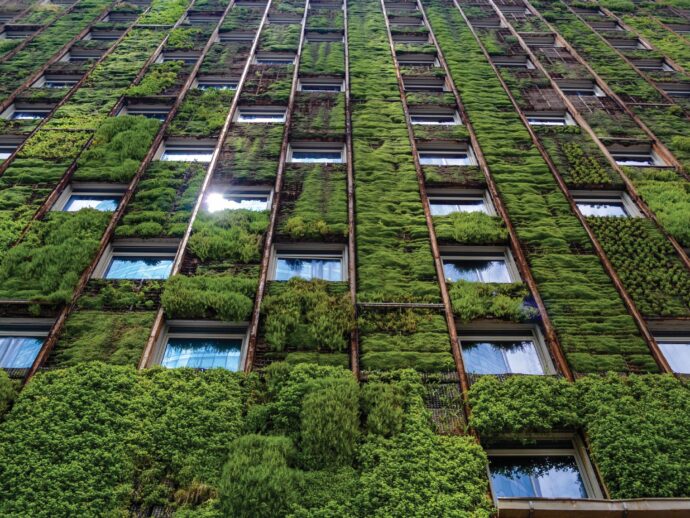
As our cities grow, the importance of green spaces becomes increasingly evident. While skyscrapers and bustling streets are iconic of urban environments, access to natural landscapes and parks is invaluable.
The impact of green spaces on urban environments
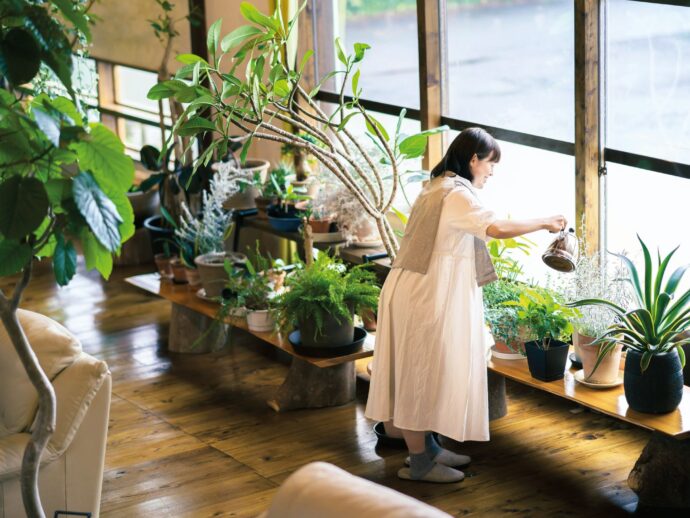
Green spaces can act as natural air filters, absorbing pollutants and releasing oxygen. Therefore, the more green spaces in a community, the better the air quality.
In addition, urban dwellers with access to more green areas experience fewer instances of mental distress and are less likely to suffer from anxiety, depression, and other diseases.
Urban Heat Island effect
The urban heat island (UHI) effect is a phenomenon creating waves for city dwellers in multiple areas. Big cities where natural vegetation has been replaced with dense concentrations of buildings and large amounts of materials such as asphalt, concrete, and pavement result in higher temperatures than surrounding rural areas due to surfaces absorbing and retaining heat from the sun. Nature’s natural cooling systems, such as trees and vegetation, are no longer available to mitigate the heat.
UHIs can lead to heat-related illnesses, higher energy consumption, and increased air pollution (from air conditioning units, for example). Green spaces help to combat this issue by providing shade, evaporative cooling, and natural ventilation.
Start a community garden
Interested in growing a garden, but don’t have a big enough space? Here are some tips on how start your own community garden:
- Gather interested community members and form a garden committee to plan and organize.
- Find a suitable location, such as a vacant lot or a space within a park.
- Seek out grants and funding opportunities to help with the costs of materials and tools.
- Consider partnering with local organizations and businesses for support.
With determination and collaboration, a community garden can be a thriving green space for all to enjoy and reflect the uniqueness of your community.
By Adam Meyer