Tag: habits

  • Climb beyond your limits

    Climb beyond your limits

    Climb beyond your limits

    How to adopt healthy habits, one step at a time

    Habit stacking for health and fitness

    Habit stacking is the process of slowly pairing an established habit with a new one to create transformation over time. For example, if you’re already going for daily walks, why not try adding a five minute guided mediation while doing so?
    A big part of what habit stacking refers to is having discipline. That can manifest in a lot of ways, but whatever a person is doing, having discipline is what ensures it gets done.

    The power of a focused mindset

    Habit stacking requires a lot of work to build, hone, and adhere to routines, but it’s important to recognize that we’re also human. There are days we don’t feel like doing it. In these times, try slogans that motivate you. If you’re looking for an excuse to skip the gym, you might use, “I’m a person who goes to the gym when I don’t feel like going to the gym.” But it’s also important to listen to your body’s needs.
    For anyone who wants to make changes this year but feels overwhelmed or fears failing, try embracing the process. Transforming your life in 2026, whether that means adopting a plant-based diet to improve your heart health or focusing your workouts on improving your metabolic fitness, happens one step at a time.

    Habit stacking for all levels

    Ready to get stacking? Whether you’re a newbie or a habit-changing pro, this guide will help you make positive changes more easily.

    LevelFormulaExample
     beginnerAfter/before [current habit], I will [new habit].After I make tea in the morning, I will journal for 5 minutes.
     intermediateAfter/before [current habit], I will [new habit 1]. After [new habit 1], I will [new habit 2].Before I close my laptop for lunch, I will spend five minutes listening to a guided meditation. After I finish my lunch, I will take a 15-minute walk before I return to work.
     advancedAfter/before [current habit], I will [new habit 1]. After [new habit 1], I will [new habit 2]. After [new habit 2], I will [new habit 3].Repeat another chain of habits in a different part of the day.After I take my vitamins in the morning, I will put on my workout clothes. After I get dressed, I’ll go for a 20-minute run. After my run, I’ll drink a glass of water.After I eat dinner, I will wash my dirty dishes. After the dishes are clean, I will wipe down the kitchen. After the kitchen is clean, I will do 15 minutes of yin yoga.

    by Karli Petrovic

    Article Courtesy of Alive Magazine

  • Habits for healing

    Habits for healing

    Habits for healing

    Supplements and strategies to reach your health goals

    There are certain fundamental steps needed to reach any goals. Most of us know these things, but reminders are sometimes necessary to get back on track.

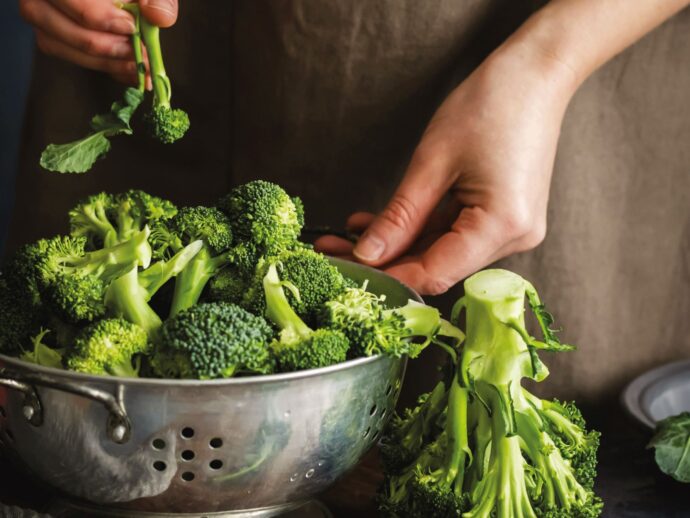
    These essential strategies—eating a healthy diet rich in colorful produce; exercising; getting plenty of sleep; drinking pure water; reducing harmful foods like fast food, fried food, and processed food; and eliminating habits that sabotage efforts, such as smoking and excessive drinking or eating—form the foundation for other health goals.

    Improve brain and mental health

    Nutrition and lifestyle choices play a large role in brain and mental health:

    • Following the Mediterranean diet—rich in fruits, vegetables, olive oil, and whole grains, plus fish, poultry, and eggs—can reduce the risk of cognitive decline and depression.
    • Supplementing with saffron may help protect against memory loss.
    • Drinking green tea may help reduce harmful amyloid-B plaques in the brain, linked to Alzheimer’s disease.
    • Exercising improves memory, so head out for a brisk walk on your lunch break or hit the gym after work.
    • Adding mushrooms to your diet at least twice a week may help reduce cognitive decline.
    • Supplementing with vitamin D3, if deficient, may significantly improve cognitive performance.

    Boost cardiovascular health

    The journey to cardiovascular health also involves healthy diet and lifestyle habits:

    • Engaging in regular activity—moderate to vigorous aerobic activities, with at least 150 minutes per week and muscle-strengthening activities twice a week.
    • Following a Mediterranean diet is linked to a reduction in stroke risk.
    • Drinking two to three cups of green tea may prevent fat buildup in arteries.
    • Sleeping seven to nine hours nightly; insufficient sleep may increase heart disease
    • Managing stress through self-care, connecting with loved ones, practicing yoga or meditation, journaling, or engaging in
    • Eating a diet high in anthocyanins (berries, cherries, and purple cabbage) has been linked to a significant reduction in heart disease risk.
    • Supplementing with omega-3 fatty acids—including wild salmon, mackerel, flaxseeds, and walnuts—may help reduce heart disease risk.

    Live a longer, healthier life

    To extend your life, what you don’t eat is as important as what you do:

    • Engaging in caloric restriction or fasting while maintaining optimal nutrition can effectively extend your life and ward off illness.
    • Maintaining a healthy body weight and reducing excessive abdominal fat through an active lifestyle improves
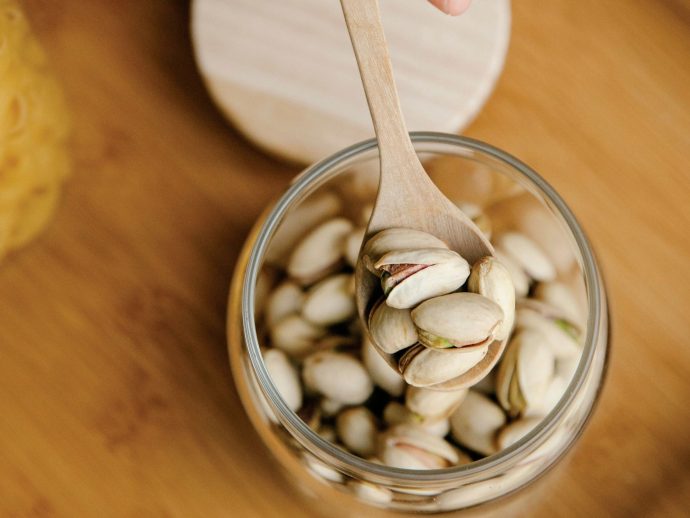
    • Eating at least three servings of nuts per week has been linked to a significant reduction in mortality risk.
    • Supplementing with curcumin has been linked to improved brain, heart, and lung health, and protection against age-related diseases.
    • Drinking green tea regularly has significant links to reduced risk of cognitive decline.
    • Finding purpose in life has been shown to lower inflammation, which can affect lifespan.

    By Michelle Schoffro Cook, PhD, DNM

    Article Courtesy of Alive Magazine