Tag: heart

  • 3 heart-healthy dishes

    3 heart-healthy dishes

    3 heart-healthy dishes

    Meals you’ll love for the month of love

    This assortment of healthy and beautiful dishes covers diverse dietary preferences so that no one is left out—a true display of love. The passion behind these recipes will surely leave you falling head over heels!

    Smoked Salmon Carpaccio

    This beautiful starter speaks to one’s heart. With a solid dose of salmon and a stunning array of little vegetables, it’s a delicious dish for Valentine’s Day.
    Servings: 6

    Ingredients
      

    Silky pea puree
    • 2 cups frozen peas thawed
    • ¼ cup low-sodium vegetable stock
    • 1 tablespoon lemon juice
    • ¼ cup chopped Italian parsley
    • 1 tablespoon chopped fresh chives
    • 1 tablespoon unsalted butter softened
    • teaspoon salt
    • teaspoon ground pepper
    Smoked salmon carpaccio
    • ¼ pound thick asparagus spears about 6
    • 2 small green zucchinis or cucumbers
    • 1 8 ounce package cold-smoked sliced salmon
    • ½ cup frozen peas thawed, for garnish
    • 1 tablespoon capers drained and rinsed, for garnish
    • Fresh dill, lemon zest, and pea tendrils for garnish

    Method
     

    1. In high-speed blender, add pea puree ingredients. Pulse mixture until blended, scraping down sides of blender with a spatula. Continue to blend until a smooth puree is formed. It needs to be thick enough to hold its shape when dolloped or smeared onto serving plates. To ensure silky-smooth finish, press pea puree through a sieve into a bowl. Add more seasonings, to taste, if you wish.
    2. Trim stems of asparagus spears. Using vegetable peeler, shave spears into long strips. Set aside. Shave unpeeled zucchini or cucumbers into long strips.
    3. Artfully arrange 2 or 3 pieces of smoked salmon shaped into rosettes onto each of 8 individual salad serving plates. Intersperse with shavings of asparagus and curls of zucchini or cucumber. Stud plates with a few peas and some capers. Dollop with pea puree and garnish with dill and pea tendrils.

    Notes

    Each serving contains: 98 calories; 9 g protein; 3 g fat (1 g sat. fat); 10 g total carbohydrates (4 g sugar, 4 g fiber); 658 mg sodium

    Middle Eastern Kebabs with Couscous and Roasted Red Pepper Sauce

    A bit of West meets East with buffalo and coconut flavors married with red peppers in this dish. Served over couscous, it’s a world of deliciousness in a single healthy dish.
    Servings: 4

    Ingredients
      

    Kebabs
    • ¼ cup coconut sauce, coconut aminos, or low-sodium tamari sauce
    • 3 tablespoons apple cider vinegar
    • 3 tablespoons olive oil
    • 1 garlic clove peeled, smashed, and minced
    • ¼ teaspoon salt
    • teaspoon cayenne pepper
    • 1 pound sirloin tip water buffalo, bison, or beef cut into 1 inch cubes
    • 1 red onion cut into 1 inch cubes
    • 1 yellow bell pepper seeded and cut into 1 inch pieces
    Pearl couscous
    • 1 tablespoon olive oil
    • 1 cup Israeli (also known as pearl) couscous
    • 1 ½ cups low-sodium vegetable stock
    • ¼ cup chopped Italian parsley
    Roasted red pepper coconut cream sauce
    • 1 12 ounce jar roasted red bell peppers drained
    • ½ cup coconut cream
    • ¼ cup low-sodium vegetable stock
    • 2 tablespoons tomato paste
    • 1 teaspoon maple syrup
    • 1 garlic clove peeled, smashed, and minced
    • ½ teaspoon cinnamon
    • teaspoon salt
    • Generous pinches of ground black pepper, allspice, and nutmeg
    • Toasted coconut flakes for garnish (optional)
    • Baby nasturtium for garnish (optional)

    Method
     

    1.  In bowl, combine coconut sauce, aminos, or tamari, with vinegar, olive oil, garlic, salt, and cayenne. Whisk together to blend. Add cubes of meat and stir in until evenly coated. Cover and refrigerate for 8 hours or overnight. Stir occasionally. The longer it marinates, the more tender the meat becomes.
    2. In medium saucepan, heat oil. Add couscous and stir with wooden spoon over medium heat until it becomes toasty and golden, about 2 minutes. Slowly add vegetable stock to prevent it from sputtering. Turn heat to low. Cover and cook for about 12 to 14 minutes or until couscous is tender and stock is absorbed. Remove from heat and stir in parsley.
    3. To blender, add roasted pepper, coconut cream, vegetable stock, tomato paste, maple syrup, garlic, and seasonings. Whirl until smooth. Transfer to small saucepan and cook over medium heat until bubbly, about 5 minutes. Cover, set aside, and keep warm.
    4. Drain marinade from meat and discard. Bring meat to room temperature before grilling, about 45 minutes. If using bamboo or wooden skewers, soak in water for at least 45 minutes before using. Grease barbecue grill and preheat to 400°F.
    5. Thread drained cubed meat, onion, and yellow pepper among 4 metal or soaked bamboo skewers. Place skewers on grill. Grill covered, for 5 to 7 minutes for medium rare, or 145°F when tested with a meat thermometer. Turn skewers once. Grill a minute or 2 longer for medium 160°F doneness. Remove and cover loosely with a tent of parchment for kebabs to rest for a few minutes.
    6. To serve, add couscous onto plate. Straddle kebabs overtop and spoon warm roasted red pepper sauce overtop. Garnish with toasted flaked coconut and baby nasturtiums, if you wish.

    Notes

    Each serving contains: 576 calories; 43 g protein; 23 g fat (10 g sat. fat); 51 g total carbohydrates (8 g sugar, 6 g fiber); 361 mg sodium

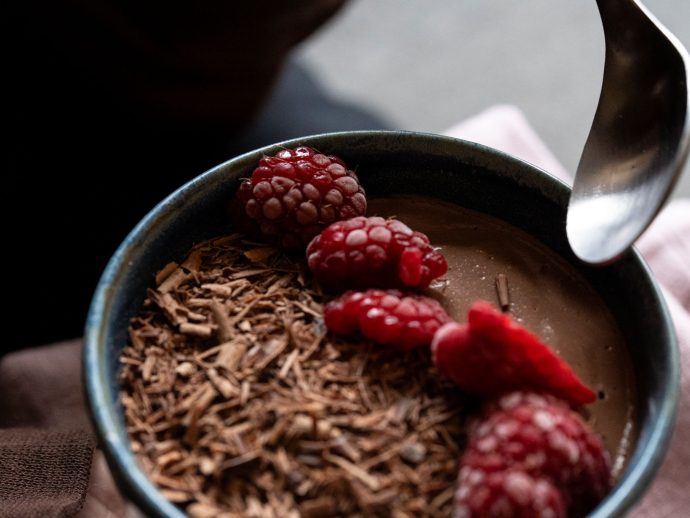
    Mousse au Chocolat

    Mousse—a perfect ending to a delicious meal, yet so much more. Our mousse can stand alone as a decadent treat served anytime of day. It’s made from the creamiest soy in combination with dark chocolate and espresso for an added kick.
    Servings: 6

    Ingredients
      

    • 1 10.5 oz package soft plain tofu brought to room temperature
    • 3 tablespoons maple syrup
    • 1 tablespoon chia seeds
    • 1 teaspoon espresso instant coffee powder
    • ½ teaspoon cinnamon
    • 1 5.5 oz dark chocolate bar, 70% cocoa
    • Flaked salt optional
    • Sweetened plain yogurt, shaved dark chocolate, raspberries for garnish (optional)

    Method
     

    1. Drain tofu and place in high-speed blender or food processor. Add maple syrup, chia seeds, coffee powder, and cinnamon. Blend until smooth. While mixture rests, melt chocolate in saucepan over medium-low heat or in microwave, stirring until smooth and fully melted. Cool slightly.
    2. In blender with creamy tofu, turn motor to low and gradually drizzle in melted chocolate until fully blended and creamy. Spoon or pipe into 6 – 4 oz ramekins. Top each with a pinch of flaked salt if you wish. Place ramekins on tray, cover securely, and slide into refrigerator to chill.
    3. When ready to serve, drop a dollop of sweetened plain yogurt on top with shavings of grated chocolate and a couple of raspberries for garnish, if you wish.

    Notes

    Each serving contains: 158 calories; 6 g protein; 8 g fat (4 g sat. fat); 18 g total carbohydrates (15 g sugar, 2 g fiber); 20 mg sodium

    By Irene McGuinness

    Article Courtesy of Alive Magazine

  • Get to the heart of circulation

    Get to the heart of circulation

    Get to the heart of circulation

    Healthy blood flow, explained

    The circulatory system is a closed loop that starts and ends with the heart. While that sounds simple enough, it’s actually a highly intricate network composed of approximately 60,000 miles of blood vessels.

    The purpose of circulation

    The body’s muscles, tissues, and organs require a continuous replenishment of oxygen, nutrients, and hormones to maintain their physiologic functions. These materials are packaged in the blood and pumped by the heart to the target tissues via blood vessels.

    Once these goods are delivered to the muscles, tissues, and organs, the blood collects waste products, such as carbon dioxide, to be eliminated from the body.

    Anatomy

    Arteries are strong, muscular blood vessels which carry oxygen-rich blood away from the heart (except for the pulmonary arteries, which carry oxygen-poor blood from the heart to the lungs).

    Capillaries  are tiny, thin-walled blood vessels responsible for the delivery of oxygen, nutrients, and hormones to the tissues, as well as the collection of carbon dioxide and waste products.

    Veins are vessels responsible for returning deoxygenated blood to the heart. Veins operate with a system of valves to ensure blood moves in one direction.

    Live circuit

    Imagine the blood vessel network as a tree. A tree’s trunk branches off into a couple large branches, which continue to divide into smaller, more numerous twigs.

    In a similar way, the left side of the heart pumps oxygen-rich blood through the aorta, which then branches off into large arteries going to different places in the body. Arteries divide into smaller arterioles as they get closer to their destination, and then end in tiny capillaries which perfuse the target tissues with blood.

    Capillaries have thin walls, which allows for the delivery of oxygen, nutrients, and hormones from the blood to the tissues, as well as the collection of carbon dioxide and waste products.

    The capillaries also begin the process of returning oxygen-poor blood to the heart. Capillaries merge into venules, which eventually converge to form larger veins. Veins deliver deoxygenated blood to the heart.

    The right side of the heart then pumps this blood to the lungs to release carbon dioxide and reoxygenate the blood via respiration. The pulmonary veins return oxygenated blood to the heart so that the circuit can begin again.

    The heart of the matter

    The heart is the key player in the circulatory system. This hollow, muscular organ is responsible for maintaining strong, rhythmic contractions that pump blood into the arteries and maintain blood pressure.

    A healthy circulatory system depends upon the proper functioning of the heart itself, comprising its electrical conduction, valve system, as well as its own blood perfusion.

    Problems may arise if the heart’s electrical signaling becomes dysregulated (e.g., arrhythmia), its valves become leaky and allow for backward blood flow (e.g., valvular insufficiency), or if the heart muscles are poorly perfused with blood (e.g., coronary artery disease).

    Poor circulation

    Circulation is compromised if there is an obstacle to delivering blood to the tissues. This obstacle might arise anywhere in the circulatory system (e.g., plaque in the coronary artery, embolism in the lungs, valve dysfunction in the veins).

    Although the extremities are commonly affected, poor circulation can present with myriad signs and symptoms all over the body. The symptom presentation depends on the tissues being affected by the lack of oxygen.

    Bear in mind that poor circulation isn’t a disease in itself but a result of an underlying condition. Share your concerns with your healthcare provider so that you receive a thorough assessment and appropriate treatment.

    Symptoms of poor circulation include

    • cold extremities
    • numbness
    • tingling
    • muscular weakness or pain while walking
    • pale or blue skin
    • swelling
    • bulging veins

    Common causes of poor circulation include

    • diabetes
    • obesity
    • smoking
    • hypertension
    • atherosclerosis
    • peripheral artery disease
    • varicose veins
    • Raynaud’s disease
    • deep vein thrombosis

    Circulation-supporting supplements

    • Curcumin
    • Ginger
    • Chinese patent medicines
    • Ginkgo biloba
    • Hawthorn
    • L-arginine

    Always check with your health care practitioner before trying a new supplement, to make sure it’s right for you.

    By Dr. Cassie Irwin, ND

    Article Courtesy of Alive Magazine

  • How external stressors affect your heart

    How external stressors affect your heart

    How external stressors affect your heart

    Don’t miss a beat

    When the topic of cardiovascular health comes up, many people are likely to pinpoint personal habits as the main contributing factor to a well-maintained circulatory system.

    While the importance of self-care can’t be overstated, and the genetic link can’t be denied, environmental factors such as air pollution, pesticide exposure, and microplastics leached into our water systems have only recently been studied for their effects on cardiovascular health.

    As climate change continues to negatively affect our environment, having the necessary knowledge to protect your cardiovascular health grows more imperative.

    Air pollution and heart health

    Air pollution is more likely to have an adverse effect on the cardiovascular health of individuals who already have risk factors for heart disease such as high blood pressure, diabetes, and chronic obstructive pulmonary disease (COPD).

    Agricultural chemicals and heart health

    The chemicals used in agricultural production—for both industrial and home use—have long been a concern when it comes to the health effects of toxic exposure, including for heart health.

    Heavy metals and heart health

    Long-term exposure to heavy metals, including lead, mercury, cadmium, and arsenic have long been associated with harm. Recent studies have exposed a link between heavy metal exposure and metabolic syndrome (which can lead to heart disease, diabetes, or stroke), although research is still evolving.

    Microplastics and heart health

    Plastic is ubiquitous in our world, and their miniscule byproducts—plastic particles less than 5 mm in size—are present in everything from food, water, and air to personal care products and even plants. Microplastics can be ingested, inhaled, or absorbed, and groundbreaking research has recently identified microplastics in the human bloodstream.

    Because microplastics come from a huge variety of different plastic products, they can carry harmful toxins that were used in the creation of the plastic product from which it originated. Bisphenol A (BPA) plastics, for example, are linked to cardiovascular disease, specifically elements such as cobalt, chromium, and barium.

    Quick tips

    There are many ways to cut down your contribution and exposure to environmental pollutants.

    • Choose natural fabrics over synthetics, and use a dryer filter to reduce the release of microplastics when doing laundry.
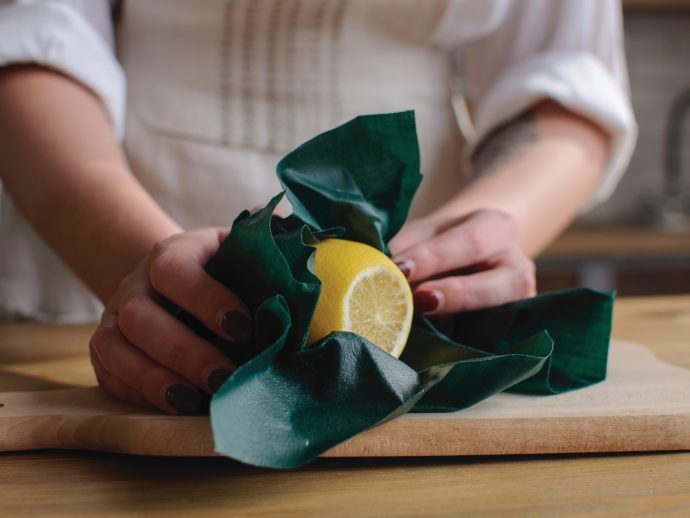
    • Opt for glass food storage containers or reusable wax wraps over plastic.
    • Avoid personal care products that contain microbeads; look for polyethylene and polypropylene in the ingredients list.
    • Fill your home with indoor plants known for their air filtration properties.
    • Support sustainable companies with excellent environmental leadership.
    • Whether you’re concerned about particulates from wildfires or traffic-related pollution, check the Air Quality Health Index website for the air quality in your area. Preventive measures could include face masks, such as surgical masks or N95s, which have been shown to protect against outdoor air pollution, while the use of air purifiers have been shown to be effective against indoor air pollution.

    By Ashley Linkletter

    Article Courtesy of Alive Magazine

  • Heart Health Favorites

    Heart Health Favorites

    February is Heart Health month! It’s a good idea to take care of your ticker, and there’s plenty of easy and tasty ways to do so.

    Oats

    That bowl of oatmeal you had for breakfast might be more powerful than you think. Oats contain beta-glucan, a potent soluble fiber with blood sugar regulating benefits. Oats are also high in Vitamin E, which has long been found to be a protective vitamin for the heart.

    Lentils

    Beans, beans, they’re good for your heart, the more you eat them, well….. you know the rest. There is actually much science behind this popular rhyme. Lentils are an excellent source of soluble fiber, which helps keep your arteries clean, reducing your risk of heart disease and stroke. Lentils are also excellent sources of magnesium and folate – two big promoters of heart health. Magnesium in particular improves blood flow, oxygen and nutrient distribution within your body.


    Dark Chocolate

    Cocoa beans – from which dark chocolate is created – are rich in a class of plant nutrients called flavonoids. Flavonoids help protect the body from environmental toxins and damage. Flavanols are the main type of flavonoids found in cocoa. Research has shown flavanols to promote healthy blood pressure, improve blood flow and manage healthy blood clotting function.

    Garlic

    Garlic possesses a myriad of health benefits, but one of the most significant is its positive effects on heart health. It serves as a preventative agent against many different conditions: hypertension, diabetes, thrombosis, etc. For heart health, garlic consumption helps reverse plaque build up in arteries. Sure, you may need some gum afterwards, but loading up on this powerhouse is SMART!


    Avocado


    Avocados are not only an excellent source of protein and fat, but a heart-healthy superfood. Cholesterol, trans fat and sodium free, avocados are one of the few whole foods that are an excellent source of monounsaturated fat. For this reason, they may help lower your blood cholesterol level when consumed in place of saturated fat.

    Berries

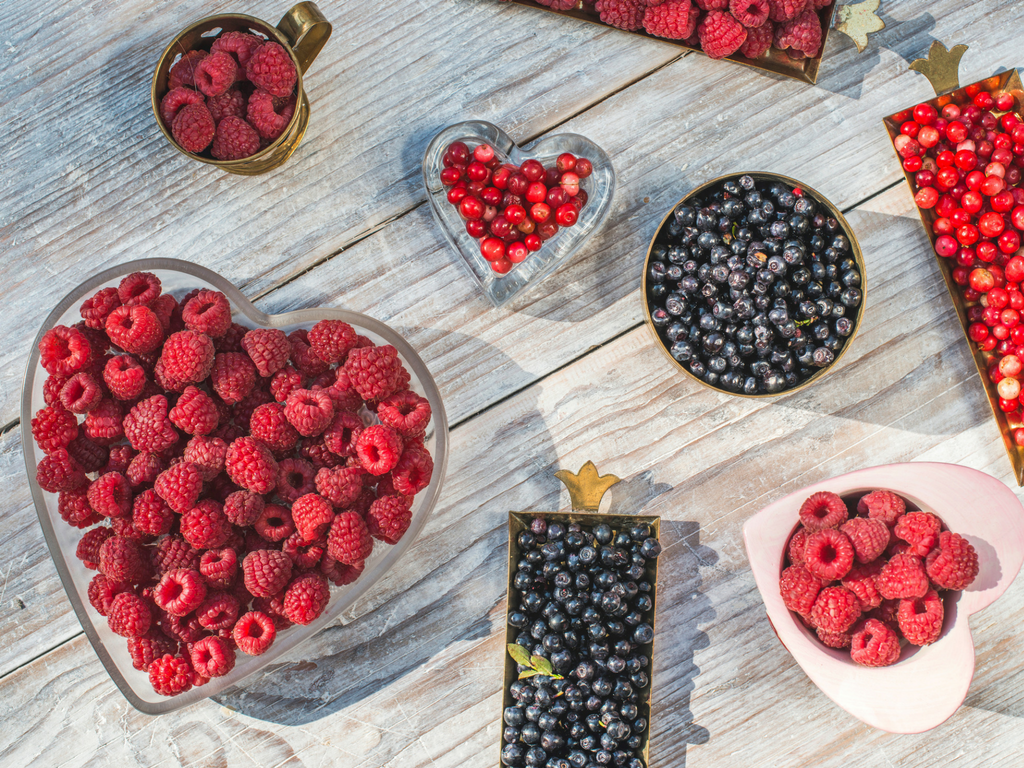
    Blackberries, blueberries, and strawberries are not just delicious snacks or toppings on your favorite cereal, oatmeal or yogurt. They are an excellent source of polyphenols, which are associated with improved heart health. Polyphenols protect cells and body chemicals against damage caused by free radicals.


    Pomegranate

    These beautiful fruits contain juicy seeds that are as nutrient-dense as they are delicious. The juice is a rich source of polyphenols, which double as antioxidants, protecting our cells from damage and lowering inflammation in our bodies. The juice is also believed to protect LDL (bad) cholesterol from damaging our arterial walls.


    Sardines

    These little guys are PACKED with heart-happy fats and nutrients. Sardine are full the omega-3 fatty acids EPA and DHA, which have been found to lower triglycerides and cholesterol levels.

    Flaxseed


    These tiny seeds pack a ton of punch when it comes to heart health. A mere teaspoon of the seeds contains nearly 2 grams of heart-healthy Omega-3 essential fatty acids. Flax seeds are also one of the best sources of plant-based foods for lignan’s, which have strong antioxidant qualities, helping support heart health.