Tag: hydration

  • Exercise and mental health

    Exercise and mental health

    Marrying your movement to your mood

    Life does get in the way

    Exercise and poor mental health are at war with each other: exercise can be an effective treatment for a condition that, by its very nature, dampens your will to move.

    Most exercise programs don’t consider psychological hurdles. Motivation is the nucleus of self-improvement. It is the ocean between should and can. Mass market programs are made to be sold; asking “Is this even possible for you?” is a poor retail tactic.

    The most important point when motivation is at play is just emphasizing that any exercise is better than none.

    A systematic review and meta-analysis of 15 prospective studies of nearly 200,000 people noticed “significant mental health benefits from being physically active, even at levels below the public health recommendations.”

    Quality, not quantity. Never mind 150 minutes—let’s start with five.

    There’s such a thing as too much

    In fact, too much physical activity too quickly can manifest as a form of self-harm, masking important emotions.

    Listen to your body

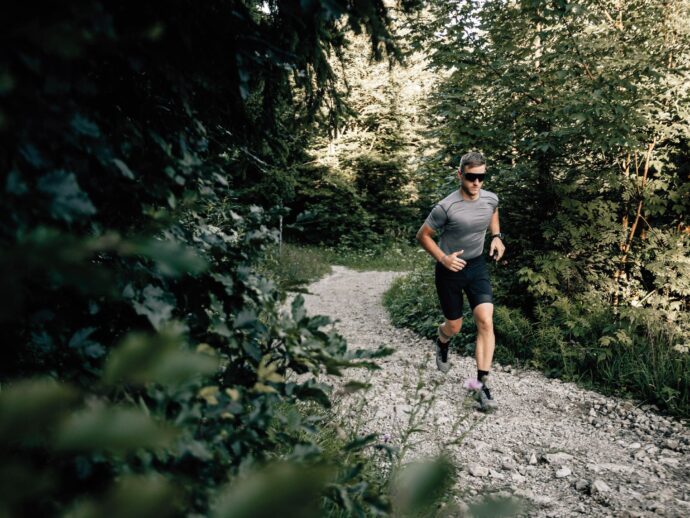
    A structured exercise program can be a catalyst. However, trusting yourself and being in touch with your emotions is paramount. Whatever gets you out the door: do you like to walk, play tennis, hike?

    Antidepressants have the common side effect of weight gain, which can lead to body dysmorphia. While both sexes can feel pressure to conform to a societal norm, men suffer differently.

    Some men are trying to achieve an unrealistic goal, which leaves them in a state of dissatisfaction. While chasing it, they’re still doing things that seem outwardly healthy, like going to the gym. They’re eating food in what seems to be a healthy manner, but perhaps that has led them to use performance-enhancing drugs. It circles back to just being someone who is trying to deal with those demons themselves and not seeking support.

    It’s a beautiful thing to move in your body, be in your body, and just listen.

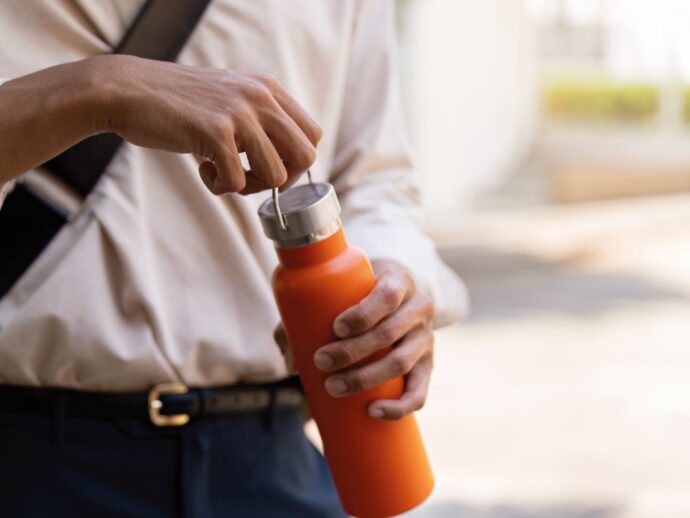
    Sources of hydration for exercise

    watercarbonated water is just as effective
    sports drinksmake your own by adding 1/2 tsp (2 mL) of salt per litre of water, along with some sweetener or fruit.
    coconut watercontains high levels of potassium
    chocolate milkcontains the necessary fat and protein
    green teaimproves the function of the body during exercise

    How to get started

    • Start simple.

    • Do what you enjoy.

    • Set reasonable goals.

    • Try not to think of exercise as a chore.

    • Plan for, and accept, setbacks.

    Article Courtesy of Alive Magazine
  • How to work out in the heat

    How to work out in the heat

    How to work out in the heat

    Hot tips for when temperatures soar

    Summer heat can take a toll on your health and wellness. Stay safe and fit, no matter what the thermometer says, with these hot tips.

    Heatstroke dangers

    “Never ignore heat exposure symptoms,” says Joseph Sudimack, MS, CSCS. “There’s an increased risk of having something mild, such as muscular cramps, or [something more severe like a] life-threatening event [like] heatstroke.

    “Heat-related muscular cramps are characterized by the muscle contracting involuntarily, with dehydration and electrolyte imbalance being the likely culprit,” Sudimack explains. “If your core temperature exceeds 40 C (104 F), you’re at risk of heatstroke.

    Heatstroke symptoms

    • confusion
    • irritability
    • profuse sweating
    • increased heart rate
    • fatigue
    • nausea
    • vomiting

    6 tips to heat-proof your summer workout

    “It’s easy to over-tax your body when temperatures are high,” warns personal trainer Jack Craig. Thankfully, you can build your summer body without succumbing to summer heat.

    1. Start slow

    “Heat acclimation doesn’t happen all at once,” says Sudimack. He recommends slowly increasing the amount of time spent outdoors to help your body adapt to the heat. It can take 10 to 14 days to acclimate.

    2. Dress for the occasion

    “Most guys will take off their shirts to stay cool,” says Craig. “This puts you at risk for dangerous sun exposure.” To combat this, use sunscreen with an SPF of 30 or higher and consider covering up.

    “It seems counterintuitive, but a thin, long-sleeved sun shirt can keep you cooler by providing evaporative cooling, and by keeping the sun off your skin,” Craig suggests.

    3. Shift your schedule

    The sun is at its strongest between 11 am and 3 pm. “Focus on exercising early in the morning or after the sun has set,” advised Sudimack. If those aren’t options, he suggests heading indoors to a gym.

    4. Increase your fluid intake

    “The most obvious tip is hydration,” says certified personal trainer Mark Bohannon. “Weigh yourself before and after exercise to know how much water weight you’ve lost, and then aim to drink a little more than you’ve lost.”

    5. Take extra breaks

    “Stop if you feel faint, have cramps, or if something doesn’t feel right,” warns Bohannon. “It’s not worth pushing through those barriers when it’s so hot. Save the high-intensity exercises for cooler days, and be sensible!”

    6. Cool down

    “Extend the cool-down period,” suggests physical therapist Lalitha McSorley. “A cool-down period allows your heart rate to return to its normal state. Stretching and light cardio can help you cool down.”

    Stay hydrated in the heat

    “Be proactive,” suggests Sudimack. “If you’re thirsty, you’re already dehydrated. Drink water before, during, and after exercise.”

    “If your urine is darker than light yellow, you’re dehydrated,” warns Sudimack.

    Consider adding electrolytes if you sweat a lot or find yourself cramping.

    By Joshua Duvauchelle

    Article Courtesy of Alive Magazine

  • Healthy skin = healthy immune system

    Healthy skin = healthy immune system

    Healthy skin = healthy immune system

    The best offense is a good defense

    As the body’s largest organ, skin’s primary role is to maintain a healthy barrier between you and potential harm from the elements, including sun and rain, bacteria and germs, and stress. But are you protecting this important ally of your immune system?

    Skin: A complex system of protection

    The skin comprises three major divisions or layers, including the epidermis, the dermis, and the hypodermis.

    Epidermis

    This layer of your skin is the part you can see and touch. Despite the fact that it can be about as thin as tissue paper, the epidermis itself contains five sublayers. The uppermost sublayer is the stratum corneum, and it’s the first line of immune defense.

    Dermis

    Skin’s middle layer, or dermis, houses collagen that gives your skin strength as well as elastin that provides flexibility. Nerves located here keep you safe by triggering pain or letting you know, for example, when your hand is too close to the stove.

    Hair follicles are rooted in the dermis, as well as oil and sweat glands. They play critical roles in your immune defense. Oil, for example, may help to seal hair follicles so that unfriendly microbes can’t enter deeper layers of the skin. It also helps repel water. Sweat helps you maintain a healthy body temperature.

    Hypodermis

    The hypodermis (also known as the subcutis or subcutaneous layer) is the deepest skin layer and consists primarily of connective tissue and fatty tissue. This layer allows skin to move smoothly over tissue and muscle and to act as a shock absorber. The hypodermis also insulates your body to protect you from the cold.

    Skin’s microbiome

    Given its extensive surface area, skin provides room and board to millions of bacteria. This adds an extra layer of protection, as these bacteria help prevent colonization and invasion by pathogenic microbes.

    Barrier breakdown

    Despite various skin fortifications, barrier function can be compromised—and it might start with simple water loss. H2O deficiency is associated with skin dysfunction, including atopic dermatitis and skin wrinkling. To keep skin healthy, you want to drink plenty of water and minimize transepidermal water loss or the moisture lost from skin cells through evaporation.

    There are a lot of things working against that goal, such as stress and pollution. Certain topicals can also cause a breakdown in barrier function. Common foaming agents such as sodium lauryl sulphate and sodium laureth sulphate can strip away valuable moisture and cause skin irritation. Alcohols such as isopropyl alcohol, propanol, and benzyl alcohol may also rob your skin of moisture.

    To lock in moisture, look for skincare helpers that mimic the natural lipids found in your skin. Borage, carrot, and evening primrose oil are rich in fatty acids. Try camelina oil, which is high in vitamin E and a rare plant source of omega-3 fats.

    Article courtesy of Alive Magazine

  • Holiday Survival: Self Care

    Holiday Survival: Self Care

    We’ve tackled party recovery, and stress- but now we wrap it up with something REALLY important: SELF CARE.