Tag: immune

  • Fortify your immune system naturally

    Fortify your immune system naturally

    Fortify your immune system naturally

    Simple strategies to fortify your defense system and thrive this cold and flu season

    When fall arrives, the air becomes brisk and fills with the familiar scent of pencils, signaling a new school year. But along with that, harmful germs are also present, ready to strike. Luckily, there are simple ways to support immunity and stay strong against viruses.

    Illnesses to beware of this fall and winter

    Common illnesses include RSV, which causes cold-like symptoms; the flu, with a stuffy nose, sore throat, cough, body aches, and fever; the common cold, with similar symptoms minus aches and fever; and COVID-19, which can cause flu-like symptoms and, in severe cases, shortness of breath.

    Who’s most vulnerable?

    Children, due to their underdeveloped immune systems, are highly susceptible. Vulnerable groups also include those over 65, pregnant women, smokers, and people with chronic illnesses or weakened immune systems.

    What to eat for immune health

    Since the immune system and gut health are linked, focus on gut-supporting foods. Nutrient-dense macronutrients—carbohydrates, proteins, and healthy fats—are essential. Avoid simple carbs, sugars, and processed foods, which can cause blood sugar spikes and stress responses.

    Antioxidants

    Eat a variety of brightly colored fruits and vegetables high in antioxidants—such as berries, leafy greens, carrots, and squash—that offer anti-inflammatory and anti-aging benefits, and help prevent chronic diseases.

    Healthy fats

    Include healthy fats like extra-virgin olive oil, coconut oil, avocado, and nuts to combat inflammation and support cellular health.

    Fermented foods

    Foods with live bacteria—like kefir, sauerkraut, kimchi, and yogurt—provide probiotics that support gut health and the immune system.

    Herbal teas and soups

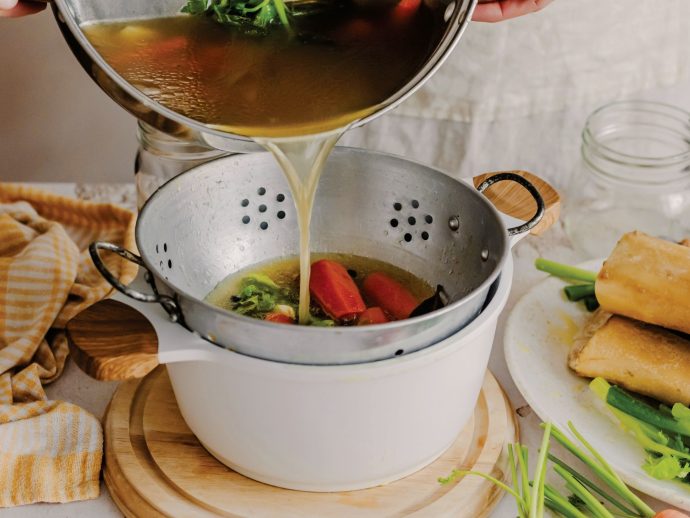
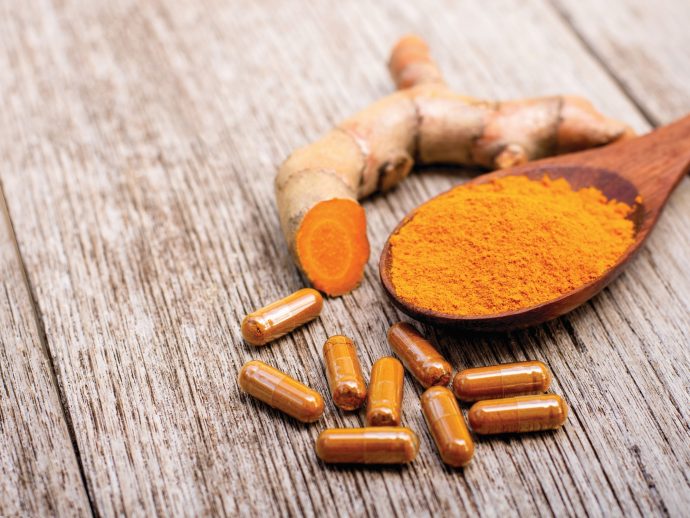
    Herbal teas, soups, and bone broth are nourishing and soothing. Add garlic and warming spices like ginger, cinnamon, and turmeric for their antioxidant and antimicrobial properties.

    Supplements for immune support

    While nutrients from food are ideal, supplements can help fill gaps. They are a convenient way to ensure adequate intake of immune-boosting compounds.

    Echinacea

    Echinacea has antiviral, anti-inflammatory, and antioxidant properties that may help reduce the risk of illness and ease symptoms.

    N-acetylcysteine (NAC)

    Found in onions and garlic, NAC converts in the body to cysteine, supporting glutathione production. It can thin mucus, reduce inflammation, and support immune function.

    Get active to activate immunity

    Exercise increases circulation of immune cells, helping detect and respond to illnesses earlier. It also flushes bacteria from the lungs and airways, with additional benefits like reduced stress and improved overall health.

    Prioritize sleep

    Sleeping less than seven hours increases cold risk. During sleep, the body builds defenses; without enough rest, it lacks antibodies to fight infections. Establishing a bedtime routine, avoiding screens, and limiting caffeine can improve sleep quality.

    De-stress

    Stress weakens white blood cells, making us more vulnerable to infection. Simple practices like yoga or relaxing teas can support mental and physical health.

    By Emilie Richardson-Dupuis

    Article Courtesy of Alive Magazine
  • Support your immune system

    Support your immune system

    Support your immune system

    Sift through the hype and learn the truth

    Since the onset of the COVID-19 pandemic, collective awareness of our immune system has increased. Once an invisible ally, our immunity is now the topic of Tiktok videos, news articles, and endless product recommendations. Sifting through the hype represents a monumental task.

    To boost or not to boost?

    Pandemic-driven Google searches focused on strengthening the immune response, but that may not be the best course for everyone. Indiscriminate immune boosting could be harmful in people with autoimmune disease, creating more damage than support to the body, overall.

    Research literacy 101

    If you’re going to use online resources, avoiding the pitfalls of misinformation can be overwhelming. Dr. Ellen Conte, ND, has a passion for teaching her patients to make informed decisions. “Be wary of statements that sound too good to be true,” she cautions. She guides people toward evidence-based resources like PubMed.gov as well as university and hospital websites.

    Supplements

    Understanding the specific immune influences of individual supplements can help you put reliable research into action. Always ask your health care practitioner if a supplement is right for you—especially if you are immune suppressed or have an autoimmune condition.

    Probiotics

    Beneficial strains of bacteria coat our bodies inside and out, creating a living shield to protect us from infection. Probiotic bacteria, both supplemental and naturally occurring, interact directly with our immune system, influencing its function.

    Elderberry

    Elderberry is an important traditional medicine, long used by the indigenous peoples of North America. Elderberry may boost the immune response by interacting with our dendritic cells—helper cells that spur other cells into action against invaders.

    Garlic

    In addition to banishing certain pointy-toothed figures of folklore, garlic is equally offensive to fungal and bacterial pathogens. Taking aged garlic extract may reduce the intensity and duration of colds while gently enhancing immune function.

    Turmeric

    Similar to probiotics, turmeric can dampen the inflammation that accompanies an immune response.

    Foods

    Include the following nutrients in your diet for ongoing immune benefits.

    Fats

    Avoid low-fat diets unless you have been otherwise instructed. Fat-containing foods help us to absorb key immune nutrients like vitamin A and vitamin D.

    Omega-3 fatty acids

    Polyunsaturated fats found in fish, chia seeds, flax, and omega-3 eggs can reduce inflammation and allow for balanced immune function.

    Mushrooms and seaweed

    These foods contain beta-glucans, soluble fibers that feed our gut flora and gently promote immune activity.

    Protein

    Amino acids such as arginine, glutamine, and tryptophan form the building blocks of cytokines and other immune factors.

    Vitamin C

    This well-known immune support cannot be made in the human body. Eat your fruits and veggies to stock up on this nutrient.

    Other nutrients

    Zinc, from pumpkin seeds; selenium from Brazil nuts; and B vitamins from grains, root veggies, and chickpeas support a wide range of immune functions.

    By Dr. Gillian Flower, ND

    Article Courtesy of Alive Magazine

  • Kick seasonal allergies to the curb

    Kick seasonal allergies to the curb

    Kick seasonal allergies to the curb

    Magnifying the immune response

    Seasonal allergies plague sufferers with aggravating symptoms, which can reduce productivity, incur expenses, and have a negative impact on health-related quality of life. Having seasonal allergies also increases the risk of developing related conditions, such as asthma, chronic sinusitis, and nasal polyps. Those with seasonal allergies may wonder, why me?

    Staying immune

    The immune system is overworked and underpaid. It’s constantly responsible for scanning the body for precancerous cells, sensing and fighting infection, and regulating inflammation. The immune system must also maintain tolerance to the body’s own cells and tissues, as well as to antigens from food and the environment.

    Immune tolerance is the prevention of an immune response against a certain antigen. This is important for maintaining overall balance in the body and preventing autoimmune and allergic reactions. But when it comes to seasonal allergies, tolerance to a normally harmless environmental antigen, such as grass or birch pollen, is lost.

    What’s in a name?

    Also known as hay fever, allergic rhinitis symptoms include nasal congestion, runny nose, frequent sneezing, and itchy nose and eyes. Allergic rhinitis may result from both seasonal and perennial allergies.

    Seasonal allergens are airborne particles from the environment that, in those who are hypersensitive, trigger allergic rhinitis upon inhalation. Symptoms wax and wane with the season. Common seasonal allergens include pollen from grass, trees (including birch), ragweed, and mold.

    Perennial allergens are unrelated to the season and may cause allergic rhinitis in hypersensitive individuals all year long. Common perennial allergen sources include pet dander, house dust mites, and cockroaches.

    Treatment options

    If over-the-counter allergy medications just aren’t cutting it, consider asking for help. Allergists may offer skin prick testing and other forms of assessment. Treatment may include an intranasal, oral, or ocular antihistamine or corticosteroid, or a combination of both.

    Allergen immunotherapy (“allergy shots”) may be indicated for patients with persistent symptoms. This involves administering a small amount of allergen into the skin or under the tongue to stimulate an allergic response, with the goal of building tolerance over time.

    Acupuncturists and naturopaths can also provide individualized treatments for seasonal allergy sufferers.

    Lifestyle strategies

    • Wear a hat, glasses, and nasal filters when outdoors.
    • Shower upon return from work or a walk.
    • Irrigate nasal passageways via neti pot with distilled water and salt.
    • Keep windows closed.
    • Wash curtains, carpets, and bedding regularly.
    • Mop floors regularly.
    • Use HEPA air filters.
    • Eradicate mold.

    Supplements for seasonal allergies

    The following supplements may reduce symptom severity:

    • quercetin
    • green tea
    • propolis
    • bee pollen
    • probiotics
    • vitamin c

    Remember, always check with your health care practitioner before taking a new supplement.

    By Dr. Cassie Irwin, ND

    Article Courtesy of Alive Magazine

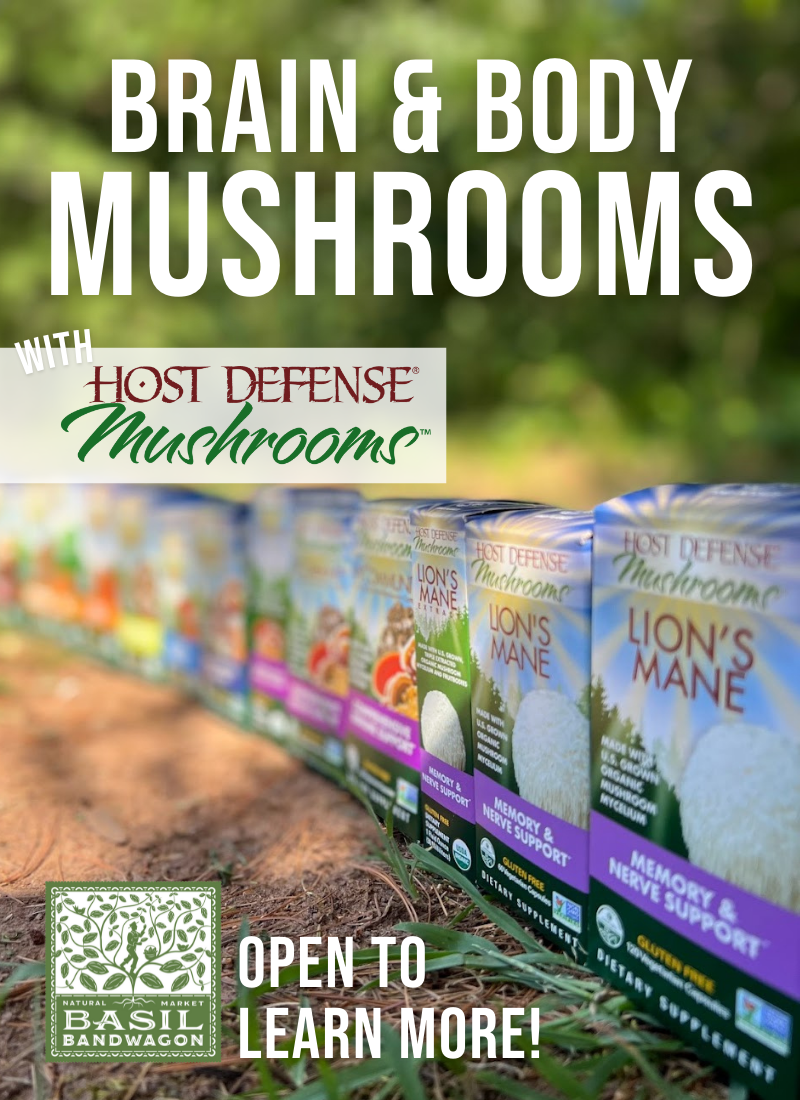
  • Brain & Body Mushrooms with Host Defense

    Brain & Body Mushrooms with Host Defense

    Brain & Body Mushrooms with Host Defense

    Help get your brain and body back in A+ shape for school this year! Have you thought adding mushrooms into your daily routine? With the goal of building a bridge between people and fungi, founder of Host Defense, Paul Stamets, knew exactly how to help! Keep scrolling to find out how their Lion’s Mane and MYCOMMUNITY® products might be exactly what you’re looking for. Let’s be #PoweredByMushroomMycelium!

    Lion’s Mane

    Available in capsules & extract

    Find focus, mental clarity, and calm with help from our Lion’s Mane (Hericium erinaceus) mycelium-based supplements. Known as “the Smart Mushroom”, Lion’s Mane is ideal for anyone seeking cognition, memory, and mood support. And as an added bonus, Lion’s Mane is also well-known for supporting the nervous system.*

    MYCOMMUNITY®

    Available in capsules & extract

    Did you know mushrooms can be synergistic? They accomplish more together than they do alone. Different species offer a different range of system-specific support. When multiple mushroom species are combined, research suggests that there are greater immune benefits and a broader range of system-specific support compared to a single species.* What do you think a blend of 17 mushrooms can do for you?!

    These statements have not been evaluated by the Food & Drug Administration. These products are not intended to diagnose, treat, or cure any disease.

    Resources:

    https://hostdefense.com/collections/multi-mushroom-supplements

    https://hostdefense.com/collections/lions-mane-supplements

    https://www.instagram.com/hostdefense/

  • Switch Up Your Quarantine Meals with Christine Waltermyer!

    Switch Up Your Quarantine Meals with Christine Waltermyer!

    Switch Up Your Quarantine Meals

    with Christine Waltermyer

    Christine Waltermyer is a local Wellness Chef, private chef to celebrities, published cookbook author and founder of the Natural Kitchen Cooking School, which offers an online Plant-Based Cooking Program. She also loves shopping at Basil Bandwagon! Visit naturalkitchenschool.com to get your FREE copy of her cookbook, “7 Days of Deliciousness.”

    During this quarantine, everyone’s starting to feel a little anxious to get outside and get back to our normal everyday routine. Meals are starting to get dull, home-schooling might be overwhelming at times, and you might feel like the house can’t get any cleaner after scrubbing it down since Quarantine Day 1. So why not switch up your meals with Christine Waltermyer?! Her recipes are absolutely delicious and simple to make at home. Her videos are helpful to follow along with too! Check out some of them below!


    Immunity Broth

    Makes about 12 cups

    Ingredients

    2 6-inch pieces of kombu seaweed

    8 ounces fresh shiitake mushrooms

    1 – 2 teaspoons dried astragalus root

    3 cloves garlic

    A few sprigs fresh thyme

    1 onion (red or yellow), chopped into 4 pieces

    1 burdock root, cut into a few pieces

    4 small carrots, chopped in half

    3 stalks celery, chopped in half

    1 bunch parsley

    Fresh ginger (about 3 inches) (optional)

    Sea salt (optional)

    Water to cover everything

    Method

    1. In a large soup pot, place all ingredients. Add enough water to cover everything. Bring to a boil over medium high heat. Lower heat to simmer for one hour, covered. Strain the broth through a strainer. Use in soups, cooking rice or as a warm drink on its own!


    Creamy Carrot Soup

    Serves 6

    Ingredients

    2 parsnips, peeled and chopped

    5 carrots, scrubbed really well and/or peeled

    1 bunch scallions

    20 ounces chopped butternut squash (or 1 medium butternut squash, peeled, deseeded and cut up)

    13.66 ounce can coconut milk

    Vegetable broth to cover the vegetables, or about 5 cups 

    1 teaspoon sea salt

    Equipment: Immersion blender or regular blender

    Method

    1. Place the squash in a soup pot. Chop the parsnips, then the carrots and add both of them to the pot. (Remove any bad spots.) Remove the white bottoms from the scallions. Chop them up and add to the pot. Reserve the green part for garnish. Add the coconut milk to the pot. Then add the vegetable broth, making sure it covers the vegetables. Use more or less to just cover them. 

    2. Place the pot over medium high heat. Bring to a boil, then lower the heat to simmer on low, covered, for 25 minutes or until all vegetables are fork-tender.

    3. Chop the green part of the scallions to use for a soup garnish. 

    4. Add about 1 teaspoon of sea salt to the soup. Blend the cooked soup by using the immersion blender to blend right in the pot. OR, carefully transfer the cooked soup to a blender and carefully blend until smooth.


    Mixed Leafy Greens Stir-Fry

    Serves 6-8

    Ingredients

    1 small head napa cabbage, cut in half length-wise

    1 bunch scallions

    1 leek

    1 baby bok choy

    5 leaves green kale

    1 tablespoon olive oil

    Splash of water

    Sea salt

    Optional Ingredients: Chopped ginger, minced garlic, coconut aminos, crushed red pepper flakes, etc. for added flavor

    Method

    1. Wash all of the vegetables. Pull the kale leaves from the stems and rip up the leaves. If you want to use the stems be sure to chop them up finely. In this recipe I saved them for later use in making soup stock. 

    2. Chop off the end of the baby bok choy, and wash the leaves again under running water. Chop up into bite-sized pieces. For the napa cabbage, remove any outer leaves with bad spots. Remove the core from the bottom. Slice across the width into ½-inch slices, removing any bad spots you see. For the scallions, remove the little roots on the bottoms, then slice on a diagonal, about ½-inch pieces.

    3. To cut the leek, slice in half length-wise. Rinse again under running water. Lay the flat cut side down on the cutting board. Slice into ½-inch size pieces.

    4. Heat a large skillet or deep pan over medium heat. Add the olive oil, then the leeks. Add a little pinch of salt to help them soften. Cook for a few minutes, then add the kale. Cover and cook for another 30 seconds to 1 minute. Add another pinch of salt and a splash of water. Add all remaining ingredients, plus another splash of water if needed. Cover and steam for another few minutes, or just until all of the vegetables are tender but still bright green and not overcooked. Serve as is, or with your favorite dressing or an additional drizzle of olive oil and sea salt.


    Thank you to Christine Waltermyer and the Natural Kitchen Cooking School for working with us to help promote healthy, nutritious meals and products that are affordable, full of nutrients, and simple to make at home!

  • Let’s Talk Flu-Prevention

    Let’s Talk Flu-Prevention

    Maybe you have the flu, or you’re getting the flu- or maybe everyone around you has it. Think you’ve tried everything? Jenna and Carolyn talk about what they turn to amidst all the coughing and fevers popping up all over the place.


    Here’s the products:

    Basil Bandwagon Brand Elderberry

    Gaia Quick Defense

    Urban Moonshine Immune Boom

    Fire Cider (Unsweetened)

    X Clear Nasal spray

    Neti Pot

    Boiron: Oscillococcinum, Cold Calm, Throat Calm

    Zach and Zoe’s Ginger Honey (local!)

    Oranges!

    Yum Earth Vitamin C pops

    Renew Life Ultimate Flora or Basil Bandwagon Brand Suprema Dophilus

    Emergen C

    Four Elements Tea: Minus Sinus