Tag: magnesium

  • Wake up to the reality of sleeping pills

    Wake up to the reality of sleeping pills

    Wake up to the reality of sleeping pills

    Alternatives for safe, natural sleep

    Sleep has long been an underappreciated determinant of health. It’s often the first thing cut from our crammed and overflowing routines. Sleep quantity and quality, however, affect many seemingly divergent areas of health, including hormonal and metabolic health; it’s also an essential prerequisite for normal daily functioning.

    When we don’t get enough

    A sleep disorder may be a wake-up call to address a more serious issue. Chronic sleep deprivation is linked with increased risk of heart disease, obesity, immune dysfunction, hormonal imbalances, and even cancer.

    Health risks of common sleep meds

    An alarmingly large percentage of the population relies on various sleep medications, but may be unaware of potential risks associated with their use, including dependency.

    The most common sleep medications are the older class benzodiazepines such as lorazepam (Ativan), alprazolam (Xanax), and diazepam (Valium), and the newer benzodiazepine-like drugs (“Z-drugs”) zopiclone and zolpidem.

    These drugs are all associated with risk of dependency and need to be used carefully in conjunction with other medications, especially opioids and alcohol, which can result in oversedation and even death.

    Recently, the US Food and Drug Administration (FDA) updated labeling requirements for all benzodiazepines due to “serious risks of abuse, addiction, physical dependence, and withdrawal reactions” which are common problems of benzodiazepine use even when only used regularly for days to weeks, and even at approved doses.

    Acute withdrawal can lead to seizures and even death, so these drugs need to be tapered slowly with medical supervision. Benzodiazepine use is also associated with increased risk of falls and injury in the elderly, as well as increased risk of pneumonia, because sedation leads to altered respiration.

    Natural sleep alternatives

    There are several natural health products with good safety profiles that may be helpful for those suffering from insomnia. Some of these include melatonin, magnesium, and valerian or passionflower.  Patients should consult a licensed health care practitioner for personalized advice regarding the use of natural health products as well as addressing the root cause of your insomnia. Do not stop the use of prescription medications without consulting your medical doctor.

    Melatonin

    One of the best-studied natural agents, melatonin has been shown to improve sleep parameters including sleep latency and total sleep time without significant side effects in several systematic reviews and meta-analyses. Melatonin secretion may be altered among people with altered sleep/wake schedules, such as shift workers and the elderly; melatonin supplementation may help correct this.

    Magnesium

    A relaxing mineral found in the muscles and the nervous system, many people find magnesium supplements helpful for promoting sleep. Magnesium supplementation has been shown to reduce sleep latency and increase total sleep time.

    Valerian and passionflower

    These mild sedative herbs have a long history of use for anxiety and insomnia. Constituents in these herbs bind to GABA receptors in the brain, exerting calming, inhibitory effects.

    By Dr. Heidi Fritz, MA, ND

    Article Courtesy of Alive Magazine

  • What makes people healthy?

    What makes people healthy?

    What makes people healthy?

    Exploring the social determinants of health


    Why are some people healthier than others? Yes, your genes play a big role. But there are other determinants of health that have nothing to do with your genetic makeup. Where you live, how you’re educated, and other societal influences are all important factors in our health. Find out more.


    Two hypothetical kids

    There are significant implications for advantage and disadvantage related to social determinants of health. Look at socioeconomic position, for example: a child born into a higher tax bracket is much more likely to be in a higher tax bracket when they’re older.

    Let’s take a look at the life course trajectories of two hypothetical kids. Joe is born into an affluent neighborhood, while John lives in subsidized housing with his six siblings in a single parent home.

    Joe’s parents are able to afford organic produce, put Joe into private school, and drive him to and from his various sporting activities throughout his childhood. As a result, Joe gets an excellent education that allows him to attend university, secure a job in a top tax bracket, and enjoy an active social life.

    John’s father works double shifts to make ends meet, but the only apartment he can afford has a black mold problem that has given John respiratory issues for years. John’s school is oversubscribed, and he’s falling behind because of sick days. To support the family, John takes a construction job and eventually drops out of high school. Years of manual labor and poor self-care have taken their toll on John, and he lives with chronic pain.

    You can imagine that two very different states of health and well-being are being experienced by Joe and John in later life. These differences may not necessarily be due to differences in the individuals, but in the broader social and economic circumstances in which they find themselves.

    What next?

    To address systemic issues such as the negative impact of social determinants of health, we must look to addressing modifiable aspects of lifestyle at the individual level and systemic inequities at the population level.

    Your DNA is not your destiny

    Although there are many social determinants of health that you can’t control, focus on the ones that you can control, such as diet, exercise, and social connections.

    • Pack yourself a healthy lunch.
    • Go for an evening walk with your partner.
    • Plan a family gathering.

    When you need nutritional help, chat with your health care practitioner. They may recommend certain supplements, such as the following:

    Nutritional helperBenefits
    vitamin Cimmune health, wound healing, bone health, antioxidant protection
    vitamin Dbone health maintenance, decreased risk of cancer mortality, mood stabilization
    vitamin B6red blood cell formation, brain processes and development, immune function, and steroid hormone activity
    vitamin B12brain support, red blood cell genesis support, energy booster
    magnesiummuscle repair, neuromuscular facilitation, blood sugar control
    zincsleep support, digestive support, reproductive organ support

    Article courtesy of Alive Magazine

  • 9 important supplements for women over 40

    9 important supplements for women over 40

    9 important supplements for women over 40

    There’s more than just calcium

    As we age, our bodies can’t absorb some nutrients from food as well as they did years ago. Supplements can be beneficial. That’s why we’ve compiled a list of the nine best supplements for women over 40! Remember to consult your health care practitioner before starting any new vitamin regimen.

    1. Vitamin B12

    Vitamin B12 builds red blood cells and assists in brain function and development. Without it, you may experience low energy levels, memory loss, and nerve damage. It’s estimated that 30 to 50 percent of adults over 50 are B12 deficient.

    2. Omega-3s fatty acids

    Omega-3 fatty acids support your heart, eyesight, and cognitive function. Studies also suggest they may play a role in preventing cancer. Since omega-3s may protect against age-related conditions, like heart disease and macular degeneration, experts recommend higher intakes of omega-3s for older adults.

    3. Calcium

    Nearly all the calcium in your body is stored in your bones. When you don’t eat enough of it, your body taps that bone reservoir to fulfill its physiological needs. This could weaken your bones and lead to osteoporosis. In women, estrogen helps the body absorb calcium. However, as you approach menopause, your estrogen levels dip, which results in poor absorption.

    4. Vitamin B6

    Vitamin B6 supports the body’s nervous and immune system. A deficiency may lead to depression, weakened immunity, and certain skin conditions. As you grow older, your body needs more B6. High levels of B6 have been linked to better memory in aging populations.

    5. Potassium

    Potassium keeps your bones strong and may reduce the risk of stroke and high blood pressure. It also supports your kidneys, muscles, nerves, and heart. Unfortunately, certain medications and health conditions block the absorption of potassium. If you’re over 40 years old, ask your health care practitioner if you’re getting enough of it.

    6. Vitamin D

    Vitamin D reduces inflammation, helps the body absorb calcium, and supports the immune system. When women turn 40 and creep closer to menopause, a lack of vitamin D may result in weakened bones and osteoporosis. Because it isn’t found in many foods, and most people aren’t absorbing enough of it from the sun, vitamin D supplements can be beneficial.

    7. Probiotics

    Good bacteria in your gut keep your immune system in check and aid digestion. If you’re stressed, took a round of antibiotics, or have certain medical conditions, your good gut bacteria could get wiped out. Probiotics help to maintain balance, and as you age, you’ll want to pay close attention to the different strains and their benefits.

    8. Zinc

    Zinc supports your immune system and metabolism. There’s also evidence that it shortens colds, slows the progression of macular degeneration, and reduces diarrhea. Since zinc is known to support the body in many important ways, it’s an important nutrient to focus on as you age.

    9. Magnesium

    Magnesium regulates nerve function and helps keep your blood sugar balanced. As you age, a mild magnesium deficit could result in sleep and cognitive disorders. Maintaining normal magnesium levels through the years may help stave off age-related chronic conditions, like heart disease and diabetes.

    Article courtesy of Alive Magazine

  • Qure Water

    Qure Water

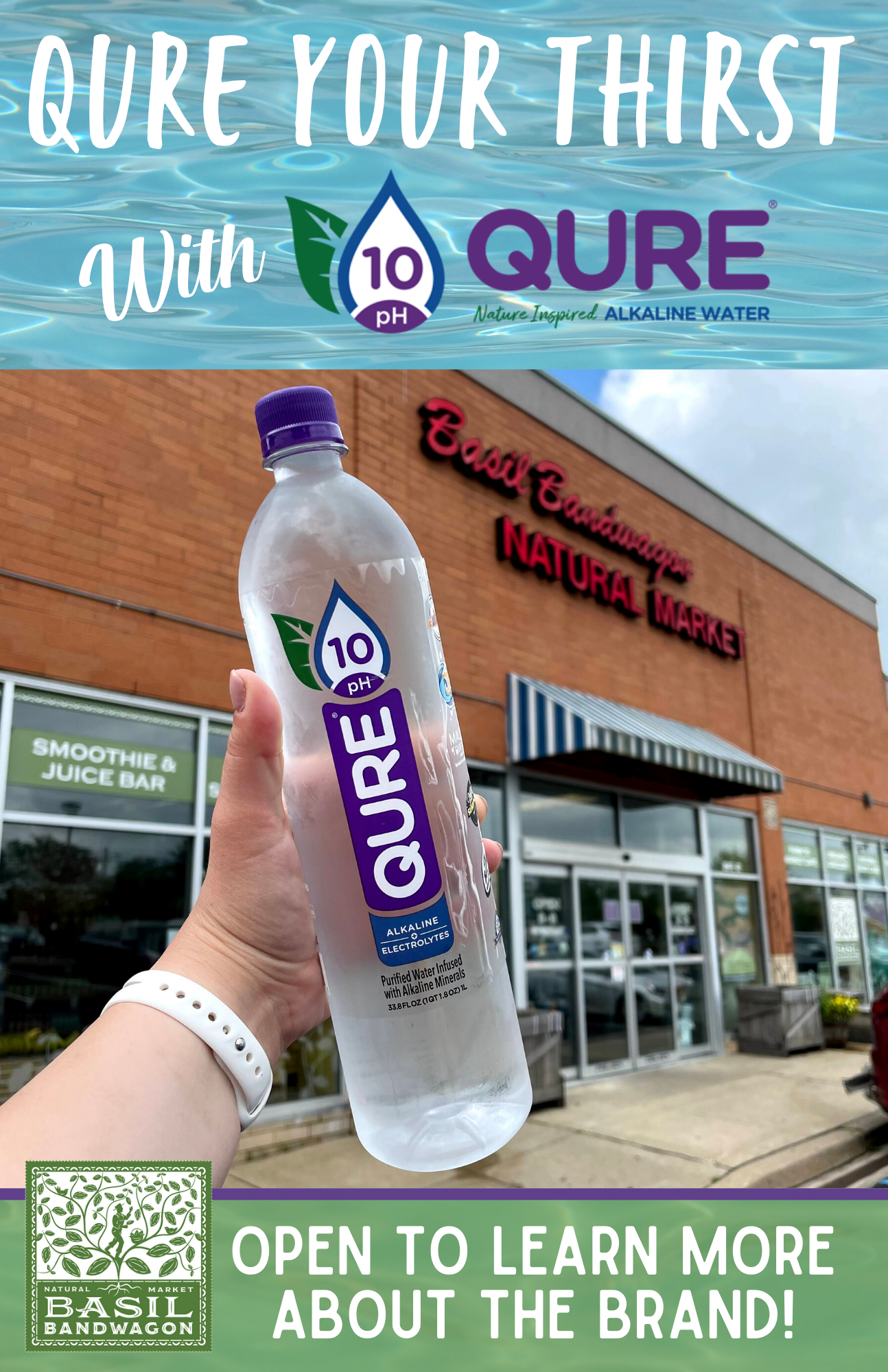
    Qure Water believes that an active lifestyle, proper hydration, and natural nutrition are crucial to good health, happiness, and a balanced life. Thus, Qure set out to achieve an exceptional pH of 10, allowing one to completely hydrate, restore, and re-energize oneself. Qure is the ultimate alkaline water, as the pH of 10 has many health and hydration benefits.

    Qure’s hydration concept is simple: to make a high pH water that is only made with super clean base water and infused with natural ionic alkaline minerals. They decided that the best way to do this would be to research how Mother Nature naturally mineralizes it’s spring water and replicate this process. By creating a big portable clean room with reenacting rain and the pressure, Qure figured out a way to simulate nature in a large box. This Quration process is something that has never been done before in the water industry and thus sets them apart from their competitors.

    Qure constantly strives to provide optimal health benefits, as well as a consistent pure, clean, and refreshing taste.

    Come into any one of our Basil Bandwagon Natural Market locations to Qure Your Thirst – on sale through July 31, 2021. For more information on Qure Alkaline Water, please visit https://qurealkalinewater.com/ .

    Resources:
    https://qurealkalinewater.com/
    https://qurealkalinewater.com/who-we-are/
    https://qurealkalinewater.com/explore-qure/the-science/
    https://qurealkalinewater.com/qure-alkaline/

  • RECAP: New Product Thursday 3/12/2020

    RECAP: New Product Thursday 3/12/2020

    Check out our NEW products this week!

    Ancient Nutrition: Multi Collagen Protein Single Serve Packets, Multi Collagen Capsules, SBO Probiotics (Ultimate & Gut Restore)
    Bjorn Qorn: Spicy
    Bucklebury: Silver Solution & Soothing Silver Lozenges
    The Coconut Cult Ice Cream: Top Secret Vanilla Recipe & Great Balls of Gluten-Free Cookie Dough
    Desert Essence: Activated Charcoal Toothpaste
    Natural Factors: Phosphatidylserine
    Roots: Oil-Free Kalamata Olive Hummus
    Spinster Sisters Co.: Body Butter (Oatmeal Milk & Honey, Lemongrass Sage, and Lavender), Shampoo Bar (Coconut Lime & Rosemary Mint), and Conditioner Bar (Coconut Lime & Rosemary Mint)
    Trace Minerals: Magnesium Gummies, Magnesium Effervescent Tablets, Pure Magnesium Flakes, Magnesium Chewables, & Magnesium Lotion
  • RECAP: NEW PRODUCT WEDNESDAY 8/14/19

    RECAP: NEW PRODUCT WEDNESDAY 8/14/19

    Check out our NEW products this week!

    Amazing Grass Green Superfood Effervescent Tablets: Berry, Lemon-Lime, Lemon Charcoal (Detox), Orange Turmeric (Detox), Watermelon Lime (Hydrate), & Tropical (Energy)
    RW Garcia Organic Yellow Corn Chips
    Biena Baked Chickpea Puffs: Blazin’ Hot, Vegan Ranch, & Aged White Cheddar
    C2O Coconut Water: Berry Blast (sparkling), Citrus Zing (sparkling), Cherry Bang (sparkling), Grapefruit Fizz (sparkling), Lemon Lime, & Matcha
    Emmy’s Coconut Cookie Bites: Mint & Peanut Butter
    Larabar Protein Bars: Apple Cobbler, Chocolate Peanut Butter Cup, Almond Butter Chocolate Brownie, & Lemon Blueberry Muffin
    Natural Factors: Ultimate Heart Health, Magnesium Citrate, Garlic & Reishi, and Greens (smaller container)
    Lifeway Plantiful Probiotic Plant Based Drinks: Tropical Fruit, Plain, & Mixed Berry
  • RECAP: NEW PRODUCT WEDNESDAY 4/24/19

    RECAP: NEW PRODUCT WEDNESDAY 4/24/19

    Check out our NEW products this week!

    Alden’s Ice Cream: So many NEW flavors!
    Conscious Cutlery
    Basil Bandwagon Imported Gorgonzola Cheese
    Hyggelight Growing Candles
    OHI Superfood Bars: Double Chocolate & Coconut Macadamia
    Puremedy: New packaging salves and Deodorants!
    Terry Naturally Saffron Lift
    Stream2Sea Sunscreen: Tinted, Non-Tinted, & Relief Gel
    Sunwarrior Collagen Building Proteins & Magnesium
    The Real Co.: Coconut Sugar and Himalayan Pink Salt
  • Holiday Survival: Self Care

    Holiday Survival: Self Care

    We’ve tackled party recovery, and stress- but now we wrap it up with something REALLY important: SELF CARE.


  • 5 Supplements You (and Everyone Else) Might Benefit From

    5 Supplements You (and Everyone Else) Might Benefit From

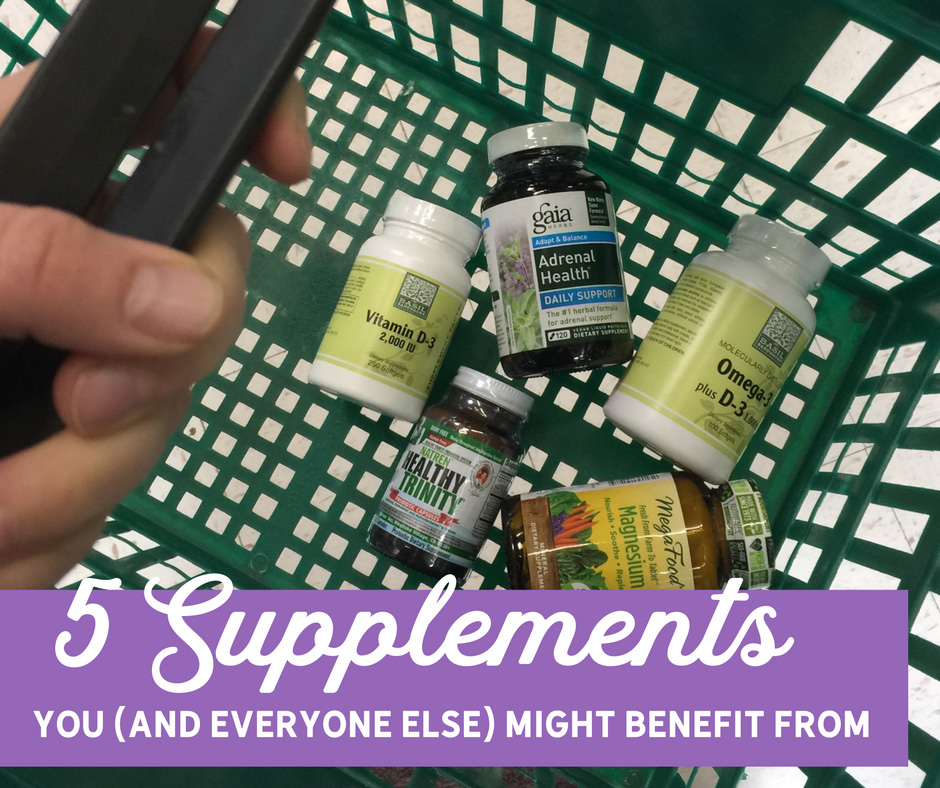
    2017: Whether your goal is more energy, less stress, better digestion, weight loss or improved fitness, this article is for you. If none of these are your goal, this article is also for you! All of us want to optimize our wellbeing – but many of us don’t know where to start. Our modern-day stressful lifestyles and convenience-based food choices leave much room for nutritional deficits and more. Even the most mindful eaters living low stress lifestyles in today’s world can use support from basic supplements, as food choices alone may not be the answer to optimal health. Industrial farming techniques can deprive crops and meats of key nutrients. Here are five supplements you’ll want to consider bringing into your daily routine in 2017:

    Omega-3 Fatty Acids

    We need this good fat to balance out the bad fat that is so heavily consumed in the standard American diet -often referred to as “SAD” for good reason. Deficits of good fat can wreak damage on our cardiovascular systems, immune systems and more. Incorporating a quality omega-3 fatty acid supplement into your routine will help support a healthy immune system, healthy skin/hair/nails, and a healthy digestive system.

    Probiotics:

    More IS more when it comes to good bacteria. Research has shown that antibiotics depletes our digestive systems of good bacteria, which may negatively impact our bodies in many ways. This concept – along with poor dietary choices – leaves our guts lacking in the diverse flora needed to be in optimal health. Probiotic supplementation can help support optimal digestion and a healthy immune system, among many other benefits.

    Vitamin D3:

    Many of us (especially in this region of the world) are deficient in Vitamin D3.  This is due to lack of sun exposure – which is how Vitamin D3 is acquired in our bodies. Many of us spend our days indoors without sun. If we are lucky enough to be outside, the winter sun exposure is mild and our layers of clothing inhibit absorption. Supplementation with Vitamin D3 may help protect us from many chronic neurological, cognitive, and mood conditions, according to recent research. Vitamin D3 can help support healthy immune function, healthy energy levels, and a healthy mood.

    Magnesium:

    You’ve probably heard a lot about magnesium lately- and for good reason. Like the other nutrients mentioned here, magnesium is particularly prone to depletion in our foods due to poor soil conditions within industrial farming. Furthermore, processed food, soft water, and caffeine may reduce your body’s absorption of this critical mineral. Magnesium supplementation may help relieve discomfort associated with headaches and muscle cramping, and supports a positive mood and restfulness.

    Adaptogenic Herbs:

    Busy modern lifestyle often leaves people “wired and tired”. Stress robs us of our positive mood, energy levels, and our ability to fight off illness. Simply put, our bodies were not designed to withstand some of the stressful lifestyles we live today. Adaptogenic herbs may help support a more positive reaction to stress – allowing our bodies to potentially better cope with life’s everyday demands. Adaptogens work on our endocrine and nervous systems and help support a healthy reaction to stress, positive mood and restfulness.