Tag: March

  • Connect with nature this March

    Connect with nature this March

    Connect with nature this March

    Embrace the season and find joy

    Ask anyone what their least favorite month is and chances are March will be high on the list. Depending on what the weather throws at us, it can be more bleak than blossom, our doors still shut though we’re itching to bust them wide open. If winter feels like an annual rite of passage, then March is the final leg of it.

    Connect with nature

    How, then, do we make peace with this month? Regular connection with the natural world is one powerful strategy.

    Registered psychologist Sam Kriviak advises looking to nature as a model for being gentle with ourselves and the seasonal changes we experience in mood, energy, and productivity. “All species ebb and flow with the seasons in northern climates. The more connected we can be to nature, I think, the more we notice that our March will likely look and feel very different from our July or our October … and that’s okay!”

    Participants in a large UK study committed to some form of nature-based activity every day for a month. The result was an increase in nature connectedness, health, happiness, and conservation behaviors that lasted well past the 30 days. Spending time in nature can help foster physical health, and may even help to support our immune systems!

    Here are a few ways to foster connection in nature this season.

    Be attentive

    Simply locating ourselves in relation to Earth’s cycles can help us appreciate this time of year in a new light. Longstanding practices in your region, such as tapping of sugar maples or migratory bird counts, offer clues to the seasonal shifts happening around you.

    Do your own ancestral traditions offer a way to recognize this transitional month? And don’t forget to mark the spring equinox, either contemplatively or through a shared celebration such as a potluck, campfire, or walk with friends.

    Engage in comfort

    Direct contact with nature can be had even from a comfortable place indoors. Whether you’re eating, napping, or getting a little work done, position yourself where sunbeams are entering your home and soak them up.

    Get out there

    Nothing can perk us up quite like getting outside and imbibing the medicine of the natural world through our senses. Perhaps stroll at your kids’ pace, using an app to identify birds by their song or guessing which tree or plant you’re looking at based solely on its bark or dried seed heads.

    Use your head

    Even when the weather truly relegates us to the indoors, nature can work its magic through our imaginations. Children might enjoy drawing what all the underground life is up to this time of year: roots, worms, and microbes still slumbering or beginning to stir and wake.

    Get a jump on spring

    It’s the ideal time to begin many plants indoors, giving them a head start on the growing season. Planting seeds is an inherently optimistic act.

    By Jackie Skrypnek

    Article Courtesy of Alive Magazine

  • Kick seasonal allergies to the curb

    Kick seasonal allergies to the curb

    Kick seasonal allergies to the curb

    Magnifying the immune response

    Seasonal allergies plague sufferers with aggravating symptoms, which can reduce productivity, incur expenses, and have a negative impact on health-related quality of life. Having seasonal allergies also increases the risk of developing related conditions, such as asthma, chronic sinusitis, and nasal polyps. Those with seasonal allergies may wonder, why me?

    Staying immune

    The immune system is overworked and underpaid. It’s constantly responsible for scanning the body for precancerous cells, sensing and fighting infection, and regulating inflammation. The immune system must also maintain tolerance to the body’s own cells and tissues, as well as to antigens from food and the environment.

    Immune tolerance is the prevention of an immune response against a certain antigen. This is important for maintaining overall balance in the body and preventing autoimmune and allergic reactions. But when it comes to seasonal allergies, tolerance to a normally harmless environmental antigen, such as grass or birch pollen, is lost.

    What’s in a name?

    Also known as hay fever, allergic rhinitis symptoms include nasal congestion, runny nose, frequent sneezing, and itchy nose and eyes. Allergic rhinitis may result from both seasonal and perennial allergies.

    Seasonal allergens are airborne particles from the environment that, in those who are hypersensitive, trigger allergic rhinitis upon inhalation. Symptoms wax and wane with the season. Common seasonal allergens include pollen from grass, trees (including birch), ragweed, and mold.

    Perennial allergens are unrelated to the season and may cause allergic rhinitis in hypersensitive individuals all year long. Common perennial allergen sources include pet dander, house dust mites, and cockroaches.

    Treatment options

    If over-the-counter allergy medications just aren’t cutting it, consider asking for help. Allergists may offer skin prick testing and other forms of assessment. Treatment may include an intranasal, oral, or ocular antihistamine or corticosteroid, or a combination of both.

    Allergen immunotherapy (“allergy shots”) may be indicated for patients with persistent symptoms. This involves administering a small amount of allergen into the skin or under the tongue to stimulate an allergic response, with the goal of building tolerance over time.

    Acupuncturists and naturopaths can also provide individualized treatments for seasonal allergy sufferers.

    Lifestyle strategies

    • Wear a hat, glasses, and nasal filters when outdoors.
    • Shower upon return from work or a walk.
    • Irrigate nasal passageways via neti pot with distilled water and salt.
    • Keep windows closed.
    • Wash curtains, carpets, and bedding regularly.
    • Mop floors regularly.
    • Use HEPA air filters.
    • Eradicate mold.

    Supplements for seasonal allergies

    The following supplements may reduce symptom severity:

    • quercetin
    • green tea
    • propolis
    • bee pollen
    • probiotics
    • vitamin c

    Remember, always check with your health care practitioner before taking a new supplement.

    By Dr. Cassie Irwin, ND

    Article Courtesy of Alive Magazine

  • How foods help us detoxify

    How foods help us detoxify

    How foods help us detoxify

    Nutrition for spring cleansing

    Have you ever tried to do a detox or cleanse that left you feeling weak and irritable? You might not have had your nutritional basics in place!

    Without sufficient key nutrients from foods, the body can’t fully recruit its own pathways of metabolic detoxification. When this happens, our detoxification organs—mainly the liver, kidneys, colon, and skin—can’t do their jobs to the best of their ability.

    Compared with doing a three-week crash diet, regularly eating foods rich in nutrients that naturally activate detoxification pathways is far more effective for keeping the body’s toxic burden low and overall well-being high.

    Biotransformation

    More commonly known as metabolic detoxification (or “detox”), biotransformation is the process of converting toxicants from the environment and from the body itself into compounds that can be safely mobilized and excreted from the body.

    A properly functioning detoxification system maintains a proper balance of hormones, metabolizes medications, and processes harmful substances from the environment to ensure overall health and well-being. An accumulation of toxins is associated with obesity, type 2 diabetes, and cardiovascular disease.

    Nutrients for detoxification

    Since our regular food choices affect the activity of detoxification pathways to help with toxin biotransformation, they also affect the body’s sensitivity to toxic substances.

    • New research suggests that diets rich in phytonutrients (nutrients from plant-based foods) may offset toxicity from pollutants and reduce disease risks associated with environmental toxicity. Polyphenols are one type of phytonutrient and are particularly high in berries, cloves, cacao, nuts, and vegetables such as artichokes.
    • Cruciferous vegetables, including broccoli, cauliflower, and Brussels sprouts, have been shown to increase the activity of enzymes used in the detoxification process.
    • Glutathione is the master antioxidant of the liver. Vitamin B6, the minerals selenium and magnesium, and the amino acid cysteine are key building blocks for producing glutathione. For the richest sources of vitamin B6, opt for chickpeas, skipjack tuna, wild salmon, and chicken breast. Pumpkin seeds, almonds, legumes, and leafy greens provide ample magnesium. Cysteine is found in protein-rich animal meats such as pork chops, beef, and chicken breast.

    Sleep for detox support

    The glymphatic system provides the brain and central nervous system with a deep cleaning of metabolic waste. Impaired glymphatic function has been associated with Alzheimer’s disease and Parkinson’s disease.

    Since the glymphatic system is most effective during sleep, consider prioritizing sleep as a key pillar for supporting full-body detoxification. Resist binging on your favorite show and instead cultivate a calming bedtime routine to make sure you clock enough hours.

    Supplements for detox support

    Always ask your health care practitioner before trying a new supplement, to make sure it’s right for you. Likewise, always check with your health care practitioner before embarking on any cleanse or detox program.

    Here are a few supplements that may help support our bodies’ natural detoxification systems.

    • n-acetylcysteine
    • probiotics
    • fiber
    • spirulina
    • milk thistle
    • turmeric
    • ginger
    • whey protein

    By Dr. Cassie Irwin, ND

    Article Courtesy of Alive Magazine

  • Salads, reimagined

    Salads, reimagined

    Salads, reimagined

    Warm salads to bowl you over

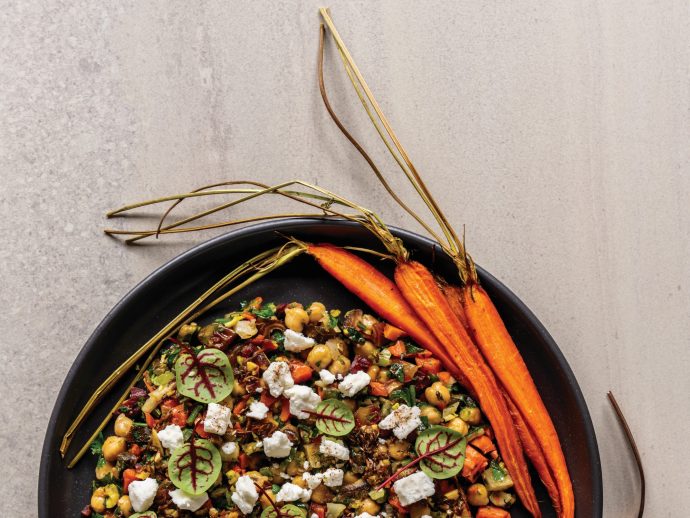
    Like their cool counterparts, warm salads can be packed with the nutrient-dense ingredients you’re trying to eat more of. Pivot to these cozy early spring salads that are, without question, hot stuff. They’re most certainly not your standard bowl o’ greens!

    Bistro Salad with Caramelized Vegetables

    This virtuous salad is reminiscent of what you’d be served at a well-reviewed bistro. For a special finishing touch, garnish egg with a pinch of smoked salt.
    Servings: 1

    Ingredients
      

    • 2 large carrots cut into ½ inch chunks
    • 2 large parsnips cut into ½ inch chunks
    • 3 cups cubed celery root
    • 1 tbsp grapeseed or avocado oil
    • 4 large eggs
    • 3 tbsp olive oil
    • 2 tbsp apple cider vinegar
    • 1 tbsp grainy mustard
    • 1 garlic clove peeled and grated or very finely minced
    • ¼ tsp salt
    • 8 cups frisee and/or tender salad greens torn into bite-sized pieces
    • cup almonds preferably toasted, coarsely chopped

    Method
     

    1. Preheat oven to 425°F and place rimmed baking sheet in oven as it heats.
    2. In large bowl, toss carrots, parsnips, and celery root with grapeseed or avocado oil and season with salt and pepper, if desired. Spread out on hot baking sheet and roast until vegetables are golden and tender, about 30 minutes, stirring once halfway.
    3. Meanwhile, in large saucepan, bring 3 inches of water to a simmer (the point when you see bubbles coming up to the surface, without full rolling bubbles). Into small bowl, crack an egg, then gently ease egg into simmering water. Repeat with remaining eggs, waiting until white of egg in water is opaque before adding the next egg (about 30 seconds apart). Poach until whites are set but yolks are still runny, about 3 minutes. Using slotted spoon, transfer eggs to paper towels as they are done.
    4. In small bowl, whisk together olive oil, cider vinegar, mustard, garlic, and salt.
    5. In large bowl, toss frisee or salad greens and roasted vegetables with dressing. Divide salad among 4 plates and top each with a poached egg. Sprinkle with chopped almonds.

    Chicken Farro Salad with Chunky Blueberry Dressing

    The blueberry dressing is a wonderful counterpoint to the earthy elements of this simple yet satisfying salad. If farro is not available, other grains, including spelt berries, sorghum, or quinoa, can be used.
    Servings: 2

    Ingredients
      

    • 1 cup farro
    • 2 tsp olive oil
    • 1 shallot peeled and chopped
    • 2 garlic cloves peeled and chopped
    • 2 cups fresh or frozen blueberries
    • 2 tsp lemon zest
    • ½ tsp dried thyme
    • ¼ tsp dried red pepper flakes
    • ¼ tsp salt
    • 2 tbsp balsamic vinegar
    • 8 cups baby spinach or mesclun mix
    • 1 large red bell pepper thinly sliced
    • 1 lb cooked chicken sliced
    • ½ cup chopped parsley

    Method
     

    1. In medium-sized saucepan, place farro and 3 cups water. Bring to a boil, reduce heat to low, and simmer, covered, for 30 minutes, or until grains are tender. Drain well.
    2. In small saucepan, heat oil over medium heat. Add shallot and garlic; heat for 30 seconds. Add blueberries, 2 Tbsp water, lemon zest, dried thyme, red pepper flakes, and salt; heat for 3 minutes, or until blueberries have softened and released some of their juices. Stir in balsamic vinegar.
    3. Divide greens, farro, bell pepper, and chicken among 4 serving plates. Top with warm blueberry dressing and scatter parsley overtop.

    Broccoli Confetti Lentil Salad

    Black, pearly lentils serve as a springboard for a highly nutritious salad that seems more sophisticated than its ease of prep would suggest. French green lentils also hold their shape with cooking, so they would be an adequate substitution for black lentils.
    Servings: 4

    Ingredients
      

    • 1 cup black lentils
    • 2 tsp grapeseed or avocado oil
    • 1 cup chopped onion
    • 2 garlic cloves peeled and chopped
    • 1 large head broccoli florets finely chopped
    • Juice of ½ lemon
    • ½ tsp salt
    • ½ tsp dried red pepper flakes
    • 1 cup sliced roasted red pepper
    • ½ cup chopped dill
    • 2 tbsp capers
    • ¼ cup pumpkin seeds

    Method
     

    1. In medium-sized saucepan, place lentils, 4 cups water, and a couple pinches of salt, if desired. Bring to a boil, reduce heat to medium-low, and simmer, covered, until lentils are tender but not mushy, about 20 minutes. Drain well.
    2. In large skillet, heat oil over medium. Add onion and heat until softened and beginning to darken. Stir in garlic and heat for 30 seconds. Add broccoli and heat, stirring a couple of times, for 5 minutes. Pour in 2/3 cup water; cover and heat until broccoli is bright green and liquid has absorbed, about 3 minutes. Stir in lentils, lemon juice, salt, and red pepper flakes; heat for 1 minute. Stir in roasted red pepper, dill, and capers.
    3. Serve topped with pumpkin seeds.

    By Matthew Kadley, MSc, RD

    Article Courtesy of Alive Magazine