Tag: men's health

  • Bridging the gap

    Bridging the gap

    Bridging the gap

    Empowering men to prioritize health

    Stark gender differences exist in seeking both physical and mental health care. Understanding these differences and how professionals can identify those less likely to seek help will aid in developing targeted strategies.

    A 2016 Canadian study published in BMC Family Practice highlighted factors influencing why men are less likely to seek medical help than women. It suggests greater variability in how individuals decide to seek mental health help due to stigma, particularly among men.

    Why it matters

    Prioritizing health is crucial for men, aiding their well-being and positively impacting those around them. When men take care of their health, they can live longer, healthier lives, reducing chronic disease risk and enhancing their quality of life.

    This proactive approach can lead to increased energy, better mental clarity, and positive outlooks, improving interactions with family and friends. Men who prioritize health become role models, inspiring healthier lifestyles within their communities and families, encouraging children to adopt good habits themselves for a healthier next generation.

    Prioritizing men’s health: A call to action

    Men’s reluctance to seek health care, especially for mental health, can have serious consequences. Recognizing the factors deterring men from seeking help is the first step to breaking down barriers.

    Addressing these issues can create a more inclusive health system encouraging men to prioritize their health. However, the challenge lies in turning this knowledge into actionable strategies.

    Physical health

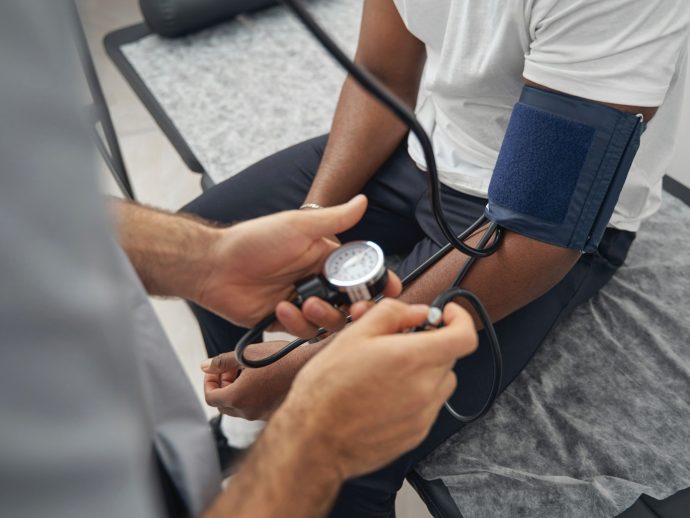
    There is a slightly greater inclination among men to seek help for physical health issues, but improvements are needed. Encouraging regular checkups and educating men about critical health screenings can save lives.

    Mental health

    The gender gap in seeking mental health care highlights the need for a cultural shift. Normalizing conversations about mental health among men and providing resources can help them seek assistance without fear of judgment.

    Regular checkups

    Identifying reluctant men allows for targeted interventions. Health practitioners can reach out, offering information and support to encourage regular health checkups.

    Healthy relationships and work-life balance

    Promoting healthy relationships and balanced lifestyles creates supportive environments, making it easier for men to seek help.

    Improving eating habits and reflecting on unhealthy behaviors

    Educating men on nutrition and the effects of unhealthy behaviors can motivate long-term health changes.

    Supplements and overall health

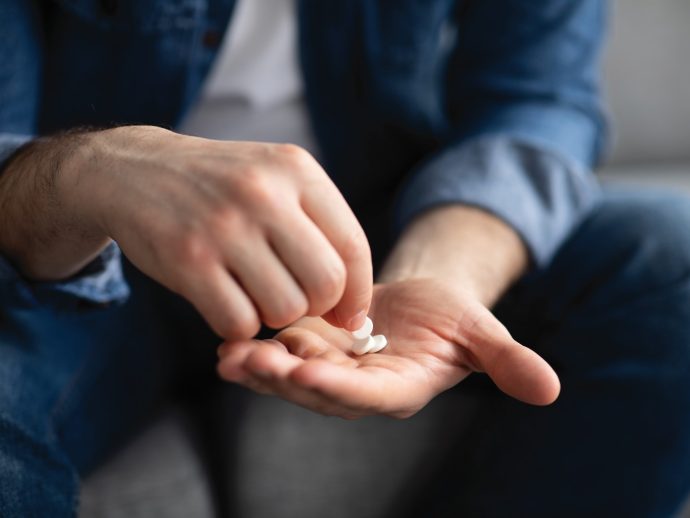
    While supplements can support health, their use should be informed by healthcare advice, complementing healthy choices rather than replacing them.

    Encouragement for the journey ahead

    To advance, we must break down barriers preventing men from seeking care, creating a society where they feel supported in prioritizing their health, benefiting themselves and those around them.

    Change won’t happen overnight, but with targeted policies, supportive communities, and shifting societal attitudes, we can close the gap in health care seeking between genders. Let’s champion a healthier future for all men, making health care access inclusive and a priority for everyone.

    By Theodore D. Cosco, PhD (Cantab) Cpsychol

    Article Courtesy of Alive Magazine

  • Bros need bros

    Bros need bros

    Bros need bros

    In-person relationships affect men’s mental and physical health

    When you were younger, you likely had more friends than you knew what to do with. Through school, sports, and clubs, you connected with people who shared your interests. It was easy—just show up.

    As life became more complex with careers, partners, kids, and more, you probably found yourself with just one or two close friends and rarely see them in person. Does it matter? Your mental and physical health may depend on those friendships.

    Benefits with friends

    Social connection serves as a buffer against stress, depression, and other mental health issues, correlating with a greater likelihood of seeking help.

    Thirty years ago, 55 percent of men had at least six close friends, but today, only about 27 percent report having that many, with 15 percent having no close friendships.

    When men do have friends, how do they “hang”?

    The American Journal of Men’s Health identifies three distinct patterns:

    1. Relationships with men are often “instrumental,” centered on shared activities, while those with women involve more personal sharing.
    2. Men typically find it challenging to confide in other men, often attributing emotional expression to femininity, which is often seen as undesirable in male groups.
    3. Many men take pride in being “independent” and reject the need for social support, preferring to handle difficulties alone.

    Social connection and health

    Strong social connections can insulate against loneliness, anxiety, and depression. They can also help maintain a healthy BMI, improve blood sugar control, and enhance cancer-fighting odds.

    Tim Geromini, nutrition and strength coach, states, “If you spend time with people who are physically active, you’re more likely to be fit. Social connectedness with the right people will positively impact your mental wellness and physical health.”

    Partner power

    If this resonates with someone you know, consider your role in empowering your partner. The “independent guy” might not ask for help even when he needs it.

    With connection benefiting health, consider this your green light. Here are a few tips from Geromini:

    Offer gentle encouragement

    Approach the topic with empathy and encourage open conversations about their social concerns.

    Lead by example

    Demonstrate the positive impact of social connections by actively engaging in your own social life, inspiring your partner to follow suit.

    Identify shared interests

    Participate in social activities together, like local classes or events you both enjoy.

    Support networking

    Accompany your partner to social or networking events, offering emotional support and encouragement.

    Act as a resource

    Help find resources and communities relevant to your partner’s interests, such as local groups and online communities.

    Encourage gradual exposure

    Promote small steps in building connections through casual gatherings or small group outings.

    Express unconditional support

    Maintain a nonjudgmental approach and assure your partner of your support.

    By Brendan Rofe, BA, DipA

    Article Courtesy of Alive Magazine

  • Men’s health roadmap

    Men’s health roadmap

    Men’s health roadmap

    Navigate lifelong wellness

    Being happier and healthier for longer requires a proactive approach to men’s health and well-being. Although there is no “fountain of youth,” there are steps that can be taken for men to navigate the life course in the most positive trajectory possible.

    An ounce of prevention

    Preventive medicine is becoming an increasingly important feature of the health care system. In contrast to traditional approaches in which severe symptoms present and the disorder is treated, if one can take steps to mitigate the risk of a disorder presenting in the first place (or to catch it early), everybody wins.

    At an individual level, the person avoids becoming ill and avoids personal and professional costs associated with that illness. At a population level, the health care system avoids unnecessary burden and the general well-being of the population may be increased.

    Even if one takes every preventive measure possible, there will likely be instances in which one may become ill. Being in tune with your body and recognizing when things have changed is an important way to be able to catch and treat things early.

    If something doesn’t feel right or something has changed, particularly if it’s having a negative impact on your ability to do your job or is affecting personal relationships, reach out to a physical or mental health professional.

    A pound of implementation

    Recommendations for living a long and healthy life are straightforward, but the implementation of those principles is less so. Eating a healthy and balanced diet, taking exercise, avoiding smoking, and drinking in moderation are things that most of us will have heard are good for one’s health.

    Fewer of us have an easy time integrating this advice into our lives. Many people get bogged down in having the “perfect diet” or the “perfect exercise regimen.” It’s unclear what exactly these “perfect” protocols are.

    What is clear is that doing something is better than doing nothing and that often the best diet and exercise program is the one to which you’ll actually adhere. As well, incrementally improving over time is an excellent way to continue to reap the benefits of diet and exercise.

    By taking a proactive approach to health at any age, men can stack the odds in their favor that they’ll enjoy a long and fulfilling life.

    Check up frequently and often

    As men grow older, their risk of developing a number of age-related disorders increases, so it’s critically important to ensure that any changes in your health are being monitored and that issues are being addressed as they arise. If you feel unwell, see a medical professional. If you haven’t had a regular checkup for a while, make it a priority to schedule one.

    By Theodore D. Cosco, PhD (Cantab) CPsychol

    Article Courtesy of Alive Magazine

  • Reach out – don’t “man up”

    Reach out – don’t “man up”

    Reach out – don’t “man up”

    Why stress is different for men

    Men are no less immune than women from the effects of stress. But it’s the manifestations of that stress and how men deal with them that often differs dramatically. Here are some effective ways for men to manage that stress.

    What are the consequences of chronic stress?

    A certain amount of short-term stress can be a good thing: it boosts alertness and primes the brain for enhanced performance. Chronic stress, on the other hand, can lead to an increased risk of type 2 diabetes, high blood pressure, heart disease, depression, and anxiety, among other conditions. In men, high stress can also contribute to erectile dysfunction.

    What are the expectations for men versus women?

    Society places different, if outdated, expectations on men and women as to how they should deal with stressful situations. Men commonly feel that not revealing emotion is a show of strength. “A lot of times guys will revert to this or think it’s taboo,” says professor and research chair John Oliffe. Traditional expectations of “manning up” can affect men’s abilities to deal with stress in meaningful ways.

    Often, the way things unfold can be summed up by what Oliffe refers to as the “three I’s.”

    1. Injury (a major life transition such as a breakup or job loss), with men feeling as though they should be able to push through it until it goes away
    2. Interiority, with men looking internally to deal with a major stressor rather than reaching out to others, possibly turning to substance use to blunt their emotions
    3. Isolation—social isolation, Oliffe notes, is the biggest predictor of male suicide: “If you’ve got an injury and look internally—you’re not dealing with it and you’re isolating to conceal the injury—there’s a great amount of shame in not being able to solve problems or even in just having problems.”

    What can men do to effectively deal with stress?

    Exercise

    Physical activity boosts the body’s production of endorphins, or feel-good neurotransmitters; it improves mood, focus, productivity, and sleep.

    Reach out

    Reaching out to a partner, friends, or other trusted people in your life is another way to manage stress. “Think about it as mutual help: a lot of times if you have a conversation with another guy, they’ll have things that affirm you in your experience. There’s a reciprocity there. We do better with people around us, especially good people.”

    Consider professional help

    Accessing professional help can go a long way in handling stress, and more men are accessing such services, Oliffe says. Speaking with someone who’s outside of their personal situation can help men debrief with a view to seeing things from another point of view, ultimately giving them back some control.

    Supplements for stress

    Remember, always check with your health care practitioner before trying a new supplement to make sure it’s right for you.

    • B-complex vitamins
    • L-theanine
    • Lemon balm
    • Magnesium
    • Ashwagandha

    By Joanne Peters

    Article Courtesy of Alive Magazine

  • How to Protect Your Prostate

    How to Protect Your Prostate

    How to Protect Your Prostate

    Time to talk about a below-the-belt issue

    Given a choice in a cheeky men’s health survey recently, 72 percent of men said they’d rather clean the toilet than go to the doctor. Most cited embarrassment or discomfort as reasons—especially when it came to “below-the-belt” issues.

    So … let’s talk—about something you can’t see—and likely don’t even think about, unless, of course, it’s acting up. We’re talking prostate.

    What is it?

    Your prostate is a gland, roughly the shape and size of a walnut that is part of the male reproductive system. It’s located between the bladder and urethra and in front of the rectum. Your prostate’s main function is to make fluid, containing various enzymes, zinc, and citric acid, that makes up one third of semen.

    Benign prostatic hyperplasia (BPH)

    With age, testosterone levels decrease, stimulating prostate growth. By age 40, the prostate gland begins to enlarge as benign tissue cells multiply, which may lead to a narrowing of the urethra and subsequent bladder problems, one of the chief symptoms of BPH. These symptoms can include waking often to urinate, an unusual smell or color to the urine, or pain while urinating.

    BPH is not linked to, and doesn’t increase risk of getting, prostate cancer—but BPH symptoms can be similar to those of prostate cancer, so don’t ignore them.

    Prostatitis

    Most often affecting younger men, prostatitis is an inflammation, or swelling, of the prostate that may be caused by bacteria. Prostatitis may cause symptoms involving urinating and bladder control—going to the bathroom frequently or trouble urinating. Having prostatitis doesn’t increase your risk of developing prostate cancer.

    Prostate cancer

    Prostate cancer usually grows slowly and can often be completely removed or managed successfully when diagnosed. It is detected by digital rectal examination (DRE) or prostate-specific antigen (PSA) testing.

    How to prevent it

    Unlike genetics, we may be able to control some of the environmental causes of prostate cancer.

    • quit smoking; it may play a role in aggressive types of prostate cancer
    • adopt a plant-based diet; vegan diets may reduce prostate cancer risks and increase your odds of surviving it
    • limit alcohol consumption
    • limit saturated fat, red meat, and dairy if you have other risk factors
    • embrace soy (tofu, tempeh, etc.) and cooked (also canned) tomatoes to reduce risk
    • get walking—outdoors!
    • be mindful and take up meditation
    • get enough quality sleep

    Prostate protective supplements

    Studies have shown that these supplements may benefit prostate health or symptoms of prostate problems.

    • green tea catechins (EGCG)
    • lycopene
    • pomegranate
    • pygeum
    • resveratrol
    • saw palmetto
    • selenium
    • turmeric
    • vitamin D
    • vitamin E

    Don’t procrastinate, men! If you suspect you may have a problem “below the belt,” take charge of your health and visit your health care practitioner.

    Article Provided by Alive Magazine