Tag: mental health

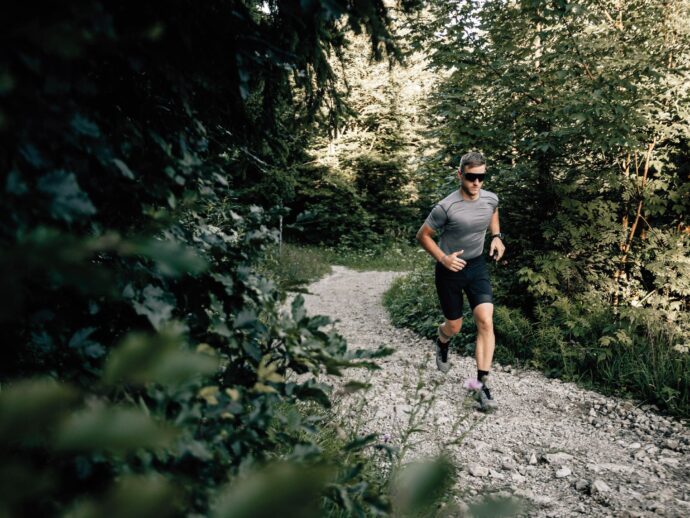
  • Exercise and mental health

    Exercise and mental health

    Marrying your movement to your mood

    Life does get in the way

    Exercise and poor mental health are at war with each other: exercise can be an effective treatment for a condition that, by its very nature, dampens your will to move.

    Most exercise programs don’t consider psychological hurdles. Motivation is the nucleus of self-improvement. It is the ocean between should and can. Mass market programs are made to be sold; asking “Is this even possible for you?” is a poor retail tactic.

    The most important point when motivation is at play is just emphasizing that any exercise is better than none.

    A systematic review and meta-analysis of 15 prospective studies of nearly 200,000 people noticed “significant mental health benefits from being physically active, even at levels below the public health recommendations.”

    Quality, not quantity. Never mind 150 minutes—let’s start with five.

    There’s such a thing as too much

    In fact, too much physical activity too quickly can manifest as a form of self-harm, masking important emotions.

    Listen to your body

    A structured exercise program can be a catalyst. However, trusting yourself and being in touch with your emotions is paramount. Whatever gets you out the door: do you like to walk, play tennis, hike?

    Antidepressants have the common side effect of weight gain, which can lead to body dysmorphia. While both sexes can feel pressure to conform to a societal norm, men suffer differently.

    Some men are trying to achieve an unrealistic goal, which leaves them in a state of dissatisfaction. While chasing it, they’re still doing things that seem outwardly healthy, like going to the gym. They’re eating food in what seems to be a healthy manner, but perhaps that has led them to use performance-enhancing drugs. It circles back to just being someone who is trying to deal with those demons themselves and not seeking support.

    It’s a beautiful thing to move in your body, be in your body, and just listen.

    Sources of hydration for exercise

    watercarbonated water is just as effective
    sports drinksmake your own by adding 1/2 tsp (2 mL) of salt per litre of water, along with some sweetener or fruit.
    coconut watercontains high levels of potassium
    chocolate milkcontains the necessary fat and protein
    green teaimproves the function of the body during exercise

    How to get started

    • Start simple.

    • Do what you enjoy.

    • Set reasonable goals.

    • Try not to think of exercise as a chore.

    • Plan for, and accept, setbacks.

    Article Courtesy of Alive Magazine
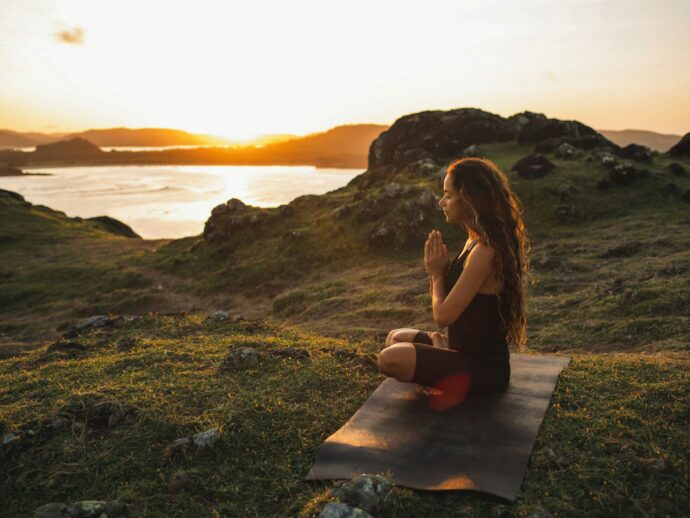
  • Meditation, mindfulness, and mental health

    Meditation, mindfulness, and mental health

    Combatting the loneliness epidemic

    What if you could be even 1 or 2 percent happier?

    Meditation, even for a few minutes at a time, can be hugely beneficial.

    You are not alone in being lonely

    The extent of mental illness has disproportionately increased post-COVID. The pandemic forced people who were already experiencing stress into isolation, and loneliness is a breeding ground for anxiety.

    Loneliness has become the biggest epidemic that the world is facing. We spend more time on the internet scouring the news, which is negative. It makes us feel even more lonely because we fear that nobody cares for us—which is unfounded— and that loneliness just pervades.

    Mindfulness, one type of meditation, can be an elixir. It’s interesting to understand why it is necessary and why it works.

    Pay attention to what you pay attention to

    The brain wants to put as much as possible into the unconscious, which helps you to get through life quickly. But that knowledge base is marked by emotions.

    This accumulation of unacknowledged emotions can be manifested as forms of stress. This is where mindfulness can be helpful as a method of recognizing and slowing that process.

    Mindfulness is the deliberate, intentional focus in a nonjudgmental way. By being aware of how crucial your attention is, you can understand that <where> you put your attention has an impact on who you are and—more importantly—who you’re going to be.

    This is the first step toward a meditation practice. Without self-awareness you’re a cork in the ocean. By paying attention deliberately, and being aware of more positive things, you’re creating a future for yourself that’s going to be more positive, and one you’re more connected with.

    Breathe through it

    calm and control your breathing is a powerful tool. We can use the breath to control our anxiety and our mood.

    Try the pranayama breathing technique or joining a yoga practice at a local community centre—readily available and inexpensive—since this also combats loneliness.

    The admonishments to “keep in shape” and “stay healthy” are associated almost solely with our bodies from the neck down. But the benefits of being mindful, and learning to calm and relax our thoughts, are incontrovertible.

    Therapists use the “thought train” analogy: you are a passenger on a train; the passing landscape represents your thoughts. Allowing the thoughts to simply pass by, without judgment, is the essence of mindfulness, and the seed of meditation.

    What self-care really means

    Research has consistently shown that mindfulness improves brain volume, increases the grey matter, lessens the chances of dementia, and reduces depressive symptoms and anxiety. There are cardiovascular benefits: reducing chances of stroke and heart attacks, and immune function increases.

    By Kenny Bodanis

    Article Courtesy of Alive Magazine
  • Finding balance at the autumnal equinox

    Finding balance at the autumnal equinox

    Finding balance at the autumnal equinox

    A time to get grounded and prepare for the colder, darker season ahead

    September 22 marks the autumnal equinox and the start of fall. It is one of two times a year when daylight and night are equal. In nature, plants and animals use this time to balance and store energy for the longer nights and colder weather ahead. Trees, for example, shed their leaves and focus on their roots—something we can emulate. It’s a good time to slow down, look inward, and let go of what no longer serves us.

    Start with the harvest

    During fall, it’s beneficial to focus on seasonal foods that support health and energy. Root vegetables and orange squashes are especially important, providing grounding and warming qualities for the body. These foods are rich in antioxidants like beta carotene and vitamin A, essential for healthy skin, bones, and organs. Traditional autumnal foods such as cranberries, salmon, and wild game also support immune health with their mineral and protein content.

    Support your immune system

    Supporting the immune system during fall is crucial to prevent seasonal colds and flu. Nutrients like beta carotene, vitamins C and D, zinc, probiotics, and protein are vital. Maintaining gut health is especially important, as the digestive tract is a key part of immune defense. Probiotics can help keep gut flora balanced, strengthening the body’s ability to fend off illness.

    The season of sleep

    Autumn’s cooler temperatures and shorter days can improve sleep quality, which benefits overall health, mood, and immunity. Less daylight leads to increased melatonin production, the hormone responsible for regulating sleep cycles. Tart cherries are a natural source of melatonin, and early research suggests that drinking tart cherry juice may promote better, longer sleep. Additionally, it’s ideal to have three hours between eating and sleeping to optimize both sleep and metabolic health.

    Self-care tips for autumnal mental health

    This season also offers an opportunity to nurture mental health. Engaging in simple self-care practices—such as reading, taking baths, or walking in nature—can help ground and center you. Autumn’s energy encourages grounding, centering, and nurturing oneself, which can be especially helpful during this reflective time of year.

    By: Stephanie MacDonald

    Article Courtesy of Alive Magazine

  • Bros need bros

    Bros need bros

    Bros need bros

    In-person relationships affect men’s mental and physical health

    When you were younger, you likely had more friends than you knew what to do with. Through school, sports, and clubs, you connected with people who shared your interests. It was easy—just show up.

    As life became more complex with careers, partners, kids, and more, you probably found yourself with just one or two close friends and rarely see them in person. Does it matter? Your mental and physical health may depend on those friendships.

    Benefits with friends

    Social connection serves as a buffer against stress, depression, and other mental health issues, correlating with a greater likelihood of seeking help.

    Thirty years ago, 55 percent of men had at least six close friends, but today, only about 27 percent report having that many, with 15 percent having no close friendships.

    When men do have friends, how do they “hang”?

    The American Journal of Men’s Health identifies three distinct patterns:

    1. Relationships with men are often “instrumental,” centered on shared activities, while those with women involve more personal sharing.
    2. Men typically find it challenging to confide in other men, often attributing emotional expression to femininity, which is often seen as undesirable in male groups.
    3. Many men take pride in being “independent” and reject the need for social support, preferring to handle difficulties alone.

    Social connection and health

    Strong social connections can insulate against loneliness, anxiety, and depression. They can also help maintain a healthy BMI, improve blood sugar control, and enhance cancer-fighting odds.

    Tim Geromini, nutrition and strength coach, states, “If you spend time with people who are physically active, you’re more likely to be fit. Social connectedness with the right people will positively impact your mental wellness and physical health.”

    Partner power

    If this resonates with someone you know, consider your role in empowering your partner. The “independent guy” might not ask for help even when he needs it.

    With connection benefiting health, consider this your green light. Here are a few tips from Geromini:

    Offer gentle encouragement

    Approach the topic with empathy and encourage open conversations about their social concerns.

    Lead by example

    Demonstrate the positive impact of social connections by actively engaging in your own social life, inspiring your partner to follow suit.

    Identify shared interests

    Participate in social activities together, like local classes or events you both enjoy.

    Support networking

    Accompany your partner to social or networking events, offering emotional support and encouragement.

    Act as a resource

    Help find resources and communities relevant to your partner’s interests, such as local groups and online communities.

    Encourage gradual exposure

    Promote small steps in building connections through casual gatherings or small group outings.

    Express unconditional support

    Maintain a nonjudgmental approach and assure your partner of your support.

    By Brendan Rofe, BA, DipA

    Article Courtesy of Alive Magazine

  • Habits for healing

    Habits for healing

    Habits for healing

    Supplements and strategies to reach your health goals

    There are certain fundamental steps needed to reach any goals. Most of us know these things, but reminders are sometimes necessary to get back on track.

    These essential strategies—eating a healthy diet rich in colorful produce; exercising; getting plenty of sleep; drinking pure water; reducing harmful foods like fast food, fried food, and processed food; and eliminating habits that sabotage efforts, such as smoking and excessive drinking or eating—form the foundation for other health goals.

    Improve brain and mental health

    Nutrition and lifestyle choices play a large role in brain and mental health:

    • Following the Mediterranean diet—rich in fruits, vegetables, olive oil, and whole grains, plus fish, poultry, and eggs—can reduce the risk of cognitive decline and depression.
    • Supplementing with saffron may help protect against memory loss.
    • Drinking green tea may help reduce harmful amyloid-B plaques in the brain, linked to Alzheimer’s disease.
    • Exercising improves memory, so head out for a brisk walk on your lunch break or hit the gym after work.
    • Adding mushrooms to your diet at least twice a week may help reduce cognitive decline.
    • Supplementing with vitamin D3, if deficient, may significantly improve cognitive performance.

    Boost cardiovascular health

    The journey to cardiovascular health also involves healthy diet and lifestyle habits:

    • Engaging in regular activity—moderate to vigorous aerobic activities, with at least 150 minutes per week and muscle-strengthening activities twice a week.
    • Following a Mediterranean diet is linked to a reduction in stroke risk.
    • Drinking two to three cups of green tea may prevent fat buildup in arteries.
    • Sleeping seven to nine hours nightly; insufficient sleep may increase heart disease
    • Managing stress through self-care, connecting with loved ones, practicing yoga or meditation, journaling, or engaging in
    • Eating a diet high in anthocyanins (berries, cherries, and purple cabbage) has been linked to a significant reduction in heart disease risk.
    • Supplementing with omega-3 fatty acids—including wild salmon, mackerel, flaxseeds, and walnuts—may help reduce heart disease risk.

    Live a longer, healthier life

    To extend your life, what you don’t eat is as important as what you do:

    • Engaging in caloric restriction or fasting while maintaining optimal nutrition can effectively extend your life and ward off illness.
    • Maintaining a healthy body weight and reducing excessive abdominal fat through an active lifestyle improves
    • Eating at least three servings of nuts per week has been linked to a significant reduction in mortality risk.
    • Supplementing with curcumin has been linked to improved brain, heart, and lung health, and protection against age-related diseases.
    • Drinking green tea regularly has significant links to reduced risk of cognitive decline.
    • Finding purpose in life has been shown to lower inflammation, which can affect lifespan.

    By Michelle Schoffro Cook, PhD, DNM

    Article Courtesy of Alive Magazine

  • The renaissance of rest

    The renaissance of rest

    The renaissance of rest

    How to slow down

    When is the last time you truly rested? As the year draws to a close and a new one is set to begin, let’s recommit to rest.

    According to registered clinical counselor Laura Henderson, rest refers to the act of giving our bodies and minds a break from constant stimuli. “Our society’s ‘hustle culture’ doesn’t value rest,” Henderson explains, “but rest is essential to mental health.”

    Regular rest is thought to help us

    • heal our bodies
    • reduce stress and feel calmer
    • be more productive and more creative

    Types of rest

    According to author, physician, and researcher Dr. Saundra Dalton-Smith, people need seven types of rest to help recover from spending energy in seven key ways.

    Type of restExample
    physical resteither passive, such as sleeping, or active, such as massage therapy
    mental resttaking small breaks in your workday
    sensory resttaking breaks from screen time
    creative restexperiencing art or nature
    emotional restincludes everything from setting boundaries to expressing your emotions
    social restfocusing on relationships that lift you up
    spiritual restfinding belonging and purpose in your life

    Taking some time to contemplate each of these types of rest can help us uncover gaps and come up with an action plan. To start, it could be as simple as taking 10 minutes to savor a cup of tea every morning without any screens or distractions or committing to a daily after-dinner neighborhood stroll.

    Another example is to adopt the “walk, window, water” tactic at work, explains Henderson. That means taking a strategic break every hour or 90 minutes in which you get up and walk to a window, gaze far into the distance (preferably at something in nature, such as a tree), and have a sip of water. This can give our busy minds a moment to calm down.

    Your own personal recipe for rest

    It’s important to remember that our need for rest is highly individual. To find truly restful activities for you, Henderson suggests checking in with your body and how you’re feeling as you go through your day. For example, you might find baking meditative … or you might find it stressful.

    Our need for rest is also prone to change throughout our lives. If you’re a parent of young children, you may find that you crave some time alone or with your partner to recharge and reflect away from your kids. If you’re an introvert with a high-pressure career, you may find that you need extra rest after networking events.

    Proactive rest in the workplace

    Many progressive workplaces are embracing “proactive rest” to help increase productivity, reduce the risk of burnout, boost creativity and problem-solving skills, and improve employees’ quality of life.

    Within a workplace setting, proactive rest can look like the following.

    • encouraging active breaks throughout the day
    • advocating for work-life balance
    • enabling flexible working arrangements
    • providing resources for self-care and stress reduction
    • offering wellness programs

    By Leah Payne

    Article Courtesy of Alive Magazine

  • Come home – to yourself!

    Come home – to yourself!

    Come home – to yourself!

    Find ease this holiday season

    Most cultures and religions have significant days or periods in the calendar year; in this part of the world, several converge in the late December/early January period. Winter solstice, Hanukkah, Christmas, Kwanzaa, and New Year’s are some of them.

    This is potentially challenging, given the possibility for competing demands, conflicting expectations, financial stresses, and social/personal circumstances. Fortunately, there are tools, reframes, and resources that can help us to navigate this season intact and whole rather than frazzled and depleted! Here are some that can help.

    1. Know yourself

    Recognize what this season is like for you. In nature, the winter season is generally associated with quiet reflection, rest, and renewal. It can be a stretch for some of us to shift from this into social celebration mode.

    Identify ways to support yourself in any situations or environments that are typically difficult. This can include deciding in advance how long you’ll stay somewhere, or how you’ll handle tricky relationships as effectively as possible.

    2. Get your priorities straight

    Many people experience competing demands during the holiday season. Other people may be more solitary, whether by choice or happenstance. Regardless, it’s helpful to identify what matters most and what matters least, even if you keep these lists to yourself.

    One approach is to distinguish between what you believe you should do and what you actually want to do. Both of these are at play, and neglecting one can leave us off-kilter. For example, ignoring what you prefer to do can leave you resentful or unfulfilled; however, sometimes that’s a cost you may be willing to pay in order to maintain a family tradition. This can help you decide how you’ll spend your time, energy, and resources; it’s like installing a personal compass.

    3. Set boundaries

    Even if you’re clear about how you prefer to approach the holiday season, you’re not alone. Everyone has their own preferences. This is where boundaries become so vital. The challenge is to see how your preferences can fit with someone else’s, ideally so that no one is disregarded, disrespected, or ignored.

    Your body will give you clues as to how well you’re accomplishing this process: if you’re tired or short-tempered, something may not be working well; if you’re relaxed, present, and energized, this is probably working for you.

    4. Try a stress buster

    Identify what helps you be centered, rested, and clear-headed. These are some things that may help:

    • meditation
    • nature walks
    • napping
    • listening to music
    • hot bath
    • sipping fragrant tea
    • yoga or tai chi
    • journaling

    5. Lean into the potential

    The holiday season is a time of potential. So many people and faiths focus on this season for the opportunity to honor, celebrate, reflect, commune, pray, play, and center. Look for ways to keep yourself well, now and always.

    By Carole Ames

    Article Courtesy of Alive Magazine

  • Humor is healthy!

    Humor is healthy!

    Humor is healthy!

    Lighten your load with laughter

    It’s easy to get serious in our lives, given all that is unfolding in the world. The good news? There is mounting evidence that a good sense of humor, including laughing out loud, is good for us.

    A good sense of humor

    Laughter is a physical (and thus visible) expression of a sense of humor—an involuntary physical behavior, usually including both movement and sound, in response to some inner or outer stimulus. Laughter can be defensive, or connective; the ability to distinguish the difference is part of a developed sense of humor.

    We often feel different, and usually better, when laughing. This is in part because real physical changes are occurring; laughing has been shown to

    • reduce stress
    • relieve tension
    • activate our organs

    We literally feel better! And this can lead to longer lasting and often subtler benefits such as

    • strengthened immune system
    • pain relief
    • positive mood
    • sense of well-being

    It’s been shown that when we’re laughing with others, this shared experience enables us to feel empathy with each other; we tend to feel closer, warmer, and more connected. And for folks who’ve been experiencing depression or anxiety, laughter is an excellent addition to their mental health prescription: it can shift activity in the neurotransmitters serotonin and dopamine, potentially supporting mood regulation and activating pleasure centers.

    Embrace your inner clown

    Psychiatrist Dr. Mark Etkin observes that “the positive impacts of laughter on brain neurochemistry is well known these days.” However, he adds that “too many people confuse seriousness with professionalism and put a lid on their sense of humor.”

    Drawing on his psychoanalytic training, Etkin suggests that “higher-level defence mechanisms, humor for example, serve to reduce anxiety in a given situation … acknowledging, shifting, and transforming it in a way that brings pleasure and comfort to those present.”

    We’re in this together

    Laughter most often occurs in the company of others—it’s rarely a solo activity! This is evident in a movie theater screening a comedic film. Laughter can ripple through the crowd, and that sound of laughter tends to give us permission to laugh too.

    In these moments we can achieve the “humor trifecta” when (1) the physiological impacts of laughter commence, (2) our emotional/psychological state shifts and our mood lifts, and (3) our social experience shifts as we experience connection in shared humor with others.

    These are the moments when humor’s transformational potential is realized—in a flash, our bodies, minds, and hearts shift as we let go and open up.

    Get laughing with these tips

    • Watch a comedy, with a friend.
    • Dance in your living room.
    • Notice children laughing.
    • Play games.
    • Throw caution to the wind and laugh out loud.
    • Imagine your tragedies as comedies.

    By Carole Ames

    Article Courtesy of Alive Magazine

  • From winter blahs to winter bliss

    From winter blahs to winter bliss

    From winter blahs to winter bliss

    Change your mindset to enjoy winter

    Winter is upon us in the Northern Hemisphere. How do you feel about it? If you view the winter as a dark period to get through—by commiserating with colleagues over the weather conditions you endured to get to the office or dreaming of your summer vacation plans—perhaps it’s time to change your mindset. By reframing how you think about winter, you might just find that your experience of the colder months changes entirely.

    Think like a Norwegian

    Researcher Kari Leibowitz discovered something interesting while living in Tromsø, Norway, a city that approaches the Arctic Circle and from mid-November to mid-January does not see the sun.

    Rather than dreading the onset of winter, Norwegian friends around her seemed to be excited about it—they looked forward to the opportunities to spend time outside in the snow or cuddle up at home under a blanket practicing koselig, the Norwegian version of the infamous Danish hygge.

     Leibowitz found that these positive “winter mindsets” become more pronounced the further north in Norway one lived. They allowed Norwegians to enjoy, rather than endure, the winter.

    By taking their lead and changing her own thought patterns, Leibowitz found that her winter experience was radically altered. The blue light, rather than being dark, became “cozy.” Rather than fearing time outside, she embraced friends’ invitations to walk or ski to outdoor meetups.

    Change your mindset

    Science supports the mental and physical benefits of this kind of mindset change. In an article about her research, Leibowitz talks about how the work of her mentor, Alia Crum, whose work focuses on subjective mindsets.

    Leibowitz hypothesized that positive, growth-oriented mindsets played a role in the relatively low rates of seasonal depression in Tromsø, despite the long, dark winters. One study done by Crum showed how people who have a positive mindset toward stress—seeing it as productive rather than debilitating—were able to maintain healthier levels of cortisol.

    Warm up to winter

    Even if a growth mindset isn’t your natural orientation, we can all work to change the ways we think, starting with our feelings toward the winter. First, think of some things you might appreciate about the season, without even realizing it.

    For example, if you’re a social butterfly during the summer months, perhaps you’re looking forward to having an excuse to stay home alone curled up with a good book. If light bothers you in the morning, maybe the onset of darker days means you’ll be getting better sleep.

    Otherwise, try thinking of ways to embrace the season for what it is. Cold and snowy outside? Hit the slopes or go snowshoeing! Bright and bracing? Try meeting a friend for a brisk morning walk.

    Practicing mindfulness can also help you to enjoy the season. Indulge in a guided meditation or pay extra attention to the softer lights around you. You’ll be feeling the winter bliss in no time.

    By Isabela Vera

    Article Courtesy of Alive Magazine

  • 4 Tips for Cultivating Mental Resilience

    4 Tips for Cultivating Mental Resilience


    4 Tips for Cultivating Mental Resilience

    Top tools for forgiveness and self-care


    Over the last few years, we’ve been severely challenged as a global society. While living through fear and uncertainty, we comforted each other with acts of kindness, and then kept plodding on toward the proverbial light at the end of the tunnel.

    Redefining mental well-being

    The simplest definition of mental well-being? Our ability to cope well with whatever life throws at us, to appreciate our own potential under challenging circumstances, to work productively, and to contribute to our communities.

    It sounds straightforward enough, as far as definitions go. When it comes to real life, though, we might find ourselves having to bypass some textbook definitions or at least having to constantly readjust them so they fit our needs and coping mechanisms.

    Resilience is an important concept

    In the engineering world, resilience is defined as the ability to absorb energy and resist shock and impact.

    When it comes to us humans, though, resilience is as complex as we are. It means being able to care for ourselves so we can also care for others, remembering to focus not just on the stressful events unfolding but on what comes afterward. It also means being flexible and willing to learn, grow, and adapt.

    Here are four strategies to help us become more resilient:

    1. Eat well to boost mental immunity

    Whole foods are loaded with nutrients, including antioxidants, minerals, and fiber, that arm our gut with microbiota important for improving overall health, including mental health, through a connector known as the gut-brain axis. Certain probiotic strains also produce compounds that, through this connector, influence our mental state, reducing stress and anxiety and improving our mood.

    2. Get moving for better resilience

    Being physically active will help boost your mood almost immediately, but when done regularly, it protects you from long-term stress and reduces your risk of cognitive decline down the road. Anything works. Go for a walk (exercising outdoors plus sunshine equals increased resilience), turn up the music and dance, or do a yoga session at home.

    3. Practice compassion as a stepping stone to resilience

    When people are faced with stressful situations, there is fear of course, but there is also the urge to help others. When we act with kindness and compassion toward our fellow humans, we increase our own mental resilience.

    Regardless of how we get there, cultivating positive values and beliefs can improve our adaptability and strength as we go through life, allowing our resilience to grow as we traverse through challenges.

    4. Adopt the new “F” word: Forgiveness

    You may have heard it said that forgiveness does more for those who give it than for those who receive it. It’s true. Forgiveness increases self-esteem, emotional stability, and resilience. When we forgive and let go of resentment, we make it easier for ourselves to recover from stress and trauma.


    Article courtesy of Alive Magazine, By Daniela Ginta, MSc, NNCP