
Tag: microbiome

  • Bug Love

    Bug Love

    Bug Love

    Biome to the rescue

    These days, we’re learning that a healthy gut microbiome, one that is richer in helpful bacteria and lower in unamiable ones, is a harbinger of good health: research has shown that it improves digestive, heart, and brain health. When it comes to what we eat, the microbiome lends an assist in digesting, processing, and excreting for better overall nutritional status. In other words, consider the microbiome as an important component of detoxifying our bodies for lasting health.

    Here are some ways that the most beneficial microbes that reside in our intestines can be best supported.

    Go plant crazy

    As part of the American Gut Project, University of California San Diego School of Medicine researchers discovered that people who ate more than 30 different types of plant-based foods per week had a greater diversity of beneficial gut microbiota than those who ate 10 or fewer types of plant foods.

    Work up a sweat

    A recent study review in Medicine and Science in Sports and Exercise found enough evidence to suggest that regular bouts of exercise are associated with a positive shift in gut microbial composition (higher levels of bugs that produce the beneficial compound butyrate).

    Go easy on meat

    Some research suggests that a meat-heavy diet, especially at the expense of plant-based foods, can shuffle around the types of microbes thriving in the gut to favour less beneficial types.

    Shop for inulin

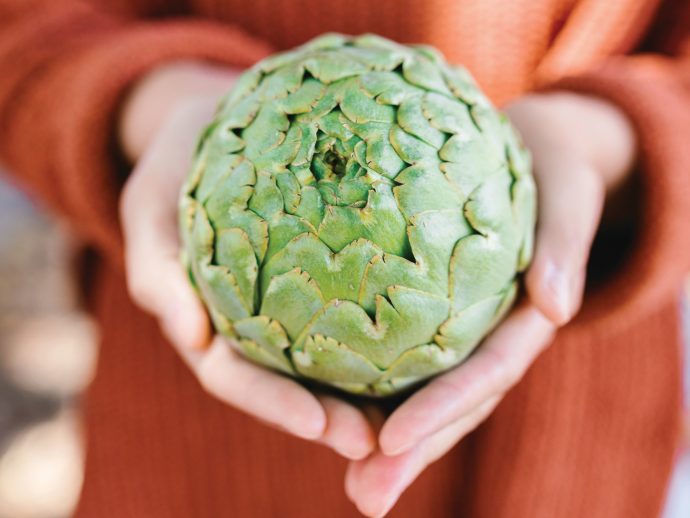
    Inulin (a prebiotic) belongs to a class of carbohydrates called fructans, which are plant carbohydrates that, because of their unique structure, resist digestion in the upper gastrointestinal tract but are quantitatively fermented in the colon by the microorganisms that reside there. This helps the beneficial microbes flourish and produce postbiotics. You can source this prebiotic fibre from Jerusalem artichokes; chicory root; alliums, including onions, leeks, and garlic; asparagus; soybeans (which includes edamame); oats; and whole wheat.

    Manage stress

    It’s thought that periods of stress can reshape the human microbiome in a way that’s less favourable to health. Measures such as going for walks and practising meditation that help downgrade stress are important.

    Try supplementation

    A probiotic supplement can help optimize the microbiome, especially during periods of travel, illness, antibiotic use, or stress, when your microbiome can take a hit.

    Don’t overdo the sweet stuff

    Research published in the journal iScience found that people who consumed more foods and drinks with aspartame, sucralose, saccharin, and stevia leaf extract had less diverse beneficial colonies of gut bacteria and higher concentrations of harmful toxins in their intestines when compared to those study participants who didn’t use non-nutritive sweeteners.

    Grab more shut-eye

    It appears that both sleep fragmentation and short sleep duration are associated with gut dysbiosis, an imbalance in the different types of microscopic organisms living in your body. Make it a habit to practise good sleep hygiene, such as reducing bright light exposure before bedtime and keeping that phone far away from the bed.

    By Matthew Kadey, MSc, RD

    Article Courtesy of Alive Magazine
  • Nourish your microbiome

    Nourish your microbiome

    Nourish your microbiome

    The tiny world within

    The microbiome, the collective term for the dense, interconnected bacterial community in our digestive tract, is not simply history’s most successful hitchhiker. Far from being a passive parasite, this living web is an active and dynamic player in our overall health.

    The first seeds of bacterial life are sown long before birth. From that point forward, our microbiome evolves with the influences of environment, diet, medications, and even stress. Age, sex, body weight, and genetics all shape the vast biological world within us.

    Why does flora matter?

    Dr. Jordan Sokoloski, a naturopathic doctor, sees many patients with digestive issues. “The microbiome is so critical to digestive health overall,” he says. While our food is initially broken down by teeth, muscles, and enzymes, bacteria complete the transformation to absorbable nutrients, even adding in some self-made vitamins along the way.

    The microbiome and the mind

    Our guts have earned the moniker “the second brain.” Digestive disturbances exist alongside brain-related conditions such as Parkinson’s disease, autism, and anxiety. This coexistence of digestive and neurologic concerns is not just a coincidence. Bacterial metabolites may explain this connection.

    Feed the bugs (and try not to kill them)

    If the microbiome is so vital to health, what can we do to protect it? Factors such as genetics and age are beyond our control, but dietary choices can modify the microbiome in as little as 24 hours. However, these shifts are quickly reversed if diet changes are not maintained.

    Our flora may be as individual as our fingerprints, meaning there is no single optimal bacterial composition suitable for everyone. Much like a streetwise tomcat, a genetically unique and diverse microbiome is the most resilient. A flexible and complex digestive community is created and sustained by eating a wide variety of foods.

    Sokoloski emphasizes feeding beneficial flora with inulin-containing foods such as garlic, onions, artichokes, and oats. Fermented foods such as kefir, sauerkraut, and kimchi are also nourishing for the microbiome.

    It’s equally important to avoid negative influences. Limiting use of antibiotics, antacid medications, and laxatives can preserve bacterial populations. Being proactive in our efforts to reduce stress, sedentary living, and environmental exposures can prevent further harm to our precious microbial cargo.

    Supplemental support

    To help the gut through periods of challenge, supplemental probiotics could be considered. Although probiotic supplementation can cause measurable changes in the composition of our microbiome, these changes do not seem to be permanent.

    While the strains themselves may not persist, improvements to symptoms such as bowel disruption or psoriasis may last for many months after stopping probiotics. One strategy for probiotic use may be to take them in periods of stress or medication use, or when symptoms re-emerge.

    Digestive bacteria and their metabolites communicate with every system in our bodies, influencing and even directing the workings of our cellular processes. This interplay of flora and function may lead to new insights and creative options for optimizing our health.

    By Dr. Gillian Flower, ND

    Article Courtesy of Alive Magazine