Tag: new you

  • Give yourself a life detox!

    Give yourself a life detox!

    Give yourself a life detox!

    Follow through on your healthy living goals

    A healthy lifestyle is an accumulation of small actions that add up to vitality and longevity. Sometimes we know what changes we need to make in our lives but have a hard time getting around to doing them. And sometimes we know we need changes but aren’t clear about what to do. These tips from a professional psychotherapist will help you clarify goals, stop procrastinating, and start thriving.

    Step 1: Specify your goals

    “You can’t heal what you don’t acknowledge,” says Elenora Molnar, master therapeutic counselor.

    Step 2: Reflect on the goal

    It’s helpful to understand why you developed the unhealthy habit in the first place, so you can replace it with a healthier habit that fulfills the same need, says Molnar. If your mornings are hectic because you look at your phone for an hour before getting out of bed, it may be because you want to delay the start of the day without having to think or problem-solve.

    “Make a plan to start off your day without looking at your phone for one hour,” suggests Molnar. Instead of looking at social media, replace that time with a quick yoga video or walk around the neighbourhood. This gets your body active, while also letting your mind rest and gear up for the day.

    You may want to try a digital detox. Set some firm boundaries around screen time, consider deleting certain apps from your phone, or take a break from social media for a designated amount of time.

    Replace a bad habit with a good one

    “Start overriding your bad habits with new routines,” suggests Molnar. For example, if you want to start jogging, overwrite being sedentary in the evening by taking an easy jog at the same time you would usually be sitting down.

    If you’re trying to stop eating junk food at night, instead of turning on the TV, work on a puzzle, read a book, or do any activity that you don’t associate with snacking. Start with small steps that slowly become your new habits.

    Be flexible

    It’s great to have ambitious goals, but if you’re unrealistic at the beginning, you’ll have trouble meeting them. This can cause you to give up completely. “It’s great to have goals, but give yourself permission to say that goals can change. Always have a plan, but know you can change your plan,” says Molnar.

    Step 3: Find a support group

    Experts say that one of the surest ways to keep with your physical or mental health goals is to find a support group of likeminded people looking to accomplish similar goals.

    Explains Molnar, “When you’re in a group where everyone is focused on the same thing, it’s really powerful because you can be compassionately witnessed by those people. I’m thinking of therapy, but it doesn’t necessarily have to be therapy. It could be a running group or a gardening group.”

    By Stephanie MacDonald

    Article Courtesy of Alive Magazine
  • Supporting your body’s detox processes

    Supporting your body’s detox processes

    Supporting your body’s detox processes

    The basics and beyond

    Daily living exposes us and our environment to an increasing number of foreign chemicals and byproducts, often called xenobiotics. But our body is equipped with a complex system of detoxification processes that work to expel these foreign substances. Supporting this amazing system is key to good health.

    What are xenobiotics?

    The term xenobiotics includes a number of substances that are foreign to animal biological systems, such as drugs and pollutants.

    Many xenobiotics have been linked to negative health effects, including hormone-disrupting effects (xenoestrogens), neurological and immunological effects (heavy metals), and carcinogenic effects (alcohol, tobacco, nitrates, pesticides, and heterocyclic aromatic amines from charred food).

    Detoxification phases

    In addition to reducing potential exposures, detoxification involves enhancing the safe elimination of these products through the body’s internal systems of biotransformation. The detoxification pathway is divided into two main steps, phase I detoxification and phase II detoxification.

    Factors influencing detox

    When our detox and biotransformation processes don’t function optimally, it may be due to genetic factors, environmental overload, and/or nutrient deficiencies.

    A healthy diet, of course, influences beneficial effects on our body’s detoxification functions. A whole foods diet that includes a rich variety of fruits and vegetables, whole grains, and healthy proteins contains many phytonutrients and amino acids that enhance phase II enzyme activity. Research continues to uncover the complexities of specific food-derived components to the complex processes of biotransformation.

    Detox programs

    Fad detox programs beyond count have been popularized over the years. Unfortunately, many of these are unlikely to achieve long-term benefits. Given the pervasive ongoing nature of xenobiotic exposure in our world, a more consistent, comprehensive, and sustainable approach to detoxification is best.

    There’s a long tradition of spring cleanses or fasting periods in many cultures. This speaks to the wisdom of enforcing periods of time dedicated to cleaning up one’s diet and lifestyle. Additionally, it may be necessary at times to adopt ongoing changes to sustain long-term health improvement, particularly when it comes to nutritional strategies.

    According to Dr. Philip Rouchotas, ND, in general, components of a successful detox program should include the following elements.

    Clean diet

    Eliminate highly processed foods, sugars, alcohol, and excess caffeine; emphasize green vegetables and sufficient water intake. Check for food intolerances.

    Regular bowel function

    Diet and supplements such as probiotics, bitter herbs, or magnesium can help with this.

    Exercise

    Regular physical activity promotes mobilization of stored toxins from fat and the lymphatic system (a circulatory system made up of lymph vessels that includes the tonsils, spleen, lymph nodes, and lymph vessels).

    Natural detox support

    Always check with your primary care practitioner before trying a new supplement. Some commonly utilized natural health products include:

    • Sulphoraphane
    • Green tea
    • Indole-3-carbinol (I3C)
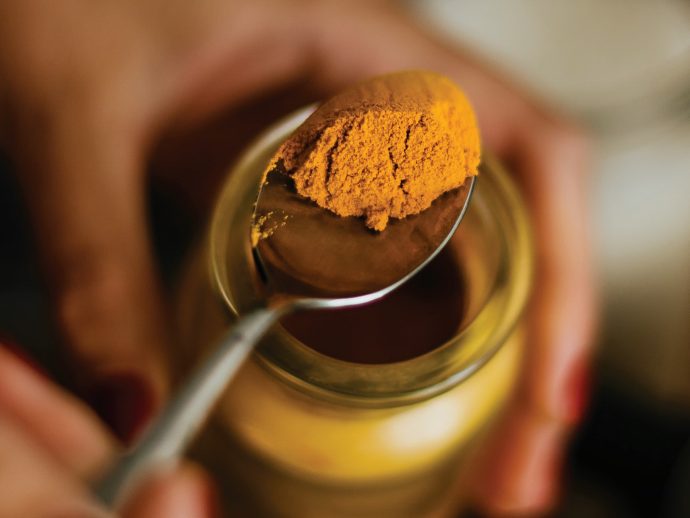
    • Curcumin
    • N-acetylcysteine (NAC)

    By Dr. Heidi Fritz, MA, ND

    Article Courtesy of Alive Magazine

  • Set yourself up for success

    Set yourself up for success

    Set yourself up for success

    How to make better New Year’s resolutions

    Is resolution-setting a thing of the past? No way. Don’t give up on setting New Year’s resolutions. But this year, do it the right way!

    Push goals

    “Push goals are the ones you have to push yourself to do; for example, going to the gym after work,” says Kira Lynne, a life coach and registered professional counselor. You do it one day, or a few, but consistency may drop. That is true especially when you start from being entirely sedentary.

    Pull goals

    “Pull goals, on the other hand, pertain to activities you enjoy doing (dance class, yoga in the park, walks with a friend), which makes it easier to stick to your plan, because you love the activity and look forward to it,” says Lynne.

    But before you get started

    Do you drink enough water? Do you get enough quality sleep? Is your food intake adequate for your needs, no matter what life stage you’re in?

    Certain nutritional deficiencies or lifestyle habits can affect our energy levels, which undermine our progress and get in the way of the most carefully set resolutions.

    If it feels like a lot, there’s good news: good habits “stick” to one another. Better sleep enables healthier eating habits, improved energy levels, and a happier mood too.

    Failure comes with nuances

    Inspirational stories can fire us up. We get a routine going, but then life happens, and we don’t show up for a whole week, or two months. Cue shame and feelings of inadequacy.

    But there’s another way to look at it. “It is okay to fall off the wagon, and it’s not a sign of not putting enough effort or not being good enough,” says Lynne. “It’s important to know that when we want to make a change, it’s not [always] smooth sailing.” The opportunity to restart is always there!

    Small steps for long-term goals

    Break up a goal into doable steps. You were hoping for a half-hour jog, but you only have 10 minutes. Do it anyway, mark it as a win, and keep your big running dream alive. A challenging resolution can have a better chance of succeeding than settling for an easy one, because it pushes us to find ways to accomplish it.

    Keeping track of things

    Having an accountability partner is a great way to keep ourselves going, but, says Lynne, “rather than having that someone berate you for not keeping up, think of them as someone to have fun with.”

    If you’re better on your own, go right ahead, but have a reward system in place. “Whenever you fit activity into your day, make a checkmark on the calendar using different colors for different activities, or different colored beads that would go in jars,” suggests Lynne.

    When you reach a certain number of checkmarks or beads, reward yourself with something you like. It makes things fun while also creating positive brain conditioning.

    By Daniela Ginta, MSc, NNCP

    Article Courtesy of Alive Magazine

  • Frosted in white

    Frosted in white

    Frosted in white

    Delicious (and nutritious!) white foods

    There’s no need to shy away from white foods. Not only are many white foods nutritional powerhouses but they are also widely available.

    These five recipes are full of vital nutrients, versatile in their presentation, delicious, and easily accessible in wintertime. They will help you rediscover white foods in ways that are familiar and, hopefully, in ways you may not have considered before.

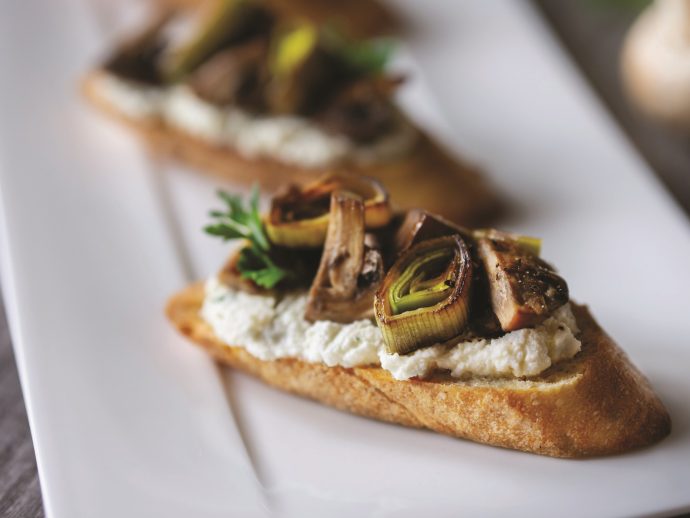
    Whipped Ricotta Tartines with Mushrooms and Leeks

    These scrumptious and versatile tartines make an excellent snack, lunch, or breakfast. Protein- and calcium-rich, creamy ricotta is whipped up with honey and flavored with parsley and red pepper flakes.
    Servings: 6

    Ingredients
      

    • 1 cup ricotta
    • 1 tablespoon + 1 tsp honey divided
    • 1 tablespoon chopped parsley
    • Zest of 1 lemon
    • 1 tablespoon fresh lemon juice
    • ¼ teaspoon dried red pepper flakes optional
    • 2 tablespoons olive oil divided
    • 4 ounces white button mushrooms cleaned and quartered
    • 1 teaspoon low-sodium soy sauce
    • 1 small leek (about 4 oz) cut into ¼ inch round slices
    • 6 slices of sourdough baguette

    Method
     

    1. In small bowl, combine ricotta, 1 Tbsp honey, parsley, lemon zest and juice, and red pepper flakes (if using). Whip ricotta by hand using whisk or with electric mixer for about 2 minutes, until ricotta is light and creamy. Set aside.
    2. In skillet, heat 1 Tbsp olive oil on medium-high heat. Add mushrooms and cook until brown on all sides, stirring only very occasionally. Add soy sauce to deglaze pan; tip mushrooms onto plate and set aside.
    3. In the same skillet, heat remaining 1 Tbsp olive oil on medium heat. Add leek slices and cook carefully for 1 to 2 minutes each side, turning with palette knife or cake spatula, until tender and browned. Remove from heat.
    4. Spread ricotta onto baguette slices and top with mushrooms and 2 or 3 leek slices. Drizzle tartines with remaining 1 tsp honey and serve.

    Notes

    Each serving contains: 218 calories; 9 g protein; 9 g total fat (3 g sat. fat); 27 g total carbohydrates (6 g sugars, 1 g fiber); 294 mg sodium

    White Bean and Sweet Potato Tostadas

    The versatility of white beans shines through in this dish, which employs them in two different ways: simmered and then roasted until crispy. The beans crown luscious sweet potato, flavored with sage and thyme, heaped high on crispy tortillas.
    Servings: 4

    Ingredients
      

    • 2 large sweet potatoes about 2 lbs total
    • 1 tablespoon + 8 teaspoons olive oil divided
    • ¾ teaspoon salt divided
    • ½ teaspoon pepper divided
    • 1 tablespoon fresh thyme leaves + 1 thyme sprig
    • 2 teaspoons chopped fresh sage + 2 whole leaves
    • 1 14-oz can no-added-salt cannellini beans
    • 1 bay leaf
    • ½ teaspoon smoked spicy Spanish paprika
    • ¼ teaspoon garlic powder
    • 8 corn tortillas

    Method
     

    1. Preheat oven to 400°F.
    2. Wash and trim sweet potatoes, leaving peel on. Cut each down the middle lengthwise and rub all over with 1 Tbsp olive oil. Place on baking sheet, cut side up, and sprinkle with 1/4 tsp salt, 1/4 tsp pepper, thyme leaves, and chopped sage. Bake in preheated oven for 50 minutes, turning them to face down halfway through cooking time.
    3. Meanwhile, drain and rinse beans and set 1/2 cup aside to dry in single layer on kitchen towel-lined plate. In small saucepan, place remaining beans with bay leaf, thyme sprig, and sage leaves and add enough cold water to just cover. Heat on medium-low for about 10 to 15 minutes, until warmed through. Time the start so they are ready just as sweet potatoes are finishing in the oven, and keep warm in the hot water, adding 1/4 tsp salt. Pat reserved beans with kitchen towel and season with spicy paprika and garlic powder.
    4. Remove sweet potatoes from oven, remove their skins, and place flesh in large bowl. Toss reserved beans on the same baking sheet, coating them in the remaining oil and herbs. Return baking sheet to oven and bake beans for 15 minutes, until crispy, stirring occasionally.
    5. Brush each tortilla on both sides with 1 tsp olive oil and bake on baking sheets for 5 minutes, or until brown, turning halfway through.
    6. While tortillas are warming, with fork, mash sweet potatoes and cover to keep warm. Drain simmering beans.
    7. To assemble tostadas, divide mashed sweet potato among tortillas, add a few simmered beans, and top with spicy crispy beans. Season with 1/4 tsp salt and 1/4 tsp pepper.

    Notes

    Each serving contains: 373 calories; 12 g protein; 8 g total fat (1 g sat. fat); 66 g total carbohydrates (2 g sugars, 16 g fiber); 248 mg sodium

    Coconut Panna Cotta with Lemon Grass, Ginger, and Lime

    Fragrant lemon grass, ginger, and lime are time-honored companions for coconut. For best results, select coconut cream (not coconut milk) and look for one that is guar free and has a fat content of around 21 percent.
    Servings: 4

    Ingredients
      

    • 2 teaspoons gelatin
    • 1 lemon grass stalk
    • 2 inch piece of gingerroot cut into slices
    • 1 13.5 oz can coconut cream
    • ¼ cup honey or maple syrup
    • Zest of 1 lime
    • 1 teaspoon lime juice
    • 1 tablespoon vanilla extract
    • Pinch of salt
    • ¼ cup finely shredded unsweetened coconut

    Method
     

    1. Set aside 4 – 1/2 cup ramekins.
    2. Into glass liquid measuring jug, measure 1/4 cup water. Add gelatin to water and set aside to allow it to bloom.
    3. With rolling pin, bash lemon grass stalk to help release flavors, then add it to medium-sized saucepan with gingerroot, coconut cream, honey or syrup, lime zest, lime juice, vanilla, and salt. Heat on medium-high and bring cream to a boil. To fortify flavors, steep for 15 minutes before straining. Reduce heat and allow to simmer for 1 minute and then remove from the heat.
    4. Strain hot coconut cream liquid into bowl and discard aromatics. Now add small amount of liquid to the measuring jug containing the blooming gelatin and whisk rapidly until smooth. Pour in remaining coconut cream liquid and continue to whisk. Pour mixture from jug into 4 ramekins and refrigerate for 6 hours or overnight until firm.
    5. To serve, release panna cotta from molds by placing ramekins in baking dish with hot water for 30 seconds and then inverting on each of 4 plates. Sprinkle shredded coconut over panna cotta, and zest with additional lime before serving.

    Notes

    Each serving contains: 335 calories; 3 g protein; 27 g total fat (25 g sat. fat); 24 g total carbohydrates (20 g sugars, 2 g fiber); 55 mg sodium

    By Helena McMurdo

    Article Courtesy of Alive Magazine