Tag: nutrition

  • Maintaining the brain as we age

    Maintaining the brain as we age

    Maintaining the brain as we age

    How to leverage nutrition and lifestyle science to slow brain aging

    A 2024 brain-imaging study in older adults compared intake measures of key nutrients with signs of brain health, identifying the foods and nutrients most strongly associated with slower brain aging.

    Omega-3 fatty acids

    Individuals who demonstrated signs of delayed brain aging tended to have higher bodily concentrations of the anti-inflammatory omega-3 fatty acids Inflammation is considered a hallmark of brain aging as it disrupts the blood-brain barrier, making the brain more susceptible to structural damage over time.

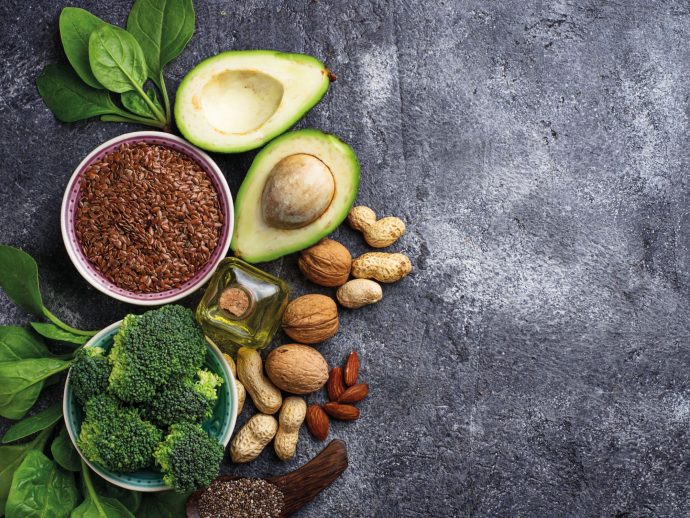
    EPA and DHA are found in fatty fish like salmon, sardines, and trout, while ALA is found in flaxseed, hempseed, chia seed, soy-based foods, and walnuts.

    Carotenoids

    Oxidative stress, which carotenoids help to combat, is considered another hallmark of brain aging. It’s unsurprising that a high carotenoid intake was associated with better brain health.

    Carotenoid sources include spinach, kale, bell peppers, tomato, watermelon, broccoli, carrots, grapefruit, and cantaloupe.

    Vitamin E and choline

    Having higher bodily levels of vitamin E is associated with better cognitive health. Vitamin E is found primarily in nuts, seeds, leafy greens, and fish.

    Choline is a precursor to creating a compound known as phosphatidylcholine, which populates brain cell membranes and regulates the release of various neurotransmitters required for optimal brain function. Choline is found in foods including eggs, edamame, cauliflower, beef, chicken, peas, pork, broccoli, and milk.

    The gut-brain connection

    Older adults with cognitive issues are much more likely to have a gut microbiome characterized by imbalances in good and bad bacteria, with an overrepresentation of pro-inflammatory species.

    A healthy gut microbiome produces beneficial compounds known as short-chain fatty acids (SCFAs), which have an anti-inflammatory influence and facilitate healthy gut-brain communication via multiple pathways.

    These influences include enhanced nutrient absorption and keeping the intestinal lining strong, thus preventing toxins from entering the blood stream and crossing the blood-brain barrier via the gastrointestinal tract. This is where polyphenols come in.

    Polyphenols―the gut-brain connectors

    Polyphenols are a family of plant-based compounds known to encourage gut bacteria to produce beneficial SCFAs.

    In 2018, Neurology published a study—involving 1,329 older adults followed over 12 years—that found those in the highest consumption category of polyphenols had a 50 percent lower risk of dementia than those in the lowest consumption category.

    Easy ways to boost your dietary exposure to polyphenols include cocoa powder, ground flaxseed, artichoke, blueberries, and more frequent use of culinary herbs/spices.

    by Andy De Santis, RD, MPH

    Article Courtesy of Alive Magazine

  • The whole (food) picture

    The whole (food) picture

    The whole (food) picture

    Understanding the vital role macros and micros play in our everyday lives

    Fat, protein, and carbs—the big three macronutrients have all had their turn being vilified throughout diet culture (from problematic phrases such as “all fats are unhealthy” and “watch your carbs” to misguided rhetoric about protein being the only way to build muscle). Yet this powerful triad of nutrients, in tandem with essential vitamins and minerals, is what our body relies on to thrive.

    The ABCs of macros and micros

    So, what exactly are these all-important nutrients?

    Macros

    In simple terms, macronutrients refer to the nutrients our body relies on for energy, which we require in large amounts (hence the term macro) to make up our total caloric intake. The big three macros: protein, carbohydrates, and fat.

    Micros

    On the other hand, micronutrients are the nutrients our body requires in trace amounts. These come in the form of vitamins and minerals. And while they don’t affect our diet from a caloric standpoint, they’re still essential for our health and well-being—from B-complex vitamins’ role in energy production and digestion to iron’s impact on cognitive function and immune support.

    The big three players

    While protein, carbohydrates, and fat are widely known nutrients, there’s plenty of mixed messaging around them, such as the “correct” daily protein requirement and the “healthiest” form of carbs. Here, we dig into the fundamentals of each and explain why it’s the balance of all three macros that deserves our true attention.

    Protein

    This powerhouse nutrient is something of a workhorse. Made up of amino acids (the “building blocks” of protein), it helps build and repair our muscles, bones, skin, and other tissues. It also plays a role in hormone and enzyme production.

    Fat

    Despite a once-shaky reputation, fat (especially the heart-healthy unsaturated variety) is integral to a healthy, balanced diet. One of its main superpowers: helping the body absorb fat-soluble vitamins A, D, E, and K. Fat also protects our organs, aids in cell growth, promotes better cognitive function, and provides us with sustained energy.

    Carbohydrates

    Carbs are broken down into simple sugars (called monosaccharides) that enter the bloodstream and are used by all cells in the body for energy. When we’re consuming carbs in their whole food form (think fruits, vegetables, whole grains, and legumes), they also provide us with fibre and prebiotics, which are necessary for efficient digestion.

    A well-rounded diet

    While no nutrient alone holds the key to overall well-being, the secret is to consume a balance of macros and micros in their minimally processed form.

    Ultimately, our diets should be filled with foods that bring us joy—whether it’s a veggie-packed stir-fry or our favourite homemade dessert. That, as it turns out, is the closest thing to a winning recipe.

    By Brittany Devenyi

    Article Courtesy of Alive Magazine

  • How foods help us detoxify

    How foods help us detoxify

    How foods help us detoxify

    Nutrition for spring cleansing

    Have you ever tried to do a detox or cleanse that left you feeling weak and irritable? You might not have had your nutritional basics in place!

    Without sufficient key nutrients from foods, the body can’t fully recruit its own pathways of metabolic detoxification. When this happens, our detoxification organs—mainly the liver, kidneys, colon, and skin—can’t do their jobs to the best of their ability.

    Compared with doing a three-week crash diet, regularly eating foods rich in nutrients that naturally activate detoxification pathways is far more effective for keeping the body’s toxic burden low and overall well-being high.

    Biotransformation

    More commonly known as metabolic detoxification (or “detox”), biotransformation is the process of converting toxicants from the environment and from the body itself into compounds that can be safely mobilized and excreted from the body.

    A properly functioning detoxification system maintains a proper balance of hormones, metabolizes medications, and processes harmful substances from the environment to ensure overall health and well-being. An accumulation of toxins is associated with obesity, type 2 diabetes, and cardiovascular disease.

    Nutrients for detoxification

    Since our regular food choices affect the activity of detoxification pathways to help with toxin biotransformation, they also affect the body’s sensitivity to toxic substances.

    • New research suggests that diets rich in phytonutrients (nutrients from plant-based foods) may offset toxicity from pollutants and reduce disease risks associated with environmental toxicity. Polyphenols are one type of phytonutrient and are particularly high in berries, cloves, cacao, nuts, and vegetables such as artichokes.
    • Cruciferous vegetables, including broccoli, cauliflower, and Brussels sprouts, have been shown to increase the activity of enzymes used in the detoxification process.
    • Glutathione is the master antioxidant of the liver. Vitamin B6, the minerals selenium and magnesium, and the amino acid cysteine are key building blocks for producing glutathione. For the richest sources of vitamin B6, opt for chickpeas, skipjack tuna, wild salmon, and chicken breast. Pumpkin seeds, almonds, legumes, and leafy greens provide ample magnesium. Cysteine is found in protein-rich animal meats such as pork chops, beef, and chicken breast.

    Sleep for detox support

    The glymphatic system provides the brain and central nervous system with a deep cleaning of metabolic waste. Impaired glymphatic function has been associated with Alzheimer’s disease and Parkinson’s disease.

    Since the glymphatic system is most effective during sleep, consider prioritizing sleep as a key pillar for supporting full-body detoxification. Resist binging on your favorite show and instead cultivate a calming bedtime routine to make sure you clock enough hours.

    Supplements for detox support

    Always ask your health care practitioner before trying a new supplement, to make sure it’s right for you. Likewise, always check with your health care practitioner before embarking on any cleanse or detox program.

    Here are a few supplements that may help support our bodies’ natural detoxification systems.

    • n-acetylcysteine
    • probiotics
    • fiber
    • spirulina
    • milk thistle
    • turmeric
    • ginger
    • whey protein

    By Dr. Cassie Irwin, ND

    Article Courtesy of Alive Magazine
  • Inflammatory facts about heart health

    Inflammatory facts about heart health

    Inflammatory facts about heart health

    How inflammation affects cardiovascular disease

    When you think of inflammation, you might think of pain. But inflammation is a key contributor to a number of surprising conditions, including cardiovascular disease. Here’s how inflammation works, and what we can do about it.

    How inflammation works

    It is now known that inflammation plays an important role in cardiovascular disease. But how could inflammation be a cause of something that seems as uninflammatory as heart disease?

    According to naturopath and cardiologist Decker Weiss, NMD, FASA, inflammation plays both a general and a specific role. Generally, inflammation contributes to cardiovascular disease because inflammatory conditions such as arthritis, autoimmune diseases, and diabetes increase the risk of developing heart disease.

    Specifically, Weiss says, “… elevated insulin, elevated blood sugar, trans fats, and homocysteine irritate and inflame the endothelium, or the lining of our blood vessels, initiating the process of coronary artery disease.” So, inflammation can both initiate and accelerate heart disease.

    How nutritional heart helpers work

    Think of some of the ways garlic and dark chocolate can help your heart. Inflammation causes endothelial dysfunction, which leads to vascular disease and atherosclerosis.

    Garlic

    may help tamp down inflammation. So, supplementing with garlic could aid in improving endothelial function and vascular elasticity and, thus, play an important role in preventing cardiovascular disease.

    Dark chocolate

    may also help reduce inflammation, and it may also improve endothelial function, improving blood vessel function and dilation enough to seriously reduce the risk of cardiovascular disease.

    Diet, inflammation, and heart disease

    One of the most innovative studies on preventing heart disease started with two things we know—that inflammation causes heart disease and that diet causes inflammation—and asked whether diet could cause heart disease.

    The huge study found that diets that were higher in foods that cause inflammation were associated with a 38 percent higher risk of cardiovascular disease, 46 percent higher risk of coronary heart disease, and 28 percent higher risk of stroke.

    Inflammatory foods included red meat, processed meat, organ meat, refined carbohydrates, and sweetened beverages.

    Anti-inflammatory foods are heart healthy and include leafy green vegetables, dark yellow vegetables, fruit, whole grains, and tea.

    Supplements to consider

    Always check with your health care practitioner before trying out a new supplement. The following supplements have anti-inflammatory properties and may have a positive effect in preventing heart disease:

    • omega-3s
    • hawthorn
    • curcumin
    • ginkgo
    • olive leaf extract
    • pine bark extract
    • grapeseed extract
    • green tea
    • ginger
    • vitamins C and D
    • quercetin

    Foods for heart health

    FoodHeart-health benefitsNutrients
    soymay help significantly lower LDL (bad) cholesterolisoflavones
    nuts and seedsmay contribute to lowering LDL (bad) cholesterol and triglycerides and may help lower the risk of dying from cardiovascular diseasefiber; monounsaturated and polyunsaturated fats
    extra-virgin olive oilcan help reduce the risk of coronary artery disease and improve cholesterolmonounsaturated fats; phenolic compounds
    flaxseedmay help lower blood pressureomega-3 EFAs; lignans

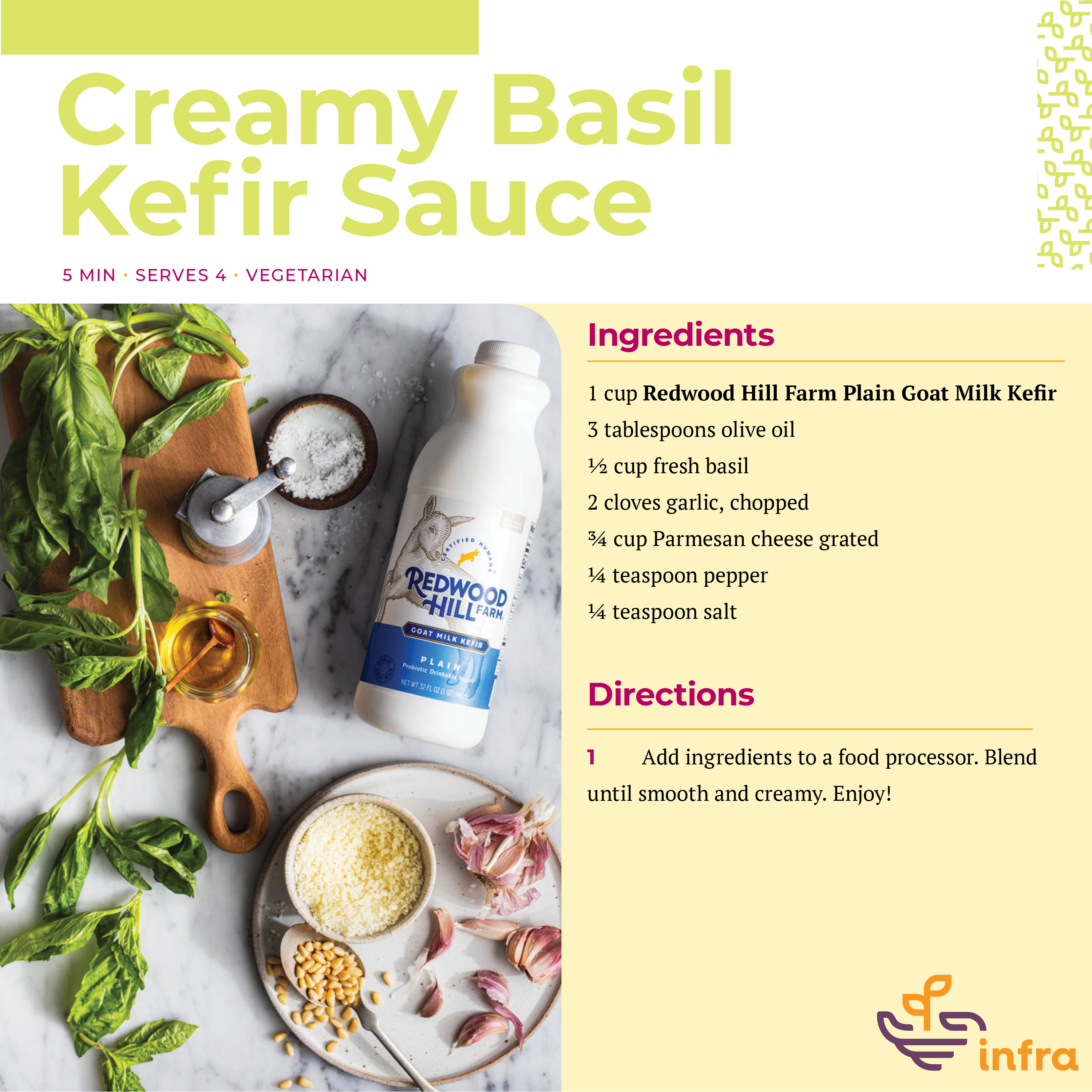
  • Creamy Basil Kefir Sauce

    Creamy Basil Kefir Sauce

    Creamy Basil Kefir Sauce


    This ultra-creamy basil kefir sauce is the perfect low-lactose addition to pasta, salads, or even flatbreads. Thanks to the Redwood Hill Farm Goat Milk Kefir, your dish will even get a little probiotic boost, too. Yay, microbiome!

    Recipe Provided by INFRA

  • Repair and Recover

    Repair and Recover

    Repair and Recover

    Post-exercise nutrition tips

    You drank your pre-workout shake. You stayed hydrated as you sweated it out. But have you given any thought to what you’ll eat and drink when you’ve wiped that sweat off your brow? Your post-workout nutrition is just as important for your athletic performance.

    Why your post-workout meal matters

    When you exercise, your body undergoes a lot of wear and tear and your muscles burn up their stored glycogen. And it’s during the recovery process, not during your actual workout, that you get stronger and start to see the benefits of your exercise routine. That’s why properly fueling your recovery process is important for every athlete.

    Post-workout nutrition perks

    With the right approach, your post-workout meal will boost your muscle strength and size, soothe muscle soreness and pain, and speed up your recovery so you can hit the gym again sooner.

    It’s all about ratios and timing

    You need the right combination of carbs to replenish your muscles’ glycogen, and protein for muscle repair.

    “An endurance athlete should aim for a 4:1 carbs-to-protein ratio in their post-workout meal,” recommends sports nutritionist Melissa Boufounos. “And a strength and power athlete, or someone looking to lose weight, may drop to a 3:1 ratio.”

    In other words, your post-workout shake or meal should offer up approximately 30 grams of protein, plus 90 to 120 grams of carbs (depending on your athletic goals). Ideally, eat within 60 minutes of working out—that’s when your body needs that food the most.

    Don’t forget hydration

    Getting hydrated quickly will magnify your recovery and performance. Drink 1 L (32 oz) of fluids for every kilogram of body weight you lost via sweating.

    The best post-workout foods and supplements

    • Simple carbohydrates
    • Coenzyme Q10
    • Easily digestible protein
    • Branched-chain amino acids (BCAAs)

    Laid up with an injury? Nutrition still matters!

    Taking an extended break from the gym often leads to a loss in mobility and muscle strength. Maintaining your healthy nutrition habits helps prevent this. Keep your protein intake up. In fact, increasing your protein intake to 2 to 2.5 grams of protein per kilogram of body weight per day may support a faster recovery and curtail muscle loss.

    The best foods and supplements for injured athletes

    • Whole plant foods
    • Creatine
    • Omega-3s
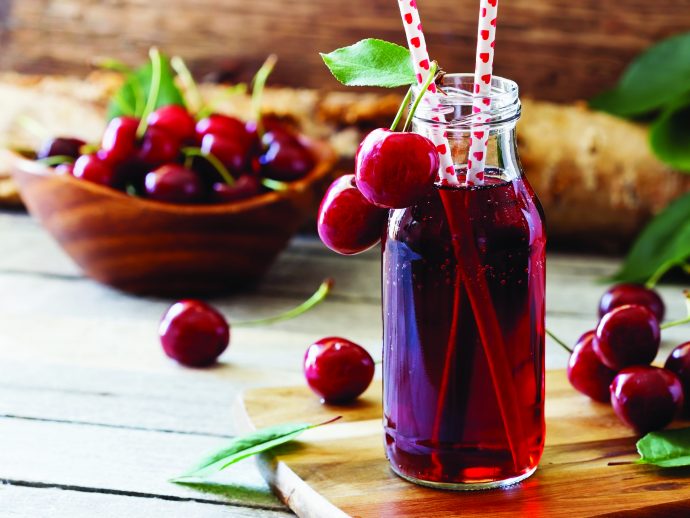
    • Tart cherry juice
    • Curcumin

    Healthy eating for rest day (and every day)

    Take a recovery day every three to five days, or whenever you’re feeling very sore.

    On days when you’re not engaging in strenuous exercise, you don’t need to emphasize high-energy, high-glycemic foods (e.g., very high-carb meals, sugar-rich sports drinks, etc.) like you normally would on workout days.

    However, most athletes—with the exception of those trying to lose weight—benefit from consuming roughly the same total number of calories that they’d eat on an active day.

    Use rest days to eat and supplement with the goal of protecting yourself from illness, wear and tear on your joints, and more. Think of it as nutritional insurance.

    Article Provided by Alive Magazine

  • Why We Love Hardy Nutritionals

    Why We Love Hardy Nutritionals

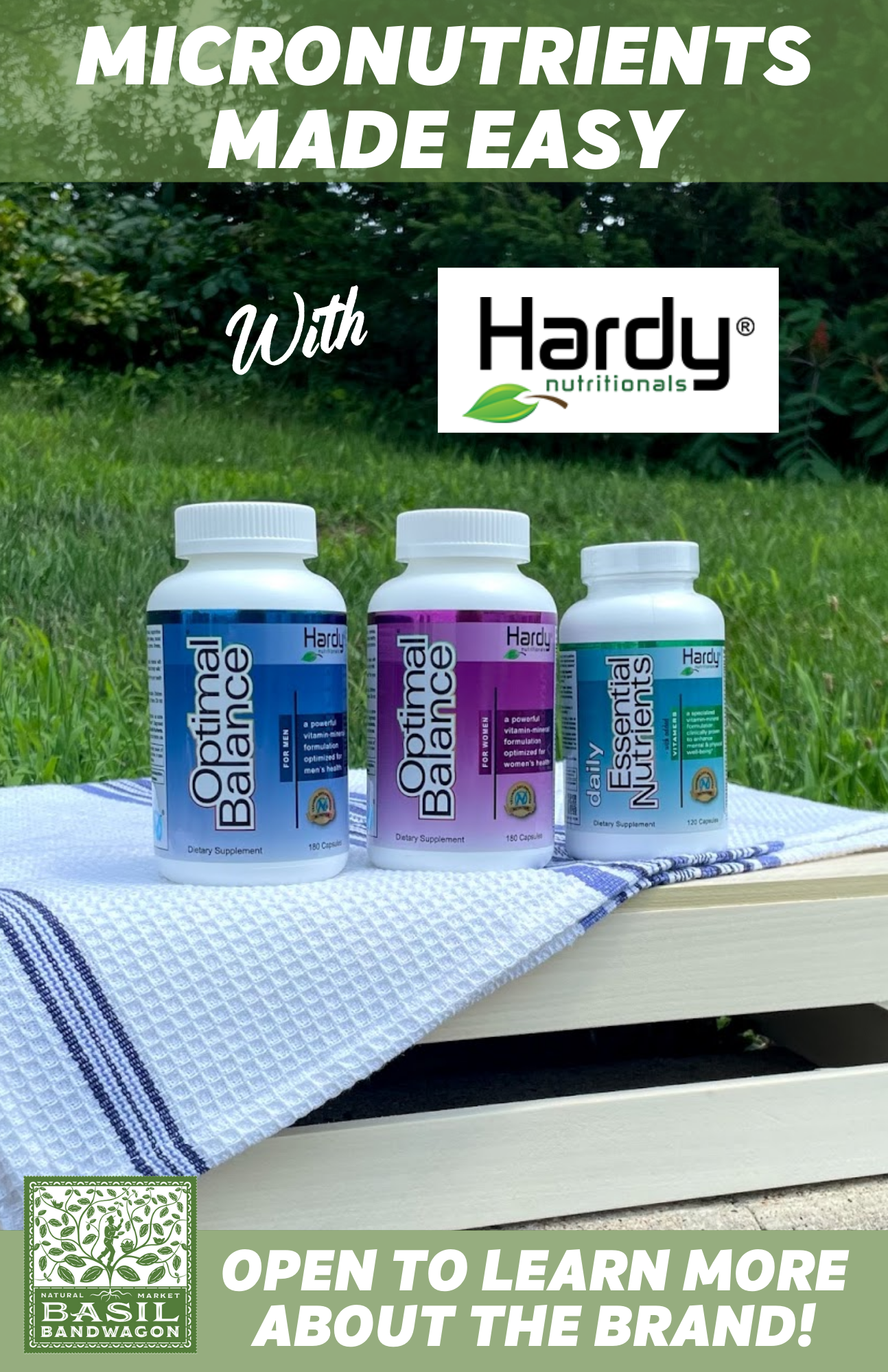
    Hardy Nutritionals Daily Essential Nutrients is a unique micronutrient formula that consists of 16 minerals, 13 vitamins, 4 amino acids, and 4 antioxidants/botanicals. One unique factor of the Daily Essential Nutrients is that organic molecules and micronized minerals are combined to maximize mineral absorption and delivery to cells. It is also clinically proven to help improve mood, focus, mental clarity, emotional stability, and sleep quality.

    Their products are readily available at all Basil Bandwagon Natural Market locations, in both clinical strength and regular strength –

    • Clinical Strength: (Daily Essential Nutrients with Added Vitamers) A broad-spectrum micronutrient formulation. It is specifically formulated for individuals with certain genetic variations of Vitamin B6 and Folate metabolism.
    • Regular Strength: (Optimal Balance for Women or Men) An excellent daily micronutrient formulation for adults and children who don’t need the clinical levels found in the Daily Essential Nutrients.

    If you wish to learn more about Hardy Nutritionals and their supplements, we recommend visiting their website https://www.hardynutritionals.com/ .

    Resources:
    https://www.hardynutritionals.com/products/optimal-balance-for-women
    https://www.hardynutritionals.com/products/optimal-balance-for-men
    https://www.hardynutritionals.com/products/daily-essential-nutrients-with-added-vitamers-120
    https://www.hardynutritionals.com/article/clinical-reference/about-hardy-nutritionals

  • The Whole Scoop on the Whole 30

    The Whole Scoop on the Whole 30

    Everyone makes some sort of pledge around the New Year. Almost every one of those pledges has to do with eating and fitness. How trite! How over-played, right? Most of the time- these resolutions don’t even make it out of January alive. This year, I’ve been determined to challenge that norm.

    Before January 1, my family and I decided that we were going to do the Whole 30 dietary program. A few years of stress have taken their toll. Despite working at an AMAZING natural market that I love, with access to some of the best food around, my eating habits have really suffered.  I’ve struggled with migraines and heartburn, and almost NO energy at the end of every day. I decided it was time to do something about that.

    We bought the Whole 30 book, made grocery lists, loaded the fridge with organic meat and veggies and buckled in for the ride. In case you aren’t familiar, let me explain what The Whole 30 is. I’d describe it as a diet reset: no grain, no alcohol, no legumes, no dairy, no sugar, no SWEETENERS, no soy, no yeast, etc.

    Here’s how my experience has been going with this program:

    Day One: Awesome! We made some great meals, felt really full and proud of ourselves.

    Day Two: It was the day before the kids had to go back to school, and Grandpa wanted to take everyone to the Museum of Natural History in NYC. We loaded in the car, bags full of fruit, Epic Bars, and the handful of Whole 30-approved bars. “We’ll make it.” I said.

    The Museum was packed and we’d seen all the major exhibits. We were hungry. Our snack bags were empty and the sun was going down. We ducked out of the rain and into a delightful little Greek restaurant. The menu included a few things that were perfect- but, not palatable for the kids. My youngest got skirt steak with asparagus, my oldest got lamb sautéed with veggies. I was excited and got stuffed cabbage- forgetting that it had rice in it until I was about eight bites in. I decided to roll with it. “A little goof-up isn’t the end of the world”, I told myself. Then, my father-in-law ordered dessert while I was in the restroom. Baklava and Kaitifi. I didn’t say a word and devoured all of it. And a glass of wine. My husband and I looked at each other and declared a “do-over” the next day.

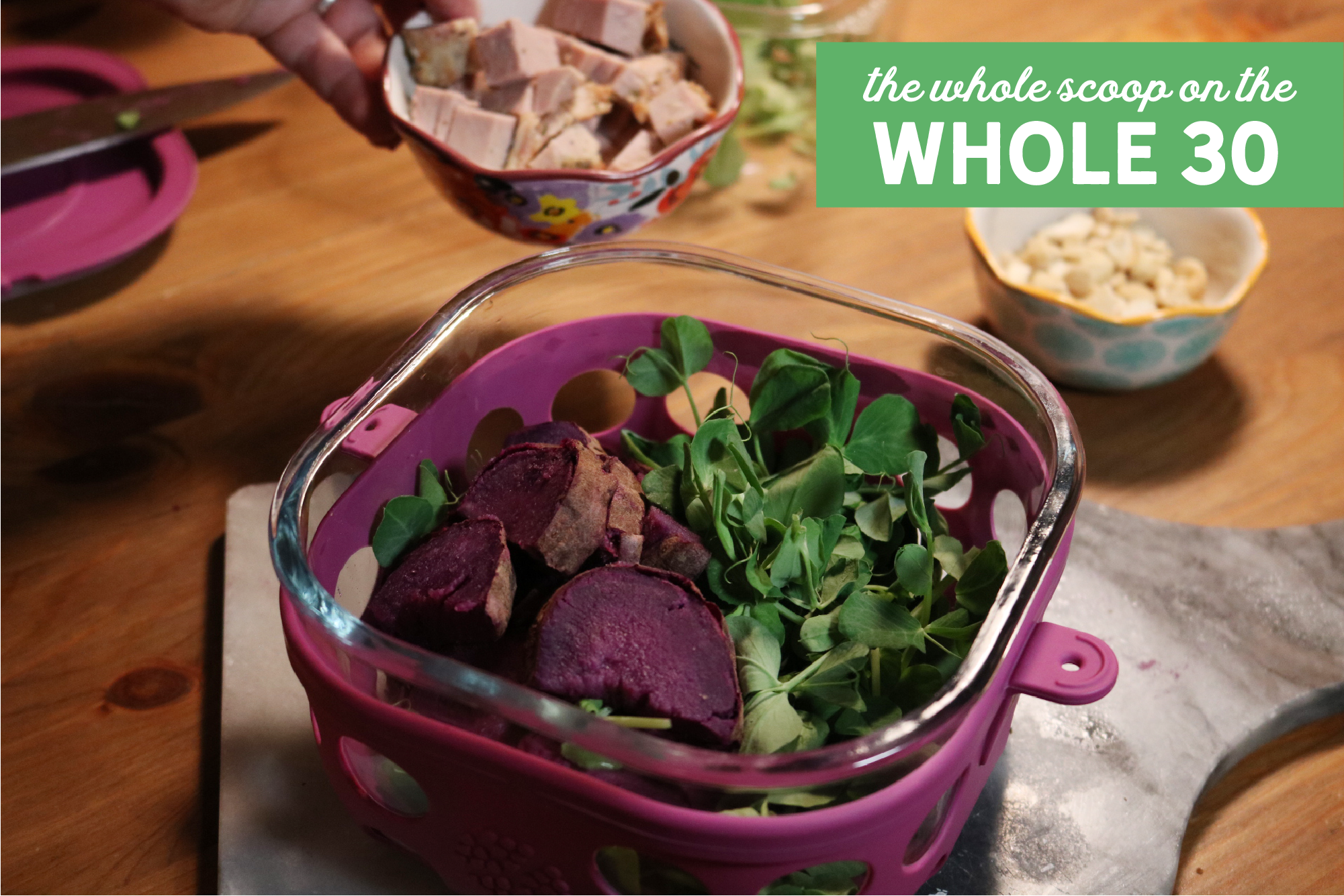
    Day Three +: It wasn’t as hard as I thought over the next few days. I pre-cooked a lot of organic chicken, ground beef, and bacon. I stocked up on salad greens, veggies and fruit. We put our lunches together in the morning- assembling what were essentially “Buddha Bowls”. What are Buddha Bowls? Buddha Bowls are a life saver.

    My favorite bowl to throw together is: cooked sweet potato chunks, diced pork or chicken, greens, chopped cashews and Tessamae’s Creamy Ranch dressing (PALEO and Whole 30-friendly!) This has been my go-to lunch. (see recipe below!)

    After a few days, I noticed a few things: no headaches, more energy, and no heartburn.

    Week Two: The second week brought challenges. We were having a hard time keeping enough food in the house to be able to build our meals. Without filler foods (bread, beans, pasta, grains), we were absolutely tearing through avocados, eggs, salads greens, and fruit. We had to rethink the way we shop. Instead of one big weekly grocery trip, we were finding ourselves re-stocking every few days. Admittedly, the cost was up, too. (I don’t have to tell you that meat costs more than beans.)

    After observing our budget for the week, though, there was a savings in another place that we didn’t even consider: we hadn’t eaten out since we went to Manhattan. Not a coffee run, not a rushed lunch, not a desperate pizza order. The extra expense in the grocery budget hasn’t been an issue because we are making and eating all of our own food!

    Another challenge I ran into during this time was when I neglected to eat breakfast and found myself nauseated. My instinct was to grab crackers or a piece of bread to soothe my tummy. I texted my husband who encouraged me to grab a bag of raw cashews instead. He was right- I just needed something in my stomach. It’s amazing the food we want to grab for comfort! I didn’t think the cashews would work, but they set me right and I was able to eat well the rest of the day. I learned that I HAVE to eat. I can’t skip meals.

    Moving Forward: Now we’re not done with this program quite yet- we still have a week or two to go, but the results so far are enough that we want to keep going. Perhaps indefinitely. The biggest surprise for me is that I don’t miss dairy or bread as much as I expected to. The theory is that you won’t crave things as much if your body is receiving everything it needs.

    If you are looking for a reset, or relief from chronic symptoms that have no answers- The Whole 30 is a solid place to start. It will challenge you, but it will also teach you what you need to truly nourish your body.

    Easy Whole 30-Approved Lunch Bowl

    This flexible lunch can be made ahead of time- and this makes good use of leftovers!

    Cube the meat for easy eating. I was using leftover bacon wrapped pork roast.

    Leftover a baked Purple Stokes Sweet Potato

    I had some pea shoots from Blue Moon Acres to use as my greens. (Yum!)

    Looks GORGEOUS already. 

    I added Cashews for extra crunch and good fats!

    You can add any dressing you like, but my current favorite is Whole 30 approved and has a delightful dill flavor that I’m sort of addicted to. You can certainly make your own, of course!


  • Stocking Remedies for Kids

    Stocking Remedies for Kids

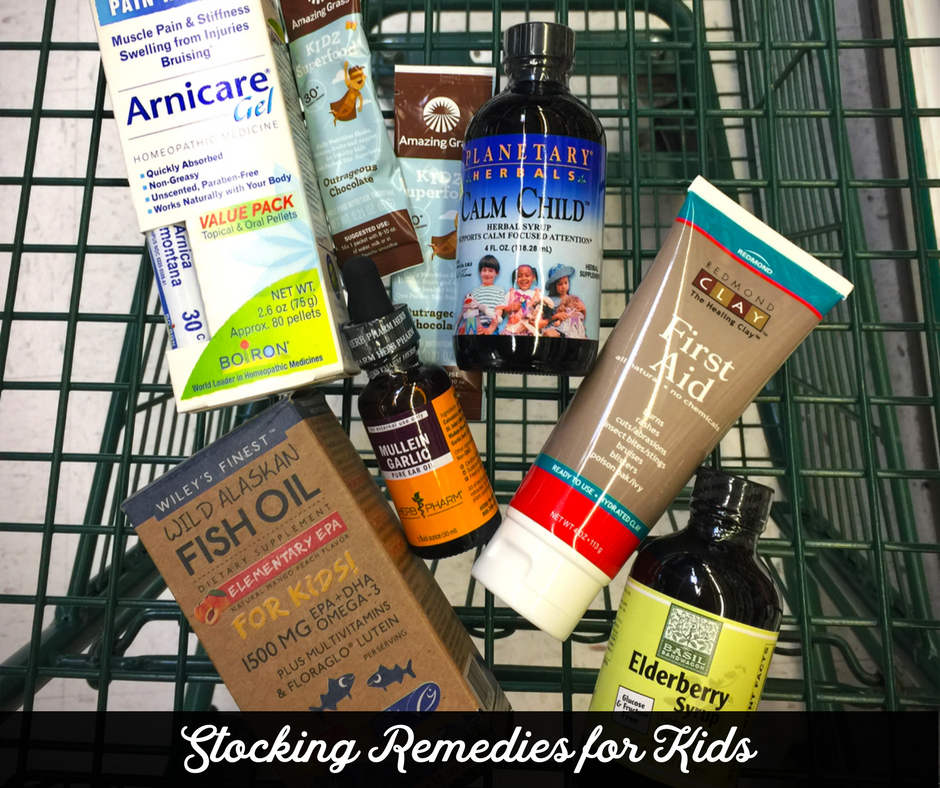
    Bumps, bruises, scrapes, sore throats, tummy aches- every kids comes with them! Here are 10 of our favorite natural products to address your little ones’ needs in a flash. Stock up now and save on tears later 😉


    #1: Elderberry Syrup


    You’ve heard it by now, Elderberry Syrup is a serious contender in the world of cold and flu remedies. Even held up against pharmaceuticals, Elderberry stands tall. The best part is, it tastes GREAT, so it goes down easy. Just a teaspoon a day during cold and flu season can ward off viruses of all kinds, and bumping that dosage if they get sick can help shorten the duration of the cold.


    Be sure to read the labels on Elderberry syrup- notice the sugar content and the additives- we love our brand because it contains neither!

    #2: Mullein Garlic Ear Oil

    Earaches hurt, and ear infections are one of the biggest culprits for the over-prescription of antibiotics out there. Try soothing the ear canal at first signs of symptoms with this time-tested remedy. Mullein is a flower that you’ve likely ignored or pulled out in your yard- but it’s potent antibacterial qualities can help it heal an irritated ear canal. Garlic is one of nature’s “antibiotics” for the same reason. Together, the two (suspended in olive oil) are a fantastic way to soothe and heal troubled ears.


    Be sure to warm the oil first. Do this by placing the whole bottle in a mug of hot water for a few moments,  then shake to ensure an even temperature.


    #3: Arnica Gel & Tablets

    A healthy, active child will definitely encounter some bumps and bruises! Treat minor aches and pains with arnica gel applied to the area affected. It will help take the edge off the discomfort after a fall off a swing or a bruised shin. Tablets can be used internally – taken through the mouth – to do the same and work especially well with less localized discomfort.

    #4: Wiley’s Wild Alaskan Fish Oil

    Focus is important for kids- and sometimes it seems impossible to get it. Without enough quality omega fatty acids in the diet, focus can be severely impeded. Fish oil is an easy way to achieve healthy levels and is easy to take nowadays- even tasty! We like Wiley’s in Mango-Peach flavor. It delivers a good dose of both EPA and DHA needed for brain health and mood health and comes from wild-caught Alaskan Fish that you can trust.

    #5: Redmond Clay First Aid Cream

    This is one of the simplest and most useful products! Bentonite clay is extremely absorbent- this makes it useful for drying out rashes from poison ivy or shallow scrapes from falling off a bike. This super-hero clay will take the sting out of a wasp bite or minor burns. The best part? ZERO chemicals. Two ingredients: just pure, clean clay and purified water. You can also make it yourself out of the dry powder- but having it in this tube form is worth it!


    #6: Rescue Remedy

    Anxiety can strike kids just as often as it can strike adults. Pressures of school and sports and friends can compound into a full blown meltdown. Soothe worries with Rescue Remedy! Rescue Remedy is not a sedative- it’s a simple, homeopathic remedy that helps calm the nervous system. Here’s one way we’ve heard it described by a 13-year-old, “It’s like a everything is wrinkled, but then…after a few minutes…it’s smooth again.”


    #7: Olbas Oil

    This icy-cold essential oil blend is strong stuff- but when blended with any carrier oil, it becomes a magic tool for slowing coughs! Slather it on the feet and cover with socks to stop a nagging nighttime cough. Dilute it further and massage onto the chest to help open up stuffy noses! In the summertime, it can make a cooling rub for hot car rides or in the car after a sweaty sports game.

    #8: Amazing Grass Kidz Superfood

    We love kale! You probably like it- at least in a smoothie! Kids, though, might struggle to get the benefits of eating lots of greens without a little help. Amazing Grass makes it easy with these packets. They pick a wallop of fruits, vegetables and probiotics that will fill in the cracks of a kid’s diet and make them feel, well,…amazing!


    #9: Nux Vomica

    Homeopathy can seem like another language sometimes. Some of the remedies sound like Harry Potter spells! Nux Vomica works like a charm 😉 Nausea can have a myriad of causes, and stopping it involves asking a lot of questions. In the meantime, you have a miserable little person. Nux Vomica can take the edge off nausea and bring comfort until the larger picture becomes clear.

    #10: Calm Child by Planetary Herbals

    Maybe you’ve tried the Fish Oil and you still have an issue with a fidgety or anxious kiddo. This herbal syrup uses soothing botanicals like chamomile, hawthorn, lemon balm, and catnip. All of these combine to help calm over-stimulated little people without the use of chemicals.


  • 5 Supplements You (and Everyone Else) Might Benefit From

    5 Supplements You (and Everyone Else) Might Benefit From

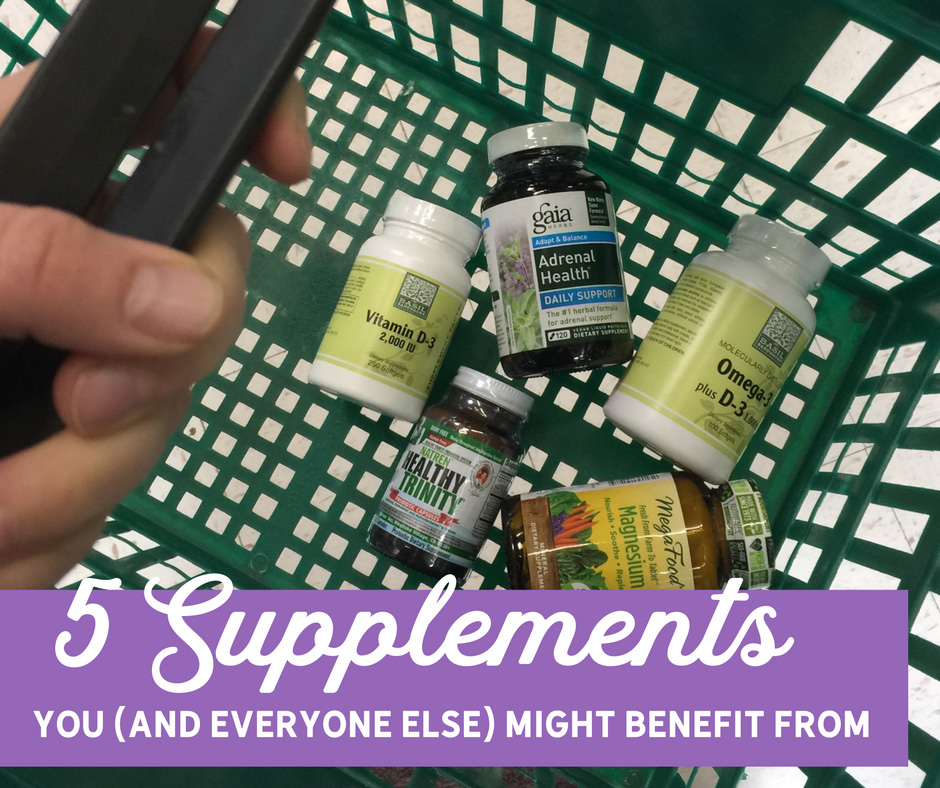
    2017: Whether your goal is more energy, less stress, better digestion, weight loss or improved fitness, this article is for you. If none of these are your goal, this article is also for you! All of us want to optimize our wellbeing – but many of us don’t know where to start. Our modern-day stressful lifestyles and convenience-based food choices leave much room for nutritional deficits and more. Even the most mindful eaters living low stress lifestyles in today’s world can use support from basic supplements, as food choices alone may not be the answer to optimal health. Industrial farming techniques can deprive crops and meats of key nutrients. Here are five supplements you’ll want to consider bringing into your daily routine in 2017:

    Omega-3 Fatty Acids

    We need this good fat to balance out the bad fat that is so heavily consumed in the standard American diet -often referred to as “SAD” for good reason. Deficits of good fat can wreak damage on our cardiovascular systems, immune systems and more. Incorporating a quality omega-3 fatty acid supplement into your routine will help support a healthy immune system, healthy skin/hair/nails, and a healthy digestive system.

    Probiotics:

    More IS more when it comes to good bacteria. Research has shown that antibiotics depletes our digestive systems of good bacteria, which may negatively impact our bodies in many ways. This concept – along with poor dietary choices – leaves our guts lacking in the diverse flora needed to be in optimal health. Probiotic supplementation can help support optimal digestion and a healthy immune system, among many other benefits.

    Vitamin D3:

    Many of us (especially in this region of the world) are deficient in Vitamin D3.  This is due to lack of sun exposure – which is how Vitamin D3 is acquired in our bodies. Many of us spend our days indoors without sun. If we are lucky enough to be outside, the winter sun exposure is mild and our layers of clothing inhibit absorption. Supplementation with Vitamin D3 may help protect us from many chronic neurological, cognitive, and mood conditions, according to recent research. Vitamin D3 can help support healthy immune function, healthy energy levels, and a healthy mood.

    Magnesium:

    You’ve probably heard a lot about magnesium lately- and for good reason. Like the other nutrients mentioned here, magnesium is particularly prone to depletion in our foods due to poor soil conditions within industrial farming. Furthermore, processed food, soft water, and caffeine may reduce your body’s absorption of this critical mineral. Magnesium supplementation may help relieve discomfort associated with headaches and muscle cramping, and supports a positive mood and restfulness.

    Adaptogenic Herbs:

    Busy modern lifestyle often leaves people “wired and tired”. Stress robs us of our positive mood, energy levels, and our ability to fight off illness. Simply put, our bodies were not designed to withstand some of the stressful lifestyles we live today. Adaptogenic herbs may help support a more positive reaction to stress – allowing our bodies to potentially better cope with life’s everyday demands. Adaptogens work on our endocrine and nervous systems and help support a healthy reaction to stress, positive mood and restfulness.