Tag: organic

  • Bio Dynamic: Above and Beyond Organic

    Bio Dynamic: Above and Beyond Organic

    As a conscious consumer, you like to be aware of the quality of all ingredients in your food as well as the labeling that denotes the quality.  

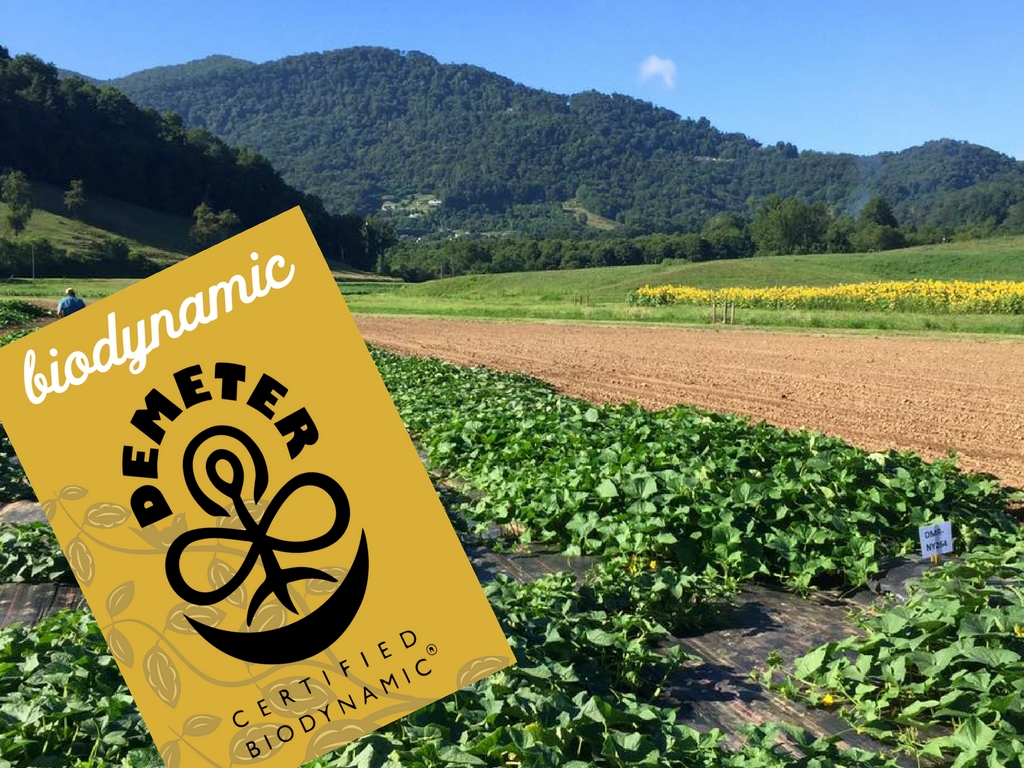
    A new and important label you may or may not yet be familiar with is taking USDA Organic standards to the next level. “Biodynamic®” is an exciting — yet complex — way of growing crops and here’s what it involves:


    Biodynamic farming:


          • Meets all USDA Organic Program standards

          •Avoids use of synthetic pesticides, fertilizers and transgenic contamination; instead, focuses on farm-generated living solutions to control pests and fertility

        •Sets aside at least 10% of total acreage for biodiversity


    Overall, Biodynamic farmers view their farms as self-contained, self-sustaining organisms. The wellbeing of the farm animals, the farmer, the grounds and the Earth are viewed as integral parts that make up a whole.


    To qualify as a Certified Biodynamic farm or product, it must be certified by Demeter USA- a non-profit formed in 1985 to promote Biodynamic agriculture. Demeter USA is part of Demeter International – the oldest ecological certification organization operating in 45 countries globally.


    Check out the products for yourself- look for this tag:

    BioDynamic Shelf Talker

    For more information on Biodynamic standards, click here.

  • Produce Spotlight: Delicata Squash

    delicatablog

    While the world turns to the Pumpkin and Butternut Squash to fulfill it’s fall comfort needs, we offer a lesser-known alternative. The Delicata Squash looks like decor, and perhaps doesn’t reach the kitchen as often as it’s more traditional cousins, but theres good reason to try it!

    It’s considered a summertime squash, but you’ll still find it on the shelves into late fall. It shares some similarities with Zucchini and Summer Squash in that it’s skin is thin enough to be eaten our peeled with a vegetable peeler.

    Delicata squash has a similar flavor profile to Sweet Corn, and some say it’s similar to Pumpkin Pie. The texture is similar to Butternut, and some say it’s even creamier!

    Here’s how to make quick work of preparing it:

    •Pre-heat oven to 425 Degrees

    •Clean the squash by running under warm water and scrubbing gently with your hands.

    •Cut end pieces off, then slice the whole squash in half, lengthwise

    •Scoop out seeds with a spoon

    •Drizzle olive oil on bottom of baking sheet

    •Place squash halves face down on the baking sheet

    •Bake for 10 minutes, flip and bake 10 minutes more, or until skin can be pierced by a fork

    •Salt if desired, then enjoy!

  • October is NON-GMO Month!

    October is NON-GMO Month!

    Many of our customers have questions about the difference between “organic” and “non-GMO”. So let’s go over this important distinction:

    Organic:

    To qualify as a Certified Organic product, contents must be 95% or more free of synthetic additives (pesticides, chemical fertilizers, dyes) and must not be processed using industrial solvents, irradiation or genetic engineering. The remaining 5% may only be processed with additives from an approved list.

    Certified Organic products are ALWAYS also Non-GMO.

    Look for this official seal on Certified Organic products:


    organic

    Non-GMO:

    To qualify as Non-GMO, a product must be free of any plants or animals that have been genetically modified.

    Non-GMO products are NOT necessarily also Organic.

    Look for this official seal on Certified Non-GMO products:


    non-gmo-product-certified


    With this understanding, many folks question whether or not GMOs (or genetically-modified organisms) are safe to use or consume. This question is certainly stirring the pot these days! In researching this topic, you may find a number of studies suggesting that this technology is safe for humans and our planet. However, it is important to note who conducted and funded the studies in order to fully understand biases and motives that color the research.

    img_6112

    Ultimately, it is up to you to decide what you want to put in and on your body. And we’re here to support you with your choices. Come see one of our friendly team members for help choosing products that are right for you – we are happy to help!


    Our Flyer is FULL of Non-GMO products on sale this month- check it out here.

    And be sure to stick with us this month as we highlight some of our favorite non-GMO products and shopping tips!


  • Summer Vegetables: Grill-Ready and Delicious!

    Summer Vegetables: Grill-Ready and Delicious!

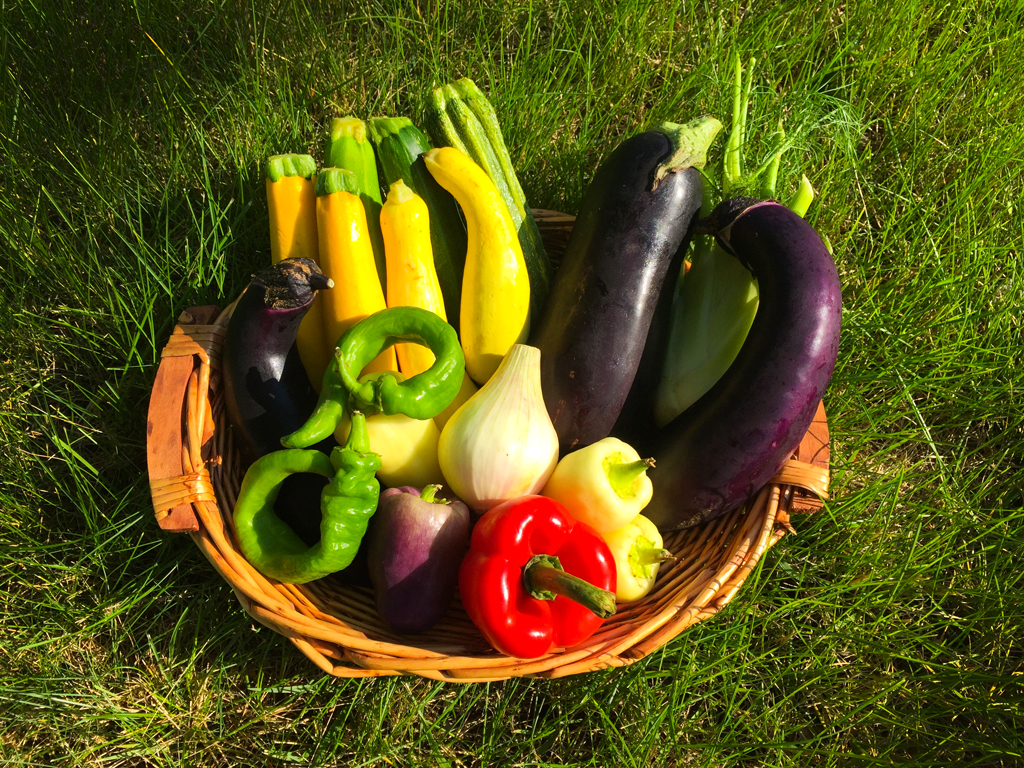
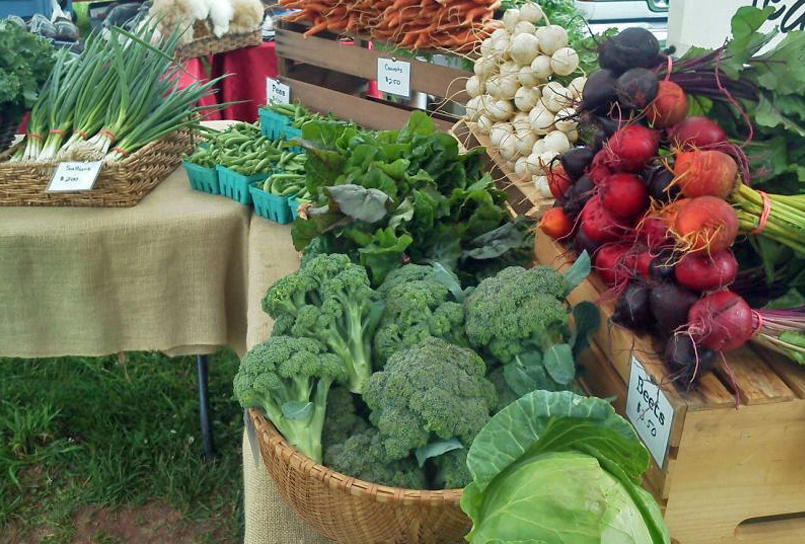
    Our local producers are bringing in the perfect vegetables for grilling:

    •Walla Walla Onion from Blooming Glen Farm

    •Zephyr Squash, Fennel, and Golden Zucchini from Sandbrook Meadow Farm

    •Paprika Peppers from Millwood Springs Farm.

    •Long Hot Frying Peppers from Zone 7

    •Purple Bell Peppers from Profeta Farms


    Here’s our method for getting the most flavor out of these beauties:


    • 23cup organic olive oil
    • 13cup balsamic vinegar
    • 14cup minced onion
    • 1tablespoon chopped fresh basil
    • 1teaspoon minced garlic
    • 12teaspoon kosher salt
    • 14teaspoon fresh ground black pepper
    1. Combine all ingredients and mix well.
    2. Marinade cut vegetables for 3 to 4 hours and then grill or brush marinade onto vegetables as you grill.
    3. Yield 1 cup marinade.


  • How to Clean a Watermelon (Demo!)

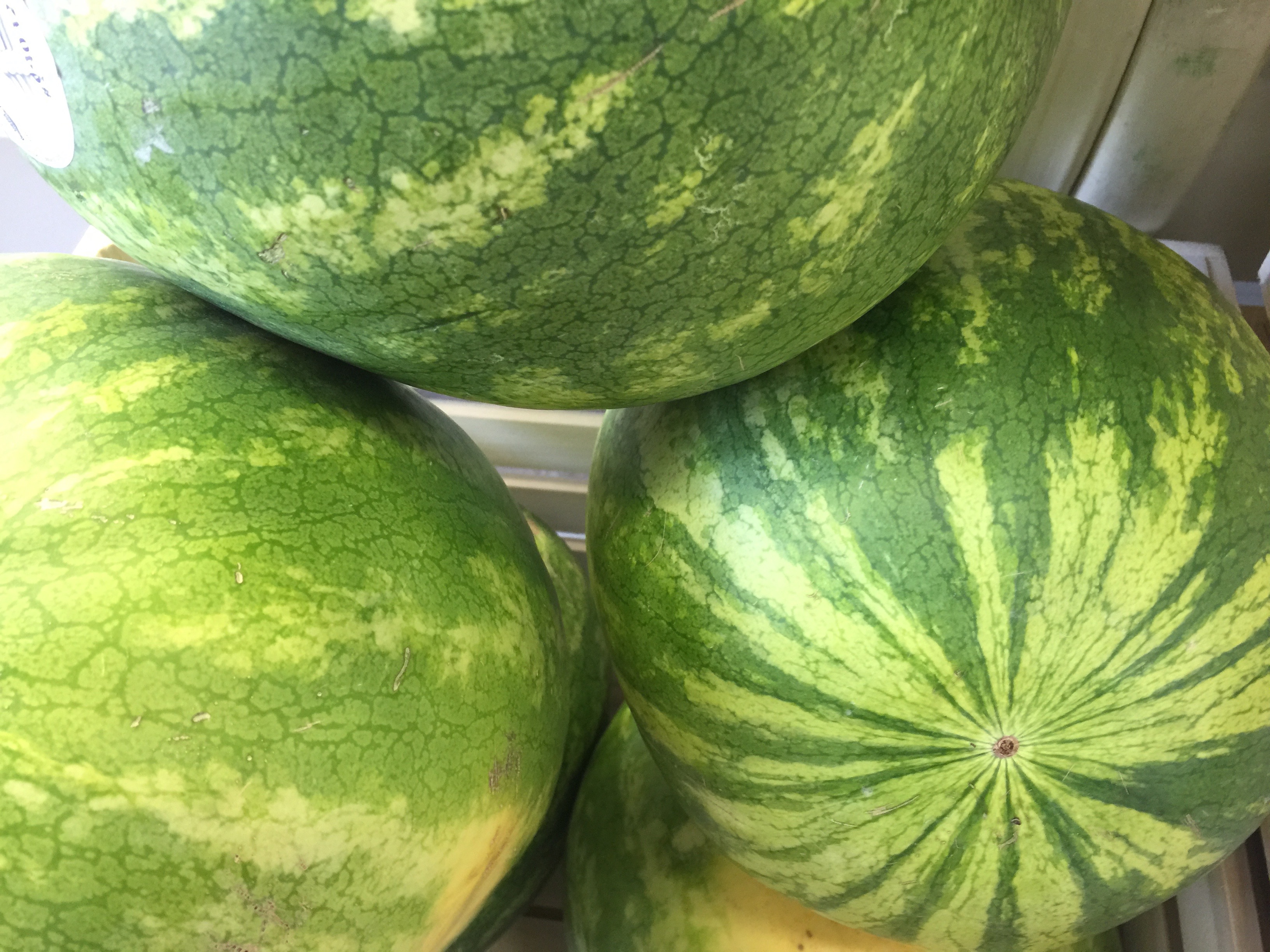
    How to Clean a Watermelon (Demo!)

    Want to get every bite out of that gorgeous organic watermelon? Here’s how a pro does it!

    Watermelons

  • New Product Wednesday May 18th

    New Product Wednesday May 18th

    It’s Wednesday: see what we’re putting on the shelves this week.


  • Meet the Farmer: Alex Sawatzky, Sandbrook Meadow Farm

    Meet the Farmer: Alex Sawatzky, Sandbrook Meadow Farm

    Sandbrook Meadow Farm is set on 50 acres in the beautiful rolling farmland of Stockton in Hunterdon County, New Jersey. Partners, farmer Alex Sawatzky and landowners Brent and Deirdre Alderfer, produce certified organic vegetables weekly throughout the growing season. Sandbrook Meadow Farm is committed to preserving the integrity of the land and the joys of farm community through responsible organic farming practices

    Alex Sawicki, Sandbrook Meadow Farm, Basil BandwagonQ. How did you get into farming?

    A.  Farming is somewhat of a recent vocational choice for me.  I studied history in college with the intention of pursuing a teaching career in secondary education. However, shortly after graduating, I participated in an internship at a sustainable living and environmental education center in Costa Rica that changed my life. I finally found out what passion was for the first time. I fell in love with growing food as a part of living more sustainably. Conserving resources and consuming responsibly became part of my value system. For me, that included growing food in a way that enhanced the local community while maintaining and improving the integrity of the land. Upon my return to the States, I completed an internship at an organic vegetable farm and haven’t looked back since. I have been farming for six years now in the Northeast and started Sandbrook Meadow Farm in 2011 with Brent and Deirdre Alderfer. The farm is a Community Supported Agriculture (CSA) operation, providing organic produce to almost 300 families weekly during the growing season.

    Q.  What are your biggest challenges?

    crops growing, Sandbrook Meadow Farm, Basil BandwagonA.  Weather is such an unpredictable beast, and its mood swings affect everything we do. We are often at the mercy of Mother Nature, but we continue to strive to do the things we can control well, and not stress about what we can’t. Weather extremes appear to be the new pattern … too much rain, too dry, too hot, or too cold. The other major challenge is finding the opportunities to improve. As a farmer, you often only get one or two chances a season to observe the life of a crop. That doesn’t amount to a surplus of notes and data to learn from. The importance of taking the time to observe cause and effect with all the variables that come along with farming is invaluable to say the least. Our goal every year is simple: to grow food better than we did the year before.

    Q.  What do you see in the future of Sandbrook Meadow Farm?

    A.  We have evolved and grown over the five years since our inception. The size of our current operation feels right though. It is important for us to maintain the sense of a community supported farm. If we aspire to continue to expand, we would undoubtedly lose the intimate connection with our members and customers. I want people to know where their food comes from and to know their farmer. If everyone knew who produced their food, it would change the world as we know it in a phenomenal way.

    [button icon=”” target=”_blank” text=”Visit the website” link=”http://www.sandbrookmeadowfarm.com”]