Tag: physical activity

  • What is VILPA …

    What is VILPA …

    What is VILPA …

    … and why should you consider adding it to your life?

    In 2020 the World Health Organization’s global Guidelines on Physical Activity and Sedentary Behaviour acknowledged that “all activity counts” and removed the stipulation that activity should be accumulated in 10-minute bouts.

    VILPA, short for vigorous intermittent lifestyle physical activity, describes a way of thinking about movement that can be used to promote daily activity in those who don’t exercise routinely.

    Taking the stairs instead of the elevator, carrying groceries, vacuuming and washing floors, or playing with the kids are just some of the activities that could be considered VILPA. Just put a little more oomph into your activity to raise your heart rate for a minute or so and those chores turn into VILPA gold.

    It’s a viable alternative for those who are short on time or making their way back from being more sedentary to more active.

    “VILPA can work for most adults, and it’s especially useful for those who are sedentary and for people who don’t have a structured exercise routine,” says Jamie Hardy, a functional movement specialist.

    Movement as catalyst for better health

    In our history, humans have been active as a means to survival. In our modern lifestyles, it’s easy to settle on the sofa and order dinner with a touch of a button or a voice command. The problem is, though, all that sedentary living is bad for our health.

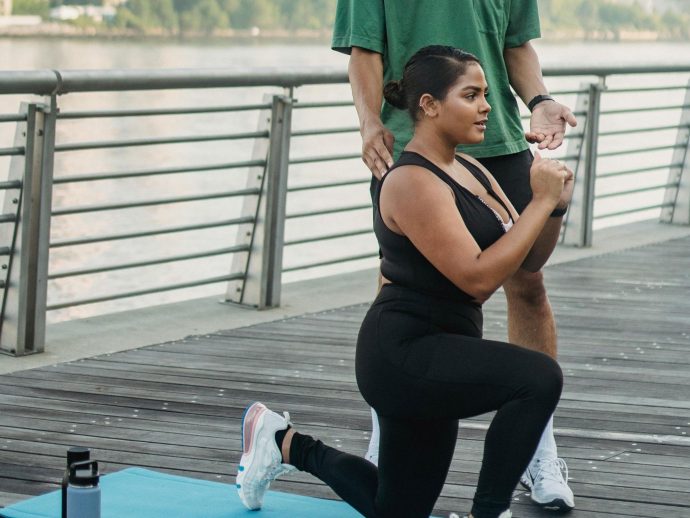
    If you happen to be stuck in a sedentary pattern, VILPA can help, and “you can add yet another beneficial layer to it,” says Hardy, “by adding a type of functional weight-bearing exercise when possible, such as squatting and carrying groceries up the stairs.”

    Long-term benefits

    Up to five minutes of VILPA daily (three bouts of one or two minutes peppered throughout the day) can reduce the risk of certain cancers (especially breast, endometrial, and colon cancer) by up to 40 percent. Also, the risk of cardiovascular disease following consistent VILPA is reduced by half.

    Short bouts of exercise that do not require extra time set aside might just be one solution, as long as they’re done regularly. “VILPA can help improve cardiovascular fitness over a few weeks of doing it consistently, and the advantage is that it’s accessible to most people and it can be done anywhere,” says Hardy.

    VILPA versus general movement recommendations

    It may sound like a few minutes of vigorous physical activity can replace the general weekly recommendations (at least 150 minutes of moderate to intense aerobic activity and at least two sessions of strength training) but that’s not the case.

    “VILPA … is less beneficial for achieving fitness goals that are usually linked to a consistent strength routine, for example,” says Hardy.

    However, considering that six weeks of short bursts of intermittent stair climbing led to an improvement in cardiorespiratory fitness levels of sedentary women in a recent scientific study, there is but one question to ask: why not?

    By Daniela Ginta, MSc, NNCP

    Article Courtesy of Alive Magazine
  • (Re)discover the joy of movement

    (Re)discover the joy of movement

    (Re)discover the joy of movement

    Let’s make physical activity fun again

    Have you ever watched a two-year-old bop along joyously to a favorite song? Or a preschooler dash around a playground with glee? Young children intrinsically know that moving our bodies is fun! And then, somewhere along the way, we lose that. This New Year, let’s resolve to rediscover the joy of movement in our own lives. Here’s how.

    Fun, not fitness

    Getting regular exercise is easier said than done, isn’t it? Maybe you still cringe at the memory of high school gym class. Maybe you find the thought of working out at a gym boring. Maybe exercise classes feel intimidating. But who says that exercise has to be spin class, jogging, or lifting weights?

    From ballerina to pole artist: One woman’s journey

    Pole artist and instructor Rebecca Karpus discovered the world of pole after growing up as a trained ballerina. Like many children, she started dancing at a very young age and fell in love with it. After dancing professionally in university, she decided to pursue a different career path. Long days in the studio were replaced with long days at the office, which left her feeling incomplete. She deeply missed the artistry of dance but struggled to find the perfect dance alternative. “I tried going to the gym. I tried yoga. I tried Pilates. Nothing really clicked for me,” she explains.

    Eventually, on a whim, Karpus attended a pole class at a nearby studio several years ago. “I thought I would hate it,” she laughs, “but it was so exciting!” She explains that there is a lot of stigma associated with pole dancing. “But pole dancing isn’t always sexy. It can be very athletic or very dance-y. It is a great exercise, an amazing creative outlet, and a wonderful, supportive community. Pole [dancing] filled the void that ballet had left.”

    Find your own joy

    Looking for a unique movement idea? Ask yourself what type of activity might bring you joy. Consider something …

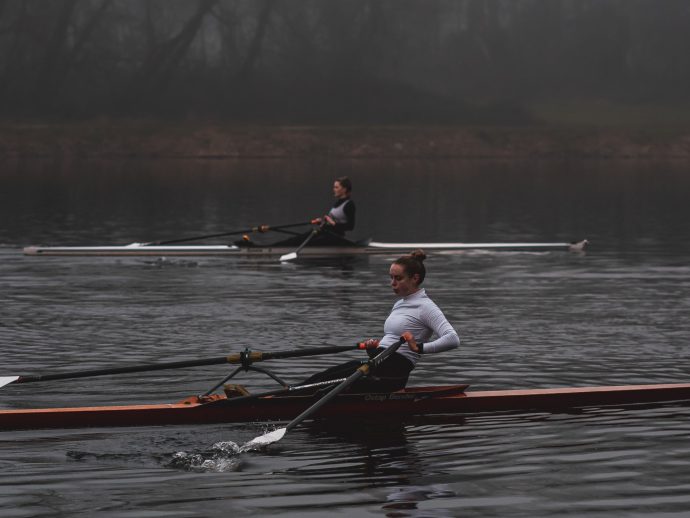
    • outdoorsy (such as mountain biking, hiking, kayaking, or stand-up paddleboarding)
    • artistic (such as pole dancing, belly dancing, or ballroom dancing)
    • you can do with others (such as ultimate Frisbee, curling, roller derby, pickleball, tennis, or square dancing)
    • you can do solo (such as yoga, tai chi, Nordic walking, or running)
    • with little commitment needed (such as drop-in aquafit, public skating, or an adult outdoor jungle gym)
    • you’ve wanted to try since childhood (such as gymnastics, fencing, horseback riding, martial arts, or hockey)
    • for the whole family (such as backyard picnic games, treetop adventure courses and ziplines, or canoeing)

    This year, let’s think outside the box and focus on fun and not fitness. Let’s listen to our inner toddler and move our bodies simply because it feels amazing! We deserve it.

    By Leah Payne

    Article Courtesy of Alive Magazine