Tag: rest

  • Rest up

    Rest up

    It’s Rest and nonrest

    According to research, the state of rest doesn’t occur from the activity itself, but rather from when there is harmony between our feelings, motivations, and actions. This harmony cultivates calm, confidence, and belonging. By contrast, the state of nonrest is defined by <dis>harmony of our feelings, motivations, and actions, which leads to tension and energy depletion.

    We are continuously moving between rest and nonrest. When we feel tense and fatigued, we should take it as a cue to restore harmony.

    Keys to foster rest

    We can cultivate harmony between our feelings, motivations, and actions by embracing the following concepts.

    Natural rhythms

    Align with the natural rhythms of the day, month, and season. For example, take a rest as you transition from one task to another in the day and honour how you feel in the winter versus the summer.

    Letting go

    You don’t have to do everything yourself. Trust and have confidence in others, allowing them to help you.

    Safe relationships

    Being accepted without judgment and not having to behave in a certain way is conducive to rest. Invest your time and effort into beneficial relationships and walk away from toxic ones.

    Pleasure and creativity

    Appreciate the beauty in nature, music, and art. Take the time to not only to take in and enjoy the beauty, but to also answer the call to create what you’re compelled to create.

    Feeling rested

    Mental-emotional health

    We feel mental fatigue after prolonged periods of cognitive activity. Mental fatigue is a psychobiological state involving cognitive decline, reduced accuracy, and slower reaction time. Symptoms may include temperamental depression, moodiness, and changeability, which may create relationship difficulties and challenges at work; it can sometimes lead to substance abuse.

    Rest Rx: Research shows that listening to music and binaural beats helps ease mental fatigue. Having a regular meditation practice may also reduce the negative effects of mental fatigue.

    Physical health

    When we’re physically fatigued, we can experience symptoms ranging from insomnia, chronic pain, digestive issues, heart conditions, and gynecological problems. While there isn’t a biological explanation for every physical symptom of fatigue, researchers have developed an umbrella term for exhaustion-related symptoms, called persistent physical symptoms (PPS).

    Rest Rx: Research shows that nonsleep deep rest (NSDR) improves physical readiness, exercise recovery, tension, emotional balance, negative affect, and overall stress. In this study, the NSDR was elicited by lying down on a mat in a dark, quiet room and doing 10 minutes of guided meditation exercises.

    By Cassie Irwin, ND
    Article Courtesy of Alive Magazine
  • Rest and repeat

    Rest and repeat

    Rest and repeat

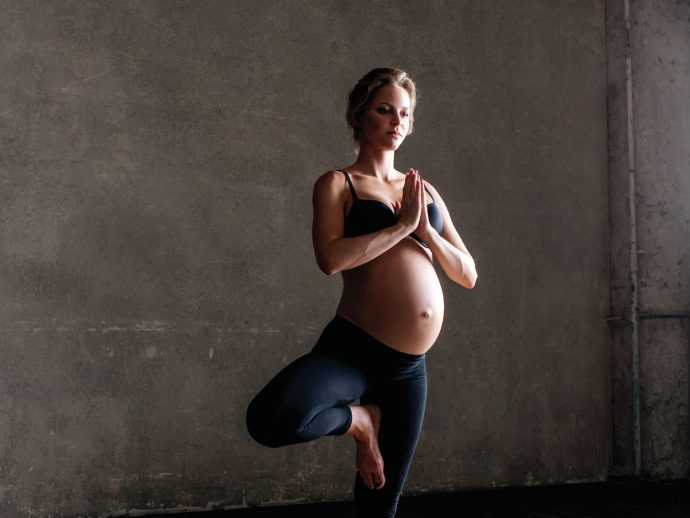
    Harness the power of yoga during pregnancy and postpartum

    In today’s fast-paced society, many of us emphasize the value of “doing” and diminish the significance of downtime—a mindset that often extends into pregnancy.

    Expectant moms are frequently burdened by anxiety about managing responsibilities, whether it be maintaining workout routines throughout trimesters or focusing on household tasks during postpartum recovery. In reality, we’re not supposed to do it all (or do it the same).

    Here’s how to reclaim rest and tap into the benefits of yoga during this transformative period of motherhood.

    The pressure to be productive

    With the pace of modern life pulling our attention in various directions, we often end up in a continual state of reactivity. The pressure to be productive can impact everything from sleep quality to hormone regulation, both vital during pregnancy and postpartum to create a nurturing environment for ourselves and our little ones. Failing to allow ourselves time to heal and discover what it means to mother can lead to struggle.

    The power of rest

    How can we embrace downtime? What does it mean to truly rest? Rest isn’t necessarily about sleep quality but our capacity to simply stop and be. It’s our ability to downregulate the nervous system or take moments of conscious rest throughout the day.

    Whether pregnant or caring for a newborn, carving out time for rest allows us to surrender to our circumstances. How we think and relate to ourselves and others is rooted in our capacity to rest. Practicing conscious rest in pregnancy and postpartum can take many forms, such as reading a book, meditating while breastfeeding, or gentle stretching. It means letting go of the pressure to run outdoors or clean before the baby wakes.

    Author Kimberly Ann Johnson explores this in her book The Fourth Trimester: “Exercise is a healthy stress reliever, but sometimes it is the only way that women know how to regulate their stress levels. [Pregnancy] is a great time to strengthen internal practices like meditation.”

    Yoga as a form of rest and recovery

    Embracing rest throughout each perinatal stage doesn’t mean giving up movement. Yoga connects our bodies and minds during this transitory time. While standard yoga centers on stretching, prenatal yoga emphasizes structural alignment and stability-focused work—from strengthening the pelvic floor to releasing lower back tension. It also includes breathwork and visualization techniques.

    Research indicates prenatal yoga can reduce labor pain, lower the likelihood of intervention during childbirth, and boost the birthing parent’s immune function. Additionally, studies suggest yoga enhances psychological well-being during pregnancy and postpartum by mitigating stress and improving sleep quality.

    Reframing the concept of self-care

    Whether pregnant or caring for a newborn, committing to a standard yoga practice each week may be unrealistic. Instead, reframing self-care and not fixating on a previous workout routine is crucial. Smaller but more regular practices of self-care can be as beneficial as an hour at the gym. There’s no going back after having a child; you’re creating something new.

    By Brittany Devenyi

    Article Courtesy of Alive Magazine

  • The renaissance of rest

    The renaissance of rest

    The renaissance of rest

    How to slow down

    When is the last time you truly rested? As the year draws to a close and a new one is set to begin, let’s recommit to rest.

    According to registered clinical counselor Laura Henderson, rest refers to the act of giving our bodies and minds a break from constant stimuli. “Our society’s ‘hustle culture’ doesn’t value rest,” Henderson explains, “but rest is essential to mental health.”

    Regular rest is thought to help us

    • heal our bodies
    • reduce stress and feel calmer
    • be more productive and more creative

    Types of rest

    According to author, physician, and researcher Dr. Saundra Dalton-Smith, people need seven types of rest to help recover from spending energy in seven key ways.

    Type of restExample
    physical resteither passive, such as sleeping, or active, such as massage therapy
    mental resttaking small breaks in your workday
    sensory resttaking breaks from screen time
    creative restexperiencing art or nature
    emotional restincludes everything from setting boundaries to expressing your emotions
    social restfocusing on relationships that lift you up
    spiritual restfinding belonging and purpose in your life

    Taking some time to contemplate each of these types of rest can help us uncover gaps and come up with an action plan. To start, it could be as simple as taking 10 minutes to savor a cup of tea every morning without any screens or distractions or committing to a daily after-dinner neighborhood stroll.

    Another example is to adopt the “walk, window, water” tactic at work, explains Henderson. That means taking a strategic break every hour or 90 minutes in which you get up and walk to a window, gaze far into the distance (preferably at something in nature, such as a tree), and have a sip of water. This can give our busy minds a moment to calm down.

    Your own personal recipe for rest

    It’s important to remember that our need for rest is highly individual. To find truly restful activities for you, Henderson suggests checking in with your body and how you’re feeling as you go through your day. For example, you might find baking meditative … or you might find it stressful.

    Our need for rest is also prone to change throughout our lives. If you’re a parent of young children, you may find that you crave some time alone or with your partner to recharge and reflect away from your kids. If you’re an introvert with a high-pressure career, you may find that you need extra rest after networking events.

    Proactive rest in the workplace

    Many progressive workplaces are embracing “proactive rest” to help increase productivity, reduce the risk of burnout, boost creativity and problem-solving skills, and improve employees’ quality of life.

    Within a workplace setting, proactive rest can look like the following.

    • encouraging active breaks throughout the day
    • advocating for work-life balance
    • enabling flexible working arrangements
    • providing resources for self-care and stress reduction
    • offering wellness programs

    By Leah Payne

    Article Courtesy of Alive Magazine