Tag: sleep

  • Extend your biological clock

    Extend your biological clock

    Extend your biological clock

    Time keeps moving forward, and while we can’t turn back the clock, maybe we can “slow it down” a bit. Biological age assesses the vitality of your cells, offering insights beyond the measured years on a calendar. This differs from our chronological age, which is simply the number of years we’ve lived. Biological age consistently outshines chronological age in predicting health; a younger biological age often means better health and reduced age-related disease risk. You can help nudge your body’s internal timekeeper to adopt a more relaxed pace, ensuring your cells and tissues remain as lively as your spirit.

    Foods that fuel longevity

    Nutrition is crucial for preserving youth. A diet rich in antioxidants, healthy fats, and nutrients can noticeably decelerate aging. Foods like berries, nuts, leafy greens, and fish support skin and body wellness.

    Move it or lose it

    Exercise is not just about staying fit—it’s also about keeping your spirit young. Regular physical activity boosts endorphins and enhances mood, while also preserving muscle and bone strength. Whether you dance, practise yoga, or make time for a brisk walk, daily movement wakes up your body and keeps you feeling young.

    Sleep―your secret weapon

    Quality sleep is essential for cellular repair and rejuvenation, aiding muscle recovery, memory consolidation, and hormone regulation. While sleeping, your brain clears out toxins that accumulate during the day, boosting mental clarity and cognitive function. Restful sleep does wonders for your long-term health. And, it’s nature’s simplest (and cheapest) beauty secret.

    Social relationships help us live longer

    Human connection acts as a powerful ingredient for a longer, happier life. Chatting with friends, sharing a laugh, or just knowing someone’s got your back can help slow down your biological clock. Join a book club, volunteer at your local library, take that Italian cooking class you’ve always dreamed about, or invite your neighbour to go for a walk.

    Maintain your zen (and your youth)

    Chronic stress accelerates aging by raising cortisol levels, leading to inflammation and skin issues. Practices like yoga, meditation, and deep breathing can effectively manage stress. Stress significantly impacts skin health, making relaxation a vital antiaging strategy.

    Lifelong learning―stay curious

    A curious mind is a youthful mind. Embracing new challenges isn’t just soul enriching—it can add years to your life. Curiosity and a love of learning keep the brain agile, so engage in interesting hobbies, pick up that book you keep meaning to read, or learn a new skill. Be a student for life.

    The power of positivity―laugh your way to a longer life

    Positivity enhances mental and physical health, boosting immunity, reducing stress, and extending lifespan. Cultivate optimism through affirmations, social connections, self-care, and humour. Laughter, a natural stress reliever, lightens life’s burdens

    by Nancy Hillis

    Article Courtesy of Alive Magazine

  • Wake up to the reality of sleeping pills

    Wake up to the reality of sleeping pills

    Wake up to the reality of sleeping pills

    Alternatives for safe, natural sleep

    Sleep has long been an underappreciated determinant of health. It’s often the first thing cut from our crammed and overflowing routines. Sleep quantity and quality, however, affect many seemingly divergent areas of health, including hormonal and metabolic health; it’s also an essential prerequisite for normal daily functioning.

    When we don’t get enough

    A sleep disorder may be a wake-up call to address a more serious issue. Chronic sleep deprivation is linked with increased risk of heart disease, obesity, immune dysfunction, hormonal imbalances, and even cancer.

    Health risks of common sleep meds

    An alarmingly large percentage of the population relies on various sleep medications, but may be unaware of potential risks associated with their use, including dependency.

    The most common sleep medications are the older class benzodiazepines such as lorazepam (Ativan), alprazolam (Xanax), and diazepam (Valium), and the newer benzodiazepine-like drugs (“Z-drugs”) zopiclone and zolpidem.

    These drugs are all associated with risk of dependency and need to be used carefully in conjunction with other medications, especially opioids and alcohol, which can result in oversedation and even death.

    Recently, the US Food and Drug Administration (FDA) updated labeling requirements for all benzodiazepines due to “serious risks of abuse, addiction, physical dependence, and withdrawal reactions” which are common problems of benzodiazepine use even when only used regularly for days to weeks, and even at approved doses.

    Acute withdrawal can lead to seizures and even death, so these drugs need to be tapered slowly with medical supervision. Benzodiazepine use is also associated with increased risk of falls and injury in the elderly, as well as increased risk of pneumonia, because sedation leads to altered respiration.

    Natural sleep alternatives

    There are several natural health products with good safety profiles that may be helpful for those suffering from insomnia. Some of these include melatonin, magnesium, and valerian or passionflower.  Patients should consult a licensed health care practitioner for personalized advice regarding the use of natural health products as well as addressing the root cause of your insomnia. Do not stop the use of prescription medications without consulting your medical doctor.

    Melatonin

    One of the best-studied natural agents, melatonin has been shown to improve sleep parameters including sleep latency and total sleep time without significant side effects in several systematic reviews and meta-analyses. Melatonin secretion may be altered among people with altered sleep/wake schedules, such as shift workers and the elderly; melatonin supplementation may help correct this.

    Magnesium

    A relaxing mineral found in the muscles and the nervous system, many people find magnesium supplements helpful for promoting sleep. Magnesium supplementation has been shown to reduce sleep latency and increase total sleep time.

    Valerian and passionflower

    These mild sedative herbs have a long history of use for anxiety and insomnia. Constituents in these herbs bind to GABA receptors in the brain, exerting calming, inhibitory effects.

    By Dr. Heidi Fritz, MA, ND

    Article Courtesy of Alive Magazine

  • Reboot your wellness routine

    Reboot your wellness routine

    Reboot your wellness routine

    It’s the perfect time of year

    For many, September represents a fresh start—in school, work, and a new season. This makes it the perfect time of year to revamp our wellness routines to better align with the needs of our bodies and minds.

    A new season

    This coming fall season demands different wellness supports, says Ashley Margeson, ND. We encounter two significant shifts in the fall, says Margeson: the drop in UV exposure, which can lead to plunging energy levels, and an increased pace of life.

    Adjusting your wellness routine for the needs of your season

    Margeson suggests looking at the foundations of what’s currently working in your life. She counsels her patients on approaching these cornerstones in the following areas.

    Sleep

    Keeping your bedtime and wake time consistent across the seasons means your circadian rhythm is consistent, which indicates your hormones are consistent as well. Creating a bedtime routine is one of the best things we can do in this area, says Margeson. That could involve drinking a cup of tea with a book, performing yoga, or stretching.

    Movement

    In this area, it’s important to think about how sustainable your movement routine is. For instance, a yoga class that involves a two-hour total commitment might not be as sustainable as 20 minutes a few times a week in your kitchen.

    Fueling

    This wellness cornerstone involves thinking about how much you need to eat for recovery and how you can make this work within your budget. Protein is critical here. Margeson says that fueling can be as simple as ensuring you ingest protein, greens, healthy fat, and fiber at most meals.

    Assessing your current wellness routine

    When assessing a wellness strategy, says Margeson, you should look at areas that aren’t working and where you have capacity to adjust. You’ll also want to build flexibility into your wellness plan. For instance, instead of planning each and every meal, try focusing on protein prep instead.

    Supplements for seasonal support

    Always check with your health care practitioner before trying a new supplement to make sure it’s right for you.

    SupplementHow it may help
    vitamin Dmay help provide support for mood, bones, and reducing inflammation
    probioticscan help improve the immune system
    elderberryhas been heralded for antioxidant, antidiabetic, anti-inflammatory, immune-modulating, and antidepressant properties
    vitamin Cmight help shorten the duration and decrease the severity of the common cold
    oil of oreganohas antibacterial, antioxidant; antifungal, antiviral, and potential cancer-preventive properties

    Sync with the season

    • Meditate on what you can be grateful for about the weather.
    • Journal about some of your favorite images of fall and winter.
    • Spend a moment experiencing the weather as it comes into contact with your skin. Pay attention to what arises in your mind and body in these moments.
    • Take a walk and collect a piece from nature—perhaps a leaf. Choose the piece that speaks to you and meditate on its beauty.

    By Carimé Lane

    Article Courtesy of Alive Magazine

  • Are you getting enough sleep?

    Are you getting enough sleep?


    Are you getting enough sleep?

    Why it matters, and what you should do.

    Approximately 25 to 33 percent of us aren’t getting enough sleep. While one night of lost sleep can impair mindfulness and reduce performance during the day that follows, the effects are usually corrected once sleep is restored. But the repercussions of chronic sleep loss are of greater concern for quality of life and disease risk in the years to come.

    Are you clocking enough hours?


    Experts suggest that six hours is the minimum length of sleep required for optimal health in average adults. A recent study investigated the impact of having fewer than six hours of sleep for eight consecutive nights. The findings suggested that just one night of insufficient sleep can cause both mental and physical symptoms, which worsen with consecutive nights of lost sleep.

    Consequences of chronic sleep loss


    Chronic sleep loss can contribute to systemic low-grade inflammation, which is involved in the development of conditions such as diabetes, atherosclerosis, and neurodegeneration. Research shows that sleep disturbance increases the risk of infectious disease and contributes to the development of cardiovascular disease, cancer, and depression.

    Sleep Rx


    Sleep allows the body to rest and repair, the effects of which are crucial for daytime functioning and overall health.

    • Mood: Sleep is vital for emotional processing and memory consolidation.
      Performance: Sleep loss impairs the speed and accuracy of task performance, decision-making, and exercise recovery.
    • Hormones: Sleep drives the synthesis of reproductive hormones, and sleep deprivation is associated with infertility in both men and women.
    • Immunity: Sleep promotes balance in the immune system by regulating inflammatory mediators known as cytokines.
    • Metabolism: Chronic sleep loss increases the risk of metabolic dysfunction and loss of muscle mass.

    Sleep tips to try


    Looking for a better night’s sleep? Start here.

    • Have a power nap. Napping has been shown to improve performance and alertness among those with regular sleep deprivation, including night shift workers and pilots.
    • Get your iron levels checked. Iron deficiency can contribute to restless leg syndrome, sleeping disorders, and chronic fatigue. To assess your iron storage, ask your doctor to test ferritin in the blood. If ferritin is low but you’re eating plenty of iron-rich foods, look into potential hindrances to iron absorption, such as antacid use, celiac disease, and pylori infection.
    • Ask your health care practitioner about supplements, such as melatonin, valerian, or passion flower.
    • Cut the caffeine cycle. It’s no surprise that caffeine can reduce total sleep time, impair sleep quality, and cause dependence. Baby steps are better than cold turkey. Slowly weaning off caffeine reduces the risk of caffeine withdrawal headaches and migraines.
    • Be mindful. Improve sleep quality and quantity with lifestyle practices such as deep breathing, yoga, mindfulness meditation, tai chi, and barefoot grounding.

    By Dr. Cassie Irwin, ND

    Content Courtesy of Alive Magazine


  • New insights into immune health

    New insights into immune health

    New insights into immune health

    Pandemic lessons on immunity

    Health has never been a more prominent topic or concern than in the era of COVID. But for all of us, supporting our immune system is the cornerstone of our well-being, whether we’re living in a pandemic or not.

    “Health is defined now by most medical establishments as a state of complete physical, mental, and social well-being and not merely the absence of disease and infirmity,” says naturopathic doctor Brian Davies.

    Immune system redux

    To best support our immune system, it helps to have a sense of how it works. Put simply, its job is to defend against disease-causing microorganisms. It has two main components.

    1. Innate immunity, the immune system we’re born with, consists of physical barriers like our skin as well as cells that attack pathogens that enter the body, responding quickly via effects like fever.
    2. Adaptive immunity is the part of our immune system that learns to react to foreign agents. When it’s exposed to a new germ for the first time, it responds by trying to fight it off; we might get sick, but our immune cells remember the invader and mount a more rapid response when it returns.

    Having a healthy immune system doesn’t mean never getting ill. It’s quite the opposite, in fact. And remember that not all viruses are created equal, as we’ve all learned with SARS-CoV-2, the virus that causes COVID.

    “Having symptoms such as fever, cough, muscle aches, headache, and the like are indications that your immune system is working to fight off infection, not the infection itself,” says Ashley Stapleton, naturopathic doctor. Nevertheless, the global health crisis may have led to a greater awareness of the importance of taking care of ourselves, a wake-up call of sorts.

    Immune system support

    “When looking at key support for general immune health, a healthy lifestyle is a critical part of supporting our immune systems,” Davies says. Some people who should consider modifications to their lifestyle to better support their immune systems are those who

    • eat highly processed foods
    • don’t sleep well
    • are under excessive emotional or physical stress from injury or overexercise
    • consume excessive amounts of alcohol
    • smoke cigarettes

    All of these factors put excess stress on the body, which is known to suppress innate immunity and dysregulate our adaptive immune system.

    Caring for your immune system

    Here are some other approaches to providing your immune system with support.

    • Cut out sugar
    • Avoid alcohol
    • Get plenty of good sleep
    • Reduce stress

    Supplemental immune support

    Always check with your health care practitioner before trying a new supplement. Supplements that may help support your immune system include:

    • Probiotics
    • Vitamin C
    • Vitamin D
    • Zinc

    Article courtesy of Alive Magazine

  • The Joy of Sleep: LifeSeasons helps you get the rest you need!

    The Joy of Sleep: LifeSeasons helps you get the rest you need!

    National Sleep Awareness Week (March 12-18, 2023) highlights commitment to the vital refreshment of a good night’s sleep. Our bodies accomplish a great deal during sleep: bone, muscle, and tissue are repaired; our immune system is strengthened; memories are stored. Our systems slow down overnight, resetting energy levels for a fresh start.

    LifeSeasons offers a studied, full-body range of care, including support for stress, mind, and mood, all conducive to a productive night’s sleep. They also offer supplements that enhance the natural relaxation that leads to restful sleep.

    All LifeSeasons supplements are 25% OFF through March!

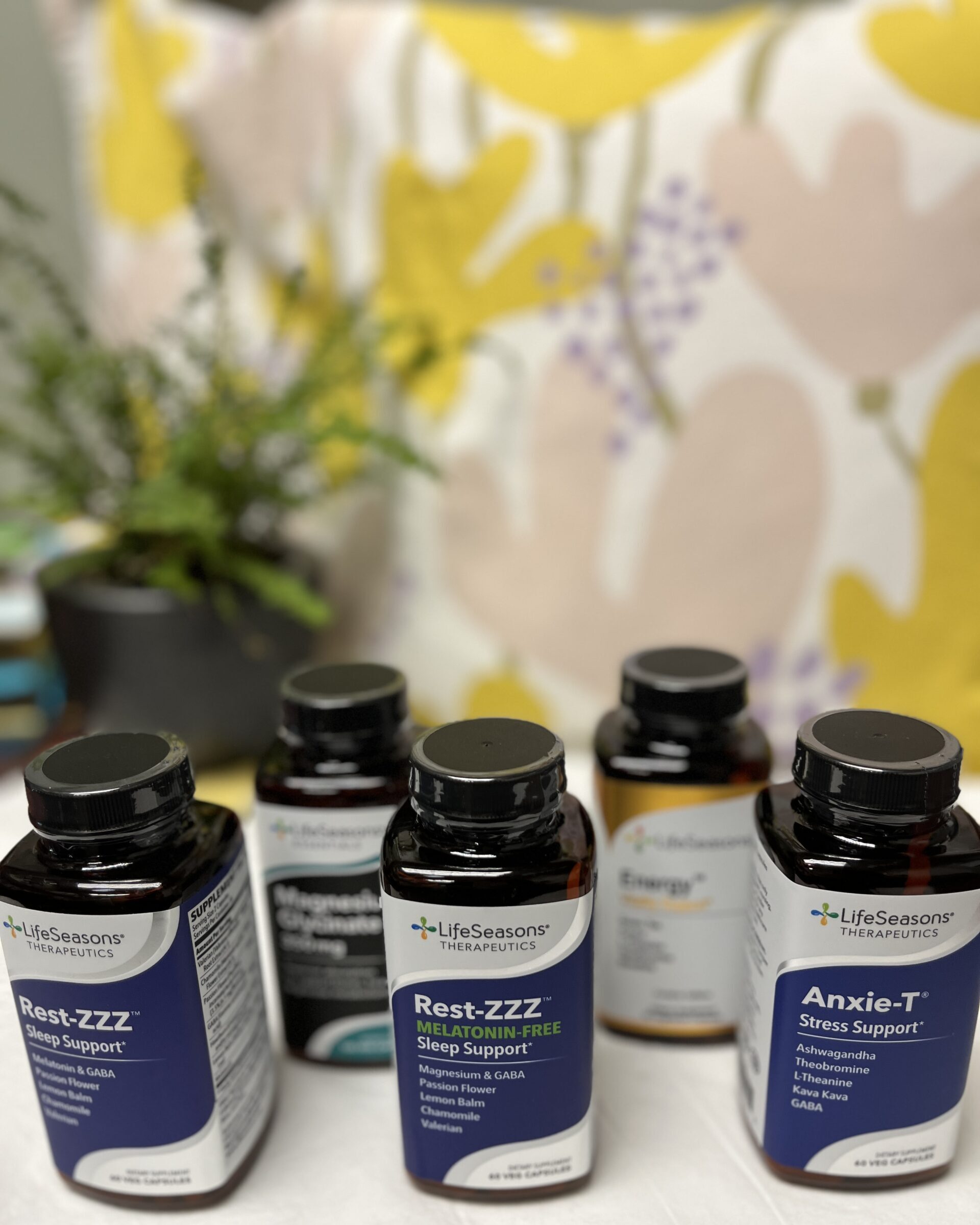
    Rest-ZZZ Sleep Support

    Encourage a healthy, restorative night’s rest with some soothing habits: a cool, darkened room, a warm bath, and a break from your screens. Rest-ZZZ can help by calming your nervous system, promoting your natural sleep cycle, and easing muscle tension, restlessness, and nerve-related sleeplessness.

    Rest-ZZZ Melatonin-Free

    Prefer to skip the melatonin? Rest-ZZZ Melatonin-FREE offers sleep support for those unable to tolerate melatonin. Ease yourself into a restful night’s sleep without feeling groggy or “hung over” the next morning.

    Anxie-T

    Stress challenges all our systems and can certainly interfere with the ability to fall asleep. Anxie-T nurtures a relaxed and calm mind by supporting the body’s natural abililty to respond to stress. This is a great way to start your self care stress relief.

    Magnesium Glycinate

    A better you starts with a better mood — create a routine to prioritize staying cool, calm, and collected. Both you and your sleep will benefit! Magnesium Glycinate aids mood and sleep support, while promoting bone and heart health, and helping to maintain normal blood sugar levels.

    Energy

    We all have those days when it’s just hard to get started. LifeSeasons’ Energy helps overcome tiredness and fatigue with a gentle boost to energy and mood. Natural ingredients such as green tea and cacao supply support for circulation and focus without unwanted jitters.

    Resources:

    https://lifeseasons.com/blog/sleep-stages/

    https://lifeseasons.com/product/rest-zzz/

    https://lifeseasons.com/product/rest-zzz-melatonin-free/

    https://lifeseasons.com/product/anxie-t/

    https://lifeseasons.com/product/magnesium-glycinate/

    https://lifeseasons.com/product/energy-natural-caffeine-supplement/

    https://www.instagram.com/lifeseasons/

  • 6 ways to take back your mornings

    6 ways to take back your mornings

    6 ways to take back your mornings

    Your new routine for better mental health

    It’s 7 am, and your eyes open to the musical chimes of your phone alarm going off.  Have you thought about how much your brain might be processing during this rushed awakening from slumber to content onslaught? And the kind of mental gymnastics your brain is already performing?

    Creating a morning routine can help you break the unhealthy cycle of distraction and distress that can assault your brain when you start your day with your smartphone. It also allows you to find purpose each morning and start your day with your best interests in mind.

    Sample morning routine

    Here are six ideas to include in your morning routine. When putting your routine together, try to aim for at least 30 minutes, including waking up, making your bed, and showering, which will likely use up about half of this time.

    While these morning chores are part of a valuable routine, the really positive brain work comes from meditation, journaling, and affirmation. Most importantly, you must work with what’s happening around you and with those you share a life with. Remember that a shorter routine is better than no routine.

    Wake up at the same time every day

    Creating a successful morning routine starts with finding a time at which you can comfortably wake up each day.

    Make your bed

    The action of checking off something on your to-do list within mere minutes of waking up will set the tone for your day. It not only looks good but also creates a sense of pride and self-confidence.

    Drink some lemon water

    Drinking water with fresh lemon juice can infuse your body with health-giving phytonutrients, vitamins, and minerals, while also helping to instill the habit of drinking more water during your day.

    Write in a journal

    The idea of writing down your thoughts is much easier than you might think. Try starting with making bullet points and setting a timer for how long you’ll focus on this area. Remember, the journal is only for your eyes, so be straight to the point, don’t edit yourself, and don’t worry about being judged.

    Meditate

    Meditation comes in many forms, so don’t be discouraged if you don’t feel like a Yogi Master. To start your new meditation routine, find a quiet, comfortable area where you can sit upright. Then close your eyes, focus your attention on your breathing, and take in the quiet surrounding you. Start small and work up from there.

    Practice daily affirmations

    Here are a few suggested affirmations that might get you started.

    • I’ve been through hard things before and have survived them. I will survive.
    • I wake up every morning ready for a new day of exciting possibilities.
    • I’ll surround myself with positive people who will help bring out the best in me.
    • I’m grateful to be alive. It’s my joy and pleasure to live another wonderful day.

    Article Provided by Alive Magazine

  • Sleep better tonight!

    Sleep better tonight!

    Sleep better tonight!

    Try sound therapy for sleeping

    If you’re looking for a natural way to achieve relaxation and promote sleep, listen up! Sound therapy has been found to relieve stress, pain, and tension and increase spiritual well-being. It can also promote healing by sending you off to a sound snooze.

    What is sound therapy?

    “Sound therapy uses sounds, special instruments, voice and/or music, which are then played for the client in therapeutic ways to achieve certain frequencies and promote holistic well-being,” explains certified sound therapist May Globus.

    In Globus’s view, this therapy is both science and art, developed through the centuries. Sound therapists use instruments and modalities gathered from cultures including from Asia and Egypt, along with Indigenous cultures.

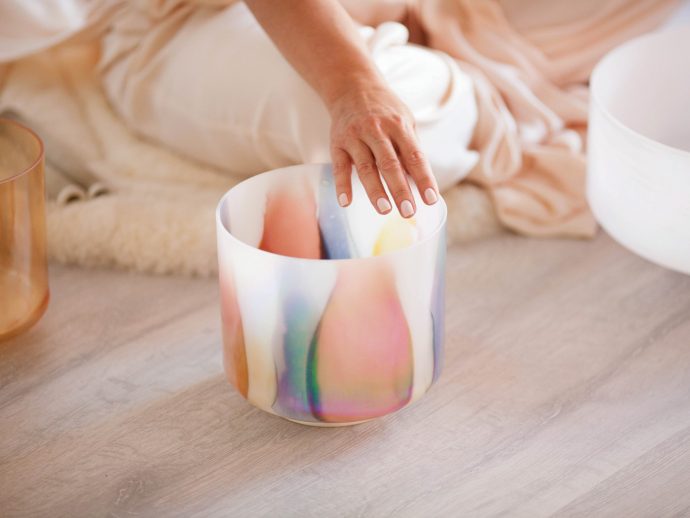
    Instruments used during a sound therapy session might include crystal bowls, gongs, drums, rattles, and tuning forks. Some, like Globus, also use their voice. During a sound therapy session, the client lies down with eyes closed and absorbs the sound frequencies created by the practitioner, says Globus.

    A sound way to improve sleep

    Some research shows that one particular method of sound therapy can prompt the brain to operate at a brainwave pattern that promotes relaxation, lowers anxiety, and makes it easier to fall asleep more easily and more soundly. One small study also found that sound therapy that creates this brainwave state also creates three other chemicals associated with sleep: DHEA, cortisol, and melatonin.

    Globus sees this borne out in practice. When she conducts her routine post-session check-in, most of her clients say they experienced a deep sleep.

    Getting started on sound therapy

    If you’re serious about experiencing sound therapy, Globus believes it’s best to start out by seeing a certified practitioner or by attending a group sound therapy session.

    “That way, you can feel the frequencies and vibrations in your body for an extended period of time,” says Globus. During a session, some people will feel physical sensations, some will see colors, and, for others, memories and scenes will come to mind.

    If you find this experience enjoyable, says Globus, you may want to visit a specialty store that carries sound therapy instruments, such as a sound bowl. Look for the one that resonates with you, suggests Globus. Then, you can make it part of your nightly bedtime ritual.

    Sound therapy is also easily accessible through YouTube. “Amazing practitioners from around the world upload videos of themselves playing bowls and other instruments,” says Globus.

    Supplements to help when you’re tired all the time

    Fatigue can have a wide variety of causes. It can come from conditions such as diabetes or other chronic illnesses or from lifestyle habits such as poor sleep management or stress. Consult your health care practitioner to eliminate any underlying conditions if you’re experiencing long-lasting and unexplained fatigue.

    You may find the following supplements helpful in supporting a stressed and fatigued system.

    • Melatonin
    • Magnesium
    • Valerian root
    • Lavender
    • Passionflower

    Article Provided by Alive Magazine

  • Stolen Sleep: How to Get it Back with Three Self-Reminders

    Stolen Sleep: How to Get it Back with Three Self-Reminders

    By Jenna Kohler, Certified Health Coach


    Daylight Savings Time is in action and we’re “sprung ahead” this past weekend. How are you doing on sleep? Still missing that hour? Put down that extra cup of coffee and read on…


    Don’t Compare Your Sleep to Others

    First of all, your body is different than anyone else’s in this world. You’ve been told that before, right? Yes, you’re special. Your system responds uniquely to the unique set of biological, emotional, mental, and physical circumstances that life throws at you. So, if your neighbor, coworker, or gym buddy seems to be full of ten times the energy you have and remarks of “sleeping like a baby”, don’t get frustrated. Your zzzzzz’s will come.


    Give Yourself a Sleep Hygiene Makeover

    You shower, you put on deodorant, hopefully you even brush your teeth! Some of you take this a step further and put on make-up, tame your hair, and dress to impress. So, start seeing your sleep hygiene as you do your personal hygiene. You don’t expect to roll out of bed looking like a million bucks, do you? Then you can’t expect to feel great and get amazing sleep if you don’t put in some effort. Effort? Here’s what I mean:

    1. Set the mood:

    Ditch screens a reasonable time before bed. Especially if you were watching the latest action-packed, adrenaline-spiking series on Netflix. Mist your pillow with some calming essential oils. Take a quick hot shower to loosen tense muscles. Switch your radio station to something more calming. These are easy fixes. Quit the excuses and just do them!

    2. Don’t fill up your belly right before bed:

    Your body requires energy and focus to fall asleep, believe it or not. Don’t complicate things by making it digest food at the same time. In particular, stay away from alcohol, spicy foods, caffeine (including chocolate!) and sweets. If you need a cup of nighty-night herbal tea, be my guest.

    3. Bring the right attitude:

    Stressing out about trying to fall asleep or how late (or early) you’re hitting the hay is only going to reroute your brain in the wrong direction. Give yourself permission to fall asleep. A few minutes of inner dialogue with yourself may be useful to shush the critic and harness some positive brain waves to kick sleep into action. Then, focus on your breathing. In through the nose, out through the mouth…

    Be Aware Of What You Put In Your Body

    Artificially giving your body the boost you may feel it needs to get through the day can throw off your chemistry. I’m talking about energy drinks, multiple cups of coffee, sweets, excessive or low quality “energy-producing” supplements. Using these, especially later on in the day, is bound to throw off your body’s natural rhythm of sleep. True quality sleep should not be artificially enforced, but naturally reinforced. If you must rely on substances to help with sleep and wake cycles, try to minimize them and choose only the natural, highest quality. And, once again, think hard about snarling down the sugar-laden snack after dinner, or the third cup of coffee at 4:00pm. Being dreadfully tired for a few hours one day may lead you to get the sleep you need to reset your cycle for the next.

    Happy zzzzz’s!