Tag: Stress

  • The silent health saboteur

    The silent health saboteur

    The silent health saboteur

    Stress, deconstructed

    The mere mention of stress is enough to cause our muscles to tighten, breath to quicken, and heart rate to soar. We’ve all experienced stress—whether in our work, relationships, health, legal matters, or some other aspect of life. While it’s inseparable from living, it takes a toll on our health when it intensifies or becomes chronic.

    What is stress?

    Stress is the body’s natural reaction to changes or challenges, which includes many different physical, emotional, and behavioural responses. While it is a normal bodily function and an inevitable part of daily life, chronic stress and its effects can be destructive if they’re not managed.

    Impacts of stress on the body

    Chronic or severe stress can have a serious impact on a number of different parts of the body, including the brain, gut, heart, skin, and joints.

    Stress on the brain

    Stress triggers the release of the body’s primary stress hormone, cortisol. Research has established that, over time, elevated cortisol levels can lead to shrinkage of the hippocampus, a part of the brain involved in memory and learning.

    Not only does stress have long-term impacts, including increasing the risk of dementia, but it also affects us in the short-term. Because stress has been linked to impaired functioning of both the hippocampus and prefrontal cortex of the brain, it can exacerbate depression.

    Digesting stress

    Research has shown that the quantity and nature of beneficial bacteria found in the gut can affect the brain. In medical circles, the gut is sometimes referred to as the “second brain” because the health of the two organs are linked, a connection often called the gut-brain axis.

    That link between the digestive system and the nervous system can be directly impacted by stress. We know stress can be a causal factor of gut issues like heartburn, abdominal cramps, or loose stools; but stress, anxiety, or depression can also be the result of gut issues.

    A heavy heart

    Perhaps the least surprising effect of stress is its detrimental impact on the cardiovascular system. Studies demonstrate that high levels of cortisol can increase blood cholesterol, triglycerides, blood sugar, and blood pressure—some of the risk factors for heart disease.

    Stress-skin connection

    Stress can exacerbate skin conditions, including acne, eczema, and psoriasis, and it can also disrupt the epidermal barrier that moistens and protects the skin from harmful microbes.

    Stress effects on joint health

    Chronic stress can also aggravate inflammation in the body, exacerbating joint conditions such as rheumatoid arthritis. Stress-activated inflammation can even lead to increased pain sensitivity, creating a vicious cycle of stress, inflammation, and pain.

    Decompress and de- stress

    Before you become stressed at the mere discussion of stress, remember to break the cortisol cycle by slowing down, stretching, and reflecting. There are many great natural remedies as well as prevention and management strategies that can help; but, first, you just have to breathe.

    By Michelle Schoffro Cook, PhD, DNM

    Article Courtesy of Alive Magazine

  • How stress affects our bodies…

    How stress affects our bodies…

    How stress affects our bodies…

    …and what we can do about it

    We tend to think of stress as a bad thing, and that’s certainly fair considering how many chronic diseases and mental health issues are stress related. But we often fail to distinguish between sources of stress and the body’s response to those stressors. In doing so, we downplay our ability to change how we perceive life’s slings and arrows, thereby mitigating the effect of stress on our well-being.

    Understanding the body’s response to stressors and learning techniques to cope with stress are paramount for cultivating health now and minimizing the risk of stress-related disease in the years to come.

    How stress works

    The physiological stress response is triggered when we perceive there is a threat. The stress response, commonly referred to as the “fight-or-flight” response, is mediated by the sympathetic nervous system. Coming face-to-face with a lion, tiger, or bear triggers the adrenal glands to release neurotransmitters such as adrenalin and noradrenalin, as well as the hormone cortisol.

    For most of us, however, our stressors tend to look less like wild animals and more like rising inflation, work deadlines, and family responsibilities. While many of these stressors don’t pose a threat to our immediate survival, the body perceives them as a danger nonetheless, and launches the stress response to help us cope and perform.

    Coping mechanisms

    Acknowledging where you may be taking on unnecessary stressors may be helpful. “Many people with anxiety tend toward perfectionist thinking,” says Dr. Katie Thomson Aitken. This might present as feeling the need to maintain a spotless home at the expense of getting enough sleep, for instance. “This is the type of stressor that can be changed by internal work to challenge and reframe perfectionism.”

    When confronted by a stressor that feels massive, Thomson Aitken recommends reframing the problem by identifying what is within our control and what is not. “This type of thinking moves us from despair to hope,” says Thomson Aitken, “and can make a huge difference in how we experience a stressor.”

    Stress management

    Many people are aware of the benefits of meditation, deep breathing, and yoga for stress management. But oftentimes these practices are overwhelming for those who are new to them and are already feeling stressed.

    In this case, Thomson Aitken recommends getting back to basics by considering the foundations of health. Invest in your bedtime routine, nutrition habits, exercise regimen, mindfulness practice, and social connections. If that still feels like too much, choose one and watch what changes!

    You may benefit from outsourcing your stress management so that you can feel taken care of. Consider acupuncture or massage therapy to reduce stress and promote relaxation.

    Natural supports for stress

    Always chat with your health care practitioner before trying a new supplement to make sure it’s right for you. Supplements commonly used for stress include:

    • ashwagandha
    • L-theanine
    • magnesium
    • vitamin D and omega-3s
    • probiotics

    By Dr. Cassie Irwin, ND

    Article Courtesy of Alive Magazine
  • Reach out – don’t “man up”

    Reach out – don’t “man up”

    Reach out – don’t “man up”

    Why stress is different for men

    Men are no less immune than women from the effects of stress. But it’s the manifestations of that stress and how men deal with them that often differs dramatically. Here are some effective ways for men to manage that stress.

    What are the consequences of chronic stress?

    A certain amount of short-term stress can be a good thing: it boosts alertness and primes the brain for enhanced performance. Chronic stress, on the other hand, can lead to an increased risk of type 2 diabetes, high blood pressure, heart disease, depression, and anxiety, among other conditions. In men, high stress can also contribute to erectile dysfunction.

    What are the expectations for men versus women?

    Society places different, if outdated, expectations on men and women as to how they should deal with stressful situations. Men commonly feel that not revealing emotion is a show of strength. “A lot of times guys will revert to this or think it’s taboo,” says professor and research chair John Oliffe. Traditional expectations of “manning up” can affect men’s abilities to deal with stress in meaningful ways.

    Often, the way things unfold can be summed up by what Oliffe refers to as the “three I’s.”

    1. Injury (a major life transition such as a breakup or job loss), with men feeling as though they should be able to push through it until it goes away
    2. Interiority, with men looking internally to deal with a major stressor rather than reaching out to others, possibly turning to substance use to blunt their emotions
    3. Isolation—social isolation, Oliffe notes, is the biggest predictor of male suicide: “If you’ve got an injury and look internally—you’re not dealing with it and you’re isolating to conceal the injury—there’s a great amount of shame in not being able to solve problems or even in just having problems.”

    What can men do to effectively deal with stress?

    Exercise

    Physical activity boosts the body’s production of endorphins, or feel-good neurotransmitters; it improves mood, focus, productivity, and sleep.

    Reach out

    Reaching out to a partner, friends, or other trusted people in your life is another way to manage stress. “Think about it as mutual help: a lot of times if you have a conversation with another guy, they’ll have things that affirm you in your experience. There’s a reciprocity there. We do better with people around us, especially good people.”

    Consider professional help

    Accessing professional help can go a long way in handling stress, and more men are accessing such services, Oliffe says. Speaking with someone who’s outside of their personal situation can help men debrief with a view to seeing things from another point of view, ultimately giving them back some control.

    Supplements for stress

    Remember, always check with your health care practitioner before trying a new supplement to make sure it’s right for you.

    • B-complex vitamins
    • L-theanine
    • Lemon balm
    • Magnesium
    • Ashwagandha

    By Joanne Peters

    Article Courtesy of Alive Magazine

  • How external stressors affect your heart

    How external stressors affect your heart

    How external stressors affect your heart

    Don’t miss a beat

    When the topic of cardiovascular health comes up, many people are likely to pinpoint personal habits as the main contributing factor to a well-maintained circulatory system.

    While the importance of self-care can’t be overstated, and the genetic link can’t be denied, environmental factors such as air pollution, pesticide exposure, and microplastics leached into our water systems have only recently been studied for their effects on cardiovascular health.

    As climate change continues to negatively affect our environment, having the necessary knowledge to protect your cardiovascular health grows more imperative.

    Air pollution and heart health

    Air pollution is more likely to have an adverse effect on the cardiovascular health of individuals who already have risk factors for heart disease such as high blood pressure, diabetes, and chronic obstructive pulmonary disease (COPD).

    Agricultural chemicals and heart health

    The chemicals used in agricultural production—for both industrial and home use—have long been a concern when it comes to the health effects of toxic exposure, including for heart health.

    Heavy metals and heart health

    Long-term exposure to heavy metals, including lead, mercury, cadmium, and arsenic have long been associated with harm. Recent studies have exposed a link between heavy metal exposure and metabolic syndrome (which can lead to heart disease, diabetes, or stroke), although research is still evolving.

    Microplastics and heart health

    Plastic is ubiquitous in our world, and their miniscule byproducts—plastic particles less than 5 mm in size—are present in everything from food, water, and air to personal care products and even plants. Microplastics can be ingested, inhaled, or absorbed, and groundbreaking research has recently identified microplastics in the human bloodstream.

    Because microplastics come from a huge variety of different plastic products, they can carry harmful toxins that were used in the creation of the plastic product from which it originated. Bisphenol A (BPA) plastics, for example, are linked to cardiovascular disease, specifically elements such as cobalt, chromium, and barium.

    Quick tips

    There are many ways to cut down your contribution and exposure to environmental pollutants.

    • Choose natural fabrics over synthetics, and use a dryer filter to reduce the release of microplastics when doing laundry.
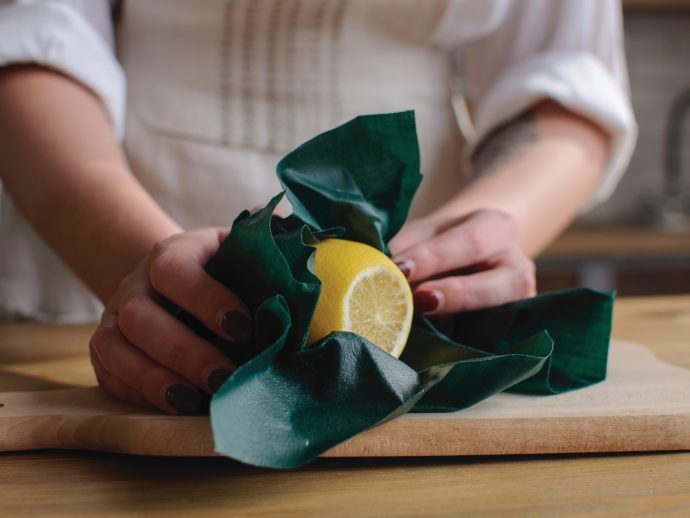
    • Opt for glass food storage containers or reusable wax wraps over plastic.
    • Avoid personal care products that contain microbeads; look for polyethylene and polypropylene in the ingredients list.
    • Fill your home with indoor plants known for their air filtration properties.
    • Support sustainable companies with excellent environmental leadership.
    • Whether you’re concerned about particulates from wildfires or traffic-related pollution, check the Air Quality Health Index website for the air quality in your area. Preventive measures could include face masks, such as surgical masks or N95s, which have been shown to protect against outdoor air pollution, while the use of air purifiers have been shown to be effective against indoor air pollution.

    By Ashley Linkletter

    Article Courtesy of Alive Magazine

  • Ladies, it’s time for some toilet talk

    Ladies, it’s time for some toilet talk

    Ladies, it’s time for some toilet talk

    How hormones and stress affect our digestion

    While women generally have an easier time talking about our health than do our male counterparts, one area in which we lag behind is being open about our digestive issues. Many women have chronic digestive issues that come with us to work and impair productivity, while reducing overall quality of life at home. Feeling stigmatization about digestive issues is associated with decreased access to medical care and greater psychological distress.

    Digestive disease in women

    Common signs and symptoms of digestive dysfunction include:

    • nausea
    • vomiting
    • trouble swallowing
    • heartburn
    • acid reflux
    • burping
    • bloating
    • abdominal pain
    • gas
    • constipation
    • diarrhea

    Women are less likely than men to develop gastrointestinal reflux disease (GERD), peptic ulcers, colitis, and gastric cancer. Research shows that estrogen may have a protective role in the development of these particular conditions.

    Women, though, draw the short straw with a higher prevalence of irritable bowel syndrome (IBS), celiac disease, and colon cancer than men. Women with IBS tend to experience more abdominal bloating, nausea, constipation, depression, and anxiety than do men with IBS. But some evidence suggests that IBS pain may improve after menopause.

    Your digestion on hormones

    Since there are receptors for estrogen and progesterone in the gastrointestinal tract, these reproductive hormones have a bearing on digestion.

    • For premenopausal women, the follicular phase of the menstrual cycle begins with the first day of menstrual flow and ends with ovulation. This phase is marked by high levels of estrogen. Research suggests that motility of the gastrointestinal organs is decreased among women during this time, which could contribute to constipation.
    • The luteal phase of the menstrual cycle begins with ovulation and ends with the onset of menstrual flow. In this phase, estrogen and progesterone levels are low. It’s common to experience loose stools during this phase.
    • During menstruation, diarrhea is the most commonly reported digestive symptom.
    • Pregnancy is supported by high progesterone, which tends to slow down gastrointestinal motility. This may contribute to pregnancy-related constipation, reflux, and biliary dysfunction.

    Food: Friend or foe?

    For most people, fiber-rich foods (oats, asparagus, legumes), and probiotic-rich foods (sauerkraut, kimchi, plain yogurt) are helpful for a happy tummy. But these very foods can sometimes aggravate digestive distress, and this is when it can be helpful to consider small intestinal bacterial overgrowth (SIBO), FODMAP intolerance (FODMAPs are specific carbohydrate molecules in some foods), and food sensitivities as underlying contributors to your symptoms.

    Along with your health care practitioner, develop a diet plan that works for you. Supplements may also help, which should be taken with supervision. Examples that may help digestion include:

    • probiotics
    • fiber
    • psyllium
    • turmeric
    • peppermint
    • garlic
    • ginger
    • L-glutamine
    • licorice root

    Article courtesy of Alive Magazine

  • The Joy of Sleep: LifeSeasons helps you get the rest you need!

    The Joy of Sleep: LifeSeasons helps you get the rest you need!

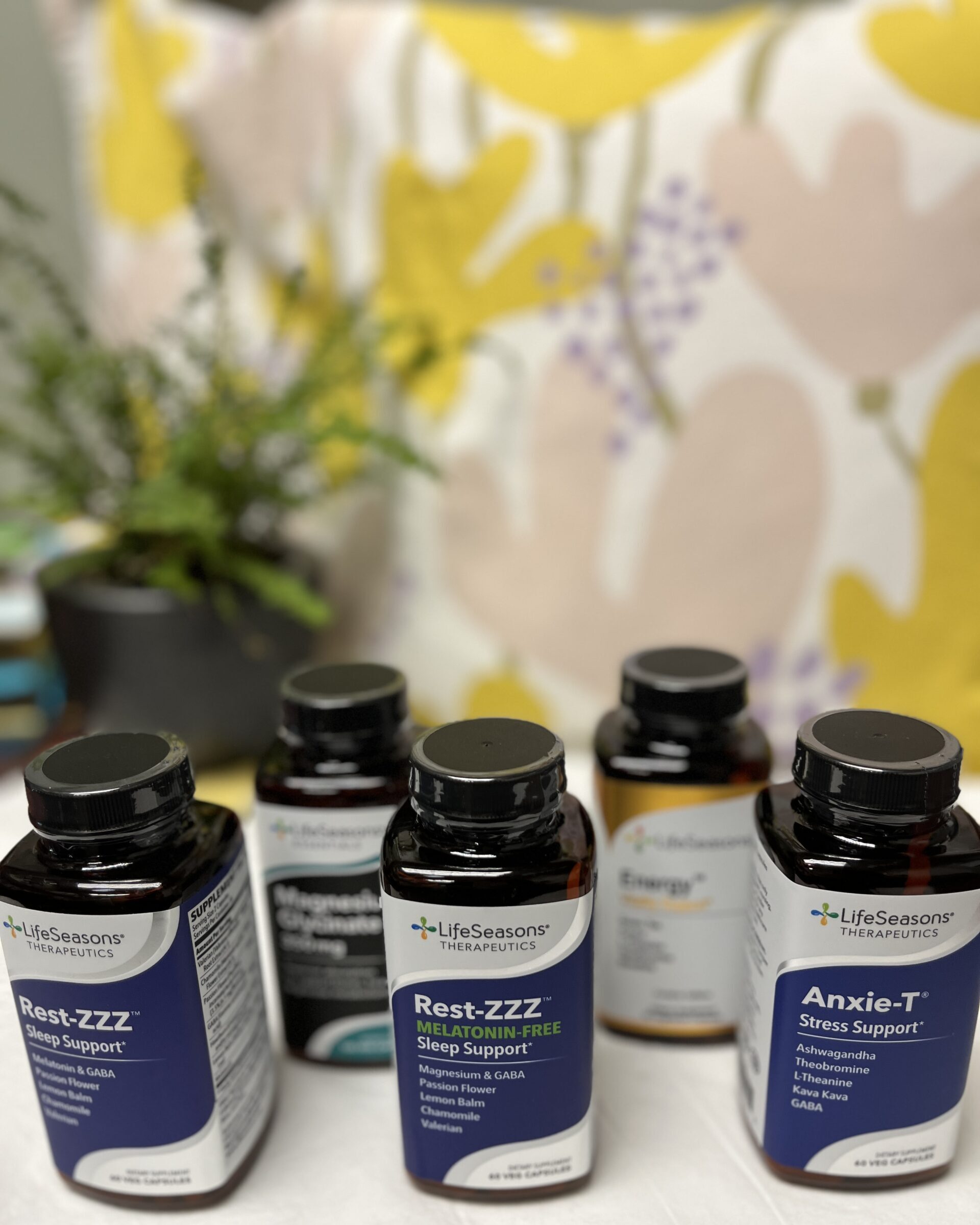
    National Sleep Awareness Week (March 12-18, 2023) highlights commitment to the vital refreshment of a good night’s sleep. Our bodies accomplish a great deal during sleep: bone, muscle, and tissue are repaired; our immune system is strengthened; memories are stored. Our systems slow down overnight, resetting energy levels for a fresh start.

    LifeSeasons offers a studied, full-body range of care, including support for stress, mind, and mood, all conducive to a productive night’s sleep. They also offer supplements that enhance the natural relaxation that leads to restful sleep.

    All LifeSeasons supplements are 25% OFF through March!

    Rest-ZZZ Sleep Support

    Encourage a healthy, restorative night’s rest with some soothing habits: a cool, darkened room, a warm bath, and a break from your screens. Rest-ZZZ can help by calming your nervous system, promoting your natural sleep cycle, and easing muscle tension, restlessness, and nerve-related sleeplessness.

    Rest-ZZZ Melatonin-Free

    Prefer to skip the melatonin? Rest-ZZZ Melatonin-FREE offers sleep support for those unable to tolerate melatonin. Ease yourself into a restful night’s sleep without feeling groggy or “hung over” the next morning.

    Anxie-T

    Stress challenges all our systems and can certainly interfere with the ability to fall asleep. Anxie-T nurtures a relaxed and calm mind by supporting the body’s natural abililty to respond to stress. This is a great way to start your self care stress relief.

    Magnesium Glycinate

    A better you starts with a better mood — create a routine to prioritize staying cool, calm, and collected. Both you and your sleep will benefit! Magnesium Glycinate aids mood and sleep support, while promoting bone and heart health, and helping to maintain normal blood sugar levels.

    Energy

    We all have those days when it’s just hard to get started. LifeSeasons’ Energy helps overcome tiredness and fatigue with a gentle boost to energy and mood. Natural ingredients such as green tea and cacao supply support for circulation and focus without unwanted jitters.

    Resources:

    https://lifeseasons.com/blog/sleep-stages/

    https://lifeseasons.com/product/rest-zzz/

    https://lifeseasons.com/product/rest-zzz-melatonin-free/

    https://lifeseasons.com/product/anxie-t/

    https://lifeseasons.com/product/magnesium-glycinate/

    https://lifeseasons.com/product/energy-natural-caffeine-supplement/

    https://www.instagram.com/lifeseasons/

  • Avoid seasonal stress-based eating

    Avoid seasonal stress-based eating

    Avoid seasonal stress-based eating

    Tips from a pro

    Everyone knows the holidays can be stressful. But it’s not just the effort to stay on budget or the dinnertime antics of your oddball uncle that make this time of year challenging. Healthy eating can take a nosedive at this time of year, too. End your year on a high with proactive measures to avoid getting caught in the food trap.

    Plan ahead

    Joan Ifland, PhD is the chief executive officer of Food Addiction Training, LLC, and is a leading innovator in the field of recovery from food addiction. She shares some insights about how to prepare for the holidays and its associated overindulging.

    At this time of year, the holiday gathering, with its lavish edible spread, is often the culprit. Simply saying you won’t indulge may not be enough to spare you from getting sucked into that vortex of stress and indulging, Ifland warns.

    “You get [to a party] and after an hour or two, you’re eating [unhealthy foods],” she says. “It’s because cravings and loss of control build up over time.”

    Instead, take your own snacks—think crudités, healthy proteins, or other foods that are as close to their natural, unprocessed shape and form as possible—and keep it near you. If that’s not possible, avoid standing in a place with a clear view of the hors d’oeuvres table.

    Drink water

    Be sure to get a glass of water as soon as you arrive, and hang onto it. It keeps one hand busy, and reduces the chance of someone passing you a cocktail chock full of simple syrup and alcohol.

    Be easy on yourself

    Whatever happens, go easy on yourself, Ifland advises. Changing our behaviors to break the processed food addiction cycle can take years.

    “There are so many foods that have been deliberately processed to make them addictive. It can take a couple of years to get off all of them. When people know it’s a long, slow process, they give themselves permission to celebrate their wins.”

    What about alcohol?

    Getting into the holiday spirit, for many, often means getting into the spirits. But pouring yourself a tall cold one to make things merrier might actually make the season far less bright.

    Binge drinking increases around the holidays, which is often related to social or financial stress that comes with celebrating at this time of year. Stress and alcohol can create a toxic cocktail for our brains, no matter how much we might think we’re being released from our inhibitions when we imbibe.

    “Alcohol [can be] highly addictive,” says Ifland. And it can have potentially serious consequences that include impairing cognitive skills and our self-control. While that might feel fun in the moment, any feelings of comfort and joy experienced while tippling are fleeting, Ifland warned. If you are concerned about your relationship with alcohol, chat with your doctor.

    Article Provided by Alive Magazine

  • Travel Necessities with Terry Naturally

    Travel Necessities with Terry Naturally

    Travel Necessities with Terry Naturally

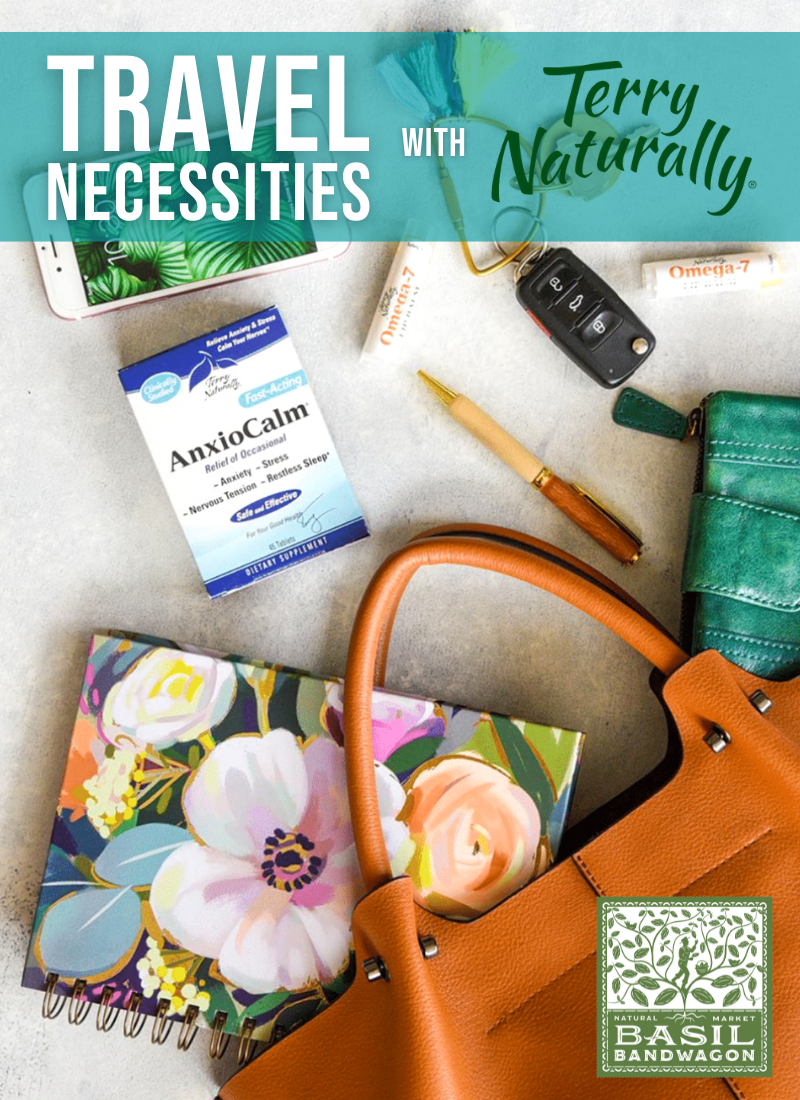
    Traveling can be stressful – not just mentally but physically, too. Thankfully, Terry Naturally is here to the rescue! Check out these 5 must-have supplements to pack this travel season!

    1. Ashwagandha: to reduce stress

    2. Probiotics: to ease occasional digestive discomfort

    3. Melatonin: for a good night’s sleep

    4. Andrographis: to support immune health

    5. CuraMed Acute Pain Relief: to relieve pain and reduce sore muscles

    BONUS: AnxioCalm

    Terry Naturally’s AnxioCalm is perfect for everyday use, or occasionally when you need the extra support. It provides relief when you need it, without drowsiness or mental fogginess.*

    Looking for more travel essentials? Keep scrolling for two natural recipes that are perfect for on-the-go and for when you come home!

    DIY Pain Relief Essential Oil Roller*†

    Got Pain?*† Pair this DIY essential roller with with Curamin® Extra Strength for the ultimate pain relieving combination.*† It’s the safe, effective, and easy way to relieve pain today.*† Perfect to store in your carry-on bag and take with you on-the-go!

    Ingredients

    • 5 Drops Lavender Essential Oil
    • 5 Drops Peppermint Essential Oil
    • 1 Drop Clove Essential Oil
    • Coconut Oil or Carrier Oil of Your Choice

    Method

    1. Add essential oils.
    2. Fill with coconut oil or carrier oil of your choice.
    3. Roll where it hurts.
    4. Enjoy!

    Soothing Bathtub Soak*†

    Do you have sore, achy muscles after a long day of travel? For optimal pain relief, take Curamin® Extra Strength, and then relax with this soothing bathtub soak recipe. You’ll feel the aches and pain melt away.*

    Ingredients

    • 1 Cup Epsom Salts
    • 1/2 Cup Baking Soda
    • 4 Drops of Lavender Essential Oil
    • 4 Drops of Peppermint Essential Oil
    • 1 Drop of Eucalyptus Essential Oil

    Method

    1. Mix epsom salts and baking soda together in a bowl.
    2. Add essential oils. Mix well and store in an airtight container.
    3. Add 2-3 tablespoons to your next bath, and let your body relax.
    4. Enjoy!

    These statements have not been evaluated by the Food & Drug Administration. These products are not intended to diagnose, treat, or cure any disease.

    Resources:

    https://www.terrynaturallyvitamins.com/blog/post/?slug=diy-pain-relief-essential-oil-roller

    https://www.terrynaturallyvitamins.com/blog/post/?slug=soothing-bathtub-soak

    https://www.terrynaturallyvitamins.com/blog/post/?slug=4-must-have-supplements-to-pack-for-vacation

  • RECAP: NEW PRODUCT WEDNESDAY 9/4/19

    RECAP: NEW PRODUCT WEDNESDAY 9/4/19

    Check out our NEW products this week!

    Acure: Detox-Defy Color Wellness Shampoo & Conditioner, Unicorn Shimmer Shampoo & Conditioner, Wave & Curl Color Wellness Shampoo & Conditioner, and Coconut & Argan Shampoo Bar
    Barnana Banana Brittle: Double Chunk Dark Chocolate, Extra Creamy Peanut Butter, & Toasted Coconut Chocolate Chip
    Buffalo This Dip Is Nuts!
    Flow Alkaline Spring Water: So many flavors and on SALE!
    Garden of Life Mykind Organics: Adrenal, Ashwagandha, & Oil of Oregano
    The Living Apothecary: Red Raspberry Leaf Ginger & Peach Black Tea
    Maple Hill Organics Shelf Stable Milk: Whole Milk & Chocolate Whole Milk
    Natural Stacks: Magtech, Serotonin Brain Food, GABA Brain Food, Acetylcholine Brain Food, Smart Caffeine, Dopamine Brain Food, & CILTEP
    GoMacro: Maple Sea Salt & Oatmeal Chocolate Chip
    Stasher: New colors!
    Nulo Freestyle Cat Food: Chicken & Herring Recipe, Minced Beef & Mackerel Recipe, and Shredded Beef & Rainbow Trout Recipe
    PlusCBD Oil: Hemp Rollers (Original and Extra Strength)
    Primal Kitchen: No Soy Teriyaki
    Natural Vegan: Deodorant
  • We think this Month’s Smoothie is Peachy.

    Introducing August’s featured drink: the Peach Fuzz Smoothie.

    Smooth, peachy and spiked with one of our FAVORITE herbs: Ginseng!

    Why Ginseng, you ask?

    In addition to Ginseng, this smoothie gets it’s extra peachy flavor from frozen peaches, and peach nectar. The flavor ticks up a notch with a dash of fresh orange juice. Frozen banana gives it that thick, creamy texture everyone loves and almond milk rounds it out perfectly!

    Try one before they’re gone!