
Tag: support

  • How to embrace healthy aging

    How to embrace healthy aging

    How to embrace healthy aging

    Choose proactivity

    As we journey through life, it’s easy to feel overwhelmed by the myriad minor age-related ailments that seem to crop up as we get older. Many of us may accept these issues as part and parcel of the aging process. However, fostering resilience and taking preventive steps can help us manage and even prevent these ailments. Let’s explore how to address common aging-related ailments across some key areas.

    Bone and joint health

    Our bones and joints bear the brunt of our daily activities, and as we age, they require extra care. Aching joints and reduced bone density are common complaints among older adults. However, these issues can be managed and even mitigated with the right strategies.

    Aches and pains should never be dismissed as mere signs of aging, particularly if they increase in severity or if they occur quickly. They often indicate underlying issues that need attention.

    Regular exercise, tailored to individual capabilities, may improve joint flexibility and bone strength. Weight-bearing exercises, like walking, jogging, or resistance training, help maintain bone density; while stretching and flexibility exercises keep joints supple. Importantly, though, we must listen to our bodies to ensure we aren’t pushing ourselves too hard.

    Calcium and vitamin D are essential for bone health. Adequate intake of these nutrients can reduce the risk of fractures and osteoporosis.

    Hearing, eyesight, and sleep health

    Hearing loss is a common issue with aging, but it can be managed and prevented. Avoiding prolonged exposure to loud noises and using hearing protection in noisy environments are crucial steps. Regular hearing check-ups can help detect early signs of hearing loss, allowing for timely intervention

    Eyesight can deteriorate with age, leading to conditions like cataracts, glaucoma, and macular degeneration. Regular eye examinations are essential for early detection and treatment. Wearing sunglasses to protect against UV rays, maintaining a diet rich in antioxidants (like vitamins C and E), and using adequate lighting can support eye health.

    Quality sleep is fundamental to our overall health. Sleep disorders, such as insomnia or sleep apnea, often increase with age. Establishing a regular sleep routine, creating a comfortable sleep environment, and limiting caffeine and alcohol intake can promote better sleep.

    Diet and digestion

    A diet rich in fruits, vegetables, whole grains, lean proteins, and healthy fats provides essential nutrients for aging bodies. Fiber is particularly important for digestive health, helping to prevent constipation and other gastrointestinal issues. Staying hydrated is equally crucial, as dehydration can exacerbate digestive problems and affect overall health.

    Probiotics can support a healthy gut microbiome, improving digestion and nutrient absorption. Digestive enzymes may also aid those experiencing difficulties in breaking down food, ensuring that nutrients are effectively utilized by the body.

    Professional support

    Taking a holistic approach to health, encompassing physical, psychological, and social well-being, is crucial for healthy aging. Regular checkups with healthcare practitioners ensure that any persistent or serious symptoms are addressed promptly.

    By Theodore D. Cosco, PhD

    Article Courtesy of Alive Magazine
  • Supporting your body’s detox processes

    Supporting your body’s detox processes

    Supporting your body’s detox processes

    The basics and beyond

    Daily living exposes us and our environment to an increasing number of foreign chemicals and byproducts, often called xenobiotics. But our body is equipped with a complex system of detoxification processes that work to expel these foreign substances. Supporting this amazing system is key to good health.

    What are xenobiotics?

    The term xenobiotics includes a number of substances that are foreign to animal biological systems, such as drugs and pollutants.

    Many xenobiotics have been linked to negative health effects, including hormone-disrupting effects (xenoestrogens), neurological and immunological effects (heavy metals), and carcinogenic effects (alcohol, tobacco, nitrates, pesticides, and heterocyclic aromatic amines from charred food).

    Detoxification phases

    In addition to reducing potential exposures, detoxification involves enhancing the safe elimination of these products through the body’s internal systems of biotransformation. The detoxification pathway is divided into two main steps, phase I detoxification and phase II detoxification.

    Factors influencing detox

    When our detox and biotransformation processes don’t function optimally, it may be due to genetic factors, environmental overload, and/or nutrient deficiencies.

    A healthy diet, of course, influences beneficial effects on our body’s detoxification functions. A whole foods diet that includes a rich variety of fruits and vegetables, whole grains, and healthy proteins contains many phytonutrients and amino acids that enhance phase II enzyme activity. Research continues to uncover the complexities of specific food-derived components to the complex processes of biotransformation.

    Detox programs

    Fad detox programs beyond count have been popularized over the years. Unfortunately, many of these are unlikely to achieve long-term benefits. Given the pervasive ongoing nature of xenobiotic exposure in our world, a more consistent, comprehensive, and sustainable approach to detoxification is best.

    There’s a long tradition of spring cleanses or fasting periods in many cultures. This speaks to the wisdom of enforcing periods of time dedicated to cleaning up one’s diet and lifestyle. Additionally, it may be necessary at times to adopt ongoing changes to sustain long-term health improvement, particularly when it comes to nutritional strategies.

    According to Dr. Philip Rouchotas, ND, in general, components of a successful detox program should include the following elements.

    Clean diet

    Eliminate highly processed foods, sugars, alcohol, and excess caffeine; emphasize green vegetables and sufficient water intake. Check for food intolerances.

    Regular bowel function

    Diet and supplements such as probiotics, bitter herbs, or magnesium can help with this.

    Exercise

    Regular physical activity promotes mobilization of stored toxins from fat and the lymphatic system (a circulatory system made up of lymph vessels that includes the tonsils, spleen, lymph nodes, and lymph vessels).

    Natural detox support

    Always check with your primary care practitioner before trying a new supplement. Some commonly utilized natural health products include:

    • Sulphoraphane
    • Green tea
    • Indole-3-carbinol (I3C)
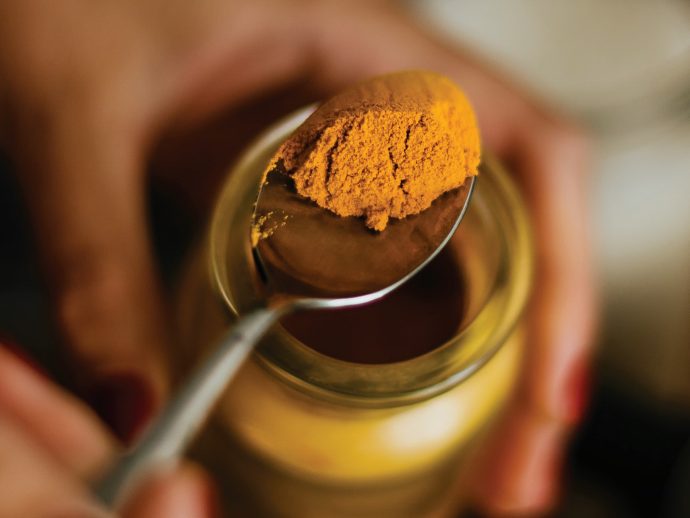
    • Curcumin
    • N-acetylcysteine (NAC)

    By Dr. Heidi Fritz, MA, ND

    Article Courtesy of Alive Magazine

  • How stress affects our bodies…

    How stress affects our bodies…

    How stress affects our bodies…

    …and what we can do about it

    We tend to think of stress as a bad thing, and that’s certainly fair considering how many chronic diseases and mental health issues are stress related. But we often fail to distinguish between sources of stress and the body’s response to those stressors. In doing so, we downplay our ability to change how we perceive life’s slings and arrows, thereby mitigating the effect of stress on our well-being.

    Understanding the body’s response to stressors and learning techniques to cope with stress are paramount for cultivating health now and minimizing the risk of stress-related disease in the years to come.

    How stress works

    The physiological stress response is triggered when we perceive there is a threat. The stress response, commonly referred to as the “fight-or-flight” response, is mediated by the sympathetic nervous system. Coming face-to-face with a lion, tiger, or bear triggers the adrenal glands to release neurotransmitters such as adrenalin and noradrenalin, as well as the hormone cortisol.

    For most of us, however, our stressors tend to look less like wild animals and more like rising inflation, work deadlines, and family responsibilities. While many of these stressors don’t pose a threat to our immediate survival, the body perceives them as a danger nonetheless, and launches the stress response to help us cope and perform.

    Coping mechanisms

    Acknowledging where you may be taking on unnecessary stressors may be helpful. “Many people with anxiety tend toward perfectionist thinking,” says Dr. Katie Thomson Aitken. This might present as feeling the need to maintain a spotless home at the expense of getting enough sleep, for instance. “This is the type of stressor that can be changed by internal work to challenge and reframe perfectionism.”

    When confronted by a stressor that feels massive, Thomson Aitken recommends reframing the problem by identifying what is within our control and what is not. “This type of thinking moves us from despair to hope,” says Thomson Aitken, “and can make a huge difference in how we experience a stressor.”

    Stress management

    Many people are aware of the benefits of meditation, deep breathing, and yoga for stress management. But oftentimes these practices are overwhelming for those who are new to them and are already feeling stressed.

    In this case, Thomson Aitken recommends getting back to basics by considering the foundations of health. Invest in your bedtime routine, nutrition habits, exercise regimen, mindfulness practice, and social connections. If that still feels like too much, choose one and watch what changes!

    You may benefit from outsourcing your stress management so that you can feel taken care of. Consider acupuncture or massage therapy to reduce stress and promote relaxation.

    Natural supports for stress

    Always chat with your health care practitioner before trying a new supplement to make sure it’s right for you. Supplements commonly used for stress include:

    • ashwagandha
    • L-theanine
    • magnesium
    • vitamin D and omega-3s
    • probiotics

    By Dr. Cassie Irwin, ND

    Article Courtesy of Alive Magazine

  • Kids create communities

    Kids create communities

    Kids create communities

    Help them find strength, support, and belonging

    A close community can give our children a sense of belonging, help them develop key social and emotional skills, and provide them with support as they grow. As parents and caregivers, we can help our children find their communities and foster these key connections.

    A sense of belonging

    How important are community connections? “They are fundamental for childhood development,” says mother, former teacher, and registered clinical counselor Laura Henderson. “We need a sense of belonging. We’re not meant to go through life alone.”

    In addition to creating a sense of belonging and helping with development, a strong and supportive community can provide young people with

    • safe people to turn to in times of trouble
    • access to various resources and a network of people for potential future opportunities
    • positive examples of diversity, cultural differences, and new perspectives

    Something you give, something you gain

    Elaine Su is a mother, teacher-librarian, writer, and equity, diversity, and inclusion advisor who also champions the value of community. “You can’t care for that which you don’t care about, so I believe it’s vital that our kids care about the people around them, and vice versa,” Su explains.

    Therefore, community teaches children that they matter, but it also teaches them that they’re not the only ones who matter. “Community is both something you gain from and something you give to,” Su says. “I want children to learn that we all have little and big roles to play in building and sustaining community.”

    How to build a community

    Community for very small children may include close family members and daycare or preschool teachers. Gradually, their communities will grow to include other familiar adults that they interact with often (such as neighbors, librarians, or mail carriers), plus friends. Older children will start to build community connections at school, at extracurricular activities, and perhaps even online.

    According to Henderson, helping our children find and maintain positive relationships can often be as simple as modeling these positive relationships in our everyday lives. “Our children watch and pick up on everything we do, including how we speak to, and connect with, people in our communities—even how we relate to our partners!” she explains.

    Internet communities

    Online connections can be meaningful, joyful, and important for young people: a child interested in a niche hobby might connect with like-minded kids, for example. The key is staying safe online. Parents can help by staying closely involved, setting rules, teaching their kids about privacy and media literacy, and setting up parental controls.

    Don’t let the kids have all the fun!

    This is the perfect opportunity to foster your own community connections too.

    • Sign up for a course or join a program through your local recreation or cultural center.
    • Take part in community events and celebrations.
    • Attend city hall meetings.
    • Make a weekly coffee date with a friend (or group of friends).
    • Chat with your neighbors.
    • Volunteer with a local nonprofit organization.

    By Leah Payne

    Article Courtesy of Alive Magazine

  • Nourish your microbiome

    Nourish your microbiome

    Nourish your microbiome

    The tiny world within

    The microbiome, the collective term for the dense, interconnected bacterial community in our digestive tract, is not simply history’s most successful hitchhiker. Far from being a passive parasite, this living web is an active and dynamic player in our overall health.

    The first seeds of bacterial life are sown long before birth. From that point forward, our microbiome evolves with the influences of environment, diet, medications, and even stress. Age, sex, body weight, and genetics all shape the vast biological world within us.

    Why does flora matter?

    Dr. Jordan Sokoloski, a naturopathic doctor, sees many patients with digestive issues. “The microbiome is so critical to digestive health overall,” he says. While our food is initially broken down by teeth, muscles, and enzymes, bacteria complete the transformation to absorbable nutrients, even adding in some self-made vitamins along the way.

    The microbiome and the mind

    Our guts have earned the moniker “the second brain.” Digestive disturbances exist alongside brain-related conditions such as Parkinson’s disease, autism, and anxiety. This coexistence of digestive and neurologic concerns is not just a coincidence. Bacterial metabolites may explain this connection.

    Feed the bugs (and try not to kill them)

    If the microbiome is so vital to health, what can we do to protect it? Factors such as genetics and age are beyond our control, but dietary choices can modify the microbiome in as little as 24 hours. However, these shifts are quickly reversed if diet changes are not maintained.

    Our flora may be as individual as our fingerprints, meaning there is no single optimal bacterial composition suitable for everyone. Much like a streetwise tomcat, a genetically unique and diverse microbiome is the most resilient. A flexible and complex digestive community is created and sustained by eating a wide variety of foods.

    Sokoloski emphasizes feeding beneficial flora with inulin-containing foods such as garlic, onions, artichokes, and oats. Fermented foods such as kefir, sauerkraut, and kimchi are also nourishing for the microbiome.

    It’s equally important to avoid negative influences. Limiting use of antibiotics, antacid medications, and laxatives can preserve bacterial populations. Being proactive in our efforts to reduce stress, sedentary living, and environmental exposures can prevent further harm to our precious microbial cargo.

    Supplemental support

    To help the gut through periods of challenge, supplemental probiotics could be considered. Although probiotic supplementation can cause measurable changes in the composition of our microbiome, these changes do not seem to be permanent.

    While the strains themselves may not persist, improvements to symptoms such as bowel disruption or psoriasis may last for many months after stopping probiotics. One strategy for probiotic use may be to take them in periods of stress or medication use, or when symptoms re-emerge.

    Digestive bacteria and their metabolites communicate with every system in our bodies, influencing and even directing the workings of our cellular processes. This interplay of flora and function may lead to new insights and creative options for optimizing our health.

    By Dr. Gillian Flower, ND

    Article Courtesy of Alive Magazine