
Tag: toxins

  • Detox myths, debunked

    Detox myths, debunked

    Detox myths, debunked

    Unburden your body in a toxic world

    Without getting all doom and gloom, the unavoidable truth is that our environment is way more toxic than it was when our great-grandparents grew up. And that’s changing what we need to do to keep our bodies unburdened.

    Toxic burden

    Our food is sprayed with pesticides, our municipal water is chlorinated, and our air and soil are marred by persistent organic pollutants. Many of these compounds are fat soluble, meaning they accumulate in fat cells over time in a process called bioaccumulation. Since we’re all exposed to environmental toxicants, supporting natural detoxification is key for reducing our toxic burden and improving overall well-being.

    What is detoxification?

    Detoxification is the body’s built-in system for minimizing the harmful effect of toxicants, toxins, hormones, pharmaceuticals, and supplements, by transforming them into stable, water-soluble compounds that can be excreted from the body. While intestinal bacteria and body tissues including the skin and kidneys perform local detoxification, most detoxification reactions take place in the liver.

    While it’s true that our food and lifestyle choices can enhance detoxification, we don’t need to do a juice cleanse or embark upon a rigorous fast to do so.

    On the other hand, it’s a misconception that we don’t need to do anything to support the body; many detoxification pathways require essential nutrients we can only get from the diet.

    Support the important routes of elimination

    When the bowels aren’t emptying regularly, we reabsorb our toxins and estrogen through a process called enterohepatic recirculation. Once you’ve ensured your routes of elimination are working well (starting with plenty of fiber, water, and exercise), then you can incorporate targeted food, vitamins, and herbs to enhance natural liver detoxification.

    Food physiology

    What we eat consistently has a more profound impact on detoxification than an annual week-long “detox.” Here are some foods and nutrients to incorporate in your diet.

    • Glutathione: Foods rich in vitamin B6, magnesium, selenium (Brazil nuts), and folate have been shown to restore depleted glutathione levels.
    • Resveratrol: Foods high in resveratrol (grapes, cacao) enhance liver enzyme activity.
    • B vitamins and magnesium: Methylation reactions are important components of detoxification, and they depend upon adequate vitamin B12, vitamin B6 (animal protein), betaine (beets), folate (leafy greens), and magnesium (seeds).
    • Protein: Detoxification also involves the conjugation of toxins with amino acids, which are the building blocks of protein. Supplement diet gaps with protein powder or specific amino acids including taurine, glycine, arginine, and glutamine.
    • Water: Support bile excretion by ensuring you’re getting enough water.

    Supplements to consider

    Supplements that may help support your body’s natural detoxification include:

    • Spirulina
    • Chlorella
    • Probiotics
    • Dandelion
    • Milk thistle
    • Curcumin

    Always check with your health care practitioner before starting a new supplement.

    Article courtesy of Alive Magazine
  • 7 Hormone Disruptors that are found EVERYWHERE

    7 Hormone Disruptors that are found EVERYWHERE

    chemicals, poisons, hormones

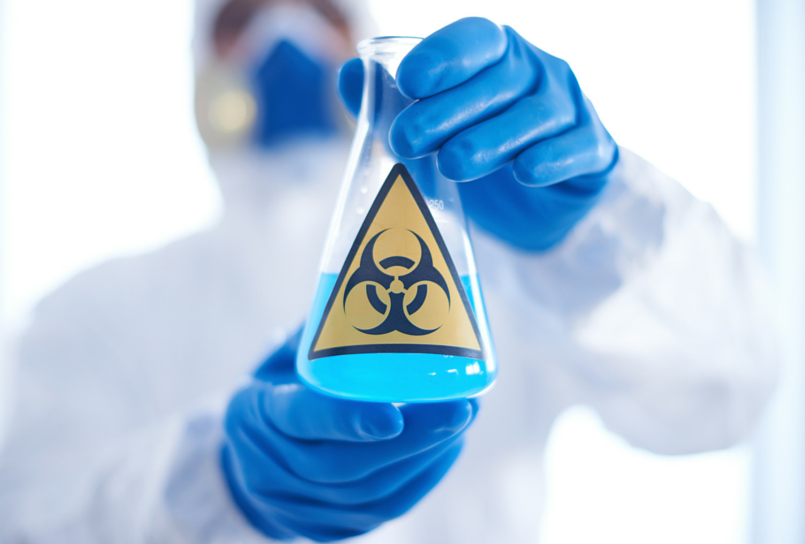
    There are many things we try to avoid to stay healthy. We try to cut out sugar, steer away from additives, and keep watch on our carb intake. But even with a clean diet, there are toxins that sneak in and wreak havoc on our more sensitive systems. Our hormones are fascinating–they control so many things in our bodies, but hormones are not to be trifled with. Chemicals can negatively effect our sensitive endocrine system. These substances can make your body chemicals overproduce one hormone while depleting another. They can imitate hormones and interfere with signals your bodies needs to perform certain functions.

    Here’s a list of 7 chemicals to watch out for:


    Atrazine:

    Atrazine is one of the most widely used herbicides in the U.S. and is found in 94% of the country’s drinking water. An estimated 7 million people were exposed to atrazine in their water between 1998 and 2003. Atrazine has been linked to breast tumors, delayed puberty, and prostate inflammation in animals. Some research has linked it to prostate cancer in people. Avoid Atrazine exposure by buying organic produce and filtering your drinking water.

    BPA:

    BPA is a synthetic estrogen that can disrupt your endocrine system–even in small amounts. It’s been linked to all kinds of issues including: infertility, breast and reproductive system cancer, obesity, diabetes, early puberty, behavioral changes in children and resistance to chemotherapy treatments. In the last few years, people have been more aware of choosing BPA-free products for their homes. Canned food is a source that is slowly becoming BPA-free, but you still have check the label. Avoid plastic containers, especially ones marked “PC” or “Recycling Label #7”. Don’t handle receipts, and never let children play with them. (cool fact— Basil Bandwagon Natural Market only use BPA-free receipts!)

    Dioxin:

    Dioxins are a group of chemically-related compounds that are persistent environmental pollutants (POPs). Dioxins are found all over the world but they tend to accumulate in the food chain, especially in the fatty tissue of animals. Recent research has shown that exposure to low levels of dioxin in the womb and early in life can both permanently affect sperm quality and lower the sperm count in men during their prime reproductive years. Dioxins can build up in the body and are powerful carcinogens. Products including meat, fish, milk, eggs, and butter are most likely to be contaminated. The best way to cut down your exposure is by limiting these products and making sure they are the best quality.

    Fire Retardants:

    They sound like something positive but the chemicals that are used in Fire Retardants have significant health implications.These chemicals are known as polybrominated diphenyl ethers or PBDEs and have been found to contaminate the bodies of people and wildlife all over the world. These chemicals can imitate thyroid hormones in our bodies and disrupt their activity. While several kinds of PBDEs have now been eradicated, it doesn’t mean they don’t exist anymore! PBDE’s are known for their persistence.
    Avoiding them can be difficult, but using a HEPA filter while vacuuming is a good start. Doing so cuts down on the exposure to dust from upholstery and other household products. Being active in making sure their are laws to reduce these chemicals is another way to decrease PBDE’s influence!

    Lead:

    Another well-known poison, lead, is especially harmful to children. Lead can cause symptoms too numerous to list here. These include permanent brain damage, hearing loss, miscarriage, premature birth, kidney damage and nervous system problems, etc. This might not be new information, but the effect on hormones is not discussed as much. Lead can disrupt the hormone signaling that controls the body’s major stress system (called the HPA axis). To lessen your lead exposure, make sure your house is well-maintained, watch our for old, crumbling paint, and use a water filter to remove it from drinking water.

    Organophosphate Pesticides:

    Neurotoxic organophosphate compounds were produced in World War II as chemical weapons–pretty scary stuff. After the war, these chemicals were used in experiments to create sophisticated pesticides. They are still in use today, even though there have been many studies that show their adverse effects on brain health, fertility, etc.. Organophosphate Pesticides lower testosterone and alter thyroid hormone levels. To avoid this one, buy organic produce and be sure to stay knowledgable on which fruits and vegetable bear the lightest load of pesticides.

    Phthalates:

    Our cells rely on hormone signals to perform all the functions we need to survive–surely you wouldn’t want anything near you that told your cells to die, right? Well, thats something that Phthalates can trigger. It can trigger cell death in testicular cells which leads to low sperm count, birth defects, obesity, etc. Like BPA, you can avoid Phthalates by staying away from plastic containers, plastic wrap made from PVC and personal care items that list added fragrances. Look for Phthalate-free products in containers and body products!

    Want more info? Check out EWG’s article on this very subject. It’s full of links and info and even a PDF to keep handy.