Tag: vitamin c

  • What makes people healthy?

    What makes people healthy?

    What makes people healthy?

    Exploring the social determinants of health


    Why are some people healthier than others? Yes, your genes play a big role. But there are other determinants of health that have nothing to do with your genetic makeup. Where you live, how you’re educated, and other societal influences are all important factors in our health. Find out more.


    Two hypothetical kids

    There are significant implications for advantage and disadvantage related to social determinants of health. Look at socioeconomic position, for example: a child born into a higher tax bracket is much more likely to be in a higher tax bracket when they’re older.

    Let’s take a look at the life course trajectories of two hypothetical kids. Joe is born into an affluent neighborhood, while John lives in subsidized housing with his six siblings in a single parent home.

    Joe’s parents are able to afford organic produce, put Joe into private school, and drive him to and from his various sporting activities throughout his childhood. As a result, Joe gets an excellent education that allows him to attend university, secure a job in a top tax bracket, and enjoy an active social life.

    John’s father works double shifts to make ends meet, but the only apartment he can afford has a black mold problem that has given John respiratory issues for years. John’s school is oversubscribed, and he’s falling behind because of sick days. To support the family, John takes a construction job and eventually drops out of high school. Years of manual labor and poor self-care have taken their toll on John, and he lives with chronic pain.

    You can imagine that two very different states of health and well-being are being experienced by Joe and John in later life. These differences may not necessarily be due to differences in the individuals, but in the broader social and economic circumstances in which they find themselves.

    What next?

    To address systemic issues such as the negative impact of social determinants of health, we must look to addressing modifiable aspects of lifestyle at the individual level and systemic inequities at the population level.

    Your DNA is not your destiny

    Although there are many social determinants of health that you can’t control, focus on the ones that you can control, such as diet, exercise, and social connections.

    • Pack yourself a healthy lunch.
    • Go for an evening walk with your partner.
    • Plan a family gathering.

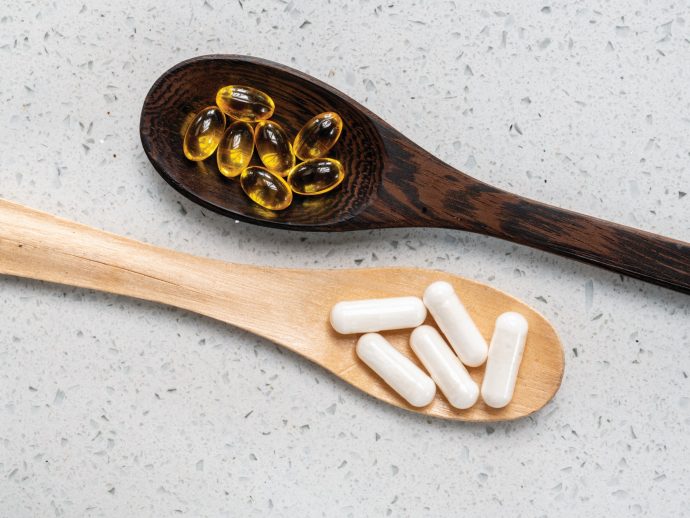
    When you need nutritional help, chat with your health care practitioner. They may recommend certain supplements, such as the following:

    Nutritional helperBenefits
    vitamin Cimmune health, wound healing, bone health, antioxidant protection
    vitamin Dbone health maintenance, decreased risk of cancer mortality, mood stabilization
    vitamin B6red blood cell formation, brain processes and development, immune function, and steroid hormone activity
    vitamin B12brain support, red blood cell genesis support, energy booster
    magnesiummuscle repair, neuromuscular facilitation, blood sugar control
    zincsleep support, digestive support, reproductive organ support

    Article courtesy of Alive Magazine
  • New insights into immune health

    New insights into immune health

    New insights into immune health

    Pandemic lessons on immunity

    Health has never been a more prominent topic or concern than in the era of COVID. But for all of us, supporting our immune system is the cornerstone of our well-being, whether we’re living in a pandemic or not.

    “Health is defined now by most medical establishments as a state of complete physical, mental, and social well-being and not merely the absence of disease and infirmity,” says naturopathic doctor Brian Davies.

    Immune system redux

    To best support our immune system, it helps to have a sense of how it works. Put simply, its job is to defend against disease-causing microorganisms. It has two main components.

    1. Innate immunity, the immune system we’re born with, consists of physical barriers like our skin as well as cells that attack pathogens that enter the body, responding quickly via effects like fever.
    2. Adaptive immunity is the part of our immune system that learns to react to foreign agents. When it’s exposed to a new germ for the first time, it responds by trying to fight it off; we might get sick, but our immune cells remember the invader and mount a more rapid response when it returns.

    Having a healthy immune system doesn’t mean never getting ill. It’s quite the opposite, in fact. And remember that not all viruses are created equal, as we’ve all learned with SARS-CoV-2, the virus that causes COVID.

    “Having symptoms such as fever, cough, muscle aches, headache, and the like are indications that your immune system is working to fight off infection, not the infection itself,” says Ashley Stapleton, naturopathic doctor. Nevertheless, the global health crisis may have led to a greater awareness of the importance of taking care of ourselves, a wake-up call of sorts.

    Immune system support

    “When looking at key support for general immune health, a healthy lifestyle is a critical part of supporting our immune systems,” Davies says. Some people who should consider modifications to their lifestyle to better support their immune systems are those who

    • eat highly processed foods
    • don’t sleep well
    • are under excessive emotional or physical stress from injury or overexercise
    • consume excessive amounts of alcohol
    • smoke cigarettes

    All of these factors put excess stress on the body, which is known to suppress innate immunity and dysregulate our adaptive immune system.

    Caring for your immune system

    Here are some other approaches to providing your immune system with support.

    • Cut out sugar
    • Avoid alcohol
    • Get plenty of good sleep
    • Reduce stress

    Supplemental immune support

    Always check with your health care practitioner before trying a new supplement. Supplements that may help support your immune system include:

    • Probiotics
    • Vitamin C
    • Vitamin D
    • Zinc

    Article courtesy of Alive Magazine

  • Tropical Smoothie Bowl

    Tropical Smoothie Bowl

    Tropical Smoothie Bowl


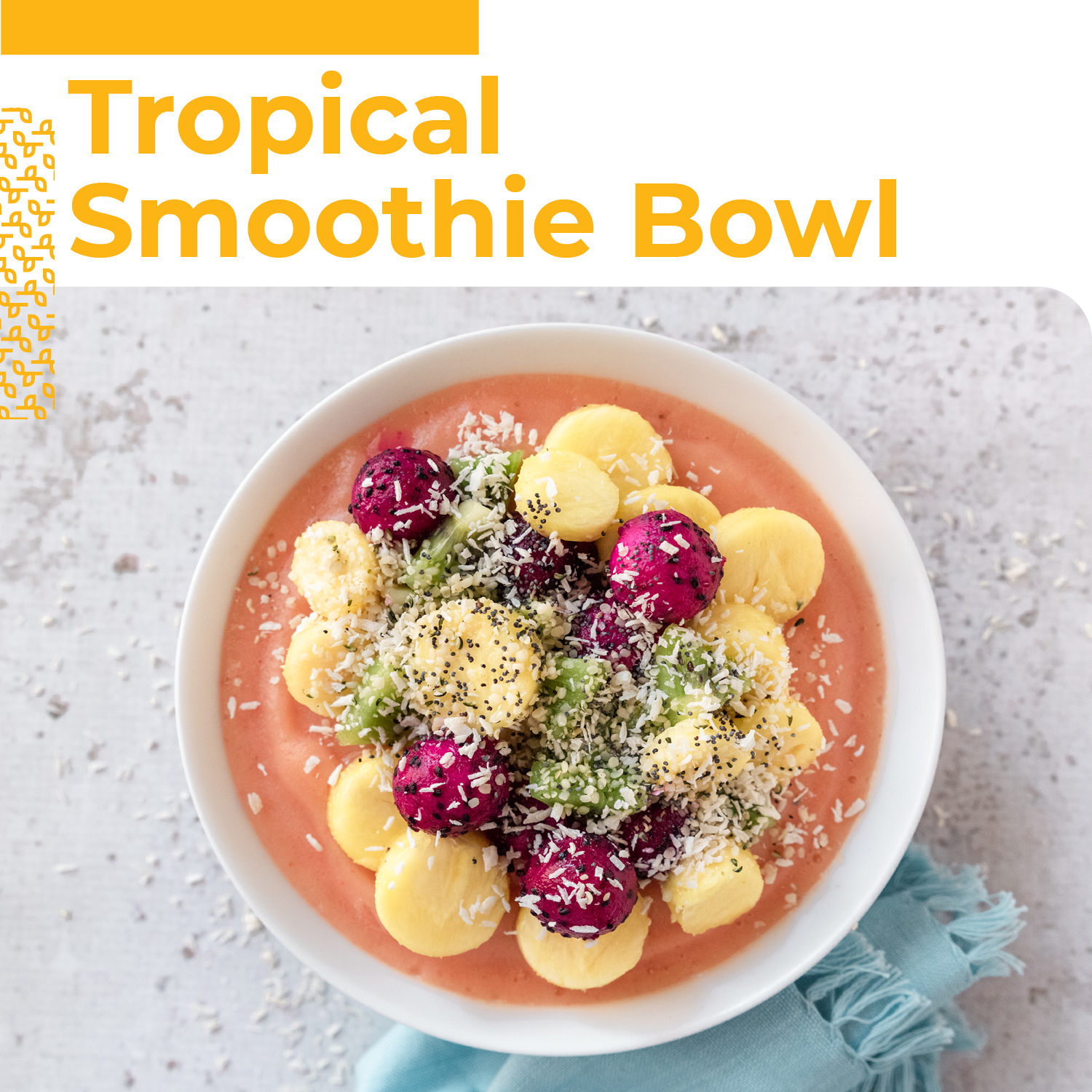
    Smoothie bowls are a perfect way to inject a little tropical flair, not to mention vitamin C, into these winter days. Does the idea of drinking a meal take away some of the satisfaction? Control the consistency of your blended serving of fruits and go wild with toppings!

    Tropical Smoothie Bowl

    Smoothie bowls are a perfect way to inject a little tropical flair, not to mention vitamin C, into these winter days. How will you top your tropical smoothie bowl?
    Servings: 2

    Ingredients
      

    • 10 ounces tropical frozen fruit blend
    • 1 cup almond milk
    • ½ cup orange juice
    • 1 tablespoon honey or to taste
    Toppings
    • 1 kiwi peeled and chopped
    • ½ cup chopped pineapple
    • 1 dragon fruit chopped
    • 1 teaspoon hemp hearts
    • ½ teaspoon chia seeds
    • ¼ cup shredded coconut

    Method
     

    1. Blend frozen fruit, almond milk, orange juice, and honey until smooth. Mixture will be thick. Pour into serving bowls.
    2. Top with fruit and sprinkle on chia seeds, hemp hearts, and shredded coconut. Serve immediately. Enjoy!

    Recipe Provided by INFRA

  • Co-pilot vitamins

    Co-pilot vitamins

    Co-pilot vitamins

    How vitamin D and vitamin K2 work together

    Vitamin D got our attention for its promising role in immune health in 2020, but it doesn’t work alone. Learn about its lesser-known co-pilot, vitamin K2, and how these two nutrients collaborate for many aspects of health.

    Teamwork

    No nutrient works in isolation. For many aspects of well-being, notably bone and heart health, vitamin D teams up with vitamin K. Some of the same chronic illnesses that predict poor COVID prognosis also happen to be associated with reduced vitamin K status.

    Balancing act

    At the simplest level, vitamin D facilitates calcium absorption, while vitamin K2 directs that calcium toward bones and away from blood vessels. This particular synergy also means K2 may play a role in safeguarding against potential ill effects of excess vitamin D-induced calcium absorption, such as by restoring flexibility to hardened arteries.

    Digging deeper, vitamin D stimulates the production of metabolic proteins that remain essentially inactive until vitamin K2 flips their switch to “on.” Vitamin D encourages the action of bone-building cells, while vitamin K2 reins in the action of bone breakdown cells, a balance central to maintaining bone density. The combination of D and K2 together appear to help make bones both stronger and more flexible.

    This may be especially important for children’s health, since growing bones need vitamin K2 to effectively incorporate calcium into healthy bone architecture.

    Homing in on immune health, both vitamin D and K2 play a role in healthy lung function, with D modulating immune response to respiratory pathogens, while K2 is believed to help protect elastic tissues that give lungs their ability to expand and contract.

    Clearing up vitamin K confusion

    Vitamin K is not a singular vitamin but is actually a small family of vitamins largely represented by the siblings K1 and K2. While it’s rare to be deficient in vitamin K1, researchers believe that inadequate levels of vitamin K2 may be common.

    Vitamin D deficiency is common too. While vitamin D is mostly derived from sun exposure, with fatty fish being one of the very few food sources, so low levels are no mystery. The reasons behind a potential low vitamin K2 status are a little more complex. Some animal-based fare, namely egg yolks and butter, contain a pinch of K2. Certain fermented foods that are underrepresented in the North American diet, such as specific cheeses, are rich in vitamin K2.

    Supporting our immune health

    Many of us are thinking about the big picture of health resilience. Exercise and nutrition are parts of the solution. Topping up with key nutrients may prove inexpensive insurance against health vulnerabilities.

    To be clear, no nutrient has been proven to prevent or treat COVID-19. Clinical trials are ongoing. In the meantime, there’s no downside to making sure we are getting adequate amounts of important nutrients. Check with your health care practitioner for personalized advice.

    Article Provided by Alive Magazine

  • MUSH Ready-To-Eat Oats

    MUSH Ready-To-Eat Oats

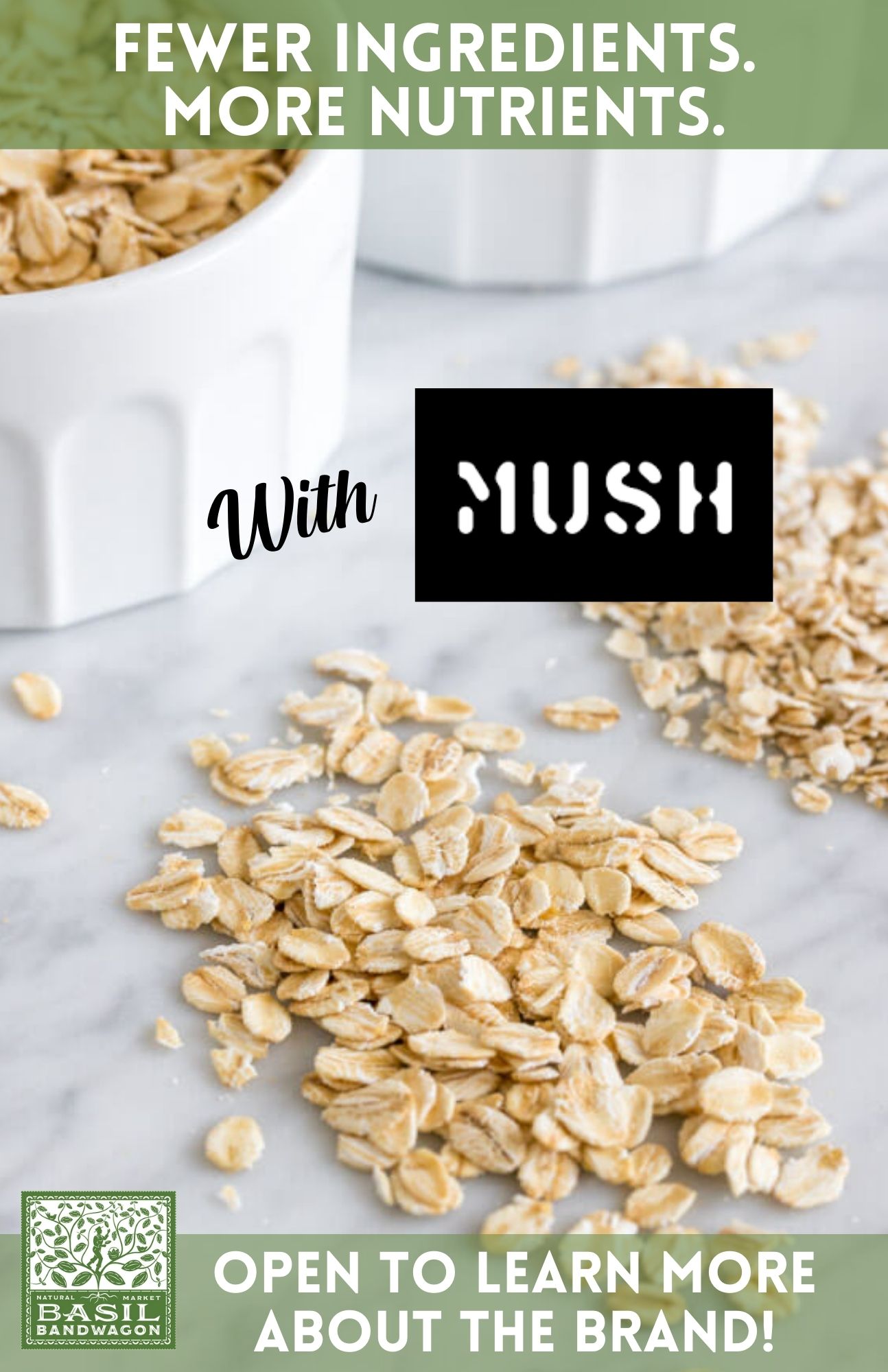
    Have you been looking for an easy and ready-to-eat breakfast that ACTUALLY tastes good?! Then try MUSH and their ready-to-eat oats for a flavorful breakfast experience like no other!

    One of the cool things that makes these oats so unique is that instead of cooking the oats to make a traditional oatmeal, MUSH cold-soaks their oats in dairy-free milk to get them to a fluffy, pudding-like texture we love.

    In addition to the creamy, light texture, this soaking process not only helps the ingredients retain their valuable nutrients, but also makes them easier to digest! These flavor-rich and ready-to-eat oats will make you wonder why you ever chose another breakfast!

    • Vanilla is rich in Antioxidants
    • Blueberries are packed with Vitamin C
    • Apples are loaded with Vitamin C
    • Strawberries are potent in Manganese, Potassium, and Antioxidants
    • Coffee increases energy levels and improves brain function

    Every MUSH starts the same but is finished off with nutrient packed ingredients that provide a delicious flavor profile. Oats are one of the healthiest, most nutrient dense superfoods available. 

    They are heart and metabolism healthy because they contain large amounts of beta-glucan fiber, which is known for lowering blood sugar levels, improving insulin resistance, and reducing cholesterol levels.

    MUSH then adds clean, healthy ingredients that give each one a rich and delicious flavor!

    With MUSH, anyone can elevate their nutrition to the next level! To learn more, go to their website https://eatmush.com/ !

    RESOURCES:

    https://eatmush.com/

    https://eatmush.com/pages/mush

    https://eatmush.com/pages/mission

    https://eatmush.com/pages/about

    https://eatmush.com/pages/ingredients

  • DIY After-Swim Chlorine Neutralizing Spray

    DIY After-Swim Chlorine Neutralizing Spray

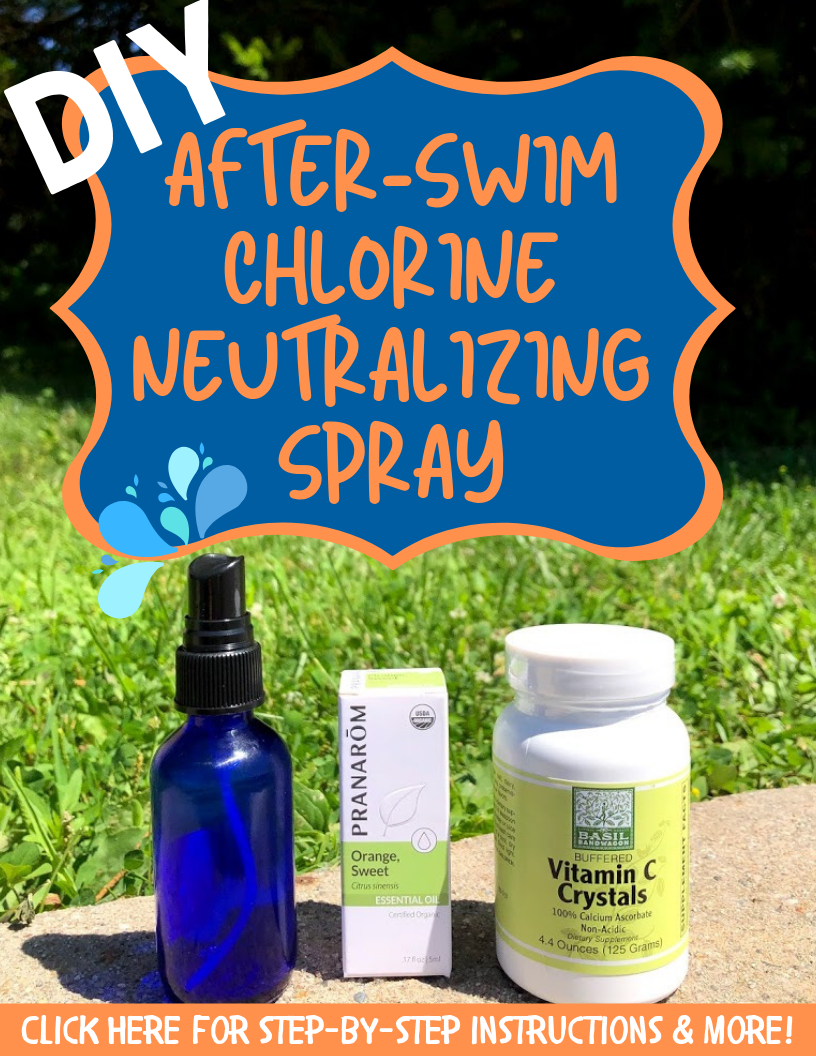
    Summer is the best time of the year to go swimming! Unfortunately, summer is also the worst time for chlorine. Some of the unwanted benefits of chlorine is that it dries out your hair and your skin- which is never fun to deal with in the hot summer heat. But good news! We have a DIY After-Swim Chlorine Neutralizing Spray that is simple to make and is perfect to keep in your bag when you go to the pool this season.


    Ingredients:

    1/4 Cup Filtered Water

    1/4 Teaspoon Powdered Vitamin C

    Essential Oils (we recommend using 1 drop Orange)

    2 Ounce Blue Glass Spray Bottle


    Method:

    1. Add water to glass spray bottle.

    2. Add powdered vitamin C to spray bottle.

    3. Add drop of essential oil.

    4. Put lid on bottle and shake to combine.

    5. Add to hair and/or skin after swimming and rub in. Shower as usual when you return home.

    NOTE: You might want to use this solution within 1-2 days of making it as it might lose its effectiveness afterwards.


    Tell us how much you love your DIY After-Swim Chlorine Neutralizing Spray. Leave us a note, email us, tag us on social media, or tell us in person! #basilbandwagoncares

  • It’s Citrus Season!

    It’s Citrus Season!

    On sale this week (2/4-2/10): Organic Blood Oranges and Navel Oranges 2 for $3!

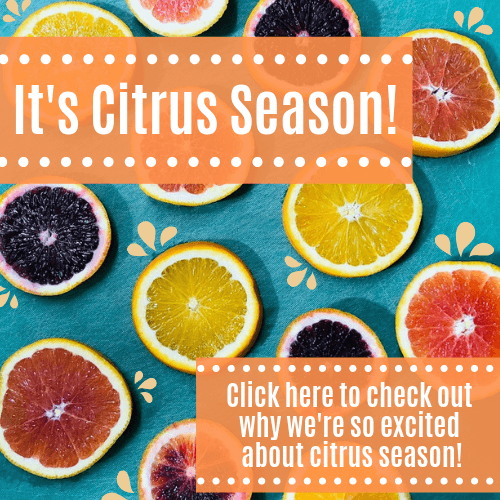
    Everyone looks forward to citrus season- it’s the transition from the cold, frigid months to the beautiful spring weather. Winter was the season of root vegetables and hot soup, but now we can brighten up our plates with some juicy citrus! When someone says citrus, most people instantly think about bright, plump oranges packed with vitamin C.

    We carry many varieties of citrus, but not all are available at one time. Some varieties that we carry are Cara Cara Oranges, Navel Oranges, Blood Oranges, Minneola Tangelos, Mandarins, Grapefruit, Clementines, Satsuma Mandarins, and Valencia Oranges. Not only are there so many different types but there are numerous benefits and uses of citrus too!

    1. Immunity: citrus is packed with Vitamin C which helps boost your immune system to fight colds and support your quest to breathe freely.

    2. Mood: with awakening scents, taste, and color, it is known to help improve your mood and help you come out of your shell.

    3. Skin Appearance: antioxidant properties help cleanse and brighten your skin.

    1. Beauty: aromatherapy to help boost your mood and purify the air, and skin care to help brighten and cleanse your skin.

    2. Nutritional: can be used for dressings and juices, sliced or dried for a quick snack, or even as a garnish and zest!


    With the spring season upon us, make sure you stop by your local Basil Bandwagon Natural Market and stock up on all the citrus we have this season!

    Additional Resources:

    https://www.healthiestbest.com/citrus-is-in-season

    https://www.naturalfoodseries.com/13-benefits-oranges/

    https://tasteforlife.com/diet-nutrition/eat-for-health/put-up-a-fight

    https://tasteforlife.com/conditions-wellness/allergies/fight-spring-allergies-with-food

    https://www.alive.com/health/7-immunity-boosters-need/

    https://www.deliciousliving.com/display-gallery/?id=14207&im=1

    https://stylecaster.com/beauty/citrus-for-beauty-benefits/