Tag: vitamin d

  • A new vitamin D discovery

    A new vitamin D discovery

    A new vitamin D discovery

    The sunshine vitamin and our cardiovascular health

    The celebrated “sunshine vitamin,” otherwise known as vitamin D, is commonly praised for its ability to support overall bone strength and immune function, but emerging research also continues to illuminate its benefits related to heart health.

    “Traditionally, [vitamin D] is known as something that’s good for the bones, because it helps improve calcium absorption in the bloodstream,” explains Laura Brass, ND. “But it’s been discovered over the years to benefit almost every system in the body—from the immune system to the cardiovascular system.”

     The power of vitamin D

    This powerhouse vitamin has many essential roles in the body. One of its long-hailed benefits is supporting calcium absorption in the gut for optimal bone health. It also promotes overall muscle strength and repair, and our immune system depends on the nutrient to ward off unwelcome bacteria and viruses.

    Recent research also indicates its potential impact on reducing major cardiovascular events among older adults, such as heart failure and hypertension, and suggests a deficiency in vitamin D could raise the risk factor for these diseases.

    “Vitamin D is known to help from an arterial perspective,” says Caitlyn Keates, ND. “It helps the blood vessel lining and blood to flow more freely through that lining, thereby reducing a lot of the inflammation that’s within the arterial wall of the heart.”

    While research is still emerging, and the connection between vitamin D and heart health is not yet conclusive, Brass says it’s about looking at the nutrient’s significance more holistically.

    “D” for deficient

    Vitamin D deficiency has been identified as a public health problem around the globe.  “When we see patients in practice, I’d say nine times out of 10, we see some sort of deficiency in vitamin D in their bloodwork,” explains Keates.

    While our body synthesizes vitamin D when our skin is exposed to sunlight, sunscreen (an obvious skincare essential) can hinder absorption by as much as 90 percent. Other factors such as age can also lessen the amount of the vitamin our skin absorbs. A person in their eighties, for instance, will produce about half as much vitamin D compared to someone in their twenties.

    Few foods naturally contain the nutrient. Some of the best whole food sources include fatty fish like salmon and trout, fish liver oils, and egg yolks.

    Supplementation

    Since adequate vitamin D levels are difficult to obtain from sun exposure and food sources alone, a supplement is often recommended by health professionals.

    Brass encourages people to prioritize a supplement containing vitamin D3 (versus D2) which has been shown to be a more effective form of the nutrient.

    Keates says the correct daily dosage will fluctuate for each person, and will depend on factors such as age, weight, and level of deficiency (which requires a blood test to determine). Your health care practitioner can help guide you in the right direction.

    By Brittany Devenyi

    Article Courtesy of Alive Magazine

  • What makes people healthy?

    What makes people healthy?

    What makes people healthy?

    Exploring the social determinants of health


    Why are some people healthier than others? Yes, your genes play a big role. But there are other determinants of health that have nothing to do with your genetic makeup. Where you live, how you’re educated, and other societal influences are all important factors in our health. Find out more.


    Two hypothetical kids

    There are significant implications for advantage and disadvantage related to social determinants of health. Look at socioeconomic position, for example: a child born into a higher tax bracket is much more likely to be in a higher tax bracket when they’re older.

    Let’s take a look at the life course trajectories of two hypothetical kids. Joe is born into an affluent neighborhood, while John lives in subsidized housing with his six siblings in a single parent home.

    Joe’s parents are able to afford organic produce, put Joe into private school, and drive him to and from his various sporting activities throughout his childhood. As a result, Joe gets an excellent education that allows him to attend university, secure a job in a top tax bracket, and enjoy an active social life.

    John’s father works double shifts to make ends meet, but the only apartment he can afford has a black mold problem that has given John respiratory issues for years. John’s school is oversubscribed, and he’s falling behind because of sick days. To support the family, John takes a construction job and eventually drops out of high school. Years of manual labor and poor self-care have taken their toll on John, and he lives with chronic pain.

    You can imagine that two very different states of health and well-being are being experienced by Joe and John in later life. These differences may not necessarily be due to differences in the individuals, but in the broader social and economic circumstances in which they find themselves.

    What next?

    To address systemic issues such as the negative impact of social determinants of health, we must look to addressing modifiable aspects of lifestyle at the individual level and systemic inequities at the population level.

    Your DNA is not your destiny

    Although there are many social determinants of health that you can’t control, focus on the ones that you can control, such as diet, exercise, and social connections.

    • Pack yourself a healthy lunch.
    • Go for an evening walk with your partner.
    • Plan a family gathering.

    When you need nutritional help, chat with your health care practitioner. They may recommend certain supplements, such as the following:

    Nutritional helperBenefits
    vitamin Cimmune health, wound healing, bone health, antioxidant protection
    vitamin Dbone health maintenance, decreased risk of cancer mortality, mood stabilization
    vitamin B6red blood cell formation, brain processes and development, immune function, and steroid hormone activity
    vitamin B12brain support, red blood cell genesis support, energy booster
    magnesiummuscle repair, neuromuscular facilitation, blood sugar control
    zincsleep support, digestive support, reproductive organ support

    Article courtesy of Alive Magazine
  • 9 important supplements for women over 40

    9 important supplements for women over 40

    9 important supplements for women over 40

    There’s more than just calcium

    As we age, our bodies can’t absorb some nutrients from food as well as they did years ago. Supplements can be beneficial. That’s why we’ve compiled a list of the nine best supplements for women over 40! Remember to consult your health care practitioner before starting any new vitamin regimen.

    1. Vitamin B12

    Vitamin B12 builds red blood cells and assists in brain function and development. Without it, you may experience low energy levels, memory loss, and nerve damage. It’s estimated that 30 to 50 percent of adults over 50 are B12 deficient.

    2. Omega-3s fatty acids

    Omega-3 fatty acids support your heart, eyesight, and cognitive function. Studies also suggest they may play a role in preventing cancer. Since omega-3s may protect against age-related conditions, like heart disease and macular degeneration, experts recommend higher intakes of omega-3s for older adults.

    3. Calcium

    Nearly all the calcium in your body is stored in your bones. When you don’t eat enough of it, your body taps that bone reservoir to fulfill its physiological needs. This could weaken your bones and lead to osteoporosis. In women, estrogen helps the body absorb calcium. However, as you approach menopause, your estrogen levels dip, which results in poor absorption.

    4. Vitamin B6

    Vitamin B6 supports the body’s nervous and immune system. A deficiency may lead to depression, weakened immunity, and certain skin conditions. As you grow older, your body needs more B6. High levels of B6 have been linked to better memory in aging populations.

    5. Potassium

    Potassium keeps your bones strong and may reduce the risk of stroke and high blood pressure. It also supports your kidneys, muscles, nerves, and heart. Unfortunately, certain medications and health conditions block the absorption of potassium. If you’re over 40 years old, ask your health care practitioner if you’re getting enough of it.

    6. Vitamin D

    Vitamin D reduces inflammation, helps the body absorb calcium, and supports the immune system. When women turn 40 and creep closer to menopause, a lack of vitamin D may result in weakened bones and osteoporosis. Because it isn’t found in many foods, and most people aren’t absorbing enough of it from the sun, vitamin D supplements can be beneficial.

    7. Probiotics

    Good bacteria in your gut keep your immune system in check and aid digestion. If you’re stressed, took a round of antibiotics, or have certain medical conditions, your good gut bacteria could get wiped out. Probiotics help to maintain balance, and as you age, you’ll want to pay close attention to the different strains and their benefits.

    8. Zinc

    Zinc supports your immune system and metabolism. There’s also evidence that it shortens colds, slows the progression of macular degeneration, and reduces diarrhea. Since zinc is known to support the body in many important ways, it’s an important nutrient to focus on as you age.

    9. Magnesium

    Magnesium regulates nerve function and helps keep your blood sugar balanced. As you age, a mild magnesium deficit could result in sleep and cognitive disorders. Maintaining normal magnesium levels through the years may help stave off age-related chronic conditions, like heart disease and diabetes.

    Article courtesy of Alive Magazine

  • New insights into immune health

    New insights into immune health

    New insights into immune health

    Pandemic lessons on immunity

    Health has never been a more prominent topic or concern than in the era of COVID. But for all of us, supporting our immune system is the cornerstone of our well-being, whether we’re living in a pandemic or not.

    “Health is defined now by most medical establishments as a state of complete physical, mental, and social well-being and not merely the absence of disease and infirmity,” says naturopathic doctor Brian Davies.

    Immune system redux

    To best support our immune system, it helps to have a sense of how it works. Put simply, its job is to defend against disease-causing microorganisms. It has two main components.

    1. Innate immunity, the immune system we’re born with, consists of physical barriers like our skin as well as cells that attack pathogens that enter the body, responding quickly via effects like fever.
    2. Adaptive immunity is the part of our immune system that learns to react to foreign agents. When it’s exposed to a new germ for the first time, it responds by trying to fight it off; we might get sick, but our immune cells remember the invader and mount a more rapid response when it returns.

    Having a healthy immune system doesn’t mean never getting ill. It’s quite the opposite, in fact. And remember that not all viruses are created equal, as we’ve all learned with SARS-CoV-2, the virus that causes COVID.

    “Having symptoms such as fever, cough, muscle aches, headache, and the like are indications that your immune system is working to fight off infection, not the infection itself,” says Ashley Stapleton, naturopathic doctor. Nevertheless, the global health crisis may have led to a greater awareness of the importance of taking care of ourselves, a wake-up call of sorts.

    Immune system support

    “When looking at key support for general immune health, a healthy lifestyle is a critical part of supporting our immune systems,” Davies says. Some people who should consider modifications to their lifestyle to better support their immune systems are those who

    • eat highly processed foods
    • don’t sleep well
    • are under excessive emotional or physical stress from injury or overexercise
    • consume excessive amounts of alcohol
    • smoke cigarettes

    All of these factors put excess stress on the body, which is known to suppress innate immunity and dysregulate our adaptive immune system.

    Caring for your immune system

    Here are some other approaches to providing your immune system with support.

    • Cut out sugar
    • Avoid alcohol
    • Get plenty of good sleep
    • Reduce stress

    Supplemental immune support

    Always check with your health care practitioner before trying a new supplement. Supplements that may help support your immune system include:

    • Probiotics
    • Vitamin C
    • Vitamin D
    • Zinc

    Article courtesy of Alive Magazine

  • Co-pilot vitamins

    Co-pilot vitamins

    Co-pilot vitamins

    How vitamin D and vitamin K2 work together

    Vitamin D got our attention for its promising role in immune health in 2020, but it doesn’t work alone. Learn about its lesser-known co-pilot, vitamin K2, and how these two nutrients collaborate for many aspects of health.

    Teamwork

    No nutrient works in isolation. For many aspects of well-being, notably bone and heart health, vitamin D teams up with vitamin K. Some of the same chronic illnesses that predict poor COVID prognosis also happen to be associated with reduced vitamin K status.

    Balancing act

    At the simplest level, vitamin D facilitates calcium absorption, while vitamin K2 directs that calcium toward bones and away from blood vessels. This particular synergy also means K2 may play a role in safeguarding against potential ill effects of excess vitamin D-induced calcium absorption, such as by restoring flexibility to hardened arteries.

    Digging deeper, vitamin D stimulates the production of metabolic proteins that remain essentially inactive until vitamin K2 flips their switch to “on.” Vitamin D encourages the action of bone-building cells, while vitamin K2 reins in the action of bone breakdown cells, a balance central to maintaining bone density. The combination of D and K2 together appear to help make bones both stronger and more flexible.

    This may be especially important for children’s health, since growing bones need vitamin K2 to effectively incorporate calcium into healthy bone architecture.

    Homing in on immune health, both vitamin D and K2 play a role in healthy lung function, with D modulating immune response to respiratory pathogens, while K2 is believed to help protect elastic tissues that give lungs their ability to expand and contract.

    Clearing up vitamin K confusion

    Vitamin K is not a singular vitamin but is actually a small family of vitamins largely represented by the siblings K1 and K2. While it’s rare to be deficient in vitamin K1, researchers believe that inadequate levels of vitamin K2 may be common.

    Vitamin D deficiency is common too. While vitamin D is mostly derived from sun exposure, with fatty fish being one of the very few food sources, so low levels are no mystery. The reasons behind a potential low vitamin K2 status are a little more complex. Some animal-based fare, namely egg yolks and butter, contain a pinch of K2. Certain fermented foods that are underrepresented in the North American diet, such as specific cheeses, are rich in vitamin K2.

    Supporting our immune health

    Many of us are thinking about the big picture of health resilience. Exercise and nutrition are parts of the solution. Topping up with key nutrients may prove inexpensive insurance against health vulnerabilities.

    To be clear, no nutrient has been proven to prevent or treat COVID-19. Clinical trials are ongoing. In the meantime, there’s no downside to making sure we are getting adequate amounts of important nutrients. Check with your health care practitioner for personalized advice.

    Article Provided by Alive Magazine

  • Looking to Keep Your Immune System Strong? Country Life Vitamins is Here to Help!

    Looking to Keep Your Immune System Strong? Country Life Vitamins is Here to Help!

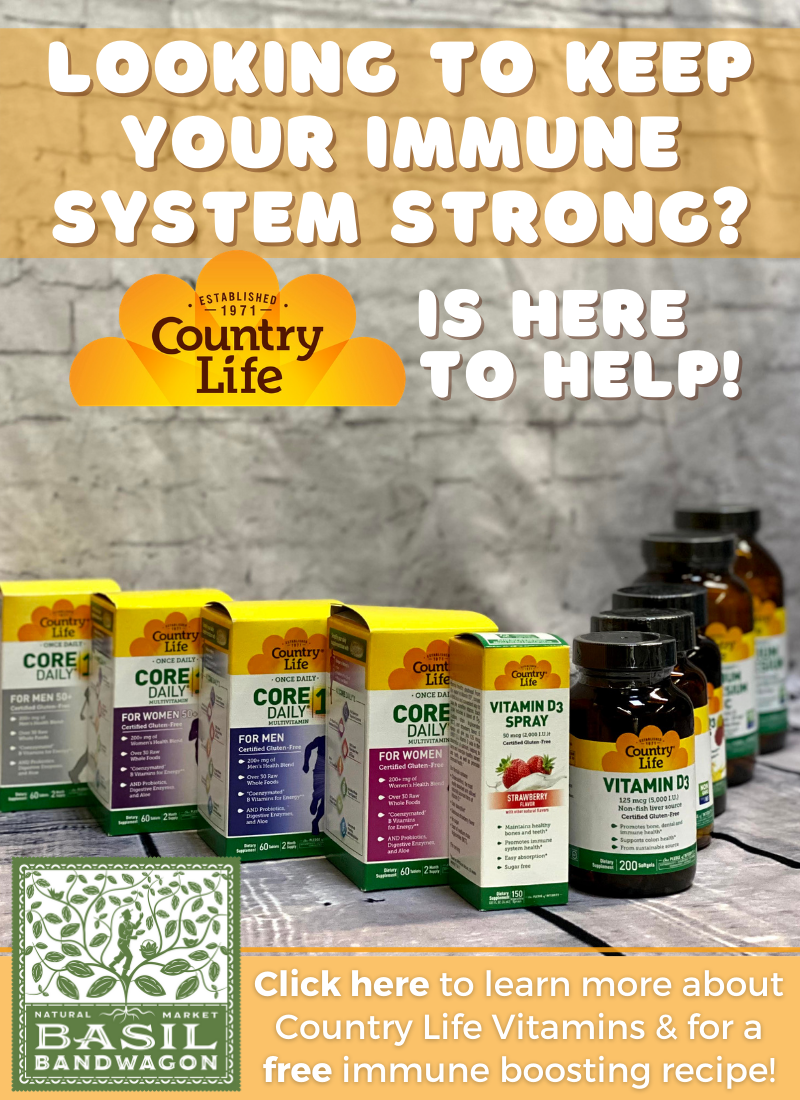
    Take your immune health to the next level with Country Life Vitamins

    It’s not always easy to eat a balanced diet with all the nutrients we need, and something as important as our immune system needs extra attention. To fill the gaps we might be missing, adding in certain vitamins to our daily wellness routine makes sure we’re covering all our bases without the added stress. Thanks to Country Life Vitamins, we can trust that the ingredients they use in their products follow their 5 pledges – Authenticity, Cleanliness, Freshness, Consistency & Accuracy.

    Immune Support When It Matters

    Vitamin D

    Also known as the Sunshine Vitamin, Vitamin D aids in the absorption of calcium, helping to form and maintain healthy bones and teeth, as well as promote immune health.*

    Multivitamins

    Get the essential nutrients you need for  health and wellness. Their Core Daily-1 multivitamins simplify your daily nutrition with support across seven key nutritional areas.*

    Minerals

    Minerals are elements used by the body that are not produced by plants, and play an important role in metabolism and other various bodily functions.* Many of their minerals are chelated (bound to amino acids) and they provide both single forms as well as multi-mineral formulas.

    Calcium

    Formulated to maximize your body’s calcium absorption for healthier teeth and bones, their calcium supplements may also be blended with minerals for total-body utilization. Adequate calcium and vitamin D as part of a healthful diet, along with exercise, may reduce the risk of osteoporosis later in life.*

    Looking for a great way to add vitamins into your daily morning routine?

    Check out this refreshing smoothie recipe!

    Immune Boosting Berry Orange Smoothie

    Gluten-Free & Dairy-Free ~ Serves 2

    This delicious smoothie is rich in antioxidants, Vitamin C, with an added boost of sunshine – Vitamin D!

    Ingredients

    1 1/4 cups fresh squeeze orange juice

    1 cup of your frozen berry of choice – we used blueberries (can use fresh but will not be as thick)

    1/2 cup of fresh or frozen strawberries

    1/4 cup of almond or coconut milk (we used almond)

    1 banana

    1 tablespoon lemon juice

    1 teaspoon of honey or maple syrup

    4 sprays Country Life Vitamin D3 spray (2 sprays = daily serving size but this recipe yields 2 servings)

    Method

    Blend all ingredients in a blender until smooth. Pour into 2 glasses and enjoy!

    DISCLAIMER: *These statements have not been evaluated by the Food and Drug Administration. These products are not intended to diagnose, treat, cure or prevent any disease.

    References:

    https://www.countrylifevitamins.com/

    https://www.instagram.com/countrylifevitamins/

    https://www.cottercrunch.com/cranberry-orange-smoothie-dairy-free/

  • Stay Healthy This Winter with Nordic Naturals!

    Stay Healthy This Winter with Nordic Naturals!

    When it comes to the cold winter season, everyone thinks about elderberry, echinacea, oil of oregano, vitamin C, vitamin D, and more. But does anyone ever think about combining some of those with omegas?

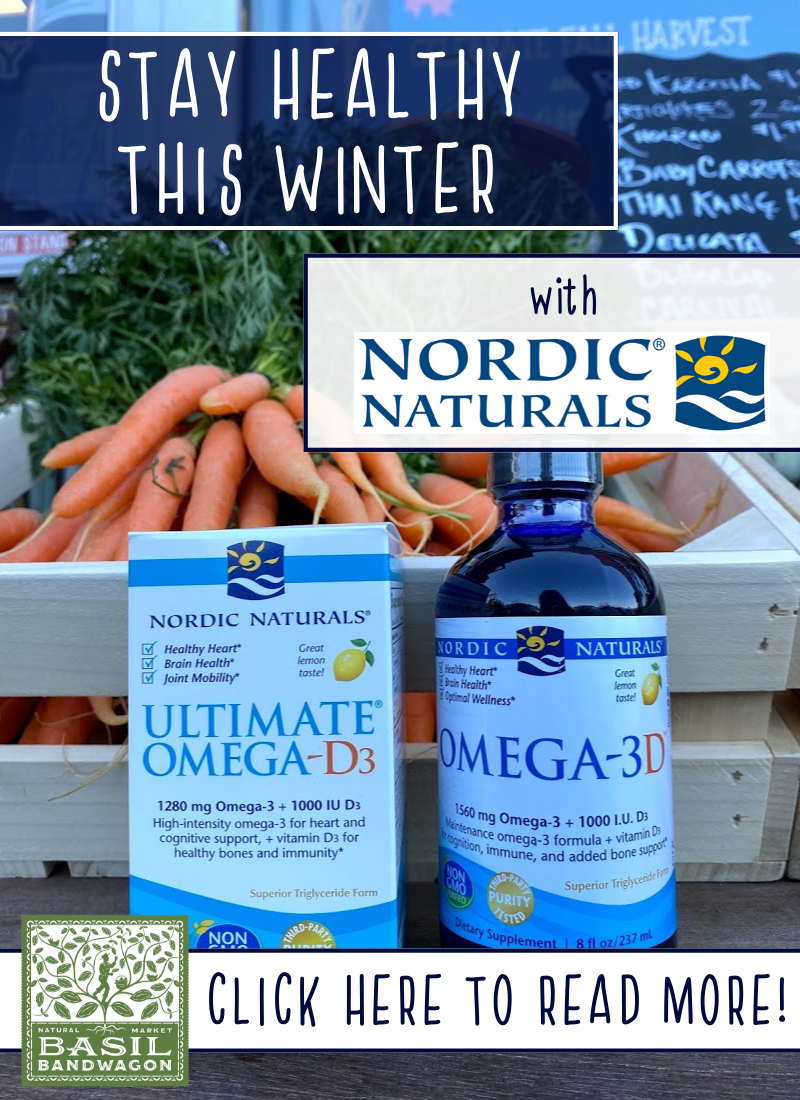
    What are omegas? Good question. Omega-3, omega-6, and omega-9 are fatty acids that are important dietary fats. Finding the perfect balance may be difficult to find for each individual because we are all different; our lifestyles, our diets, our health routine, etc. However, scientists have found that everyone suffers from an omega-3 deficiency- and most people don’t know that! Thankfully, our friends at Nordic Naturals are committed to delivering an increase in awareness of this issue and to produce high quality omega nutritional supplements.

    There are two main omega-3s- EPA (eicosapentaenoic acid) and DHA (docosahexaenoic acid). There is scientific evidence that these omegas help with many things. For example, cardiovascular health; mental health and brain function; eye health; pain due to physical stress; hair, skin and nails; adolescent development; and immunity.

    While we’re stuck inside during the winter months watching copious amounts of tv, playing video games, reading novels, catching up on bills, working on school projects, etc., remember to take your omegas with vitamin D! And what better to take than Nordic Naturals Omega+Vitamin D products. Since some people have a harder time swallowing soft gels, they have created a liquid option too! The increase in EPA from the omegas help with our immunity and eye health with the additional increase in vitamin D for all of the added winter wellness benefits. If you’re already taking a vitamin D supplement, don’t stress! Just make sure you add an omega supplement to your routine. Don’t forget about the kids either- they have many options for them too!

    Omega Supplements for Adults
    Omega Supplements for Kids

    But why Nordic Naturals? Great question! Nordic Naturals has high standards for their products and are set to protect the consumers. Their products are tested for a wide variety of environmental toxins as well as exceptional freshness levels and are third-party purity tested. Not only are their products always fresh, but they taste great! Most consumers come back for their products as they don’t have that “fishy” taste, aftertaste or smell and their flavors don’t taste artificial (because they’re not- they add natural fruit essences into their soft gels and liquid oils)! Another benefit of their products is that they ensure optimal absorption with a true triglyceride form. Meaning that most concentrated fish oils on the market use an ethyl ester molecular form- which is a synthetic fat. Nordic Naturals has always been deeply committed to not just the health of humans but the health of our oceans and planet. They use sustainable sourcing and environmentally conscious corporate practices (i.e. eco-friendly packaging and using only wild-caught, sustainably-sourced fish).

    Want to make the perfect combination that is “better together?” Combine Nordic Naturals Omegas+Vitamin D with PlusCBD oil products! The omegas and vitamin D will help increase the absorbability of the added benefits of CBD oil. Consider it your “winter wellness duo.”

    Stock up on their products by the end of November to take advantage of their 25% OFF discount!

    *PLEASE NOTE: These statements have not been evaluated by the Food and Drug Administration. These products are not intended to diagnose, treat, cure, or prevent any disease.


    References:

    https://www.nordicnaturals.com/en/professionals/why-omega-3s/536

    https://www.nordicnaturals.com/healthy-science/vitamin-d-cold-flu-season/

    https://www.nordicnaturals.com/healthy-science/an-introduction-to-vitamin-d/

    https://www.nordicnaturals.com/healthy-science/omega-3-dosage-how-much-epa-and-dha-should-i-take/

    https://www.nordicnaturals.com/en/professionals/why-nordic-naturals/580

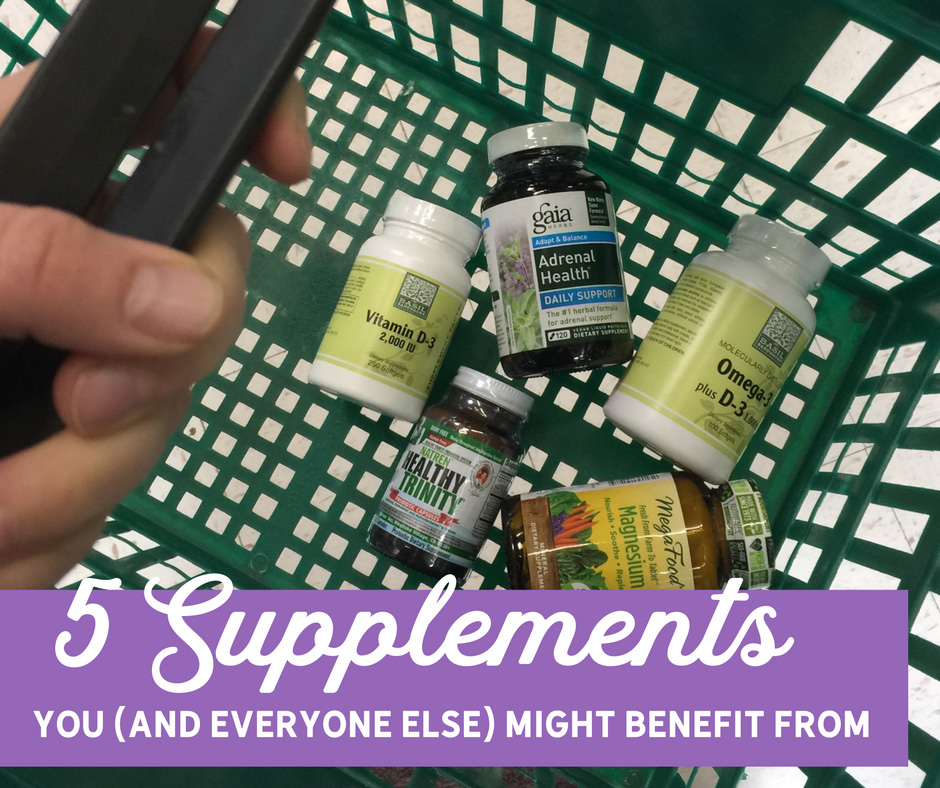
  • 5 Supplements You (and Everyone Else) Might Benefit From

    5 Supplements You (and Everyone Else) Might Benefit From

    2017: Whether your goal is more energy, less stress, better digestion, weight loss or improved fitness, this article is for you. If none of these are your goal, this article is also for you! All of us want to optimize our wellbeing – but many of us don’t know where to start. Our modern-day stressful lifestyles and convenience-based food choices leave much room for nutritional deficits and more. Even the most mindful eaters living low stress lifestyles in today’s world can use support from basic supplements, as food choices alone may not be the answer to optimal health. Industrial farming techniques can deprive crops and meats of key nutrients. Here are five supplements you’ll want to consider bringing into your daily routine in 2017:

    Omega-3 Fatty Acids

    We need this good fat to balance out the bad fat that is so heavily consumed in the standard American diet -often referred to as “SAD” for good reason. Deficits of good fat can wreak damage on our cardiovascular systems, immune systems and more. Incorporating a quality omega-3 fatty acid supplement into your routine will help support a healthy immune system, healthy skin/hair/nails, and a healthy digestive system.

    Probiotics:

    More IS more when it comes to good bacteria. Research has shown that antibiotics depletes our digestive systems of good bacteria, which may negatively impact our bodies in many ways. This concept – along with poor dietary choices – leaves our guts lacking in the diverse flora needed to be in optimal health. Probiotic supplementation can help support optimal digestion and a healthy immune system, among many other benefits.

    Vitamin D3:

    Many of us (especially in this region of the world) are deficient in Vitamin D3.  This is due to lack of sun exposure – which is how Vitamin D3 is acquired in our bodies. Many of us spend our days indoors without sun. If we are lucky enough to be outside, the winter sun exposure is mild and our layers of clothing inhibit absorption. Supplementation with Vitamin D3 may help protect us from many chronic neurological, cognitive, and mood conditions, according to recent research. Vitamin D3 can help support healthy immune function, healthy energy levels, and a healthy mood.

    Magnesium:

    You’ve probably heard a lot about magnesium lately- and for good reason. Like the other nutrients mentioned here, magnesium is particularly prone to depletion in our foods due to poor soil conditions within industrial farming. Furthermore, processed food, soft water, and caffeine may reduce your body’s absorption of this critical mineral. Magnesium supplementation may help relieve discomfort associated with headaches and muscle cramping, and supports a positive mood and restfulness.

    Adaptogenic Herbs:

    Busy modern lifestyle often leaves people “wired and tired”. Stress robs us of our positive mood, energy levels, and our ability to fight off illness. Simply put, our bodies were not designed to withstand some of the stressful lifestyles we live today. Adaptogenic herbs may help support a more positive reaction to stress – allowing our bodies to potentially better cope with life’s everyday demands. Adaptogens work on our endocrine and nervous systems and help support a healthy reaction to stress, positive mood and restfulness.