
Tag: well-being

  • Find your path toward well-being

    Find your path toward well-being

    Find your path toward well-being

    Purpose, power, and physical health

    Often when we begin to reflect on the metaphysical questions in life, including “what’s my purpose?” we undervalue the role of physical health in the journey. But having the healthiest body possible allows us to more easily grow and stretch in other areas of life. Here are some key focus areas to boost physical health so you can more powerfully live on purpose.

    The power of purpose

    First of all, let’s eliminate any notion that seeking out your purpose and expressing it is frivolous. American psychologist Abraham Maslow, in his famous hierarchy of needs, proposed that self-actualization is the pinnacle of a life well lived. In other words, stretching to the edges of your abilities is important for your well-being. In fact, research suggests that finding purpose can add years to your life.

    Purpose and well-being

    As you reflect on your purpose, remember that there is no single magic answer and that your purpose evolves over time. Consider each of the facets of well-being as a jumping-off point for finding your next purpose.

    Garbage in, garbage out

    One of the easiest ways to minimize physical distractions is to limit the disease-promoting toxins you expose yourself to. This includes not only harmful chemicals in foods, body care products, and home supplies but also relationships, environments, and spaces that feel poisonous.

    Pay attention to how your habitual television viewing, video games, and nights out with the gang make you feel in your body. Are you light, happy, and excited or sad, depressed, and anxious? Eliminate the stress-inducing spaces and people.

    I think, therefore I am

    The brain doesn’t benefit from the same lymphatic system that removes toxins and pathogens in the rest of your body. Instead, the brain’s “glymphatic” system rinses debris from the spaces between your brain cells. The caveat to this system is that it works 60 percent better when you’re sleeping than when you’re awake—which means sleep is a purposeful priority.

    You know it in your heart

    While your brain helps you with your lists and your decisions, the heart has traditionally been seen as the hub of perception and awareness. Research has shown there is a two-way street between emotional and spiritual well-being and heart health. Nourish your heart connection with mindfulness activities such as yoga, time in nature, and meditation, as well as regular exercise and plenty of antioxidant-rich foods.

    Liver lovin’

    Possibly the least considered yet most involved organ in your body is your liver. It plays a role in all your major life events, from digestion and elimination to circulation, detoxification, and hormone metabolism. It’s a factor in body shape, inflammation, energy levels, and mood.

    Purpose proviso

    Don’t panic if you’re struggling to demystify your purpose. Often, the path is revealed only after we start walking. Until clarity comes, focus on removing the physical health distractions. It’s a win/win.

    By Dr. Lisa Petty, PhD

    Article Courtesy of Alive Magazine
  • Alternative therapies 101

    Alternative therapies 101

    Alternative therapies 101

    Discover optimal well-being

    We’re at a pivotal time in the wellness world. As we gain greater consciousness of our physical, mental, emotional, and spiritual needs, many of us are embracing alternative lifestyle practices, healing modalities, and technologies.

    Growing evidence shows the benefit of alternative therapies. As a naturopathic doctor, I’ve seen the remarkable changes that can occur when someone gets the right support at the right time. In some cases, people might have great nutrition, supplements, and stress management in place, but they don’t see the progress they’d like to. In my clinical practice, I’ve observed how incorporating some of the following alternative therapies can catalyze the healing response and facilitate significant change in how a person feels.

    Start with the therapy that intrigues you, is available to you, and is within your budget. For advice on incorporating alternative therapies alongside your medical care, chat with your health care practitioner.

    Hydrotherapy is the therapeutic application of water. Hydrotherapy spas allow you to circulate among hot, warm, and cold pools to reduce inflammation, enhance the immune system, and promote relaxation.

    Balneotherapy is a type of hydrotherapy that uses mineral-rich, gaseous water (such as a natural spring), paired with mud applications. Research strongly supports using balneotherapy for osteoarthritis, as well as cardiovascular, digestive, respiratory, neurological, hormonal, dermatological, and stress-related conditions.

    Sauna use, whether wet, dry, or infrared, is associated with reduced morbidity and mortality and increased “healthspan.” Frequent sauna use may protect against cardiovascular and neurodegenerative disease, as well as age-related loss of muscle mass.

    Massage therapy involves the manual manipulation of the soft tissues. Many people find massage to be relaxing for the body and mind. Massage therapy may reduce shoulder pain and knee pain, and promote function among those with low back pain.

    Reflexology involves the application of pressure to specific locations on the feet, hands, and ears. Reflexology may be effective for constipation; sleep disturbances; infantile colic; and pain, anxiety, and depression among cancer patients.

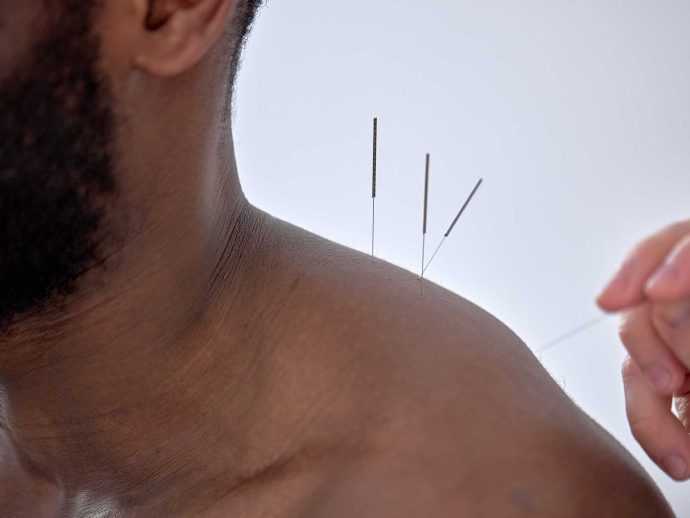
    Acupuncture is a traditional Chinese medicine (TCM) practice, involving the insertion of hair-thin needles along specific locations on the body. Research abounds for the use of acupuncture for several conditions, including postpartum depression, insomnia, and tinnitus. Acupuncture also enhances overall well-being by increasing parasympathetic tone, which promotes relaxation, digestion, and repair.

    Meditation has been shown to reduce pain, depression, and anxiety, while improving memory, cognitive function, and quality of life. Meditation is associated with having longer telomeres (the caps at the end of chromosomes), which are biomarkers associated with improved health and longevity.

    Biofeedback is a technology designed to enhance the mind-body connection. Electrodes are applied to measure either skin temperature, brain activity, or muscle tension and show real-time physiological data about the efficacy of relaxation techniques. Research supports the use of biofeedback for constipation, headaches, hypertension, TMJ disorder, and ADHD.

    By Dr. Cassie Irwin, ND

    Article Courtesy of Alive Magazine