Tag: workout

  • Exercise is critical to maintain your brain

    Exercise is critical to maintain your brain

    Exercise is critical to maintain your brain

    Vitality happens where sweat meets synapse

    Lost in the grunts, groans, reps, and sets, we might overlook and undervalue the remarkable impact exercise has on our most vital organ, the brain. Before we get to the sweat, let’s ground ourselves in science.

    Recent studies reveal a strong link between regular exercise and improved brain health. As little as 2.5 hours of physical activity weekly can enhance memory, cognitive efficiency, and problem-solving skills, while also slowing age-related decline and disorders.

    Let’s get moody … or not

    Exercise also influences mood regulation, acting as a powerful stress reliever. It promotes the secretion of endorphins, hormones, and neurotransmitters that elevate mood and boost brain function. These effects can begin after just one workout, rewiring neural pathways over time.

    Your brain on proteins

    The food we eat also impacts cognitive health. A 2022 Harvard study of over 77,000 people over 20 years found that replacing animal proteins with plant proteins reduced dementia risk by up to 26 percent. Incorporating a scoop of plant-based protein daily can be a simple step toward better brain health.

    Your brain on proteins

    The food we eat also impacts cognitive health. A 2022 Harvard study of over 77,000 people over 20 years found that replacing animal proteins with plant proteins reduced dementia risk by up to 26 percent. Incorporating a scoop of plant-based protein daily can be a simple step toward better brain health.

    Rewiring your circuits

    Neuroplasticity, the brain’s ability to create new pathways, is key to learning new skills and adapting. Cardiovascular exercise triggers biochemical changes, increasing growth factors that promote neuroplasticity and angiogenesis, or new blood vessel formation. This process helps improve brain function and resilience.

    Brain-boosting workout

    Try three rounds (or four if you’re feeling squirrely) of this cardiovascular, circuit-rewiring circuit to boost your brain and brawn.

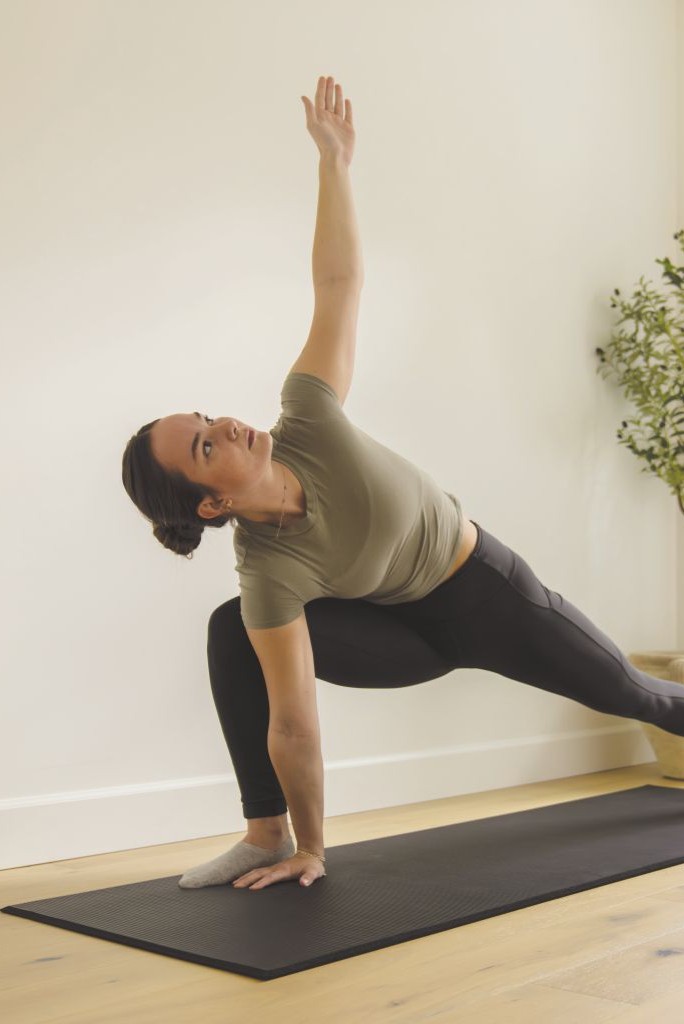
    The World’s Greatest Stretch

    3 sets of 8 repetitions per side

    • Step into a lunge, placing your right hand inside your right foot.
    • Rotate your torso, reaching your left arm up, opening your chest.
    • Return to start and repeat on the other side.

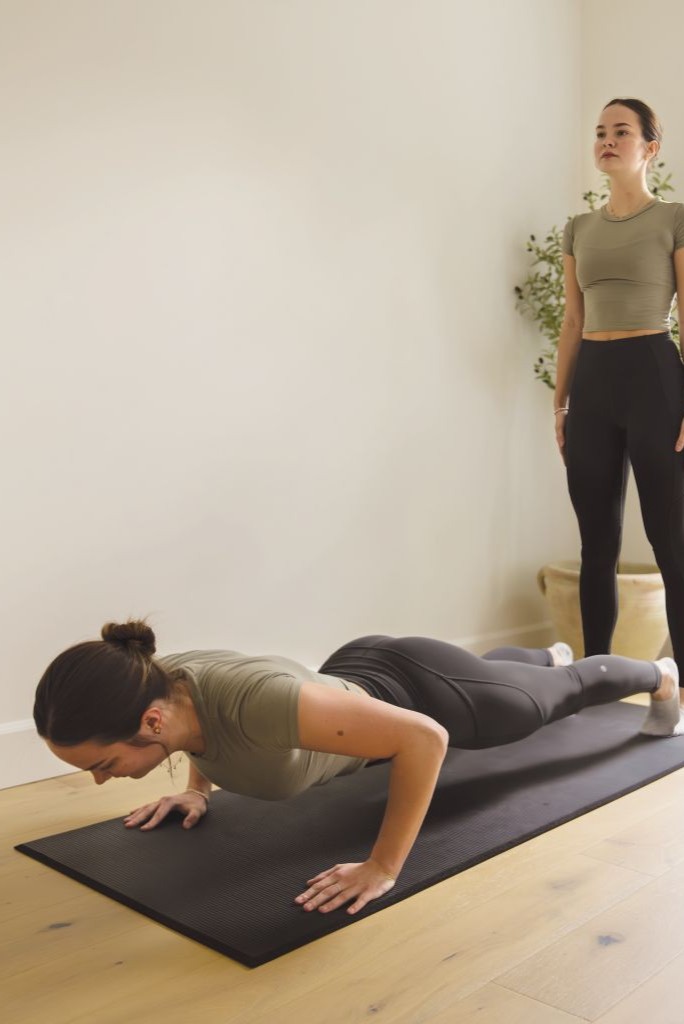
    Walkout Push-Up

    3 sets of 10 repetitions

    • Bend at the waist, place hands on the ground, walk into a plank.
    • Perform a push-up, then walk hands back to standing.

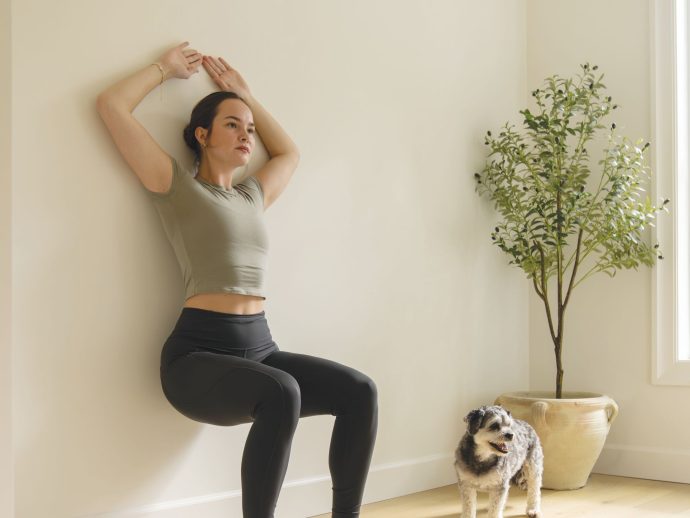
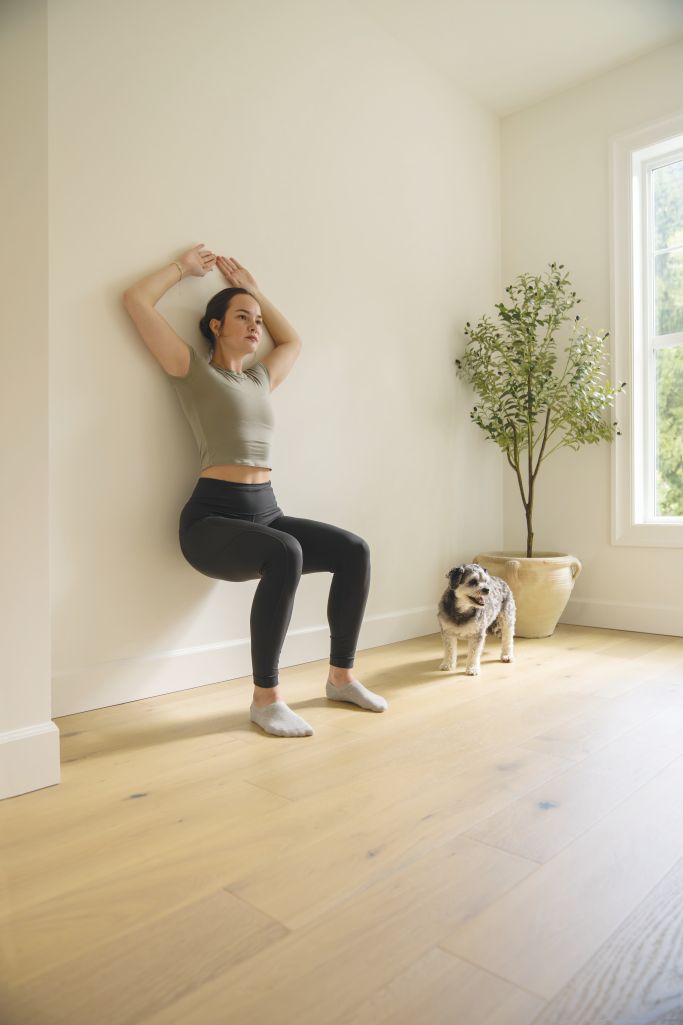
    Wall-Sit Wall Angels

    3 sets of 12 repetitions

    • Lean against a wall in a squat position.
    • Extend your arms out to the sides at shoulder height, bend your elbows at 90 degrees, and press the backs of your hands against the wall.
    • Keeping your back and arms in contact with the wall, slowly slide your arms up overhead.
    • Continue to slide your arms upward as far as you can comfortably go without arching your back or allowing your arms to lift off the wall.
    • Hold the top position for a moment, then slowly lower your arms back down to the starting position.

    Land Swimmers

    3 sets of 30-second intervals

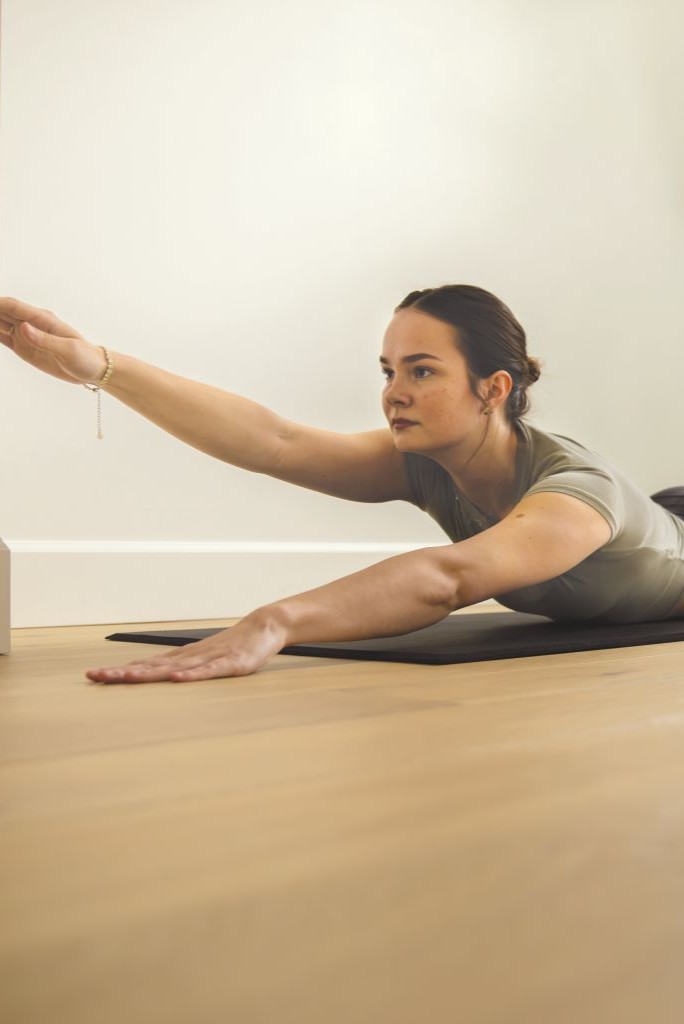
    • Lie face down, lift chest and legs slightly off the ground, keeping your neck in a neutral position.
    • Raise opposite arm and leg, hold, then switch sides in a controlled fluttering motion.

    Where to begin?

    If structured workouts aren’t your thing, incorporate activity naturally: park farther away, take the stairs, garden, cook, or do housework. The key is consistent movement, and the most beneficial exercise is one you will stick with, gradually increasing intensity while exercising safely. Moving more not only benefits your body but also keeps your brain sharp and resilient.

    By Brendan Rolfe, BA, DipA

    Article Courtesy of Alive Magazine

  • 10 Clever Workout Tips for Busy People

    10 Clever Workout Tips for Busy People

    10 Clever Workout Tips for Busy People

    Just because your schedule won’t slow down, doesn’t mean you have to

    With a new year comes an even busier schedule. That project you said you’d revisit? That after-school activity your child wants? That postponed get-together with friends? Everything seems to converge at once.

    Fitting regular exercise into your list might seem impossible. That’s why we’ve gathered quick workout ideas for your busy schedule.

    1. Prep your workouts

    You may have tried meal prepping, but what about workout prepping? Set aside time each week to plan your workouts, like hitting the gym or taking a daily walk—make it your own!

    Pro tip: Set out your workout clothes or pack your gym bag the night before to make exercise easier the next day.

    2. Walk and talk

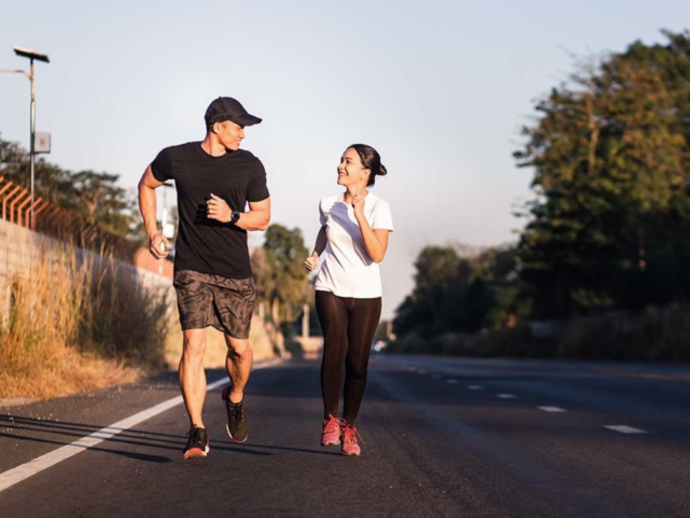
    Don’t sacrifice time with loved ones for your workout. Combine social time by walking together around the neighborhood or on trails.

    Pro tip: Bring a health-boosting drink like matcha or rooibos tea to enjoy during your walk.

    3. Try bedtime yoga

    Can you only find time at night? Bedtime yoga helps you move and relax, prepping you for sleep while improving balance and strength.

    Pro tip: List what you’re thankful for during your yoga session to enhance your practice.

    4. Give HIIT workouts a shot

    High-intensity interval training (HIIT) packs big benefits into shorter sessions. Example: 45 seconds of jumping rope followed by a short break, then 45 seconds of squats. HIIT is ideal for those short on time.

    Pro tip: Download a HIIT timer app to track your sets.

    5. Multitask with a treadmill

    Working while walking on a treadmill is becoming popular for remote employees. It allows you to move while getting work done; walking can also curb cravings and boost immune function.

    Pro tip: Choose easy tasks to complete while walking, like reading or answering emails.

    6. Switch up your commute

    Vary your commute by running, walking, or biking a few days a week for a built-in workout. These activities can decrease stress and improve focus.

    Pro tip: Biking instead of driving once a day can decrease your carbon footprint by around 67 percent.

    7. Involve the kiddos

    Can’t find alone time? Involve the kids! Have them do yoga with you or bike alongside you while you run.

    Pro tip: If they can’t join, sign them up for an activity near your gym.

    8. Take a resistance band on the go

    Keep a resistance band handy for mini workouts anywhere. They’re affordable and effective for building strength.

    Pro tip: A jump rope is another portable tool for a great cardio workout.

    9. Create healthy hobbies

    Find exercises that bring you joy, like dancing, geocaching, or walking to your favorite coffee shop.

    Pro tip: Try indoor rock climbing for a unique, heart-pumping hobby.

    10. Switch it up

    Don’t stick to one workout. Mix it up with gym days, long walks, and yoga sessions to stay motivated throughout the year!

    Pro tip: Schedule rest days for muscle recovery and relaxation.

    By Makena Wardle

    Article Courtesy of Alive Magazine

  • Got 15 minutes?

    Got 15 minutes?

    Got 15 minutes?

    Get active this fall!

    MAs the days shorten and the weather cools, physical activity often falls by the wayside, and we retreat indoors to curl up with a book or binge-watch a few shows. But the end of summer doesn’t have to mean the end of your fitness routine. Here’s how to keep moving.

    “We come off this high at the end of summer thinking, ‘I’m always going to feel this good!’” says wellness expert Sonia Jhas. “And then we hit this slump that starts, quite insidiously, in the fall.” By accepting that fall may shift how we feel, she says, we can plan ways to stay active and motivated—before colder weather hits.

    Embrace mini-workouts

    While you can get exercise by hitting the gym for an hour or going for a long run, smaller amounts of physical activity count too.

    Research shows that multiple five- to 15-minute bouts of movement throughout the day offer similar fitness benefits to a single longer session. With vigorous activity, health benefits start to accumulate at just 15 to 20 minutes per week.

    But activity doesn’t have to be vigorous. Mini-workouts of any intensity “can build to more of a routine and a better foundation,” says Jhas.

    Use what you have

    One of the great things about physical activity is it doesn’t require much equipment. Jhas recommends starting with just a few tools, such as free weights and a floor mat. Then, she says, it’s about doing movements that help build strength and boost your metabolism.

    For strength, try bodyweight exercises such as push-ups, squats, and pull-ups. Add in some burpees, jumping jacks, or mountain climbers for more cardio.

    You can also challenge yourself with everyday objects: cans of soup or a jug of laundry detergent for weights, a towel as a resistance band, or stairs for incline push-ups.

    Keep in mind that all movement counts, so if you want, clean your garden, play in the backyard, rake leaves, or learn line dancing.

    Get outside in nature

    While a home gym can keep you moving, Jhas also encourages people to get outdoors. “It may not be the same [amount of] exercise you were getting during the summer, but you can still maintain a positive relationship with being outside.”

    Focus on daily movements

    Here is some inspiration for moving throughout the week.

    Weekdays

    • Warm up, work out, and stretch.
    • Briskly walk to/from work or school and during lunch.
    • Break up periods of sitting with walking, yoga, and squats.
    • Walk during phone calls.
    • Do gentle stretches while reading or watching a show.

    Weekends

    • Get outside with family or friends for a hike, bike ride, or quick game.
    • Park farther away when shopping.
    • Pick your own apples or pumpkins.
    • Try a walking tour, dance party, bowling, or laser tag.
    • Briskly walk with family or friends before dinner.
    • Wind down in the evening with gentle stretches.

    By Shawn Radcliffe

    Article Courtesy of Alive Magazine

  • How to work out in the heat

    How to work out in the heat

    How to work out in the heat

    Hot tips for when temperatures soar

    Summer heat can take a toll on your health and wellness. Stay safe and fit, no matter what the thermometer says, with these hot tips.

    Heatstroke dangers

    “Never ignore heat exposure symptoms,” says Joseph Sudimack, MS, CSCS. “There’s an increased risk of having something mild, such as muscular cramps, or [something more severe like a] life-threatening event [like] heatstroke.

    “Heat-related muscular cramps are characterized by the muscle contracting involuntarily, with dehydration and electrolyte imbalance being the likely culprit,” Sudimack explains. “If your core temperature exceeds 40 C (104 F), you’re at risk of heatstroke.

    Heatstroke symptoms

    • confusion
    • irritability
    • profuse sweating
    • increased heart rate
    • fatigue
    • nausea
    • vomiting

    6 tips to heat-proof your summer workout

    “It’s easy to over-tax your body when temperatures are high,” warns personal trainer Jack Craig. Thankfully, you can build your summer body without succumbing to summer heat.

    1. Start slow

    “Heat acclimation doesn’t happen all at once,” says Sudimack. He recommends slowly increasing the amount of time spent outdoors to help your body adapt to the heat. It can take 10 to 14 days to acclimate.

    2. Dress for the occasion

    “Most guys will take off their shirts to stay cool,” says Craig. “This puts you at risk for dangerous sun exposure.” To combat this, use sunscreen with an SPF of 30 or higher and consider covering up.

    “It seems counterintuitive, but a thin, long-sleeved sun shirt can keep you cooler by providing evaporative cooling, and by keeping the sun off your skin,” Craig suggests.

    3. Shift your schedule

    The sun is at its strongest between 11 am and 3 pm. “Focus on exercising early in the morning or after the sun has set,” advised Sudimack. If those aren’t options, he suggests heading indoors to a gym.

    4. Increase your fluid intake

    “The most obvious tip is hydration,” says certified personal trainer Mark Bohannon. “Weigh yourself before and after exercise to know how much water weight you’ve lost, and then aim to drink a little more than you’ve lost.”

    5. Take extra breaks

    “Stop if you feel faint, have cramps, or if something doesn’t feel right,” warns Bohannon. “It’s not worth pushing through those barriers when it’s so hot. Save the high-intensity exercises for cooler days, and be sensible!”

    6. Cool down

    “Extend the cool-down period,” suggests physical therapist Lalitha McSorley. “A cool-down period allows your heart rate to return to its normal state. Stretching and light cardio can help you cool down.”

    Stay hydrated in the heat

    “Be proactive,” suggests Sudimack. “If you’re thirsty, you’re already dehydrated. Drink water before, during, and after exercise.”

    “If your urine is darker than light yellow, you’re dehydrated,” warns Sudimack.

    Consider adding electrolytes if you sweat a lot or find yourself cramping.

    By Joshua Duvauchelle

    Article Courtesy of Alive Magazine

  • Summer Camp Week 5: Local Experts Weigh In

    Summer Camp Week 5: Local Experts Weigh In

    In the spirit of continuing our fitness discussion this week at Basil Bandwagon’s Summer Camp,

    we’ve compiled a list of the most popular fitness questions you’ve been just sweating to learn

    about. And then we asked some local experts. Here’s what they said:


    I’m trying to eat more plant-based. What sources of plant-based protein do you recommend?


    “There’s a common misconception that you can’t get enough or the right types of protein from

    plant based sources, but this is entirely not true.  Eating a wide variety of whole foods can

    generally cover all of your protein needs, but examples of high protein plant based foods

    include quinoa, brown rice, and other whole grains, nut and/or nut butters such as almond or

    peanut, and other sources can be added to smoothies or salads such as spirulina, hemp seeds,

    flax seed, and chia seed.  Of course there are always beans (legumes) and bean based products

    such as lentils, black beans, and soy beans.  Finally, soy products such as tempe and tofu can

    also be used in place of meat in many recipes, however the least processing possible is

    generally a good thing.”


    – Nick Pfaff, CPT, CES of Pro-Activity, a human achievement company based in Lebanon,

    NJ, focused on providing clients with coaching on performance goals


    I want to stay hydrated, but I get bored of plain water. What else can you recommend?


    “Nothing is better than water at adequately hydrating your body. If you’re getting bored with

    just water you can try putting sliced citrus or other fruit into the water for flavoring.

    Another option is freshly squeezed fruit juice such as you would make in a juicer- not the

    store-bought type. Fruit smoothies are another great option as is coconut water. Decaffeinated

    unsweetened iced tea also provides some taste to a water-based drink. Keep in mind that eating

    foods that are highly water-based such as soups, fruits and veggies can also help with

    hydration.”


    – Doug Sellmann, MEd, MSS, NASM, NSCA of The Chatham Club, a fitness training

    establishment with a rich history of athletic excellence based in Chatham, NJ


    I get muscle cramps and they hurt! How can I prevent them?


    “In order to keep muscle cramps away, you’ll want to make sure you are staying hydrated. You

    should also always warm up your muscles before a workout with some dynamic (active)

    stretching and follow each workout with static stretching, which involves holding a stretch for

    about 30 seconds. A healthy balanced diet with plenty of vitamins, potassium, and magnesium

    will also help prevent muscle cramps.”


    – Bethann Hyndshaw, CPT, HLC, CSN, MTC & Devon Harp, CPT of Inspiring Bodies, a

    leading personal training company in Pittstown, NJ, dedicated to providing one-on- one

    fitness and lifestyle coaching to all clients


    I want to work out but I can’t find the time – where can I start?


    “This is perhaps the most common reason given when we ask people if they are getting enough

    ‘MOVE’ in their life. The bad news is, we are all strapped for time and it is a very real barrier.

    The good news is even a very, very short duration, when given in the right dosage can produce

    strong gains. Recent studies have shown benefits in as little as 1 minute when appropriate and

    applied correctly. In children, within minutes positive physiological responses begin including

    improved immune response. So truly since just about any amount of exercise can be beneficial,

    all or none thinking is not applicable.  We recommend starting by building consistency first,

    even if only minutes and expanding from there.  Another great way to start exercising is to

    attach it to another habit you already have well established.  If for example you do something

    everyday at a specific time – try to fit exercise in before or after that event so you can build

    on a habit or routine already in place.”


    – Nick Pfaff, CPT, CES of Pro-Activity, a human achievement company based in Lebanon,

    NJ, focused on providing clients with coaching on performance goals


    What should I eat before/after my run?


    “There are many options for both pre and post exercise meals. Before activity (ideally 1-2 hours

    prior) you should eat something that is more ‘good’ carbohydrate-based with some fats and

    proteins to sustain your energy. Examples might be whole wheat bread with peanut butter and

    banana or Greek yogurt with trail mix. It is also important to hydrate prior to exercise. After

    activity (ideally within :30-:45) it’s important to begin refueling and hydrating your body. Similar

    nutrients as the pre-exercise meal are present but the proportions change slightly. This meal

    should focus more on protein and carbs with some fats. Examples might be grilled chicken and

    vegetables with brown rice, a veggie omelet with a side of mixed berries or a fruit smoothie

    with protein powder.”
    – Doug Sellmann, MEd, MSS, NASM, NSCA of The Chatham Club, a fitness training

    establishment with a rich history of athletic excellence based in Chatham, NJ

    How many days a week should I exercise?


    “If you’re new to exercising, I would start at 2-3 times a week with light to moderate intensity.

    If you’re an intermediate to advanced exerciser, then I would workout 4-6 days a week with

    active rest days in between. Active rest can involve stretching, light daily activity, and foam

    rolling.”


    – Bethann Hyndshaw, CPT, HLC, CSN, MTC & Devon Harp, CPT of Inspiring Bodies, a

    leading personal training company in Pittstown, NJ, dedicated to providing one-on- one

    fitness and lifestyle coaching to all clients.


    Do I need to use protein powder?


    “No, but sometimes in the essence of time and ease, protein supplementation can insure you

    are getting an adequate amount for proper muscle recovery.  There appears to be no “special”

    formula as most marketers of such products would have you believe as long as you are getting

    in a combination of carbs and protein after a bout of exercise.  Once again, whole foods will do

    just fine.”


    – Nick Pfaff, CPT, CES of Pro-Activity, a human achievement company based in Lebanon,

    NJ, focused on providing clients with coaching on performance goals


    What are your top 3 recommendations for getting “beach body”-ready in two weeks or under?!


    “It is not recommended that anyone try to significantly alter their body weight or physique in a

    short period of time such as two weeks. A safe amount of weight loss is typically 1-2 pounds per

    week. It may be slightly higher for those who are starting at a higher weight. This type of weight

    loss should be achieved through proper diet modification and participation in an effective

    exercise program. Crash diets, weight loss supplements and high-intensity exercise routines can

    cause many negative results. They may result in a significant initial loss in weight but over time

    they can make the user ill, possibly injure and sometimes even cause weight gain. There

    is no easy way to lose weight other than through diet and exercise. The best bet is to be active

    all year-round and eat properly as often as possible. This way your body weight and fitness level

    will always be at or near where you would like it to be and there will be no need to crash diet.”


    – Doug Sellmann, MEd, MSS, NASM, NSCA of The Chatham Club, a fitness training

    establishment with a rich history of athletic excellence based in Chatham, NJ

    My doctor recommended 30 minutes of exercise 3x/week, but I don’t belong to a gym – what can I do on my own that I’ll be able to keep up with regularly?


    “No gym, no problem! Walking is one of the best exercises to prevent disease and get you on a

    fast track to good health. Workouts can also be done at home by either buying workout dvds,

    weights, or an outfit you can dance in! You can bring a friend with you to take a local fitness

    class or hire a personal trainer to help you build a workout program. You never know what you

    may find fun to help you stick to a great workout routine each week!”


    – Bethann Hyndshaw, CPT, HLC, CSN, MTC & Devon Harp, CPT of Inspiring Bodies, a

    leading personal training company in Pittstown, NJ, dedicated to providing one-on- one

    fitness and lifestyle coaching to all clients


    How can I encourage my kids to become more active?


    “Do it with them!  Kids don’t often listen with their ears – they listen with their eyes.  If they see

    an active lifestyle is a part of their parent’s lives, they will be more likely to embrace it

    themselves.  Joining teams and other groups that will combine exercise with fun, and utilizing

    the power of social connections can have a huge impact here and encourage kids to stick with it

    long term.”


    – Nick Pfaff, CPT, CES of Pro-Activity, a human achievement company based in Lebanon,

    NJ, focused on providing clients with coaching on performance goals


    Good carbs and bad carbs – how can I tell the difference?


    “Good carbs” are generally categorized as ‘complex’ and are the preferred type as they

    contain more fiber and less sugars. Examples of good carbs are green vegetables, fruits

    (berries), whole grains, sweet potatoes and brown rice. “Bad carbs” are categorized as simple

    and should be consumed in minimal amounts. Examples are soda, candy, artificial syrups, white

    bread, white rice and white pasta.”


    – Doug Sellmann, MEd, MSS, NASM, NSCA of The Chatham Club, a fitness training

    establishment with a rich history of athletic excellence based in Chatham, NJ


    How much protein should I be getting in my diet?


    “This question depends on the individual. Daily protein intake is lifestyle and goal dependent. A

    newcomer to exercise just starting to add and protein to their diet will need less protein than a

    bodybuilder or professional athlete. Everyone should try to at least get some protein in with

    every meal to ensure a well-rounded diet.”


    – Bethann Hyndshaw, CPT, HLC, CSN, MTC & Devon Harp, CPT of Inspiring Bodies, a

    leading personal training company in Pittstown, NJ, dedicated to providing one-on- one

    fitness and lifestyle coaching to all clients.


    I hate running! What are my alternative for cardio exercise?


    “The best kind of exercise is the exercise you’ll actually DO….CONSISTENTLY…over a LONG

    PERIOD OF TIME.  Find something you enjoy, that gets your heart rate up for around 45 minutes

    continuously. Dancing, Rowing, Biking, Elliptical, are all good options and that’s not an

    exhaustive list.  But don’t give up on running just yet – the more you do it, the easier it gets as

    your body adapts, and the more you’ll enjoy it!”


    – Nick Pfaff, CPT, CES of Pro-Activity, a human achievement company based in Lebanon,

    NJ, focused on providing clients with coaching on performance goals


    Information on this web site is provided for informational purposes only and is not intended as a substitute for the advice provided by your physician or other healthcare professional or any information contained on or in any product label or packaging. Do not use the information on this web site for diagnosing or treating a health problem or disease.