Blog

  • Vegan Crispy Bars

    Vegan Crispy Bars

    Vegan Crispy Bars

    Total Time 1 hour 20 minutes
    Servings: 6

    Ingredients
      

    • 1 cup smooth peanut butter unsalted
    • cup brown rice syrup
    • cup maple syrup
    • 1 ½ teaspoon vanilla extract
    • 5 cups rice cereal
    • 1 ½ cups vegan bittersweet chocolate chips
    • 1 tablespoon neutral oil
    • 3 tablespoons shredded coconut

    Method
     

    1. In a 6-quart pot, melt together peanut butter, syrups, and vanilla on medium low heat. Stir in cereal.
    2. Spread mixture in a parchment-lined 9" by 9" pan and press down flat.
    3. Melt chocolate with oil and spread over bars. Sprinkle with coconut and chill until set, about 1 hour. Enjoy!
  • An elegant afternoon

    An elegant afternoon

    An elegant afternoon

    Celebrate Mom with recipes designed to nourish and delight

    Whether you call her Mom, Mother, Momma, or Mum, an afternoon tea is the perfect way to celebrate that special person in your life. It can not only be a fun and elegant occasion, but it can also offer a wonderfully relaxed celebration.

    With afternoon tea, there’s plenty of opportunity to visit and spend time together and enjoy delicious food; these recipes will help you prepare an afternoon tea to nourish body and soul and to celebrate Mom in style.

    Herby Chickpea Smash Tea Sandwiches

    Finger sandwiches are a classic component of afternoon tea, and these ones bring plenty of herby flavor to the party. Chickpeas are lightly smashed and dressed in fresh, bright flavors of cilantro, mint, tangy yogurt, earthy turmeric, and spicy paprika, before being sandwiched with pumpkin seeds and sunflower sprouts. Don’t be fooled by their small size—these sandwiches pack a hearty boost of fiber and protein and a whopping amount of iron too.
    Servings: 16

    Ingredients
      

    • 1 14-ounce can chickpeas drained and rinsed
    • 1 tablespoon capers
    • ¼ cup green onions
    • ½ cup fresh cilantro
    • ¼ cup fresh mint
    • ¼ cup Greek yogurt
    • 1 teaspoon Dijon mustard
    • 1 tablespoon tahini
    • ¼ teaspoon turmeric
    • ¼ teaspoon spicy smoked paprika
    • teaspoon salt optional
    • ¼ cup pumpkin seeds divided
    • 1 cup sunflower sprouts divided
    • 8 slices spelt bread or other hearty ancient grain bread

    Method
     

    1. With potato masher, in medium-sized bowl, mash chickpeas. Finely chop capers and add to bowl along with green onions, cilantro, and mint.
    2. In separate bowl, combine yogurt, Dijon mustard, tahini, turmeric, and paprika to make dressing. Pour over chickpea mixture and stir well. Taste for seasoning and add salt, if required.
    3. To assemble sandwiches, lay out 2 pieces of bread and cover each with a thin layer of chickpea mixture. Sprinkle about 1 Tbsp pumpkin seeds on 1 slice of bread and top with about 1/4 cup sunflower sprouts. Sandwich the 2 pieces of bread together, pressing down lightly. Repeat with remaining bread to make 4 sandwiches. Cut each lengthwise into 1 inch tea sandwiches.
    4. Enjoy!

    Notes

    Each serving contains: 102 calories; 4 g protein; 6 g total fat (1 g sat. fat); 15 g total carbohydrates (2 g sugars, 3 g fiber); 211 mg sodium

    Orange Tarragon Chicken in Belgian Endives

    Orange and tarragon make wonderful friends as they flavor this take on a chicken salad sandwich. Slightly bitter endives offer a great complement to the licorice flavor of tarragon and are robust enough to hold the mixture while adding a satisfying crunch. Each filled leaf contains about 20 g of protein and 40 percent of the recommended daily value of iron.
    Servings: 20

    Ingredients
      

    • 2 boneless, skinless chicken breasts about 6 ounces each
    • 2 strips orange zest made using vegetable peeler
    • 1 teaspoon peppercorns
    • 1 small carrot cut in a few pieces
    • ½ onion skin removed, root intact
    • 2 thyme sprigs
    • 4 tarragon sprigs leaves removed and reserved for use below
    • 1 bay leaf
    • 1 teaspoon mustard
    • 1 tablespoon apple cider vinegar
    • 3 tablespoons orange juice
    • 1 tablespoon extra virgin olive oil
    • 3 tablespoons finely chopped fresh tarragon leaves
    • 1 tablespoon chives
    • 1 tablespoon orange zest
    • ¼ teaspoon salt
    • ¼ teaspoon pepper
    • 20 Belgian endive leaves washed and dried (from about 2 or 3 endives)
    • ¼ cup slivered almonds

    Method
     

    1. In shallow saucepan wide enough to accommodate all ingredients in a single layer, place chicken, orange zest, peppercorns, carrot, onion, thyme and tarragon sprigs, and bay leaf. Pour in cold water to cover chicken by about 1 inch. Place pan on stove and heat on high. The moment water begins to simmer, reduce heat, and keep at a gentle simmer for 15 to 20 minutes. Do not allow water to boil. After time has elapsed, turn off heat, and remove chicken to plate and allow to cool thoroughly. Place in container with lid and refrigerate once cool.
    2. In small jar or bowl, combine mustard, vinegar, orange juice, olive oil, tarragon leaves, chives, orange zest, salt, and pepper.
    3. Using 2 forks or stand mixer with paddle attachment on low setting, shred chicken.
    4. Pour dressing over chicken and stir well. Fill endive leaves with small amount of mixture, sprinkle with slivered almonds, and serve.
    5. Enjoy!

    Notes

    Each serving contains: 221 calories; 22 g protein; 9 g total fat (1 g sat. fat); 17 g total carbohydrates (2 g sugars, 6 g fiber); 109 mg sodium

    Mini Lemon Yogurt Cheesecakes

    Despite their small size, these dainty cheesecakes are bursting with bright lemon flavor. Substituting yogurt for often-used sour cream adds to the tangy taste, adds some protein, and helps cut down the fat content a bit, while the pistachios in the crust add a delicious flavor not usually found in a straight graham cracker crust. For best results, chill in the refrigerator for several hours and top with blueberries just before serving.
    Servings: 12

    Ingredients
      

    • 2 tablespoons graham crumbs
    • 2 tablespoons ground pistachios
    • 1 tablespoon coconut palm sugar
    • 1 tablespoon melted butter
    • 3 ½ ounces natural soft cream cheese
    • ¼ cup yogurt
    • 1 tablespoon honey
    • 1 ½ teaspoons lemon juice
    • 1 teaspoon lemon zest plus about 1 teaspoon more for garnish
    • ½ teaspoon vanilla extract
    • ¼ cup fresh blueberries for garnish

    Method
     

    1. Preheat oven to 350°F. Line mini-muffin tin with parchment liners.
    2. In small bowl, combine graham crumbs, ground pistachios, sugar, and butter. Stir well with fork until mixture is evenly moistened. Add heaping 1 tsp to each cup of lined mini-muffin tin and press down with clean finger or back of spoon. Bake in oven for 5 minutes.
    3. Fill electric kettle and set it to boil. Set aside.
    4. In bowl of stand mixer, beat together cream cheese, yogurt, honey, lemon juice, 1 tsp lemon zest, and vanilla until smooth. Scrape down sides of bowl as necessary to ensure mixture is evenly combined. Place muffin tin on larger rimmed baking tray. Transfer mixture from mixer to a jug with spout and pour into individual muffin cups, filling them to just under the rim. Move baking tray to top rack of oven, pulling it out halfway so you can add a bit of boiled water to the baking tray. Bake cheesecakes for 20 minutes until surfaces jiggle slightly. Remove tray carefully from oven, then remove muffin tin from water bath and allow to cool thoroughly. Chill in refrigerator for a minimum of 4 hours.
    5. To serve, carefully remove cheesecakes from their parchment shells and top with fresh blueberries and additional lemon zest.
    6. Enjoy!

    Notes

    Each serving contains: 177 calories; 1 g protein; 11 g total fat (6 g sat. fat); 18 g total carbohydrates (14 g sugars, 1 g fiber); 120 mg sodium

    By Helena McMurdo

    Article Courtesy of Alive Magazine

  • Rest and repeat

    Rest and repeat

    Rest and repeat

    Harness the power of yoga during pregnancy and postpartum

    In today’s fast-paced society, many of us emphasize the value of “doing” and diminish the significance of downtime—a mindset that often extends into pregnancy.

    Expectant moms are frequently burdened by anxiety about managing responsibilities, whether it be maintaining workout routines throughout trimesters or focusing on household tasks during postpartum recovery. In reality, we’re not supposed to do it all (or do it the same).

    Here’s how to reclaim rest and tap into the benefits of yoga during this transformative period of motherhood.

    The pressure to be productive

    With the pace of modern life pulling our attention in various directions, we often end up in a continual state of reactivity. The pressure to be productive can impact everything from sleep quality to hormone regulation, both vital during pregnancy and postpartum to create a nurturing environment for ourselves and our little ones. Failing to allow ourselves time to heal and discover what it means to mother can lead to struggle.

    The power of rest

    How can we embrace downtime? What does it mean to truly rest? Rest isn’t necessarily about sleep quality but our capacity to simply stop and be. It’s our ability to downregulate the nervous system or take moments of conscious rest throughout the day.

    Whether pregnant or caring for a newborn, carving out time for rest allows us to surrender to our circumstances. How we think and relate to ourselves and others is rooted in our capacity to rest. Practicing conscious rest in pregnancy and postpartum can take many forms, such as reading a book, meditating while breastfeeding, or gentle stretching. It means letting go of the pressure to run outdoors or clean before the baby wakes.

    Author Kimberly Ann Johnson explores this in her book The Fourth Trimester: “Exercise is a healthy stress reliever, but sometimes it is the only way that women know how to regulate their stress levels. [Pregnancy] is a great time to strengthen internal practices like meditation.”

    Yoga as a form of rest and recovery

    Embracing rest throughout each perinatal stage doesn’t mean giving up movement. Yoga connects our bodies and minds during this transitory time. While standard yoga centers on stretching, prenatal yoga emphasizes structural alignment and stability-focused work—from strengthening the pelvic floor to releasing lower back tension. It also includes breathwork and visualization techniques.

    Research indicates prenatal yoga can reduce labor pain, lower the likelihood of intervention during childbirth, and boost the birthing parent’s immune function. Additionally, studies suggest yoga enhances psychological well-being during pregnancy and postpartum by mitigating stress and improving sleep quality.

    Reframing the concept of self-care

    Whether pregnant or caring for a newborn, committing to a standard yoga practice each week may be unrealistic. Instead, reframing self-care and not fixating on a previous workout routine is crucial. Smaller but more regular practices of self-care can be as beneficial as an hour at the gym. There’s no going back after having a child; you’re creating something new.

    By Brittany Devenyi

    Article Courtesy of Alive Magazine
  • Habits for healing

    Habits for healing

    Habits for healing

    Supplements and strategies to reach your health goals

    There are certain fundamental steps needed to reach any goals. Most of us know these things, but reminders are sometimes necessary to get back on track.

    These essential strategies—eating a healthy diet rich in colorful produce; exercising; getting plenty of sleep; drinking pure water; reducing harmful foods like fast food, fried food, and processed food; and eliminating habits that sabotage efforts, such as smoking and excessive drinking or eating—form the foundation for other health goals.

    Improve brain and mental health

    Nutrition and lifestyle choices play a large role in brain and mental health:

    • Following the Mediterranean diet—rich in fruits, vegetables, olive oil, and whole grains, plus fish, poultry, and eggs—can reduce the risk of cognitive decline and depression.
    • Supplementing with saffron may help protect against memory loss.
    • Drinking green tea may help reduce harmful amyloid-B plaques in the brain, linked to Alzheimer’s disease.
    • Exercising improves memory, so head out for a brisk walk on your lunch break or hit the gym after work.
    • Adding mushrooms to your diet at least twice a week may help reduce cognitive decline.
    • Supplementing with vitamin D3, if deficient, may significantly improve cognitive performance.

    Boost cardiovascular health

    The journey to cardiovascular health also involves healthy diet and lifestyle habits:

    • Engaging in regular activity—moderate to vigorous aerobic activities, with at least 150 minutes per week and muscle-strengthening activities twice a week.
    • Following a Mediterranean diet is linked to a reduction in stroke risk.
    • Drinking two to three cups of green tea may prevent fat buildup in arteries.
    • Sleeping seven to nine hours nightly; insufficient sleep may increase heart disease
    • Managing stress through self-care, connecting with loved ones, practicing yoga or meditation, journaling, or engaging in
    • Eating a diet high in anthocyanins (berries, cherries, and purple cabbage) has been linked to a significant reduction in heart disease risk.
    • Supplementing with omega-3 fatty acids—including wild salmon, mackerel, flaxseeds, and walnuts—may help reduce heart disease risk.

    Live a longer, healthier life

    To extend your life, what you don’t eat is as important as what you do:

    • Engaging in caloric restriction or fasting while maintaining optimal nutrition can effectively extend your life and ward off illness.
    • Maintaining a healthy body weight and reducing excessive abdominal fat through an active lifestyle improves
    • Eating at least three servings of nuts per week has been linked to a significant reduction in mortality risk.
    • Supplementing with curcumin has been linked to improved brain, heart, and lung health, and protection against age-related diseases.
    • Drinking green tea regularly has significant links to reduced risk of cognitive decline.
    • Finding purpose in life has been shown to lower inflammation, which can affect lifespan.

    By Michelle Schoffro Cook, PhD, DNM

    Article Courtesy of Alive Magazine

  • Scissor-Cut Tofu Pasta

    Scissor-Cut Tofu Pasta

    Scissor-Cut Tofu Pasta

    Total Time 1 hour
    Servings: 4

    Ingredients
      

    • 14 ounces silken tofu
    • 2 ¾ cup all-purpose flour
    • 1 ½ teaspoon sea salt
    • ⅓-½ cup olive oil
    • 2 cups wild assorted mushrooms trimmed
    • 1 teaspoon crushed red chilis
    • 4 large garlic cloves thinly sliced
    • 1 bunch asparagus trimmed and cut into 1" pieces
    • ½ cup frozen or fresh sweet peas
    • ½ cup shaved aged sheep's cheese optional

    Method
     

    1. Drain liquid from the tofu. In a food processor or blender, process the silken tofu until smooth.
    2. Make the pasta dough: Combine flour, blended tofu, and salt in a medium size bowl. Stir until the mixture forms a dough. Transfer dough to a lightly floured surface and knead for 8-10 minutes, using small amounts of flour to prevent sticking. Cover with a damp towel and rest for 15-20 minutes.
    3. Fill a large pot of water with salt and set over medium-high heat to bring to a boil. 
    4. Meanwhile, heat olive oil over medium-high heat in a large skillet. Add mushrooms and crushed red chiles. Sauté for 3 minutes or until starting to brown. Add garlic and cook until lightly browned. Turn turn off heat. 
    5. Using scissors, cut small pieces of dough, approximately 1-inch by ¼” in size and drop into boiling water. Cook for 3 minutes or until pasta floats then add in peas and asparagus. Cook for an additional minute.
    6. Immediately strain and add pasta to the skillet. Toss pasta to coat and season with salt and pepper to taste. Serve with an aged sheep cheese grated on top. Enjoy!
  • Spanish Style Fish Stew

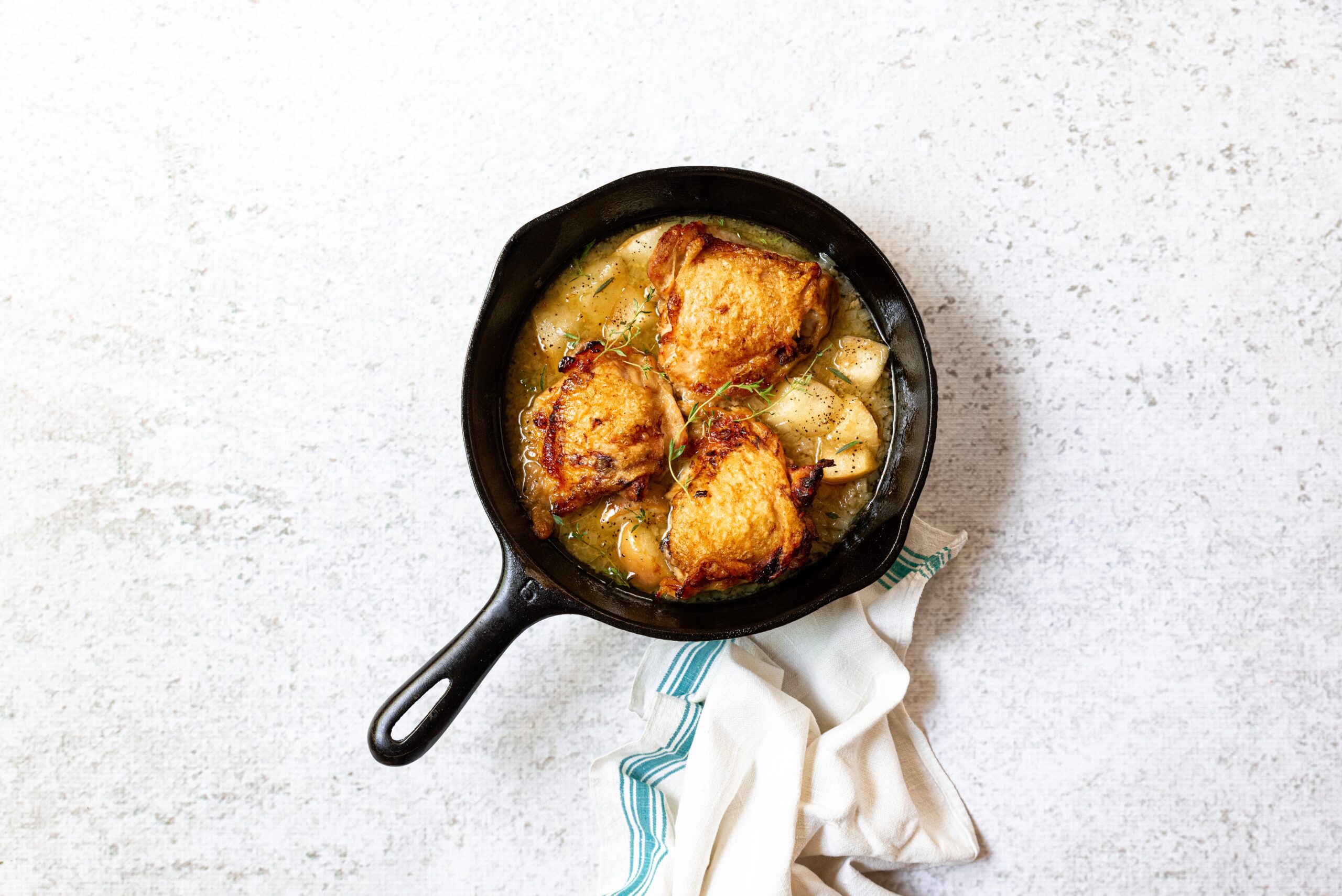
    Spanish Style Fish Stew

    Spanish Style Fish Stew

    Total Time 30 minutes
    Servings: 4

    Ingredients
      

    • 2 plant-based chorizo sausages sliced
    • 3 tablespoons olive oil
    • 1 small onion minced
    • 2 garlic cloves minced
    • 3 cups vegetable broth or water
    • 1 14-ounce can crushed tomatoes
    • 2 large yellow potatoes peeled and chopped
    • 1 ½ teaspoon sea salt
    • 1 teaspoon smoked paprika
    • ½ teaspoon whole cumin seeds
    • 1 large red bell pepper chopped
    • 1 pound cod cut into 2" pieces
    • 1 small lemon
    • 2 tablespoons fresh minced dill
    • Crusty bread optional

    Method
     

    1. In a Dutch oven, add oil and heat over medium flame. Add chorizo sausage and cook until browned, about 3 minutes. Remove and set aside.
    2. Add onion to pot and sauté until translucent. Stir in garlic and cook for a few seconds then add broth, tomatoes, potatoes, salt, smoked paprika, and cumin seeds. Bring to a gentle simmer and cook for 10 minutes then add in peppers. Cook until potatoes are barely tender.
    3. Add in chorizo and cod. Simmer on low until cod flakes easily with a fork, approximately 3-5 minutes.
    4. Stir in lemon juice and dill. Serve with crusty bread. Enjoy!
  • The rainbow test

    The rainbow test

    The rainbow test

    Color your menu!

    Does your meal pass the rainbow test? What’s the rainbow test, you ask? Check out the colors on your plate—when it comes to fruits and veggies, the brighter the colors, the more nutrient dense your meal is. Try out these recipes—and you’ll pass the rainbow test with flying colors!

    Beautiful Rainbow Prawn Salad

    Chock full of healthy ingredients, this salad is a bell ringer that’ll satisfy the fussiest of eaters. Heart-healthy antioxidants with enormous eye appeal and delicious flavor—what more do you need in a dish?
    Servings: 4

    Ingredients
      

    Salad
    • 3 cups spring greens washed and spun dry
    • 1 small, raw red beetroot peeled and spiralized
    • 1 small carrot peeled and thinly shaved on the diagonal
    • ½ cup sugar snap peas blanched in lightly salted water
    • 4 large red radishes thinly shaved
    • 2 Belgian endive separated into leaves
    • 1 Persian cucumber cut into matchsticks
    • ½ cup thinly shaved red onion
    • ½ cup pea shoots
    • 1 tablespoon olive oil
    • 8 large prawns tail on, peeled, and deveined
    • 1 teaspoon ground cumin
    • ½ teaspoon smoked paprika
    • ¼ teaspoon salt
    • 2 tablespoons toasted cashews chopped
    • 1 tablespoon black sesame seeds
    Dressing
    • ¼ cup tahini sauce
    • 2 tablespoons lemon juice
    • 1 tablespoon maple syrup
    • 1 small garlic clove smashed and minced
    • Pinch of salt

    Method
     

    1. On large serving platter, scatter spring greens. Top with beet, carrot, snap peas, radishes, endive, cucumber, red onion, and pea shoots. Lightly toss to mix. Set aside.
    2. In skillet, heat oil. In bowl, toss prawns with cumin and smoked paprika. Tumble into skillet and stir-fry over medium-high heat for 1 to 2 minutes, until almost opaque. Transfer to plate and cool. Season with a little salt.
    3. In blender, combine dressing ingredients. Whirl until creamy. Add a splash or two of water, if necessary, to thin dressing as you like.
    4. Place prawns on rainbow salad. Drizzle with dressing and scatter chopped cashews and sesame seeds overtop.

    Notes

    Each main course serving contains: 254 calories; 10 g protein; 15 g total fat (2 g sat. fat, 0 g trans fat); 24 g total carbohydrates (8 g sugars, 6 g fiber); 281 mg sodium

    Delicious Vegetarian Spaghetti Squash Bake

    This dish is a satisfying “bowl-in-one” supper. It’s low in calories, high in fiber, and a valuable source of vitamin C, manganese, and B6. You can even bake the squash ahead of time for an easy weekday meal.
    Servings: 4

    Ingredients
      

    • 2 medium spaghetti squash each cut in half horizontally
    • 1 tablespoon olive oil divided
    • 1 medium sweet onion finely diced
    • 3 large garlic cloves smashed and minced
    • 1 7-ounce package plain tempeh crumbled
    • 2 large yellow or red bell peppers seeded and finely diced
    • 8 inch long unpeeled zucchini finely diced
    • 1 tablespoon coconut aminos (or soy sauce)
    • 1 teaspoon smoked paprika
    • ¼ teaspoon crushed red pepper flakes
    • Freshly ground black pepper to taste
    • 3 cups lightly packed baby spinach leaves chopped
    • ½ cup ricotta cheese
    • ¾ cup shredded mozzarella divided
    • ¼ cup grated Parmesan

    Method
     

    1. Preheat oven to 400°F. Line baking sheet with parchment paper. Scrape seeds from cut squash and discard. Brush insides of squash halves with 1 tsp oil. Place cut side down on baking sheet. Bake for 35 to 45 minutes, or until cut edges are turning golden. Baking time will depend on size of squash. You want the rind to give a bit when pressed with your finger. Remove and set aside until cool enough to handle.
    2. While squash bakes, in heavy saucepan, heat remaining 2 tsp oil over medium heat. Add onion and saute until soft. Do not brown. Add garlic, crumbled tempeh, and finely diced pepper and zucchini. Continue to saute until tempeh is golden-tinged and vegetables are soft, about 7 minutes. Stir in coconut aminos (or a little less soy sauce, if using) and seasonings. Fold in chopped spinach, cover, and remove from heat.
    3. Scrape inside of baked squash with fork to remove spaghetti-like strands and place strands in clean dish towel, reserving squash boats. Squeeze strands until barely moist and place on cutting board. Coarsely chop. Add to tempeh/spinach mixture along with ricotta and half the mozzarella. Fold together until evenly mixed. Add more seasonings to taste, if you wish.
    4. Place squash boats, cut side up, on baking sheet. Spoon mixture evenly into boats. Sprinkle remaining mozzarella and Parmesan evenly over each.
    5. Increase oven temperature to 425°F. Bake for 20 minutes or until piping hot. Then turn oven to broil, and broil squash until cheese is bubbly and golden, about 30 seconds.

    Notes

    Each serving contains: 366 calories; 24 g protein; 18 g total fat (7 g sat. fat, 0 g trans fat); 32 g total carbohydrates (12 g sugars, 5 g fiber); 440 mg sodium

    Vegan Blueberry Crumble Top Tart

    Eating a rainbow of colorful foods, including dark blue and purple, is essential to good health. Considered the king of antioxidant-rich foods, the rich blueberries in this delectable tart are especially amazing health givers.
    Servings: 10

    Ingredients
      

    • 1 cup oat flour
    • ½ cup almond flour
    • ½ cup coconut flour
    • ¼ cup coconut or raw sugar
    • cup coconut oil softened, plus extra for oiling tart pan
    • 2 tablespoons plain coconut or tofu yogurt
    • 2-3 tablespoons ice water
    • 3 cups fresh blueberries
    • 2 tablespoons cornstarch
    • 3 tablespoons sliced natural almonds

    Method
     

    1. Preheat oven to 400°F. With coconut oil, grease 9 inch high-sided tart pan with removable bottom.
    2. In food processor, combine oat, almond, coconut flour, and coconut sugar. Pulse to blend. Add softened coconut oil and yogurt and pulse until crumbly. Add ice water, 1 Tbsp at a time, until mixture begins to stick together. Remove 1/4 of the mixture and place in small bowl. Refrigerate while preparing tart shell. Place remaining 3/4 of dough into oiled tart pan, pressing mixture into bottom and halfway up the sides.
    3. In another bowl, combine blueberries with cornstarch. Toss to evenly coat. Tumble into prepared tart pan. Remove remaining quarter of dough and add sliced almonds. Toss to mix. Sprinkle berries overtop. Place tart pan on baking sheet and bake in lower third of preheated oven for 25 to 30 minutes until crust is golden. Remove to rack to cool. Refrigerate.
    4. To serve, remove tart pan sides from chilled tart and cut tart into wedges. It’s delicious with coconut yogurt infused with lemon zest.

    Notes

    Each serving contains: 235 calories; 5 g protein; 12 g total fat (7 g sat. fat, 0 g trans fat); 29 g total carbohydrates (11 g sugars, 6 g fiber); 4 mg sodium

    By Irene McGuinness

    Article Courtesy of Alive Magazine

  • Find your path toward well-being

    Find your path toward well-being

    Find your path toward well-being

    Purpose, power, and physical health

    Often when we begin to reflect on the metaphysical questions in life, including “what’s my purpose?” we undervalue the role of physical health in the journey. But having the healthiest body possible allows us to more easily grow and stretch in other areas of life. Here are some key focus areas to boost physical health so you can more powerfully live on purpose.

    The power of purpose

    First of all, let’s eliminate any notion that seeking out your purpose and expressing it is frivolous. American psychologist Abraham Maslow, in his famous hierarchy of needs, proposed that self-actualization is the pinnacle of a life well lived. In other words, stretching to the edges of your abilities is important for your well-being. In fact, research suggests that finding purpose can add years to your life.

    Purpose and well-being

    As you reflect on your purpose, remember that there is no single magic answer and that your purpose evolves over time. Consider each of the facets of well-being as a jumping-off point for finding your next purpose.

    Garbage in, garbage out

    One of the easiest ways to minimize physical distractions is to limit the disease-promoting toxins you expose yourself to. This includes not only harmful chemicals in foods, body care products, and home supplies but also relationships, environments, and spaces that feel poisonous.

    Pay attention to how your habitual television viewing, video games, and nights out with the gang make you feel in your body. Are you light, happy, and excited or sad, depressed, and anxious? Eliminate the stress-inducing spaces and people.

    I think, therefore I am

    The brain doesn’t benefit from the same lymphatic system that removes toxins and pathogens in the rest of your body. Instead, the brain’s “glymphatic” system rinses debris from the spaces between your brain cells. The caveat to this system is that it works 60 percent better when you’re sleeping than when you’re awake—which means sleep is a purposeful priority.

    You know it in your heart

    While your brain helps you with your lists and your decisions, the heart has traditionally been seen as the hub of perception and awareness. Research has shown there is a two-way street between emotional and spiritual well-being and heart health. Nourish your heart connection with mindfulness activities such as yoga, time in nature, and meditation, as well as regular exercise and plenty of antioxidant-rich foods.

    Liver lovin’

    Possibly the least considered yet most involved organ in your body is your liver. It plays a role in all your major life events, from digestion and elimination to circulation, detoxification, and hormone metabolism. It’s a factor in body shape, inflammation, energy levels, and mood.

    Purpose proviso

    Don’t panic if you’re struggling to demystify your purpose. Often, the path is revealed only after we start walking. Until clarity comes, focus on removing the physical health distractions. It’s a win/win.

    By Dr. Lisa Petty, PhD

    Article Courtesy of Alive Magazine

  • Can’t stomach it?

    Can’t stomach it?

    Can’t stomach it?

    How to manage food allergy, intolerance, and sensitivity

    We often misuse the terms food allergy, intolerance, and sensitivity in conversation. Knowing what type of food reaction you’re experiencing is key for making appropriate dietary choices that address the underlying problem and foster overall health long term.

    Food allergy

    Food allergy is a pathological immune reaction against normally harmless proteins in foods, which can be life-threatening. This immune reaction can trigger acute symptoms in the gut, skin, respiratory tract, cardiovascular system, and neurological system.

    Common food allergens include dairy, egg, fish, shellfish, tree nuts, peanuts, soy, and wheat.

    Food intolerance

    Food intolerance is a non-immune mediated reaction arising from an insufficiency of enzymes required to break down a specific component of food. This reaction commonly causes gastrointestinal symptoms such as diarrhea.

    Common causes of food intolerance include lactose, gluten, FODMAPs (a group of short-chain carbohydrates), additives, and biogenic amines such as histamine.

    Food sensitivity

    A food sensitivity is an adverse reaction to food that is not related to food allergy, food intolerance, or celiac disease. Food sensitivities can cause digestive issues in addition to widespread symptoms such as chronic joint pain, fatigue, rash, and brain fog. If you’re dealing with chronic health concerns, it may be beneficial to investigate unidentified food sensitivities.

    Diagnosis and management

    Begin by asking your family doctor for a referral to an allergist, which will allow you to pursue allergy testing. Skin prick tests and blood tests are commonly used to identify IgE immunoglobulin mediated food allergy. Food allergy is best managed with complete avoidance and emergency medication.

    If your allergy testing comes back normal, then you might want to consider intolerance or sensitivity as the cause of your symptoms. While testing options may include hydrogen breath testing for lactose intolerance and blood testing for IgG food sensitivities, Harvard Health considers the elimination diet to be the gold standard for identifying problematic foods.

    Speak with a naturopathic doctor or nutritionist for support during an elimination diet and how to implement new dietary habits to accommodate food intolerance and sensitivity. Ask about natural supports for gut healing using minerals, amino acids, and herbs.

    Dos for dining out

    • Learn hidden sources of your food allergen (sauces, oils) and common sources of cross-contamination (deep-fried foods).
    • Choose a restaurant that uses whole, rather than processed, foods.
    • Call the restaurant ahead and ask if they have an allergy-friendly menu.
    • Tell your server about your concerns and ask for recommendations.
    • Bring reinforcements in case of allergen exposure, whether that’s an epinephrine autoinjector (EpiPen), digestive enzymes, or peppermint tea.

    Embracing new food habits

    • Google common alternatives to your favorite foods.
    • Borrow allergen-free cookbooks from the library.
    • Prep meals on Sundays for a smooth work week.
    • Involve the family in cooking dinner.
    • Challenge your friends to try new cuisines and restaurants that cater to your needs.

    By Dr. Cassie Irwin, ND

    Article Courtesy of Alive Magazine

  • Slow down!

    Slow down!

    Slow down!

    It’s time for reflection and a fresh start

    Springtime is the perfect opportunity to start fresh by consciously pausing to rest, reflect, and recalibrate. Create space for quiet time and make the most of it. Here’s how.

    Back to basics

    Take several deep conscious breaths and reflect on your

    • energy level
    • physical health
    • emotional state
    • financial condition
    • relationship health

    Notice where you may be out of balance, depleted, or too full. This gives you a quick baseline, a reference point to guide you forward.

    Shouldn’t I be doing something?

    When we’ve been doing a lot, it can seem like there’s something off if we don’t continue to keep busy. However there’s so much to be learned when we shift focus from doing to being.

    Judy Cashmore is a movement and embodiment teacher. She sees numerous benefits to embracing the quiet of being:

    • deep restoration of our nervous system
    • sparking of creative impulses and problem-solving approaches
    • clearer perspective on ourselves and on our lives
    • space to process and release any stuck or repetitive thoughts and feelings
    • connection with the natural world by allowing ourselves our own “season” of quiet

    We’re all wired differently!

    The 20th-century analyst Carl Jung posited that people either recharge themselves in solitude (introverts) or socially (extroverts). The contrasting styles are on a continuum where each person has differing proportions of each style. Thus, we may have different levels of comfort with social stimulation and also different ways of centring and recharging.

    If you’re more introverted and yearning for downtime, yet still have family, work, or social obligations, try intentionally integrating boundaries and breathers. If, on the other hand, you’re more extroverted and yearning for social activity to continue, try reaching out to others and do something together.

    Reframing alone time

    Notice what story you tell yourself about alone time—because that story will inevitably influence your perspective. If you think there’s something wrong because you are alone right now, try reframing to encompass the notion of space for something new.

    If you’ve been spending a great deal of time alone and telling yourself it’s good because it’s solitude, consider if you’re avoiding or missing something else. You might reframe your experience as a period of isolation from which you can shift.

    Recognize that your beliefs affect your perceptions and thoughts—so if you want a different experience, change up your assumptions!

    Find the gold

    This season will transition into the next. Before it does, you have some space to give yourself a shake and begin anew. Take your time, and maybe appreciate yourself in the process. There is really no one like you!

    By Carole Ames

    Article Courtesy of Alive Magazine