In the spirit of continuing our fitness discussion this week at Basil Bandwagon’s Summer Camp,
we’ve compiled a list of the most popular fitness questions you’ve been just sweating to learn
about. And then we asked some local experts. Here’s what they said:
I’m trying to eat more plant-based. What sources of plant-based protein do you recommend?
“There’s a common misconception that you can’t get enough or the right types of protein from
plant based sources, but this is entirely not true. Eating a wide variety of whole foods can
generally cover all of your protein needs, but examples of high protein plant based foods
include quinoa, brown rice, and other whole grains, nut and/or nut butters such as almond or
peanut, and other sources can be added to smoothies or salads such as spirulina, hemp seeds,
flax seed, and chia seed. Of course there are always beans (legumes) and bean based products
such as lentils, black beans, and soy beans. Finally, soy products such as tempe and tofu can
also be used in place of meat in many recipes, however the least processing possible is
generally a good thing.”
– Nick Pfaff, CPT, CES of Pro-Activity, a human achievement company based in Lebanon,
NJ, focused on providing clients with coaching on performance goals
I want to stay hydrated, but I get bored of plain water. What else can you recommend?
“Nothing is better than water at adequately hydrating your body. If you’re getting bored with
just water you can try putting sliced citrus or other fruit into the water for flavoring.
Another option is freshly squeezed fruit juice such as you would make in a juicer- not the
store-bought type. Fruit smoothies are another great option as is coconut water. Decaffeinated
unsweetened iced tea also provides some taste to a water-based drink. Keep in mind that eating
foods that are highly water-based such as soups, fruits and veggies can also help with
hydration.”
– Doug Sellmann, MEd, MSS, NASM, NSCA of The Chatham Club, a fitness training
establishment with a rich history of athletic excellence based in Chatham, NJ
I get muscle cramps and they hurt! How can I prevent them?
“In order to keep muscle cramps away, you’ll want to make sure you are staying hydrated. You
should also always warm up your muscles before a workout with some dynamic (active)
stretching and follow each workout with static stretching, which involves holding a stretch for
about 30 seconds. A healthy balanced diet with plenty of vitamins, potassium, and magnesium
will also help prevent muscle cramps.”
– Bethann Hyndshaw, CPT, HLC, CSN, MTC & Devon Harp, CPT of Inspiring Bodies, a
leading personal training company in Pittstown, NJ, dedicated to providing one-on- one
fitness and lifestyle coaching to all clients
I want to work out but I can’t find the time – where can I start?
“This is perhaps the most common reason given when we ask people if they are getting enough
‘MOVE’ in their life. The bad news is, we are all strapped for time and it is a very real barrier.
The good news is even a very, very short duration, when given in the right dosage can produce
strong gains. Recent studies have shown benefits in as little as 1 minute when appropriate and
applied correctly. In children, within minutes positive physiological responses begin including
improved immune response. So truly since just about any amount of exercise can be beneficial,
all or none thinking is not applicable. We recommend starting by building consistency first,
even if only minutes and expanding from there. Another great way to start exercising is to
attach it to another habit you already have well established. If for example you do something
everyday at a specific time – try to fit exercise in before or after that event so you can build
on a habit or routine already in place.”
– Nick Pfaff, CPT, CES of Pro-Activity, a human achievement company based in Lebanon,
NJ, focused on providing clients with coaching on performance goals
What should I eat before/after my run?
“There are many options for both pre and post exercise meals. Before activity (ideally 1-2 hours
prior) you should eat something that is more ‘good’ carbohydrate-based with some fats and
proteins to sustain your energy. Examples might be whole wheat bread with peanut butter and
banana or Greek yogurt with trail mix. It is also important to hydrate prior to exercise. After
activity (ideally within :30-:45) it’s important to begin refueling and hydrating your body. Similar
nutrients as the pre-exercise meal are present but the proportions change slightly. This meal
should focus more on protein and carbs with some fats. Examples might be grilled chicken and
vegetables with brown rice, a veggie omelet with a side of mixed berries or a fruit smoothie
with protein powder.”
– Doug Sellmann, MEd, MSS, NASM, NSCA of The Chatham Club, a fitness training
establishment with a rich history of athletic excellence based in Chatham, NJ
How many days a week should I exercise?
“If you’re new to exercising, I would start at 2-3 times a week with light to moderate intensity.
If you’re an intermediate to advanced exerciser, then I would workout 4-6 days a week with
active rest days in between. Active rest can involve stretching, light daily activity, and foam
rolling.”
– Bethann Hyndshaw, CPT, HLC, CSN, MTC & Devon Harp, CPT of Inspiring Bodies, a
leading personal training company in Pittstown, NJ, dedicated to providing one-on- one
fitness and lifestyle coaching to all clients.
Do I need to use protein powder?
“No, but sometimes in the essence of time and ease, protein supplementation can insure you
are getting an adequate amount for proper muscle recovery. There appears to be no “special”
formula as most marketers of such products would have you believe as long as you are getting
in a combination of carbs and protein after a bout of exercise. Once again, whole foods will do
just fine.”
– Nick Pfaff, CPT, CES of Pro-Activity, a human achievement company based in Lebanon,
NJ, focused on providing clients with coaching on performance goals
What are your top 3 recommendations for getting “beach body”-ready in two weeks or under?!
“It is not recommended that anyone try to significantly alter their body weight or physique in a
short period of time such as two weeks. A safe amount of weight loss is typically 1-2 pounds per
week. It may be slightly higher for those who are starting at a higher weight. This type of weight
loss should be achieved through proper diet modification and participation in an effective
exercise program. Crash diets, weight loss supplements and high-intensity exercise routines can
cause many negative results. They may result in a significant initial loss in weight but over time
they can make the user ill, possibly injure and sometimes even cause weight gain. There
is no easy way to lose weight other than through diet and exercise. The best bet is to be active
all year-round and eat properly as often as possible. This way your body weight and fitness level
will always be at or near where you would like it to be and there will be no need to crash diet.”
– Doug Sellmann, MEd, MSS, NASM, NSCA of The Chatham Club, a fitness training
establishment with a rich history of athletic excellence based in Chatham, NJ
My doctor recommended 30 minutes of exercise 3x/week, but I don’t belong to a gym – what can I do on my own that I’ll be able to keep up with regularly?
“No gym, no problem! Walking is one of the best exercises to prevent disease and get you on a
fast track to good health. Workouts can also be done at home by either buying workout dvds,
weights, or an outfit you can dance in! You can bring a friend with you to take a local fitness
class or hire a personal trainer to help you build a workout program. You never know what you
may find fun to help you stick to a great workout routine each week!”
– Bethann Hyndshaw, CPT, HLC, CSN, MTC & Devon Harp, CPT of Inspiring Bodies, a
leading personal training company in Pittstown, NJ, dedicated to providing one-on- one
fitness and lifestyle coaching to all clients
How can I encourage my kids to become more active?
“Do it with them! Kids don’t often listen with their ears – they listen with their eyes. If they see
an active lifestyle is a part of their parent’s lives, they will be more likely to embrace it
themselves. Joining teams and other groups that will combine exercise with fun, and utilizing
the power of social connections can have a huge impact here and encourage kids to stick with it
long term.”
– Nick Pfaff, CPT, CES of Pro-Activity, a human achievement company based in Lebanon,
NJ, focused on providing clients with coaching on performance goals
Good carbs and bad carbs – how can I tell the difference?
“Good carbs” are generally categorized as ‘complex’ and are the preferred type as they
contain more fiber and less sugars. Examples of good carbs are green vegetables, fruits
(berries), whole grains, sweet potatoes and brown rice. “Bad carbs” are categorized as simple
and should be consumed in minimal amounts. Examples are soda, candy, artificial syrups, white
bread, white rice and white pasta.”
– Doug Sellmann, MEd, MSS, NASM, NSCA of The Chatham Club, a fitness training
establishment with a rich history of athletic excellence based in Chatham, NJ
How much protein should I be getting in my diet?
“This question depends on the individual. Daily protein intake is lifestyle and goal dependent. A
newcomer to exercise just starting to add and protein to their diet will need less protein than a
bodybuilder or professional athlete. Everyone should try to at least get some protein in with
every meal to ensure a well-rounded diet.”
– Bethann Hyndshaw, CPT, HLC, CSN, MTC & Devon Harp, CPT of Inspiring Bodies, a
leading personal training company in Pittstown, NJ, dedicated to providing one-on- one
fitness and lifestyle coaching to all clients.
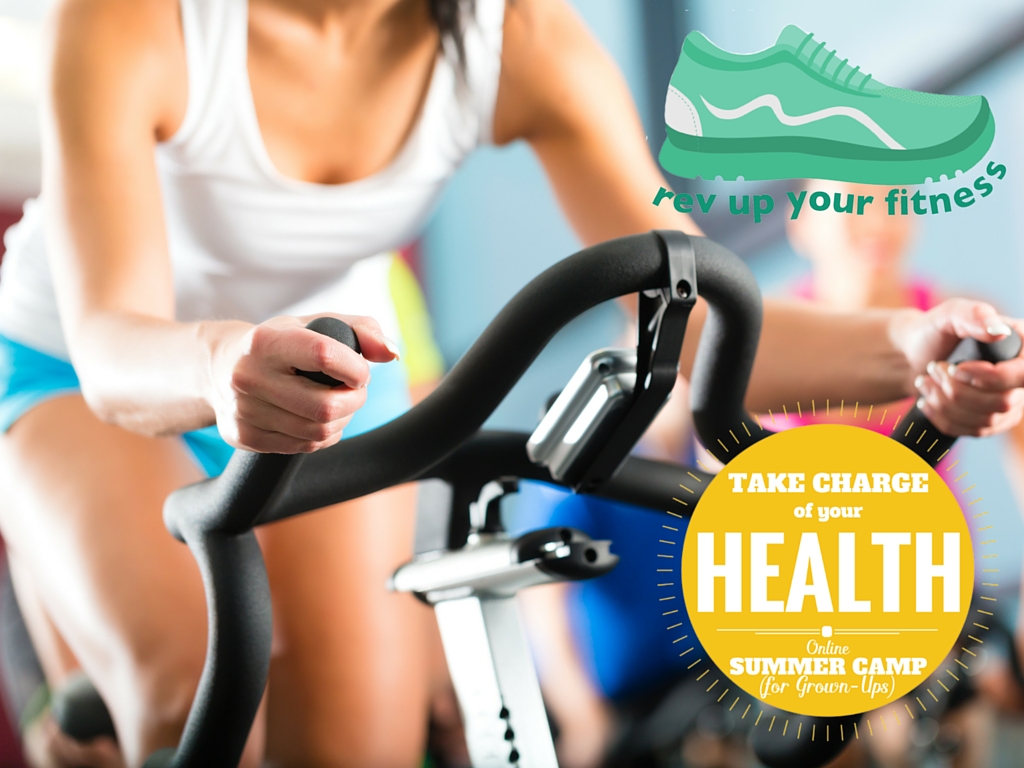
I hate running! What are my alternative for cardio exercise?
“The best kind of exercise is the exercise you’ll actually DO….CONSISTENTLY…over a LONG
PERIOD OF TIME. Find something you enjoy, that gets your heart rate up for around 45 minutes
continuously. Dancing, Rowing, Biking, Elliptical, are all good options and that’s not an
exhaustive list. But don’t give up on running just yet – the more you do it, the easier it gets as
your body adapts, and the more you’ll enjoy it!”
– Nick Pfaff, CPT, CES of Pro-Activity, a human achievement company based in Lebanon,
NJ, focused on providing clients with coaching on performance goals
Information on this web site is provided for informational purposes only and is not intended as a substitute for the advice provided by your physician or other healthcare professional or any information contained on or in any product label or packaging. Do not use the information on this web site for diagnosing or treating a health problem or disease.