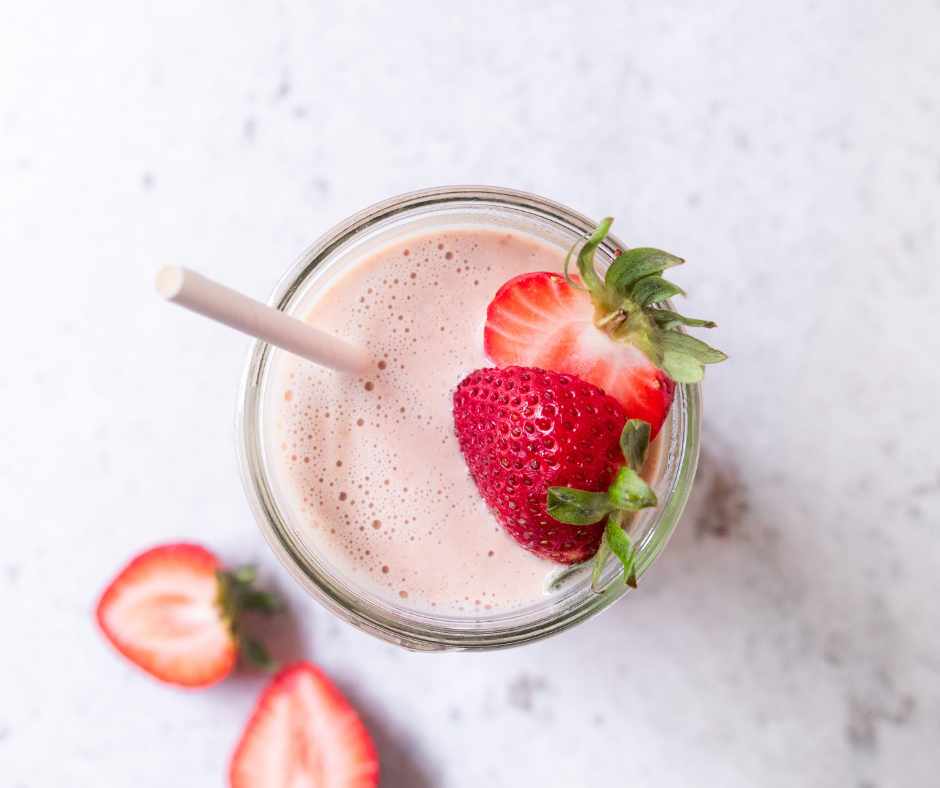
Ingredients
Method
- In a blender, add banana, cashew butter, oat milk, strawberries, and protein powder, if using.
- Blend at high speed until the mixture is smooth and creamy. Pour smoothie into a glass and enjoy.


This take on a creamy, crustless cheesecake satisfies your chocolate cravings without derailing your health goals. Cottage cheese has been having a moment lately, and for great reason. Its mild flavour lends itself to so many culinary preparations, and the protein found in cottage cheese has been shown to help build muscle.

by Lawren Moneta
Recipe Courtesy of Alive Magazine

This little indulgence is the perfect high-protein treat to share with someone special. Packed with protein and fibre, gluten free, and naturally coloured, this sweet treat may become your favourite all year long. This fudge also freezes wonderfully for times when the urge for a little something sweet hits.

by Lawren Moneta
Recipe Courtesy of Alive Magazine
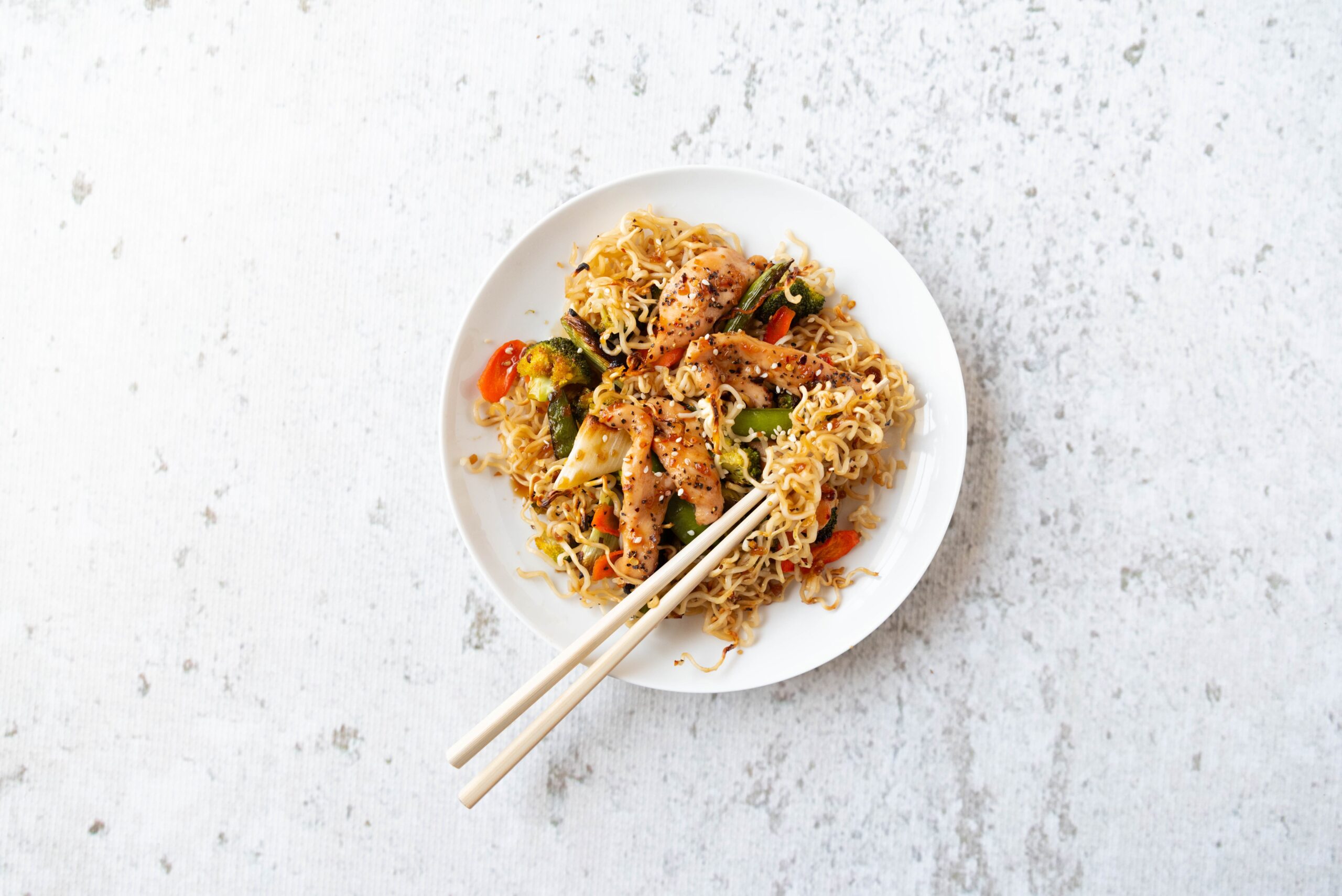
Indulge your loved ones this Valentine’s Day with a delightful plant-based twist on a beloved classic. This innovative recipe swaps the traditional dairy cream filling for a tofu-based one and uses rye crispbread instead of the traditional cookies. Rye crackers have been shown to help benefit heart and digestive health and are a great low-sugar alternative in this tiramisu preparation.
by Lawren Moneta
Recipe Courtesy of Alive Magazine

These days, we’re learning that a healthy gut microbiome, one that is richer in helpful bacteria and lower in unamiable ones, is a harbinger of good health: research has shown that it improves digestive, heart, and brain health. When it comes to what we eat, the microbiome lends an assist in digesting, processing, and excreting for better overall nutritional status. In other words, consider the microbiome as an important component of detoxifying our bodies for lasting health.
Here are some ways that the most beneficial microbes that reside in our intestines can be best supported.
As part of the American Gut Project, University of California San Diego School of Medicine researchers discovered that people who ate more than 30 different types of plant-based foods per week had a greater diversity of beneficial gut microbiota than those who ate 10 or fewer types of plant foods.
A recent study review in Medicine and Science in Sports and Exercise found enough evidence to suggest that regular bouts of exercise are associated with a positive shift in gut microbial composition (higher levels of bugs that produce the beneficial compound butyrate).
Some research suggests that a meat-heavy diet, especially at the expense of plant-based foods, can shuffle around the types of microbes thriving in the gut to favour less beneficial types.
Inulin (a prebiotic) belongs to a class of carbohydrates called fructans, which are plant carbohydrates that, because of their unique structure, resist digestion in the upper gastrointestinal tract but are quantitatively fermented in the colon by the microorganisms that reside there. This helps the beneficial microbes flourish and produce postbiotics. You can source this prebiotic fibre from Jerusalem artichokes; chicory root; alliums, including onions, leeks, and garlic; asparagus; soybeans (which includes edamame); oats; and whole wheat.
It’s thought that periods of stress can reshape the human microbiome in a way that’s less favourable to health. Measures such as going for walks and practising meditation that help downgrade stress are important.
A probiotic supplement can help optimize the microbiome, especially during periods of travel, illness, antibiotic use, or stress, when your microbiome can take a hit.
Research published in the journal iScience found that people who consumed more foods and drinks with aspartame, sucralose, saccharin, and stevia leaf extract had less diverse beneficial colonies of gut bacteria and higher concentrations of harmful toxins in their intestines when compared to those study participants who didn’t use non-nutritive sweeteners.
It appears that both sleep fragmentation and short sleep duration are associated with gut dysbiosis, an imbalance in the different types of microscopic organisms living in your body. Make it a habit to practise good sleep hygiene, such as reducing bright light exposure before bedtime and keeping that phone far away from the bed.
By Matthew Kadey, MSc, RD
Article Courtesy of Alive Magazine
WA whopping 58 percent of all food produced in Canada is lost or wasted every year. A third of those 35.5 million metric tonnes of wasted food could be rescued. Innovative Canadians are making a difference, working to eliminate food waste, protect the environment, and feed our communities—all through the power of upcycling.
Unnecessary food wastage happens every step of the way between the farm and your fridge.
At the farm, surplus fruits and vegetables, as well as those that may be misshapen or “ugly,” are discarded or left to rot. Then, during manufacturing and processing, 20 percent of food is lost or wasted. A lot of that is due to discarded byproducts or parts of the raw ingredient that are not needed in the final manufactured product.
Upcycling aims to change that, transforming unwanted food or food manufacturing byproducts into something useful.
“The concept of upcycling is really about extracting every last bit of value that you can from a natural resource,” explains Shelley King, CEO of Natural Products Canada, an organization that works to identify and invest in innovative solutions in the natural products industry.
“When we upcycle any material, we’re reducing the number of resources needed to create a new item,” King adds. “In the case of upcycling food, we’re addressing the huge challenge of feeding the world without putting more strain on the planet.”
From coast to coast to coast, Canadian farmers and food manufacturers are finding creative ways to transform previously unwanted food ingredients into nourishing, high-quality foods and supplements.
It’s all about looking at where food wastage is happening and then applying out-of-the-box creativity.
Take potatoes, for instance. Spuds are the most widely grown vegetable crop in Canada, making up nearly a third of all farm sales last year.
“When you’re processing potatoes to make French fries or other potato products, you use water, and the water becomes super concentrated in starch,” says Cara Kennedy at Solnul, a supplement company based out of Carberry, Manitoba. If you’ve ever cut a potato and noticed the white powder on your cutting board after the potato water evaporates, that’s what she’s referring to.
Solnul’s shareholders were originally potato farmers who now own a starch plant. “They had the foresight to do microbiome research on the starch,” says King, and multiple clinical studies showed how this potato starch was an effective prebiotic (helping to feed the healthy bacteria in your gut).
They’ve turned that starch—which would otherwise have been discarded—into a research-backed prebiotic ingredient that you can now find in protein powders, protein bars, and other health foods.
“Canada is the bread basket of the world, and there are a lot of opportunities for upcycled ingredients,” adds Kennedy, who is quick to point out that we shouldn’t be worried that upcycled foods are somehow inferior. “It’s all about how to use every part of an ingredient to its highest and best value.”
By Joshua Duvauchelle
Article Courtesy of Alive Magazine