Category: Health

  • Breathing fire?

    Breathing fire?

    Breathing fire?

    How to extinguish acid reflux and GERD

    Acid reflux is a sign that the digestive system is not operating smoothly. Instead of gastric contents passing from the stomach into the small intestine as they should, food and stomach acid can regurgitate, or reflux, into the esophagus.

    Symptoms of acid reflux

    Acid reflux commonly causes burning in the chest, which we colloquially call heartburn. But reflux can also present as chest pain, food regurgitation, bitter taste, chronic cough, asthma, throat clearing, hoarseness, globus sensation, belching, and trouble swallowing. But other health conditions may mimic reflux symptoms, so it’s a good idea to inform your physician of your symptoms so that you receive an accurate diagnosis and treatment.

    If you experience reflux regularly, it might be classified as gastroesophageal reflux disease (GERD).

    Long-term effects of reflux

    Whereas occasional reflux may resolve on its own without lasting effects, GERD negatively impacts quality of life, requires treatment, and is associated with increased risks of other health concerns. Those with GERD have an increased risk of painful conditions that can lead to permanent damage to the esophagus, as well as an increased risk of esophageal cancer.

    GERD usually responds well to treatment with proton pump inhibitors (PPIs), which reduce stomach acidity. However, long-term PPI use is associated with an increased risk of bone fracture, renal disease, pneumonia, and nutrient deficiency.

    Causes of reflux

    The food we eat and how we eat it play a role in reflux. Irregular mealtimes, large portion sizes, and eating before bed are associated with GERD symptoms. Acidic foods like tomato, orange, grapefruit; coffee and tea, foods that are spicy, fatty, or fried; carbonated beverages, and chocolate can trigger GERD.

    Lifestyle patterns also impact reflux. Tobacco smoking is a contributing factor in GERD. Smoking also reduces the production of saliva, which helps protect the esophageal mucous membrane from acid. Alcohol consumption can trigger reflux episodes and aggravate acid-related esophageal injury.

    Other lifestyle factors that contribute to GERD include obesity, vigorous exercise, exercise right after a meal, or lack of regular exercise.

    Diet and lifestyle

    The positive thing about the correlation between reflux, diet, and lifestyle is that we have the power to do something about it! Making diet and lifestyle changes now can help manage reflux in the long-term.

    Embrace regular mealtimes and be mindful that you don’t make a habit of overeating. Minimizing acidic, spicy, and fried foods in the diet can also reduce reflux episodes.

    Schedule moderate-intensity exercise a good distance away from mealtimes and bedtime. For sleep, lie on your left side and raise the head of the bed to reduce nighttime reflux.

    Supplements

    Always ask your health care practitioner before trying a new supplement.

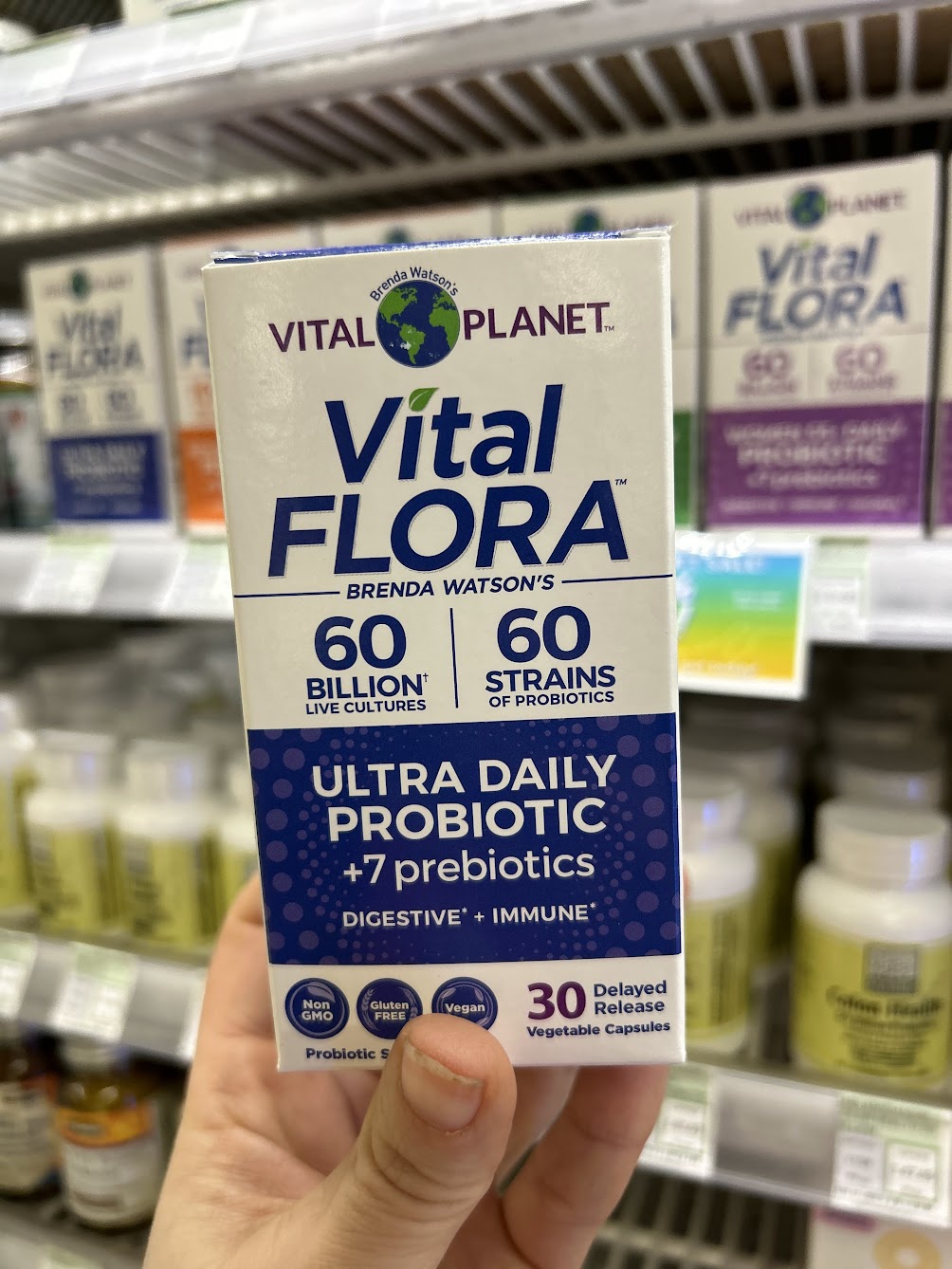
    • Probiotics may improve heartburn and reflux in GERD.
    • Turmeric may be helpful in reducing mucosal damage from reflux.
    • A blend of apple cider vinegar, licorice, calcium carbonate, and papain, taken as a chewing gum, may improve symptoms of heartburn and acid reflux.

    By Dr. Cassie Irwin, ND

    Article Courtesy of Alive Magazine
  • How to find meaning this holiday season

    How to find meaning this holiday season


    How to find meaning this holiday season

    Give yourself the gift of depth

    One of the best things about the holidays is having the time to come together and connect. But often, this connection remains surface level. Martin Vera, a leadership and life coach based in London, UK, says that when we reunite with people we don’t see very often, we tend to gravitate toward small talk because it feels safe.

    Small talk has its time and place: research shows that fleeting social interactions with people, even strangers, can boost moods and our faith in humankind. But a night of rotating through a room to recount the same three major events that have happened in your life in the last year can leave you feeling drained, and it doesn’t do much in terms of deepening your social connections.

    What are meaningful conversations?

    Vera compares meaningful conversations to hikes in the forest, where we get to slow down, pay attention to our steps, and take some risks: “Meaningful conversations allow us to see others and feel seen by them, to feel a sense of intimacy, and to show up as ourselves.”

    A meaningful conversation doesn’t need to be intense or serious—rather, it just needs to be a conversation that you find both enjoyable and enriching.

    Engaging in meaningful conversations

    Start engaging in meaningful conversation with the following suggestions.

    • Asking better questions (such as those that start with who, what, when, where, why, and how)
    • Listening mindfully to answers (rather than worrying about what you’re going to say next or what the outcome of the conversation will be)
    • Being willing to share something about yourself

    Drawing healthy boundaries

    Making an effort to go deeper with people around you doesn’t mean that you are obliged to engage with people whose presence you find harmful. These relationships can feel particularly stressful around the holidays, when interactions may be hard to avoid.

    One way to navigate this is by setting healthy boundaries. First, decide what behaviors you are or aren’t willing to put up with. Then, communicate these red lines calmly, clearly, and consistently. You can also consider practicing “loving detachment,” the process of letting go of any need to control a person or a situation.

    Root to rise

    If you can’t, or don’t want to, spend the holidays with family, there are still many other ways to nurture meaningful connections during this time. Think about getting involved with your community: are there any holiday events that you can attend to bring you closer to those around you, or that need volunteers to run smoothly?

    Giving back can be particularly rewarding for people who may be missing or grieving friends or family members, as volunteering can make you feel physically and emotionally healthier.

    By Isabela Vera

    Content Courtesy of Alive Magazine

  • Finishing 2023

    Finishing 2023


    Finishing 2023

    Reflecting on the You that was

    Whether this was a banner year or one you’ll be happy to see in the rear-view mirror, December often feels like a turning point. Before rounding the bend into the new year, take the time to check in on your well-being, and whether you need to change tack going forward. That’s going to involve a little reflection.

    What is reflection?

    Reflection doesn’t simply involve thinking about “what happened.” Instead, it’s a process of understanding your role in an experience and involves considering your thoughts and emotions during and about the experience, as well as the memories it evokes.

    Forget about everyone else

    Self-evaluation can lead you to compare yourself to others and bump up against other people’s expectations. Often, these comparisons aren’t in your favor and can be harmful to your emotional well-being.

    Instead, check in with yourself to be sure that goals you establish are aligned with what you truly want and aren’t simply what’s expected. Let go of any goals that aren’t really yours and any negative feelings you may have about not achieving them. After all, they weren’t your goals anyway.

    Reflect on well-being

    Well-being involves much more than simply your physical and mental health. In fact, there are multiple other facets to consider, including emotional, social, spiritual, professional, and financial well-being. As you reflect on your progress in the past year and make adjustments for 2023, be sure to consider each of these areas.

    Celebrate your victories

    If you’ve been keeping a journal, it’s a good time to read through your year’s musings. If you don’t journal, flip through your calendar for memory prompts. List everything you’d like to celebrate from the past year.

    Include big gains, such as bringing home a baby or making your final mortgage payment. But small things count, too, such as applying for a job, finding your old (but still perfectly wearable) cowboy boots in the back of the closet, or asking that cutie out on a date. Record at least 30 little victories. (Yes, you did have 30 victories!)

    Acknowledge your losses

    Crappy stuff happened this year, too. Maybe you were restructured out of a job. Maybe your relationship ended. To learn from these experiences, consider your personal responsibility in each of them.

    What would you do differently?

    Reflect on what you learned from your victories and losses. What new things did you or could you try? Where do you repeat patterns? Are you stepping out of your comfort zone enough so that you can experience new things and personal growth? Are you being authentic? Do you need to put your fitness goals front and center? Is it time to change your relationship with money?

    When you have clarity about who you are and what you want, creating goals is enjoyable, because they mean something to you. And when something is fun, you’re more likely to do it.

    By Lisa Petty, PhD

    Content Courtesy of Alive Magazine

  • 3 tips for winter wellness

    3 tips for winter wellness


    3 tips for winter wellness

    Stay healthful when the weather outside is frightful

    The winter blues and holiday stress. Pesky colds and seasonal flus. Eggnog and gingerbread overindulgence. As the weather changes, our health risks change, too. Here’s how to keep your health high when the outdoor temperatures drop.

    1. Lighten up your mental health on cold, dark days

    Approximately 18 percent of us experience mild or severe seasonal affective disorder (SAD). This form of depression is triggered by the lack of sunlight in the winter.

    But feeling a bit blue can also be compounded by other factors, according to psychologist Dr. Bruce L. Thiessen, such as loneliness during the holidays or financial stress when gift shopping. Thiessen recommends three proactive ways to lighten your mood.

    • Get into the sun

    “There’ll be occasional warmer, sunnier days in the forecast,” Thiessen says. “Make the most of each one, planning outdoor activities in advance.”

    • Brighten your home

    Light therapy boxes may help combat SAD. Thiessen also recommends finding ways to brighten your home, such as cheerful paint colors or holiday lights.

    • Jingle around the clock

    “Create a ‘sunshine playlist’ of cheerful songs,” suggests Thiessen. Music helps us cope with stress, depression, and anxiety.

    2. Unwrap better nutrition

    In the winter, studies show that people may eat fewer fresh fruits and veggies, overindulge in unhealthy foods, and crave carbohydrate-rich snacks and meals.

    It’s also known that our circadian rhythms affect hormones such as leptin that stimulate our appetite and hunger cravings, with sunlight (or lack thereof) having a big influence on these rhythms. These dietary changes and lack of sun can create nutritional deficiencies.

    Dr. Yelena Deshko, a naturopathic doctor, recommends focusing on the following supplements in the winter. Remember, always chat with your health care practitioner before taking a new supplement.

    • Vitamin C

    “Your body doesn’t store it and needs constant dietary top-ups,” says Deshko, noting that winter factors such as stress or a cold may increase the amount of vitamin C you need.

    • Vitamin D

    “The vitamin D you stockpiled during summer is often depleted by winter,” she warns. Talk to your health practitioner about your vitamin D levels, and visit your local natural health retailer to choose a supplement that’s right for your needs.

    • B-complex

    “The importance of B vitamins cannot be overstated—they’re involved in virtually all bodily processes and are essential for metabolism, energy, memory, and healthy skin, to name a few,” explains Deshko. “Adding a daily full-spectrum B-complex, specifically around the holidays, may help ensure optimal health.”

    3. String lights without high-strung stress

    The winter season can feel stressful for many reasons, whether it’s uncertainty about the new year, or the chaos of juggling holiday festivities and your family’s schedule. It can also trigger many emotions.

    “Try exercise,” suggests licensed clinical social worker Iris Waichler, MSW, LCSW. It’s one of the most effective—and most recommended—ways to manage stress because it releases feel-good hormones.

    By Joshua Duvauchelle

    Content Courtesy of Alive Magazine

  • 5 great stretches for lower back pain

    5 great stretches for lower back pain


    5 great stretches for lower back pain

    We have you covered

    Stretching those muscles is an important step in recovery. Although your lower back may feel a little tight, these stretches shouldn’t hurt, so stop if they do. It’s also a good idea to check with your doctor before performing this routine. And remember, strengthening your back will help you avoid lower back pain in the future.

    1. Child’s pose

    When you’re in child’s pose, remember to relax all of the muscles in your back.

    Kneel on the floor with your toes together and knees hip-width apart. Lower your chest in between your knees and rest your forehead on the floor. Stretch your arms out in front of you. Stay in this position for five deep breaths.

    2. Cat-camel

    Cat-camel, or cat-cow, is a yoga pose that’s perfect for stretching your lower back. Remember to go at your own pace, and don’t over-arch your back.

    Start on the floor on your hands and knees. As you inhale, pull your stomach in, round your back, and tuck your head into your chest. Exhale as you arch your back and lift your head. Repeat five to ten times.

    3. Knees-to-chest

    This is a simple stretch that can provide considerable relief for lower back muscles.

    Lie on your back with your knees bent and feet on the ground. Bring your knees to your chest. Wrap your arms around your shins and keep your back flat on the floor. Stay in this position for one to two minutes.

    4. Ragdoll fold

    Ragdoll fold, or forward fold, is great for lower back pain.

    Stand with your legs hip-width apart. Bend your knees. Take a deep breath in and bend at your waist so that your chest drapes over your thighs. You can let your hands hang just like a ragdoll or grab your elbows with opposite hands. Hold for 20 seconds. Slowly roll your chest back up using your abdominal muscles.

    5. Seated spinal twist

    Not only does the seated spinal twist help with back pain, but it also improves posture. In this position, make sure you keep your hips level on the ground.

    Sit on the floor with your legs straight in front of you. Take your right foot and place it on the outside of your left leg. Lift your left arm up and wrap it around your right leg. Your left hand should be somewhere alongside your outer right thigh. Hold this twist for 30 to 60 seconds. Repeat on the other side.

    By Gina Kelly

    Content Courtesy of Alive Magazine

  • Adaptogenic Hot Chocolate Bliss

    Adaptogenic Hot Chocolate Bliss


    Adaptogenic Hot Chocolate Bliss

    This adaptogenic hot chocolate aims to provide a sense of calm and balance, thanks to the inclusion of an ashwagandha and mushroom blend, known for their adaptogenic properties.

    Adaptogens are a class of herbs and mushrooms that are believed to help the body adapt to stress and maintain balance. They have been used in traditional medicine systems, such as Ayurveda and Traditional Chinese Medicine, for centuries. While the scientific understanding of adaptogens is still evolving, there are several potential reasons why they are considered beneficial:

    Stress Response Regulation: Adaptogens are thought to modulate the body’s stress response by regulating the production of stress hormones, such as cortisol. They may help the body adapt to both physical and mental stressors, promoting a more balanced response.

    Homeostasis Promotion: Adaptogens are believed to support homeostasis, the body’s natural state of balance and stability. By helping the body maintain equilibrium, adaptogens may contribute to overall well-being.

    Energy and Endurance: Some adaptogens are thought to enhance physical and mental performance by supporting energy production and increasing endurance. They may help the body cope with fatigue and improve stamina.

    Immune System Support: Adaptogens are thought to have immune-modulating properties, meaning they may help regulate the immune system. This could contribute to a better defense against infections and diseases.

    Antioxidant Properties: Many adaptogens have antioxidant properties, which means they can help neutralize free radicals in the body. This antioxidative effect may contribute to cellular health and longevity.

    Cognitive Function: Some adaptogens are believed to have neuroprotective effects and may support cognitive function. They are thought to enhance mental clarity, focus, and memory.

    It’s important to note that while adaptogens have a long history of use in traditional medicine, scientific research on their efficacy is still ongoing, and more evidence is needed to fully understand their mechanisms of action and potential health benefits. Additionally, individual responses to adaptogens can vary, and they may interact with medications or have contraindications in certain situations. Before incorporating adaptogens into your routine, it’s advisable to consult with a healthcare professional to ensure they are safe and appropriate for your specific health needs.


    Elisa Franco

    Adaptogenic Hot Chocolate Bliss

    Warm, cozy, adaptogenic hot chocolate to soothe your worries.
    Servings: 2

    Ingredients
      

    • 2 cups almond milk or your preferred milk
    • 2 tblsp cacao powder
    • 2 tblsp maple syrup
    • 1 tblsp OM Master Blend powder
    • pinch of sea salt
    • whipped cream or marshmallows optional

    Method
     

    1. In a saucepan, heat milk over medium heat.
    2. Whisk in cacao powder, maple syrup, OM Master Blend powder, and a pinch of sea salt.
    3. Heat until hot but not boiling.
    4. Pour into mugs and top with whipped cream or marshamallows if desired.

  • Traditional Cranberry Sauce

    Traditional Cranberry Sauce


    Traditional Cranberry Sauce

    Welcome to the heartwarming season of Thanksgiving, where the aroma of roasting turkey and the comforting laughter of loved ones fill the air. No Thanksgiving table is complete without the classic accompaniment – cranberry sauce.

    This recipe pays homage to tradition, offering a burst of sweet and tart flavors that perfectly complement the richness of the holiday feast. Join us in crafting a simple yet sublime cranberry sauce that will elevate your Thanksgiving experience.


    Elisa Franco

    Traditional Cranberry Sauce

    As you gather with family and friends around the Thanksgiving table, let this traditional cranberry sauce be the jewel of your feast, bringing a burst of flavor that complements the holiday spirit. The simplicity of this recipe ensures that you spend less time in the kitchen and more time making cherished memories with your loved ones. May your Thanksgiving be filled with gratitude, joy, and the delightful tastes of this timeless cranberry sauce. Happy Thanksgiving!
    Servings: 8

    Ingredients
      

    • 4 cups fresh cranberries
    • 1 cup sugar or sweetener of choice, such as honey
    • 1.5 cups water
    • zest of one orange
    • 1/4 tsp ground cinnamon

    Method
     

    1. Rinse the cranberries under cold water, removing any stems or debris.
    2. In a medium saucepan, combine the cranberries, sugar, and water. Stir well.
    3. Add the zest of one orange to the saucepan. The citrusy notes will enhance the cranberry flavor.
    4. Bring the mixture to a boil over medium-high heat. Once boiling, reduce the heat to low and let it simmer for about 10-15 minutes, or until the cranberries burst and the sauce thickens.
    5. Stir in the ground cinnamon for a touch of warmth and spice. Adjust the sugar to your taste preference if needed.
    6. Remove the saucepan from heat and let the cranberry sauce cool to room temperature. It will continue to thicken as it cools.

  • 6 exercises for carpal tunnel syndrome

    6 exercises for carpal tunnel syndrome


    6 exercises for carpal tunnel syndrome

    These simple movements may provide relief

    Carpal tunnel syndrome can cause pain, numbness, tingling, and weakness in the wrists and hands. The condition is caused by compression of the median nerve in the wrists. Specific exercises may help relieve mild to moderate cases of carpal tunnel syndrome.


    Carpal tunnel exercises:

    • are often used in conjunction with other treatments, like wearing a brace and behavioral changes
    • can help with mild to moderate cases of carpal tunnel syndrome
    • may be recommended after carpal tunnel surgery to help with the rehabilitation process
    • help prevent carpal tunnel syndrome from coming back after you’ve recovered


    1. Gentle shake
      Shaking your hands gently back and forth can provide some relief from the symptoms of carpal tunnel. You may find this particularly useful at night when symptoms may be at their worst.


    1. Prayer stretch
      – Starting with your palms together in front of your chest and just below your chin, slowly lower your hands down to your waistline.
      – Be sure to keep your hands close to your stomach and your palms together.
      – You should be able to feel a gentle stretch in your forearms.
      – Hold the stretch for 15 to 30 seconds.
      – Repeat this exercise 2 to 4 times.


    1. Wrist flexion stretch
      – With a straight elbow and wrist, extend your arm in front of you with your palm facing toward the floor.
      – Bend your wrist until the tips of your fingers point toward the floor.
      – With your other hand, gently bend your wrist further until you feel a mild to moderate stretch in your wrist and the topside of your forearm.
      – Hold the stretch for 15 to 30 seconds.
      – Repeat this exercise 2 to 4 times with each wrist.


    1. Wrist extension stretch
      – With a straight elbow and wrist, extend your arm in front of you with your palm facing toward the floor.
      – Bend your wrist up until the tips of your fingers point toward the ceiling.
      – With your other hand, gently bend your wrist further until you feel a mild to moderate stretch in your wrist and the underside of your forearm.
      – Hold the stretch for 15 to 30 seconds.
      – Repeat this exercise 2 to 4 times with each wrist.


    1. Fist to stop sign
      – Ball your hand into a fist in front of your body.
      – Extend your fingers out until they are pointing to the ceiling as though you are giving the sign to stop.
      – Repeat this motion about 5 to 10 times.


    1. Fist to fan
      – Ball your hand into a fist in front of your body.
      – Fan out your fingers as far as you can.
      – Repeat this motion about 5 to 10 times.


    Content Courtesy of Alive Magazine


  • Are you getting enough sleep?

    Are you getting enough sleep?


    Are you getting enough sleep?

    Why it matters, and what you should do.

    Approximately 25 to 33 percent of us aren’t getting enough sleep. While one night of lost sleep can impair mindfulness and reduce performance during the day that follows, the effects are usually corrected once sleep is restored. But the repercussions of chronic sleep loss are of greater concern for quality of life and disease risk in the years to come.

    Are you clocking enough hours?


    Experts suggest that six hours is the minimum length of sleep required for optimal health in average adults. A recent study investigated the impact of having fewer than six hours of sleep for eight consecutive nights. The findings suggested that just one night of insufficient sleep can cause both mental and physical symptoms, which worsen with consecutive nights of lost sleep.

    Consequences of chronic sleep loss


    Chronic sleep loss can contribute to systemic low-grade inflammation, which is involved in the development of conditions such as diabetes, atherosclerosis, and neurodegeneration. Research shows that sleep disturbance increases the risk of infectious disease and contributes to the development of cardiovascular disease, cancer, and depression.

    Sleep Rx


    Sleep allows the body to rest and repair, the effects of which are crucial for daytime functioning and overall health.

    • Mood: Sleep is vital for emotional processing and memory consolidation.
      Performance: Sleep loss impairs the speed and accuracy of task performance, decision-making, and exercise recovery.
    • Hormones: Sleep drives the synthesis of reproductive hormones, and sleep deprivation is associated with infertility in both men and women.
    • Immunity: Sleep promotes balance in the immune system by regulating inflammatory mediators known as cytokines.
    • Metabolism: Chronic sleep loss increases the risk of metabolic dysfunction and loss of muscle mass.

    Sleep tips to try


    Looking for a better night’s sleep? Start here.

    • Have a power nap. Napping has been shown to improve performance and alertness among those with regular sleep deprivation, including night shift workers and pilots.
    • Get your iron levels checked. Iron deficiency can contribute to restless leg syndrome, sleeping disorders, and chronic fatigue. To assess your iron storage, ask your doctor to test ferritin in the blood. If ferritin is low but you’re eating plenty of iron-rich foods, look into potential hindrances to iron absorption, such as antacid use, celiac disease, and pylori infection.
    • Ask your health care practitioner about supplements, such as melatonin, valerian, or passion flower.
    • Cut the caffeine cycle. It’s no surprise that caffeine can reduce total sleep time, impair sleep quality, and cause dependence. Baby steps are better than cold turkey. Slowly weaning off caffeine reduces the risk of caffeine withdrawal headaches and migraines.
    • Be mindful. Improve sleep quality and quantity with lifestyle practices such as deep breathing, yoga, mindfulness meditation, tai chi, and barefoot grounding.

    By Dr. Cassie Irwin, ND

    Content Courtesy of Alive Magazine


  • Herb-Roasted Turkey Breast

    Herb-Roasted Turkey Breast


    Herb-Roasted Turkey Breast

    Thanksgiving wouldn’t be complete without turkey, and this Herb-Roasted Turkey Breast is a healthier option that still delivers all the savory goodness you crave. With a blend of fresh herbs, it’s a mouthwatering centerpiece for your holiday feast.


    Elisa Franco

    Herb-Roasted Turkey Breast

    The combination of fresh herbs infuse the meat with incredible flavor, making it a delightful centerpiece for your holiday celebration.
    Servings: 4

    Ingredients
      

    • 1 bone-in skin-on turkey breast about 4-5 pounds
    • 2 tblsp olive oil
    • 2 cloves garlic minced
    • 1 tblsp fresh thyme leaves
    • 1 tblsp fresh rosemary leaves
    • 1 tblsp fresh sage leaves
    • salt and pepper to taste

    Method
     

    1. Preheat your oven to 350°F.
    2. In a small bowl, combine the minced garlic, fresh thyme, rosemary, sage, olive oil, salt, and pepper to make a herb rub.
    3. Pat the turkey breast dry with paper towels and rub the herb mixture all over the skin and under the skin where possible.
    4. Place the turkey breast in a roasting pan, skin-side up.
    5. Roast in the preheated oven for about 1.5 to 2 hours, or until the internal temperature reaches 165°F.
    6. Let the turkey rest for 15 minutes before carving.