Category: Health

  • How external stressors affect your heart

    How external stressors affect your heart

    How external stressors affect your heart

    Don’t miss a beat

    When the topic of cardiovascular health comes up, many people are likely to pinpoint personal habits as the main contributing factor to a well-maintained circulatory system.

    While the importance of self-care can’t be overstated, and the genetic link can’t be denied, environmental factors such as air pollution, pesticide exposure, and microplastics leached into our water systems have only recently been studied for their effects on cardiovascular health.

    As climate change continues to negatively affect our environment, having the necessary knowledge to protect your cardiovascular health grows more imperative.

    Air pollution and heart health

    Air pollution is more likely to have an adverse effect on the cardiovascular health of individuals who already have risk factors for heart disease such as high blood pressure, diabetes, and chronic obstructive pulmonary disease (COPD).

    Agricultural chemicals and heart health

    The chemicals used in agricultural production—for both industrial and home use—have long been a concern when it comes to the health effects of toxic exposure, including for heart health.

    Heavy metals and heart health

    Long-term exposure to heavy metals, including lead, mercury, cadmium, and arsenic have long been associated with harm. Recent studies have exposed a link between heavy metal exposure and metabolic syndrome (which can lead to heart disease, diabetes, or stroke), although research is still evolving.

    Microplastics and heart health

    Plastic is ubiquitous in our world, and their miniscule byproducts—plastic particles less than 5 mm in size—are present in everything from food, water, and air to personal care products and even plants. Microplastics can be ingested, inhaled, or absorbed, and groundbreaking research has recently identified microplastics in the human bloodstream.

    Because microplastics come from a huge variety of different plastic products, they can carry harmful toxins that were used in the creation of the plastic product from which it originated. Bisphenol A (BPA) plastics, for example, are linked to cardiovascular disease, specifically elements such as cobalt, chromium, and barium.

    Quick tips

    There are many ways to cut down your contribution and exposure to environmental pollutants.

    • Choose natural fabrics over synthetics, and use a dryer filter to reduce the release of microplastics when doing laundry.
    • Opt for glass food storage containers or reusable wax wraps over plastic.
    • Avoid personal care products that contain microbeads; look for polyethylene and polypropylene in the ingredients list.
    • Fill your home with indoor plants known for their air filtration properties.
    • Support sustainable companies with excellent environmental leadership.
    • Whether you’re concerned about particulates from wildfires or traffic-related pollution, check the Air Quality Health Index website for the air quality in your area. Preventive measures could include face masks, such as surgical masks or N95s, which have been shown to protect against outdoor air pollution, while the use of air purifiers have been shown to be effective against indoor air pollution.

    By Ashley Linkletter

    Article Courtesy of Alive Magazine

  • New Year, New Gut: Why Your Microbiome Matters and How Vital Planet Can Help

    New Year, New Gut: Why Your Microbiome Matters and How Vital Planet Can Help

    • Ease digestive discomfort: Say goodbye to bloating, constipation, and diarrhea. Probiotics can help regulate bowel movements and soothe irritated bowels.
    • Fortify your defenses: A healthy gut is a strong defense against pathogens. Probiotics can help fight off harmful bacteria and viruses, keeping you feeling your best.
    • Nurture your mood: The gut-brain connection is real! Probiotics may help alleviate symptoms of anxiety and depression by influencing brain chemistry and reducing inflammation.
    • Optimize nutrient absorption: Get the most out of your food. Probiotics can help your body absorb essential vitamins and minerals from your diet.

    • Potent: With up to 60 billion live cultures per serving, Vital Planet probiotics are some of the most potent on the market.
    • Diverse: They contain a variety of beneficial bacterial strains, which is important for creating a healthy and balanced gut microbiome.
    • Prebiotic-infused: Vital Planet probiotics include prebiotics, which are fibers that help nourish and support the growth of beneficial gut bacteria.
    • Delayed-release: This ensures that the live cultures reach the intestines alive, so they can be most effective.
    • Family-owned and operated: Vital Planet is a family-owned and operated company that is committed to quality and sustainability.

  • From winter blahs to winter bliss

    From winter blahs to winter bliss

    From winter blahs to winter bliss

    Change your mindset to enjoy winter

    Winter is upon us in the Northern Hemisphere. How do you feel about it? If you view the winter as a dark period to get through—by commiserating with colleagues over the weather conditions you endured to get to the office or dreaming of your summer vacation plans—perhaps it’s time to change your mindset. By reframing how you think about winter, you might just find that your experience of the colder months changes entirely.

    Think like a Norwegian

    Researcher Kari Leibowitz discovered something interesting while living in Tromsø, Norway, a city that approaches the Arctic Circle and from mid-November to mid-January does not see the sun.

    Rather than dreading the onset of winter, Norwegian friends around her seemed to be excited about it—they looked forward to the opportunities to spend time outside in the snow or cuddle up at home under a blanket practicing koselig, the Norwegian version of the infamous Danish hygge.

     Leibowitz found that these positive “winter mindsets” become more pronounced the further north in Norway one lived. They allowed Norwegians to enjoy, rather than endure, the winter.

    By taking their lead and changing her own thought patterns, Leibowitz found that her winter experience was radically altered. The blue light, rather than being dark, became “cozy.” Rather than fearing time outside, she embraced friends’ invitations to walk or ski to outdoor meetups.

    Change your mindset

    Science supports the mental and physical benefits of this kind of mindset change. In an article about her research, Leibowitz talks about how the work of her mentor, Alia Crum, whose work focuses on subjective mindsets.

    Leibowitz hypothesized that positive, growth-oriented mindsets played a role in the relatively low rates of seasonal depression in Tromsø, despite the long, dark winters. One study done by Crum showed how people who have a positive mindset toward stress—seeing it as productive rather than debilitating—were able to maintain healthier levels of cortisol.

    Warm up to winter

    Even if a growth mindset isn’t your natural orientation, we can all work to change the ways we think, starting with our feelings toward the winter. First, think of some things you might appreciate about the season, without even realizing it.

    For example, if you’re a social butterfly during the summer months, perhaps you’re looking forward to having an excuse to stay home alone curled up with a good book. If light bothers you in the morning, maybe the onset of darker days means you’ll be getting better sleep.

    Otherwise, try thinking of ways to embrace the season for what it is. Cold and snowy outside? Hit the slopes or go snowshoeing! Bright and bracing? Try meeting a friend for a brisk morning walk.

    Practicing mindfulness can also help you to enjoy the season. Indulge in a guided meditation or pay extra attention to the softer lights around you. You’ll be feeling the winter bliss in no time.

    By Isabela Vera

    Article Courtesy of Alive Magazine

  • (Re)discover the joy of movement

    (Re)discover the joy of movement

    (Re)discover the joy of movement

    Let’s make physical activity fun again

    Have you ever watched a two-year-old bop along joyously to a favorite song? Or a preschooler dash around a playground with glee? Young children intrinsically know that moving our bodies is fun! And then, somewhere along the way, we lose that. This New Year, let’s resolve to rediscover the joy of movement in our own lives. Here’s how.

    Fun, not fitness

    Getting regular exercise is easier said than done, isn’t it? Maybe you still cringe at the memory of high school gym class. Maybe you find the thought of working out at a gym boring. Maybe exercise classes feel intimidating. But who says that exercise has to be spin class, jogging, or lifting weights?

    From ballerina to pole artist: One woman’s journey

    Pole artist and instructor Rebecca Karpus discovered the world of pole after growing up as a trained ballerina. Like many children, she started dancing at a very young age and fell in love with it. After dancing professionally in university, she decided to pursue a different career path. Long days in the studio were replaced with long days at the office, which left her feeling incomplete. She deeply missed the artistry of dance but struggled to find the perfect dance alternative. “I tried going to the gym. I tried yoga. I tried Pilates. Nothing really clicked for me,” she explains.

    Eventually, on a whim, Karpus attended a pole class at a nearby studio several years ago. “I thought I would hate it,” she laughs, “but it was so exciting!” She explains that there is a lot of stigma associated with pole dancing. “But pole dancing isn’t always sexy. It can be very athletic or very dance-y. It is a great exercise, an amazing creative outlet, and a wonderful, supportive community. Pole [dancing] filled the void that ballet had left.”

    Find your own joy

    Looking for a unique movement idea? Ask yourself what type of activity might bring you joy. Consider something …

    • outdoorsy (such as mountain biking, hiking, kayaking, or stand-up paddleboarding)
    • artistic (such as pole dancing, belly dancing, or ballroom dancing)
    • you can do with others (such as ultimate Frisbee, curling, roller derby, pickleball, tennis, or square dancing)
    • you can do solo (such as yoga, tai chi, Nordic walking, or running)
    • with little commitment needed (such as drop-in aquafit, public skating, or an adult outdoor jungle gym)
    • you’ve wanted to try since childhood (such as gymnastics, fencing, horseback riding, martial arts, or hockey)
    • for the whole family (such as backyard picnic games, treetop adventure courses and ziplines, or canoeing)

    This year, let’s think outside the box and focus on fun and not fitness. Let’s listen to our inner toddler and move our bodies simply because it feels amazing! We deserve it.

    By Leah Payne

    Article Courtesy of Alive Magazine

  • Nourish your microbiome

    Nourish your microbiome

    Nourish your microbiome

    The tiny world within

    The microbiome, the collective term for the dense, interconnected bacterial community in our digestive tract, is not simply history’s most successful hitchhiker. Far from being a passive parasite, this living web is an active and dynamic player in our overall health.

    The first seeds of bacterial life are sown long before birth. From that point forward, our microbiome evolves with the influences of environment, diet, medications, and even stress. Age, sex, body weight, and genetics all shape the vast biological world within us.

    Why does flora matter?

    Dr. Jordan Sokoloski, a naturopathic doctor, sees many patients with digestive issues. “The microbiome is so critical to digestive health overall,” he says. While our food is initially broken down by teeth, muscles, and enzymes, bacteria complete the transformation to absorbable nutrients, even adding in some self-made vitamins along the way.

    The microbiome and the mind

    Our guts have earned the moniker “the second brain.” Digestive disturbances exist alongside brain-related conditions such as Parkinson’s disease, autism, and anxiety. This coexistence of digestive and neurologic concerns is not just a coincidence. Bacterial metabolites may explain this connection.

    Feed the bugs (and try not to kill them)

    If the microbiome is so vital to health, what can we do to protect it? Factors such as genetics and age are beyond our control, but dietary choices can modify the microbiome in as little as 24 hours. However, these shifts are quickly reversed if diet changes are not maintained.

    Our flora may be as individual as our fingerprints, meaning there is no single optimal bacterial composition suitable for everyone. Much like a streetwise tomcat, a genetically unique and diverse microbiome is the most resilient. A flexible and complex digestive community is created and sustained by eating a wide variety of foods.

    Sokoloski emphasizes feeding beneficial flora with inulin-containing foods such as garlic, onions, artichokes, and oats. Fermented foods such as kefir, sauerkraut, and kimchi are also nourishing for the microbiome.

    It’s equally important to avoid negative influences. Limiting use of antibiotics, antacid medications, and laxatives can preserve bacterial populations. Being proactive in our efforts to reduce stress, sedentary living, and environmental exposures can prevent further harm to our precious microbial cargo.

    Supplemental support

    To help the gut through periods of challenge, supplemental probiotics could be considered. Although probiotic supplementation can cause measurable changes in the composition of our microbiome, these changes do not seem to be permanent.

    While the strains themselves may not persist, improvements to symptoms such as bowel disruption or psoriasis may last for many months after stopping probiotics. One strategy for probiotic use may be to take them in periods of stress or medication use, or when symptoms re-emerge.

    Digestive bacteria and their metabolites communicate with every system in our bodies, influencing and even directing the workings of our cellular processes. This interplay of flora and function may lead to new insights and creative options for optimizing our health.

    By Dr. Gillian Flower, ND

    Article Courtesy of Alive Magazine

  • Breathing fire?

    Breathing fire?

    Breathing fire?

    How to extinguish acid reflux and GERD

    Acid reflux is a sign that the digestive system is not operating smoothly. Instead of gastric contents passing from the stomach into the small intestine as they should, food and stomach acid can regurgitate, or reflux, into the esophagus.

    Symptoms of acid reflux

    Acid reflux commonly causes burning in the chest, which we colloquially call heartburn. But reflux can also present as chest pain, food regurgitation, bitter taste, chronic cough, asthma, throat clearing, hoarseness, globus sensation, belching, and trouble swallowing. But other health conditions may mimic reflux symptoms, so it’s a good idea to inform your physician of your symptoms so that you receive an accurate diagnosis and treatment.

    If you experience reflux regularly, it might be classified as gastroesophageal reflux disease (GERD).

    Long-term effects of reflux

    Whereas occasional reflux may resolve on its own without lasting effects, GERD negatively impacts quality of life, requires treatment, and is associated with increased risks of other health concerns. Those with GERD have an increased risk of painful conditions that can lead to permanent damage to the esophagus, as well as an increased risk of esophageal cancer.

    GERD usually responds well to treatment with proton pump inhibitors (PPIs), which reduce stomach acidity. However, long-term PPI use is associated with an increased risk of bone fracture, renal disease, pneumonia, and nutrient deficiency.

    Causes of reflux

    The food we eat and how we eat it play a role in reflux. Irregular mealtimes, large portion sizes, and eating before bed are associated with GERD symptoms. Acidic foods like tomato, orange, grapefruit; coffee and tea, foods that are spicy, fatty, or fried; carbonated beverages, and chocolate can trigger GERD.

    Lifestyle patterns also impact reflux. Tobacco smoking is a contributing factor in GERD. Smoking also reduces the production of saliva, which helps protect the esophageal mucous membrane from acid. Alcohol consumption can trigger reflux episodes and aggravate acid-related esophageal injury.

    Other lifestyle factors that contribute to GERD include obesity, vigorous exercise, exercise right after a meal, or lack of regular exercise.

    Diet and lifestyle

    The positive thing about the correlation between reflux, diet, and lifestyle is that we have the power to do something about it! Making diet and lifestyle changes now can help manage reflux in the long-term.

    Embrace regular mealtimes and be mindful that you don’t make a habit of overeating. Minimizing acidic, spicy, and fried foods in the diet can also reduce reflux episodes.

    Schedule moderate-intensity exercise a good distance away from mealtimes and bedtime. For sleep, lie on your left side and raise the head of the bed to reduce nighttime reflux.

    Supplements

    Always ask your health care practitioner before trying a new supplement.

    • Probiotics may improve heartburn and reflux in GERD.
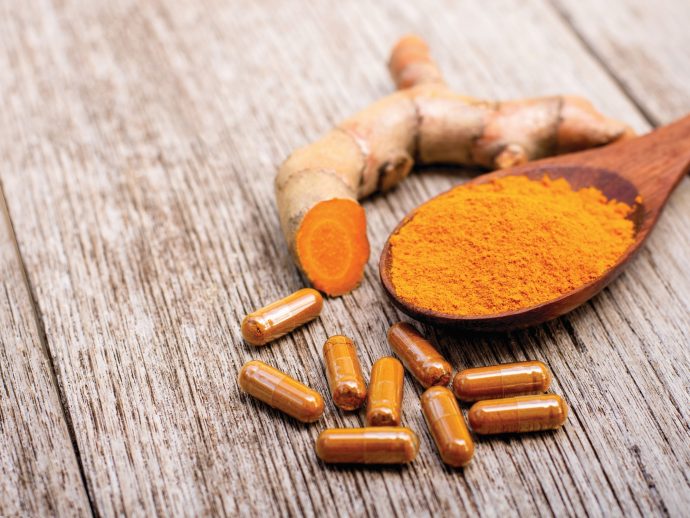
    • Turmeric may be helpful in reducing mucosal damage from reflux.
    • A blend of apple cider vinegar, licorice, calcium carbonate, and papain, taken as a chewing gum, may improve symptoms of heartburn and acid reflux.

    By Dr. Cassie Irwin, ND

    Article Courtesy of Alive Magazine

  • How to find meaning this holiday season

    How to find meaning this holiday season


    How to find meaning this holiday season

    Give yourself the gift of depth

    One of the best things about the holidays is having the time to come together and connect. But often, this connection remains surface level. Martin Vera, a leadership and life coach based in London, UK, says that when we reunite with people we don’t see very often, we tend to gravitate toward small talk because it feels safe.

    Small talk has its time and place: research shows that fleeting social interactions with people, even strangers, can boost moods and our faith in humankind. But a night of rotating through a room to recount the same three major events that have happened in your life in the last year can leave you feeling drained, and it doesn’t do much in terms of deepening your social connections.

    What are meaningful conversations?

    Vera compares meaningful conversations to hikes in the forest, where we get to slow down, pay attention to our steps, and take some risks: “Meaningful conversations allow us to see others and feel seen by them, to feel a sense of intimacy, and to show up as ourselves.”

    A meaningful conversation doesn’t need to be intense or serious—rather, it just needs to be a conversation that you find both enjoyable and enriching.

    Engaging in meaningful conversations

    Start engaging in meaningful conversation with the following suggestions.

    • Asking better questions (such as those that start with who, what, when, where, why, and how)
    • Listening mindfully to answers (rather than worrying about what you’re going to say next or what the outcome of the conversation will be)
    • Being willing to share something about yourself

    Drawing healthy boundaries

    Making an effort to go deeper with people around you doesn’t mean that you are obliged to engage with people whose presence you find harmful. These relationships can feel particularly stressful around the holidays, when interactions may be hard to avoid.

    One way to navigate this is by setting healthy boundaries. First, decide what behaviors you are or aren’t willing to put up with. Then, communicate these red lines calmly, clearly, and consistently. You can also consider practicing “loving detachment,” the process of letting go of any need to control a person or a situation.

    Root to rise

    If you can’t, or don’t want to, spend the holidays with family, there are still many other ways to nurture meaningful connections during this time. Think about getting involved with your community: are there any holiday events that you can attend to bring you closer to those around you, or that need volunteers to run smoothly?

    Giving back can be particularly rewarding for people who may be missing or grieving friends or family members, as volunteering can make you feel physically and emotionally healthier.

    By Isabela Vera

    Content Courtesy of Alive Magazine

  • Finishing 2023

    Finishing 2023


    Finishing 2023

    Reflecting on the You that was

    Whether this was a banner year or one you’ll be happy to see in the rear-view mirror, December often feels like a turning point. Before rounding the bend into the new year, take the time to check in on your well-being, and whether you need to change tack going forward. That’s going to involve a little reflection.

    What is reflection?

    Reflection doesn’t simply involve thinking about “what happened.” Instead, it’s a process of understanding your role in an experience and involves considering your thoughts and emotions during and about the experience, as well as the memories it evokes.

    Forget about everyone else

    Self-evaluation can lead you to compare yourself to others and bump up against other people’s expectations. Often, these comparisons aren’t in your favor and can be harmful to your emotional well-being.

    Instead, check in with yourself to be sure that goals you establish are aligned with what you truly want and aren’t simply what’s expected. Let go of any goals that aren’t really yours and any negative feelings you may have about not achieving them. After all, they weren’t your goals anyway.

    Reflect on well-being

    Well-being involves much more than simply your physical and mental health. In fact, there are multiple other facets to consider, including emotional, social, spiritual, professional, and financial well-being. As you reflect on your progress in the past year and make adjustments for 2023, be sure to consider each of these areas.

    Celebrate your victories

    If you’ve been keeping a journal, it’s a good time to read through your year’s musings. If you don’t journal, flip through your calendar for memory prompts. List everything you’d like to celebrate from the past year.

    Include big gains, such as bringing home a baby or making your final mortgage payment. But small things count, too, such as applying for a job, finding your old (but still perfectly wearable) cowboy boots in the back of the closet, or asking that cutie out on a date. Record at least 30 little victories. (Yes, you did have 30 victories!)

    Acknowledge your losses

    Crappy stuff happened this year, too. Maybe you were restructured out of a job. Maybe your relationship ended. To learn from these experiences, consider your personal responsibility in each of them.

    What would you do differently?

    Reflect on what you learned from your victories and losses. What new things did you or could you try? Where do you repeat patterns? Are you stepping out of your comfort zone enough so that you can experience new things and personal growth? Are you being authentic? Do you need to put your fitness goals front and center? Is it time to change your relationship with money?

    When you have clarity about who you are and what you want, creating goals is enjoyable, because they mean something to you. And when something is fun, you’re more likely to do it.

    By Lisa Petty, PhD

    Content Courtesy of Alive Magazine

  • 3 tips for winter wellness

    3 tips for winter wellness


    3 tips for winter wellness

    Stay healthful when the weather outside is frightful

    The winter blues and holiday stress. Pesky colds and seasonal flus. Eggnog and gingerbread overindulgence. As the weather changes, our health risks change, too. Here’s how to keep your health high when the outdoor temperatures drop.

    1. Lighten up your mental health on cold, dark days

    Approximately 18 percent of us experience mild or severe seasonal affective disorder (SAD). This form of depression is triggered by the lack of sunlight in the winter.

    But feeling a bit blue can also be compounded by other factors, according to psychologist Dr. Bruce L. Thiessen, such as loneliness during the holidays or financial stress when gift shopping. Thiessen recommends three proactive ways to lighten your mood.

    • Get into the sun

    “There’ll be occasional warmer, sunnier days in the forecast,” Thiessen says. “Make the most of each one, planning outdoor activities in advance.”

    • Brighten your home

    Light therapy boxes may help combat SAD. Thiessen also recommends finding ways to brighten your home, such as cheerful paint colors or holiday lights.

    • Jingle around the clock

    “Create a ‘sunshine playlist’ of cheerful songs,” suggests Thiessen. Music helps us cope with stress, depression, and anxiety.

    2. Unwrap better nutrition

    In the winter, studies show that people may eat fewer fresh fruits and veggies, overindulge in unhealthy foods, and crave carbohydrate-rich snacks and meals.

    It’s also known that our circadian rhythms affect hormones such as leptin that stimulate our appetite and hunger cravings, with sunlight (or lack thereof) having a big influence on these rhythms. These dietary changes and lack of sun can create nutritional deficiencies.

    Dr. Yelena Deshko, a naturopathic doctor, recommends focusing on the following supplements in the winter. Remember, always chat with your health care practitioner before taking a new supplement.

    • Vitamin C

    “Your body doesn’t store it and needs constant dietary top-ups,” says Deshko, noting that winter factors such as stress or a cold may increase the amount of vitamin C you need.

    • Vitamin D

    “The vitamin D you stockpiled during summer is often depleted by winter,” she warns. Talk to your health practitioner about your vitamin D levels, and visit your local natural health retailer to choose a supplement that’s right for your needs.

    • B-complex

    “The importance of B vitamins cannot be overstated—they’re involved in virtually all bodily processes and are essential for metabolism, energy, memory, and healthy skin, to name a few,” explains Deshko. “Adding a daily full-spectrum B-complex, specifically around the holidays, may help ensure optimal health.”

    3. String lights without high-strung stress

    The winter season can feel stressful for many reasons, whether it’s uncertainty about the new year, or the chaos of juggling holiday festivities and your family’s schedule. It can also trigger many emotions.

    “Try exercise,” suggests licensed clinical social worker Iris Waichler, MSW, LCSW. It’s one of the most effective—and most recommended—ways to manage stress because it releases feel-good hormones.

    By Joshua Duvauchelle

    Content Courtesy of Alive Magazine

  • 5 great stretches for lower back pain

    5 great stretches for lower back pain


    5 great stretches for lower back pain

    We have you covered

    Stretching those muscles is an important step in recovery. Although your lower back may feel a little tight, these stretches shouldn’t hurt, so stop if they do. It’s also a good idea to check with your doctor before performing this routine. And remember, strengthening your back will help you avoid lower back pain in the future.

    1. Child’s pose

    When you’re in child’s pose, remember to relax all of the muscles in your back.

    Kneel on the floor with your toes together and knees hip-width apart. Lower your chest in between your knees and rest your forehead on the floor. Stretch your arms out in front of you. Stay in this position for five deep breaths.

    2. Cat-camel

    Cat-camel, or cat-cow, is a yoga pose that’s perfect for stretching your lower back. Remember to go at your own pace, and don’t over-arch your back.

    Start on the floor on your hands and knees. As you inhale, pull your stomach in, round your back, and tuck your head into your chest. Exhale as you arch your back and lift your head. Repeat five to ten times.

    3. Knees-to-chest

    This is a simple stretch that can provide considerable relief for lower back muscles.

    Lie on your back with your knees bent and feet on the ground. Bring your knees to your chest. Wrap your arms around your shins and keep your back flat on the floor. Stay in this position for one to two minutes.

    4. Ragdoll fold

    Ragdoll fold, or forward fold, is great for lower back pain.

    Stand with your legs hip-width apart. Bend your knees. Take a deep breath in and bend at your waist so that your chest drapes over your thighs. You can let your hands hang just like a ragdoll or grab your elbows with opposite hands. Hold for 20 seconds. Slowly roll your chest back up using your abdominal muscles.

    5. Seated spinal twist

    Not only does the seated spinal twist help with back pain, but it also improves posture. In this position, make sure you keep your hips level on the ground.

    Sit on the floor with your legs straight in front of you. Take your right foot and place it on the outside of your left leg. Lift your left arm up and wrap it around your right leg. Your left hand should be somewhere alongside your outer right thigh. Hold this twist for 30 to 60 seconds. Repeat on the other side.

    By Gina Kelly

    Content Courtesy of Alive Magazine