Category: Health

  • Guest Post: Acupuncture, Pain and Opiate Addictions

    Guest Post: Acupuncture, Pain and Opiate Addictions

    Opiate addiction has been in the news lately and is again begging our attention as a nation. Opiates are used in attempts to relieve moderate to severe pain. Opiates have been used for many years, usually prescribed for people with long-term, severe pain and a terminal illness, such as cancer. More recently, they have been used for non-malignant chronic pain. Some medical practitioners and lay people have concerns about the increased usage of opiates due to their highly addictive nature.

    Many major pain clinics now use acupuncture as a treatment for chronic and severe pain. As I hear of the struggles of opiate addiction, including suicide, I get very sad knowing that acupuncture could have helped so many people reduce pain before they were prescribed opiates as an option. Of course acupuncture will not work for all people, but as a practitioner, I have been amazed at the wide breadth of people that it does help. Patients that find no relief with pain killers and have had intense pain to the point of debilitation have regained their lives through the use of acupuncture. It deeply saddens me that more people are not given the opportunity or access to try acupuncture.

    Currently, our medical system offers acupuncture for people in health crisis. We see acupuncture offered in cancer units, pain clinics and detox clinics. I am so happy to see that the medical community appreciates how acupuncture can help these patients in medical emergencies. My question is why wait for a medical emergency to share a gentle medicine that offers great benefit with no side effect? Why not prescribe acupuncture for people with mild conditions? Acupuncture does not interfere with any medical treatments or prescription drugs. Most people enjoy acupuncture treatments, feeling a great deal of stress relief and peace of mind.

    Acupuncture should also be used as a preventative medicine. While acupuncture may have been looked at as financially out of reach for many people, Community Acupuncture now offers affordable acupuncture with treatments costing $20 to $40. Because acupuncture can be affordably offered and has no side effects, our medical community should see acupuncture as a first line of care. Most pain conditions begin to show relief after five treatments if not before. If acupuncture is not helpful within this treatment period, it may be time to try something else that has side effects, costs more money, and has ramifications for the long term health of individuals and our planet.

    Let’s start with the gentlest solutions first. If they don’t work, let’s move on to more aggressive treatments. By offering the gentlest treatments first, we have the opportunity to reduce the chances of opiate addiction, avoid negative impacts on people’s health and the health of planet and most likely save our healthcare system a lot of money.

    To learn more about community acupuncture or find a clinic near you, visit pocacoop.com.

  • 7 Hormone Disruptors that are found EVERYWHERE

    7 Hormone Disruptors that are found EVERYWHERE

    chemicals, poisons, hormones

    There are many things we try to avoid to stay healthy. We try to cut out sugar, steer away from additives, and keep watch on our carb intake. But even with a clean diet, there are toxins that sneak in and wreak havoc on our more sensitive systems. Our hormones are fascinating–they control so many things in our bodies, but hormones are not to be trifled with. Chemicals can negatively effect our sensitive endocrine system. These substances can make your body chemicals overproduce one hormone while depleting another. They can imitate hormones and interfere with signals your bodies needs to perform certain functions.

    Here’s a list of 7 chemicals to watch out for:


    Atrazine:

    Atrazine is one of the most widely used herbicides in the U.S. and is found in 94% of the country’s drinking water. An estimated 7 million people were exposed to atrazine in their water between 1998 and 2003. Atrazine has been linked to breast tumors, delayed puberty, and prostate inflammation in animals. Some research has linked it to prostate cancer in people. Avoid Atrazine exposure by buying organic produce and filtering your drinking water.

    BPA:

    BPA is a synthetic estrogen that can disrupt your endocrine system–even in small amounts. It’s been linked to all kinds of issues including: infertility, breast and reproductive system cancer, obesity, diabetes, early puberty, behavioral changes in children and resistance to chemotherapy treatments. In the last few years, people have been more aware of choosing BPA-free products for their homes. Canned food is a source that is slowly becoming BPA-free, but you still have check the label. Avoid plastic containers, especially ones marked “PC” or “Recycling Label #7”. Don’t handle receipts, and never let children play with them. (cool fact— Basil Bandwagon Natural Market only use BPA-free receipts!)

    Dioxin:

    Dioxins are a group of chemically-related compounds that are persistent environmental pollutants (POPs). Dioxins are found all over the world but they tend to accumulate in the food chain, especially in the fatty tissue of animals. Recent research has shown that exposure to low levels of dioxin in the womb and early in life can both permanently affect sperm quality and lower the sperm count in men during their prime reproductive years. Dioxins can build up in the body and are powerful carcinogens. Products including meat, fish, milk, eggs, and butter are most likely to be contaminated. The best way to cut down your exposure is by limiting these products and making sure they are the best quality.

    Fire Retardants:

    They sound like something positive but the chemicals that are used in Fire Retardants have significant health implications.These chemicals are known as polybrominated diphenyl ethers or PBDEs and have been found to contaminate the bodies of people and wildlife all over the world. These chemicals can imitate thyroid hormones in our bodies and disrupt their activity. While several kinds of PBDEs have now been eradicated, it doesn’t mean they don’t exist anymore! PBDE’s are known for their persistence.
    Avoiding them can be difficult, but using a HEPA filter while vacuuming is a good start. Doing so cuts down on the exposure to dust from upholstery and other household products. Being active in making sure their are laws to reduce these chemicals is another way to decrease PBDE’s influence!

    Lead:

    Another well-known poison, lead, is especially harmful to children. Lead can cause symptoms too numerous to list here. These include permanent brain damage, hearing loss, miscarriage, premature birth, kidney damage and nervous system problems, etc. This might not be new information, but the effect on hormones is not discussed as much. Lead can disrupt the hormone signaling that controls the body’s major stress system (called the HPA axis). To lessen your lead exposure, make sure your house is well-maintained, watch our for old, crumbling paint, and use a water filter to remove it from drinking water.

    Organophosphate Pesticides:

    Neurotoxic organophosphate compounds were produced in World War II as chemical weapons–pretty scary stuff. After the war, these chemicals were used in experiments to create sophisticated pesticides. They are still in use today, even though there have been many studies that show their adverse effects on brain health, fertility, etc.. Organophosphate Pesticides lower testosterone and alter thyroid hormone levels. To avoid this one, buy organic produce and be sure to stay knowledgable on which fruits and vegetable bear the lightest load of pesticides.

    Phthalates:

    Our cells rely on hormone signals to perform all the functions we need to survive–surely you wouldn’t want anything near you that told your cells to die, right? Well, thats something that Phthalates can trigger. It can trigger cell death in testicular cells which leads to low sperm count, birth defects, obesity, etc. Like BPA, you can avoid Phthalates by staying away from plastic containers, plastic wrap made from PVC and personal care items that list added fragrances. Look for Phthalate-free products in containers and body products!

    Want more info? Check out EWG’s article on this very subject. It’s full of links and info and even a PDF to keep handy.


  • Natural Scar Treatments

    Natural Scar Treatments

    We all end up with scars. And while we like to honor life’s journey in these bodies, most of us would prefer to minimize their appearance.

    There are some simple and luxurious ways to treat scras without chemicals. The first recipe is for scars from cuts and scrapes, strecth marks, and incisions.

    All-purpose scar oil

    Ingredients

    • 1/4 cup of your favorite carrier oil (tamanu oil, oilve oil, jojoba oil, coconut oil, etc.)
    • 20 drops lavendar essential oil
    • 10 drops rosemary essential oil

    Mix all ingredients and keep in a glass jar (preferably dark glass) and store in a cool, dark place.

    All-natural remedies for scars

    Lavendar is a great go-to oil for any skin issue. Inanition to helping heal scars, it treats acne, burns of all kinds, and bug bites. Rosemary can help skin cells regenerate, which will shrink scar tissue. Helichrysum fights inflammation, heals wounds, and soothes skin.

    Tamanu oil is excellent for healing scars. It has been used traditionally by indigenous people in Polynesia for its tremendous healing properties. It increases healthy cell growth and acts as an anti-inflammatory.

    Easy face mask for acne scars

    Ingredients

    • 4 tablespoons honey
    • 4 teaspoons lemon juice
    • 3 teaspoons plain yogurt
    • 1 egg white

    Combine with whisk or fork in a small bowl. This mixture will be liquid, so soak a soft wash cloth in the fluid
    and lay it over your face for 10 minutes. Rinse with cool water afterwards.

  • A Sign of Early Spring

    A Sign of Early Spring

    Despite the cold temps, Bloodroot, Sanguinaria canadensis, like this plant sprouting near Frenchtown, N.J., is looking good! The root of this remarkably beautiful plant can be made into a vinegar-based extract that is a very valuable anti-fungal. It is best used topically, and can be applied to athlete’s foot or other fungal overgrowths, where no open wound exists.

    Studies show the extract can inhibit the deposition of dental plaque, which is why it is used in mouth rinses. It has excellent anti-microbial activity on the mucous membrane tissues. Once again, however, this is a mouth rinse, not to be ingested. Bloodroot has legitimate internal uses, but should not be used this way unless under the care of a qualified health-care practitioner.

    The plant’s most noteworthy physical characteristic is its clasping single grey-green leaf, which wraps itself around the delicate flower when it first appears, later unfurling into a shield-like background for the striking white flower. The small but bulbous root from which the extracts are made contains an acrid red-orange juice wherein lies the medicine. This colorful juice was used as a dye, after careful processing, by Native American people, who adorned clothing and their bodies with it.

  • Medicinal Herbs and Supplements

    Medicinal Herbs and Supplements

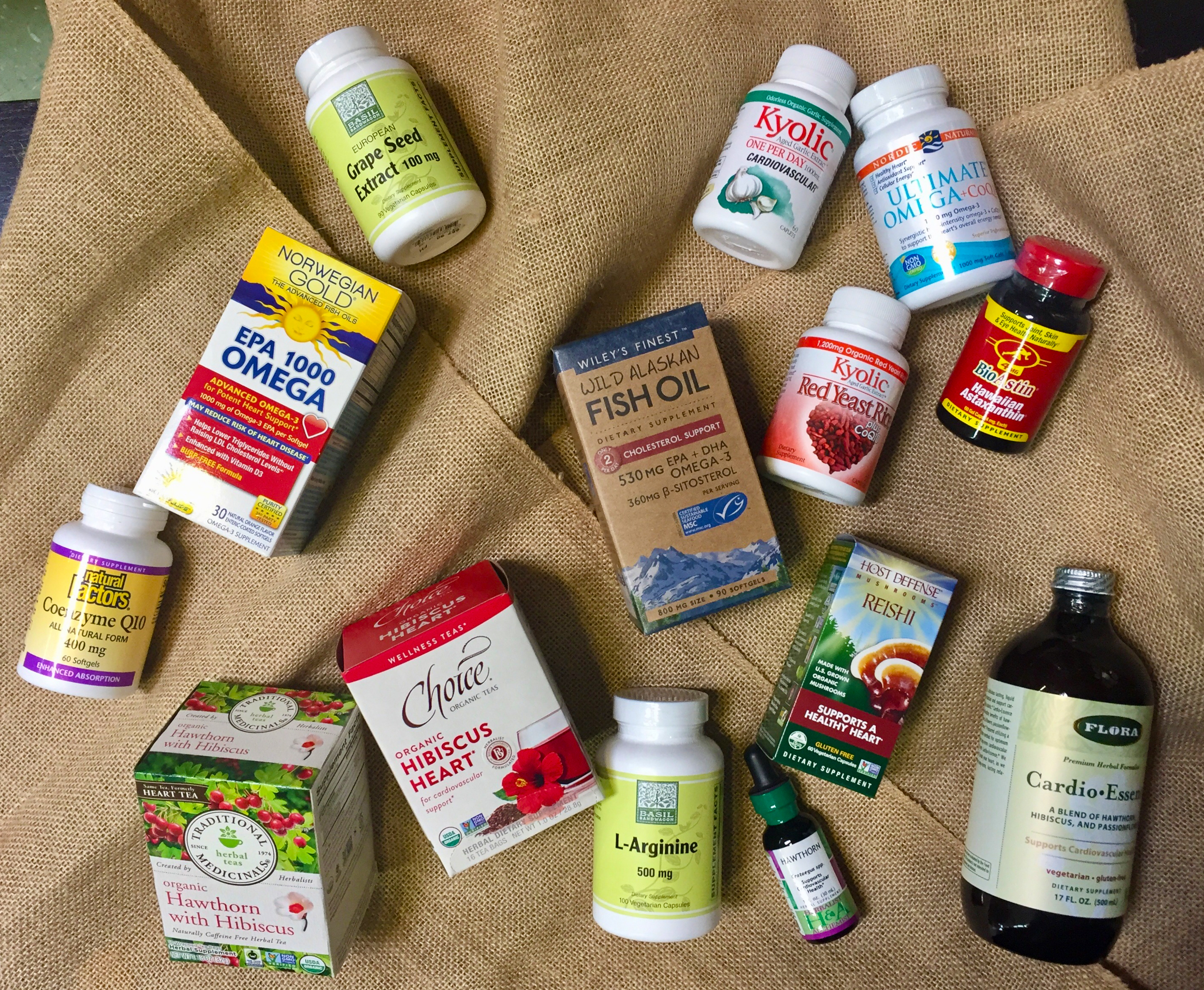
    Evidence-based herbal and vitamin supplementation is an achievable reality in our 21st century world. Finding quality herbs and supplements, as well as high-quality information about them, requires experience in the marketplace of natural substances. This is what we bring to the consumer’s table: decades of research into herbal medicine as well long experience working with the finest natural supplement manufacturers in the world.

    There can be a ten-fold difference in the cost of raw materials for good-quality herbs and supplements versus poor quality. Knowing and trusting your herb and vitamin seller is paramount in a world where bargains are everywhere, but information about sourcing can be scarce.

    Taking a degree of responsibility, however small, for one’s own health, is empowering. In addition to exercise, relaxation techniques, and dietary adjustment, herbs and supplements are powerful allies for those seeking optimum health.

  • Natural Allergy Remedies

    Natural Allergy Remedies

    Spring is here. Birds are singing, flowers are blooming … and your allergies are driving you nuts. Instead of running to a pharmacy for the usual batch of OTC meds, give these natural products a try:

    Sinus Breakup, Basil Bandwagon Natural MarketSinus Break-Up

    This fast-acting liquid compound quickly opens the sinus for easier breathing. It promotes healthy sinus and respiratory systems.

    Aller-7

    Aller-7 is a proprietary blend of seven herbal extracts clinically proven to promote immune health. Combined with a proper diet, Aller-7 promotes respiratory health and normal breathing seasonally and all year long without side effects.

    Aller-7 promotes clear airway passages and normal breathing; stabilizes mast cells, which promote respiratory health; and is a powerful antioxidant protection.

    Aller-Aid, Basil BandwagonOregon’s Wild Harvest Aller-Aid

    Very popular with the Basil staff, this compound contains Quercetin and Freeze-Dried Nettle to support your body’s normal histamine-producing response. N-acety cysteine packs an additional punch by brealing down mucous and increasing antioxidant activity.

    Urban Moonshine Aller-Blast

    Urban Moonshine’s Aller-Blast is made with fresh stinging nettle. The formula is unique because it contains the immune-modulating power of reishi mushroom and the tonic action of bitter artichoke. Also included are elder flower and red clover – traditionally used to support a healthy respiratory tract, eyes, nose, and sinus – for a fast acting formula. It can also be taken daily long term.

    Local Honey, honeycomb, Basil Bandwagon Natural MarketLocktown Honey Company Local Honey

    Completely locally sourced, this honey is produced by Hunterdon County resident Glen Brewer. It’s unheated and minimally filtered so it retains the maximum amount of beneficial enzymes and bee pollen.

    Many people swear by honey’s ability to lessen symptoms of seasonal allergies. As honey has anti-inflammatory effects and is known to soothe coughs, it may not seem like much of a stretch; but honey’s efficacy for treating allergy hasn’t been proven in clinical studies.

    That said, some experts say that honey can contain traces of flower pollen, and exposure to small amounts of allergens works as good treatment to combat reactions. Whether it can be proven by science or not is one thing; at worst, honey makes for a delicious placebo . (And don’t knock the healing power of placebos!)

    Honey has an unusual chemical composition, one which makes it keep indefinitely without spoiling, as is seen whenever ancient pots of honey, still perfectly preserved, are found during excavations of early Egyptian tombs. It is uniquely low in moisture and extremely acidic, making it a forbidding environment for bacteria and microorganisms. On top of that, bees add an enzyme, glucose oxidase, that creates hydrogen peroxide as a byproduct. According to the National Institutes of Health, honey is hygroscopic, antibacterial, anti-inflammatory, and has remarkable debriding action. Who knew?

    With this bonanza of properties, honey has been used for millennia as a medical remedy. As Smithsonian.com reports, the earliest recoded use of honey as a curative comes from Sumerian clay tablets, which convey that honey was used in 30 percent of prescriptions at the time. The ancient Egyptians used honey regularly to treat skin and eye problems, as did the Greeks, Romans, and a number of other cultures.


  • An Alternative Do-it-all Oil

    An Alternative Do-it-all Oil

    Everyone seems to be either using coconut oil and loving it or discovering it for the first time. It can be used for almost anything: anti-fungal, moisturizer, conditioner, mouthwash, etc. But what if you have an allergy to it? This is a question we get at the store all the time, and we have an easy answer for you—olive oil.

    Olive oil is known for its heart healthy fats and antioxidants. These same qualities make olive oil  perfect for your skin.

    • Olive oil is full of sterols that act as an anti-inflammatory. This makes it a good choice for dry, itchy skin.
    • It’s an excellent make-up remover. Its smooth emollient texture lifts away makeup and leave the skin soft. It doesn’t clog pores, so it’s great for acne-prone skin.
    • Add finely ground sea salt and you have a gentle scrub for your whole body.
    • Warm olive oil and apply it to your hair for a deep conditioning treatment. Leave on as long as you feel comfortable and shampoo out. Wait until you see the shine!
    • Anti-fungal properties make this perfect for a scalp treatment and for other fungal issues on the skin. It contains Oleuropein which stimulates your immune response to Candida and other infections.
    • Oil pulling uses oil as a mouthwash to pull toxins from your system and improve dental health. While sesame oil is common in the Ayurvedic tradition, many turn to coconut oil for this. Olive oil is a worhty substitute for this practice.

    Next time you see an article or post about the miracles of coconut oil, try olive oil instead. You likely have it in your pantry anyway, and you’ll love the results.

  • Adventures in Cough Solutions

    Adventures in Cough Solutions

    As a mother, I questioned the cold medicines I took as a kid. I remembered swallowing huge amounts of red sticky syrups that didn’t work, and the way cough drops made my stomach hurt. I was determined to find a better way for my own kids.

    I started with the classic honey, lemon, and hot water. It was easy for the kids to drink; they loved honey as it was, and the warmth was immediately soothing. I added in homeopathic remedies like Boiron’s Chestel, which contains soothing honey, but is boosted with other cough-fighters. 

    Then along came my youngest daughter, whose coughing was different. She really suffered from coughing more that her brother and sister. For her, the Chestal syrup alone wasn’t enough to control the spasms that kept her coughing once she started. I knew I’d have to dig a little deeper to find some solutions.

    The first thing we did was get her taking Elderberry syrup to prevent colds and flu in the first place. Next, we added Quercetin and Nettles to keep allergies at bay. Every once and a while, though, a cold would happen, and the coughing would start. 

    Stinky feet

    A friend of mine suggested an old wives tale I’d never heard of. “Put vapor rub on her feet at night!” I thought she was crazy! I had the classic vapor rub in the back of the bathroom cabinet and tried it one night, slathering the stinky stuff all over Scarlet’s feet. 

    It worked!

    I was thrilled but quickly sought out more natural alternatives to the drug store brands. It turned out you can use essential oils like eucalyptus, tea tree oil, even peppermint on the feet with similar results. To save time and sanity, though, Tea Tree Therapy makes a great chest rub that works wonderfully. 

    Another nighttime lifesaver has been Herbalist and Alchemist’s Respiratory Calmpound. This contains lung-soothing herbs like Lobelia and Khella seed as well as Reishi Mushroom. This tincture, in a cup of tea, along with the rub on her feet is a sure-fire way to calm the cough. 

    Daytime cough

    But what about daytime coughing? I can tell somedays that Scarlet’s chest is tight, and she’s a little congested. I turn to Whole World Botanical’s Royal Desmodium. (I know, it’s a mouthful!)

    Desmodium has been a miracle for us. It acts as a bronchial dilator, opening up the chest and relaxing the lungs. It’s been used as a muscle relaxant and an anti-histamine, and it can even improve liver health. The best thing about it is that it is safe. I give my daughter a few drops on days when her breathing is labored as a first line of defense. I take it when I’m getting over a cold or on days when allergies are bad. 

    With these tools in our arsenal, coughs no longer bring us down. We have safe, natural options that work. That makes a mom feel good. (And we can all sleep!).