Category: How-To

  • Give yourself a financial health checkup

    Give yourself a financial health checkup

    How to improve your financial fitness

    If your bank balance isn’t trending in the right direction, or if you just want to bump it up a notch, you’re probably due for a financial health checkup. Here’s your road map to a healthier financial future.

    More than just money

    Getting a handle on your financial well-being does a lot more than boost your bottom line: it inevitably spills over into your physical and mental well-being. A reduction in stress related to financial issues leads to better sleep, increased energy, improved relationships, and stronger mental and emotional health.

    Where to start

    Steve Bridge, an Advice-Only certified financial planner, says one way to take the pulse of your financial health is to track your net worth monthly for a year, then moving toward quarterly and then semi-annual tracking. Your net worth is your assets (everything you own) minus your liabilities (everything you owe).

    “If your net worth is trending upward, you’re on the right track,” says Bridge. And if it’s not, you should find out why. This often comes down to simply making more or spending less, says Bridge. It also helps to craft a forward-looking budget.

    “Expense tracking is great, but it looks backward,” says Bridge. To make a forward-looking budget, you’ll want to open multiple free savings accounts for specific purposes, including travel, clothes/gifts, house expenditures, and so on. Put money in each of these categories monthly. Spend whatever is in the designated category’s account, but no more than that, says Bridge. That way, you’re never going into debt to buy anything.

    Inquire about your investments

    Check your investments once or twice a year. They should be the same or better than the relevant benchmark, says Bridge. If your investments are trailing those relevant benchmarks, ask your investment advisor why.

    According to Bridge, it’s also important to ask about the fees you’re paying on your investments, as they can have a major impact on long-term wealth. Everyone pays fees, says Bridge. However, these fees are often hidden. You should be paying less than 1 percent in investment fees.

    Don’t hesitate to ask your investment advisor questions. “No one cares more about your money than you do,” says Bridge. “If anyone makes you feel dumb when asking your questions, take your money elsewhere.”

    Managing your mental health in the meantime

    What should you do when there’s no quick fix to your financial stress? Amanda Kruger, a licensed professional counselor specializing in financial trauma and working through money stress, offers these suggestions.

    1. Make a plan and follow through with it. For instance, make a debt repayment plan or a plan for how to prioritize your money.
    2. Keep in mind that money is a renewable resource. There’s always money out there, and you’re fully capable of making more of it.
    3. Remember your self-worth is not equivalent to your net worth.

    By Carimé Lane

  • Adaptogenic Hot Chocolate Bliss

    Adaptogenic Hot Chocolate Bliss


    Adaptogenic Hot Chocolate Bliss

    This adaptogenic hot chocolate aims to provide a sense of calm and balance, thanks to the inclusion of an ashwagandha and mushroom blend, known for their adaptogenic properties.

    Adaptogens are a class of herbs and mushrooms that are believed to help the body adapt to stress and maintain balance. They have been used in traditional medicine systems, such as Ayurveda and Traditional Chinese Medicine, for centuries. While the scientific understanding of adaptogens is still evolving, there are several potential reasons why they are considered beneficial:

    Stress Response Regulation: Adaptogens are thought to modulate the body’s stress response by regulating the production of stress hormones, such as cortisol. They may help the body adapt to both physical and mental stressors, promoting a more balanced response.

    Homeostasis Promotion: Adaptogens are believed to support homeostasis, the body’s natural state of balance and stability. By helping the body maintain equilibrium, adaptogens may contribute to overall well-being.

    Energy and Endurance: Some adaptogens are thought to enhance physical and mental performance by supporting energy production and increasing endurance. They may help the body cope with fatigue and improve stamina.

    Immune System Support: Adaptogens are thought to have immune-modulating properties, meaning they may help regulate the immune system. This could contribute to a better defense against infections and diseases.

    Antioxidant Properties: Many adaptogens have antioxidant properties, which means they can help neutralize free radicals in the body. This antioxidative effect may contribute to cellular health and longevity.

    Cognitive Function: Some adaptogens are believed to have neuroprotective effects and may support cognitive function. They are thought to enhance mental clarity, focus, and memory.

    It’s important to note that while adaptogens have a long history of use in traditional medicine, scientific research on their efficacy is still ongoing, and more evidence is needed to fully understand their mechanisms of action and potential health benefits. Additionally, individual responses to adaptogens can vary, and they may interact with medications or have contraindications in certain situations. Before incorporating adaptogens into your routine, it’s advisable to consult with a healthcare professional to ensure they are safe and appropriate for your specific health needs.


    Elisa Franco

    Adaptogenic Hot Chocolate Bliss

    Warm, cozy, adaptogenic hot chocolate to soothe your worries.
    Servings: 2

    Ingredients
      

    • 2 cups almond milk or your preferred milk
    • 2 tblsp cacao powder
    • 2 tblsp maple syrup
    • 1 tblsp OM Master Blend powder
    • pinch of sea salt
    • whipped cream or marshmallows optional

    Method
     

    1. In a saucepan, heat milk over medium heat.
    2. Whisk in cacao powder, maple syrup, OM Master Blend powder, and a pinch of sea salt.
    3. Heat until hot but not boiling.
    4. Pour into mugs and top with whipped cream or marshamallows if desired.

  • 6 exercises for carpal tunnel syndrome

    6 exercises for carpal tunnel syndrome


    6 exercises for carpal tunnel syndrome

    These simple movements may provide relief

    Carpal tunnel syndrome can cause pain, numbness, tingling, and weakness in the wrists and hands. The condition is caused by compression of the median nerve in the wrists. Specific exercises may help relieve mild to moderate cases of carpal tunnel syndrome.


    Carpal tunnel exercises:

    • are often used in conjunction with other treatments, like wearing a brace and behavioral changes
    • can help with mild to moderate cases of carpal tunnel syndrome
    • may be recommended after carpal tunnel surgery to help with the rehabilitation process
    • help prevent carpal tunnel syndrome from coming back after you’ve recovered


    1. Gentle shake
      Shaking your hands gently back and forth can provide some relief from the symptoms of carpal tunnel. You may find this particularly useful at night when symptoms may be at their worst.


    1. Prayer stretch
      – Starting with your palms together in front of your chest and just below your chin, slowly lower your hands down to your waistline.
      – Be sure to keep your hands close to your stomach and your palms together.
      – You should be able to feel a gentle stretch in your forearms.
      – Hold the stretch for 15 to 30 seconds.
      – Repeat this exercise 2 to 4 times.


    1. Wrist flexion stretch
      – With a straight elbow and wrist, extend your arm in front of you with your palm facing toward the floor.
      – Bend your wrist until the tips of your fingers point toward the floor.
      – With your other hand, gently bend your wrist further until you feel a mild to moderate stretch in your wrist and the topside of your forearm.
      – Hold the stretch for 15 to 30 seconds.
      – Repeat this exercise 2 to 4 times with each wrist.


    1. Wrist extension stretch
      – With a straight elbow and wrist, extend your arm in front of you with your palm facing toward the floor.
      – Bend your wrist up until the tips of your fingers point toward the ceiling.
      – With your other hand, gently bend your wrist further until you feel a mild to moderate stretch in your wrist and the underside of your forearm.
      – Hold the stretch for 15 to 30 seconds.
      – Repeat this exercise 2 to 4 times with each wrist.


    1. Fist to stop sign
      – Ball your hand into a fist in front of your body.
      – Extend your fingers out until they are pointing to the ceiling as though you are giving the sign to stop.
      – Repeat this motion about 5 to 10 times.


    1. Fist to fan
      – Ball your hand into a fist in front of your body.
      – Fan out your fingers as far as you can.
      – Repeat this motion about 5 to 10 times.


    Content Courtesy of Alive Magazine


  • Are you getting enough sleep?

    Are you getting enough sleep?


    Are you getting enough sleep?

    Why it matters, and what you should do.

    Approximately 25 to 33 percent of us aren’t getting enough sleep. While one night of lost sleep can impair mindfulness and reduce performance during the day that follows, the effects are usually corrected once sleep is restored. But the repercussions of chronic sleep loss are of greater concern for quality of life and disease risk in the years to come.

    Are you clocking enough hours?


    Experts suggest that six hours is the minimum length of sleep required for optimal health in average adults. A recent study investigated the impact of having fewer than six hours of sleep for eight consecutive nights. The findings suggested that just one night of insufficient sleep can cause both mental and physical symptoms, which worsen with consecutive nights of lost sleep.

    Consequences of chronic sleep loss


    Chronic sleep loss can contribute to systemic low-grade inflammation, which is involved in the development of conditions such as diabetes, atherosclerosis, and neurodegeneration. Research shows that sleep disturbance increases the risk of infectious disease and contributes to the development of cardiovascular disease, cancer, and depression.

    Sleep Rx


    Sleep allows the body to rest and repair, the effects of which are crucial for daytime functioning and overall health.

    • Mood: Sleep is vital for emotional processing and memory consolidation.
      Performance: Sleep loss impairs the speed and accuracy of task performance, decision-making, and exercise recovery.
    • Hormones: Sleep drives the synthesis of reproductive hormones, and sleep deprivation is associated with infertility in both men and women.
    • Immunity: Sleep promotes balance in the immune system by regulating inflammatory mediators known as cytokines.
    • Metabolism: Chronic sleep loss increases the risk of metabolic dysfunction and loss of muscle mass.

    Sleep tips to try


    Looking for a better night’s sleep? Start here.

    • Have a power nap. Napping has been shown to improve performance and alertness among those with regular sleep deprivation, including night shift workers and pilots.
    • Get your iron levels checked. Iron deficiency can contribute to restless leg syndrome, sleeping disorders, and chronic fatigue. To assess your iron storage, ask your doctor to test ferritin in the blood. If ferritin is low but you’re eating plenty of iron-rich foods, look into potential hindrances to iron absorption, such as antacid use, celiac disease, and pylori infection.
    • Ask your health care practitioner about supplements, such as melatonin, valerian, or passion flower.
    • Cut the caffeine cycle. It’s no surprise that caffeine can reduce total sleep time, impair sleep quality, and cause dependence. Baby steps are better than cold turkey. Slowly weaning off caffeine reduces the risk of caffeine withdrawal headaches and migraines.
    • Be mindful. Improve sleep quality and quantity with lifestyle practices such as deep breathing, yoga, mindfulness meditation, tai chi, and barefoot grounding.

    By Dr. Cassie Irwin, ND

    Content Courtesy of Alive Magazine


  • How to eat for diabetes

    How to eat for diabetes


    How to eat for diabetes

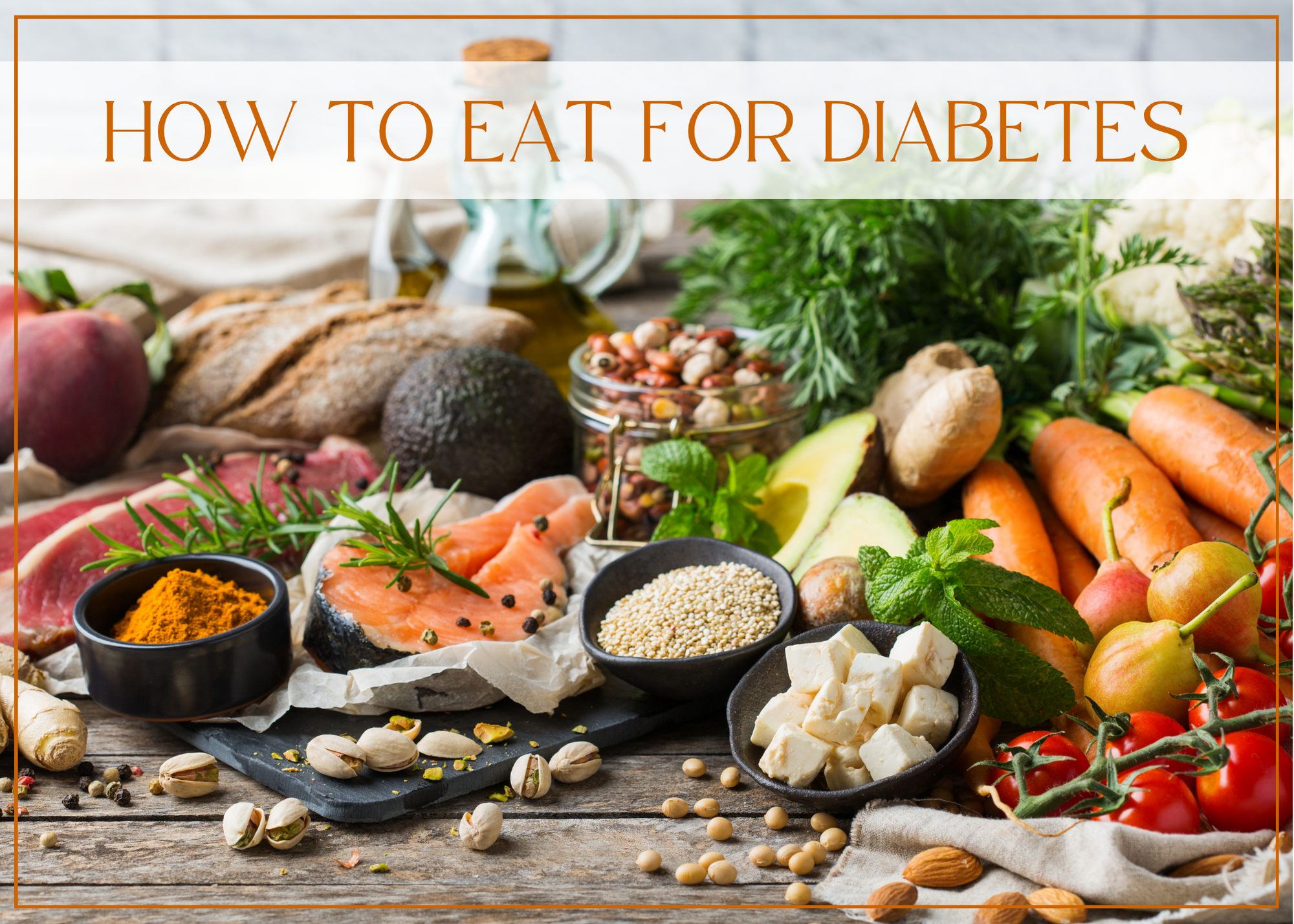
    The power of a plant-based diet

    Diabetes is a “silent killer.” Here’s how a plant-based dietary pattern (not a strict diet) can be a healthier way to manage diabetes.

    A diabetes recap


    Type 1 (insulin-dependent) diabetes is an autoimmune disease that generally develops in childhood or adolescence. The body can’t produce insulin and thus can’t regulate blood sugar. Insulin injections or an insulin pump is necessary to ensure the body has the right amount of insulin.

    Type 2 diabetes, most commonly developed in adulthood, occurs when the body can’t properly use its own insulin—or not enough insulin is produced. Type 2 diabetes can sometimes be managed with healthy eating and regular exercise alone, but may also require medications or insulin therapy.

    Know the signs


    Discovery is a crucial first step. Millions of people live with type 2 diabetes and don’t even know it.

    People who are asymptomatic, haven’t followed up on symptoms (which can include frequent urination, blurry vision, and extreme thirst), or don’t often use the health care system may not get a diagnosis until they’ve had it for years. This may mean they need more intensive treatments than if the disease had been caught earlier.

    Get the right care


    Diabetes is a progressive condition, which means that treatment plans should evolve along with the disease. Behavioral modifications such as a plant-based diet may help with blood sugar control at first, but eventually more extensive treatments such as blood glucose monitoring or medication may become necessary.

    What difference do plants make?


    The increased soluble fiber in many plant-based foods such as Brussels sprouts, black beans, and root vegetables can slow carbohydrate absorption and bind glucose. This slower rate of absorption helps stabilize blood sugars.

    In contrast, high amounts of refined sugar and carbohydrates spike glucose and cause the pancreas to produce extra insulin. Some of the extra glucose may be converted into triglycerides in the liver, and the fat may be shipped to the tissues.

    Vegan or vegetarian diets are also typically higher in pulses (like such as barley or quinoa). The high magnesium content of these whole grains helps regulate glucose, improves insulin sensitivity, and controls energy metabolism.

    Finally, vegetarians and vegans tend to consume fewer saturated fats. Since many meats contain more fat and calories, they may increase the risk of diabetes. In fact, some research suggests that red meat should be included in the list of diabetes risk factors.

    Remember—“vegetarian” doesn’t always mean “healthy”


    While a plant-based diet pattern is often higher in fiber, vitamins, and nutrients, it doesn’t guarantee weight loss or stable blood sugar levels. Check with your health care practitioner before adopting a new diet.

    Consider supplements


    Supplements to support healthy blood sugar include:

    • protein
    • magnesium
    • peppermint
    • pharmaGABA
    • quercetin


    The type and amount of supplemental support depend on your health, eating patterns, and lifestyle. Since supplements can interact with medications, it’s important to create an individualized plan with your health care practitioner.

    By Laurie Pawlik-Kienlen

    Content Courtesy of Alive Magazine


  • Combat loneliness as you age

    Combat loneliness as you age


    Combat loneliness as you age

    How to stay social and connected

    Far too often society brushes aside loneliness and social isolation as inevitable parts of aging. In reality, they are perilous issues, thought to increase one’s risk of things such as dementia, depression, and cardiovascular disease. Here’s how to protect yourself against loneliness as you age.

    A common problem


    Lana Adams never really experienced loneliness until she hit her seventies; for 68-year-old Uli Novak, it was when he retired. “I suddenly had all these empty days to fill,” Novak recalls. “I missed the daily banter with colleagues—and feeling needed and productive.”

    Adams’ and Novak’s stories are all too common. Although having fewer social connections as one ages contributes to loneliness, it doesn’t paint the whole picture. Things including loss of touch and intimacy, illness or disability, and bereavement of loved ones can all play a role. Pervasive ageist attitudes also contribute, as many seniors feel pushed to the periphery of society.

    And existential questions—such as “how is my life important?”—can also crop up. “I want this chapter of my life to be about more than just keeping busy,” says 73-year-old Barbara Hylton, who knows she’s not alone in this sentiment.

    There are no quick fixes to eradicate loneliness and isolation, and addressing these issues needs to occur at a widespread, systemic level. At the same time, smaller-scale, meaningful solutions to prevent and treat loneliness do exist.

    Consider a pet


    Studies suggest that the human-animal bond is a powerful one; it can decrease things such as blood pressure and stress and protect against cognitive decline in older adults.

    Nurture a positive mindset


    One study found that keeping a daily list of three positive events decreased stress in adults aged 60 and over.

    Foster intergenerational connections


    Research shows that when kids get regular care and attention from older adults, they have fewer emotional and behavioral problems. Older individuals also reap the benefits; studies show that regularly involved grandparents experience decreased risk of depression, cognitive decline, and mortality.

    Build a support network


    Having more hobbies and increased contact with friends and family reduces loneliness across age, gender, and other lifestyle factors. Combining social interaction with physical activity may be especially effective.

    Of course, socializing can be taxing if one is suffering from illness or disability, which can severely limit daily activities. Virtual alternatives—such as online support groups or messaging programs—can combat some of the impacts of loneliness for those with limitations.

    Give back


    When Hylton started volunteering with a seniors’ support program a couple years ago, it gave her a sense of purpose. “I like connecting with people older than I am, playing cards together or helping them out, and just sharing our stories,” she says.

    The health benefits of volunteerism are well documented, including its positive impact on longevity.

    By Dr. Amy Green

    Content courtesy of Alive Magazine


  • Recipes to Dream About

    Recipes to Dream About


    Recipes to dream about

    Science shows that what you eat can influence how much quality sleep you get. So, with some savvy cooking, there is hope for finally getting the ever-elusive shut-eye of your dreams and feeling like a champ. These recipes feature the foods you need to help bring on sweet dreams.

    Pumpkin Crusted Salmon with Sweet Potato Mash


    Good news for the reluctant or harried cook: this dish comes together quickly but presents itself as something truly fanciful. Rainbow trout and arctic char are good stand-ins for salmon with nearly the same sleep-inducing nutritional make-up.

    1/3 cup (80 mL) pumpkin seeds
    1 Tbsp (15 mL) olive oil
    1/2 tsp (2 mL) garlic powder
    1/8 tsp (0.5 mL) cayenne
    1/2 tsp (2 mL) salt, divided
    1/4 tsp (1 mL) black pepper
    1 lb (450 g) salmon fillets
    2 medium-sized sweet potatoes
    2 Tbsp (30 mL) butter
    1 Tbsp (15 mL) fresh thyme
    1 tsp (5 mL) Dijon mustard

    Heat oven to 325 F (162 C). Line baking sheet with parchment paper.

    In blender or mini food processor, pulse pumpkin seeds, olive oil, garlic powder, cayenne, 1/4 tsp (1 mL) salt, and black pepper until mixture forms a semi-dry paste. Alternatively, in bowl, finely chop pumpkin seeds and mix with other ingredients.

    Coat salmon fillets with pumpkin mixture. Bake salmon for 18 minutes, or until just barely cooked through in the center.

    As salmon cooks, place sweet potatoes in large saucepan. Cover with cold water. Bring to a boil over high heat. Boil, uncovered, for 15 minutes, or until tender. Drain and mash with butter, thyme, mustard, and 1/4 tsp (2 mL) salt. Alternatively, steam sweet potato cubes until tender and then mash with the other ingredients.

    Spread sweet potato mash on serving plates and top with salmon.


    Yogurt Bowl with Tart Cherry Compote

    If you’re hungry for a nighttime snack, then spoon up this creamy, sweet-tart yogurt bowl. It’s also a great breakfast option with a little granola tossed on top.

    1 cup (250 mL) tart cherry juice
    1 Tbsp (15 mL) honey
    1 cup (250 mL) dried tart cherries
    1 Tbsp (15 mL) minced fresh ginger
    2 tsp (10 mL) grated orange zest
    Pinch of salt
    1 tsp (5 mL) vanilla extract
    3 cups (750 mL) plain yogurt
    1/2 cup (125 mL) chopped walnuts

    In medium saucepan, place cherry juice, honey, dried cherries, ginger, orange zest, and a pinch of salt. Bring to a boil, reduce heat to low, cover, and simmer gently for 15 minutes.

    With slotted spoon, remove dried cherries from pan and set aside. Raise heat to high and boil, uncovered, for 3 minutes, or until liquid is reduced by about half and syrupy. Stir cherries back into liquid and add vanilla.

    Place yogurt in serving bowls and top with cherry compote and walnuts.


    Southwest Tofu Scramble Tacos

    Stuffing a highly seasoned tofu scramble into steamy tortillas proves that tacos can handle all sorts of whims and fancies. And it’s a speedy meatless meal that can help you snag more zzz’s.

    1 block (12 oz/350 g) extra-firm tofu
    2 tsp (10 mL) grapeseed oil or avocado oil
    1 cup (250 mL) chopped yellow onion
    2 garlic cloves, peeled and minced
    1/2 tsp (2 mL) turmeric
    1/2 tsp (2 mL) ground coriander
    1/2 tsp (2 mL) ancho chili pepper or 1/4 tsp (1 mL) cayenne
    1/4 tsp (1 mL) salt
    1/4 tsp (1 mL) black pepper
    1 yellow or orange bell pepper, chopped
    3 Tbsp (45 mL) nutritional yeast
    1 cup (250 mL) cooked or canned black beans
    1/2 cup (125 mL) chopped cilantro
    8 corn tortillas, warmed
    1 avocado, cubed
    1/2 cup (125 mL) salsa of choice
    Lime wedges

    Using large holes of box grater, grate tofu into pebble-sized pieces, or finely chop with knife.

    In large skillet, heat oil over medium heat. Add onion and garlic, and cook for 5 minutes, stirring often. Stir in turmeric, coriander, ancho pepper or cayenne, salt, and pepper; heat for 30 seconds. Add tofu, bell pepper, and nutritional yeast to skillet and cook for 3 minutes, stirring often. Stir in black beans, heat for 2 more minutes, and then add cilantro.

    Divide tofu mixture among tortillas and top with avocado and salsa. Squirt on lime juice.


    By Matthew Kadey, MSc, RD

    Content courtesy of Alive Magazine


  • Roasted Butternut Squash and Quinoa Salad

    Roasted Butternut Squash and Quinoa Salad


    Roasted Butternut Squash and Quinoa Salad

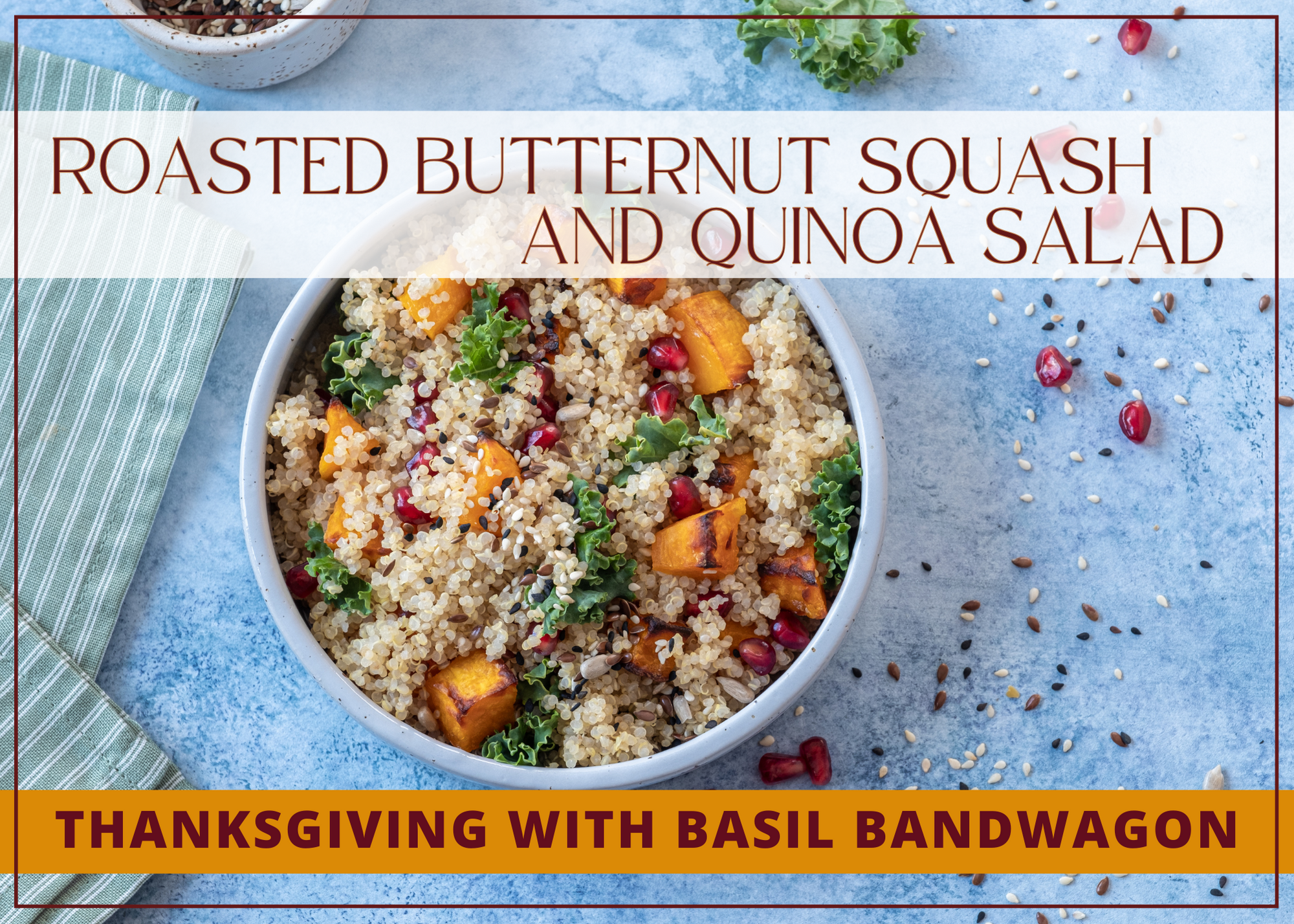
    As Thanksgiving approaches, it’s essential to have some healthier options on the menu. This Roasted Butternut Squash and Quinoa Salad is not only delicious but also packed with nutrients. It’s a perfect side dish to balance out the indulgent treats on your Thanksgiving table.


    Elisa Franco

    Roasted Butternut Squash and Quinoa Salad

    This Roasted Butternut Squash and Quinoa Salad is a delightful addition to your Thanksgiving spread. It's not only a treat for your taste buds but also a nourishing choice for your body. Enjoy this healthy, colorful dish as you celebrate gratitude and good food this Thanksgiving!
    Servings: 4

    Ingredients
      

    • 1 small butternut squash peeled and diced
    • 1 cup quinoa rinsed
    • 1 cup kale chopped
    • 2 cups vegetable broth
    • 1/2 cup pomegranate seeds
    • 1/4 cup fresh parsley chopped
    • 1/4 cup pecans chopped
    • 2 tbsp olive oil
    • salt and pepper to taste

    Method
     

    1. Preheat your oven to 400°F.
    2. Toss the diced butternut squash with olive oil, salt, and pepper. Roast in the oven for 25-30 minutes or until tender and slightly caramelized.
    3. While the squash is roasting, rinse the quinoa thoroughly and cook it in vegetable broth according to package instructions.
    4. Once the quinoa and butternut squash are ready, combine them in a large bowl.
    5. Add pomegranate seeds, chopped parsley, chopped kale and chopped pecans. Mix well.
    6. Season with salt and pepper to taste.
    7. Serve warm or at room temperature.

  • Gluten Free Banana Bread with Oats

    Gluten Free Banana Bread with Oats


    Gluten Free Banana Bread with Oats

    Are you looking for a delicious and wholesome twist on classic banana bread?

    You’re in for a treat! This recipe combines the comforting flavor of ripe bananas with the heartiness of oats, making it a perfect breakfast or snack option.

    Plus, it’s gluten-free without the need for any specialty flour. Let’s dive into making this delectable oat-based banana bread.


    Elisa Franco

    Gluten Free Banana Bread with Oats

    A delicious and gluten-free banana bread recipe made with hearty oats!
    Servings: 6

    Ingredients
      

    • 3 ripe bananas mashed
    • 1/3 cup melted butter or a dairy-free alternative
    • 1 tsp baking soda
    • 1 tsp baking powder
    • Pinch of salt
    • 1/2 cup coconut sugar or sweetener of choice
    • 1 large egg beaten
    • 1 tsp vanilla extract
    • 1.5 cups old-fashioned rolled oats
    • 1 tsp ground cinnamon
    • 1/2 tsp ground cardamom
    • 1/2 cup chopped nuts optional
    • 1/2 cup chocolate chips optional

    Method
     

    1. Preheat Your Oven: Start by preheating your oven to 350°F. Grease a 4×8 inch loaf pan or line it with parchment paper.
    2. Prepare the Bananas: In a mixing bowl, mash the ripe bananas with a fork until they form a smooth puree.
    3. Combine Wet Ingredients: Stir the melted butter into the mashed bananas. Then, add the baking soda, and a pinch of salt. Mix well.
    4. Sweeten It Up: Add the coconut sugar to the banana mixture, followed by the beaten egg and vanilla extract. Stir until all the ingredients are thoroughly combined.
    5. Oats and More: In a separate bowl, combine the old-fashioned rolled oats, baking powder, and ground cinnamon.
    6. Mix Everything Together: Gradually add the dry oat mixture to the banana mixture, stirring until just incorporated. Be careful not to overmix; simply combine until there are no visible streaks of dry ingredients.
    7. Optional Add-Ins: If you desire extra texture and flavor, fold in the chopped nuts or chocolate chips.
    8. Baking Time: Pour the batter into your prepared loaf pan.
    9. Bake to Perfection: Bake in the preheated oven for approximately 45-60 minutes. To check for doneness, insert a toothpick or cake tester into the center of the loaf; it should come out clean. Depending on your oven, start checking around 40 minutes.
    10. Cooling and Serving: Once done, remove your oat-based banana bread from the oven and let it cool in the pan for about 10 minutes. Afterward, transfer it to a wire rack to cool completely.

  • Reclaim the power of together

    Reclaim the power of together


    Reclaim the power of together

    Simple ways to build and nurture social connection

    Humans are wired for connection. So much so, in fact, that we tend to live longer and healthier lives when we have strong relationships with others. Here’s how to build and nurture social connection, reclaiming the powerful benefits of togetherness.

    Find everyday opportunities to model positive socialization
    Say hello to others on the street or open the door for the person behind you.
    Engage in active listening. Put away your phone, avoid interrupting, and give your full attention to the speaker (including when that speaker is a child!).
    Emphasize quality over quantity. Reflect on how appreciative you were for a close friend who dropped by for a visit (versus how many likes your most recent post got on Instagram).

    Help your kids if they struggle with social anxiety
    Work together to uncover the situations (going to a sleepover), thoughts (“Everybody will laugh at me if I say something wrong”), and physical sensations (stomach butterflies or racing heart) that accompany anxiety.
    Learn coping strategies. Practise mindfulness and relaxation strategies to help your child “ride out” the physical sensations of anxiety. Strategize ways in which your child could cope if their “worst case scenario” happened, focusing on the things they can control (“If you said something embarrassing, what could you do next?”).
    Balance thinking. Help your child evaluate how realistic their thoughts are (“Will everyone really laugh at you if you make a mistake, or does it just feel that way?”).


    Choose more green, less screen
    Once a day, spend at least 20 minutes unplugged outside (such as playing in the backyard or taking a walk around the block).
    Once a week, plan a nature-based family activity (such as a picnic in the park, hiking a nature trail, or digging a garden patch).
    Ditch the guilt. It’s the last thing busy parents need. Instead of ruminating on the extra TV time your kids had today, focus on the half-hour you spent watering the flowers together outside.
    Use screens when needed. As anyone who’s been separated from loved ones knows, FaceTime can be a meaningful way to keep in touch. Where possible, socializing virtually should enhance—not replace—in-person connection.


    By Dr. Amy Green, R.Psych

    Content courtesy of Alive Magazine