Tag: Alive

  • 3 heart-healthy dishes

    3 heart-healthy dishes

    3 heart-healthy dishes

    Meals you’ll love for the month of love

    This assortment of healthy and beautiful dishes covers diverse dietary preferences so that no one is left out—a true display of love. The passion behind these recipes will surely leave you falling head over heels!

    Smoked Salmon Carpaccio

    This beautiful starter speaks to one’s heart. With a solid dose of salmon and a stunning array of little vegetables, it’s a delicious dish for Valentine’s Day.
    Servings: 6

    Ingredients
      

    Silky pea puree
    • 2 cups frozen peas thawed
    • ¼ cup low-sodium vegetable stock
    • 1 tablespoon lemon juice
    • ¼ cup chopped Italian parsley
    • 1 tablespoon chopped fresh chives
    • 1 tablespoon unsalted butter softened
    • teaspoon salt
    • teaspoon ground pepper
    Smoked salmon carpaccio
    • ¼ pound thick asparagus spears about 6
    • 2 small green zucchinis or cucumbers
    • 1 8 ounce package cold-smoked sliced salmon
    • ½ cup frozen peas thawed, for garnish
    • 1 tablespoon capers drained and rinsed, for garnish
    • Fresh dill, lemon zest, and pea tendrils for garnish

    Method
     

    1. In high-speed blender, add pea puree ingredients. Pulse mixture until blended, scraping down sides of blender with a spatula. Continue to blend until a smooth puree is formed. It needs to be thick enough to hold its shape when dolloped or smeared onto serving plates. To ensure silky-smooth finish, press pea puree through a sieve into a bowl. Add more seasonings, to taste, if you wish.
    2. Trim stems of asparagus spears. Using vegetable peeler, shave spears into long strips. Set aside. Shave unpeeled zucchini or cucumbers into long strips.
    3. Artfully arrange 2 or 3 pieces of smoked salmon shaped into rosettes onto each of 8 individual salad serving plates. Intersperse with shavings of asparagus and curls of zucchini or cucumber. Stud plates with a few peas and some capers. Dollop with pea puree and garnish with dill and pea tendrils.

    Notes

    Each serving contains: 98 calories; 9 g protein; 3 g fat (1 g sat. fat); 10 g total carbohydrates (4 g sugar, 4 g fiber); 658 mg sodium

    Middle Eastern Kebabs with Couscous and Roasted Red Pepper Sauce

    A bit of West meets East with buffalo and coconut flavors married with red peppers in this dish. Served over couscous, it’s a world of deliciousness in a single healthy dish.
    Servings: 4

    Ingredients
      

    Kebabs
    • ¼ cup coconut sauce, coconut aminos, or low-sodium tamari sauce
    • 3 tablespoons apple cider vinegar
    • 3 tablespoons olive oil
    • 1 garlic clove peeled, smashed, and minced
    • ¼ teaspoon salt
    • teaspoon cayenne pepper
    • 1 pound sirloin tip water buffalo, bison, or beef cut into 1 inch cubes
    • 1 red onion cut into 1 inch cubes
    • 1 yellow bell pepper seeded and cut into 1 inch pieces
    Pearl couscous
    • 1 tablespoon olive oil
    • 1 cup Israeli (also known as pearl) couscous
    • 1 ½ cups low-sodium vegetable stock
    • ¼ cup chopped Italian parsley
    Roasted red pepper coconut cream sauce
    • 1 12 ounce jar roasted red bell peppers drained
    • ½ cup coconut cream
    • ¼ cup low-sodium vegetable stock
    • 2 tablespoons tomato paste
    • 1 teaspoon maple syrup
    • 1 garlic clove peeled, smashed, and minced
    • ½ teaspoon cinnamon
    • teaspoon salt
    • Generous pinches of ground black pepper, allspice, and nutmeg
    • Toasted coconut flakes for garnish (optional)
    • Baby nasturtium for garnish (optional)

    Method
     

    1.  In bowl, combine coconut sauce, aminos, or tamari, with vinegar, olive oil, garlic, salt, and cayenne. Whisk together to blend. Add cubes of meat and stir in until evenly coated. Cover and refrigerate for 8 hours or overnight. Stir occasionally. The longer it marinates, the more tender the meat becomes.
    2. In medium saucepan, heat oil. Add couscous and stir with wooden spoon over medium heat until it becomes toasty and golden, about 2 minutes. Slowly add vegetable stock to prevent it from sputtering. Turn heat to low. Cover and cook for about 12 to 14 minutes or until couscous is tender and stock is absorbed. Remove from heat and stir in parsley.
    3. To blender, add roasted pepper, coconut cream, vegetable stock, tomato paste, maple syrup, garlic, and seasonings. Whirl until smooth. Transfer to small saucepan and cook over medium heat until bubbly, about 5 minutes. Cover, set aside, and keep warm.
    4. Drain marinade from meat and discard. Bring meat to room temperature before grilling, about 45 minutes. If using bamboo or wooden skewers, soak in water for at least 45 minutes before using. Grease barbecue grill and preheat to 400°F.
    5. Thread drained cubed meat, onion, and yellow pepper among 4 metal or soaked bamboo skewers. Place skewers on grill. Grill covered, for 5 to 7 minutes for medium rare, or 145°F when tested with a meat thermometer. Turn skewers once. Grill a minute or 2 longer for medium 160°F doneness. Remove and cover loosely with a tent of parchment for kebabs to rest for a few minutes.
    6. To serve, add couscous onto plate. Straddle kebabs overtop and spoon warm roasted red pepper sauce overtop. Garnish with toasted flaked coconut and baby nasturtiums, if you wish.

    Notes

    Each serving contains: 576 calories; 43 g protein; 23 g fat (10 g sat. fat); 51 g total carbohydrates (8 g sugar, 6 g fiber); 361 mg sodium

    Mousse au Chocolat

    Mousse—a perfect ending to a delicious meal, yet so much more. Our mousse can stand alone as a decadent treat served anytime of day. It’s made from the creamiest soy in combination with dark chocolate and espresso for an added kick.
    Servings: 6

    Ingredients
      

    • 1 10.5 oz package soft plain tofu brought to room temperature
    • 3 tablespoons maple syrup
    • 1 tablespoon chia seeds
    • 1 teaspoon espresso instant coffee powder
    • ½ teaspoon cinnamon
    • 1 5.5 oz dark chocolate bar, 70% cocoa
    • Flaked salt optional
    • Sweetened plain yogurt, shaved dark chocolate, raspberries for garnish (optional)

    Method
     

    1. Drain tofu and place in high-speed blender or food processor. Add maple syrup, chia seeds, coffee powder, and cinnamon. Blend until smooth. While mixture rests, melt chocolate in saucepan over medium-low heat or in microwave, stirring until smooth and fully melted. Cool slightly.
    2. In blender with creamy tofu, turn motor to low and gradually drizzle in melted chocolate until fully blended and creamy. Spoon or pipe into 6 – 4 oz ramekins. Top each with a pinch of flaked salt if you wish. Place ramekins on tray, cover securely, and slide into refrigerator to chill.
    3. When ready to serve, drop a dollop of sweetened plain yogurt on top with shavings of grated chocolate and a couple of raspberries for garnish, if you wish.

    Notes

    Each serving contains: 158 calories; 6 g protein; 8 g fat (4 g sat. fat); 18 g total carbohydrates (15 g sugar, 2 g fiber); 20 mg sodium

    By Irene McGuinness

    Article Courtesy of Alive Magazine

  • Get to the heart of circulation

    Get to the heart of circulation

    Get to the heart of circulation

    Healthy blood flow, explained

    The circulatory system is a closed loop that starts and ends with the heart. While that sounds simple enough, it’s actually a highly intricate network composed of approximately 60,000 miles of blood vessels.

    The purpose of circulation

    The body’s muscles, tissues, and organs require a continuous replenishment of oxygen, nutrients, and hormones to maintain their physiologic functions. These materials are packaged in the blood and pumped by the heart to the target tissues via blood vessels.

    Once these goods are delivered to the muscles, tissues, and organs, the blood collects waste products, such as carbon dioxide, to be eliminated from the body.

    Anatomy

    Arteries are strong, muscular blood vessels which carry oxygen-rich blood away from the heart (except for the pulmonary arteries, which carry oxygen-poor blood from the heart to the lungs).

    Capillaries  are tiny, thin-walled blood vessels responsible for the delivery of oxygen, nutrients, and hormones to the tissues, as well as the collection of carbon dioxide and waste products.

    Veins are vessels responsible for returning deoxygenated blood to the heart. Veins operate with a system of valves to ensure blood moves in one direction.

    Live circuit

    Imagine the blood vessel network as a tree. A tree’s trunk branches off into a couple large branches, which continue to divide into smaller, more numerous twigs.

    In a similar way, the left side of the heart pumps oxygen-rich blood through the aorta, which then branches off into large arteries going to different places in the body. Arteries divide into smaller arterioles as they get closer to their destination, and then end in tiny capillaries which perfuse the target tissues with blood.

    Capillaries have thin walls, which allows for the delivery of oxygen, nutrients, and hormones from the blood to the tissues, as well as the collection of carbon dioxide and waste products.

    The capillaries also begin the process of returning oxygen-poor blood to the heart. Capillaries merge into venules, which eventually converge to form larger veins. Veins deliver deoxygenated blood to the heart.

    The right side of the heart then pumps this blood to the lungs to release carbon dioxide and reoxygenate the blood via respiration. The pulmonary veins return oxygenated blood to the heart so that the circuit can begin again.

    The heart of the matter

    The heart is the key player in the circulatory system. This hollow, muscular organ is responsible for maintaining strong, rhythmic contractions that pump blood into the arteries and maintain blood pressure.

    A healthy circulatory system depends upon the proper functioning of the heart itself, comprising its electrical conduction, valve system, as well as its own blood perfusion.

    Problems may arise if the heart’s electrical signaling becomes dysregulated (e.g., arrhythmia), its valves become leaky and allow for backward blood flow (e.g., valvular insufficiency), or if the heart muscles are poorly perfused with blood (e.g., coronary artery disease).

    Poor circulation

    Circulation is compromised if there is an obstacle to delivering blood to the tissues. This obstacle might arise anywhere in the circulatory system (e.g., plaque in the coronary artery, embolism in the lungs, valve dysfunction in the veins).

    Although the extremities are commonly affected, poor circulation can present with myriad signs and symptoms all over the body. The symptom presentation depends on the tissues being affected by the lack of oxygen.

    Bear in mind that poor circulation isn’t a disease in itself but a result of an underlying condition. Share your concerns with your healthcare provider so that you receive a thorough assessment and appropriate treatment.

    Symptoms of poor circulation include

    • cold extremities
    • numbness
    • tingling
    • muscular weakness or pain while walking
    • pale or blue skin
    • swelling
    • bulging veins

    Common causes of poor circulation include

    • diabetes
    • obesity
    • smoking
    • hypertension
    • atherosclerosis
    • peripheral artery disease
    • varicose veins
    • Raynaud’s disease
    • deep vein thrombosis

    Circulation-supporting supplements

    • Curcumin
    • Ginger
    • Chinese patent medicines
    • Ginkgo biloba
    • Hawthorn
    • L-arginine

    Always check with your health care practitioner before trying a new supplement, to make sure it’s right for you.

    By Dr. Cassie Irwin, ND

    Article Courtesy of Alive Magazine

  • What is VILPA …

    What is VILPA …

    What is VILPA …

    … and why should you consider adding it to your life?

    In 2020 the World Health Organization’s global Guidelines on Physical Activity and Sedentary Behaviour acknowledged that “all activity counts” and removed the stipulation that activity should be accumulated in 10-minute bouts.

    VILPA, short for vigorous intermittent lifestyle physical activity, describes a way of thinking about movement that can be used to promote daily activity in those who don’t exercise routinely.

    Taking the stairs instead of the elevator, carrying groceries, vacuuming and washing floors, or playing with the kids are just some of the activities that could be considered VILPA. Just put a little more oomph into your activity to raise your heart rate for a minute or so and those chores turn into VILPA gold.

    It’s a viable alternative for those who are short on time or making their way back from being more sedentary to more active.

    “VILPA can work for most adults, and it’s especially useful for those who are sedentary and for people who don’t have a structured exercise routine,” says Jamie Hardy, a functional movement specialist.

    Movement as catalyst for better health

    In our history, humans have been active as a means to survival. In our modern lifestyles, it’s easy to settle on the sofa and order dinner with a touch of a button or a voice command. The problem is, though, all that sedentary living is bad for our health.

    If you happen to be stuck in a sedentary pattern, VILPA can help, and “you can add yet another beneficial layer to it,” says Hardy, “by adding a type of functional weight-bearing exercise when possible, such as squatting and carrying groceries up the stairs.”

    Long-term benefits

    Up to five minutes of VILPA daily (three bouts of one or two minutes peppered throughout the day) can reduce the risk of certain cancers (especially breast, endometrial, and colon cancer) by up to 40 percent. Also, the risk of cardiovascular disease following consistent VILPA is reduced by half.

    Short bouts of exercise that do not require extra time set aside might just be one solution, as long as they’re done regularly. “VILPA can help improve cardiovascular fitness over a few weeks of doing it consistently, and the advantage is that it’s accessible to most people and it can be done anywhere,” says Hardy.

    VILPA versus general movement recommendations

    It may sound like a few minutes of vigorous physical activity can replace the general weekly recommendations (at least 150 minutes of moderate to intense aerobic activity and at least two sessions of strength training) but that’s not the case.

    “VILPA … is less beneficial for achieving fitness goals that are usually linked to a consistent strength routine, for example,” says Hardy.

    However, considering that six weeks of short bursts of intermittent stair climbing led to an improvement in cardiorespiratory fitness levels of sedentary women in a recent scientific study, there is but one question to ask: why not?

    By Daniela Ginta, MSc, NNCP

    Article Courtesy of Alive Magazine

  • A new vitamin D discovery

    A new vitamin D discovery

    A new vitamin D discovery

    The sunshine vitamin and our cardiovascular health

    The celebrated “sunshine vitamin,” otherwise known as vitamin D, is commonly praised for its ability to support overall bone strength and immune function, but emerging research also continues to illuminate its benefits related to heart health.

    “Traditionally, [vitamin D] is known as something that’s good for the bones, because it helps improve calcium absorption in the bloodstream,” explains Laura Brass, ND. “But it’s been discovered over the years to benefit almost every system in the body—from the immune system to the cardiovascular system.”

     The power of vitamin D

    This powerhouse vitamin has many essential roles in the body. One of its long-hailed benefits is supporting calcium absorption in the gut for optimal bone health. It also promotes overall muscle strength and repair, and our immune system depends on the nutrient to ward off unwelcome bacteria and viruses.

    Recent research also indicates its potential impact on reducing major cardiovascular events among older adults, such as heart failure and hypertension, and suggests a deficiency in vitamin D could raise the risk factor for these diseases.

    “Vitamin D is known to help from an arterial perspective,” says Caitlyn Keates, ND. “It helps the blood vessel lining and blood to flow more freely through that lining, thereby reducing a lot of the inflammation that’s within the arterial wall of the heart.”

    While research is still emerging, and the connection between vitamin D and heart health is not yet conclusive, Brass says it’s about looking at the nutrient’s significance more holistically.

    “D” for deficient

    Vitamin D deficiency has been identified as a public health problem around the globe.  “When we see patients in practice, I’d say nine times out of 10, we see some sort of deficiency in vitamin D in their bloodwork,” explains Keates.

    While our body synthesizes vitamin D when our skin is exposed to sunlight, sunscreen (an obvious skincare essential) can hinder absorption by as much as 90 percent. Other factors such as age can also lessen the amount of the vitamin our skin absorbs. A person in their eighties, for instance, will produce about half as much vitamin D compared to someone in their twenties.

    Few foods naturally contain the nutrient. Some of the best whole food sources include fatty fish like salmon and trout, fish liver oils, and egg yolks.

    Supplementation

    Since adequate vitamin D levels are difficult to obtain from sun exposure and food sources alone, a supplement is often recommended by health professionals.

    Brass encourages people to prioritize a supplement containing vitamin D3 (versus D2) which has been shown to be a more effective form of the nutrient.

    Keates says the correct daily dosage will fluctuate for each person, and will depend on factors such as age, weight, and level of deficiency (which requires a blood test to determine). Your health care practitioner can help guide you in the right direction.

    By Brittany Devenyi

    Article Courtesy of Alive Magazine

  • Supporting your body’s detox processes

    Supporting your body’s detox processes

    Supporting your body’s detox processes

    The basics and beyond

    Daily living exposes us and our environment to an increasing number of foreign chemicals and byproducts, often called xenobiotics. But our body is equipped with a complex system of detoxification processes that work to expel these foreign substances. Supporting this amazing system is key to good health.

    What are xenobiotics?

    The term xenobiotics includes a number of substances that are foreign to animal biological systems, such as drugs and pollutants.

    Many xenobiotics have been linked to negative health effects, including hormone-disrupting effects (xenoestrogens), neurological and immunological effects (heavy metals), and carcinogenic effects (alcohol, tobacco, nitrates, pesticides, and heterocyclic aromatic amines from charred food).

    Detoxification phases

    In addition to reducing potential exposures, detoxification involves enhancing the safe elimination of these products through the body’s internal systems of biotransformation. The detoxification pathway is divided into two main steps, phase I detoxification and phase II detoxification.

    Factors influencing detox

    When our detox and biotransformation processes don’t function optimally, it may be due to genetic factors, environmental overload, and/or nutrient deficiencies.

    A healthy diet, of course, influences beneficial effects on our body’s detoxification functions. A whole foods diet that includes a rich variety of fruits and vegetables, whole grains, and healthy proteins contains many phytonutrients and amino acids that enhance phase II enzyme activity. Research continues to uncover the complexities of specific food-derived components to the complex processes of biotransformation.

    Detox programs

    Fad detox programs beyond count have been popularized over the years. Unfortunately, many of these are unlikely to achieve long-term benefits. Given the pervasive ongoing nature of xenobiotic exposure in our world, a more consistent, comprehensive, and sustainable approach to detoxification is best.

    There’s a long tradition of spring cleanses or fasting periods in many cultures. This speaks to the wisdom of enforcing periods of time dedicated to cleaning up one’s diet and lifestyle. Additionally, it may be necessary at times to adopt ongoing changes to sustain long-term health improvement, particularly when it comes to nutritional strategies.

    According to Dr. Philip Rouchotas, ND, in general, components of a successful detox program should include the following elements.

    Clean diet

    Eliminate highly processed foods, sugars, alcohol, and excess caffeine; emphasize green vegetables and sufficient water intake. Check for food intolerances.

    Regular bowel function

    Diet and supplements such as probiotics, bitter herbs, or magnesium can help with this.

    Exercise

    Regular physical activity promotes mobilization of stored toxins from fat and the lymphatic system (a circulatory system made up of lymph vessels that includes the tonsils, spleen, lymph nodes, and lymph vessels).

    Natural detox support

    Always check with your primary care practitioner before trying a new supplement. Some commonly utilized natural health products include:

    • Sulphoraphane
    • Green tea
    • Indole-3-carbinol (I3C)
    • Curcumin
    • N-acetylcysteine (NAC)

    By Dr. Heidi Fritz, MA, ND

    Article Courtesy of Alive Magazine
  • Give yourself a life detox!

    Give yourself a life detox!

    Give yourself a life detox!

    Follow through on your healthy living goals

    A healthy lifestyle is an accumulation of small actions that add up to vitality and longevity. Sometimes we know what changes we need to make in our lives but have a hard time getting around to doing them. And sometimes we know we need changes but aren’t clear about what to do. These tips from a professional psychotherapist will help you clarify goals, stop procrastinating, and start thriving.

    Step 1: Specify your goals

    “You can’t heal what you don’t acknowledge,” says Elenora Molnar, master therapeutic counselor.

    Step 2: Reflect on the goal

    It’s helpful to understand why you developed the unhealthy habit in the first place, so you can replace it with a healthier habit that fulfills the same need, says Molnar. If your mornings are hectic because you look at your phone for an hour before getting out of bed, it may be because you want to delay the start of the day without having to think or problem-solve.

    “Make a plan to start off your day without looking at your phone for one hour,” suggests Molnar. Instead of looking at social media, replace that time with a quick yoga video or walk around the neighbourhood. This gets your body active, while also letting your mind rest and gear up for the day.

    You may want to try a digital detox. Set some firm boundaries around screen time, consider deleting certain apps from your phone, or take a break from social media for a designated amount of time.

    Replace a bad habit with a good one

    “Start overriding your bad habits with new routines,” suggests Molnar. For example, if you want to start jogging, overwrite being sedentary in the evening by taking an easy jog at the same time you would usually be sitting down.

    If you’re trying to stop eating junk food at night, instead of turning on the TV, work on a puzzle, read a book, or do any activity that you don’t associate with snacking. Start with small steps that slowly become your new habits.

    Be flexible

    It’s great to have ambitious goals, but if you’re unrealistic at the beginning, you’ll have trouble meeting them. This can cause you to give up completely. “It’s great to have goals, but give yourself permission to say that goals can change. Always have a plan, but know you can change your plan,” says Molnar.

    Step 3: Find a support group

    Experts say that one of the surest ways to keep with your physical or mental health goals is to find a support group of likeminded people looking to accomplish similar goals.

    Explains Molnar, “When you’re in a group where everyone is focused on the same thing, it’s really powerful because you can be compassionately witnessed by those people. I’m thinking of therapy, but it doesn’t necessarily have to be therapy. It could be a running group or a gardening group.”

    By Stephanie MacDonald

    Article Courtesy of Alive Magazine
  • Set yourself up for success

    Set yourself up for success

    Set yourself up for success

    How to make better New Year’s resolutions

    Is resolution-setting a thing of the past? No way. Don’t give up on setting New Year’s resolutions. But this year, do it the right way!

    Push goals

    “Push goals are the ones you have to push yourself to do; for example, going to the gym after work,” says Kira Lynne, a life coach and registered professional counselor. You do it one day, or a few, but consistency may drop. That is true especially when you start from being entirely sedentary.

    Pull goals

    “Pull goals, on the other hand, pertain to activities you enjoy doing (dance class, yoga in the park, walks with a friend), which makes it easier to stick to your plan, because you love the activity and look forward to it,” says Lynne.

    But before you get started

    Do you drink enough water? Do you get enough quality sleep? Is your food intake adequate for your needs, no matter what life stage you’re in?

    Certain nutritional deficiencies or lifestyle habits can affect our energy levels, which undermine our progress and get in the way of the most carefully set resolutions.

    If it feels like a lot, there’s good news: good habits “stick” to one another. Better sleep enables healthier eating habits, improved energy levels, and a happier mood too.

    Failure comes with nuances

    Inspirational stories can fire us up. We get a routine going, but then life happens, and we don’t show up for a whole week, or two months. Cue shame and feelings of inadequacy.

    But there’s another way to look at it. “It is okay to fall off the wagon, and it’s not a sign of not putting enough effort or not being good enough,” says Lynne. “It’s important to know that when we want to make a change, it’s not [always] smooth sailing.” The opportunity to restart is always there!

    Small steps for long-term goals

    Break up a goal into doable steps. You were hoping for a half-hour jog, but you only have 10 minutes. Do it anyway, mark it as a win, and keep your big running dream alive. A challenging resolution can have a better chance of succeeding than settling for an easy one, because it pushes us to find ways to accomplish it.

    Keeping track of things

    Having an accountability partner is a great way to keep ourselves going, but, says Lynne, “rather than having that someone berate you for not keeping up, think of them as someone to have fun with.”

    If you’re better on your own, go right ahead, but have a reward system in place. “Whenever you fit activity into your day, make a checkmark on the calendar using different colors for different activities, or different colored beads that would go in jars,” suggests Lynne.

    When you reach a certain number of checkmarks or beads, reward yourself with something you like. It makes things fun while also creating positive brain conditioning.

    By Daniela Ginta, MSc, NNCP

    Article Courtesy of Alive Magazine
  • Frosted in white

    Frosted in white

    Frosted in white

    Delicious (and nutritious!) white foods

    There’s no need to shy away from white foods. Not only are many white foods nutritional powerhouses but they are also widely available.

    These five recipes are full of vital nutrients, versatile in their presentation, delicious, and easily accessible in wintertime. They will help you rediscover white foods in ways that are familiar and, hopefully, in ways you may not have considered before.

    Whipped Ricotta Tartines with Mushrooms and Leeks

    These scrumptious and versatile tartines make an excellent snack, lunch, or breakfast. Protein- and calcium-rich, creamy ricotta is whipped up with honey and flavored with parsley and red pepper flakes.
    Servings: 6

    Ingredients
      

    • 1 cup ricotta
    • 1 tablespoon + 1 tsp honey divided
    • 1 tablespoon chopped parsley
    • Zest of 1 lemon
    • 1 tablespoon fresh lemon juice
    • ¼ teaspoon dried red pepper flakes optional
    • 2 tablespoons olive oil divided
    • 4 ounces white button mushrooms cleaned and quartered
    • 1 teaspoon low-sodium soy sauce
    • 1 small leek (about 4 oz) cut into ¼ inch round slices
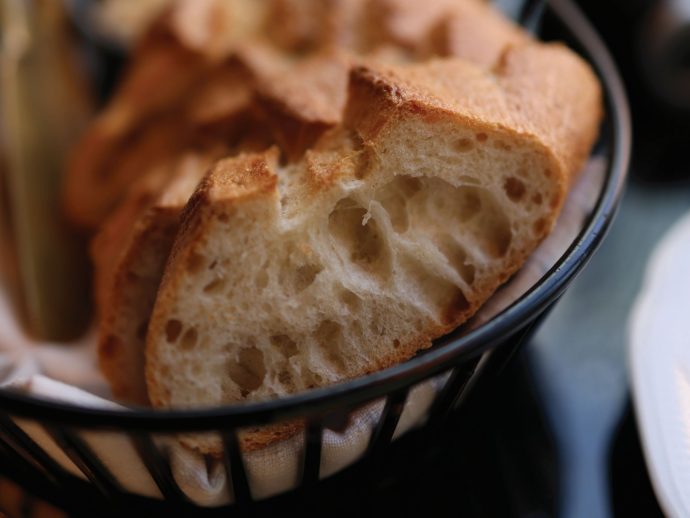
    • 6 slices of sourdough baguette

    Method
     

    1. In small bowl, combine ricotta, 1 Tbsp honey, parsley, lemon zest and juice, and red pepper flakes (if using). Whip ricotta by hand using whisk or with electric mixer for about 2 minutes, until ricotta is light and creamy. Set aside.
    2. In skillet, heat 1 Tbsp olive oil on medium-high heat. Add mushrooms and cook until brown on all sides, stirring only very occasionally. Add soy sauce to deglaze pan; tip mushrooms onto plate and set aside.
    3. In the same skillet, heat remaining 1 Tbsp olive oil on medium heat. Add leek slices and cook carefully for 1 to 2 minutes each side, turning with palette knife or cake spatula, until tender and browned. Remove from heat.
    4. Spread ricotta onto baguette slices and top with mushrooms and 2 or 3 leek slices. Drizzle tartines with remaining 1 tsp honey and serve.

    Notes

    Each serving contains: 218 calories; 9 g protein; 9 g total fat (3 g sat. fat); 27 g total carbohydrates (6 g sugars, 1 g fiber); 294 mg sodium

    White Bean and Sweet Potato Tostadas

    The versatility of white beans shines through in this dish, which employs them in two different ways: simmered and then roasted until crispy. The beans crown luscious sweet potato, flavored with sage and thyme, heaped high on crispy tortillas.
    Servings: 4

    Ingredients
      

    • 2 large sweet potatoes about 2 lbs total
    • 1 tablespoon + 8 teaspoons olive oil divided
    • ¾ teaspoon salt divided
    • ½ teaspoon pepper divided
    • 1 tablespoon fresh thyme leaves + 1 thyme sprig
    • 2 teaspoons chopped fresh sage + 2 whole leaves
    • 1 14-oz can no-added-salt cannellini beans
    • 1 bay leaf
    • ½ teaspoon smoked spicy Spanish paprika
    • ¼ teaspoon garlic powder
    • 8 corn tortillas

    Method
     

    1. Preheat oven to 400°F.
    2. Wash and trim sweet potatoes, leaving peel on. Cut each down the middle lengthwise and rub all over with 1 Tbsp olive oil. Place on baking sheet, cut side up, and sprinkle with 1/4 tsp salt, 1/4 tsp pepper, thyme leaves, and chopped sage. Bake in preheated oven for 50 minutes, turning them to face down halfway through cooking time.
    3. Meanwhile, drain and rinse beans and set 1/2 cup aside to dry in single layer on kitchen towel-lined plate. In small saucepan, place remaining beans with bay leaf, thyme sprig, and sage leaves and add enough cold water to just cover. Heat on medium-low for about 10 to 15 minutes, until warmed through. Time the start so they are ready just as sweet potatoes are finishing in the oven, and keep warm in the hot water, adding 1/4 tsp salt. Pat reserved beans with kitchen towel and season with spicy paprika and garlic powder.
    4. Remove sweet potatoes from oven, remove their skins, and place flesh in large bowl. Toss reserved beans on the same baking sheet, coating them in the remaining oil and herbs. Return baking sheet to oven and bake beans for 15 minutes, until crispy, stirring occasionally.
    5. Brush each tortilla on both sides with 1 tsp olive oil and bake on baking sheets for 5 minutes, or until brown, turning halfway through.
    6. While tortillas are warming, with fork, mash sweet potatoes and cover to keep warm. Drain simmering beans.
    7. To assemble tostadas, divide mashed sweet potato among tortillas, add a few simmered beans, and top with spicy crispy beans. Season with 1/4 tsp salt and 1/4 tsp pepper.

    Notes

    Each serving contains: 373 calories; 12 g protein; 8 g total fat (1 g sat. fat); 66 g total carbohydrates (2 g sugars, 16 g fiber); 248 mg sodium

    Coconut Panna Cotta with Lemon Grass, Ginger, and Lime

    Fragrant lemon grass, ginger, and lime are time-honored companions for coconut. For best results, select coconut cream (not coconut milk) and look for one that is guar free and has a fat content of around 21 percent.
    Servings: 4

    Ingredients
      

    • 2 teaspoons gelatin
    • 1 lemon grass stalk
    • 2 inch piece of gingerroot cut into slices
    • 1 13.5 oz can coconut cream
    • ¼ cup honey or maple syrup
    • Zest of 1 lime
    • 1 teaspoon lime juice
    • 1 tablespoon vanilla extract
    • Pinch of salt
    • ¼ cup finely shredded unsweetened coconut

    Method
     

    1. Set aside 4 – 1/2 cup ramekins.
    2. Into glass liquid measuring jug, measure 1/4 cup water. Add gelatin to water and set aside to allow it to bloom.
    3. With rolling pin, bash lemon grass stalk to help release flavors, then add it to medium-sized saucepan with gingerroot, coconut cream, honey or syrup, lime zest, lime juice, vanilla, and salt. Heat on medium-high and bring cream to a boil. To fortify flavors, steep for 15 minutes before straining. Reduce heat and allow to simmer for 1 minute and then remove from the heat.
    4. Strain hot coconut cream liquid into bowl and discard aromatics. Now add small amount of liquid to the measuring jug containing the blooming gelatin and whisk rapidly until smooth. Pour in remaining coconut cream liquid and continue to whisk. Pour mixture from jug into 4 ramekins and refrigerate for 6 hours or overnight until firm.
    5. To serve, release panna cotta from molds by placing ramekins in baking dish with hot water for 30 seconds and then inverting on each of 4 plates. Sprinkle shredded coconut over panna cotta, and zest with additional lime before serving.

    Notes

    Each serving contains: 335 calories; 3 g protein; 27 g total fat (25 g sat. fat); 24 g total carbohydrates (20 g sugars, 2 g fiber); 55 mg sodium

    By Helena McMurdo

    Article Courtesy of Alive Magazine

  • How stress affects our bodies…

    How stress affects our bodies…

    How stress affects our bodies…

    …and what we can do about it

    We tend to think of stress as a bad thing, and that’s certainly fair considering how many chronic diseases and mental health issues are stress related. But we often fail to distinguish between sources of stress and the body’s response to those stressors. In doing so, we downplay our ability to change how we perceive life’s slings and arrows, thereby mitigating the effect of stress on our well-being.

    Understanding the body’s response to stressors and learning techniques to cope with stress are paramount for cultivating health now and minimizing the risk of stress-related disease in the years to come.

    How stress works

    The physiological stress response is triggered when we perceive there is a threat. The stress response, commonly referred to as the “fight-or-flight” response, is mediated by the sympathetic nervous system. Coming face-to-face with a lion, tiger, or bear triggers the adrenal glands to release neurotransmitters such as adrenalin and noradrenalin, as well as the hormone cortisol.

    For most of us, however, our stressors tend to look less like wild animals and more like rising inflation, work deadlines, and family responsibilities. While many of these stressors don’t pose a threat to our immediate survival, the body perceives them as a danger nonetheless, and launches the stress response to help us cope and perform.

    Coping mechanisms

    Acknowledging where you may be taking on unnecessary stressors may be helpful. “Many people with anxiety tend toward perfectionist thinking,” says Dr. Katie Thomson Aitken. This might present as feeling the need to maintain a spotless home at the expense of getting enough sleep, for instance. “This is the type of stressor that can be changed by internal work to challenge and reframe perfectionism.”

    When confronted by a stressor that feels massive, Thomson Aitken recommends reframing the problem by identifying what is within our control and what is not. “This type of thinking moves us from despair to hope,” says Thomson Aitken, “and can make a huge difference in how we experience a stressor.”

    Stress management

    Many people are aware of the benefits of meditation, deep breathing, and yoga for stress management. But oftentimes these practices are overwhelming for those who are new to them and are already feeling stressed.

    In this case, Thomson Aitken recommends getting back to basics by considering the foundations of health. Invest in your bedtime routine, nutrition habits, exercise regimen, mindfulness practice, and social connections. If that still feels like too much, choose one and watch what changes!

    You may benefit from outsourcing your stress management so that you can feel taken care of. Consider acupuncture or massage therapy to reduce stress and promote relaxation.

    Natural supports for stress

    Always chat with your health care practitioner before trying a new supplement to make sure it’s right for you. Supplements commonly used for stress include:

    • ashwagandha
    • L-theanine
    • magnesium
    • vitamin D and omega-3s
    • probiotics

    By Dr. Cassie Irwin, ND

    Article Courtesy of Alive Magazine

  • The renaissance of rest

    The renaissance of rest

    The renaissance of rest

    How to slow down

    When is the last time you truly rested? As the year draws to a close and a new one is set to begin, let’s recommit to rest.

    According to registered clinical counselor Laura Henderson, rest refers to the act of giving our bodies and minds a break from constant stimuli. “Our society’s ‘hustle culture’ doesn’t value rest,” Henderson explains, “but rest is essential to mental health.”

    Regular rest is thought to help us

    • heal our bodies
    • reduce stress and feel calmer
    • be more productive and more creative

    Types of rest

    According to author, physician, and researcher Dr. Saundra Dalton-Smith, people need seven types of rest to help recover from spending energy in seven key ways.

    Type of restExample
    physical resteither passive, such as sleeping, or active, such as massage therapy
    mental resttaking small breaks in your workday
    sensory resttaking breaks from screen time
    creative restexperiencing art or nature
    emotional restincludes everything from setting boundaries to expressing your emotions
    social restfocusing on relationships that lift you up
    spiritual restfinding belonging and purpose in your life

    Taking some time to contemplate each of these types of rest can help us uncover gaps and come up with an action plan. To start, it could be as simple as taking 10 minutes to savor a cup of tea every morning without any screens or distractions or committing to a daily after-dinner neighborhood stroll.

    Another example is to adopt the “walk, window, water” tactic at work, explains Henderson. That means taking a strategic break every hour or 90 minutes in which you get up and walk to a window, gaze far into the distance (preferably at something in nature, such as a tree), and have a sip of water. This can give our busy minds a moment to calm down.

    Your own personal recipe for rest

    It’s important to remember that our need for rest is highly individual. To find truly restful activities for you, Henderson suggests checking in with your body and how you’re feeling as you go through your day. For example, you might find baking meditative … or you might find it stressful.

    Our need for rest is also prone to change throughout our lives. If you’re a parent of young children, you may find that you crave some time alone or with your partner to recharge and reflect away from your kids. If you’re an introvert with a high-pressure career, you may find that you need extra rest after networking events.

    Proactive rest in the workplace

    Many progressive workplaces are embracing “proactive rest” to help increase productivity, reduce the risk of burnout, boost creativity and problem-solving skills, and improve employees’ quality of life.

    Within a workplace setting, proactive rest can look like the following.

    • encouraging active breaks throughout the day
    • advocating for work-life balance
    • enabling flexible working arrangements
    • providing resources for self-care and stress reduction
    • offering wellness programs

    By Leah Payne

    Article Courtesy of Alive Magazine