Tag: fall

  • Clear the air

    Clear the air

    Your indoor wellness toolkit for autumn

    With days getting shorter and kids back to school, autumn sees us spending more time inside. While we tend to focus on cold and flu prevention from cramped quarters during the fall, we don’t give enough attention to the quality of <indoor> air and its correlation with our health.

    Threat No. 1: Mould

    Found in: water-damaged walls, HVAC systems, basements, and poorly cleaned humidifiers.

    Impact on immunity: Mould disrupts immune function by dysregulating T and B immune cell activity, increasing baseline inflammation without infection, and breaking down immune tolerance.

    Mould exposure also disrupts barrier functions in places like the respiratory and digestive tracts, resulting in an inappropriate immune response.

    Health consequences: Indoor mould exposure and dampness are associated with an increased risk of developing asthma in young children, and increased asthma morbidity in adults already suffering from the condition. Exposure is associated with rhinitis, sinusitis, and irritable bowel disease.

    Mould exposure is also associated with the development and exacerbation of allergic and nonallergic chronic inflammatory diseases and autoimmune disorders.

    Remedy:

    • Keep indoor humidity between 35 and 50 percent, measured by hygrometer.
    • Use a dehumidifier in damp areas (basements, bathrooms).
    • Clean humidifiers daily/weekly and avoid them unless truly needed.
    • Address even minor leaks immediately—behind walls, under sinks, and around windows.
    • Consider professional inspection and testing.

    Threat No. 2:Nitrogen dioxide (NO2) and particulate matter (PM2.5)

    Found in: gas stoves, fireplaces, heaters, cooking oils, candles, and dust.

    Impact on immunity: Gas stoves release nitrogen dioxide (NO2) and fine particulate matter (PM2.5), which damage mucosal immunity, impair natural killer cell activity, increase airway permeability, and raise inflammatory cytokines (IL-6 and TNF-α).

    Health consequences: Inhaling particulate matter affects lung function and oxygen saturation, and is associated with an aggravation of symptoms of chronic obstructive pulmonary disease and childhood asthma.

    Remedy:

    • Always use an exhaust fan or open a window when cooking with gas.
    • Swap to electric or induction if renovating.
    • Minimize burning candles, incense, and indoor wood-burning stoves.
    • Use a HEPA- and activated-carbon air purifier near the kitchen or common areas.
    • Vacuum regularly with a HEPA-filtered vacuum.

    Threat No. 3: PFAS: Forever chemicals

    Found in: nonstick cookware, stain-resistant textiles, food packaging, cosmetics, and waterproof gear.

    Impact on immunity: These persistent chemicals accumulate in the body and suppress antibody production, interfere with vaccine response, and increase systemic inflammation.

    Health consequences: PFAS may affect the nervous system; alter the functioning of the liver, kidney, and thyroid; impact bodyweight and metabolism; and affect reproductive function.

    Remedy:

    • Replace nonstick pans with stainless steel, ceramic, or cast iron.
    • Say no to stain-resistant fabrics (like Scotchgard-treated couches and carpets).
    • Avoid fast-food packaging and microwave popcorn.
    • Use a reverse osmosis or activated carbon water filter certified to remove PFAS.

    By Cassie Irwin, ND

    Article Courtesy of Alive Magazine
  • Cozy fitness

    Cozy fitness

    How to stay active, energized, and healthy this fall

    When the air turns crisp and the sun sets before dinner, finding motivation for boot camps at dawn or punishing cardio can be difficult. Enter cozy fitness—a gentler, more intuitive way to exercise that works with the season, not against it. Think flexible, feel-good movement that boosts energy, lifts your mood, and supports your immune system.

    Move with the seasons

    Fall weather can be unpredictable, so your fitness routine should be flexible.

    Have an alternative indoor plan

    Having backup plans for any workouts that you might do outdoors or that require travel is important during the fall and winter; you never know what the weather will do. If you plan on running outdoors but it’s rainy or windy, it’s a good idea to have a replacement form of exercise you can do indoors so you don’t miss out on exercise.

    Grab the morning

    However, you should still try to get outdoors during the transition to darker and colder weather, especially in the morning. Getting morning sunlight can help with regulating your sleep, moods, and energy levels. Just a simple morning walk, or even some stretches on your deck in the light, is a great way to take advantage of this.

    Find your motivation

    Outdoor activities, such as trail running, forest hikes, and foraging walks, can get you moving in the fresh air while keeping your immune system strong. Add in the natural beauty of fall leaves and earthy scents, and you have a recipe for motivation. Tracking your steps or using a fitness watch can also help you stay aware of how much you’re moving, especially when you’re inside more often.

    Choose cozy, feel-good workouts

    Cozy fitness is all about low-impact movement that supports your mental and physical health:

    • yoga
    • Pilates
    • resistance bands
    • light free-weight training

    Try making your movement enjoyable by adding a little ambiance; some people like to turn the lights low and light a candle to make their environment even cozier.

    Include some cardio

    Engaging in cardiovascular exercise, especially brisk walking or light aerobic movement are key to increasing circulation and bringing more blood to the brain.

    Remember strength training

    A walking pad at home or a quick bodyweight routine can be just as effective as an intense gym session, especially when performed consistently. Consider strength training at least twice per week, even if you just perform some challenging bodyweight movements.

    Support your mood through movement

    Fall and winter bring not only more darkness but also more cases of seasonal affective disorder (SAD), a type of depression that occurs with the onset of shorter days. Fortunately, exercise can help, especially if you engage in an activity you enjoy doing.

    By Adam Meyer

    Article Courtesy of Alive Magazine
  • Cranberry Wild Rice Salad

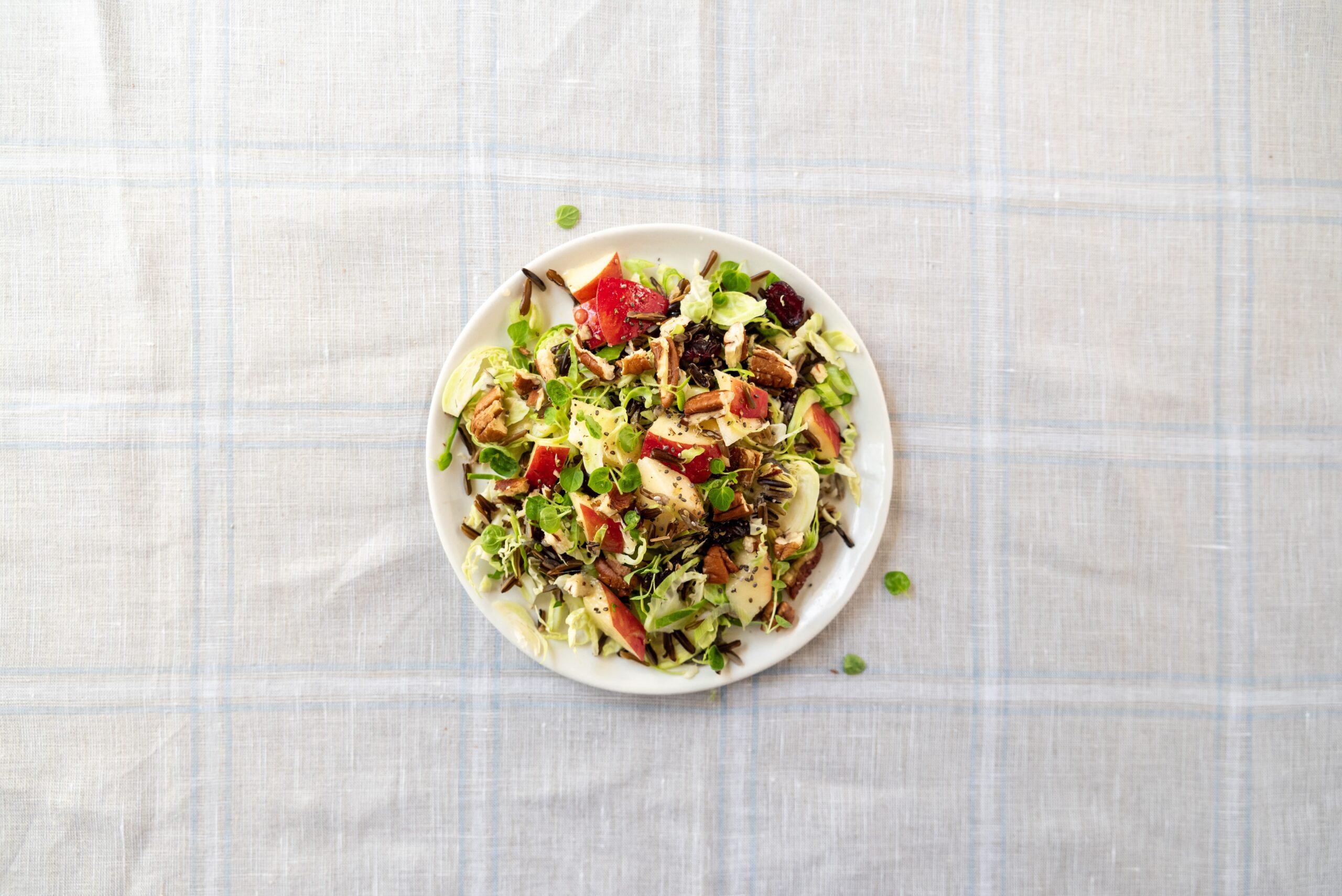
    Cranberry Wild Rice Salad

    Cranberry Wild Rice Salad

    Total Time 1 hour 10 minutes
    Servings: 4

    Ingredients
      

    • 2 cups wild rice
    • 8-12 cups water
    • Pinch of salt
    • 1 pound apples cored and chopped
    • ¾ pound Brussels sprouts trimmed and thinly sliced
    • 1 bunch scallions green and white parts thinly sliced
    • ½ cup dried cranberries
    • ½ cup toasted pecans roughly chopped
    • ½ cup avocado oil
    • ½ cup apple cider vinegar
    • ¼ cup honey or agave syrup
    • ¼ cup Dijon mustard
    • ½ teaspoon marjoram (optional)
    • ½ teaspoon sea salt

    Method
     

    1. Cook wild rice with water and salt in a pot, simmering for about 50 minutes or until tender. Drain any excess water and cool.
    2. Toss cooled wild rice with apples, scallions, Brussels sprouts, pecans, and cranberries.
    3. In a small bowl, whisk together avocado oil, vinegar, honey, mustard, marjoram, and salt until emulsified. Toss with salad and serve.

    Recipe Provided by INFRA

  • Pumpkin White Chocolate Snickerdoodle Cookies

    Pumpkin White Chocolate Snickerdoodle Cookies

    Pumpkin White Chocolate Snickerdoodle Cookies

    Cook Time 40 minutes
    Chilling Time 45 minutes

    Ingredients
      

    • 1 ⅔ cup plus all-purpose flour
    • 1 ½ teaspoons pumpkin pie spice
    • ½ teaspoon sea salt
    • ¼ teaspoon cream of tartar
    • ¼ teaspoon baking soda
    • teaspoon ground nutmeg
    • 4 ounces unsalted butter softened
    • ¾ cup light brown sugar
    • ¾ cup cane sugar divided
    • 1 large egg
    • cup reduced pumpkin puree*
    • 1 ½ teaspoons vanilla extract
    • ¾ cup white chocolate chips
    • 2 teaspoons ground cinnamon

    Method
     

    1. In a bowl, whisk together the dry ingredients and set aside.
    2. Cream together butter, brown sugar, and ¼ cup of cane sugar then beat in egg, reduced pumpkin puree, and vanilla extract.
    3. Stiry in dry ingredients until just combined then add white chocolate chips.
    4. Chill cookie dough for 45 minutes then portion dough with a #20 scoop (3 tablespoons).
    5. Combine remaining ½ cup of cane sugar with the cinnamon. Roll scooped dough into balls and coat in cinnamon sugar.
    6. Place 6 cookies per lined baking sheet and press down by half. Bake for 18-20 minutes at 350°F.
    7. To decorate, melt white chocolate in a bowl over barely simmered water then drizzle over cooled cookies. Enjoy!

    Notes

    Makes 12 cookies.
    *Cook canned pumpkin on low heat for 35 minutes, stirring frequently to remove access moisture, alternatively drain overnight in cheesecloth in the fridge. Measure pumpkin once it has been cooked or drained then proceed with recipe.
  • Fuss-free Thanksgiving dinner

    Fuss-free Thanksgiving dinner

    Fuss-free Thanksgiving dinner

    Less shopping, more savoring

    The solution for a simple, delicious Thanksgiving can often be found in what we already have. Look to the ingredients you have in your pantry, fridge, and freezer for all the inspiration you need to put together these recipes that will help you embrace a fuss-free Thanksgiving—all while keeping things nutritious and flavorful.

    Hasselback Sweet Potatoes with Pistachios and Pomegranate

    What would Thanksgiving be without sweet potatoes? These are done Hasselback style, avoiding tedious peeling and last-minute mashing.
    Servings: 12

    Ingredients
      

    • 6 sweet potatoes about 8 oz each
    • 3 tablespoons olive oil
    • 1 teaspoon maple syrup
    • ¼ teaspoon cumin
    • ¼ teaspoon cayenne
    • 1 teaspoon cinnamon divided
    • ¼ teaspoon black pepper
    • ½ teaspoon salt
    • ¼ cup Greek yogurt
    • ¼ cup pistachios
    • ¼ cup pomegranate seeds

    Method
     

    1. Preheat oven to 425°F.
    2. To cut each sweet potato Hasselback style, place a chopstick on either side of potato, parallel to the length of the potato, as a guide to prevent cutting all the way through. Make thin slices about 1/8 inch thick along the sweet potato, stopping as the knife reaches the chopsticks.
    3. Then cut each in half through a center slice so you have 2 pieces for each potato, for a total of 12 portions.
    4. In small bowl, combine olive oil, maple syrup, cumin, cayenne, 1/2 tsp cinnamon, and pepper. Brush mixture over each sweet potato, carefully brushing between slices, taking care not to break them. Arrange potatoes on baking tray or casserole dish and sprinkle with salt. Bake in preheated oven for 40 minutes.
    5. Combine yogurt with remaining 1/2 tsp cinnamon and set aside. Put pistachios in food processor to break them up into pea-sized crumbs.
    6. To serve, drizzle yogurt dressing over baked sweet potatoes and top with pistachios and pomegranate seeds.

    Notes

    Each serving contains: 361 calories; 6 g protein; 5 g total fat (1 g sat. fat); 79 g total carbohydrates (18 g sugars, 10 g fiber); 202 mg sodium

    Turkey Sausage Skillet with Mixed Vegetables and Spinach

    This is a simple and delicious way to enjoy turkey and all the fixings. Made with turkey sausage and frozen vegetables, this dish cooks up on the stovetop without any chopping but with plenty of flavor.
    Servings: 6

    Ingredients
      

    • 3 turkey sausages total weight about 10 oz
    • 10 oz bag of mixed frozen vegetables
    • ½ cup low-sodium chicken stock
    • 2 tablespoons dried sage
    • ½ teaspoon white pepper
    • 1 teaspoon nutmeg
    • 9 oz frozen chopped spinach

    Method
     

    1. Remove and discard sausage casings. With kitchen scissors, snip sausage into pieces approximately 1 inch thick.
    2. Heat large cast iron or nonstick skillet on medium-high heat. Add sausage and brown on all sides. Add mixed vegetables and chicken stock and stir to combine. Lower heat, cover, and cook on medium heat for about 1 minute. Season with spices, add spinach, replace cover, and cook for 4 to 5 minutes more, until spinach is warmed through.

    Notes

    Each serving contains: 122 calories; 11 g protein; 5 g total fat (2 g sat. fat); 10 g total carbohydrates (3 g sugars, 3 g fiber); 363 mg sodium

    Cranberry Almond Pilaf-Style Barley

    This satisfying dish has all the flavor of your favorite stuffing with an added punch of nutrition from nutrient-dense barley.
    Servings: 6

    Ingredients
      

    • 3 garlic cloves peeled and crushed
    • 1 shallot finely chopped (about ⅓ cup)
    • 1 tablespoon olive oil
    • 1 cup uncooked pot barley well rinsed and drained
    • 1 teaspoon dried thyme
    • ½ teaspoon salt
    • ½ teaspoon pepper
    • cup slivered almonds
    • cup dried cranberries

    Method
     

    1. In medium-sized saucepan (with lid) on medium heat, saute shallots and garlic in olive oil, until soft, about 5 minutes. Increase heat to medium-high, add barley and thyme, and stir well, toasting barley mixture slightly in pan. Add 2 cups water, salt, and pepper; bring to a boil and then reduce heat to medium-low and simmer, covered, for 40 to 50 minutes, until barley is tender but retains a slight bite. Turn off heat and add almonds and cranberries to saucepan. Cover and let stand for 5 minutes. Fluff with fork and stir thoroughly before enjoying warm.

    Notes

    Each serving contains: 132 calories; 4 g protein; 5 g total fat (1 g sat. fat); 20 g total carbohydrates (1 g sugars, 5 g fiber); 153 mg sodium

    By Helena McMurdo

    Article Courtesy of Alive Magazine

  • Got 15 minutes?

    Got 15 minutes?

    Got 15 minutes?

    Get active this fall!

    MAs the days shorten and the weather cools, physical activity often falls by the wayside, and we retreat indoors to curl up with a book or binge-watch a few shows. But the end of summer doesn’t have to mean the end of your fitness routine. Here’s how to keep moving.

    “We come off this high at the end of summer thinking, ‘I’m always going to feel this good!’” says wellness expert Sonia Jhas. “And then we hit this slump that starts, quite insidiously, in the fall.” By accepting that fall may shift how we feel, she says, we can plan ways to stay active and motivated—before colder weather hits.

    Embrace mini-workouts

    While you can get exercise by hitting the gym for an hour or going for a long run, smaller amounts of physical activity count too.

    Research shows that multiple five- to 15-minute bouts of movement throughout the day offer similar fitness benefits to a single longer session. With vigorous activity, health benefits start to accumulate at just 15 to 20 minutes per week.

    But activity doesn’t have to be vigorous. Mini-workouts of any intensity “can build to more of a routine and a better foundation,” says Jhas.

    Use what you have

    One of the great things about physical activity is it doesn’t require much equipment. Jhas recommends starting with just a few tools, such as free weights and a floor mat. Then, she says, it’s about doing movements that help build strength and boost your metabolism.

    For strength, try bodyweight exercises such as push-ups, squats, and pull-ups. Add in some burpees, jumping jacks, or mountain climbers for more cardio.

    You can also challenge yourself with everyday objects: cans of soup or a jug of laundry detergent for weights, a towel as a resistance band, or stairs for incline push-ups.

    Keep in mind that all movement counts, so if you want, clean your garden, play in the backyard, rake leaves, or learn line dancing.

    Get outside in nature

    While a home gym can keep you moving, Jhas also encourages people to get outdoors. “It may not be the same [amount of] exercise you were getting during the summer, but you can still maintain a positive relationship with being outside.”

    Focus on daily movements

    Here is some inspiration for moving throughout the week.

    Weekdays

    • Warm up, work out, and stretch.
    • Briskly walk to/from work or school and during lunch.
    • Break up periods of sitting with walking, yoga, and squats.
    • Walk during phone calls.
    • Do gentle stretches while reading or watching a show.

    Weekends

    • Get outside with family or friends for a hike, bike ride, or quick game.
    • Park farther away when shopping.
    • Pick your own apples or pumpkins.
    • Try a walking tour, dance party, bowling, or laser tag.
    • Briskly walk with family or friends before dinner.
    • Wind down in the evening with gentle stretches.

    By Shawn Radcliffe

    Article Courtesy of Alive Magazine

  • Budget-friendly and high-protein

    Budget-friendly and high-protein

    Budget-friendly and high-protein

    Recipes for rising food costs

    “Ouch” is a common word now heard at the checkout counter. Food costs are soaring, and it hurts. That’s why you’ll want an assist from these recipes that showcase budget-friendly protein foods that can help you get a meal on the table for less.

    Anytime Egg and Bean Casserole

    For breakfast, lunch, or dinner, each slice of this veggie-studded egg casserole is super satisfying. Because it’s a make-ahead dish, it’s convenient when you have little time to spare to get a meal on the table.
    Protein power: Yes, food inflation has also hit the egg carton, but eggs are still good-value protein. Beans are an ultra-nutritious plant-based protein that fits into all budgets.
    Servings: 6

    Ingredients
      

    • 4 cups 1 inch cubes of crusty bread
    • 2 teaspoons grapeseed oil or avocado oil
    • 1 small yellow onion diced
    • 2 cups chopped cremini or button mushrooms
    • 1 large red, orange, or yellow bell pepper seeded and diced
    • 3 plum (Roma) tomatoes seeded and diced
    • 1 teaspoon dried oregano
    • ½ teaspoon salt divided
    • 4 cups baby spinach
    • 2 cups canned or cooked black beans
    • 10 large eggs
    • cup half-and-half cream, or milk
    • 1 cup shredded cheddar cheese plus more for topping
    • ¼ teaspoon black pepper

    Method
     

    1. Grease 9 x 13 inch baking dish or line with parchment paper. Place bread cubes in bottom of dish.
    2. In large skillet over medium, heat oil. Add onion and heat for 3 minutes. Add mushrooms and heat for another 3 minutes. Stir in bell pepper, tomato, oregano, and 1/4 tsp salt; heat for 3 minutes. Stir in spinach and heat until wilted. Stir in black beans.
    3. In large bowl, whisk together eggs, half-and-half or milk, cheese, black pepper, and 1/4 tsp salt. Add vegetable mixture to egg mixture and stir to combine. Pour over bread cubes in baking dish. Refrigerate for at least 30 minutes and up to 24 hours.
    4. Preheat oven to 375°F.
    5. Bake casserole for 40 minutes, until edges are crisp and center of casserole is set.

    Notes

    Each serving contains: 391 calories; 25 g protein; 20 g total fat (9 g sat. fat); 29 g total carbohydrates (5 g sugars, 8 g fiber); 547 mg sodium
     

    Whipped Cottage Cheese Breakfast Bowls with Peanut Granola

    Whipped cottage cheese is a light, fluffy, smooth version of the curd-studded dairy and a delicious base for crunchy granola.
    Protein power: Cottage cheese has protein numbers on par with Greek yogurt but at a lower price point. Since peanuts are technically a legume, they supply higher amounts of protein than tree nuts such as almonds and are significantly less expensive.
    Servings: 4

    Ingredients
      

    • 1 ½ cups rolled oats
    • ¾ cup unsalted shelled and crushed peanuts
    • ¼ cup dried coconut flakes
    • 2 tablespoons brown sugar or coconut sugar
    • 1 teaspoon cinnamon divided
    • ½ teaspoon ginger powder
    • ¼ teaspoon salt
    • 3 tablespoons melted coconut oil or mild-flavored oil such as grapeseed
    • 2 tablespoons maple syrup, date syrup, or brown rice syrup
    • 3 teaspoons vanilla divided
    • ½ cup raisins
    • 2 cups cottage cheese
    • 1 teaspoon orange zest

    Method
     

    1. Preheat oven to 250°F.
    2. In large bowl, toss together oats, peanuts, coconut, sugar, 1/2 tsp cinnamon, ginger, and salt.
    3. In small bowl, whisk together oil, syrup, and 1 tsp vanilla. Pour over oat mixture and mix well until everything is moist. Spread granola on rimmed baking sheet in an even layer. In preheated oven, bake for 40 minutes, stirring granola every 10 minutes. Stir in raisins and let cool to room temperature.
    4. To food processor, add cottage cheese, orange zest, 2 tsp vanilla and 1/2 tsp cinnamon; pulse a few times, then process until smooth.
    5. Divide cottage cheese mixture among serving bowls and top with granola. If you’re looking for a little sweetening, you can also top with a drizzle of local honey or pure maple syrup.

    Notes

    Each serving contains: 531 calories; 24 g protein; 31 g total fat (17 g sat. fat); 44 g total carbohydrates (26 g sugars, 5 g fiber); 615 mg sodium

    Lemony Fishcakes with Red Sauce

    If you’re a fan of sardines and looking for a new way to incorporate them into your diet, these lemon-scented fishcakes are sure to satisfy. And for the timid, the strong “fishy” taste of canned sardines is subdued, especially when the patties are adorned with a vibrant tomato-red pepper sauce.
    Protein power: With up to 24 g of protein in a can, inexpensive sardines are a great way to get enough of this macronutrient for less cost.
    Servings: 2

    Ingredients
      

    Fishcakes
    • 2 cups peeled, cooked, and cubed sweet potato
    • 3 3.75 oz cans sardines drained
    • 1 egg lightly beaten
    • ½ cup breadcrumbs
    • ½ cup finely diced red onion
    • 1 lemon zested and juiced
    • 1 tablespoon fresh thyme
    • ¼ teaspoon salt
    • 1 tablespoon grapeseed oil or avocado oil
    Sauce
    • cup dry-packed sun-dried tomatoes
    • ½ cup roasted red pepper
    • 1 garlic clove peeled and chopped
    • ¼ teaspoon dried red pepper flakes

    Method
     

    1. In large bowl, mash together sweet potato and sardines. Stir in egg, bread crumbs, red onion, lemon zest, lemon juice, thyme, and salt. Shape mixture into 4 patties.
    2. In frying pan over medium-high, heat oil. Add fishcakes and cook for 4 to 5 minutes on each side, until golden brown crust forms.
    3. To make sauce, in blender container, place sun-dried tomatoes and 1/2 cup boiled water and let tomatoes soak for at least 15 minutes. Add roasted red pepper, garlic, and red pepper flakes to blender container and blend until smooth.
    4. Serve fishcakes topped with red pepper sauce.

    Notes

    Each serving contains: 339 calories; 22 g protein; 14 g total fat (2 g sat. fat); 31 g total carbohydrates (2 g sugars, 4 g fiber); 664 mg sodium

    By Matthew Kadey, MSc, RD

    Article Courtesy of Alive Magazine

  • Beat the relentless cold

    Beat the relentless cold

    Beat the relentless cold

    End the cycle

    When it comes to colds, most of us find solace in knowing that our sore throat or cough will be over quickly. But for some unlucky people, the prolonged suffering often called the “never-ending cold” may continue for weeks or months. Fortunately, these remedies and strategies might just help you feel back to normal in no time.

    The cold, harsh facts

    There are more than 200 viruses that cause colds, including rhinoviruses, coronaviruses, and respiratory syncytial viruses (RSV). The typical cold lasts one week but may last longer in children, the elderly, and those in poor health.

    The average adult gets two to four colds per year, while children average six to eight colds annually. Colds are typically characterized by congestion, coughing, reduced sense of taste and smell, runny nose, sneezing, and scratchy throat.

    Preventing colds

    It’s important to maintain a healthy lifestyle that promotes respiratory and immune health. There are some simple things you can do to help avoid getting colds:

    • Regularly wash your hands.
    • Avoid touching your eyes and nose.
    • Avoid smoking or vaping.
    • Exercise regularly.
    • Drink plenty of water or hydrating fluids.
    • Reduce sugar intake.
    • Eat plentiful amounts of vegetables.

    Treating the relentless cold

    If your suffering seems unending, consult a physician to determine whether other opportunistic infections, such as bronchitis or ear or sinus infections, may have taken hold. This is especially important if you suffer from a chronic condition like asthma. If you experience a high fever, ear pain, or unusually severe cold symptoms, it’s best to consult a physician.

    Chat with your primary health provider before trying any new supplement. Natural remedies that are thought to be hard-hitters against cold viruses include the following.

    • Curcumin. The yellow pigment that gives curries their signature yellow color has potent antiviral properties.
    • Echinacea. One of the most widely used herbs in the world, echinacea acts as an immune stimulant and antimicrobial agent.
    • Elderberry. This is an important traditional medicine, long used by the Indigenous peoples of North America.
    • Garlic. A culinary herb of choice and a popular traditional herb for the treatment of the common cold.
    • Ginger. Fresh ginger has long been used to ease the symptoms of the common cold.
    • Panax ginseng. Korean red (panax) ginseng has antiviral effects.
    • Quercetin. A type of flavonoid found in many fruits and vegetables, quercetin has been found, in cell studies, to be a potent antiviral agent, inhibiting viral replication of several respiratory viruses.
    • Vitamin C. Long-term supplementation with vitamin C has been shown to help shorten the duration of symptoms in those who are infected with respiratory viruses.
    • Vitamin D. Research over many decades has solidified the importance of maintaining adequate vitamin D levels for immune health to protect against viral infections.
    • Zinc. Important for the body’s ability to fight off viral and bacterial invaders, zinc is found in cells throughout the body.

    By Michelle Schoffro Cook, PhD, DNM

    Article Courtesy of Alive Magazine

  • Reboot your wellness routine

    Reboot your wellness routine

    Reboot your wellness routine

    It’s the perfect time of year

    For many, September represents a fresh start—in school, work, and a new season. This makes it the perfect time of year to revamp our wellness routines to better align with the needs of our bodies and minds.

    A new season

    This coming fall season demands different wellness supports, says Ashley Margeson, ND. We encounter two significant shifts in the fall, says Margeson: the drop in UV exposure, which can lead to plunging energy levels, and an increased pace of life.

    Adjusting your wellness routine for the needs of your season

    Margeson suggests looking at the foundations of what’s currently working in your life. She counsels her patients on approaching these cornerstones in the following areas.

    Sleep

    Keeping your bedtime and wake time consistent across the seasons means your circadian rhythm is consistent, which indicates your hormones are consistent as well. Creating a bedtime routine is one of the best things we can do in this area, says Margeson. That could involve drinking a cup of tea with a book, performing yoga, or stretching.

    Movement

    In this area, it’s important to think about how sustainable your movement routine is. For instance, a yoga class that involves a two-hour total commitment might not be as sustainable as 20 minutes a few times a week in your kitchen.

    Fueling

    This wellness cornerstone involves thinking about how much you need to eat for recovery and how you can make this work within your budget. Protein is critical here. Margeson says that fueling can be as simple as ensuring you ingest protein, greens, healthy fat, and fiber at most meals.

    Assessing your current wellness routine

    When assessing a wellness strategy, says Margeson, you should look at areas that aren’t working and where you have capacity to adjust. You’ll also want to build flexibility into your wellness plan. For instance, instead of planning each and every meal, try focusing on protein prep instead.

    Supplements for seasonal support

    Always check with your health care practitioner before trying a new supplement to make sure it’s right for you.

    SupplementHow it may help
    vitamin Dmay help provide support for mood, bones, and reducing inflammation
    probioticscan help improve the immune system
    elderberryhas been heralded for antioxidant, antidiabetic, anti-inflammatory, immune-modulating, and antidepressant properties
    vitamin Cmight help shorten the duration and decrease the severity of the common cold
    oil of oreganohas antibacterial, antioxidant; antifungal, antiviral, and potential cancer-preventive properties

    Sync with the season

    • Meditate on what you can be grateful for about the weather.
    • Journal about some of your favorite images of fall and winter.
    • Spend a moment experiencing the weather as it comes into contact with your skin. Pay attention to what arises in your mind and body in these moments.
    • Take a walk and collect a piece from nature—perhaps a leaf. Choose the piece that speaks to you and meditate on its beauty.

    By Carimé Lane

    Article Courtesy of Alive Magazine

  • Pumpkin Corn Soup

    Pumpkin Corn Soup

    Pumpkin Corn Soup


    Stock up on canned pumpkin so you can enjoy this cozy soup all season long. It’s the perfect balance of sweet, savory, and spicy! Pumpkin adds fiber and nutrients to this simple soup. After chopping onion and garlic, it’s as simple as opening cans and stirring. Save your cooking energy for the big meal!

    Pumpkin Corn Soup

    Make it plant-based by replacing half and half with a plant-based creamer.
    Servings 4

    Ingredients

    • 3 tbsp olive oil
    • 1 large yellow onion diced
    • 1 tbsp minced garlic
    • 2 4-oz cans diced green chilies
    • 1 quart vegetable stock
    • 1 15-oz can pumpkin puree
    • 1 tsp ground cumin
    • ½ tsp dried thyme
    • ½ tsp dried savory optional
    • 2 cups frozen corn
    • 1 cup half and half (or alternative)
    • 1 large baking potato peeled and roughly mashed
    • 1 tbsp sriracha hot sauce
    • ½ cup cilantro chopped (optional)
    • 1 ½ tsp sea salt

    Instructions

    • Heat olive oil in a stock pot over medium-low heat. Add onion and sauté until tender, about 5 minutes.
    • Add garlic and cook for 30 seconds then add green chilies and cook for an additional 3 minutes. Stir in vegetable stock, pumpkin puree, cumin, thyme, and savory (if using). Bring to a gentle simmer and cook for 5–10 minutes.
    • Stir in corn, half and half, potato, sriracha, cilantro (if using), and sea salt. Cook until corn is warmed through.
    • Serve hot with crusty bread.

    Recipe Provided by INFRA