Tag: food waste

  • Food waste and packaging sustainability

    Food waste and packaging sustainability

    Food waste and packaging sustainability

    Global waste reduction targets

    With the United Nations’ Sustainable Development Goals including a 50 percent per capita reduction in global food waste by 2030, the pressure is on to find ways to extend shelf life and make better use of our food.

    Enter packaging. Shrink wrap on an English cucumber protects these thin-skinned staples from bruising, drying out, or being exposed to too much moisture and rotting. Polylactic acid (PLA), used to make compostable plastic clamshells, improves blueberry shelf life.

    But are we trading one problem for another when we opt for produce packaged in plastic to keep it fresher longer?

    When biodegradable or compostable doesn’t help

    Many of the existing biodegradable or compostable plastics used for packaging end up in landfills because they only break down in specific conditions and often not fast enough for most commercial compost facilities, where turnaround time is one to three months.

    Packaging with a label on them are automatically diverted to landfill because the labels are made of different material that would contaminate recycled plastic.

    Calling all YIMBYs (yes, in my backyard-types)

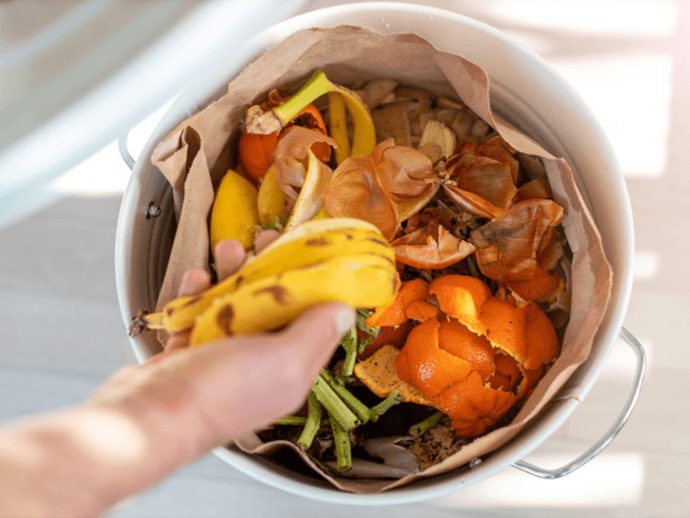
    The backyard compost heap is where yard waste, food scraps, and some compostable packaging breaks down into humus, a dark, granular substance that can be added to soil to condition it—and grow more food right outside your door.

    One of backyard composting’s greatest benefits is that it’s done at the source, making it more cost-effective than municipal options. Unlike municipal green bins, however, backyard composters are no place for meat, bones, or animal fats. Putting those items in the backyard composter can attract pests. It can also harbour pathogens, such as E. coli, if the pile is not hot enough to kill them off.

    Local versus organic versus natural

    It’s enough to make one’s brow furrow. Should you choose food produced locally or go organic? Does it have to be one or the other? And what the heck does “natural” mean?

    CSAs = local, organic, and natural

    Community-supported agriculture (CSA) models consist of consumers who buy a share of a growing season upfront and are paid in dividends of fresh produce as it’s harvested.

    Local = environmentally friendlier

    Local conventional produce also has its benefits, aside from travelling a shorter distance to get to your table. It often comes with less plastic packaging. Think berries sold in paperboard pints that can be torn up and thrown in the backyard composter or tossed in municipal green bins.

    And “natural” = …

    As for natural food, the US Food and Drug Administration defines it as free of added colour, artificial flavours, or synthetic ingredients. Unlike organic, however, it’s not an entirely regulated term, which can naturally lead to consumer confusion.

    by Tiffany Mayer

    Article Courtesy of Alive Magazine
  • The upside of food upcycling

    The upside of food upcycling

    The upside of food upcycling

    Saving food waste while saving the planet and boosting your health

    WA whopping 58 percent of all food produced in Canada is lost or wasted every year. A third of those 35.5 million metric tonnes of wasted food could be rescued. Innovative Canadians are making a difference, working to eliminate food waste, protect the environment, and feed our communities—all through the power of upcycling.

    What’s up with upcycling?

    Unnecessary food wastage happens every step of the way between the farm and your fridge.

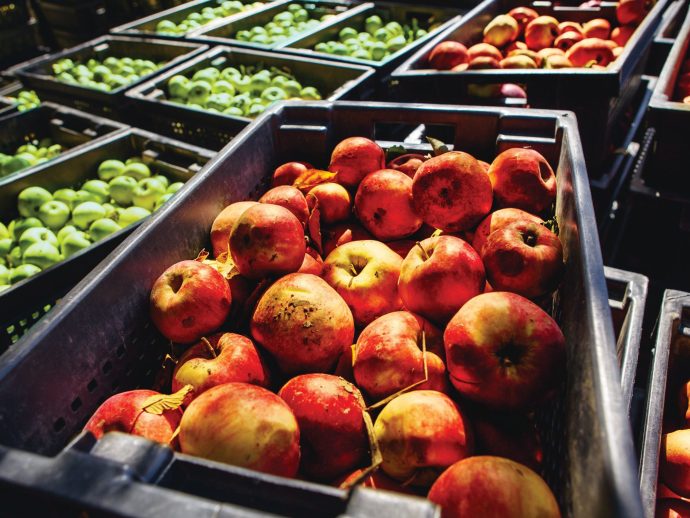
    At the farm, surplus fruits and vegetables, as well as those that may be misshapen or “ugly,” are discarded or left to rot. Then, during manufacturing and processing, 20 percent of food is lost or wasted. A lot of that is due to discarded byproducts or parts of the raw ingredient that are not needed in the final manufactured product.

    Upcycling aims to change that, transforming unwanted food or food manufacturing byproducts into something useful.

    “The concept of upcycling is really about extracting every last bit of value that you can from a natural resource,” explains Shelley King, CEO of Natural Products Canada, an organization that works to identify and invest in innovative solutions in the natural products industry.

    “When we upcycle any material, we’re reducing the number of resources needed to create a new item,” King adds. “In the case of upcycling food, we’re addressing the huge challenge of feeding the world without putting more strain on the planet.”

    How upcycling works

    From coast to coast to coast, Canadian farmers and food manufacturers are finding creative ways to transform previously unwanted food ingredients into nourishing, high-quality foods and supplements.

    It’s all about looking at where food wastage is happening and then applying out-of-the-box creativity.

    Take potatoes, for instance. Spuds are the most widely grown vegetable crop in Canada, making up nearly a third of all farm sales last year.

    “When you’re processing potatoes to make French fries or other potato products, you use water, and the water becomes super concentrated in starch,” says Cara Kennedy at Solnul, a supplement company based out of Carberry, Manitoba. If you’ve ever cut a potato and noticed the white powder on your cutting board after the potato water evaporates, that’s what she’s referring to.

    Solnul’s shareholders were originally potato farmers who now own a starch plant. “They had the foresight to do microbiome research on the starch,” says King, and multiple clinical studies showed how this potato starch was an effective prebiotic (helping to feed the healthy bacteria in your gut).

    They’ve turned that starch—which would otherwise have been discarded—into a research-backed prebiotic ingredient that you can now find in protein powders, protein bars, and other health foods.

    “Canada is the bread basket of the world, and there are a lot of opportunities for upcycled ingredients,” adds Kennedy, who is quick to point out that we shouldn’t be worried that upcycled foods are somehow inferior. “It’s all about how to use every part of an ingredient to its highest and best value.”

    By Joshua Duvauchelle

    Article Courtesy of Alive Magazine

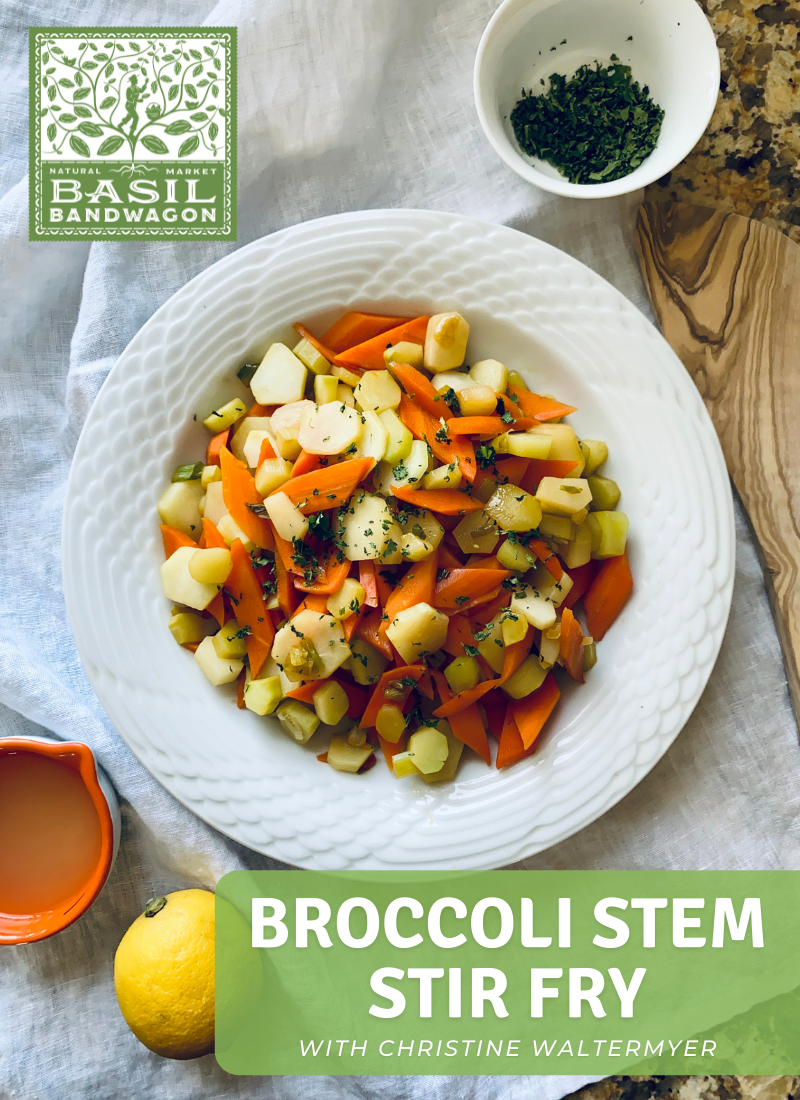
  • Broccoli Stem Stir Fry

    Broccoli Stem Stir Fry

    Broccoli Stem Stir Fry

    Thanks to Christine Waltermyer & The Natural Kitchen Cooking School!

    Christine Waltermyer is a local and renowned Wellness Chef, private chef to celebrities, published cookbook author and founder of the Natural Kitchen Cooking School, which offers an online Plant-Based Cooking Program. She also loves shopping at Basil Bandwagon! Visit naturalkitchenschool.com to subscribe to her email newsletter for new recipes, tips, and FREE access to the Power of Veggies mini-course!


    Happy Earth Month! Let’s talk about food waste. Did you know every year, each American throws out about 1,200 pounds of organic garbage that could be composted? There are other ways to decrease this amount (other than simply composting). One way is to use your food scraps to make another recipe! Check out this Earth friendly Broccoli Stem Stir Fry recipe thanks to Christine Waltermyer and The Natural Kitchen Cooking School. All ingredients can be found at your local Basil Bandwagon Natural Market.

    Broccoli Stem Stir Fry

    Course dinner, entree, Lunch
    Keyword dinner, entree, lunch, stir fry
    Servings 4

    Ingredients

    • 2 cups carrots sliced into rounds or "lozenges" (I refer to this as the ribbon cut in my video)
    • 2 cups peeled broccoli stems sliced
    • ½ cup scallions sliced
    • ¼ cup broth
    • 2 tablespoons coconut aminos
    • 2 teaspoons lemon juice
    • 1 tablespoon maple syrup
    • Sea salt to taste

    Instructions

    • Heat a large skillet over medium high heat. Add the broth and heat it briefly.
    • Add the carrots and a few drops of the coconut aminos. Cook and stir for a minute or two. Add the broccoli stems. Cook and stir for another minute or two.
    • Add the remaining coconut aminos, scallions, maple syrup, and lemon juice. Cook and stir for a minute. Cover and cook for a few more minutes. Continue cooking to your desired tenderness. Depending how long you cook this, you may need to add a splash of water or more coconut aminos to prevent the vegetables from sticking to the pan. If needed, adjust seasoning to taste by adding a little more seasoning.
    • Plate and serve warm. Enjoy!

    Thank you to Christine Waltermyer and the Natural Kitchen Cooking School for working with us to help promote healthy, nutritious meals and products that are affordable, full of nutrients, and simple to make at home!