Tag: gut health

  • Bug Love

    Bug Love

    Bug Love

    Biome to the rescue

    These days, we’re learning that a healthy gut microbiome, one that is richer in helpful bacteria and lower in unamiable ones, is a harbinger of good health: research has shown that it improves digestive, heart, and brain health. When it comes to what we eat, the microbiome lends an assist in digesting, processing, and excreting for better overall nutritional status. In other words, consider the microbiome as an important component of detoxifying our bodies for lasting health.

    Here are some ways that the most beneficial microbes that reside in our intestines can be best supported.

    Go plant crazy

    As part of the American Gut Project, University of California San Diego School of Medicine researchers discovered that people who ate more than 30 different types of plant-based foods per week had a greater diversity of beneficial gut microbiota than those who ate 10 or fewer types of plant foods.

    Work up a sweat

    A recent study review in Medicine and Science in Sports and Exercise found enough evidence to suggest that regular bouts of exercise are associated with a positive shift in gut microbial composition (higher levels of bugs that produce the beneficial compound butyrate).

    Go easy on meat

    Some research suggests that a meat-heavy diet, especially at the expense of plant-based foods, can shuffle around the types of microbes thriving in the gut to favour less beneficial types.

    Shop for inulin

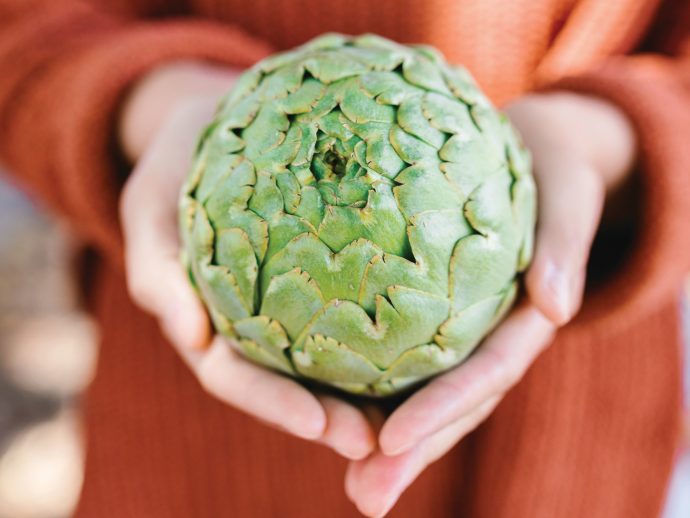
    Inulin (a prebiotic) belongs to a class of carbohydrates called fructans, which are plant carbohydrates that, because of their unique structure, resist digestion in the upper gastrointestinal tract but are quantitatively fermented in the colon by the microorganisms that reside there. This helps the beneficial microbes flourish and produce postbiotics. You can source this prebiotic fibre from Jerusalem artichokes; chicory root; alliums, including onions, leeks, and garlic; asparagus; soybeans (which includes edamame); oats; and whole wheat.

    Manage stress

    It’s thought that periods of stress can reshape the human microbiome in a way that’s less favourable to health. Measures such as going for walks and practising meditation that help downgrade stress are important.

    Try supplementation

    A probiotic supplement can help optimize the microbiome, especially during periods of travel, illness, antibiotic use, or stress, when your microbiome can take a hit.

    Don’t overdo the sweet stuff

    Research published in the journal iScience found that people who consumed more foods and drinks with aspartame, sucralose, saccharin, and stevia leaf extract had less diverse beneficial colonies of gut bacteria and higher concentrations of harmful toxins in their intestines when compared to those study participants who didn’t use non-nutritive sweeteners.

    Grab more shut-eye

    It appears that both sleep fragmentation and short sleep duration are associated with gut dysbiosis, an imbalance in the different types of microscopic organisms living in your body. Make it a habit to practise good sleep hygiene, such as reducing bright light exposure before bedtime and keeping that phone far away from the bed.

    By Matthew Kadey, MSc, RD

    Article Courtesy of Alive Magazine

  • The benefits of daily movement

    The benefits of daily movement

    The benefits of daily movement

    Here’s the inspiration you need

    As children, we crave movement, but our grown-up selves often choose to forgo exercise. We’re stressed and tired, and exercise adds to that. Or does it? While a physical stress inducer, exercise helps our ability to deal with stress in general and makes us healthier too.

    What else can exercise accomplish? Here are some of the benefits to help motivate you to get moving!

    Brain health

    Regular exercise, because it delivers more oxygen to our brain, helps improve brain health, delay brain aging, and reduce the risk of neurodegenerative diseases such as dementia and Parkinson’s.

    Weight management

    While diet helps address weight issues, exercise helps with weight management and also reduces the risk of developing metabolic syndrome, insulin resistance and type 2 diabetes, cancer, and cardiovascular disease.

    Sleep and sex

    We sleep better with exercise, have a better sex life, and improve self-esteem, too.

    Stress relief

    As for exercise being stressful … It does increase cortisol levels, but unlike psychological stress, exercise-induced cortisol is soon inactivated, a desirable outcome that makes our bodies more resilient to stress.

    Balance

    As we age, certain exercises, such as standing on one leg, can help increase stability, which is essential for reducing the risk of falls and injury.

    Glucose management

    Active muscles are a great “sink” for glucose, helping the body’s response to the post-meal sugar influx. In the long run, daily exercise (ideally aerobic and resistance) can improve insulin sensitivity and reduce the risk of developing type 2 diabetes and metabolic syndrome.

    Healthy microbiome

    Our gut bugs also benefit from exercise. Active people tend to have more beneficial bacteria, some of which produce butyrate, a short-chain fatty acid with anti-inflammatory and gut lining repair properties, while others contribute to improved metabolic health. Regular exercise has positive impacts on dysbiosis as well as symptoms of irritable bowel syndrome.

    Mood manager

    Speaking of desirable highs, did you know that serotonin levels, known as “the happiness molecule,” increase when we exercise? Among others, this helps us manage emotions better (translation: step away from a conflict and go for a walk; you’ll find better words upon returning).

    Cardiovascular helper

    Nitric oxide, which also increases with exercise, can have an analgesic effect and helps improve cardiovascular health by reducing blood pressure, often a consequence of acute and chronic stress. Exercise can help the body develop a robust response to stress, dial down the risk of depression, and lower inflammation levels and oxidative stress in the brain.

    Counter cancer

    Higher levels of aerobic exercise can reduce the risk of breast, colon, bladder, endometrial, and digestive tract cancers, and picking up some weights may also work in our favor by slashing the risk of kidney and bladder cancer while also impacting total cancer mortality.

    By Daniela Ginta

    Article Courtesy of Alive Magazine

  • New Year, New Gut: Why Your Microbiome Matters and How Vital Planet Can Help

    New Year, New Gut: Why Your Microbiome Matters and How Vital Planet Can Help

    • Ease digestive discomfort: Say goodbye to bloating, constipation, and diarrhea. Probiotics can help regulate bowel movements and soothe irritated bowels.
    • Fortify your defenses: A healthy gut is a strong defense against pathogens. Probiotics can help fight off harmful bacteria and viruses, keeping you feeling your best.
    • Nurture your mood: The gut-brain connection is real! Probiotics may help alleviate symptoms of anxiety and depression by influencing brain chemistry and reducing inflammation.
    • Optimize nutrient absorption: Get the most out of your food. Probiotics can help your body absorb essential vitamins and minerals from your diet.

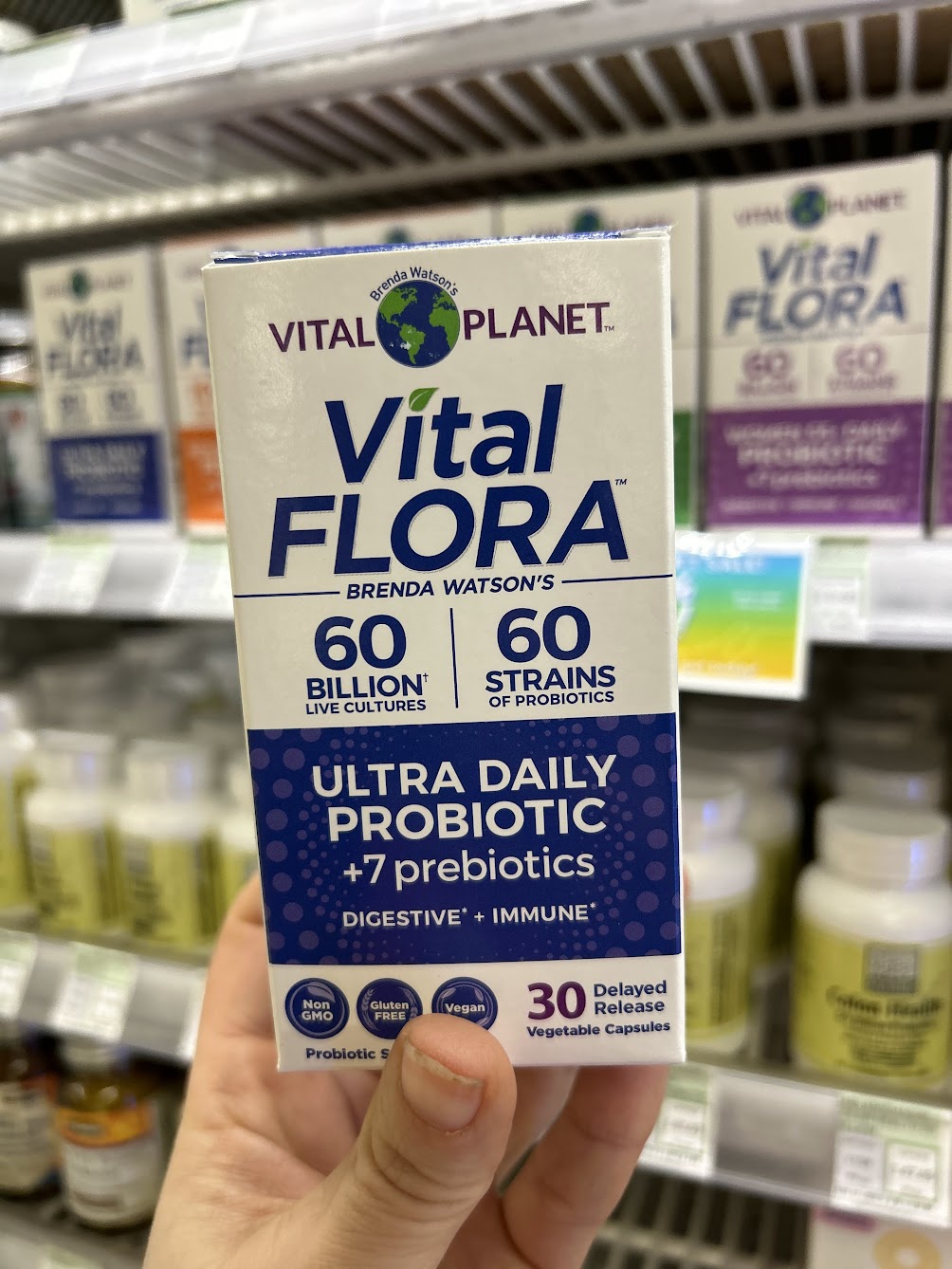
    • Potent: With up to 60 billion live cultures per serving, Vital Planet probiotics are some of the most potent on the market.
    • Diverse: They contain a variety of beneficial bacterial strains, which is important for creating a healthy and balanced gut microbiome.
    • Prebiotic-infused: Vital Planet probiotics include prebiotics, which are fibers that help nourish and support the growth of beneficial gut bacteria.
    • Delayed-release: This ensures that the live cultures reach the intestines alive, so they can be most effective.
    • Family-owned and operated: Vital Planet is a family-owned and operated company that is committed to quality and sustainability.

  • Nourish your microbiome

    Nourish your microbiome

    Nourish your microbiome

    The tiny world within

    The microbiome, the collective term for the dense, interconnected bacterial community in our digestive tract, is not simply history’s most successful hitchhiker. Far from being a passive parasite, this living web is an active and dynamic player in our overall health.

    The first seeds of bacterial life are sown long before birth. From that point forward, our microbiome evolves with the influences of environment, diet, medications, and even stress. Age, sex, body weight, and genetics all shape the vast biological world within us.

    Why does flora matter?

    Dr. Jordan Sokoloski, a naturopathic doctor, sees many patients with digestive issues. “The microbiome is so critical to digestive health overall,” he says. While our food is initially broken down by teeth, muscles, and enzymes, bacteria complete the transformation to absorbable nutrients, even adding in some self-made vitamins along the way.

    The microbiome and the mind

    Our guts have earned the moniker “the second brain.” Digestive disturbances exist alongside brain-related conditions such as Parkinson’s disease, autism, and anxiety. This coexistence of digestive and neurologic concerns is not just a coincidence. Bacterial metabolites may explain this connection.

    Feed the bugs (and try not to kill them)

    If the microbiome is so vital to health, what can we do to protect it? Factors such as genetics and age are beyond our control, but dietary choices can modify the microbiome in as little as 24 hours. However, these shifts are quickly reversed if diet changes are not maintained.

    Our flora may be as individual as our fingerprints, meaning there is no single optimal bacterial composition suitable for everyone. Much like a streetwise tomcat, a genetically unique and diverse microbiome is the most resilient. A flexible and complex digestive community is created and sustained by eating a wide variety of foods.

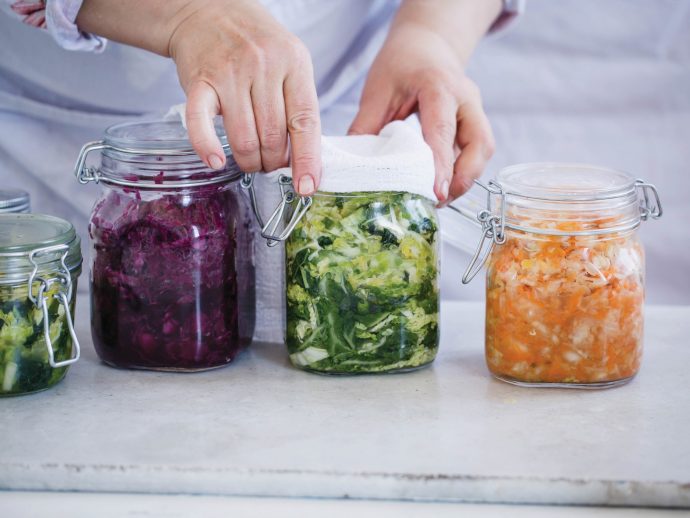
    Sokoloski emphasizes feeding beneficial flora with inulin-containing foods such as garlic, onions, artichokes, and oats. Fermented foods such as kefir, sauerkraut, and kimchi are also nourishing for the microbiome.

    It’s equally important to avoid negative influences. Limiting use of antibiotics, antacid medications, and laxatives can preserve bacterial populations. Being proactive in our efforts to reduce stress, sedentary living, and environmental exposures can prevent further harm to our precious microbial cargo.

    Supplemental support

    To help the gut through periods of challenge, supplemental probiotics could be considered. Although probiotic supplementation can cause measurable changes in the composition of our microbiome, these changes do not seem to be permanent.

    While the strains themselves may not persist, improvements to symptoms such as bowel disruption or psoriasis may last for many months after stopping probiotics. One strategy for probiotic use may be to take them in periods of stress or medication use, or when symptoms re-emerge.

    Digestive bacteria and their metabolites communicate with every system in our bodies, influencing and even directing the workings of our cellular processes. This interplay of flora and function may lead to new insights and creative options for optimizing our health.

    By Dr. Gillian Flower, ND

    Article Courtesy of Alive Magazine
  • 8 amazing health benefits of mushrooms

    8 amazing health benefits of mushrooms

    8 amazing health benefits of mushrooms

    A delicious food that is functional too

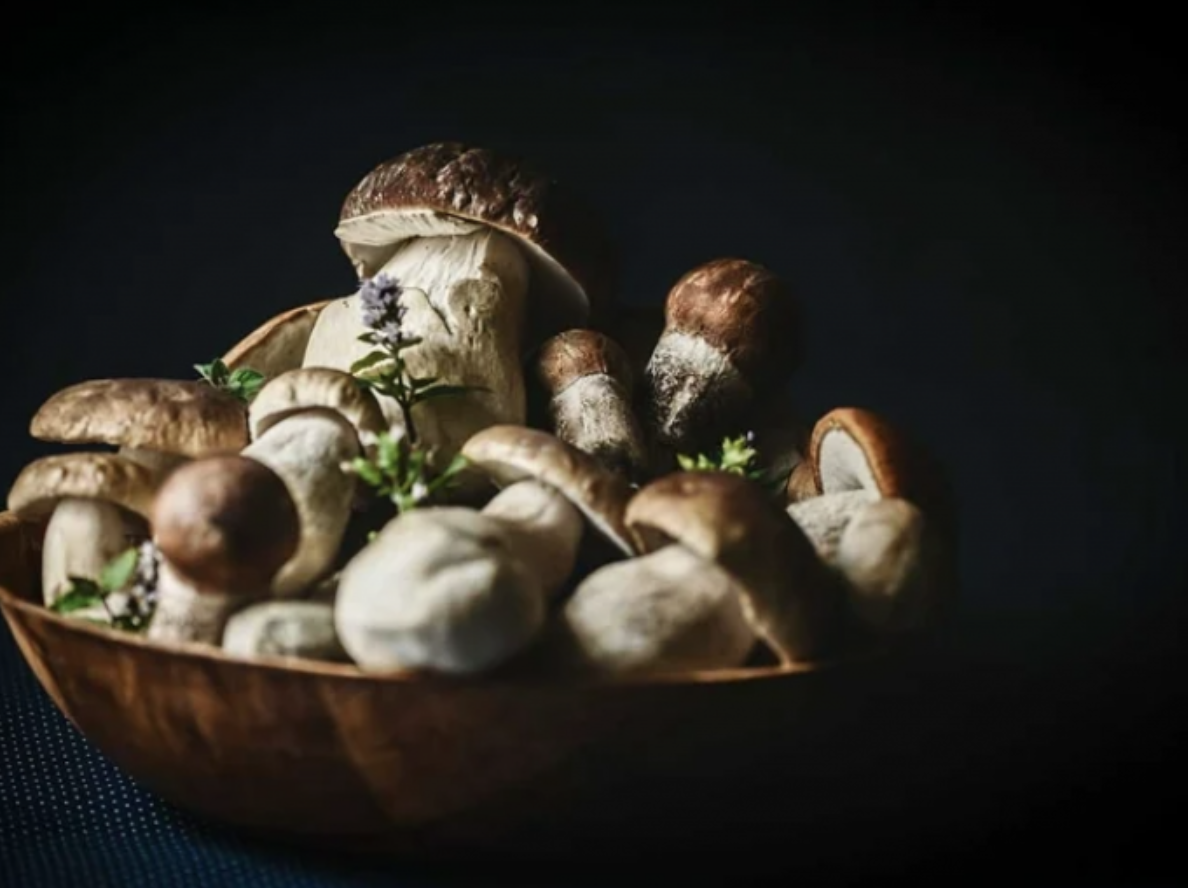
    Whether added to a salad, soup, or stir-fry, or taken in supplement form, there are a myriad of ways to add mushrooms to your diet—and why not? In addition to mushrooms’ delicious taste, their polyphenol, polysaccharide (a specialized type of carbohydrate), vitamin, and mineral contents can provide you with a bounty of health benefits.

    1. Boost immune system

    Research has shown that mushrooms help to stimulate the activity of microphages—white blood cells within the immune system—to help fight off foreign bodies more effectively. At the same time, anti-inflammatory effects of mushrooms can work to enhance the immune system’s overall efficiency.

    2. Fight inflammation

    Rich in antioxidants, mushrooms offer significant anti-inflammatory effects. Research indicates that eating mushrooms regularly can help reduce inflammation associated with the development of chronic diseases, such as cardiovascular disease, cancer, Alzheimer’s disease, diabetes, and arthritis.

    3. Offer anti-cancer properties

    Polysaccharides, contained in mushrooms, have been found to induce apoptosis—cancer cell death. Further, anti-inflammatory effects of mushrooms can help reduce chronic inflammation that can lead to the development of cancer.

    4. May help fight diabetes

    Mushrooms have been found to help lower blood sugar levels. Their bioactive metabolites, such as their polysaccharides and proteins, have been found to work as successful anti-hyperglycemic agents in diabetes treatment studies. Still, more research is needed to discern how mushrooms may be effectively used in the fight against diabetes.

    5. Support gut health

    Mushrooms can help support your gut health in two ways. First, they provide your body with prebiotics—nutrients that act as food for the beneficial bacteria in your gut. Second, mushrooms, such as cremini mushrooms, provide your system with helpful bacteria that can help populate your gut to improve your digestion and immune responses.

    6. Offer antifungal and antibacterial effects

    Mushrooms possess both antibacterial and antifungal compounds that help them survive, making them a natural source of antibiotics and antifungals that can be utilized by humans. Some mushrooms have been found to offer compounds with considerable activity against bacteria such as E. coliStaphylococcus aureus, and Bacillus subtilis.

    7. Protect the liver

    Some mushroom extracts have been found to provide liver-protecting properties. Study findings suggest that eating mushrooms on a regular basis can alleviate non-alcoholic fatty liver disease (NAFLD). These findings are believed to be linked to the anti-inflammatory and antioxidant properties of mushrooms.

    8. Reduce allergies

    While mushrooms have been found to stimulate the immune system in certain circumstances, they have also been found to help suppress immune response in other instances—making them potentially beneficial in the battle against allergies. Beta-glucans, which are contained in mushrooms, have been found to help reduce the severity of symptoms in those with ragweed allergies by 52 percent when taken as a supplement.

    Article courtesy of Alive Magazine

  • Nourish The “Second Brain” In Your Gut

    Nourish The “Second Brain” In Your Gut

    Nourish The “Second Brain” In Your Gut

    The connection between diet, gut health, and mental health

    Your brain and your digestive tract are not as independent as they seem. Here’s how you can change your diet and lifestyle to support your gut bugs and mental wellness.

    The gut-brain dialogue

    For the most part, the brain is “sealed off” from the rest of the body by the blood-brain barrier. But, in fact, the gut and the brain have an ongoing dialogue.

    The main two-way channel of direct gut-brain communication is the vagus nerve, a superhighway that runs between the central and enteric nervous systems. Yet it’s becoming clear that the micro-organisms residing in the gut also contribute to the messages that reach the brain.

    Meghan Hockey, accredited practicing dietitian and nutrition researcher says, “The gut and the brain are constantly talking to one another through microbial metabolites and immune, neuronal, and metabolic pathways.”

    Different gut bugs, different brain-related conditions

    Scientists are starting to uncover the gut correlates of brain-related conditions. For example, individuals with major depressive disorder tend to have a different set of gut microbes than non-depressed individuals.

    Different patterns in gut microbial communities have also been found in people with anxiety, schizophrenia, multiple sclerosis, Parkinson’s disease, Alzheimer’s disease, and, neurodevelopmentally, even in autism spectrum disorder.

    While this doesn’t mean the gut microbes caused these conditions, it does mean that scientists can start looking at whether intervening at the distant site of the gut can affect how these conditions play out—or perhaps whether it’s possible to prevent the condition in the first place in susceptible individuals.

    The contributions of gut microbes are under investigation, too, in several conditions that are widely understood to be confined to the digestive tract: inflammatory bowel disease and irritable bowel syndrome.

    Using diet to shape gut microbes

    Hockey says now that we know gut bacteria are intricately involved in gut-brain communication, it bolsters the idea that nutritional changes can have an impact on brain health.

    Eat more plant-based foods

    While there’s no diet or supplement that alone can alleviate mental illness, Hockey emphasizes that plant foods feed the gut microbes in multiple ways that support brain health.

    When advising clients, she says, “As a first step, I recommend increasing the intake and variety of plant foods such as vegetables, fruits, beans, lentils, nuts, seeds, and whole grain cereals. These foods contain a variety of fibers and polyphenols that can promote the growth of beneficial bacteria within the gut.”

    Include probiotics and prebiotics

    Probiotics are a potential way to achieve positive changes in the gut microbiota, and some have shown promise for helping depression, although most available probiotic strains have not been studied for their specific effects on the brain or mental health. Ditto for prebiotics, which are substances that act as “food” for beneficial gut microbes.

    Remember that variety is key

    Hockey advises looking at the big picture. “Overall diet quality and patterns, rather than individual foods, matter most to mental health,” she says. “We don’t eat individual nutrients and foods in isolation; we eat meals and snacks which contain a variety of foods and nutrients that interact with one another.”

    Article Provided by Alive Magazine

  • Creamy Basil Kefir Sauce

    Creamy Basil Kefir Sauce

    Creamy Basil Kefir Sauce


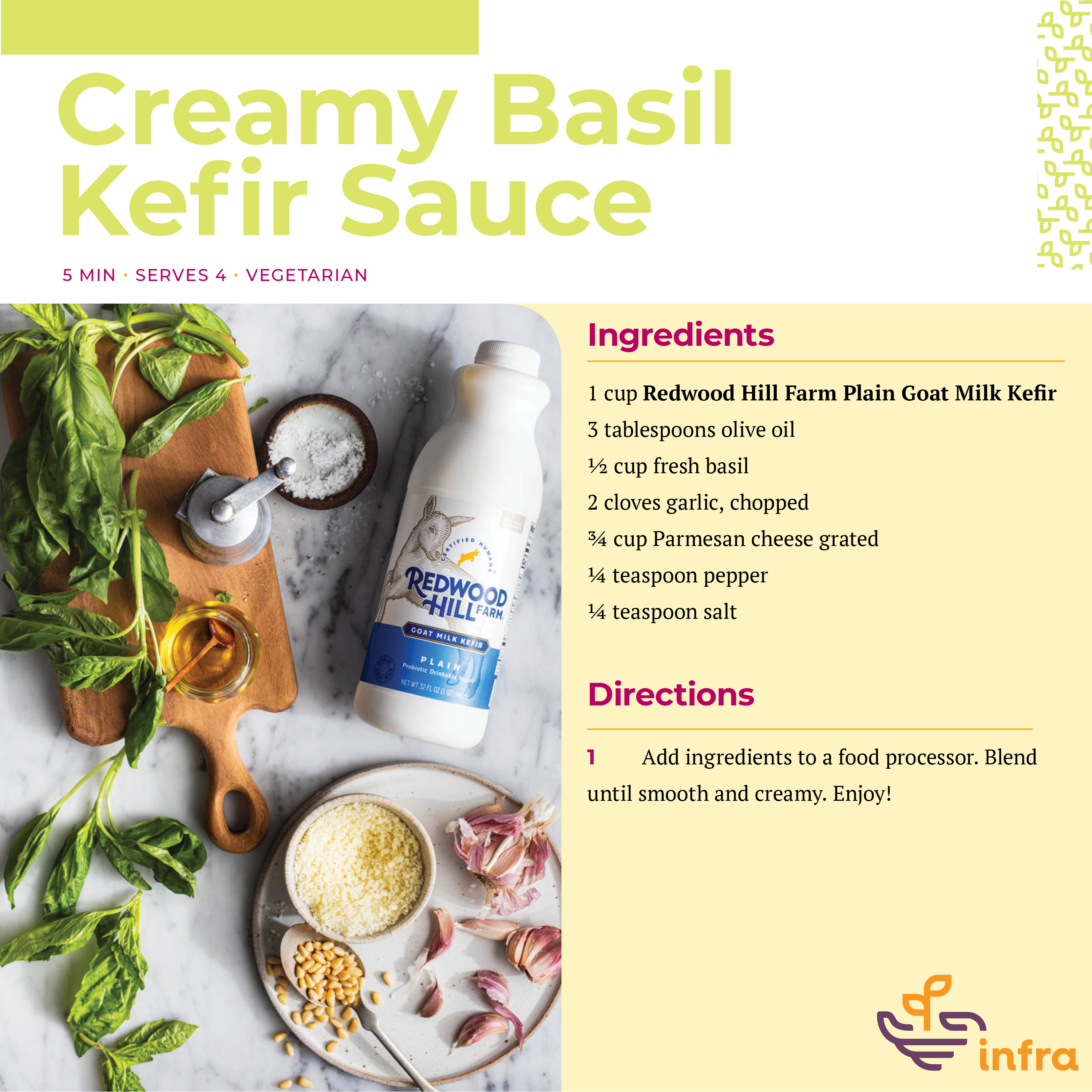
    This ultra-creamy basil kefir sauce is the perfect low-lactose addition to pasta, salads, or even flatbreads. Thanks to the Redwood Hill Farm Goat Milk Kefir, your dish will even get a little probiotic boost, too. Yay, microbiome!

    Recipe Provided by INFRA

  • The Brain/Gut Connection with LifeSeasons

    The Brain/Gut Connection with LifeSeasons

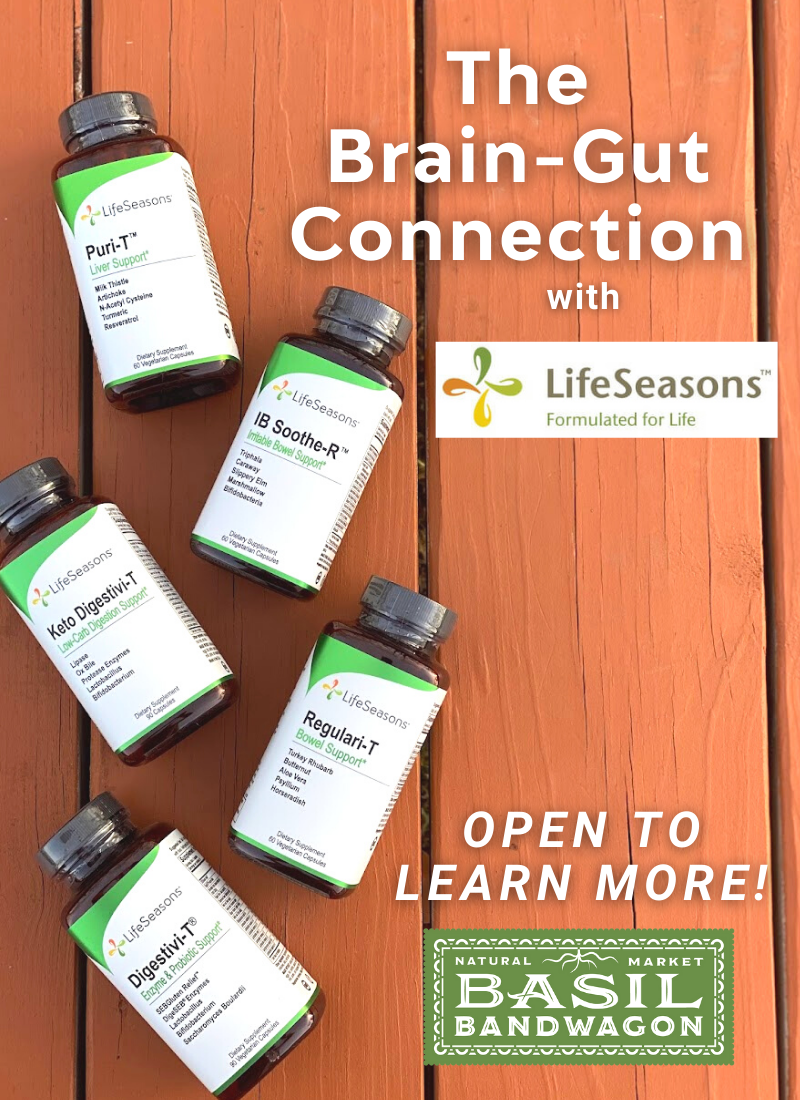
    Did you know that your gut is considered your “second brain”? The mind/gut connection is very real, with more evidence emerging all the time of just how much the microbiome (the environment inside your gut) impacts your overall health.

    Want to learn more? Click here!

    Before you go – take a look at a few of our favorite gut-healthy products from LifeSeasons. You might just get a “gut feeling” to add it to your daily routine!

    IB Soothe-R

    Helps to normalize intestinal function and ease intestinal discomfort*

    Triphala – a blend of three fruits, rich in antioxidants, used in traditional practices to soothe the intestines*

    Caraway – helps to calm intestinal spasms, indigestion and flatulence*

    Slippery Elm – rich in mucilage to comfort irritated mucosal tissue*

    Marshmallow – supports immunity and soothes the intestinal lining*

    Bifidobacteria – gut-friendly bacteria that support immunity and help to regulate elimination*


    Digestivi-T

    Supports the digestive tract and promotes the absorption of nutrients*

    SEB – Gluten Relief® – a powerful enzyme blend for digesting proteins in gluten (grain) and casein (milk)*

    DigeSEB® Enzymes – promotes the digestion of carbohydrates and fiber*

    Lactobacillus – probiotic bacteria to support healthy digestion, absorption and intestinal integrity*

    Bifidobacterium – probiotic bacteria for intestinal tract health, especially benefiting the bowel; neutralizes free radicals*

    Saccharomyces Boulardii – a beneficial yeast that supports healthy digestive function and immunity*

    Keto Digestivi-T

    Soothes bloating and digestive discomfort associated with high-fat or high-protein diets*

    Lipase – a digestive enzyme that supports the breakdown of fat*

    Ox Bile – provides supplemental bile to support fat digestion*

    Protease Enzymes – enhance the body’s ability to digest protein*

    Lactobacillus – probiotic bacteria to support healthy digestion, absorption and intestinal integrity*

    Bifidobacterium – probiotic bacteria for intestinal tract health, especially benefiting the bowel; neutralizes free radicals*


    Puri-T

    Supports healthy liver function and detoxification*

    Milk Thistle – contains antioxidants that protect the liver from toxins and support cellular repair*

    Artichoke – supports the body’s ability to increase natural bile flow*

    N-Acetyl Cysteine (NAC) – an amino acid the body uses to create antioxidants that neutralize free radicals*

    Turmeric – rich in phytonutrients and antioxidants to support normal inflammation response*

    Resveratrol – an antioxidant that promotes cellular repair, combats DNA damage, and supports the body’s ability to decrease liver fat*


    Regulari-T

    Helps reduce gas and discomfort, and promotes healthy elimination*

    Turkey Rhubarb – supports healthy elimination without creating dependence*

    Butternut – supports the body’s elimination process*

    Aloe Vera – assists the body’s ability to speed up intestinal passage*

    Psyllium – a good source of fiber to promote intestinal health*

    Horseradish – helpful for digestion and for improving bowel transit time*


    Stock up on ALL LifeSeasons products before their 25% OFF SALE ends March 31st, 2022!

    *These statements have not been evaluated by the Food and Drug Administration. These products are not intended to diagnose, treat, cure or prevent any disease.

    Resources:

    https://lifeseasons.com/product/regulari-t-gut-health-supplement-bowel-support/

    https://lifeseasons.com/product/digestivi-t-digestive-enzymes-probiotic-supplement/

    https://lifeseasons.com/product/ibsoothe-r-irritable-bowel-support-ibs-supplement/

    https://lifeseasons.com/product/keto-digestivi-t/

    https://lifeseasons.com/product/puri-t-liver-detox-supplement/

    https://lifeseasons.com/gut-health-making-your-second-brain-smarter/

  • Christine Waltermyer’s Gut-Boosting Homemade Pickles – 3 Ways!

    Christine Waltermyer’s Gut-Boosting Homemade Pickles – 3 Ways!

    Gut-Boosting Homemade Pickles

    with Christine Waltermyer

    Christine Waltermyer is a local and renowned Wellness Chef, private chef to celebrities, published cookbook author and founder of the Natural Kitchen Cooking School, which offers an online Plant-Based Cooking Program. She also loves shopping at Basil Bandwagon! Visit naturalkitchenschool.com to subscribe to her email newsletter for new recipes, tips, and FREE access to the Power of Veggies mini-course!


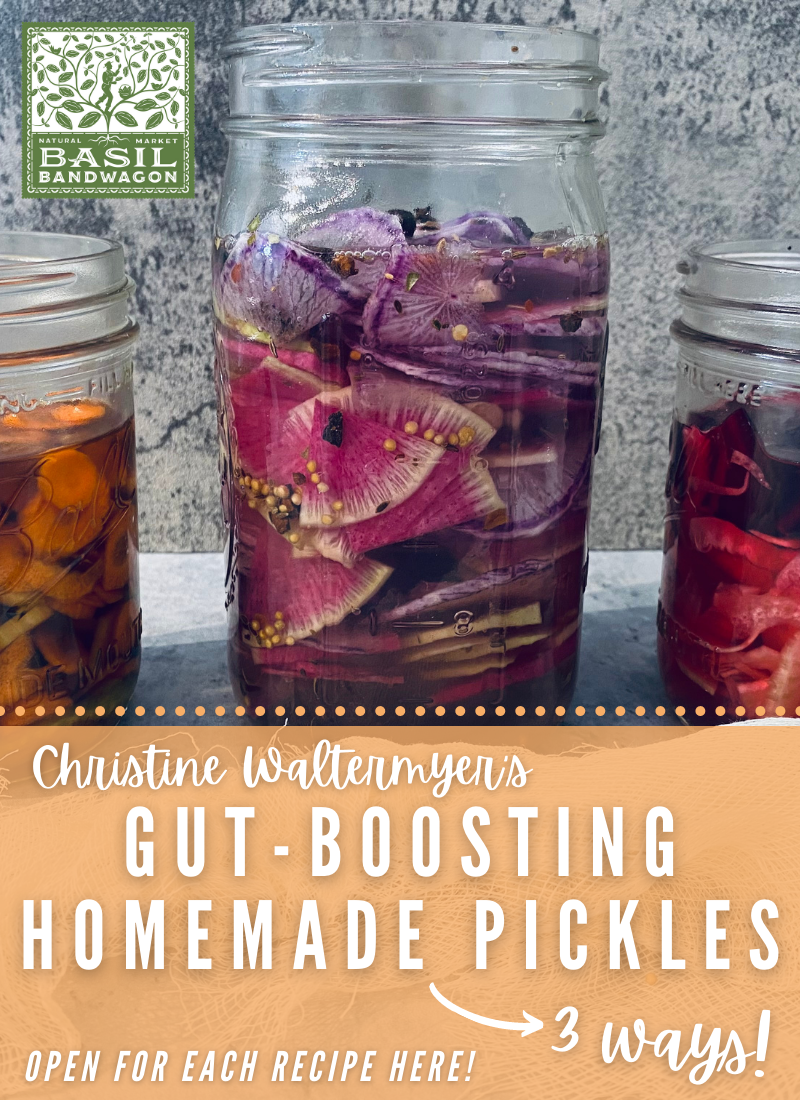
    Did you know that gut health is essential for a strong immune system? Some of the best gut health boosting foods are those that are fermented and pickled! There are many health benefits of pickling, but the most talked about benefit is the fact that they are probiotic – and you can pickle so many different vegetables to change up your flavor profiles. Check out (& print!) these three simple homemade pickle recipes thanks to Christine Waltermyer!

    24-Hour Mixed Vegetable Tamari Pickles

    Course Snack
    Keyword gut health, pickles
    Servings 1 cup of pickles

    Equipment

    • Wide-mouth 16 oz glass canning jar with a lid (Make sure it’s really clean. You can even boil it for a minute to sterilize it.)
    • 8 oz glass canning jar that fits inside the 16-ounce glass jar
    • Cheesecloth
    • Small pot

    Ingredients

    • ½ cup water
    • 2 ½ tablespoons tamari
    • 2 tablespoons brown rice vinegar
    • ½ cup broccoli stems (peeled) sliced into thin rounds
    • ½ cup carrot slices (thin)
    • ½ cup thinly sliced celery
    • 1 tablespoon maple syrup

    Instructions

    • Place the water in a small pot. Bring to a boil briefly, then shut off the heat and remove from the stove. Set aside to cool.
    • Once the water is cool, place it in the glass canning har. To make the pickling brine, add the tamari and brown rice vinegar. Place the lid on the har and shake well. Pour the pickling brine into a bowl.
    • Layer the vegetables in the glass jar. Pour the pickling brine over them. Place the smaller jar on top of the vegetables, inside the jar. The weight of the har will press the vegetables under the surface of the brine.
    • Cover the jar with a square of cheesecloth and secure it in place with a piece of kitchen twine or a rubber band.
    • Let the jar sit at room temperature for 24 hours. The room should be between 65 to 80 degrees F.
    • After 24 hours have passed, add the maple syrup. Place a lid on the jar and gently shake to mix the maple syrup into the brine. Refrigerate the pickles at this point. Enjoy a teaspoon or so at a time with a meal. Pickles will keep up to 5 days in the refrigerator.

    24-Hour Pink Fennel Pickles

    Course Snack
    Keyword gut health, pickles
    Servings 3 /4 cup of pickles

    Equipment

    • 16 oz glass canning jar with a lid (Make sure it’s really clean. You can even boil it for a minute to sterilize it.)
    • 8 oz glass canning jar
    • Cheesecloth
    • Small pot

    Ingredients

    • ¾ cup water
    • ¾ cup fennel thinly sliced
    • ¼ beet thinly sliced
    • ¼ cup ume ("umeboshi") vinegar

    Instructions

    • Place the water in a small pot. Bring to a boil briefly, then shut off the heat and remove from the stove. Set aside to cool.
    • Once the water is cool, place it in the glass canning jar. To make the pickling brine, add the ume vinegar. Place the lid on the jar and shake well. Pour the pickling brine into a bowl.
    • Layer the vegetables in the glass jar. Pour the pickling brine over them. Place the smaller jar on top of the vegetables, inside the har. The weight of the har will press the vegetables under the surface of the brine. If the liquid is too high in the har, you can remove it as long as all of the vegetables are submerged under the brine liquid.
    • Cover the har with a square of cheesecloth and secure it in place with a piece of kitchen twine or a rubber band.
    • Let the jar sit at room temperature for 24 hours. The room should be between 65 to 80 degrees F.
    • After 24 hours have passed, place a lid on the jar. Refrigerate the pickles at this point. Enjoy a teaspoon or so at a time with a meal. If you find the pickles too strong tasting, rinse a small amount before serving them. Pickles will keep up to 10 days in the refrigerator.

    3-Day Radish Pickles

    Course Snack
    Keyword gut health, pickles
    Servings 1 1/2 cups of pickles

    Equipment

    • 32-ounce glass canning jar with a lid (Make sure it’s really clean. You can even boil it for a minute to sterilize it.)
    • Small pot

    Ingredients

    • 2 cups water
    • 2 cups thinly sliced radishes (I used purple daikon radish and watermelon radish but red radish works too)
    • 1 ½ tablespoons sea salt
    • 1 teaspoon pickling spice OPTIONAL – In the video I used 1 tablespoon but it’s a little strong tasting so I recommend using less for most people’s taste.

    Instructions

    • Place the water in a small pot. Bring to a boil briefly, then shut off the heat and remove from the stove. Set aside to cool.
    • Once the water is cool, place it in the glass canning jar. To make the pickling brine, add the sea salt and pickling spice. Place the lid on the jar and shake well. Pour the pickling brine into a bowl.
    • Layer the vegetables in the glass jar. Pour the pickling brine over them. Make sure that all of the vegetables are submerged under the brine liquid.
    • Cover the jar with the lid.
    • Let the jar sit at room temperature for 3 days. The room should be between 65 to 80 degrees F.
      IMPORTANT: Unscrew the lid of the jar once a day to release some of the air that naturally builds up inside. At that time make sure the veggies are all submerged and if not, gently push them down under the liquid.
    • Taste after 3 days and if you want to let it ferment longer it should become more sour in another day or two. These pickles are salty so I recommend rinsing the pickles before serving. If you want to balance the flavor with some sweetness just add a tablespoon or two of your favorite sweetener and it will make them a little more mild tasting. Pickles will keep for 2 weeks in the refrigerator.

    Thank you to Christine Waltermyer and the Natural Kitchen Cooking School for working with us to help promote healthy, nutritious meals and products that are affordable, full of nutrients, and simple to make at home!

  • Top Picks from January’s Supplement Sale

    Top Picks from January’s Supplement Sale

    On Sale this Month:

    25 % Off Renew Life and Jarrow


    Here’s some of our favorites from these brands:


    Renew Life

    Renew Life Cleanse Smart

    Start fresh and rest your gut health with this 30 Day kit!


    Renew Life Extra Care Ultimate Flora 50 Billion

    Need to fix your flora? Restore it with this powerful probiotic.


    Renew Life Everyday Ultimate Flora 15 Billion

    This is a fantastic, shelf-stable probiotic for everyday maintenance.


    Jarrow

    Bone Up

    This is a comprehensive bone health supplement and a customer favorite.

    Jarrow Dophilus EPS 5 Billion

    Another maintenance formula to keep your Immune and Intestinal Health that can go anywhere with you.

    Jarrow Methyl B-12

    These are easy-to-take lozenges with a yummy lemon flavor that pack a good dose of Methylated B-12.